
Magnetic Back brace for posture
£12.99inc VAT
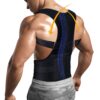
- 1x Magnetic back brace for posture designed to improve your overall posture and ease back aches and pain
- Sizes are as follows: Small = 80CM (for height under 150cm), Medium = 90CM (for height up to 160cm), Large = 100cm (for height up to 170cm),
XL = 110cm (for height up to 185cm), XXL= 120cm (for height 195+cm) - The fully adjustable waist belt and buckled straps helping you to find the most comfortable fit
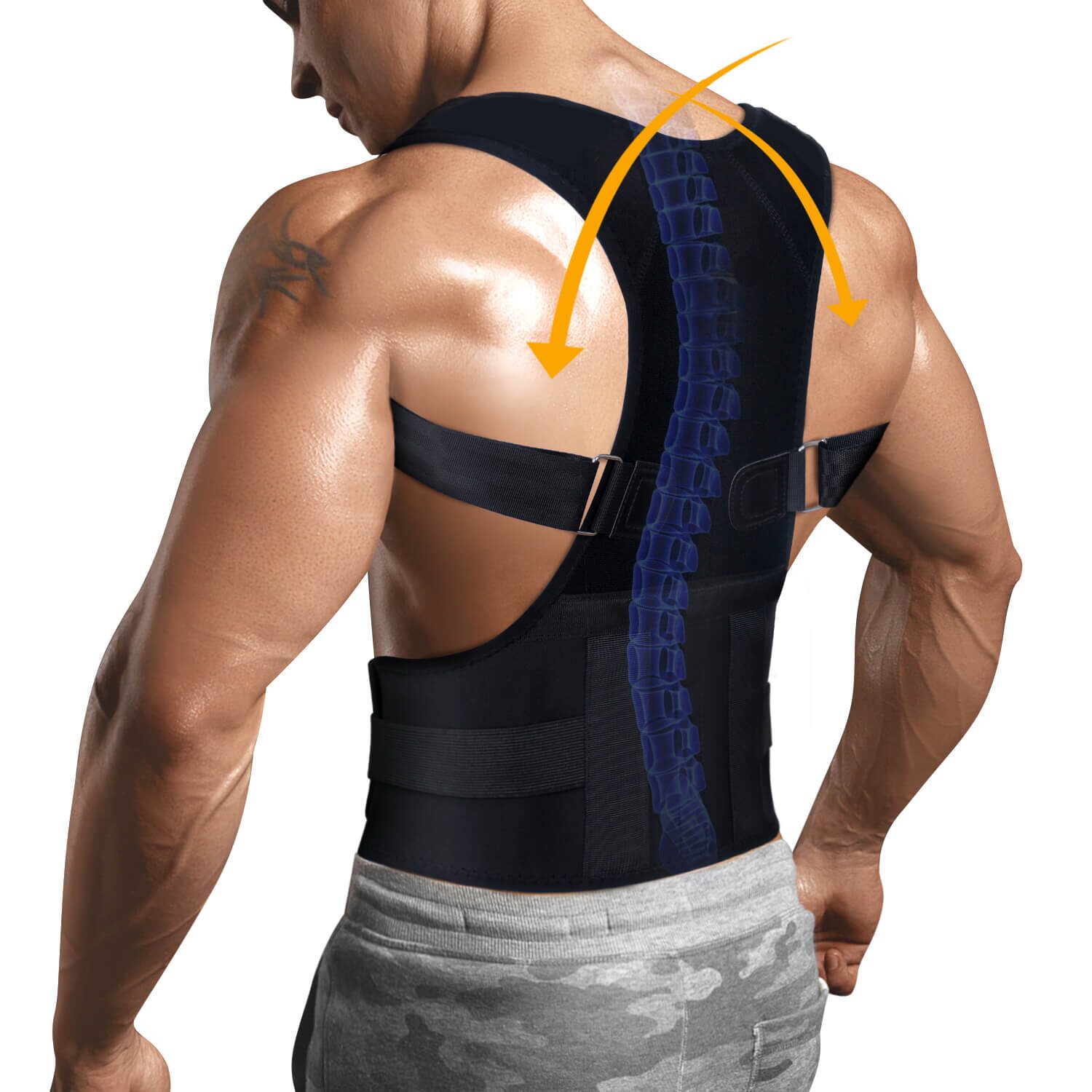
- Straightens and realigns your spine helping to improve your posture and ease pressure off your back
- Recommended for helping to ease back conditions and injuries such as slipped discs, Sciatica, Scoliosis, spondylolisthesis, Muscle or ligament strain, Arthritis and Osteoarthritis
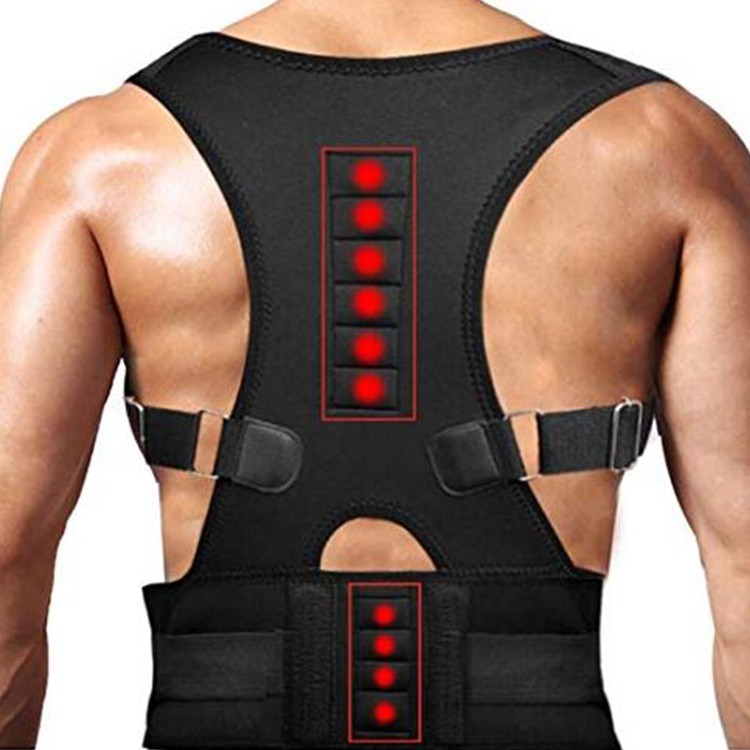
- Features strategically placed magnets that provide soothing magnetic therapy that targets and eases pain deep within your back (Not recommended for those who use a pacemaker)
- Provides soothing compression support that helps increase blood flow to your back helping to improve injury recovery by reducing swelling, inflammation and pain and speeding up the natural healing process of damaged soft tissue
- Made from lightweight and breathable materials with moisture wicking abilities that keep you feeling dry and sweat free all day long
- Includes a full 30 day money back guarantee!
BackReviver Magnetic Back Brace For Posture
If your back starts to feel tired, unsupported or strained after too long sitting, standing or walking, it can be difficult to hold yourself in a better position for long. The BackReviver Magnetic Back Brace For Posture is designed to give your back firmer, more practical support, so it feels easier to stay more upright through the day. It supports the back from the lower spine upwards, giving firmer reinforcement around the lower back and gentler support through the middle and upper back.
Many posture products focus mainly on the shoulders. They may pull the shoulders back slightly, but often do very little for the area many adults notice most during the day: the lower back. The BackReviver is designed differently. It combines a full-length back panel, adjustable shoulder straps, a supportive waist belt, forward-pull tension straps and structured lower-back reinforcement to create a broader, more secure feel across the back as a whole. So rather than acting only as a shoulder reminder, it works as a back brace for posture support from the lower back upwards.
It may suit a wide range of adults looking for more day-to-day support, including office workers, older adults, people who often notice their posture slipping, those recovering from a mild muscular strain, and anyone who simply feels better with extra support during light daily activity. You can wear it while sitting at a desk, standing, walking, or getting through normal daily tasks. The lightweight, breathable construction is intended for practical everyday wear rather than occasional use only.
The BackReviver also includes strategically placed magnets within the lower back panel for people specifically looking for a magnetic back brace for posture. These are built into the lower-back support section as part of the brace design. As with any magnetic product, this brace must not be used by anyone with a pacemaker, defibrillator, or any other implanted medical device that could be affected by magnets.
Whether you think of it as a magnetic back brace for posture, a back brace for posture support, a posture corrector for back pain, or an upper and lower back support brace for everyday wear, the purpose is simple. It is there to help you feel more supported, more upright and more comfortable during the ordinary activities that often put the most strain on your back.
Why everyday habits can put strain on your back
Back discomfort rarely comes from one single cause. For some people, it starts after an injury. For others, it builds gradually over time. Often, it comes down to a mix of muscle fatigue, staying in one position for too long, moving less than usual, poor lifting habits, age-related change, and the fact that everyday life often leaves the back doing the same job in the same position for hours at a time.
One common problem is prolonged slouching. You may notice it while working at a desk, using your phone, driving, reading, or sitting for long stretches. It can happen while standing too, when the upper body gradually drops forwards as tiredness sets in. As posture starts to slip, the shoulders round, the upper back bends more, the head moves forwards in front of the chest, and the lower back often loses some of the support that helps it cope well with upright activity. A few minutes in that position is not usually the main issue. The problem is when it becomes your usual position for much of the day, because the muscles, joints, discs and ligaments around the spine then have to tolerate low-level strain for longer than they manage comfortably.
Your spine is not one solid pole. It is made up of bones, discs between those bones, small joints, ligaments and layers of muscle, and all of them need to share load well. The upper and middle back naturally curve slightly outwards, while the lower back usually has a gentle inward curve. If you stay rounded for long periods, those curves and the way force passes through them begin to change. The ribcage may drop, the shoulder blades may sit less well against the back of the chest, and the lower back may flatten or compensate in a way that leaves the surrounding muscles working harder simply to keep you upright.
That helps explain why back discomfort often spreads across an area rather than staying in one exact spot. You may notice aching across the shoulder blades, tiredness in the upper back, tightness in the lower back, stiffness when you try to straighten up, or discomfort after sitting through a long meeting, driving for a while, or standing in one place. In many cases, those symptoms are shaped by how much strain is passing through the muscles, joints, ligaments and discs, and by the position your back has been held in for too long.
Unsupported sitting for long periods is one of the most common reasons the back starts to complain. As your seated posture becomes more slumped, the pelvis often rolls backwards, the lower back loses part of its natural curve, and the upper body gradually folds forwards. At first, that may only feel mildly uncomfortable. Given enough time, though, the small joints and supporting ligaments around the spine can end up taking more sustained strain, while the muscles that help hold you upright are left working in a lengthened, tired position. That often shows up as stiffness when you first stand up, a dull ache across the lower back, or the sense that your back is coping less well as the day goes on.
Standing for long periods can create a different but equally frustrating problem. You may find yourself leaning onto one hip, locking your knees, or letting the lower back drop into a less supported position. Some people gradually round forwards through the shoulders and upper back as they tire. In each case, the back stays too long in a position where support is poorer and muscle effort becomes less efficient. You may notice that your back feels manageable at first, then gradually becomes heavy, tight or uncomfortable the longer you stay on your feet.
Walking and general movement can also feel harder once the back is already tired. If the muscles around your trunk and shoulders are fatigued, the upper body may drop or sway more with each step. If the lower back already feels vulnerable, ordinary tasks can start to feel more demanding than they should. In that situation, external support may help not because it fixes the underlying cause on its own, but because it changes how much work the irritated or overworked parts of the back have to do during activity.
This is where a posture and back support brace can be useful for the right person. A brace does not replace stronger muscles, better movement habits, sensible exercise, or medical care where needed. What it can do is interrupt the cycle of slouching, muscular overwork and repeated positional strain. It can also make changes in your posture easier to notice. Many people do not realise how far their position has drifted until a support makes that change easier to feel.
For many adults, especially those who sit for long periods, clearly notice posture issues, or tire easily through the lower back, the aim is not to create a perfectly straight posture. A more realistic goal is to make it easier for you to stay in a better-supported position for longer, with less effort and less strain. That is where a well-designed back brace for posture support can be useful.
Why a back brace for posture support can help
A posture support brace works best when you think of it as a practical mechanical aid. It does not need exaggerated claims to be useful. Its value comes from the way it changes how your back is supported during everyday activity and how quickly it helps you notice when your posture is starting to slip.
One of the main ways a brace can help is by acting as a reminder. Poor posture habits are often automatic. You do not usually decide to slouch. More often, you drift into it as concentration fades or as the muscles around your trunk tire. When a brace is fitted properly, you tend to notice that change earlier. As the shoulders round or the trunk starts to fold, the straps and back panel make that shift easier to feel, so you are more likely to correct your position before too much strain builds.
Another benefit is external support. Your back depends on bones, discs, joints, ligaments and muscles all working together. During long periods of sitting or standing, the muscles that help hold you upright can tire. By adding support from outside the body, a brace can share some of that workload. That may reduce the feeling that your back is sagging or giving way, especially during desk work, standing in one place, or walking for moderate periods.
Compression also plays a part in how these braces feel and work. A close-fitting brace gives a held, secure feeling around the trunk. For some people, that simply feels reassuring. For others, it improves awareness of how they are holding themselves, so they notice sooner when the shoulders are rolling forwards, when the chest is dropping, or when the lower back is losing support. That matters because posture usually worsens gradually, not all at once.
Lower-back reinforcement often makes more difference than people expect. Many simple posture correctors focus almost entirely on the upper back and shoulders. They may open the chest slightly, which can help, but they often leave the lower back doing the same work it was already struggling with. If your lower back tends to feel tired, vulnerable or easily aggravated, a brace that includes proper lower-back support often feels much more useful in practice. When the lower back is held more securely during sitting or standing, the structures in that area are not being asked to control as much repeated sagging. That can make longer periods at a desk or on your feet feel easier to manage.
Support across more than one part of the back matters because posture is not only a shoulder issue. Rounded shoulders, a slumped upper back and a poorly supported lower back often happen together. If you only pull the shoulders back without giving the lower trunk a steadier base, the body may still collapse elsewhere. A fuller-support brace works better by linking the lower back, middle back, upper back and shoulders, so the support feels more balanced rather than concentrated in one place.
This is why many adults prefer a back support brace for posture over a minimal strap device. They are not only trying to look straighter. They want something that may help them feel more supported while sitting at a desk, standing for longer, walking, or getting through ordinary daily tasks. The best posture braces do not just pull the shoulders backwards. They help create a steadier, better-supported position for the back as a whole.
Why fuller back support can matter more than a basic shoulder strap
A simple posture strap can be enough for some people, especially if the main issue is mild rounding through the shoulders when sitting. However, many adults looking for a posture corrector for back pain or postural fatigue need more than that. If your lower back feels tired, if your trunk tends to collapse when seated, or if standing becomes uncomfortable over time, support that only acts on the shoulders may feel incomplete.
The lower back is a major load-bearing area. It transfers force between the upper body and the pelvis and helps you cope with sitting, standing, lifting, bending and walking. When that area feels weak, tense, unsupported or easily irritated, a product that ignores it may only address part of the problem. That is why a brace with a waist belt, lower-back reinforcement and adjustable tension can feel much more substantial than a basic upper-back harness.
There is also a practical reason fuller support often works better. If all the pull comes from the shoulder straps, the reminder is concentrated high up and may become uncomfortable before it becomes genuinely useful. When the support is anchored around the waist and lower back, the force is spread more evenly through the trunk. That usually makes the brace feel more stable and allows it to guide posture without relying on a harsh pull through the shoulders alone.
Upper and lower support work best together. If the lower back is given firmer support while the shoulders and upper back are gently guided into a more open position, the overall effect usually feels more balanced. That can matter during ordinary tasks such as desk work, driving, walking, or standing in a queue, where posture tends to fade gradually as the body tires. The aim is not to force you into an exaggeratedly straight position, but to make a better-supported position easier to maintain with less effort.
How the BackReviver brace is designed to support your back
The BackReviver Magnetic Back Brace For Posture is designed to combine posture awareness with practical structural support. Rather than working like a narrow shoulder harness, it supports the back from the lower spine upwards, helping you feel more upright and more secure across the whole back.
Full-length support from the lower back upwards
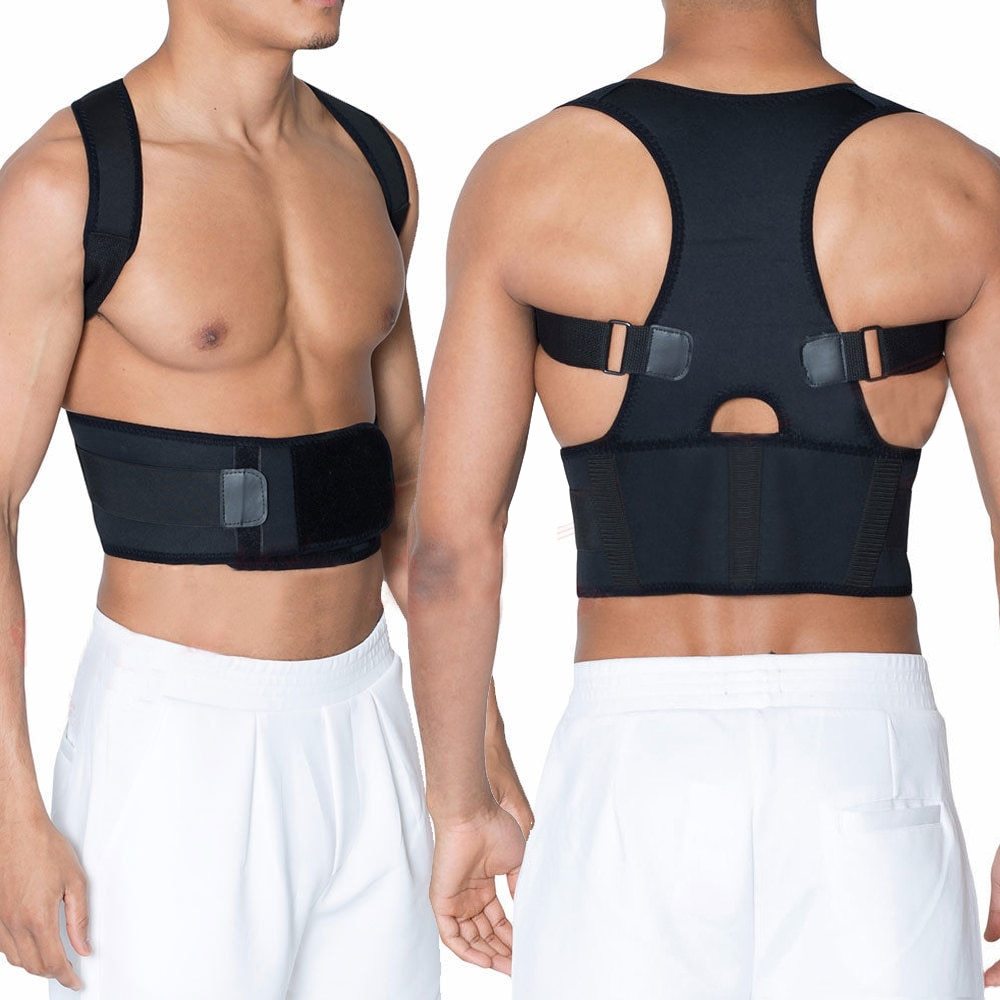
One of the key parts of the design is the full-length back panel. This gives the brace a more substantial feel than simpler posture aids because the support is not limited to one small part of the back. The panel runs centrally up the back, creating a more continuous line of support from the lower back towards the upper spine. If your whole back tends to slump rather than just your shoulders, that can make a noticeable difference.
This panel also changes how the brace feels when posture starts to slip. As you begin to fold forwards while sitting or standing, the panel helps resist that gradual collapse across a larger area instead of leaving one part of the back to cope alone. In practical terms, that may help you feel steadier through longer desk sessions, longer periods of standing, or walks where posture would otherwise worsen as tiredness builds.
Support for the upper back, middle back, lower back, shoulders and side ribcage area
The BackReviver is designed to support several linked areas at the same time. It reinforces the lower back, which is where many people want firmer support, but it also influences the middle back, upper back, shoulders and the area around the side of the ribcage. This adds to the secure overall feel without bulky front panels.
This matters because posture-related strain rarely stays neatly in one isolated spot. You may notice aching between the shoulder blades, tiredness across the lower back, and a general sense of the upper body dropping forwards at the same time. By supporting more than one area, the brace can help reduce the sequence in which the upper trunk drops, the chest sinks and the lower back then has to work harder to stop the body from collapsing further.
Adjustable shoulder straps that help encourage a more open upper-body position
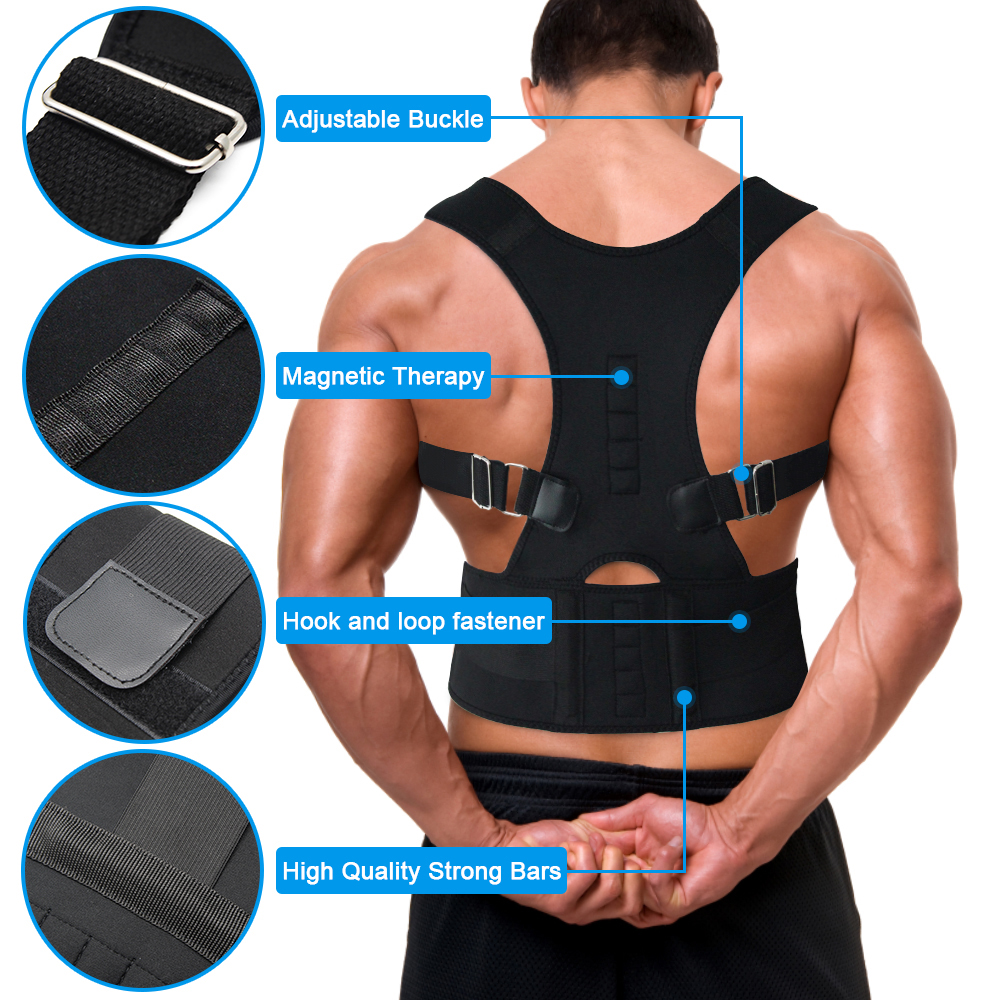
The shoulder straps sit over your shoulders in a backpack-style design and can be adjusted with buckles. That makes the brace easier to tailor to you rather than forcing you into a fixed pull. The straps help guide the shoulders into a more open position and can reduce the tendency to round forwards too much during sitting or standing.
That adjustability matters because the upper back and shoulders usually respond better to a guided correction than a harsh one. If the pull is too strong, you are more likely to feel restricted or sore and less likely to wear the brace consistently. If the pull is set sensibly, the straps can make slouching more noticeable when you are typing, reading, or sitting for longer periods, without feeling as though they are dragging your shoulders into an unnatural position.
Adjustable waist belt for a secure and customisable fit
The waist belt forms the anchor for the lower part of the brace. It wraps around the torso and helps the support stay in the right place. A stable anchor lower down matters because upper-body posture support works much better when it is linked to a firm base. Without that, posture supports are more likely to shift, ride up or feel flimsy once you start moving.
Because the belt is adjustable, you can alter the fit to suit your comfort, your clothing and the level of support you want. Some people prefer a gentler feel for desk work, while others want a firmer hold for walking or longer periods on their feet. In practical terms, the waist section helps the brace work with your trunk rather than sitting loosely on top of it, so the support feels more connected and more reliable during ordinary daily movement.
Forward-pull tension straps for firmer lower-back reinforcement
One of the most useful parts of the BackReviver design is the forward-pull tension strap system that wraps around and fastens at the front of the lower-back support belt. This gives you more control over how firmly the brace supports the lower back and creates a more reinforced feel around that area.
If your lower back tends to feel vulnerable, tired or unsupported, this feature can make a clear difference. When the lower back repeatedly drops into a less supported position during sitting, standing or walking, the small joints, ligaments and surrounding muscles can become irritated by prolonged low-level strain. Tightening the forward-pull straps can help limit that repeated sagging and give the lower trunk a more secure base, which may make ordinary activities such as standing at work, walking, or getting through a long day at a desk feel less wearing.
Aluminium struts in the lower-back panel
The lower-back panel includes aluminium struts that add shape and stability to the support section. These struts help the brace keep its structure and provide more consistent reinforcement across the lower back. Instead of relying only on fabric tension, the brace uses this added structural element to support the area more effectively.
This can be particularly useful during prolonged sitting or standing, when the lower back may otherwise start to flatten, slump or tire. The struts do not turn the brace into a fully rigid medical-style support, but they do help the brace resist folding and bunching. That means the lower back gets a steadier level of reinforcement at the times when posture often starts to slip, such as later in the working day or after you have been on your feet for a while.
Compression support that helps the brace feel secure and supportive
When properly adjusted, the BackReviver provides a close, supportive fit around the torso and back. This compression adds to the secure feel of the brace and may help some people feel more stable while moving. It also helps the brace stay in place and can improve awareness of posture and trunk position.
A practical way to think about compression is that it helps the brace feel snug and properly fitted to your body. That can make it easier to notice when the chest is dropping, when the shoulders are rounding, or when the lower back is starting to tire. For some people, that means fewer periods of unnoticed slouching during desk work. For others, it means feeling a little more supported while standing, walking, or getting through light daily tasks.
Lightweight, breathable materials for practical everyday use
A support brace is much more likely to be used regularly if it is comfortable enough for ordinary routines. The BackReviver is made from lightweight, breathable neoprene-style materials chosen to provide support without feeling unnecessarily heavy. This helps reduce the bulky, cumbersome feel that can make some braces difficult to wear in everyday situations.
Breathable construction matters because many people want to wear the brace for several hours while working, walking, or moving around through the day. If a support traps too much heat, comfort usually drops quickly and wear time often drops with it. A lighter, more breathable design makes it more realistic to wear the brace at the times when posture support is most useful.
Moisture-wicking properties to improve everyday comfort
The material also has moisture-wicking properties, helping the brace feel drier and more comfortable through the day. This is particularly useful if you want to wear it under clothing or during light activity, where a support that quickly becomes damp or clammy would be much less practical.
Comfort may sound secondary compared with support, but it is closely linked to whether a brace is actually useful. If the material feels unpleasant after a short period, most people will not keep it on for long enough to benefit from the posture reminder and lower-back support. In that sense, wearability is part of the brace’s function rather than just an extra feature.
Designed to be worn under clothing
Many adults want posture and back support that fits discreetly into normal life. The BackReviver can be worn under clothing, making it easier to use at work, at home, or while out without having to wear the brace visibly over your outfit. This is especially relevant if you want support during desk work, commuting, or ordinary errands without drawing attention to it.
Strategically placed magnets in the lower-back panel
The BackReviver includes strategically placed magnets within the lower-back panel. These sit in the lower back section and form part of the product design for people who specifically want a magnetic back brace for posture. For some buyers, this is an appealing feature and part of the reason they choose this brace over a non-magnetic alternative.
It is important to keep the role of magnets in proportion. The main supportive effect of this brace comes from its overall construction, fit, posture reminder, lower-back reinforcement and structured back support. The brace should not be thought of as curing or treating medical conditions because of the magnets. The key safety point is simple: do not use this product if you have a pacemaker, defibrillator, or another implanted medical device that could be affected by magnets.
Who this back brace may suit
The BackReviver Magnetic Back Brace For Posture may suit a wide range of adults who want help improving posture awareness, reducing slouching-related strain and feeling more supported through the back during everyday activity. It is not limited to one narrow type of user. Its design makes it relevant in several common situations where people start looking for more support.
Office workers and desk-based professionals
If you spend long hours sitting at a desk, working in front of a screen, or staying in one seated position for much of the day, you may notice that your posture slips as the hours go on. Rounded shoulders, a slumped upper back and a tired lower back are all common with desk-based work. The BackReviver may help by encouraging a more supported seated position and reducing the sense of collapse that often builds gradually through long periods of sitting.
Older adults wanting more everyday support
As you get older, it is common to feel less robust through the back during standing, walking, or routine tasks. Changes in strength, stamina, joint stiffness and general tissue resilience can all play a part. A brace that supports the lower, middle and upper back may help some older adults feel steadier and better supported during ordinary activity, provided it is comfortable and used appropriately.
People who regularly notice posture problems
If you often notice slouching, rounded shoulders, a forward-leaning upper body, or a tendency to collapse through the trunk when you are tired, this brace may be useful as both a posture reminder and a support aid. Its design helps encourage better positioning rather than leaving you to rely entirely on muscle endurance and repeated self-correction.
People recovering from mild muscular or ligament strain
After a mild back strain, it is common to feel cautious about returning to normal tasks even once the sharper pain has eased. A supportive brace may help by giving you a more secure feeling through the back during day-to-day activity. That can make it easier to sit, stand and move with more confidence while irritated tissues continue to settle.
People who simply want more day-to-day back support
Some people do not have one clear diagnosis or one dramatic injury. They simply know that their back feels better with more support during walking, standing, light chores, shopping, commuting, or everyday movement. The BackReviver may suit those looking for moderate overall daily support, with more substantial reinforcement at the lower back.
Where this type of support may be relevant for common back conditions and posture problems
It is important to use condition-related language carefully. The BackReviver Magnetic Back Brace For Posture is not a cure and should not be presented as a replacement for diagnosis, treatment, or rehabilitation. However, a back brace for posture support may be useful for some people with certain back conditions or recurring back problems because it can improve posture awareness, provide external support, and reduce strain during everyday activity.
The following are examples of situations already associated with this product where supportive use may be relevant. Whether a brace is appropriate depends on you as an individual and, where needed, the advice of a qualified clinician.
Slipped discs and disc-related back pain
People often use the term slipped disc to describe a problem with one of the discs between the bones of the spine, where the disc bulges or herniates and may contribute to back pain or pain spreading into the leg. A brace does not put the disc back into place and does not treat the underlying change in the disc itself. What it may do is help some people manage the positions that load the area poorly.
Disc-related pain often becomes more noticeable when you sit slumped for too long, stay bent forwards for repeated tasks, or struggle to hold a supported upright position. In those situations, the disc and surrounding structures are often coping with sustained pressure while the lower back stays rounded and the supporting muscles tire. The BackReviver’s full-length panel and shoulder guidance can help you notice and reduce that prolonged collapse, while the waist belt and lower-back reinforcement provide a steadier base through the lower back. For some adults, that may make desk work, longer seated periods, or spells of standing and walking feel less aggravating.
Sciatica
Sciatica is a term commonly used for pain that travels from the lower back into the buttock and down the leg. The severity and exact cause vary a great deal. A brace does not directly treat the nerve itself, but it may help some people manage the postures and loads that make symptoms worse.
For example, if prolonged sitting increases symptoms, poor seated posture may be leaving the lower back in a position that feels less well tolerated and more irritating for the area around the nerve. By helping you sit with better support through the trunk and lower back, the brace may reduce how quickly that strain builds. If standing for long periods leads to lower-back fatigue and a gradual increase in symptoms, the lower-back reinforcement may also help you feel more supported and less vulnerable. Persistent, severe or worsening nerve symptoms should be assessed by a GP or physiotherapist.
Scoliosis
Scoliosis means a sideways curve of the spine, and it can vary from mild to more complex forms. This general support brace is not a specialist scoliosis brace and should not be confused with one. However, some adults with scoliosis-related muscular fatigue or postural strain may find that a supportive brace helps them feel more upright or more supported during day-to-day tasks.
The most relevant effect here is support rather than correction. Where the curve places uneven demand on the muscles around the trunk, longer periods of sitting, standing or walking can sometimes lead to fatigue and a feeling of unevenness or heaviness through the back. A brace that gives more continuous support from the lower back upwards may help some people feel steadier during those activities, but it is not presented as a device that corrects the spinal curve itself.
Spondylolisthesis
Spondylolisthesis refers to one bone in the spine slipping forwards relative to the one below it. In some adults, this can contribute to lower-back discomfort, stiffness, or symptoms during walking and standing. A brace does not reverse that slip, but firmer lower-back support may help some users feel more stable during activity.
This is especially relevant if the lower back feels less comfortable when it is repeatedly allowed to drop into a poorly supported position during standing and walking. The BackReviver’s waist belt, forward-pull straps and lower-back struts help give the lower back a more supported position, which may reduce the sense of strain in the area during everyday tasks. If symptoms are significant or the diagnosis is uncertain, it is sensible to speak to a GP or physiotherapist.
Muscle or ligament strain
Mild strains can leave the back feeling fragile, tired and easily aggravated even after the initial injury has started to settle. You may no longer have severe pain, but you may still notice a pulling, aching or vulnerable feeling when sitting for too long, standing for a while, or trying to return to normal routines.
In that context, a brace may help by reducing repeated slouching, improving posture awareness and giving the back a more secure feeling during routine activity. If the muscles or supporting ligaments are still sensitive to repeated low-level strain, having external support through the trunk can make it easier to move with a little more confidence while they settle. The role of the brace here is supportive, not curative, and it should sit alongside sensible recovery and a gradual return to normal movement.
Arthritis and osteoarthritis
Arthritic change in the spine can be associated with stiffness, reduced tolerance for certain positions, and discomfort during prolonged standing or activity. A supportive back brace may help some people by making it easier to maintain a more comfortable upright position and by adding support to areas that fatigue easily.
For adults with spinal osteoarthritis in particular, the appeal of a brace is often practical rather than dramatic. When the small joints in the back are stiff or irritable, long periods in one position can make discomfort build steadily. The BackReviver’s combination of posture reminder, lower-back reinforcement and trunk support may help reduce how quickly that tired, compressed feeling builds during routine tasks such as standing, walking, or sitting for longer periods.
Kyphotic posture or pronounced rounding of the upper back
Some adults develop a noticeably rounded upper-back posture through habit, age-related change, or long-standing movement habits. A brace that includes shoulder support together with a full-length back panel may help encourage a more open and upright upper-body position. This can improve posture awareness and may reduce some of the fatigue that comes with trying to hold yourself straighter through muscle effort alone.
The useful part mechanically is that the brace does not only act on the shoulders. Because it also supports the trunk from below, it can give you a more stable base from which the upper back can sit more comfortably. The aim is not to force a rigidly straight spine, but to make it harder to sink into excessive rounding for long periods during sitting, standing, or walking.
Back pain that is strongly affected by posture
Many everyday back aches are strongly influenced by posture, movement, load, fatigue and activity habits rather than by one single structural problem. In this group, symptoms often come on or build during the kinds of tasks that repeatedly expose the back to poor support: sitting for too long, standing in one place, walking once the muscles are tired, or staying in a slumped position for much of the day.
This is where a back brace for posture support may be particularly relevant. The value of the BackReviver is often not one dramatic effect but a set of smaller practical changes: better awareness when posture starts to slip, more support around the lower back, and a steadier feeling through the trunk when the back would otherwise start to tire. For many people, that can make ordinary daily activity feel more manageable and reduce how quickly discomfort builds across the day.
How to wear the BackReviver and choose the right size
A brace is only likely to help if it fits properly and is used in a practical, comfortable way. If it is too loose, it may not provide enough support. If it is too tight, it may feel restrictive, awkward, or difficult to tolerate. The BackReviver is designed to be adjustable so that you can find a level of support that feels secure without feeling excessive.
Basic fitting and adjustment
Place the brace so that the back panel runs centrally along your spine, with the lower portion sitting over the lower back. Slip the shoulder straps over your shoulders in the same way you would put on a backpack. Fasten the waist belt around your torso so that it feels comfortably secure. Once the main position is correct, use the buckled shoulder adjustments and the forward-pull lower-back tension straps to fine-tune the fit.
The aim is to create a supported, upright feeling without pinching, digging in, or making breathing uncomfortable. Most people do best by starting with moderate tension and then making small adjustments after a short period of wear. That way, the brace acts as a support and reminder rather than an overly forceful restraint.
When to wear it
The BackReviver is designed for daytime use during normal daily activities. You may wear it while sitting at a desk, standing, walking, carrying out light tasks, commuting, or during other routine situations where you want more back support and better posture awareness.
It is especially suited to activities where posture tends to worsen gradually. Desk work is the clearest example, but the same can apply during periods of standing or light movement through the day, when tiredness often leads to slumping without you noticing at first.
When not to wear it
This brace is not intended for sleeping and should not be worn in bed. It is also not intended for intense exercise, high-impact sport, or situations where a lighter and more activity-specific support would be more appropriate. If the brace causes discomfort, rubbing, numbness, or worsening symptoms, stop using it and speak to a GP or physiotherapist.
Size guide
Small = 80cm, for height under 150cm
Medium = 90cm, for height up to 160cm
Large = 100cm, for height up to 170cm
XL = 110cm, for height up to 185cm
XXL = 120cm, for height 195cm and above
The adjustable waist belt and buckled straps help fine-tune the fit once you have selected the correct size. If you are between sizes or unsure, the most practical aim is to choose the size that allows the brace to sit securely and comfortably without feeling excessively tight.
What to realistically expect from using this brace
The most sensible way to think about the BackReviver is as a support aid rather than a cure. Some users notice quite quickly that they sit taller, slump less, and feel more supported. Others find that the main benefit is not dramatic pain relief but less fatigue, less heaviness, or less of that familiar feeling that the back gradually gives way as the day goes on.
Realistic benefits may include better posture awareness, less slouching, more support through the lower back, improved comfort during desk work or standing, and greater confidence during light daily activity. What it should not be expected to do is permanently fix a structural spinal issue, replace rehabilitation, or resolve every cause of back pain on its own.
Results vary because backs, habits, symptoms and daily demands vary. The brace is usually most useful when it forms part of a sensible overall approach that includes regular movement, avoiding overly long periods in poor positions where possible, and seeking advice from a GP or physiotherapist if symptoms are complex, severe, new, or unexplained.
Important safety information
This product is not a substitute for medical advice, diagnosis, or treatment.
Speak to a qualified healthcare professional before use if you are pregnant, under medical care, or have a diagnosed spinal or musculoskeletal condition and are unsure whether this type of support is appropriate.
Stop using the brace and seek professional advice if pain worsens, new or unexplained symptoms develop, or the brace causes significant discomfort, numbness, or skin irritation.
Do not wear while sleeping.
Do not use during intense exercise or high-impact activity.
This item contains magnets.
Do not use this product if you have a pacemaker, defibrillator, or any other implanted medical device that could be affected by magnets.
30-day money-back guarantee
The BackReviver Magnetic Back Brace For Posture includes a full 30-day money-back guarantee, giving you added reassurance when choosing a support product for daily use.
Why this back brace is worth considering
If you want more than a basic shoulder posture strap, the BackReviver offers a more complete support system for everyday use. It combines posture reminder, adjustable shoulder support, firmer lower-back reinforcement, a full-length back panel, breathable comfort, and a fit that can be worn under clothing during normal daily activity. That makes it especially relevant if you sit for long periods, struggle with slouching, feel vulnerable through the lower back, or simply want more structured support through the day.
Rather than relying on exaggerated promises, the value of this brace lies in straightforward mechanical support. It is designed to help you feel more upright, more aware of your posture, and better supported from the lower back upwards while you work, walk, stand, or move through daily life. For many adults, that combination of support, practicality and adjustability is exactly what makes a posture brace worth using.
The BackReviver Magnetic Back Brace For Posture is a strong option for those seeking a magnetic back brace for posture that feels more substantial than a simple strap and more practical than a bulky rigid brace. If you want a wearable, adjustable, everyday back brace for posture support, it offers a balanced and responsible solution.
2 Reviews For This Product
Fast & Secure Checkout Through Paypal
Pay with Paypal the secure payment gateway that accepts all credit and debit cards. Paypal is free and secure and no credit or bank information is ever stored or shared with us.
Fast Dispatch
Enjoy your items soon with quick dispatch via Royal Mail. Expect to have your items between 1-3 working days for domestic orders. 7-10 Working days for international orders.
Return Policy – 30 Day Money Back Guarantee
In the unlikely event, you are unhappy with your purchase you can return it within 30 days for a refund. Please contact us via the form on the contact us page to start your return.
To return an item please send it to: Nuova Health UK, 81 Highfield Lane, Waverley, Rotherham, S60 8AL. Please include a note with your order id so we know who to refund. Please retain your postage receipt as proof of postage. All that we ask is that the item is in the original packaging and unused.
by Gary
Honestly, I was a bit skeptical when I first got this posture corrector. I mean, how much can a piece of fabric really do, right? Boy, was I wrong. I’ve been using it for three weeks now and my back pain has significantly reduced. It’s like having a personal chiropractor with you all the time. The quality? Top-notch. It’s comfortable and easy to use. I highly recommend it to anyone with posture problems.
by Aisha Khan
Wow, just wow. After suffering for months with back pain, I stumbled across this posture corrector. I hesitated initially, but I’m so glad I took the plunge! Within days, I felt a significant difference. My shoulders felt lighter, my back less strained. Who knew a small adjustment could mean such a big change?
I wear it daily at work now. No more slouching at my desk! It’s comfy and discreet under clothes. Plus, my friends even commented on my improved posture. You know it’s working when others notice! 😊 It’s a game of consistency—stick with it, and you’ll see the magic. Seriously.