
Open Patella Knee Brace
£9.99inc VAT
- 1x Patella Knee brace designed to support and reduce pressure off the patella tendon and help ease knee aches and pain
- One sizes fits all
- For both Men and Women
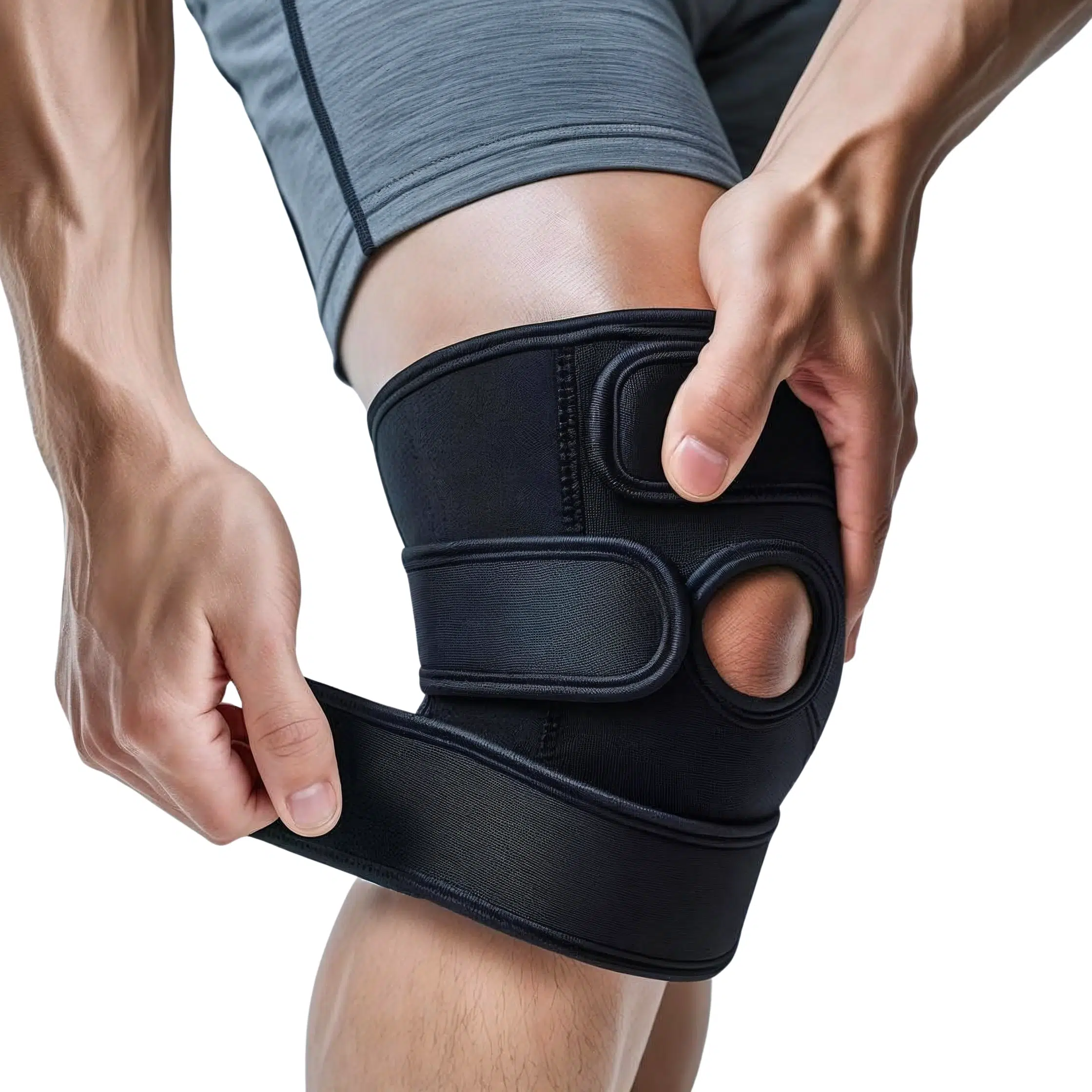
- Fully adjustable straps allow you to quickly and easily adjust to the right fitting, support and compression
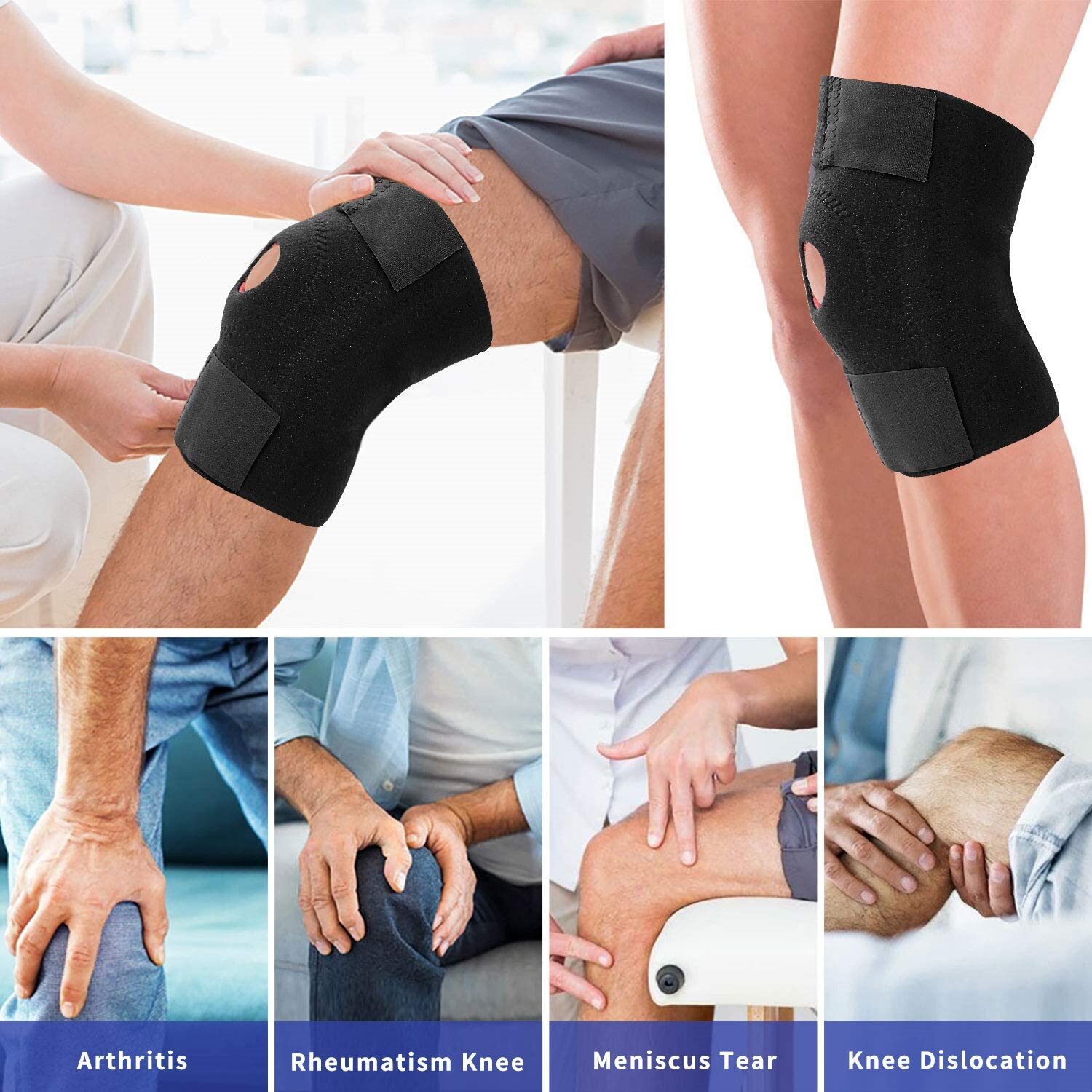
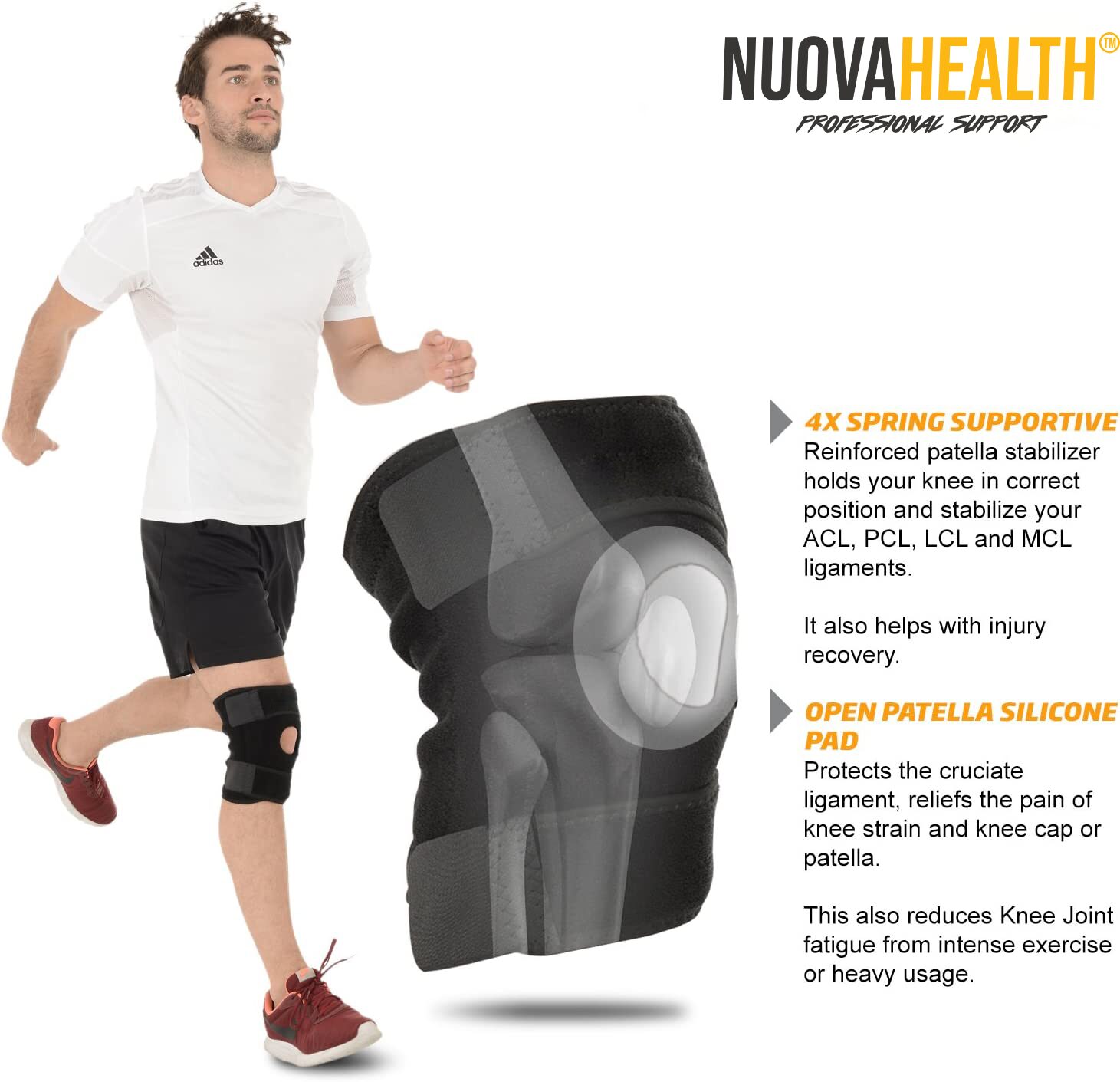
- Recommended for a wide range of injuries including ACL, PCL & MCL knee injuries, Meniscus Tear, Strains, Sprains, Tears, Arthritis, Bursitis and Patella tendonitis
- Provides soothing compression that helps stimulate blood flow to your knee joint helping reduce swelling and inflammation, ease pain and speed up the natural healing process of injured knees
- Supports and improves the way your knee joint functions helping to ease pressure off your knee and help you to avoid further wear and tear injuries
- Made from Premium-grade neoprene material that is breathable, lightweight and skin friendly
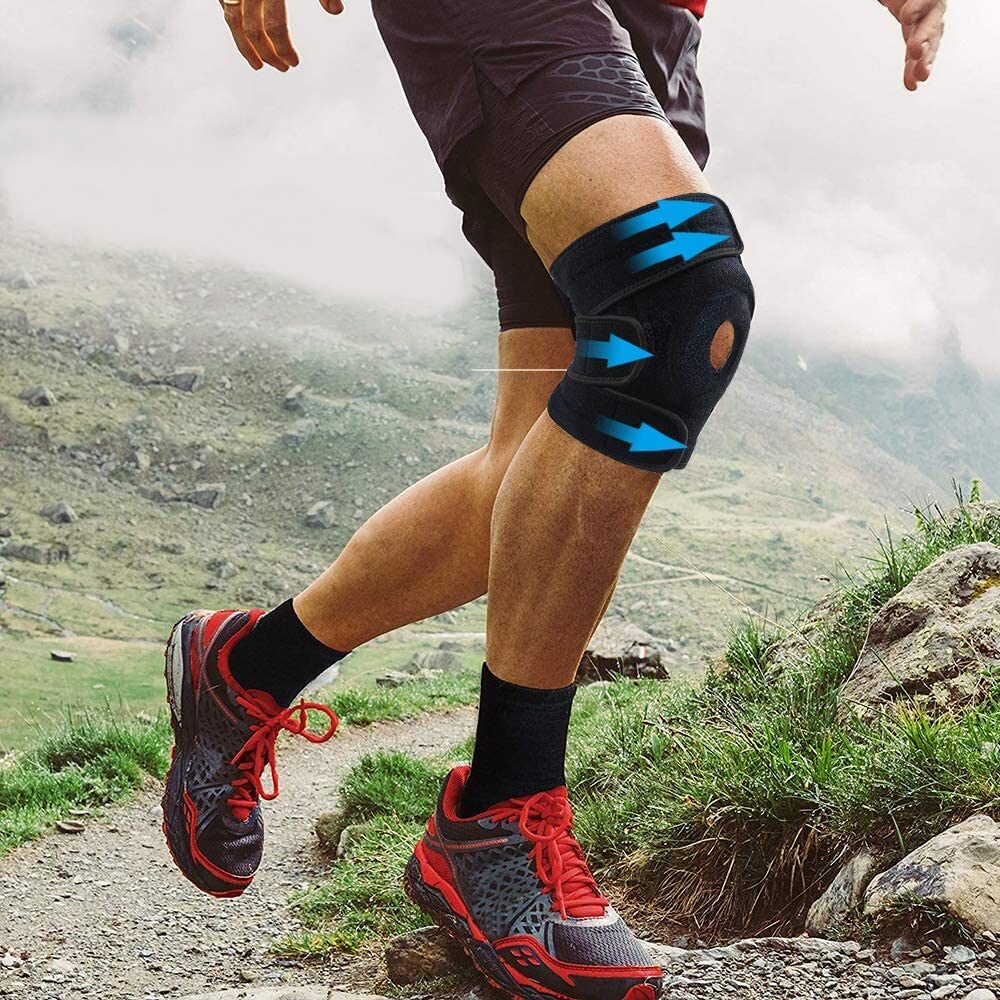
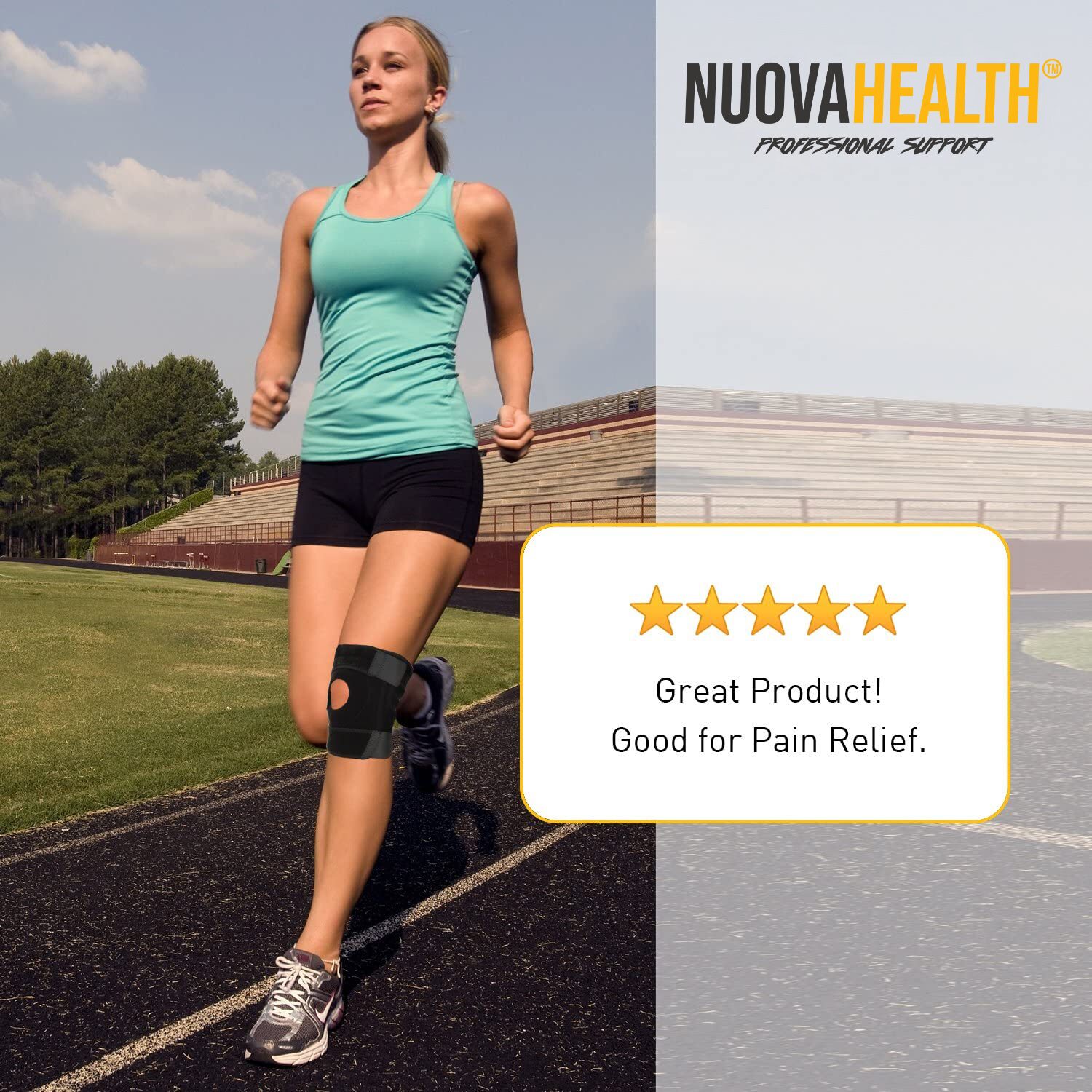
- Ideal for wearing whilst running, exercising and playing sports to help protect your knee from injury
- Includes a full 30 day money back guarantee if you are not 100% satisfied with your purchase!
Do you feel knee pain slowing you down – whether you’re a runner, an athlete, or simply someone who values an active life? That persistent ache around the kneecap, stiffness after rest, or sharp discomfort during movement can significantly impact daily activities like walking, climbing stairs, or standing comfortably. These sensations often stem from pressure on the patella tendon, inflammation, or conditions like arthritis, tendonitis, or past injuries such as ACL sprains or meniscus tears.
It’s a common challenge. In the UK alone, approximately 4.4 million people seek medical help for knee pain annually, highlighting just how widespread this issue is.
Finding effective, targeted support is crucial. The KneeReviver Open Patella Knee Brace is designed specifically to address this core discomfort. Its key function is to reduce direct pressure on the sensitive patella tendon, the source of much knee pain. This focused approach helps alleviate pain, improve joint stability, and support natural movement. Imagine moving with greater ease and less discomfort during your daily routines or physical activities. This brace offers practical support for managing knee pain and promoting comfort, helping you move more freely.
Understanding Knee Pain & The Critical Role of Support
Knee pain rarely exists in isolation. It’s often a sign of underlying stress or damage to structures like:
- Tendons: Patellar tendonitis, for example, arises from repeated jumping, running, or squatting, which places constant strain on the patellar tendon. Over time, tiny tears and inflammation develop, turning everyday movements into painful tasks.
- Ligaments: Twisting accidents or high-impact collisions can stretch or tear ligaments like the ACL, PCL, or MCL. Such injuries create instability that affects the entire knee, causing a wobbly sensation or fear of the knee “giving out.”
- Cartilage: The meniscus helps cushion and stabilize the knee. When it’s torn, you may feel locking, clicking, or a tearing sensation that frustrates even basic actions like climbing stairs or sitting down.
- Joints: Conditions like arthritis and bursitis lead to heat, swelling, and stiffness within the knee. This irritation limits range of motion and can make simple activities—like walking—achy and tiring.
Even day-to-day wear and tear slowly weakens these tissues. Without proper support, minor aches can spiral into chronic pain. Inflammation within the knee reduces healthy blood flow, weakening the area further. Instability puts extra stress on surrounding muscles and tendons, amplifying discomfort. Each step or bend can then become a source of new micro-injuries, fueling an ongoing cycle of damage.
Why Targeted Support is Essential
For treatment:
• Stabilizes vulnerable areas: Prevents overextension of healing ligaments and protects delicate cartilage to avoid re-injury.
• Reduces tendon strain: Allows inflamed tissues—like those in patellar tendonitis—to recuperate by distributing load more evenly.
• Controls swelling: By improving circulation, supportive gear helps flush out fluid buildup, allowing the knee to recover more quickly.
For prevention:
• Absorbs impact: Running and sports often stress knees with repetitive pounding. Proper support cushions these forces, protecting joint surfaces.
• Maintains alignment: Small imbalances can lead to bigger injuries over time. A good brace or supportive accessory keeps the knee tracking correctly.
• Offloads pressure: Targeted support shifts stress away from high-risk areas (like the patella tendon), preventing overuse and pain before it starts.
In essence, the right support system interrupts the cycle of strain → inflammation → damage by giving your knee both stability and rest as it rebuilds.
Your Solution for Lasting Knee Relief
Give your knees the care they need for a more active and comfortable lifestyle. With the KneeReviver Open Patella Brace, you can reclaim your mobility and reduce aches and pains through a supportive, intelligently crafted design. Whether you’re pursuing an intense workout regimen or simply trying to get through your day without discomfort, this brace is built to provide stability, protection, and relief from a wide range of common knee issues.
Experience Comprehensive Knee Support for a Fuller, Healthier Life
By combining advanced materials and smart engineering, the KneeReviver Open Patella Brace targets the source of knee pain, encouraging better movement and faster healing. Its open patella design, adjustable straps, and high-quality compression work together to improve circulation, reduce strain, and prevent reinjury. Now you can tackle everything from steep stairs and running drills to everyday errands with renewed confidence.
Open Patella Design for Targeted Support
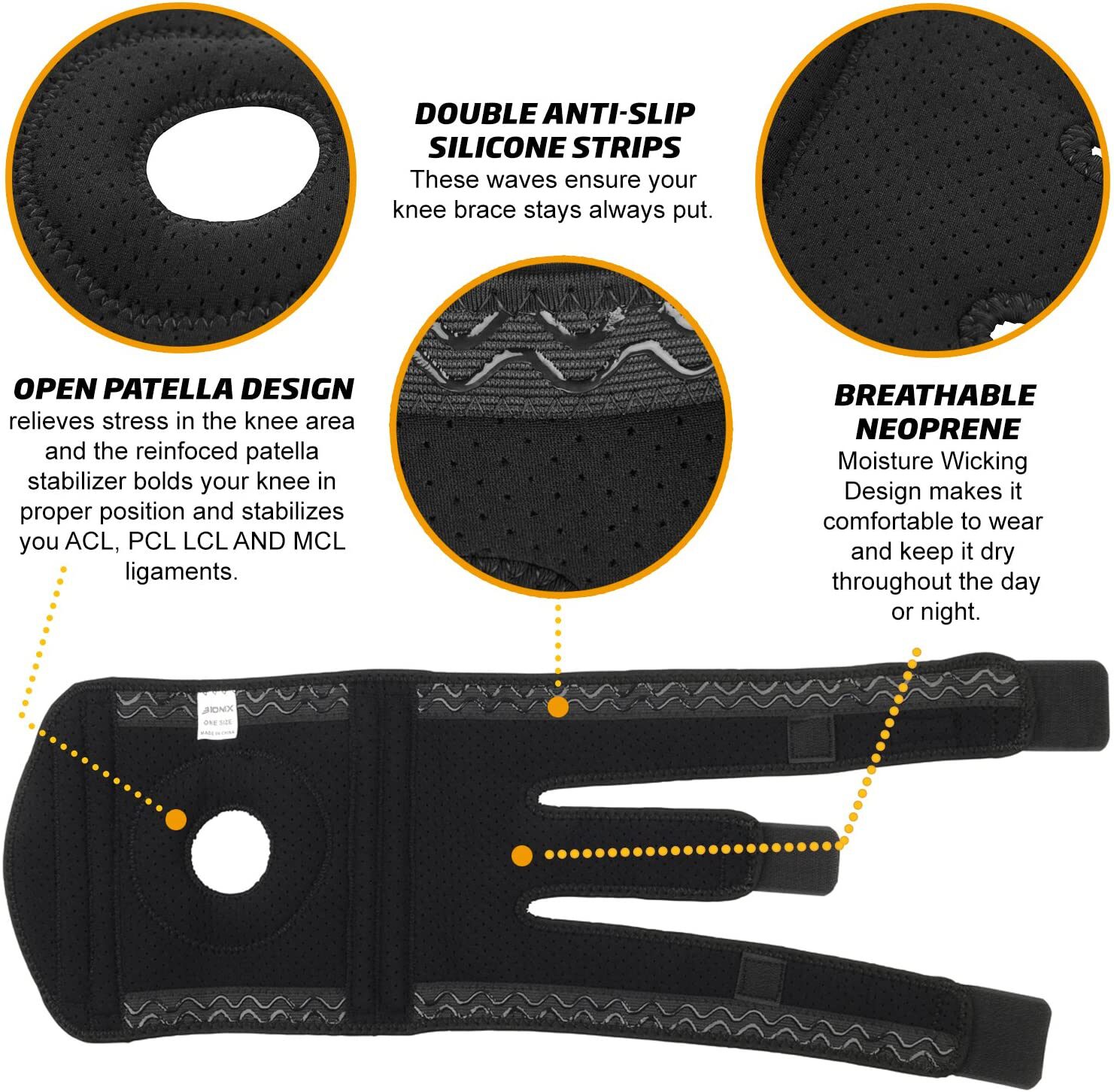
At the core of this brace’s effectiveness is the open patella cutout, which offers specialized support around the kneecap. Instead of pressing down on the patellar tendon—often a primary source of pain—the open design disperses pressure to ease the stress on your kneecap. This thoughtful layout helps reduce sharp, localized aches that can occur during movements like squatting, climbing stairs, or quick sprints.
One Size Adaptable Fit (Suitable for Both Men and Women)
Custom comfort is essential for lasting support, and the KneeReviver Brace is designed to provide a personalized fit. Its adjustable straps let you wrap and secure the brace precisely for your unique leg or knee size and shape. Whether your knees are slim or require a broader fit, you can quickly achieve a snug yet comfortable level of compression, giving you the versatility needed for everyday activities.
Medical-Grade Compression for Improved Recovery
By gently hugging your knee, the KneeReviver Brace provides soothing pressure that can help control the inflammation caused by arthritis, bursitis, tendonitis, and overused joints. Stimulating blood flow may ease aches, reduce tenderness, and accelerate the natural healing process. Whether you’re dealing with minor strains or more significant sprains, the stabilizing support keeps you on track toward a healthier, more active lifestyle.
Fully Adjustable Compression to Match Your Routine
From morning stiffness to afternoon training sessions, your knee support needs can change throughout the day. Reinforced straps allow you to tighten or loosen compression based on comfort level and activity. When swelling or joint instability flares up, simply cinch the straps a bit tighter. If you are resting or working at a desk, ease off the tension. This customizable approach to compression provides just the right amount of support, no matter what your schedule or physical demands may be.
High-Quality, Skin-Friendly Materials
Crafted from premium neoprene, the brace offers both breathability and comfort. This fabric helps wick away sweat while maintaining therapeutic warmth around your knee, ensuring minimal irritation even if you wear it throughout the day. The material’s smooth texture wards off chafing, and its thermal qualities help keep your knee limber and ready for movement.
All-Injury Support for Peace of Mind
Designed with professional insights in mind, this brace is versatile enough to address a variety of common knee problems. Need relief for ligament strains involving the ACL, PCL, or MCL? Dealing with a damaged meniscus, tendonitis, or recovering from surgery? The KneeReviver delivers targeted stabilization exactly where it’s needed most. As you walk, bend, or stretch, the brace helps safeguard vulnerable areas, reducing the risk of further harm.
Protection That Moves With You
Whether you’re an avid runner logging miles, a fitness enthusiast pushing through strength routines, or an occasional hiker exploring trails, the KneeReviver Brace remains comfortably in place without hindering your range of motion. Its lightweight design won’t weigh you down or restrict your steps. Instead, it serves as a reliable barrier against impact strain, helping you advance toward your wellness goals without discomfort.
Non-Slip Silicone Lining for Extra Stability
Prevent unwanted shifting or sliding during your routine. Thoughtfully placed silicone patterns inside the brace help keep it locked in place, reducing the need for constant readjustment. By remaining snugly secure, it preserves proper alignment and supports balanced movement throughout each step or bend.
Side Reinforcement Bars for Balanced Alignment
To enhance knee stability from multiple angles, this open patella brace can incorporate thin yet durable reinforcement bars on each side. These bars help guide the knee joint’s natural movement, easing stress on tendons and ligaments while minimizing the risk of hyperextension or twisting injuries.
Ergonomic Contouring to Minimize Bunching
A contoured shape can be molded into the brace’s design to conform to various leg shapes more precisely. This careful shaping eases bunching behind the knee, ensuring comfort during bending or straightening motions. The result is smoother flexibility and reduced distractions when you’re focused on your daily tasks.
Targeted Ventilation Zones for Better Airflow
While breathability often comes from the base fabric, strategically placed perforations or mesh sections can further boost airflow. These “ventilation zones” optimize evaporative cooling, keeping the skin more comfortable during intense workouts or extended periods of wear.
Soft, Shock-Absorbing Patella Ring for Kneecap Relief
A supportive ring made from shock-absorbing silicone gel surrounds the kneecap, diffusing pressure and reducing sharp discomfort where it’s often most pronounced. This cushioned design provides an extra layer of relief, protecting the joint from jarring impact. The open patella support still promotes proper alignment, allowing for natural movement while maintaining stability—ideal for individuals seeking a balanced combination of comfort and function.
Odor-Resistant Fabric Treatment for Long-Term Freshness
Maintaining a clean, fresh feeling can be crucial when wearing a brace for long hours. An odor-resistant treatment woven into the fabric helps combat unpleasant smells from sweat or bacteria buildup. This makes the brace more hygienic over time and easier to care for, aligning with the commitment to healthy, active living that KneeReviver consistently upholds.
Risk-Free Trial for Complete Assurance
Still not entirely sure? We understand. That’s why you can try the KneeReviver Open Patella Brace for 30 days. Use it in your normal routine to see how it helps with your knee pain. If you decide it doesn’t live up to your expectations—or if the fit isn’t perfect—simply return it within that period for a full refund, no questions asked.
Choose the KneeReviver Open Patella Brace for reliable, comfortable, and versatile support that helps you stay active, recover faster, and enjoy every step of the journey toward healthier knees. With its adjustable compression, breathable design, and comprehensive stabilization, you can face your day-to-day activities with renewed energy and peace of mind.
When and How to Wear Your KneeReviver Brace
For Optimal Results:
- Injury Recovery:
- Wear 2-4 hours daily initially, increasing to 8 hours as tolerated
- Always use during physical therapy exercises
- Sports Protection:
- Secure straps firmly before running, hiking, or sports
- Loosen slightly during cooldown periods
- Chronic Pain Management:
- Wear 4-6 hours during high-activity periods (e.g., work shifts)
- Remove overnight unless advised otherwise by your clinician
- Adjustment Tips:
- Straps should feel snug but not numb (1 finger should slide under)
- Recenter patella in the opening every 2 hours initially
Important Medical Guidance
Always Prioritize Professional Care
Persistent knee pain can signal serious conditions including infections, autoimmune disorders, or in rare cases, cancers such as osteosarcoma. This brace relieves symptoms but does not treat underlying diseases.
Why Medical Consultation Is Essential:
- Accurate Diagnosis:
- Only MRI/X-rays can confirm ligament tears or tumors
- Nerve compression (e.g., sciatica) may mimic knee pain
- Comprehensive Treatment:
- Your GP may prescribe:
✓ Physical therapy
✓ Anti-inflammatory medication
✓ Surgical referral if needed
- Your GP may prescribe:
- Critical Red Flags → See Your GP Immediately If You Experience:
- Night pain waking you from sleep
- Unexplained weight loss + fever
- Sudden inability to bear weight
- Pain lasting >6 weeks despite rest
Use This Brace as Part of Your Recovery Plan:
- It supports healing alongside professional treatment
- Never delay seeing a doctor hoping a brace will “fix” undiagnosed pain
Fast & Secure Checkout Through Paypal
Pay with Paypal the secure payment gateway that accepts all credit and debit cards. Paypal is free and secure and no credit or bank information is ever stored or shared with us.
Fast Dispatch
Enjoy your items soon with quick dispatch via Royal Mail. Expect to have your items between 1-3 working days for domestic orders. 7-10 Working days for international orders.
Return Policy – 30 Day Money Back Guarantee
In the unlikely event, you are unhappy with your purchase you can return it within 30 days for a refund. Please contact us via the form on the contact us page to start your return.
To return an item please send it to: Nuova Health UK, 81 Highfield Lane, Waverley, Rotherham, S60 8AL. Please include a note with your order id so we know who to refund. Please retain your postage receipt as proof of postage. All that we ask is that the item is in the original packaging and unused.
Reviews
There are no reviews yet.