
Metatarsal Pads for Women & Men – For Mortons Neuroma, Callus Skin, Blisters, Metatarsal Foot Pain, Bunion, & Forefoot Cushioning
£10.49inc VAT
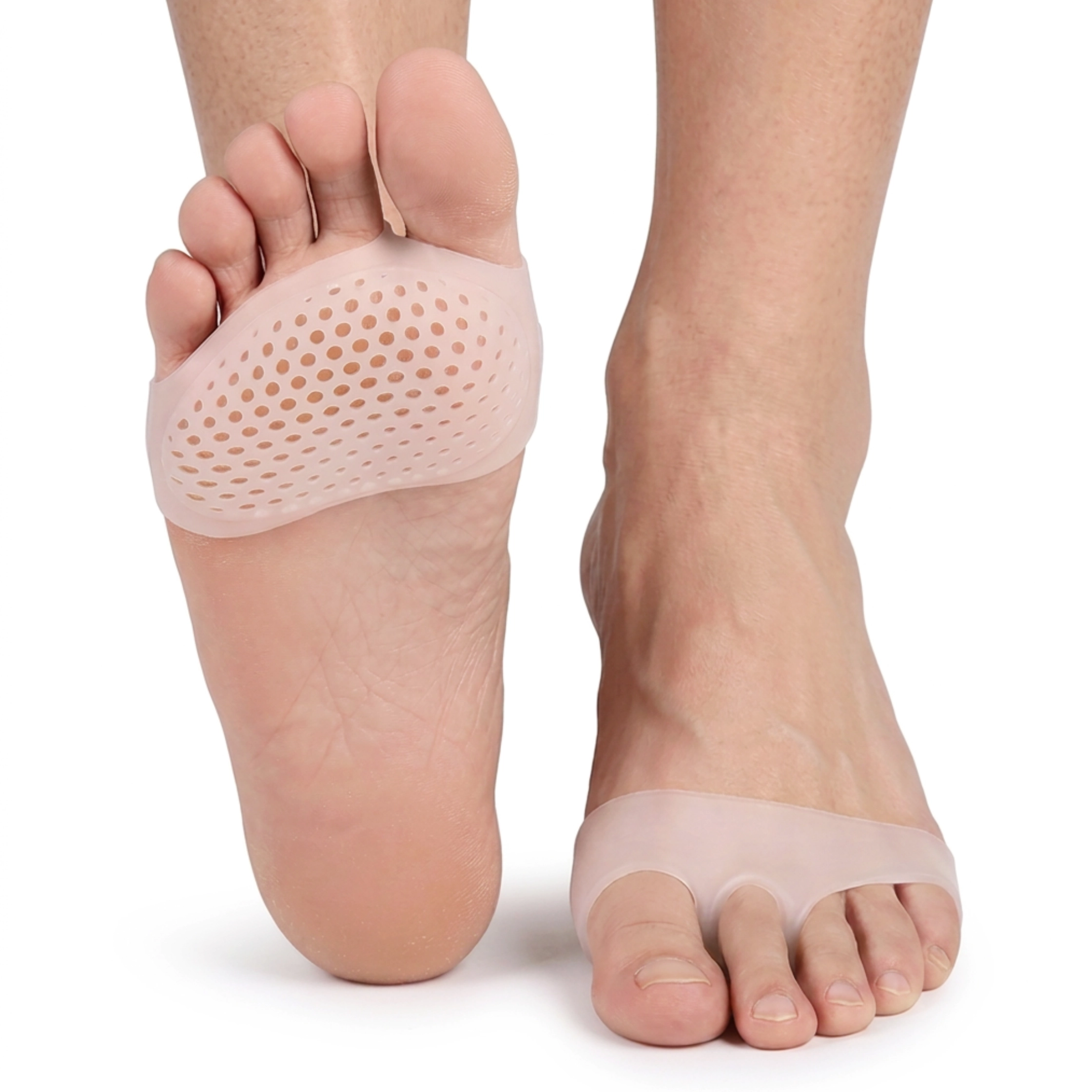
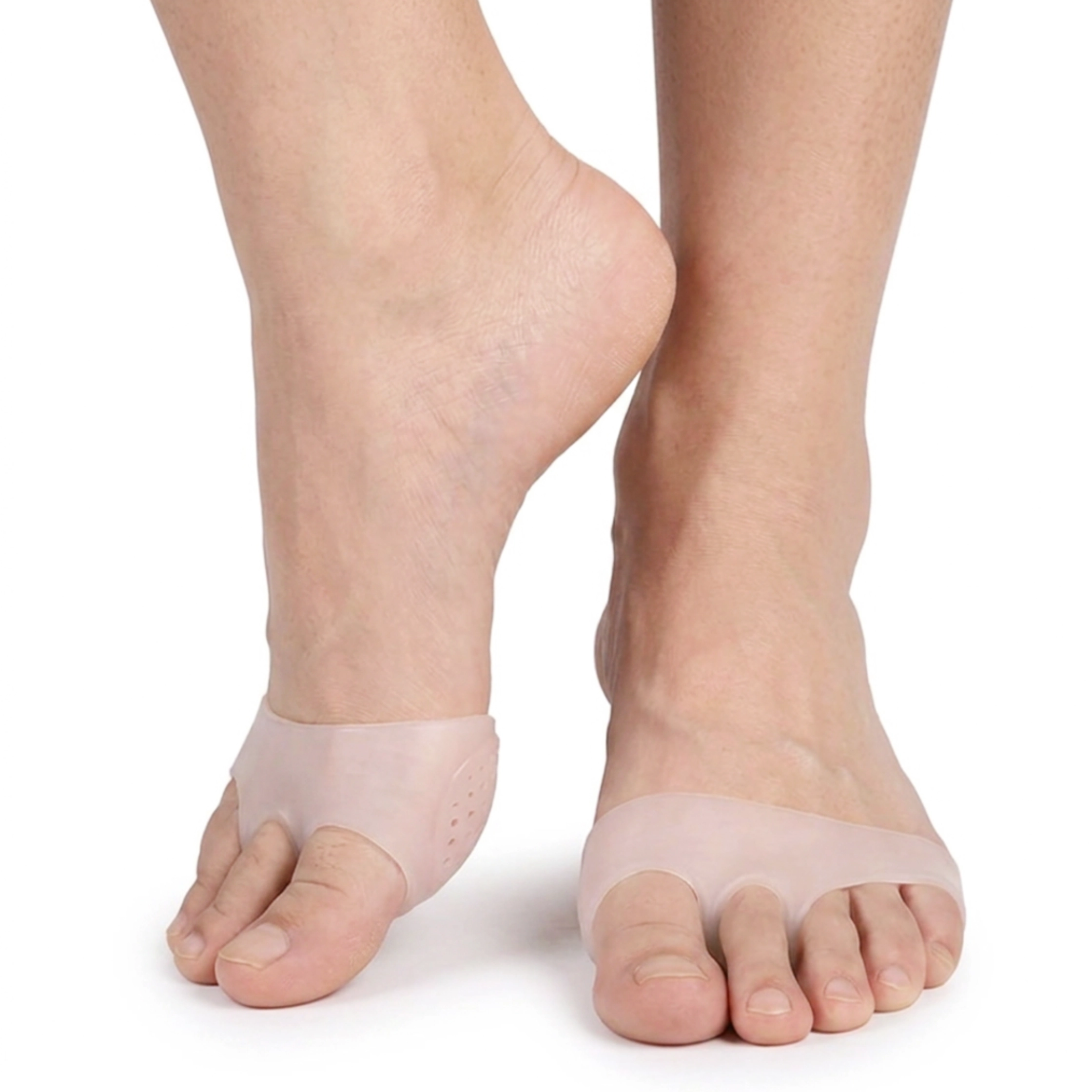
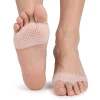
- Soft silicone gel metatarsal pads built into a mesh forefoot sleeve.
- Made for adults with soreness, pressure, rubbing, or fatigue under the ball of the foot.
- Help cushion the forefoot so standing and walking feel less harsh.
- Support a more even spread of pressure across the front of the foot.
- Create a softer layer between the foot and the inside of the shoe.
- Individual toe holes help keep the sleeve more securely in place.
- Designed to reduce slipping, twisting, and bunching during movement.
- Lower-bulk than many heavier forefoot supports, so they are easier to wear in suitable shoes.
- Often most helpful when hard floors, thin soles, or long periods on your feet aggravate symptoms.
- Best worn in shoes with enough room in the toe box and forefoot.
- If your feet are sensitive, start with shorter wear periods and build up gradually.
- Wash gently after use and allow them to dry before wearing again.
- Not a diagnosis or a replacement for clinical assessment if pain is severe, new, or worsening.
- If you have diabetes, poor circulation, reduced sensation, or broken skin, seek individual clinical advice before use.
Get 15% off - When bought together with:
Ball of Foot Pain Relief with Silicone Gel Metatarsal Pads
If the ball of your foot hurts, you tend to notice it in all the moments that should feel routine. Standing in a queue, walking to work, going round the shops, exercising, or simply getting through a busy day can all become more wearing than they ought to be. The discomfort may feel sore, burning, tender, bruised, or heavy under the front of the foot. Some people describe it as though they are stepping on a small pebble. Others notice more of a rubbed area inside the shoe, or a tender patch that becomes harder to ignore the longer they stay on their feet.
It also helps to remember that ball of foot pain describes where you feel it, not one single cause. Pain in this part of the foot can come from pressure on the joints and soft tissues under the forefoot, irritation around a nerve, rubbing and thickened skin, strain near the big toe side of the foot, or a gradual loss of the foot’s own natural cushioning. That is why symptoms in the same place do not always feel the same. One person may notice burning or tingling into the toes. Another may feel as though the front of the foot is bruised or poorly padded. Someone else may mainly struggle with rubbing, calluses, or hot spots in certain shoes.
Once the front of the foot is taking more strain than it can comfortably handle, ordinary tasks can become surprisingly frustrating. A long day on your feet, a brisk walk, thinner-soled shoes, hard floors, or footwear that squeezes the forefoot can all make the area feel more irritated. The right forefoot support can often make a worthwhile difference from one day to the next by reducing concentrated pressure and making the front of the foot feel less exposed with each step.
Our silicone gel metatarsal pads are made to do exactly that. They combine a soft mesh forefoot sleeve with individual toe holes for a more secure fit, helping the cushioning stay where it is needed inside your shoes. That matters because forefoot support only works properly when it stays under the part of the foot that actually needs it. The result is a more stable, more wearable, and more practical form of metatarsal support for people dealing with ball of foot pain, friction, pressure, and forefoot fatigue.
At a Glance: Why These Metatarsal Pads May Help
These metatarsal pads cushion the ball of the foot, help spread pressure more comfortably across the forefoot, and create a softer layer between the foot and the inside of the shoe. The mesh sleeve helps keep the support in place, while the individual toe holes reduce slipping and forward movement. They are also lighter and less bulky than many heavier forefoot supports, and they are washable and reusable for everyday wear.
Why the Ball of the Foot Becomes Painful
The ball of the foot is the underside of the forefoot, beneath the front part of the foot where pressure often builds during standing and walking. It works hard with every step. As you move forwards, body weight rolls from the heel towards the front of the foot, and the forefoot then helps push the body into the next step. So this area is not simply resting on the ground. It is helping transfer body weight, absorb force, and drive movement forwards.
When this part of the foot is coping well, you usually do not notice it. When one area starts taking more force than it can comfortably tolerate, the front of the foot can become sore, irritated, or tender. Often, the problem is not just that the foot is busy. It is that too much pressure is being focused through too small an area, too often, for too long.
There are several reasons this can happen. Some people have foot shapes or walking patterns that place more stress through the forefoot or through one side of it. In plain terms, they may move through the foot in a way that shifts more weight onto the front of the foot or onto a smaller patch beneath it. Long periods of standing, brisk walking, running, gym sessions, dance, and other repeated activity can all increase the force going through this area. Hard floors and thin soles can make each step feel less forgiving. Narrow shoes can squeeze the forefoot and leave less room for pressure to spread comfortably. High heels shift body weight forwards and increase the load carried by the forefoot.
The ball of the foot also contains several structures that can become irritated in different ways. The joints at the front of the foot can become tender if they are repeatedly loaded. The soft tissues beneath the forefoot can feel bruised or sore if they are taking too much impact. The skin can thicken into hard skin or callus where pressure and rubbing keep happening in the same place. Nerves in the forefoot can become irritated if they are repeatedly compressed. The foot’s natural padding can also thin over time, leaving the forefoot feeling less protected from hard ground and shoe pressure.
For that reason, symptoms in the same area can feel quite different from one person to another. Some people describe a deep ache or a bruised feeling under the ball of the foot. Some notice burning, tingling, or numbness spreading towards the toes. Others mainly feel rubbing, tenderness in shoes, or a sense that the front of the foot has become less cushioned than it used to be. Many people find that symptoms build through the day, feel worse in tighter shoes, or flare with activities that involve repeated push-off through the front of the foot.
Forefoot support matters here because comfort is not only about softness. If pain is being driven by local pressure, repeated impact, rubbing, or reduced cushioning, the aim is to reduce concentrated stress in one of the busiest parts of the foot so that standing and walking feel less aggravating.
How Metatarsal Pads Help Support the Forefoot
Metatarsal pads are used to improve comfort under the front of the foot by changing how pressure is handled during standing and walking. The word metatarsal refers to the long bones in the front part of the foot. When people talk about metatarsal support, they usually mean support aimed at the area beneath the ball of the foot, where pressure often becomes concentrated.
Their job is straightforward. They are not there to explain every possible cause of forefoot pain or solve every type of foot problem. What they can do is cushion the front of the foot, make weight-bearing feel less harsh, and help spread force more comfortably across the area that is taking repeated strain. For many people, that matters most during ordinary activities that keep bringing the same sore part of the foot back into contact with the ground and the inside of the shoe.
As you walk, body weight moves from the heel towards the forefoot. In the later part of the step, as the heel lifts and the foot rolls forwards, the ball of the foot takes a greater share of that load. If one small area under the forefoot is already irritated, this is often the point where it starts to complain. You may feel it as a bruised patch, a sharp tender spot, or a sense that one part of the front of the foot is taking more than its fair share with every step.
A metatarsal pad helps by adding soft cushioning under that part of the foot so the contact does not feel quite so concentrated in one place. It does not stop the foot working, and it does not remove every source of pain, but it can make that repeated loading feel less exposed and less punishing. That can be useful when the front of the foot feels sore on hard floors, in thinner shoes, or after longer spells of walking and standing.
There is also a difference between deep pressure soreness and surface irritation, and it helps to be clear about that. Sometimes the discomfort feels as though it is coming from inside the ball of the foot, as if the area is bruised or poorly padded. Sometimes the problem is more about rubbing, hot spots, or hard skin where the shoe keeps pressing in the same place. Forefoot cushioning may help with both, but in slightly different ways: by softening repeated pressure underneath, and by creating a gentler layer between the foot and the inside of the shoe.
Why Our Mesh Silicone Gel Metatarsal Pads Stand Out
Not all forefoot supports feel the same once they are inside a shoe and being worn through a normal day. Some loose pads shift too easily. Some bunch up as the foot moves. Some feel soft in the hand but bulky once they are inside the shoe. Some offer cushioning at first yet feel less dependable once you start walking properly. Our metatarsal pads are built to deal with those practical problems as well as provide underfoot comfort.
Rather than being a loose insert that sits wherever it lands inside the shoe, these supports are built into a soft forefoot sleeve. That changes how the product behaves in use. Instead of relying on the inside of the shoe alone to hold it in position, the support sits on the foot itself, so the cushioning is more likely to stay with the part of the forefoot it is meant to protect.
Soft Silicone Gel Cushioning Under the Forefoot
At the centre of the design is a lightweight medical-grade silicone gel pad positioned beneath the forefoot. What matters here is how the gel behaves once your weight comes down onto it. It compresses under load, softens the feel of contact under the ball of the foot, and then returns to shape afterwards. That gives you cushioning where the front of the foot often feels most exposed, without turning the support into a stiff or heavy insert.
This can be especially helpful when the forefoot feels tender on hard indoor floors, pavements, or in shoes that are thin under the front. Instead of the ground or the shoe pressing directly against a sore area, the gel provides a softer layer under the foot. If the discomfort feels more like bruised pressure underneath than rubbing on the skin, this is often the part of the design people notice most.
The gel also helps by reducing how harsh the inside of the shoe feels against pressure-sensitive parts of the forefoot. That may matter if the area feels rubbed, tender, or generally less protected than it used to. The aim is not simply to add softness, but to make repeated steps feel less direct under the part of the foot that is already struggling.
Mesh Sleeve Design for Better Stability and Wearability
The gel sits within a soft mesh-style sleeve that wraps around the front of the foot. This is different from a loose pad that can be left behind in the shoe as the foot moves over it. Because the sleeve sits on the foot, the cushioning is more likely to move with you during walking, which helps keep it better aligned under the ball of the foot.
That change sounds small, but it can make a real difference in wear. A forefoot support is much easier to get on with when you are not constantly aware of it shifting, folding, or drifting away from the place where it felt useful at the start. The mesh construction also helps keep the sleeve lighter and less enclosed than a bulkier forefoot cover, which matters when space inside the front of the shoe is already limited.
Low bulk matters for a practical reason. If a forefoot support takes up too much room, the front of the shoe can feel cramped and the foot may end up more irritated rather than less. A lighter sleeve design gives the cushioning a better chance to feel wearable for longer, especially in shoes that already fit reasonably well at the front.
Individual Toe Holes for a More Secure Fit
One of the most useful parts of the design is the set of individual toe holes. These give the sleeve a more secure anchor point around the front of the foot and help reduce the tendency of the support to creep forwards as you walk. That matters because the front of the foot does not stay still inside the shoe. The toes bend, the foot rolls forward, and body weight moves onto the forefoot with every step.
With a simpler pad, that repeated movement can gradually push the cushioning away from the sore area you were trying to protect. It may slide closer to the toes, twist slightly to one side, or stop sitting flat under the ball of the foot. Individual toe holes help reduce that problem by giving the support a more dependable hold, so the cushioning is more likely to remain under the area it is meant to support.
In practical terms, that can mean fewer adjustments through the day, less bunching inside the shoe, and a steadier feel from one step to the next. For people who are on their feet for long periods, that reliability can matter just as much as the softness of the gel itself.
Lightweight, Breathable, Washable, and Reusable
Comfort is not only about what a product does under pressure. It is also about how easy it is to wear regularly. These metatarsal pads are light enough for everyday use, breathable enough to feel less enclosed than thicker forefoot supports, and washable so they can be cleaned and worn again.
That practical side matters. If a support feels too heavy, too warm, or too awkward to fit into daily life, it often ends up unused no matter how soft it feels at first. A lighter, reusable design is easier to build into a daily routine, whether you are wearing the pads for work, errands, travel, or longer spells on your feet.
Because they can be washed and reused, they are also a more practical option than temporary cushioning products that need frequent replacement. That makes them easier to keep fresh and easier to rely on as an ongoing comfort measure when the forefoot needs regular support.
Why Shoe Choice Still Matters
Even a well-designed metatarsal pad works best when the shoe around it gives the forefoot enough space and support. Footwear has a big influence on how the ball of the foot feels because shoes affect how pressure is distributed, how much the foot can spread naturally, and how harsh or forgiving each step feels under the front of the foot.
Shoes with a narrow toe box can squeeze the front of the foot and increase pressure around the metatarsal area and toes. Hard or thin soles can make the ground feel more direct beneath a sore forefoot. High heels push more body weight forwards and increase the load carried by the ball of the foot. Even a supportive product can feel less effective if it is being used inside a shoe that is already cramping or overloading the area.
Sometimes a forefoot pad is blamed when the real problem is that the shoe is too tight at the front. If the forefoot sleeve and gel pad do not have enough room to sit naturally, the shoe may feel crowded and the benefits of the cushioning may be reduced. The support itself may be fine, but the shoe may not be giving it the space it needs to work comfortably.
By contrast, shoes with a little more room at the front often make forefoot supports easier to tolerate. They give the sleeve and gel pad space to sit properly and reduce the chance of the foot feeling cramped. That does not mean you need specialist footwear for a metatarsal pad to help, but it does mean that fit, shape, and underfoot feel all influence how comfortable the end result will be.
Who These Metatarsal Pads May Help
These forefoot support pads may be especially useful for adults who regularly feel pressure, soreness, or fatigue under the ball of the foot during daily life. The common thread is not one single diagnosis. It is repeated forefoot loading, rubbing, or a sense that the front of the foot is taking more force than it can comfortably handle.
That may include people who spend long hours standing at work, walk a lot through the day, exercise regularly, or wear shoes that feel thin or hard under the forefoot. It may also include people who notice that the front of the foot feels progressively worse as the day goes on, becomes more uncomfortable on hard floors, or feels tender during the push-off part of walking.
These pads may also help people who tend to develop rubbing, calluses, or hot spots beneath the forefoot, or those who feel as though they are walking on a small stone or on reduced natural cushioning. Feeling as though you are stepping on a small stone often points to a local pressure point or an area of irritation that becomes very noticeable during walking. Feeling as though the front of the foot has less natural padding can be broader, with the whole ball of the foot feeling more exposed to hard ground and less protected than it used to be.
For many people, the aim is not to restrict movement. It is simply to make repeated weight-bearing through the forefoot feel less concentrated, less harsh, and less tiring by the end of the day.
Forefoot Problems These Pads May Help Support
Metatarsal pads are not a diagnosis in themselves, and persistent or severe foot pain should be properly assessed. It is often more useful to think of them as comfort and pressure-management aids for a range of forefoot problems that share a similar experience: too much pressure, repeated impact, rubbing, or shoe irritation at the front of the foot. The sections below describe some of the common ways this can show up.
General Ball of Foot Pain and Metatarsalgia-Type Discomfort
One of the most common reasons people try metatarsal pads is general soreness under the ball of the foot. The term metatarsalgia is often used as a broad label for pain in this area rather than one precise diagnosis. In practice, it usually means that the front underside of the foot, especially around the rounded pressure-bearing area beneath the metatarsal heads, has become sore, tender, burning, or bruised-feeling during weight-bearing.
People often notice this sort of discomfort when standing for long periods, walking longer distances, walking briskly, or wearing shoes that feel hard, narrow, or unsupportive under the forefoot. The area may feel manageable at first and then become much more obvious later in the day as repeated pressure builds up. Some people start shortening their stride slightly, favouring one foot, or becoming very aware of every push-off because the front of the foot feels tender each time weight moves forwards.
This kind of discomfort is often linked to overload, which here means the forefoot is taking more force than it can comfortably tolerate, or too much of that force is being concentrated through one smaller area under the ball of the foot. Hard floors, thin soles, high activity levels, and reduced natural padding under the forefoot can all make this feel worse. A gel metatarsal pad may help by softening impact under the ball of the foot, making pressure feel less sharply focused, and helping shoes feel less harsh during the walking and standing that usually trigger symptoms.
Morton’s Neuroma-Style Forefoot Irritation
Some people notice a different kind of forefoot discomfort: burning, tingling, numbness, or a strange feeling as though they are standing on a fold in their sock or a small object inside the shoe. This type of discomfort is often felt in the front part of the foot and may seem to spread towards the toes, particularly between them.
This is commonly linked with irritation around a nerve in the forefoot. The front of the shoe, especially if it is tight or compressive, can make that area feel more aggravated. Longer periods on your feet can also make symptoms more noticeable because the irritated area is being repeatedly compressed and loaded.
A metatarsal pad does not replace proper assessment when symptoms are ongoing, but it may help improve comfort by reducing local pressure under the forefoot and making the shoe feel less aggravating around the front of the foot. The point here is not that a pad corrects the underlying nerve problem. It is that it may make the front of the foot feel less compressed and less irritated during everyday use.
Sesamoid Area Discomfort
Pain beneath the big toe side of the ball of the foot can make every push-off feel sharp, awkward, or tender. This area works hard because the big toe side of the forefoot helps transfer weight and drive the body forwards during walking, running, dance, and sport. When that part of the foot becomes irritated, even ordinary movement can feel uncomfortable.
People often notice this kind of pain during activity, after exercise, or when wearing footwear that feels unsupportive or unforgiving under the front of the foot. Because this part of the foot is so involved in the final part of each step, discomfort there can become very obvious once you start walking more briskly or spending longer on your feet.
A metatarsal pad may help by cushioning the forefoot and reducing how concentrated force feels around that area during push-off. It is not about stopping the foot from moving. It is about making repeated loading through the front of the foot feel less jarring.
Bunion-Related Forefoot Pressure
A bunion can affect comfort in more than one way. Although the visible change is around the base of the big toe, the whole front of the foot can feel less comfortable in shoes because pressure patterns may shift, space at the front of the shoe becomes more limited, and rubbing may increase around nearby areas.
When the big toe joint and surrounding forefoot are not sitting comfortably in the shoe, other parts of the ball of the foot may end up taking load differently. That can make the entire forefoot feel more crowded, rubbed, or sore, especially in narrow or stiff footwear.
A metatarsal pad will not correct a bunion itself, but it may help improve underfoot comfort by cushioning the forefoot and making weight-bearing feel less concentrated beneath sore areas. Here, the pad is there for comfort and pressure relief rather than structural correction.
Calluses, Hard Skin, and Pressure Build-Up
Hard skin and calluses under the forefoot are often signs that the same patch of skin is being exposed to repeated pressure and rubbing. In many cases, this is the skin’s way of responding to stress over time. The skin thickens to protect itself, but if the pressure continues, the thickened area may itself become tender and uncomfortable.
People often notice this beneath the ball of the foot, especially in areas that carry a lot of force during walking. If shoes are tight, hard underfoot, or keep rubbing in the same place, the skin may become even more irritated.
A metatarsal pad can help by creating a softer underfoot surface and by helping pressure feel less sharply focused through one sore patch of the forefoot. That may reduce some of the forces that contribute to pressure build-up and make shoes feel less abrasive against already sensitive skin.
Blisters and Shoe Rubbing at the Forefoot
Blisters tend to form where skin is repeatedly irritated by friction, heat, and pressure. The front of the foot is particularly vulnerable if the foot slides forwards inside the shoe, if the shoe rubs in the same place with each step, or if activity levels are high enough for small amounts of friction to build into a bigger problem.
This can happen during long walks, exercise, busy work shifts, or any situation where the forefoot keeps moving against the inside of the shoe. Once a blister or hot spot starts, even normal walking can feel surprisingly uncomfortable because the skin is already irritated.
A soft gel forefoot pad may help improve comfort by cushioning pressure-prone areas and reducing rubbing inside the shoe. If shoes are part of the problem, the pad may also help make the forefoot feel less exposed to repeated abrasive contact during movement.
Thinning of the Natural Fat Pad Beneath the Forefoot
The foot normally has natural padding beneath the ball of the foot to help absorb shock and protect the front of the foot from hard ground and repeated loading. When that cushioning becomes thinner, the forefoot can start to feel exposed, tender, and less protected than it once did.
People often describe this as feeling as though they are walking on pebbles or directly on the bones under the front of the foot. Hard floors, longer walks, prolonged standing, and thinner-soled shoes may bring this out more clearly because there is less natural cushioning available to soften the force.
This is one of the situations where gel metatarsal support makes especially clear sense. When the foot’s own padding has reduced, adding soft, wearable cushioning beneath the forefoot may help restore some of the comfort that has been lost. The aim is to make daily walking and standing feel less jarring and less exposed under the ball of the foot.
Metatarsal Fracture Recovery Support Context
Forefoot pain after a metatarsal injury should be assessed properly, especially if there has been recent swelling, bruising, or difficulty bearing weight. A metatarsal pad is not a treatment for a fracture itself, and it is not something to rely on instead of proper advice after a significant or recent injury.
Where it may become relevant is later on, if a clinician has advised that soft cushioning is appropriate as part of improving comfort during weight-bearing. At that stage, a forefoot pad may sometimes help make the front of the foot feel less harshly loaded inside the shoe. Its role is limited. It may improve comfort in the right circumstances, but it does not heal the fracture itself.
Turf Toe and Activity-Related Big Toe Joint Strain
When the big toe joint has been strained, the front of the foot can feel uncomfortable during push-off, especially in sport, faster walking, or other activities that repeatedly load the forefoot. This kind of strain often involves pain around the big toe joint when it is bent upwards during movement.
Because the front of the foot plays such a large part in driving the body forwards, irritation around the big toe side of the forefoot can make walking and training feel awkward. People may notice discomfort when trying to accelerate, push off firmly, or spend a long time moving on the front of the foot.
A metatarsal pad does not stop the joint moving, but it may help make the forefoot feel less harshly loaded inside the shoe during a gradual return to normal activity. As with the other uses on this page, the role is supportive comfort rather than a substitute for proper assessment when symptoms are significant.
Arthritic or Gout-Related Toe and Forefoot Tenderness
When the joints in the toes or forefoot are inflamed, stiff, or tender, normal weight-bearing can feel more uncomfortable than it should. This type of pain is often different from a pure rubbing problem or a single pressure point in the skin. The joint itself may feel sore, swollen, or sensitive when the front of the foot is loaded.
In these situations, softer underfoot cushioning may help make walking more comfortable by taking some of the harshness out of contact with the ground and the inside of the shoe. That said, joint-related forefoot pain can have different causes, and support products are best seen here as comfort aids rather than a substitute for assessment when symptoms are ongoing or worsening.
Why Secure Positioning Matters
A metatarsal pad only helps properly if it stays under the part of the foot that actually needs cushioning. That sounds simple, but it is one of the main reasons some forefoot supports disappoint people. A pad can feel comfortable when you first put it on, then become much less useful once you start moving normally.
Walking creates plenty of chances for that to happen. As the foot moves inside the shoe, the front of the foot rolls forwards, the toes bend, and pressure rises under the ball of the foot. A loose pad can gradually creep towards the toes, drift to one side, or start to bunch. Once it is no longer sitting under the sore area, the part of the foot you were trying to protect may end up taking the same concentrated pressure as before.
This is why position matters just as much as softness. Even a very comfortable material can feel unhelpful if it ends up under the wrong place. Sometimes the problem is not the cushioning itself. It is that the cushioning is no longer lined up with the tender part of the forefoot during the part of walking when you need it most.
People usually notice this in practical ways rather than thinking about alignment in technical terms. The support may feel fine for the first few minutes, then seem to lose its effect. You may become more aware of the product itself than of any benefit from it. The front of the shoe may begin to feel uneven, crowded, or slightly awkward. In some cases, you may find yourself stopping to adjust the pad rather than forgetting about it.
The mesh sleeve and individual toe-hole design are meant to reduce that problem by helping the support stay anchored around the front of the foot. The point is not simply to hold the pad tightly for the sake of it. It is to keep the gel better aligned beneath the ball of the foot so the cushioning remains useful during repeated steps, longer walks, or long periods of standing.
What You May Notice in Daily Use
Most people want to know whether the front of the foot feels any better once the day gets going, not just how the pads feel in the first minute after putting their shoes on. Ball of foot discomfort often becomes more noticeable with time. A short walk may be manageable, then the soreness builds after hours on your feet, repeated trips up and down stairs, hard floors, or a shoe that feels unforgiving under the forefoot.
This is where extra cushioning and better pressure handling may become more noticeable. The change is often less about a dramatic instant effect and more about the front of the foot feeling less battered as the day goes on. Hard surfaces may feel less punishing. A tender spot under the ball of the foot may feel less sharp with repeated steps. Some shoes may become easier to tolerate, provided there is enough room for the support to sit comfortably inside them.
People do not all notice the same benefit. Some mainly feel less bruised pressure underneath the forefoot. Some notice less rubbing against the inside of the shoe. Others find that the familiar ache that usually builds by late afternoon is still there but less intense, or slower to build than usual. If the foot feels as though it has lost some of its natural padding, the difference may be more about feeling less exposed with each step than about one single sore spot disappearing.
It also helps to be realistic. These pads are not there to numb the foot or remove every possible cause of forefoot pain. Their value is usually practical rather than dramatic. If they suit your symptoms and your footwear, they may make walking, standing, and daily tasks more manageable by taking some of the harshness out of repeated loading through the front of the foot.
For many people, that is the real test. Not whether the foot feels completely different straight away, but whether the front of the foot is easier to live with by the end of a working day, a long outing, or a period of increased time on the feet.
How to Wear Them for Best Results
For the pads to work well, they should sit so the gel cushioning supports the ball of the foot rather than the toes or the arch. In other words, the support needs to sit beneath the part of the forefoot that usually feels overloaded during standing and push-off.
The sleeve should feel secure but not uncomfortably tight. It should not pinch, crowd the toes, rub the skin, or make the front of the shoe feel excessively cramped. If it does, the fit of the shoe or the position of the support may need checking.
It is best to wear them on clean, dry feet and to try them first indoors to check comfort and positioning before using them for a full day. If your feet are especially sensitive, start with shorter wear periods and build up gradually. This gives you time to get used to the added cushioning and make sure the sleeve feels comfortable in your shoes before longer use.
Footwear choice matters here as well. As covered earlier, these pads usually work best in shoes with enough room in the forefoot and toe box to accommodate the sleeve comfortably. If a shoe is already tight at the front, adding any forefoot support may increase crowding and reduce comfort. A roomier, more accommodating shoe will usually give the support a better chance to sit properly and feel natural during walking.
After use, wash them gently and allow them to dry before wearing them again. Because they sit close to the skin and may be worn for long periods, regular cleaning helps keep them comfortable and ready for repeat use.
What to Expect Over Time
These metatarsal pads are designed to improve comfort, cushioning, and support under the forefoot, but it helps to keep expectations realistic. They are intended to make weight-bearing feel more comfortable when pressure, rubbing, repeated load, or reduced natural cushioning are part of the problem. They are not designed to diagnose the cause of foot pain, and they do not replace assessment when symptoms are severe, new, unexplained, or getting worse.
For many people, the benefit is practical rather than dramatic. The front of the foot may feel less harshly loaded. Shoes may feel more forgiving. Standing and walking may become easier to tolerate. Friction-prone areas may feel better protected. Some people notice the difference most during longer walks, long work shifts, or by the end of the day when forefoot discomfort would normally have built up.
They are best seen as comfort aids rather than correction devices. If forefoot discomfort is being driven by pressure, repeated load, rubbing, or reduced natural cushioning, that extra support may make day-to-day life easier. If pain is being driven by something more significant, persistent, or unexplained, the pads may still offer some comfort, but they should not be relied upon instead of finding out why the pain is there.
Used appropriately, they can sit alongside sensible footwear choices and attention to the activities or shoes that tend to trigger symptoms.
Important Safety Advice
If you have severe pain, sudden swelling, marked bruising, difficulty bearing weight, persistent numbness, or symptoms that are new, unexplained, or getting worse, it is sensible to seek advice from a suitable healthcare professional such as a GP, physiotherapist, or podiatrist.
The same applies if you have diabetes, reduced sensation, poor circulation, broken skin, or another issue that makes your feet more vulnerable to pressure, rubbing, or unnoticed irritation. In these situations, getting individual advice before using forefoot supports is the safest approach.
Metatarsal pads can be very helpful as comfort aids, but persistent foot pain deserves proper attention if it is not settling, if it is interfering with day-to-day life, or if the cause is unclear. A support product can improve comfort, but it should not be expected to explain every reason a forefoot becomes painful.
A Practical Way to Add Forefoot Cushioning and Support
If the ball of your foot feels sore, overworked, rubbed, or poorly cushioned, adding targeted forefoot support can be a simple and practical way to improve day-to-day comfort. Many types of forefoot pain come back to the same broad problem, even when the exact cause differs: too much pressure, too much rubbing, or too little cushioning under one of the busiest parts of the foot.
Our silicone gel metatarsal pads respond to that directly. They cushion the forefoot, help reduce pressure concentration, and stay more securely positioned thanks to the mesh sleeve construction and individual toe holes. That secure fit matters because soft support is most useful when it stays aligned beneath the area that actually needs it.
They are lightweight, breathable, washable, reusable, and designed for both comfort and practicality, whether you are on your feet at work, walking more than usual, wearing shoes that feel hard under the forefoot, or simply looking for a softer and more supportive feel under the front of your feet.
We also offer a 30-day money-back guarantee, so you can try them with added peace of mind. If this sounds like the sort of forefoot discomfort you are dealing with, check that your shoes have enough room at the front, make sure the fit feels secure but comfortable, and consider whether these metatarsal pads match the kind of support you need. If you are unsure, or if your symptoms are more complex, getting advice from a GP, physiotherapist, or podiatrist is a sensible next step.
Disclaimer
This information is intended as general guidance only. It is not a substitute for individual medical advice, diagnosis, or treatment. If you are unsure whether these metatarsal pads are suitable for you, or if you have new, persistent, or more complex symptoms, speak to a GP, physiotherapist, podiatrist, or another appropriate clinician for personalised advice. No product can guarantee a specific outcome.
3 Reviews For This Product
Fast & Secure Checkout Through Paypal
Pay with Paypal the secure payment gateway that accepts all credit and debit cards. Paypal is free and secure and no credit or bank information is ever stored or shared with us.
Fast Dispatch
Enjoy your items soon with quick dispatch via Royal Mail. Expect to have your items between 1-3 working days for domestic orders. 7-10 Working days for international orders.
Return Policy – 30 Day Money Back Guarantee
In the unlikely event, you are unhappy with your purchase you can return it within 30 days for a refund. Please contact us via the form on the contact us page to start your return.
To return an item please send it to: Nuova Health UK, 81 Highfield Lane, Waverley, Rotherham, S60 8AL. Please include a note with your order id so we know who to refund. Please retain your postage receipt as proof of postage. All that we ask is that the item is in the original packaging and unused.
by Ian
I got them for my mom, who’s been dealing with this painful condition for years. She’s a trooper, but the pain would sometimes bring her to tears. These pads provided her with the relief she needed. They fit well in her shoes and didn’t slip around. The material is soft, yet durable, providing the right amount of cushioning.
by Mathew Parker
I was diagnosed with Morton’s Neuroma and I was desperate for relief. That’s when I stumbled upon these Pads. The first time I put them on, it was like stepping onto a cloud. The pain, while not completely gone, was significantly less. The quality is top-notch and they’ve held up well. I would undoubtedly recommend these pads to anyone dealing with a similar situation!
by Jennifer Collins
I’ve been dealing with Morton’s neuroma for a couple of years now, and the pain can be pretty debilitating, especially after long walks or standing for hours. I decided to give these Morton’s neuroma pads a try after a friend recommended I try them.
At first, I was skeptical, but after a week of consistent use, I noticed a significant reduction in the pain. The pads fit comfortably in my shoes without feeling bulky. I particularly appreciated the cushioning they provided, which made walking much more manageable. There were moments when I almost forgot about the neuroma, which was a huge relief.
Another point worth mentioning is how easy they are to clean and maintain. Just a quick rinse, and they’re good to go. The durability is really good too; they haven’t shown any signs of wear and tear despite daily use. If you’re dealing with Morton’s neuroma, these pads are definitely worth a shot.