
Gel Metatarsal Support Insoles for Metatarsalgia (Ball of foot pain)
- Brand: FootReviver
-
( 5 Reviews )Rated 5.00 out of 5 based on 5 customer ratings05
£10.99inc VAT
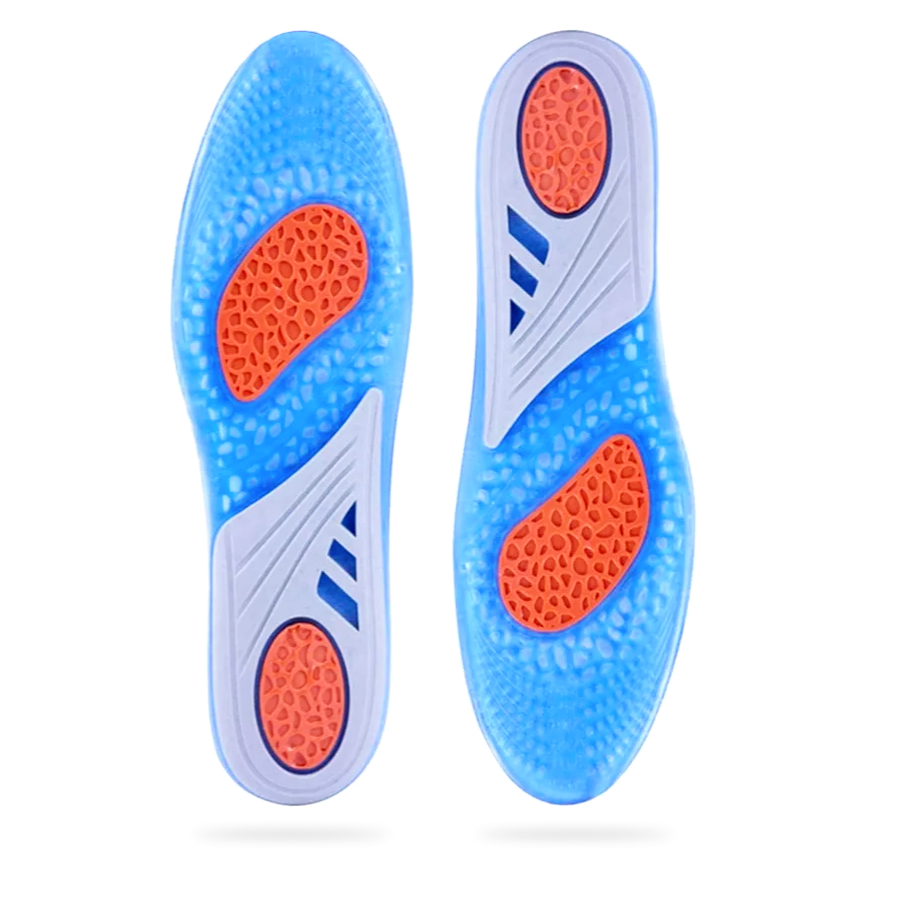
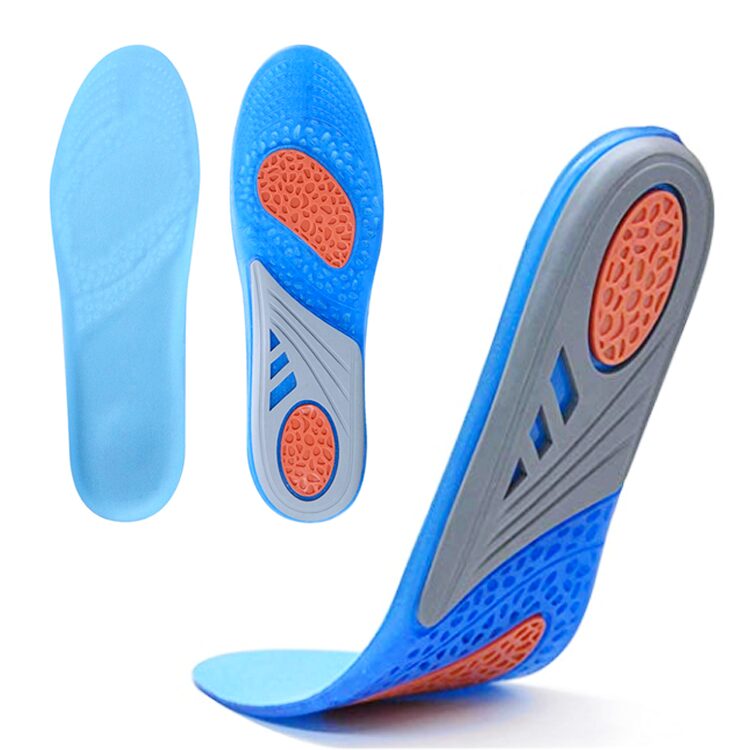
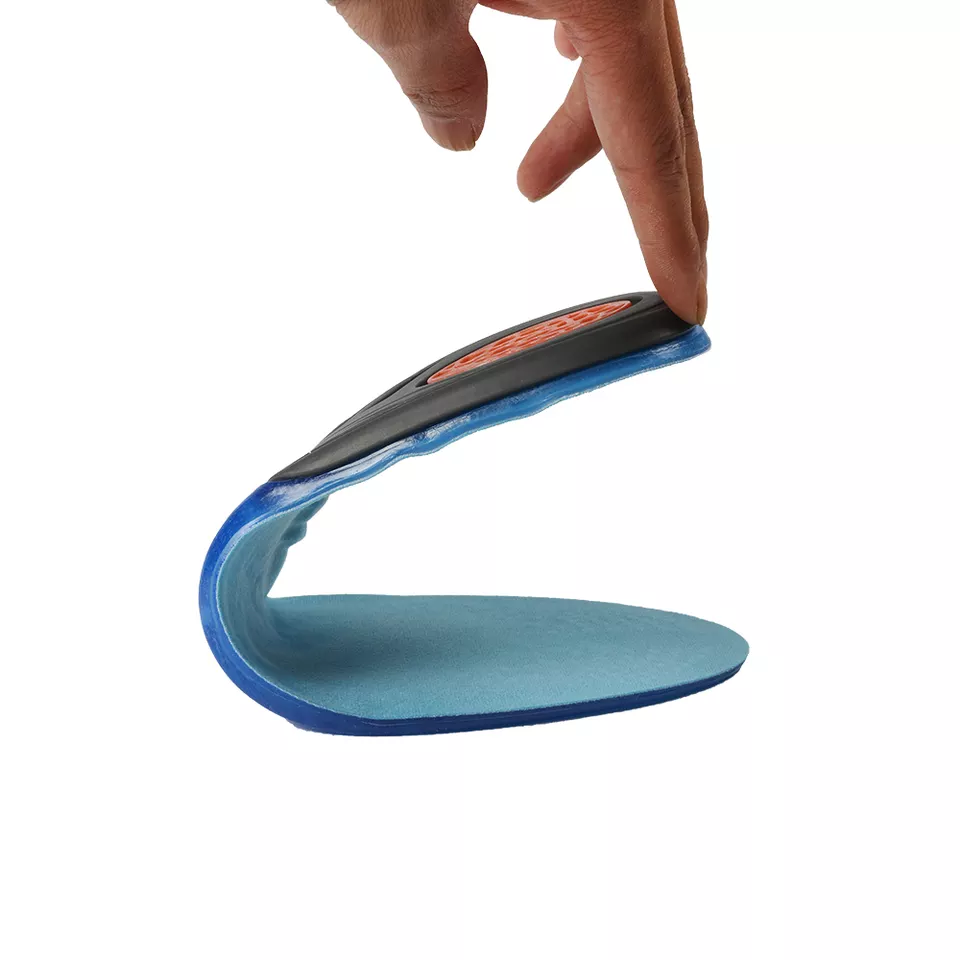
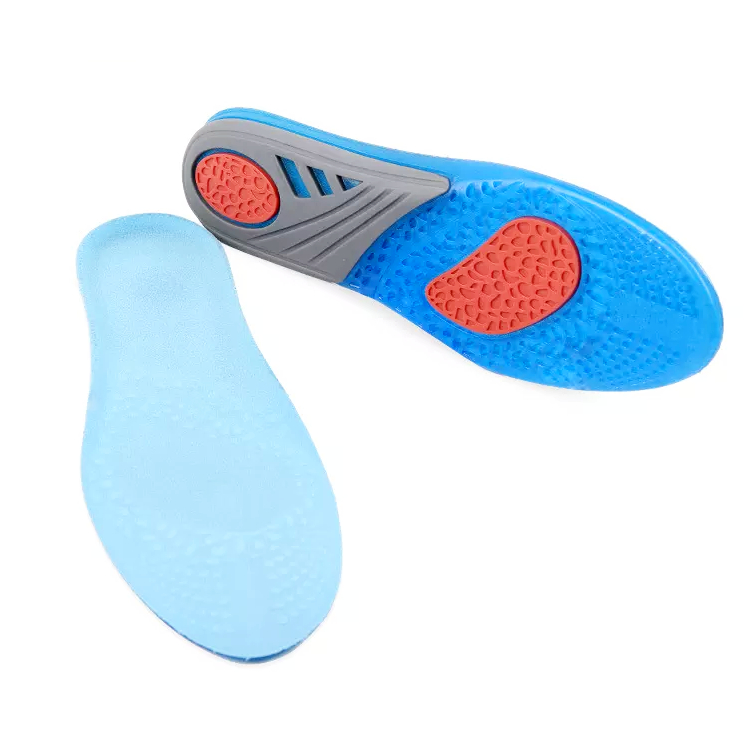
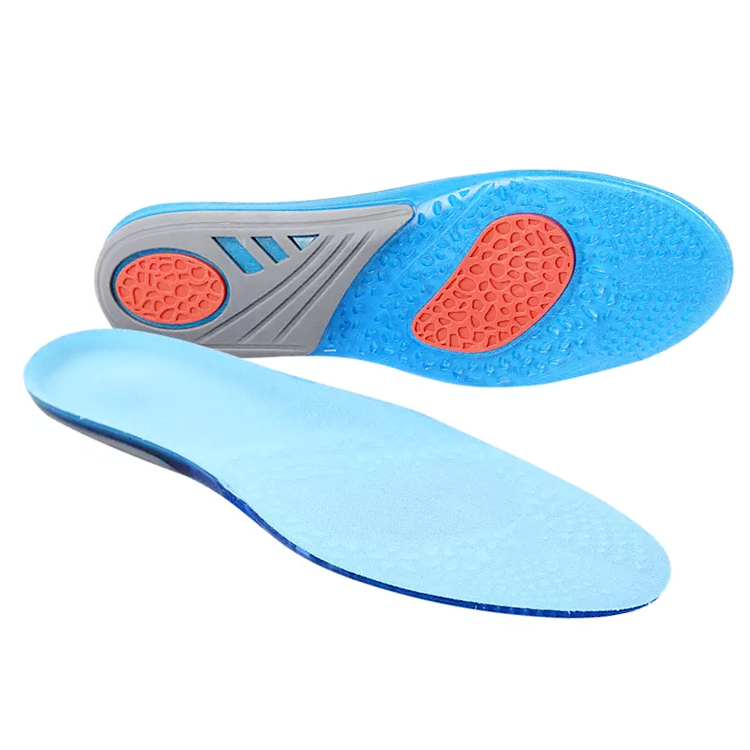
- 1 pair of full-length orthotic gel metatarsal support insoles designed to cushion the ball of the foot and improve comfort during walking and standing.
- Mainly suited for those with pressure-related pain at the front of the foot, including discomfort often linked with metatarsalgia.
- Useful if the ball of the foot feels bruised, tender, burning, or more painful after time on hard floors or longer periods on your feet.
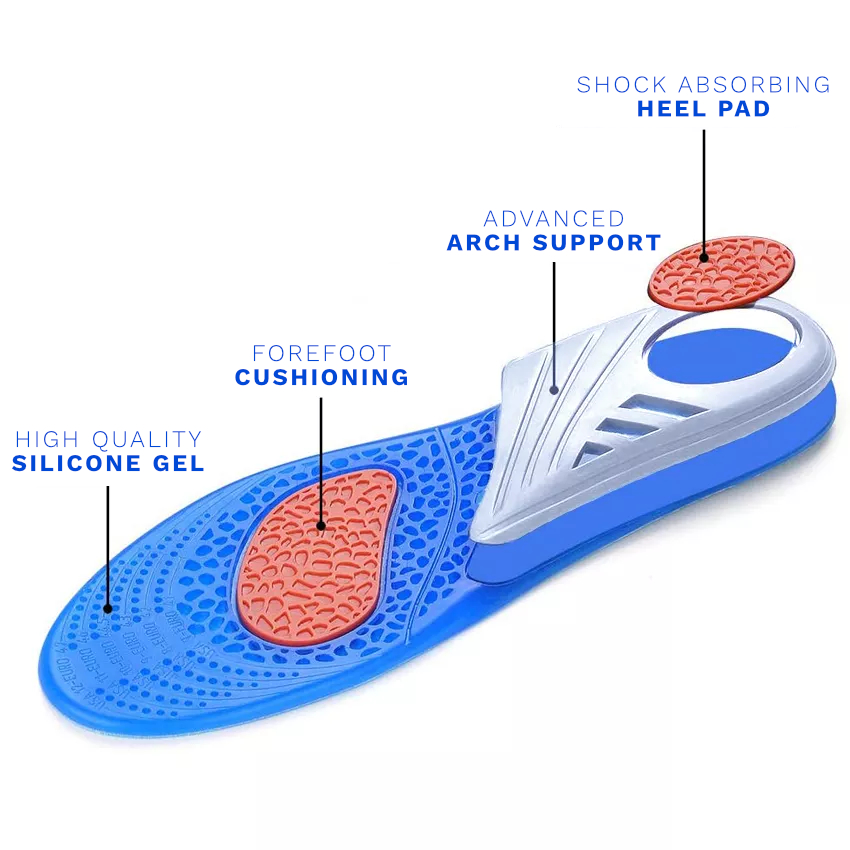
- Gel cushioning under the forefoot helps soften contact where pressure often peaks near the end of each step.
- The metatarsal support shape helps spread force across the front of the foot instead of letting it settle into one sore area.
- Full-length support under the arch and heel helps create a steadier base so the forefoot is not left to absorb as much strain on its own.
- Can be helpful in shoes that feel flat, thin underfoot, or harsh on hard surfaces, provided there is enough room in the shoe.
- Suitable for both men and women and easy to trim to size using the printed guide on the insoles.
- Available in US shoe sizes 3–9 and 7–13.
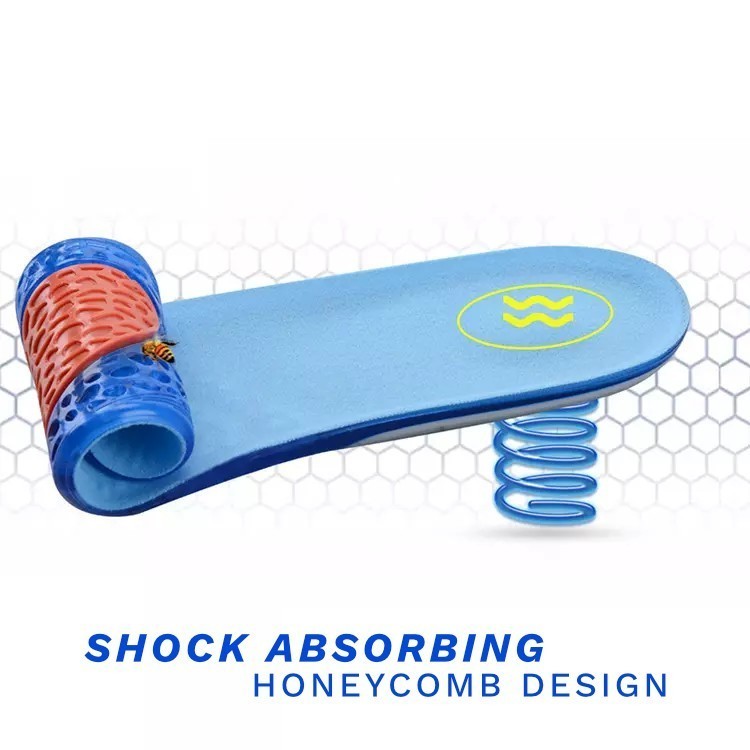
- Made from soft silicone gel that moulds more comfortably under the foot and helps reduce how sharp impact feels under sensitive areas.
- Start by wearing them for short periods, then build up as comfort allows so your feet can adjust.
- If the shoe feels tight across the toes or pushes the top of the foot upwards, the fit is unlikely to be right.
- These insoles may improve comfort and reduce aggravation, but they do not treat every cause of pain in the ball of the foot.
- If pain is severe, follows an injury, comes with marked swelling, or does not settle, speak with a GP, physiotherapist, podiatrist, or another appropriate clinician.
Please note there is no guarantee of specific results and that the results can vary for this product.
What is Metatarsalgia?
Do you get a sharp, lingering pain in the ball of your foot that makes every step feel harder than it should? If the front of your foot feels sore, tender, burning, or bruised when you walk, stand for longer periods, or wear certain shoes, metatarsalgia may be one possible reason. This kind of pain at the front of the foot is common in adults and often comes down to how force moves through the ball of the foot during day-to-day walking and standing. Gel metatarsal support insoles are designed to cushion that area, spread pressure more evenly, and make time on your feet easier to manage.
Metatarsalgia means pain centred in the ball of the foot, usually under the metatarsal heads, which are the rounded ends of the long foot bones just behind the toes. This part of the foot takes a great deal of body weight every time you move through a step. When you stand, walk quickly, climb stairs, carry bags, or spend a long time on hard floors, the front of the foot has to absorb force and then help push your body forwards again. If pressure keeps building in one area, the soft tissues, joints, and small nerves in that part of the foot can become irritated.
People describe the pain in different ways. Some notice a bruised or aching feeling under one or two metatarsal heads. Others describe something sharper, more burning, or more tender to the touch. Quite a few say it feels as though there is something inside the shoe that should not be there, like a small stone or a fold in the sock. The symptoms usually build with use rather than arriving all at once. You may start the day fairly comfortable, then find the ball of the foot becoming more painful as the hours go on, especially if you have spent time standing at work, walking on pavements, or wearing shoes that feel hard or tight across the front.
The timing of the pain often gives an important clue. The ball of the foot tends to become most uncomfortable when your heel lifts and your body weight moves forwards onto the metatarsal heads before leaving the ground through the toes. If that force does not spread well across the front of the foot, one part can end up doing more than its share. Over time, that repeated strain can make the tissues there more irritable, so even ordinary things such as walking around the house, climbing stairs, or getting through a supermarket can start to bring the pain on more quickly.
Metatarsalgia is not always a single diagnosis in its own right. More often, it is a name for pain felt in the ball of the foot when that area is under more strain than it can comfortably handle. In some people, that extra strain comes from long periods on hard ground, a sudden increase in walking or exercise, or shoes that place too much demand on the front of the foot. In others, there may be a more specific reason, such as a toe deformity, stiffness in the big toe, thinning of the natural padding under the ball of the foot, or inflammatory or arthritic changes that make the joints there more sensitive.
Shoes often make a real difference. Narrow footwear can squeeze the forefoot from the sides and leave the toes with less room to spread. High heels tip more of your body weight forwards, so the metatarsal heads have to cope with more force for longer. Very thin soles or shoes that have lost their support can make hard ground feel even harsher under the front of the foot. If that goes on day after day, the area may not get much chance to settle between periods on your feet, which is one reason pain in the ball of the foot can become stubborn or keep coming back.
Once the ball of the foot is sore, it is common to change the way you walk without really noticing. You may shorten your step, avoid rolling over the big toe, or shift weight towards the outer side of the foot to avoid the tender spot. That can ease things briefly, but it often means other parts of the foot start taking more strain. The longer that goes on, the less natural walking can feel. For that reason, it helps to deal with what is increasing pressure through the front of the foot, not only the pain itself.
Why wear Orthotic Gel Insoles for Metatarsalgia
When pain in the ball of the foot is being made worse by repeated pressure, poor shock absorption, or not enough support under the forefoot, gel orthotic insoles can be a practical way to improve comfort inside the shoe. They are not a cure for every cause of forefoot pain. The main aim is to change how force moves through the foot while you stand, walk, and go about your day, so the sore area is not exposed to the same level of strain again and again.
The ball of the foot works hardest near the end of each step, when your body moves forwards and weight shifts towards the toes. If that force keeps peaking under one or two metatarsal heads, the tissues there can become increasingly sore, especially on hard surfaces or in shoes with very little cushioning. A gel insole adds a softer layer between your foot and the shoe, which can make contact feel less harsh. For many people, that means the front of the foot feels less battered after a long walk, a full shift at work, or several hours on unforgiving floors.
A metatarsal support shape can also help spread pressure across the forefoot instead of letting it settle sharply into one tender area. That matters if your symptoms are worst when you are on your feet for longer periods, walking from place to place, or spending the day moving over hard indoor surfaces. When force is shared more evenly across the front of the foot, the sore tissues may not become irritated quite so quickly, which can make everyday activities easier to tolerate.
Support under the arch and heel matters as well, even though the pain is further forwards. The foot works as a whole. What happens at the heel and arch affects what reaches the ball of the foot a moment later. If the heel comes down heavily, if the arch feels unsupported, or if the foot rolls too much inside the shoe, the forefoot often ends up dealing with the result at the end of the step. A full-length orthotic gel insole can provide a steadier base under the whole foot, which may help pressure move through the shoe more evenly instead of dropping too heavily into the ball of the foot.
This becomes especially relevant in everyday life. If you spend hours standing in one place, walk on pavements, go up and down stairs, or do lots of shorter walks through the day, the problem is usually not one dramatic movement. It is the build-up of repeated strain through a sensitive area. The combination of gel cushioning under the foot and support through the arch may help reduce that build-up, so the front of the foot stays more comfortable for longer.
In practical terms, this kind of insole is most helpful when the forefoot is being irritated by pressure and repeated impact rather than by a problem that needs specific medical treatment. Many adults find insoles useful alongside better footwear choices, especially when their shoes feel flat, thin, tight through the toes, or hard underfoot. They can also make it easier to return more comfortably to longer periods of walking and standing by making the foot feel less exposed inside the shoe.
It also helps to know what a good response looks like. The insole should make the front of the foot feel less sharply loaded, especially later in the day or after time on hard floors. It should not make the shoe feel tighter across the toes or force the top of the foot against the upper. If it does, the shoe may not have enough room for both your foot and the insole, even if the insole itself is well made.
It helps to be realistic, though. Gel insoles may reduce aggravation, improve comfort, and support a more comfortable way of walking, but they do not directly treat every cause of pain in the ball of the foot. If the pain is severe, new, unexplained, linked with marked swelling, follows an injury, or is not settling as expected, it is sensible to speak with a GP, physiotherapist, or podiatrist.
Enhancing Recovery: The Benefits of Orthotic Gel Insoles for Injuries and Conditions
Pain in the ball of the foot does not always come from the same structure, even when it is felt in a similar place. Several different problems can make the forefoot sore, and the way support helps depends on what is being irritated, compressed, or overloaded. The overviews below look at conditions that are commonly linked with metatarsalgia and explain, in clear everyday language, why the front of the foot becomes sensitive and where gel support may be useful.
For Morton’s Neuroma
Morton’s neuroma usually affects the forefoot between the bases of the toes, most often in the space between the third and fourth toes. Despite the name, it is not a tumour. It is an irritated, thickened area around one of the small nerves that passes between the metatarsal heads. That nerve normally moves and tolerates pressure as you walk. Symptoms start when it is repeatedly squeezed or irritated by the tissues around it.
The pain usually feels different from straightforward pressure soreness under the ball of the foot. Instead of a broad bruised ache, you may notice burning, tingling, numbness, or a sharper pain that seems to run into the toes. Some people describe a pebble-like feeling under the front of the foot or the sense that something is bunched up inside the shoe. Symptoms often build after you have been on your feet for a while, because the nerve becomes more irritated the longer it is compressed.
The shape of the forefoot during walking matters here. As you move weight onto the front of the foot and begin to roll towards the toes, the metatarsal heads take pressure and the space between them can narrow slightly. If your shoes are tight across the toes or the forefoot is being squeezed from the sides for hours at a time, the nerve in that space may be pressed again and again. That is one reason symptoms often build during a working day, while shopping, or on longer walks in fitted shoes.
Gel insoles may help in two main ways. First, cushioning under the forefoot can soften the force travelling through the metatarsal heads during the end of the step, which may make each step feel less aggravating. Second, a metatarsal support shape can help spread pressure so the area around the irritated nerve is not taking the same concentrated strain all day. In practical terms, that may make walking in everyday shoes feel easier and delay the point at which the burning or pebble-like feeling starts.
Gel insoles do not remove the nerve irritation on their own, and if the shoe still squeezes the forefoot tightly, symptoms may continue. If you have ongoing numbness, frequent burning, or pain that continues despite changes in footwear and support, it is worth speaking with a GP, podiatrist, or physiotherapist.
For Atrophy of the Ball of the Foot Pad
The ball of the foot has its own natural shock-absorbing layer underneath it, often called the fat pad. This soft tissue sits below the metatarsal heads and helps cushion the area when you stand, walk, and push forwards through a step. When that padding becomes thinner or less protective, the front of the foot can feel much more exposed to impact. Many people describe it as feeling as though the cushioning under the foot has worn away.
This type of pain is often quite recognisable because it is closely linked to the surface underfoot and the shoes you wear. Hard floors, thin soles, barefoot walking, and long periods on your feet usually make it more noticeable. The pain may feel bruised, raw, aching, or as if you are walking directly on the bones under the ball of the foot. It often builds through the day rather than arriving suddenly, because each step adds a little more pressure to tissues that no longer have the same level of protection.
When the natural padding under the forefoot thins, the metatarsal heads and the soft tissues nearby have to deal with more direct force from the ground. That means ordinary things such as standing in the kitchen, walking around shops, or moving around at work can become much more uncomfortable than they used to be. The problem is not only that the area hurts. The foot has also lost some of its own built-in cushioning.
This is one of the clearest situations in which gel cushioning may help. A softer gel layer under the forefoot can act as an extra shock-absorbing surface inside the shoe, reducing how directly the ground is felt under the metatarsal heads. If you spend a lot of time on hard surfaces, that added cushioning may mean the front of the foot feels less bruised by the end of the day.
There is also a second practical benefit. If the insole helps spread pressure more evenly across the ball of the foot, one small tender spot may not be hit so sharply with every step. That can be especially useful if you find that one area under the forefoot becomes sore much sooner than the rest. Insoles will not restore the original fat pad, but they may replace some of the cushioning that has been lost and make daily activity feel less punishing.
For Sesamoiditis
Sesamoiditis affects two small bones beneath the big toe joint, called the sesamoids. These sit within the tendon under the first metatarsal head and help that part of the foot cope with pressure during push-off. In a healthy foot, they help the tendon move smoothly and help the big toe joint manage force as you roll forwards.
When this area becomes irritated, the pain is usually felt under or just behind the base of the big toe rather than across the whole forefoot. It may feel sharp when you push off, sore when walking barefoot on hard flooring, or tender if you press under the joint itself. Some people notice a more catching pain when they try to move quickly off the front of the foot, while others find it builds gradually if they walk further than usual or spend a lot of time upright.
The sesamoid area takes most strain when the heel lifts and body weight moves over the big toe before leaving the ground. That means slopes, stairs, brisk walking, and any activity that asks you to drive off the front of the foot can make symptoms more obvious. If the tissues under the big toe are already irritated, repeated push-off can stop the area from settling, especially in shoes that are thin or firm beneath the forefoot.
Gel insoles may help by placing a softer, more forgiving layer between the shoe and the sore sesamoid area. That may reduce how abrupt the force feels each time you roll over the big toe. If the insole also supports the rest of the foot well, pressure may move through the forefoot more evenly instead of dropping heavily onto the area under the first metatarsal head. In practical terms, that may make walking at work, using stairs, or covering longer distances feel less aggravating.
If the pain is severe, follows a specific twist or impact, or makes it difficult to bear weight properly, it is important to have it assessed, as pain under the big toe joint is not always simple irritation.
For Turf Toe
Turf toe is a sprain around the big toe joint, usually caused when the joint has been bent upwards further than it could comfortably tolerate. Although the injury is local to the base of the big toe, the effect is often felt more widely across the forefoot because the big toe normally has an important role in the final part of the step.
When the big toe joint is moving well, it helps you push off smoothly and share force through the front of the foot in a controlled way. When it is painful or stiff, you tend to protect it without thinking. You might shorten the step, turn the foot slightly, or move away from the big toe earlier than usual. That altered movement can push extra strain into the neighbouring metatarsal heads, which is why the ball of the foot often starts to feel sore as well.
Symptoms are usually felt around the base of the big toe and may include pain, swelling, stiffness, and discomfort when the toe bends upwards. The pain often becomes more obvious when walking quickly, going uphill, climbing stairs, or trying to push off from the front of the foot. Those are the points at which the joint is asked to bend upwards and take force most strongly.
Gel insoles may help by giving the whole forefoot a more cushioned base while the area is sensitive. That may reduce how jarring each step feels and make it easier to keep moving through everyday tasks without the front of the foot feeling so exposed. There can also be a second benefit if your walking has changed. When pressure is being shifted away from the sore big toe and into the other metatarsal heads, a supportive gel insole may help spread that extra strain more comfortably.
They do not replace proper management of the ligament strain itself, but they may make ordinary walking, standing, and daily movement less aggravating while the joint settles. If pushing off remains sharply painful or the joint feels unstable, it is sensible to seek advice rather than trying to walk through it.
For Claw Toe
Claw toe changes the position of the smaller toes so that they bend in a way that lifts some joints and presses others down. The change is visible, but what matters most is what it does to pressure under the front of the foot. Toes that sit in a clawed position are less able to help the forefoot share force during standing and walking, so the metatarsal heads often end up taking more strain.
The discomfort may show up in more than one place. You may notice rubbing over the tops of the toes where they meet the shoe, hard skin where the toes or forefoot are under too much pressure, and soreness under the ball of the foot after standing or walking for longer periods. A busy day on your feet can be especially aggravating because the altered toe position changes how force moves through the forefoot step after step.
The toes normally help steady the front of the foot and assist with push-off. When they are fixed or partly fixed in a clawed position, the forefoot can feel less stable and less able to share pressure naturally. Instead of the toes spreading and helping with balance, the metatarsal heads may be left to deal with a greater share of body weight. That is one reason the pain often builds gradually and why the ball of the foot may feel tired, tender, or overworked by the end of the day.
Gel insoles may help by cushioning the forefoot and reducing how harshly pressure is felt under the metatarsal heads. If the insole also gives the arch a more supportive base, it may improve how body weight moves into the front of the foot during standing and walking, which can make the area feel less overloaded. In everyday terms, that may mean better tolerance for standing at work, walking around shops, or moving around the house in shoes that would otherwise feel unforgiving.
They do not straighten a fixed deformity, but they can help manage the pressure-related soreness that claw toe often causes under the ball of the foot.
For Hammer Toes
Hammer toes usually affect one or more of the smaller toes, causing them to bend abnormally at the middle joint. That bend changes how the toe sits inside the shoe and how the front of the foot deals with force during walking. Although the shape change may seem quite local, it often affects the way the whole forefoot works.
People with hammer toes often notice rubbing over the bent toe, discomfort in shallow or narrow shoes, and soreness beneath the ball of the foot after standing or walking for longer spells. The toe may be flexible at first and become stiffer over time. As that happens, it often contributes less to balance and push-off, which means more pressure can settle under the metatarsal heads.
That matters in day-to-day life. If the bent toe is rubbing at the top while the forefoot is overloaded underneath, ordinary activities such as walking through town, standing in a queue, or getting through the day in work shoes can become steadily more uncomfortable. The issue is not only that the toe looks different. The bend changes how force is transferred through the front of the foot with each step.
Gel insoles may help by cushioning the forefoot and reducing how concentrated the pressure feels under the metatarsal heads. If the front of the foot is sore because the smaller toes are no longer helping force move through the step efficiently, extra underfoot support may make standing and walking feel less punishing. The softer layer can also make the inside of the shoe feel less harsh overall when the forefoot is already under strain.
They do not reverse the shape of the toe, but they may ease some of the soreness under the ball of the foot that comes from the way hammer toes alter pressure through the forefoot.
For Bunions
A bunion is a change in alignment at the joint at the base of the big toe. As that joint shifts, the big toe leans towards the smaller toes and a bony prominence develops on the inner side of the foot. The soreness is often felt at the bunion itself, especially if shoes rub on it, but the change in alignment can also alter how the rest of the forefoot deals with pressure.
The big toe joint normally helps the foot move forwards smoothly at the end of each step. If that joint becomes stiff, irritated, or poorly aligned, you may begin to avoid rolling through it properly. When that happens, pressure can move more quickly into the smaller metatarsal heads, especially under the second and third metatarsals. That is one reason bunions are often linked with pain in the ball of the foot as well as pain around the side of the big toe joint.
Symptoms often include rubbing, swelling, aching around the bunion, and increasing difficulty finding shoes that feel comfortable across the front of the foot. Because the forefoot can become crowded, even ordinary tasks such as walking to work, standing for long periods, or moving around shops can start to feel more demanding. Narrow or pointed footwear often becomes hard to tolerate for long before the whole forefoot begins to feel under pressure.
Gel insoles may help by cushioning the forefoot and helping force spread more evenly when you walk. If the big toe is not accepting weight comfortably, the insole may make the extra pressure under the middle of the forefoot feel less concentrated. In shoes with enough width and depth, that can make ordinary walking feel less harsh and may reduce some of the end-of-day soreness that develops under the metatarsal heads.
They do not correct the bunion itself, but they may support a more comfortable way of loading the forefoot and reduce some of the secondary pain that often develops when the big toe joint is no longer working well.
For Stress Fractures Affecting the Metatarsal Bones
Stress fractures in the metatarsal bones develop when repeated strain outpaces the foot’s ability to recover. Rather than one obvious injury, the problem usually builds over time from many smaller episodes of stress. At first, the forefoot may simply feel achy after activity. If that strain continues and the area is not given time to settle, the pain can become more localised, sharper, and easier to point to with one finger.
The metatarsals are the long bones that help transfer force through the front of the foot during walking and standing. If one of them is taking more stress than it can cope with, each step can irritate the bone and surrounding tissues further. That is why pain often becomes worse with weight-bearing, more noticeable on longer walks, and more persistent if you keep trying to push through it.
This kind of pain often behaves differently from broader metatarsalgia. It may be felt in a smaller, more exact spot, and the foot may become increasingly unwilling to tolerate walking as the day goes on. If you notice swelling, marked tenderness over one metatarsal, or pain that is becoming progressively harder to ignore, that needs proper assessment rather than guesswork.
Where pressure through the forefoot needs to be reduced, gel insoles may still have a supportive role after appropriate assessment by making contact with the ground feel less abrupt and by reducing how concentrated force feels under the front of the foot. That may improve comfort in day-to-day footwear and make short periods of walking feel less harsh. Even so, support products are not a substitute for clinical assessment when a stress injury is suspected.
For Gout
Gout is an inflammatory joint condition that can cause sudden episodes of intense pain, swelling, heat, and tenderness. The big toe joint is a common site, and when that area flares, the whole forefoot can become difficult to load. Even light pressure from standing, walking, or wearing a shoe may feel much harsher than usual while the joint is inflamed.
Walking becomes difficult not only because the joint itself is painful. Once the big toe area is hot and sensitive, you will often shift weight away from it without realising. That can leave the rest of the forefoot doing more work, which may create a broader sense of soreness, guarded walking, or reluctance to push off normally. Simple things such as getting up from a chair, walking around the house, or using stairs can feel surprisingly demanding during a flare because the front of the foot is no longer sharing force comfortably.
Gel insoles do not treat the inflammation that causes gout, but a softer underfoot surface may make the foot feel less exposed inside the shoe. If the forefoot is reacting even to moderate pressure, extra cushioning may reduce how abrupt contact feels and make short spells of walking easier to tolerate. Here, the benefit is mechanical comfort rather than treatment of the underlying condition.
If you have a hot, swollen, very painful forefoot or symptoms that are new or unexplained, it is sensible to seek medical advice rather than assuming it is only pressure-related soreness.
For Rheumatoid Arthritis
Rheumatoid arthritis can affect the small joints in the forefoot, making them painful, swollen, and stiff. These joints normally help the foot adapt to the ground and move force forwards smoothly as you walk. When they are inflamed, they become more sensitive to both pressure and repetition, so even ordinary weight-bearing can start to feel tiring and uncomfortable.
Symptoms can vary over the course of the day. Some people notice more stiffness and soreness after rest, while others find the front of the foot becomes more painful as the day goes on and the joints have been loaded repeatedly. Walking on hard floors, standing for longer periods, or wearing shoes that feel firm under the forefoot can all make the area less comfortable. If the joints stay irritated over time, the way the forefoot handles pressure can change as well, which may leave the ball of the foot increasingly tender.
That is where cushioning and support may help. A gel insole can create a softer surface under the painful joints, so the front of the foot does not meet the inside of the shoe quite so harshly with every step. If support through the rest of the foot helps force move more evenly from heel to toe, that may also reduce how much repeated strain the sore forefoot joints have to absorb during everyday tasks such as shopping, standing in the kitchen, or moving around at work.
These insoles are best seen as one practical support option that may make day-to-day activity easier to manage. They do not treat the inflammatory process itself, but they may improve comfort, especially if the forefoot feels sensitive to impact, prolonged standing, or firm footwear.
If your symptoms are changing, becoming harder to manage, or affecting how well you can walk, it is worth discussing this with your GP, podiatrist, or physiotherapist.
For Osteoarthritis
Osteoarthritis in the forefoot involves wear-related change in the joints, which can lead to stiffness, aching, and reduced tolerance for repeated strain. The joints at the front of the foot normally help you move from mid-stance into push-off with a smooth, controlled roll. When they become stiff or irritated, that roll-through can feel less fluid, and pressure may begin to settle more heavily into the parts of the forefoot that still move most easily.
You may notice an aching or sore feeling that builds with use, stiffness after sitting, or a foot that feels less forgiving in firm shoes or on hard pavements. The discomfort is often not dramatic at first. More often, it builds in a steady, wearing way as the joints repeat the same movement through the day. Stairs, slopes, longer walks, and prolonged standing can all make the problem more obvious because they increase the demand on the front of the foot during push-off.
As the joints become less flexible, the forefoot may stop sharing force as evenly as it once did. One part of the ball of the foot can then start taking more pressure than the surrounding area, which helps explain why some people notice a more local sore spot developing over time. That shift can be subtle at first, but it often becomes more obvious in firmer shoes or by the end of a busier day.
Gel insoles may help by cushioning the front of the foot and reducing how sharp ground force feels under stiff, sensitive joints. If the insole helps spread pressure more evenly across the metatarsal area, it may also reduce the sense that one part of the forefoot is being asked to do too much. In practical terms, that may make day-to-day walking, standing, and moving around in work or casual shoes feel more manageable.
They do not reverse joint wear, but they may improve comfort and reduce the irritation that repeated strain can create in a forefoot that has become stiff and less adaptable.
Introducing FootReviver Orthotic Gel Insoles: Your Ultimate Solution for Foot Comfort and Support
FootReviver Gel Insoles are designed to support the foot from heel to forefoot while giving extra comfort where underfoot pressure often builds most. If the ball of your foot feels sore, overloaded, or sensitive by the end of the day, the aim is to provide a more cushioned and supportive base inside your shoes so each step feels less harsh and the forefoot is not left to absorb force without enough help.
Comprehensive Foot Support
The design supports more than one painful spot. Although metatarsalgia is felt in the forefoot, the way force reaches that area depends on what the rest of the foot is doing first. As you walk, pressure moves from the heel through the arch and then into the metatarsal heads before you push off through the toes. If that movement feels abrupt or poorly supported, the ball of the foot can end up taking more strain than it should.
A full-length insole helps create a more continuous base under the foot rather than leaving one area to cope on its own. That matters if you spend long periods standing, walk between hard indoor surfaces, or notice that the front of the foot feels increasingly tired and tender as the day goes on. By supporting the foot from heel to arch to forefoot, the insole may help reduce how sharply body weight drops into the metatarsal region during repeated steps.
There is also a simple comfort effect. When the foot feels more evenly supported inside the shoe, you are often less aware of one small spot being repeatedly aggravated with every stride. That may make it easier to stay comfortable through ordinary daily tasks such as walking to work, moving around during a shift, or spending longer periods upright.
Corrects Foot Biomechanics
If your foot rolls too far in or out, or if weight does not pass smoothly through the shoe, the forefoot can end up compensating for that imbalance. FootReviver insoles are shaped to support a steadier foot position, which may help reduce the repeated strain that builds in the front of the foot over the course of a day.
The aim is not to force the foot into an unnatural shape. It is to give it a more stable platform so weight does not drift too abruptly into one part of the forefoot. If your feet feel especially tired after standing for long periods, if the ball of the foot becomes sore in flatter shoes, or if hard pavements seem to trigger symptoms quickly, that improved underfoot guidance may help walking feel less punishing.
This matters most during repeated daily movement. One step on its own may not feel like much, but over a full day of walking around shops, standing at work, or moving between rooms and stairs, small differences in the way force travels through the foot can add up. A steadier contact underfoot may help reduce the gradual build-up of forefoot irritation that comes with that repeated demand.
Ideal for All Arch Types
Different arch shapes can both be linked with pain in the ball of the foot, just for different reasons. A flatter foot may allow pressure to drift forwards and inwards more easily during standing and walking. A higher-arched foot often feels less naturally shock-absorbing, so the forefoot may take impact more sharply on hard ground. In both cases, the ball of the foot can end up feeling overworked, even though the route to that pain is different.
These insoles are designed to provide supportive cushioning across a range of foot shapes. The aim is not only to pad the forefoot, but also to help the whole foot feel more settled inside the shoe as weight moves through it. If your arches leave you feeling unsupported in one pair of shoes and too exposed to impact in another, a combination of contour and gel cushioning may provide a more comfortable middle ground.
In practical terms, that may help if you notice the front of the foot becomes sore on longer walks, after standing in one place, or in shoes that feel either too flat or too firm underfoot.
Perfect for Active Lifestyles
If you spend long hours on your feet, move regularly between hard surfaces, walk outdoors most days, or simply need your shoes to stay comfortable through a busy routine, underfoot support can make a genuine difference. Repeated strain is often what keeps pain at the front of the foot going. The more often a sensitive area has to absorb force without enough cushioning or support, the less comfortable it is likely to feel by the end of the day.
FootReviver insoles are designed for daily use, not just occasional wear. That matters if your symptoms are linked to the steady build-up of walking and standing rather than one isolated event. A shift at work, a day spent on pavements, several trips up and down stairs, or lots of time on your feet at home can all expose the forefoot to the same repeated strain.
By cushioning impact and supporting how pressure moves through the foot, these insoles may help make that sort of routine easier to manage. The likely benefit is not that your feet suddenly stop working hard. It is that the front of the foot may feel less battered and less quick to flare during the usual demands of a busy day.
Superior Comfort and Mobility
Made from medical-grade silicone gel, these insoles are designed to mould more comfortably beneath the foot and cushion impact where underfoot force is often felt most clearly. As your weight moves from heel strike towards the forefoot, the gel layer helps soften contact inside the shoe. That can be especially helpful if the ball of the foot feels bruised, burning, or overly sensitive after time on hard surfaces.
One useful effect of gel is that it can reduce peak pressure by making contact feel less abrupt under sensitive areas. If walking on pavements, standing on tiled floors, or moving around in firm work shoes tends to leave the forefoot feeling pounded, that softer surface may help reduce how quickly discomfort builds. Over the course of a day, that can make a noticeable difference to how manageable ordinary walking and standing feel.
There is also a whole-foot comfort benefit. If the shoe feels less harsh under both the heel and forefoot, the foot may move more naturally through the step rather than constantly trying to avoid impact. For some people, that means less need to change the way they walk to protect the sore area, which in turn can make movement feel smoother and less tiring.
Long-Lasting Durability
Because these insoles are intended for regular use, durability matters. Support and cushioning need to hold up under repeated daily strain if they are going to remain useful in work shoes, casual footwear, and more active day-to-day use. If an insole loses its shape or cushioning too quickly, the foot can end up back in the same situation that was aggravating it in the first place.
A durable gel insole matters not only for value, but for consistency. When your feet get used to a certain level of support and underfoot comfort, it helps if that feel stays reliable rather than changing after a short period of wear. Consistent cushioning and shape may help keep walking and standing more predictable from one day to the next.
Trim to the Right Size
A good insole only works well if it fits the shoe properly. FootReviver insoles can be trimmed to suit your size, helping you create a closer fit inside a range of footwear, including everyday shoes, work shoes, boots, trainers, and other supportive styles where there is enough depth to accommodate them comfortably.
Fit matters mechanically as well as practically. If the insole sits too far forwards or too far back, the most supportive parts may not line up properly with your foot, and the cushioning under the forefoot may not sit where you need it. A well-trimmed fit helps keep the arch support, heel cup, and forefoot cushioning in the right relationship to your foot while you walk.
For best results, trim gradually and check the fit inside the shoe before wearing the insoles for long periods. The foot should feel supported, not cramped. If the toes feel crowded or the top of the foot feels pushed upwards against the shoe, the shoe may not have enough room for both your foot and the insole. In that case, even a well-designed insole can feel less comfortable simply because the shoe is too shallow or too tight.
Risk-Free 30 Day Guarantee
FootReviver Gel Insoles are backed by a 30-day money-back guarantee, giving you the chance to try the extra cushioning and support for yourself. If they are not the right fit for your needs or do not feel suitable in your footwear, you can return them within 30 days for a full refund.
Step Towards Better Foot Health
If pain in the ball of your foot is making everyday life less comfortable, extra support under the foot may be a practical place to start. FootReviver Gel Insoles are designed to cushion sensitive areas, improve how pressure is spread through the foot, and make walking and standing easier to tolerate day to day. For adults dealing with metatarsalgia and related forefoot pain, that combination of support and cushioning may help the front of the foot feel less overloaded during the activities that usually bring symptoms on.
They are particularly relevant when the problem is linked to repeated pressure, long periods upright, hard surfaces, or shoes that do not give the forefoot enough help. If that sounds close to what you are noticing, the next sensible step is to check whether your shoes have enough room and whether a full-length gel insole is likely to sit in the right place under the ball of the foot. If you are unsure, or if your symptoms do not behave like straightforward pressure-related soreness, speaking with a clinician can help you decide whether this type of support fits your situation.
Disclaimer
This information is general guidance only. It is not a substitute for individual medical advice, diagnosis, or treatment. If you are unsure whether these insoles are right for you, or if you have new, more complex, or unexplained symptoms, speak with a GP, physiotherapist, podiatrist, or another appropriate clinician for personalised advice. No product can guarantee a specific outcome.
Average Rating
5.00
5 Reviews For This Product
Fast & Secure Checkout Through Paypal
Pay with Paypal the secure payment gateway that accepts all credit and debit cards. Paypal is free and secure and no credit or bank information is ever stored or shared with us.
Fast Dispatch
Enjoy your items soon with quick dispatch via Royal Mail. Expect to have your items between 1-3 working days for domestic orders. 7-10 Working days for international orders.
Return Policy – 30 Day Money Back Guarantee
In the unlikely event, you are unhappy with your purchase you can return it within 30 days for a refund. Please contact us via the form on the contact us page to start your return.
To return an item please send it to: Nuova Health UK, 81 Highfield Lane, Waverley, Rotherham, S60 8AL. Please include a note with your order id so we know who to refund. Please retain your postage receipt as proof of postage. All that we ask is that the item is in the original packaging and unused.
by Ming Lee
Got these gel insoles by FootReviver for my dad who suffers from diabetes-related foot pain. He’s been raving about them! 👴 The padding is perfect, and his ball of foot pain has significantly decreased. These insoles are easy to insert and don’t slip. Highly recommend for anyone with foot pain!
by Andy
I’ve been struggling with Morton’s neuroma for a while now, and these Gel Morton’s neuroma Insoles have been a lifesaver. They’re robust and durable; I’ve been using them for some weeks now and they’re still in perfect condition.
They’re super comfortable and provide the perfect amount of support. My foot pain has significantly reduced since I started using them, so I can say they’re pretty effective.
by Sarah
OMG, these insoles! I have Morton’s neuroma and almost gave up on wearing heels. FootReviver gel insoles to the rescue! Now, I can strut my stuff without a second thought. No more sharp pains. Just pure, all-day comfort. LOVE them! 💃
by Peter
I CANNOT BELIEVE THESE INSOLES! LIGHTWEIGHT, EASY TO TRIM, AND THE SHOCK ABSORPTION IS JUST WOW! IT TOOK ONLY A DAY TO BREAK IN AND NOW MY FEET ARE IN HEAVEN. FIVE STARS FROM ME!
by Susan Taylor
I’m a nurse and on my feet for 12-hour shifts. These FootReviver gel insoles have been a BLESSING! The ball of foot pain I used to have? DISAPPEARED. They are cushy, fit in all my shoes, and make my long shifts much more bearable. Highly recommend to anyone on their feet all day!