
Gel Insoles for Morton’s Neuroma

£11.99inc VAT

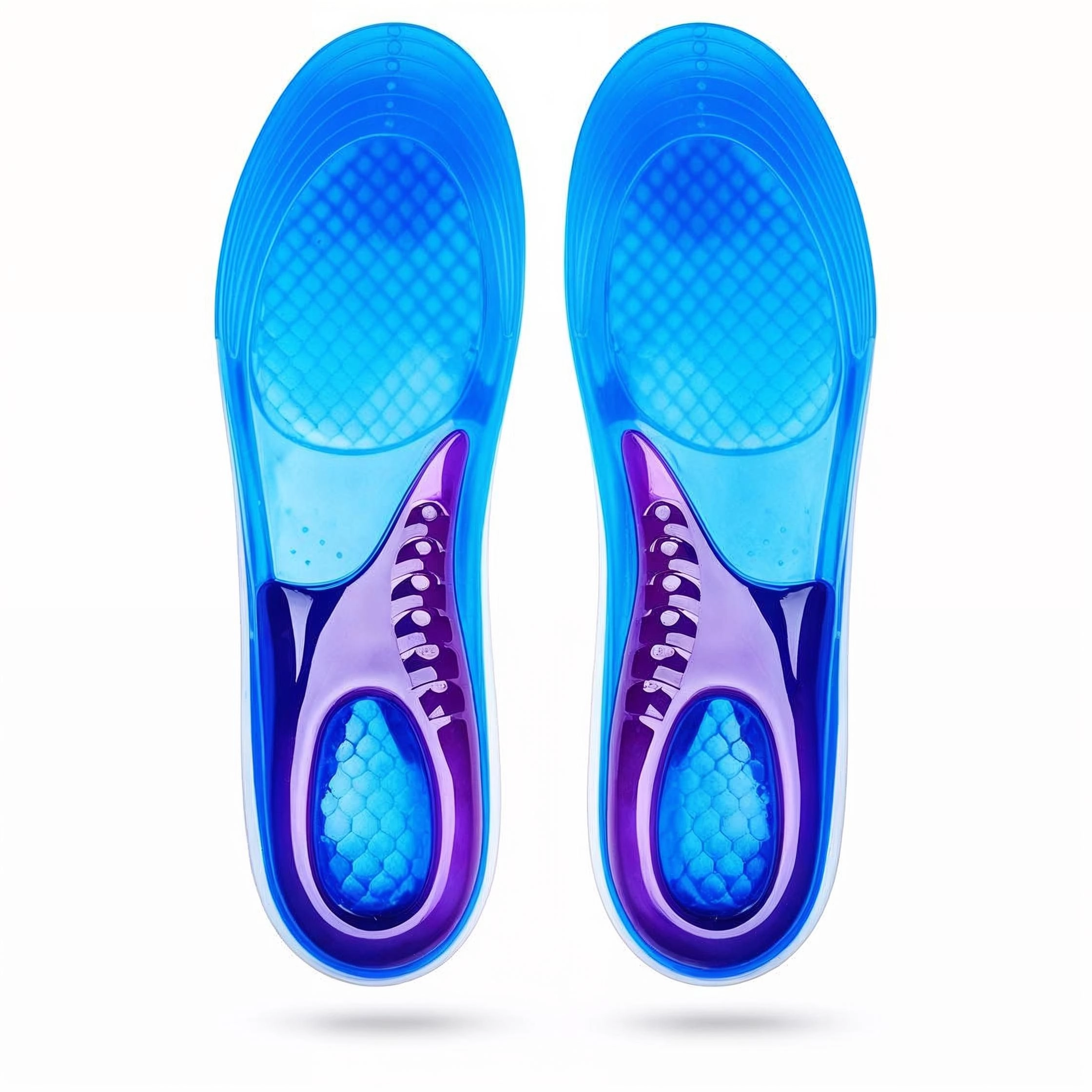
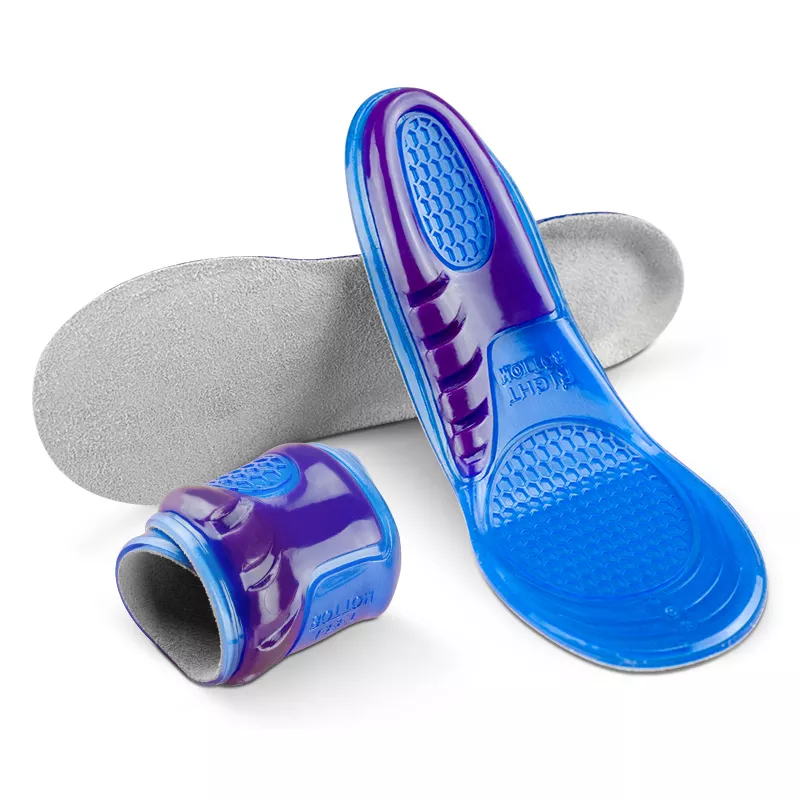
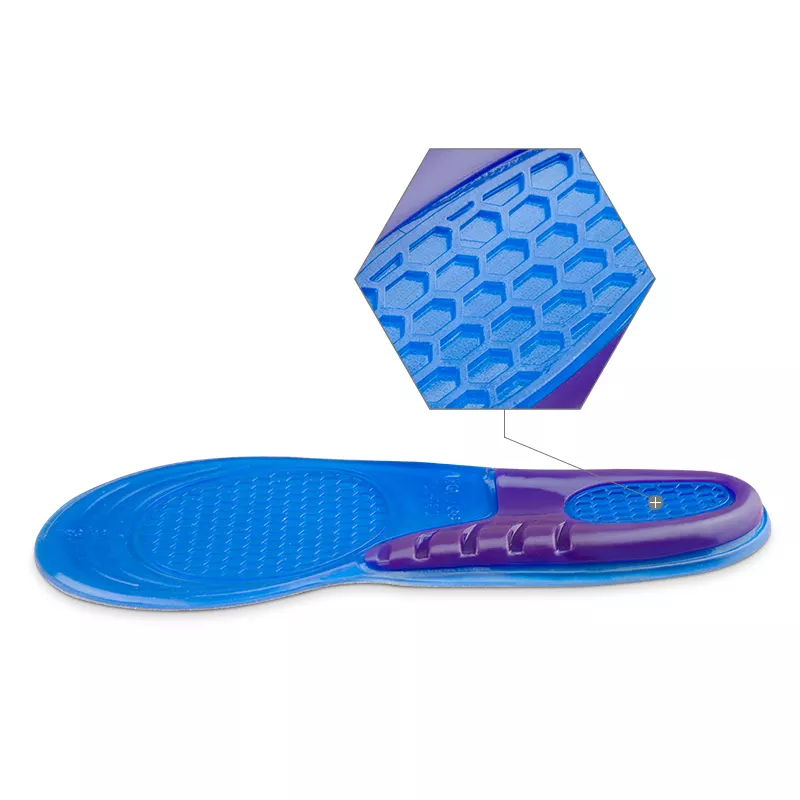
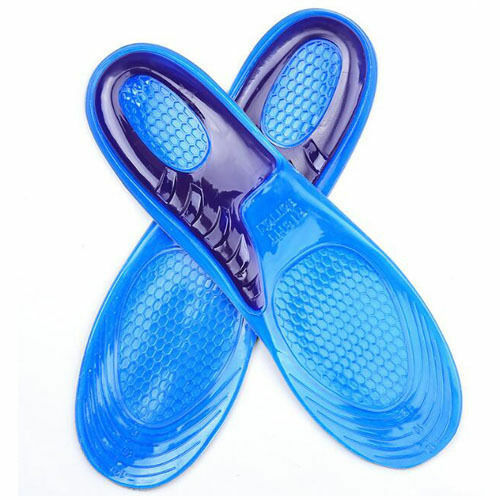
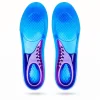
  • 1 pair of gel insoles designed to cushion the front of your feet and make pressure through the ball of the foot feel less harsh.
  • Suitable for both men and women.
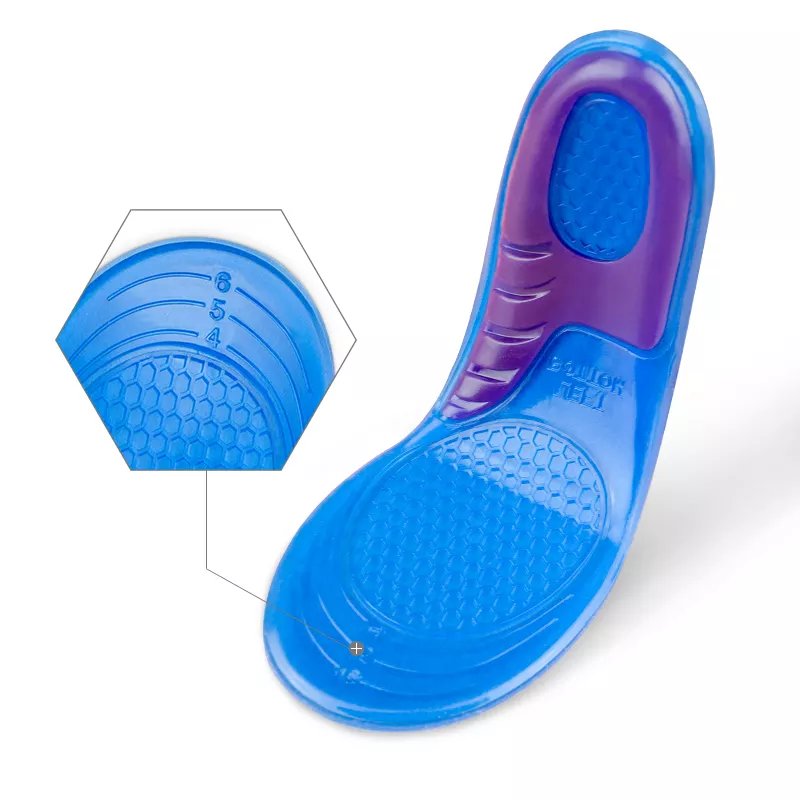
  • Available in sizes 6–9 and 8–12.
  • Mainly suited to adults with ball-of-foot pain, burning, tingling, numbness, or a “pebble in the shoe” feeling that may fit Morton’s neuroma.
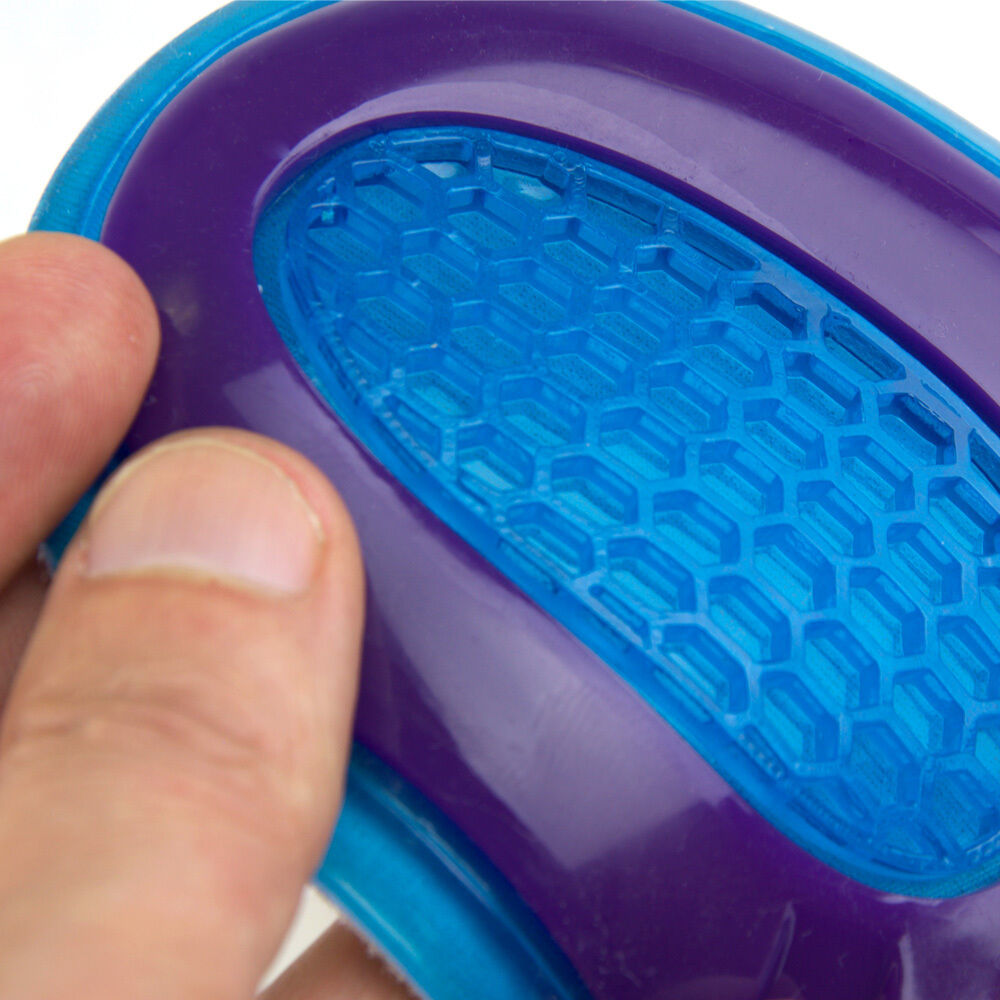
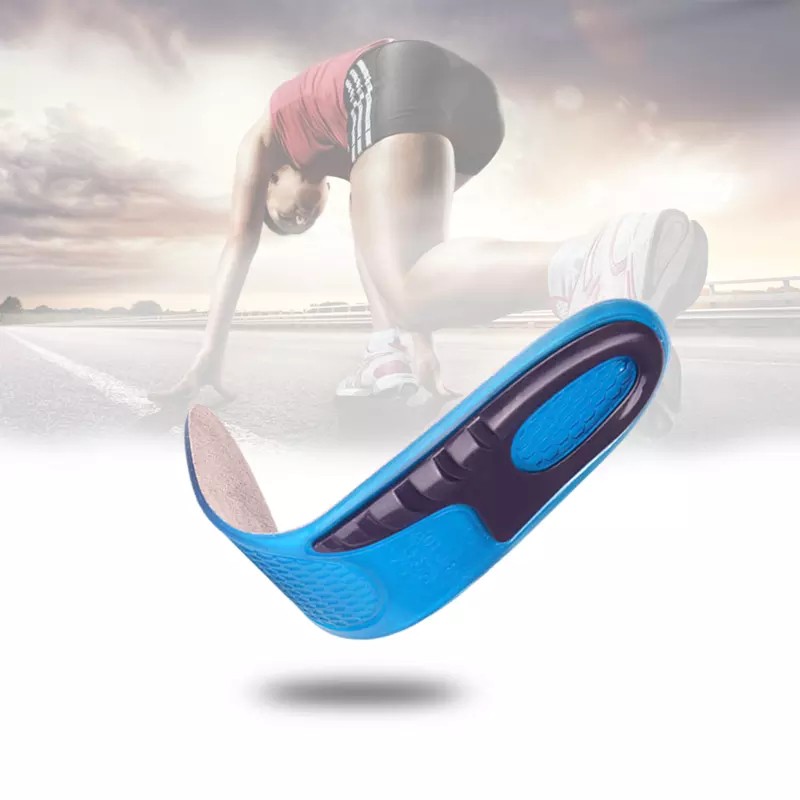
  • Soft medical-grade silicone gel helps absorb repeated impact during walking, standing, and everyday use.
  • Forefoot cushioning helps reduce how concentrated pressure feels under the metatarsal region inside your shoes.
  • Contoured arch support helps the foot work from a steadier base and may reduce how overloaded the front of the foot feels as the day goes on.
  • Helps spread pressure more evenly across the sole rather than leaving one sore area to take most of the load.
  • Can be useful for adults who spend long periods standing or walking, especially on hard floors.
  • Trim-to-fit design helps the insoles sit more neatly inside different shoe shapes.
  • Lightweight, breathable, durable build with moisture-wicking and odour-control features for everyday wear.
  • Best used in shoes that do not crowd the forefoot, as tight shoes can still aggravate symptoms.
  • It often helps to build up wear time gradually rather than wearing them all day straight away.
  • Includes a 30-day money-back guarantee.

Please note there is no guarantee of specific results and that the results can vary for this product.

Clear
EAN: 5061006077675 SKU: 1095-1-1 Categories: , , Tags: , , , , Brand:

Get 15% off - When bought together with:
Gel Insoles for Morton’s Neuroma

If the ball of your foot keeps hurting in a very specific, nagging way, it is worth paying attention to. You might feel a sharp jab when you step forward, a burning patch that becomes more obvious as the day goes on, tingling that runs into the toes, or that odd sense that there is something under the front of your foot when your shoe is completely clear. That pattern is often seen with Morton’s neuroma, and it can make ordinary things such as walking to the shops, standing at work, climbing stairs, or simply getting through a busy day feel far more wearing than they should.

When forefoot pain keeps flaring inside shoes, the practical question is usually simple: what will take some of the pressure off? That is where gel insoles may help. By adding softer cushioning under the front of the foot and helping pressure feel less focused on one small area, FootReviver gel insoles are designed to make walking and standing more comfortable when Morton’s neuroma is making everyday activity harder work.


What Is Morton’s Neuroma?

Morton’s neuroma is a painful problem affecting one of the small nerves that runs through the front of your foot and into your toes. It most often develops between the third and fourth toes, where the metatarsal bones sit close together. Although the name can sound alarming, the issue is usually better understood as thickened, irritated tissue around the nerve rather than a dramatic lump appearing on its own.

It helps to look at what is sitting in that part of the foot. The long bones leading towards the toes are called the metatarsals. At the lower end of those bones are the metatarsal heads, which help the front of the foot accept load and transfer weight when you move forward. Small nerves pass between them and supply feeling to the toes. If the tissue around one of those nerves becomes thickened and irritated, that small space can become much less tolerant.

Because a nerve is involved, the sensations can feel sharper and stranger than a simple sore patch in the sole. You may notice burning, tingling, numbness, or a sudden jab that seems out of proportion to what you can see. The discomfort is usually felt in the ball of the foot, but it can spread into the nearby toes because that is where the irritated nerve travels.


Why Morton’s Neuroma Hurts and Why It Flares

The front of your foot deals with repeated pressure all day. Every time you walk, your body weight moves forward and passes through the metatarsal heads before you push off into the next step. If the tissue around a small nerve in that area is already irritated, that normal loading pattern can keep the problem going.

For most people, the pain builds rather than arriving out of nowhere. It is rarely about one dramatic step. More often, it is the accumulation of smaller stresses. Standing for long spells, walking on hard pavements, climbing stairs, carrying shopping, or simply spending the day in shoes that press too much on the forefoot can all add up. If the area does not get much chance to settle between those demands, the foot often becomes less tolerant as the day goes on.

Footwear can make a big difference here. Shoes with a narrow toe box can crowd the metatarsal region and leave the front of the foot with less room to spread naturally when you load it. Higher-heeled shoes can shift more weight forwards onto an already sensitive area. That helps explain why symptoms may feel far worse in some shoes than in others, and why taking your shoes off can bring relief quite quickly.

The push-off phase of walking is often when people notice it most. As your heel lifts and your body moves forwards, pressure increases through the front of the foot. If that is the exact spot where the irritated nerve sits, the foot may respond with a sharp, burning, or catching sensation. Standing can be just as tiring in a different way, because it creates a steady background load through the sole, especially on harder floors.

So when symptoms seem to vary from one day to the next, there is usually a reason for it. A shorter day in roomier shoes may feel manageable. A longer day on hard ground in tighter footwear may feel very different. In most cases, the area is reacting to pressure, compression, and repetition rather than behaving unpredictably.


How to Recognise the Pattern in Daily Life

Morton’s neuroma often follows a recognisable pattern once you know what to look for. Many people first notice that the front of the foot starts to complain part-way through the day rather than first thing in the morning. You may feel relatively comfortable to begin with, then become increasingly aware of the forefoot after longer walks, prolonged standing, or time spent in shoes that feel less forgiving.

Some describe a burning or stinging patch in the ball of the foot. Others notice tingling or numbness drifting into the toes. One of the clearest clues is that strange “pebble in the shoe” feeling, even when there is nothing there. The discomfort may ease when shoes come off or when you stop and rest, then return once the same pressure builds again.

This is one reason Morton’s neuroma can be confused with other front-of-foot problems at first. General ball-of-foot pain, shoe-pressure soreness, and toe joint irritation can all overlap with it. What often makes Morton’s neuroma feel different is the nerve-like quality of the symptoms and the way they tend to flare with pressure through the forefoot rather than staying as a simple sore spot.


Why It Helps to Act Early

When a pressure-sensitive area in the forefoot is repeatedly aggravated, it often stays pressure-sensitive. If the same loading pattern continues day after day, the irritated tissue rarely gets much chance to settle. In practical terms, that can mean the pain appears earlier, flares more easily, or begins to affect more of your normal routine.

You may also start adapting without thinking about it. If the front of the foot hurts, you might shorten your stride, shift weight away from the sore area, or avoid certain shoes and routes. Those changes are understandable, but they can make walking feel less natural and less efficient over time.

It helps to deal with this sooner rather than later. The aim is simply to make the foot a less aggravating place to be, so ordinary walking and standing do not keep feeding the same cycle.


Where Gel Insoles Fit in Conservative Support for Morton’s Neuroma

When the main problem is pressure through the front of the foot, one of the most sensible aims is to make that area deal with less concentrated load. That is why supportive measures usually focus first on the things the foot is meeting every day: the shoe, the surface underfoot, and the amount of walking and standing you are asking it to cope with.

Gel insoles can be useful here because they work directly inside the shoe, during the same activities that tend to trigger symptoms. They are not meant to replace sensible footwear choices, and they work best when the shoe itself is not crowding the forefoot. But they can be a practical next step if you want to make daily loading feel less provocative.

This is also where pacing matters. In this context, pacing simply means spreading walking and standing more evenly through the day rather than doing too much at once and leaving the foot flared for hours afterwards. Insoles can support that approach by making the foot feel more manageable while you are on it.


How Gel Insoles Change the Mechanics Under Your Foot

The most direct way a gel insole can help Morton’s neuroma is by cushioning the ball of the foot. If the irritated area keeps meeting a firm, unforgiving surface inside the shoe, each step can feel as though it lands on the same sore point. A softer gel layer changes that contact and makes the underfoot feel less abrupt.

That cushioning matters most during the tasks that keep bringing your weight forwards, such as walking on pavement, using stairs, or standing on hard floors for long periods. Often, the first difference people notice is not that the problem suddenly disappears, but that the front of the foot copes for longer before it starts to complain.

There is also the question of how pressure is shared. Comfort is not only about softness. If one small area under the forefoot is taking more load than it comfortably can, an insole can help by supporting a broader area of the sole so the pressure feels less concentrated. That can make a difference during the parts of the day when the foot would usually start to feel bruised, hot, or irritated under the metatarsal region.

Support through the arch matters as well, though not because Morton’s neuroma is simply an arch problem. The middle of the foot influences how force moves forwards. If the foot works from a steadier base, pressure may be distributed more comfortably across the sole instead of bunching through the most sensitive part of the forefoot.

Shock absorption is the other part of the picture. Even without sport, everyday life involves repeated impact from pavements, tiles, laminate, and concrete. If the front of the foot is already sensitive, those small repeated forces can be enough to keep it stirred up. A gel insole helps soften that repeated contact while it is inside your shoe.

All of this works best when the shoe itself still gives the forefoot enough room. If adding an insole makes the front of the shoe tighter, some of the benefit can be lost. The insole helps from below, but the shoe must not undo that by squeezing from the sides and above.


Why Choose FootReviver Gel Insoles for Morton’s Neuroma?

FootReviver gel insoles are built to do more than simply add a bit of softness underfoot. The forefoot cushioning is there to make the ball of the foot feel less exposed to repeated hard contact, which matters when that is the exact area that keeps flaring. If your symptoms build with walking, standing, or time spent in shoes, that extra underfoot give can make daily movement feel less abrasive.

The contoured shape is just as important. Support through the arch helps the foot work from a steadier base, which can improve how weight is shared across the sole. That is useful if the forefoot tends to feel as though it is taking the full brunt of every step by the end of the day.

The gel is there to soften repeated impact during ordinary daily use. That matters not only on longer walks, but also during the slower, less obvious tasks that often aggravate Morton’s neuroma just as much, such as standing at work, walking around shops, or moving around the house on hard floors.

FootReviver insoles are made from medical-grade silicone gel, which helps balance softness with durability. That means the insole is designed to stay comfortable under regular use rather than quickly flattening and losing its effect. The lightweight, breathable build also makes them easier to wear through the day without making the shoe feel heavy or overly warm.

Day-to-day comfort matters too. Moisture-wicking and odour-control features help the inside of the shoe feel fresher over longer wear, which makes the insoles easier to keep using consistently. The trim-to-fit design also helps them sit more neatly inside different shoe shapes, reducing the chance of awkward bunching or movement underfoot.


Who FootReviver Gel Insoles Are Most Likely to Suit

These insoles are most likely to suit people whose forefoot pain clearly worsens in shoes, especially if the front of the foot feels hot, sharp, tingling, or irritated after walking and standing. They also make practical sense if your symptoms build over the course of the day rather than appearing only in one brief moment.

They may be especially useful if you spend long spells on your feet at work, walk regularly on hard surfaces, or find that certain shoes make the front of the foot much harder to tolerate. They are also a sensible option if you want a supportive, non-invasive step that fits alongside better footwear choices and more measured day-to-day loading.


What to Expect When You Start Wearing Them

Some people notice a difference fairly quickly, especially if concentrated pressure under the ball of the foot is a big part of the problem. Walking may feel less sharp, standing may feel less wearing, or the front of the foot may simply feel less aggravated by the end of the day.

For others, it takes longer. If the area has been irritated for a while, the tissues may need time to become less reactive even after the underfoot setup improves. Often, the first sign of progress is simply that the discomfort takes longer to build, or that it feels less intense during the tasks that usually stir it up.

Results also depend on the shoe, the fit, and what your feet are dealing with that day. A roomy, supportive shoe gives the insole a better chance of helping than one that still squeezes the forefoot. A very demanding day may still provoke symptoms, but the foot may feel more manageable overall than it would have without that support.

These insoles are there to support comfort and reduce underfoot stress. They are not a diagnosis on their own, and they do not replace proper assessment if symptoms are persistent or unclear.


How to Use FootReviver Gel Insoles Properly

Start by checking that the insoles sit flat inside your shoes and do not make the front of the shoe feel noticeably tighter. If the forefoot feels more crowded once the insoles are in place, that setup is unlikely to help as much as it should.

If trimming is needed, make small adjustments rather than cutting too much at once. A neat fit helps the insole stay stable and reduces the chance of awkward pressure inside the shoe.

It is often best to build up wear time gradually rather than wearing them all day straight away. That gives your feet time to adapt and makes it easier to judge how they feel during an ordinary day.

Try to pair them with shoes that do not crowd the forefoot. This matters more than many people expect. A supportive surface underneath helps most when the front of the shoe still gives your foot enough room.

As with any insole, cushioning and support will decline over time. Replacing them when they become worn helps maintain the level of comfort that made them useful in the first place.


Other Foot and Lower-Limb Problems FootReviver Gel Insoles May Also Help Support

Many of the same pressure and loading patterns that aggravate Morton’s neuroma can also show up in other foot and lower-limb problems. That does not mean every condition behaves in the same way, but it does mean that cushioning, support, and better pressure distribution can sometimes help in more than one setting. The key is to understand what each problem is really being irritated by. In some cases it is concentrated forefoot pressure. In others it is repeated impact, reduced shock absorption, altered foot movement, or simple intolerance to long periods on hard surfaces.

That is why the overviews below are best read as practical condition guides rather than identical symptom lists. Each one looks at a different pattern of loading and explains how supportive gel insoles may fit into day-to-day comfort and conservative self-management.

For Metatarsalgia

For many people, metatarsalgia starts as a feeling rather than a diagnosis. The ball of the foot begins to feel bruised, tender, or strangely raw, especially after a busy day. You may notice it when standing in one place, walking on harder ground, or wearing shoes that do very little to soften what is happening underneath. At first it can seem like general forefoot soreness. Then the pattern becomes clearer: the more pressure the front of the foot has to cope with, the more obvious it becomes.

What sits underneath that feeling is fairly simple. The metatarsal heads at the front of the foot are being asked to take more load than the tissues around them are happy with. During walking, your weight moves forwards and concentrates through this area as you push off. During standing, especially on hard floors, the same region deals with a steady background load. Once the tissue there becomes irritable, it does not need a dramatic injury to stay sore. Ordinary repetition is often enough.

That is why metatarsalgia can start interfering with very routine parts of the day. Queuing, walking around shops, climbing stairs, or getting through a long shift can all become wearing because the forefoot is dealing with the same concentrated pressure over and over again. In that setting, the value of an insole is not mysterious. A softer underfoot surface can make the front of the foot feel less battered, while broader support under the sole can stop one small patch from taking quite so much of the strain on its own.

For some people, that means the first thing they notice is not dramatic relief, but that the forefoot stays comfortable for longer before it starts to complain.

For Flat Feet

Flat feet are often spoken about as though they are simply a foot shape, but in practice the issue is usually about how that shape handles load. When the arch sits lower and offers less support, some people cope perfectly well. Others feel as though too much of the foot is dropping into the floor with each step. The result is often a tired, heavy sort of discomfort rather than one sharply defined pain.

The arch normally helps the foot accept weight, adapt to the ground, and move forwards efficiently. If that support is reduced, the soft tissues around the inside of the foot and ankle may have to work harder to steady things. That extra work is not always obvious at first. More often it builds slowly through the day, especially if you are standing for long periods, walking on unforgiving surfaces, or using shoes that do not give the foot much help.

People with flat feet often notice that their problem is not one dramatic flare-up but a gradual wearing down of comfort. The feet can start to feel tired earlier than they used to. The arches may ache. The inner ankle may feel overworked. Sometimes the knock-on effect reaches the front of the foot because the whole sole is handling force less efficiently than it could.

In that situation, an insole is doing more than adding softness. The arch support gives the foot a firmer base to work from, while the gel cushioning helps soften the repeated impact of everyday walking and standing. That combination can make the foot feel steadier and less overworked, particularly on the kind of hard ground that usually exposes the problem most clearly.

For High Arches

High arches create their own set of demands. The foot may look strong, but it often meets the ground through a smaller contact area than average. That can leave pressure focused through particular spots, usually the heel and the ball of the foot, rather than being spread more broadly across the sole. Instead of the foot softening impact naturally, it can feel a little too stiff for that.

The result is often a very particular kind of discomfort. Rather than the heavy, inwardly strained feeling seen with flatter feet, high arches tend to produce hotspot soreness and a harsher sense of contact with the ground. People often describe the foot as rigid, unforgiving, or poor at absorbing shock. The heel may feel battered after longer walks. The forefoot may become sore because it is taking repeated load through a relatively concentrated area.

That is why high arches often become more noticeable on hard pavements, indoor floors, or during days with more walking than usual. The foot may be perfectly manageable for short periods, then steadily less comfortable as the repeated impact adds up. It is not usually instability that people notice most. It is the sense that certain parts of the sole are taking too much of the strain.

With that kind of foot, better cushioning is not just a comfort extra. It can make the difference between a step that feels hard and one that feels more forgiving. Added support under the sole can also help increase contact across the foot, so the heel and forefoot are not left carrying quite so much on their own. For many people with high arches, the main benefit is simply that hard ground stops feeling so relentless.

For Overpronation

Overpronation is really about timing and control. The foot is supposed to roll inward to a degree as it accepts weight. That movement is useful. The problem comes when it goes a little too far or lingers a little too long, so the structures that steady the arch and inner foot have to keep working harder than they comfortably can.

Some people notice this as aching through the arch or inner ankle. Others would not describe it as pain at first at all. They simply feel that the foot becomes heavy, tired, or less efficient after they have been on it for a while. It is often one of those problems that becomes clearer with repetition. The first part of the day may feel manageable. Later on, especially on harder surfaces or in less supportive shoes, the foot can begin to feel less controlled and more worked.

Because the pattern is cumulative, the foot does not need to hurt sharply on every step to be under strain. Instead, the tissues that help manage inward roll gradually tire. That can leave the whole step feeling a little sloppier and a little more effortful than it should.

An insole is useful here when it improves the quality of the step rather than trying to force the foot into something unnatural. A steadier base under the arch can make inward roll feel less uncontrolled, while gel cushioning helps soften the repeated impact of the ground. That may not make every step feel dramatically different, but it can reduce how quickly the foot starts to feel overworked during the kinds of walking and standing that usually expose the problem.

For Supination

Supination, or underpronation, has a very different feel from overpronation. Instead of rolling inward enough to share force comfortably across the sole, the foot tends to stay biased towards the outer edge. That can leave it feeling stiff and poor at absorbing impact, as though it is meeting the ground with a narrower and less forgiving surface.

People often describe this in practical rather than technical terms. The outside of the foot feels overloaded. Hard surfaces feel especially hard. The lower leg may feel more worked than expected after a longer walk. The discomfort is not usually about collapse or loss of control in the same way as overpronation. It is more about rigidity and a repeated sense of jarring contact with the ground.

That difference matters because the support strategy is slightly different too. A foot that underpronates often needs help softening impact more than anything else. If each step feels abrupt, the foot and lower leg have to absorb that harshness somewhere. Over time, that can make walking feel more tiring than it should, especially on pavements or indoor hard floors.

So while support still matters, cushioning tends to do a lot of the heavy lifting here. A gel insole can give the foot a broader, softer surface to land on, which often makes walking feel less severe. The change is usually not dramatic correction. It is a subtler improvement: the foot feels less battered, the outside edge less overloaded, and longer spells on hard ground more manageable.

For Bunions

A bunion is often thought of as a bump at the base of the big toe, but the real issue is usually what that change does to pressure through the front of the foot. The big toe joint plays a major part in balance and push-off, so when it becomes enlarged and uncomfortable, the whole forefoot can start behaving differently. Walking may feel less smooth, and shoes that were once tolerable can start feeling awkward or irritating very quickly.


The bunion itself may rub against the upper of the shoe, but that is only part of the story. The other part is underfoot. If the big-toe side becomes uncomfortable to load, pressure often shifts elsewhere across the forefoot. Some people begin to offload the big toe joint without realising it, and that can leave the rest of the front of the foot working harder than it should.

That is why bunions can become so wearing during very ordinary daily tasks. The problem often shows up most during work, shopping, standing around, or longer periods walking in shoes that crowd the forefoot. The joint is irritated from above, while the pressure underneath is being handled less efficiently than before.

An insole does not change the shape of the bunion, so it is not a structural fix for the joint itself. Where it may help is in making the underfoot side of things less harsh. If pressure is spread more evenly across the sole and the forefoot feels less abrasive underneath, walking can become less aggravating. That tends to matter most when the shoe also leaves enough room at the front rather than continuing to press on the joint.

For Hammer Toes

Hammer toes are a good example of how a change in toe posture can alter pressure through the rest of the foot. The smaller toes no longer sit or move in quite the usual way, so the front of the foot starts handling load differently. What people often notice first is rubbing over the bent toe joints. But underneath, a second problem is often building: the metatarsal area is taking more of the strain during standing and walking.

That shift in pressure can make the ball of the foot feel sore, hot, or bruised by the end of the day. If the toes are not helping contact the ground and guide push-off in the usual way, the forefoot tends to work harder. Over time, that can turn a toe-position problem into a more general forefoot-comfort problem.

The shoe often adds to it from both directions. A shallower upper may rub on the toes from above, while the sole underneath does very little to soften what is happening below. That combination can make the foot feel trapped between two sources of irritation, especially if you are standing for long periods or moving around a lot through the day.

In that setting, softer support under the metatarsal region can be genuinely useful. If the forefoot feels less exposed to hard pressure and the rest of the sole is sharing load more comfortably, everyday walking may start to feel less punishing. It does not remove the toe posture itself, but it can make the foot you are walking on now feel more tolerable inside a shoe.

For Arthritis

Arthritis in the feet and toes often changes movement quality as much as it changes comfort. The issue is not just pain. It is pain mixed with stiffness, reduced fluidity, and joints that no longer tolerate repeated load as well as they used to. Walking can start to feel more effortful, especially when the front of the foot has to bend and push off repeatedly through the day.

Some people notice the problem most first thing in the morning, when the foot feels slow and reluctant to move. Others feel it more after a busy day, once the repeated strain of walking and standing has built irritation in already sensitive joints. Either way, the common feature is reduced tolerance. The foot still functions, but it no longer feels as forgiving.

Because so many small joints are packed into the foot, even a few stiff or irritated ones can affect how the whole sole feels. Push-off may become less smooth. Hard floors may feel more punishing. Everyday walking may feel as though the foot is dealing with more impact than it comfortably can.

That is where softer underfoot support can help. An insole can cushion the sole and take some of the abruptness out of each step, which matters when irritated joints are reacting to repeated contact. If the foot is better supported underneath, weight may also be spread more evenly across the sole instead of being funnelled through one painful area. For many adults with arthritic feet, that makes walking less jarring and slightly less hard work over the course of the day.

For Plantar Fasciitis

Plantar fasciitis often announces itself with a very recognisable pattern. The first few steps after getting out of bed or standing up from a chair can feel sharply uncomfortable under the heel or along the arch. Then the foot seems to loosen a little, only for the pain to build again later with longer standing, walking, or a day spent on hard surfaces.

That stop-start rhythm is part of what makes it so frustrating. The band under the arch, called the plantar fascia, helps support the foot and manage force during walking. When it becomes irritated, both heel contact and repeated strain through the arch can keep it stirred up. So the foot may feel bad when you first reload it after rest, then complain again once it has been dealing with too much demand for too long.

What people often notice most is not just where the pain sits, but when it shows up. The heel may feel bruised or sharply tender first thing. Later in the day, the arch and heel can start to feel more tired, tight, or overworked. Hard floors and unsupportive shoes usually make that much more obvious.

A gel insole fits into this picture by changing both impact and support. Cushioning under the heel can make contact with the ground feel less abrupt, while support through the arch may reduce how hard the plantar fascia has to work over long spells on your feet. Often, that translates into better tolerance of the parts of the day that usually bring the symptoms on rather than instant, all-or-nothing relief.

For Turf Toe

Turf toe becomes obvious the moment you try to walk normally through it. The big toe joint is heavily involved in push-off, so once that area is irritated, every step that should roll forwards smoothly can start to feel awkward, limited, or sharp. It often shows up most clearly in brisk walking, stairs, slopes, or anything else that asks the foot to drive off the front with confidence.

The reason it can be so persistent is that the irritated movement is part of ordinary walking. The big toe has to bend as you move forwards. So even if you are not doing sport, you keep revisiting the same stressed position through the day. That is why the problem may settle while you are sitting, only to flare again once you are back on your feet.

People often think of turf toe as a sporting issue, but in practical terms it quickly becomes an everyday one. You notice it when walking faster to get somewhere, using stairs repeatedly, or simply trying to move around with your usual stride rather than protecting the joint.

An insole may help here not by stopping the toe moving, but by making the forefoot feel less harsh as you load it. If the platform under the front of the foot feels more forgiving, repeated push-off may become less aggravating. For some people, that is enough to make routine walking feel more manageable while the joint settles down.

For Achilles Tendonitis

Achilles tendon discomfort often begins with a pattern people know well: stiffness when they first get moving, followed by soreness that builds again with repeated walking or activity. The Achilles helps control movement at the back of the ankle as you walk, climb stairs, and push off, so once it becomes sensitive, everyday tasks can start to feel more effortful than they used to.

What makes tendon pain awkward is that it is usually a tolerance problem rather than a one-off injury story. The tendon may manage one or two demands reasonably well, then react when the same force is repeated too many times. Hill walking, long spells on your feet, extra activity, or a sudden change in routine can all make that more obvious. A quieter day may settle things. A busier one can bring the stiffness and soreness straight back.

Although the tendon sits at the back of the ankle, the foot is still its working platform. If heel contact feels harsh or the sole feels poorly supported during repeated walking, the tendon may end up dealing with a step that is more abrupt and more demanding than it needs to be. That is why hard floors and less supportive shoes often make the problem feel worse.

A gel insole can be useful here because it changes the feel of the step from below. Softer heel contact and steadier support under the foot can make repeated daily loading feel less jarring. That matters less in theory than in practice — walking for errands, standing at work, using stairs, getting through the day without the back of the ankle becoming steadily more irritated.

For Shin Splints

Shin splints usually announce themselves as a build-up rather than one clear injury. At first there may be an ache or tenderness along the shin during or after activity. Then it starts appearing sooner, lingering longer, or becoming much easier to provoke when you walk on harder surfaces or spend longer on your feet than usual.

The lower leg is often reacting to repeated force that is travelling up from the ground. Every step begins at the foot. If impact is being handled harshly there, or if load keeps passing up the leg in a way the tissues are not coping with well, the shin can start to complain. This is why the problem often becomes more noticeable on pavements, firmer indoor floors, or during phases where activity has increased faster than your body has adapted to.

One of the reasons shin splints are so easy to dismiss at first is that the discomfort often grows gradually. You may begin a walk or run feeling manageable, only to notice the shin becoming steadily more irritated as the session goes on. That cumulative pattern tells you something useful: the tissues are not usually objecting to one step, but to the total volume of repeated force.

In that setting, improving what happens at foot strike can make a difference. A gel insole can cushion contact with the ground and make load transfer through the foot feel less abrupt. That does not remove every reason someone may get shin pain, but it can reduce some of the harshness feeding into the lower leg during the ordinary walking and standing that make symptoms build.

For Knee Pain

Knee pain is not one single condition, and not every painful knee has anything to do with the foot. Even so, the knee does not work in isolation when you walk. The way your foot meets the ground influences how comfortably the rest of the leg deals with repeated daily load, especially over longer periods.

For some adults, the connection is subtle rather than dramatic. They do not necessarily feel that the foot is the obvious source of the problem. Instead, what they notice is that hard ground, longer periods standing, or a busy day on their feet leaves the whole leg feeling more worked than it should. If the foot feels harsh on impact or tiring to walk on for long spells, the knee may begin to feel more loaded as the day goes on.

That kind of chain effect is most noticeable during repetitive tasks rather than in isolated moments. Walking around shops, commuting, standing at work, and covering longer distances on pavements all ask the foot and knee to keep dealing with the same forces over and over again. If the underfoot part of that feels poor, the rest of the limb often notices.

So the role of an insole here is supportive and indirect. Better cushioning under the foot may reduce how abrupt impact feels, while better support can improve how comfortably weight is accepted during walking. That does not mean the insole is a direct answer to every knee problem. It means that if underfoot comfort is part of what is making walking feel harder on the knee, improving that setup can sometimes make the whole task feel easier to manage.

For Back Pain

Back pain has many possible causes, and it would be far too simple to describe it as a foot problem. But there is a practical link many people recognise without needing a technical explanation: when the feet feel uncomfortable, standing and walking often become more tiring everywhere else as well. Long days on your feet rarely feel hard in just one place.

For some adults, this shows up as a gradual drop in tolerance rather than a clear mechanical fault. The feet get tired on hard floors, the body starts shifting weight more often, and by the end of the day the whole chain feels more taxed. In that situation, the back is not necessarily being “caused” by the feet, but it may still be affected by how wearing the day has felt from the ground up.

The tasks that expose this are usually the ordinary ones. Standing at work, walking through town, moving around shops, or spending hours on unforgiving flooring can all add up. If the feet feel unsupported and every step feels harsher than it should, the whole body may feel less willing as the day goes on.

That is where an insole may still earn its place even without claiming too much. If contact with the ground feels softer and the feet do not fatigue as quickly, long periods standing and walking may feel less draining overall. It is an indirect effect, but for some people it is still a useful one — not a cure for back pain, but a more comfortable base for getting through the day.


When to Seek Professional Advice About Forefoot Pain

If your symptoms are persistent, worsening, unusually intense, or simply not behaving in the way you would expect from a pressure-sensitive forefoot problem, it is sensible to get them checked. The same applies if numbness is becoming more noticeable, walking is becoming more difficult, or you are no longer sure what is provoking the pain.

A GP, podiatrist, or physiotherapist can help clarify what is going on and whether Morton’s neuroma is the most likely explanation. Supportive insoles can be very useful, but they work best when they sit within a sensible plan based on the right understanding of the problem.


Try FootReviver Gel Insoles with Confidence

FootReviver gel insoles come with a full 30-day money-back guarantee, giving you the chance to try them in your usual routine and see how they feel in practice. If they do not provide the comfort and support you were hoping for, you have the reassurance of knowing your purchase is protected.


Take the First Step Towards More Comfortable Walking

Morton’s neuroma can make the simplest parts of the day feel sharper, more awkward, and more tiring than they should. When the front of the foot is reacting badly to pressure, repeated impact, and shoe compression, changing what happens underneath the foot is often a sensible place to start. By cushioning the forefoot, helping pressure feel less concentrated, and making everyday walking and standing more comfortable, FootReviver gel insoles offer a practical supportive step.

If shoe pressure and forefoot pain have started dictating how your day feels, FootReviver gel insoles are well worth considering as part of a more comfortable, more manageable setup in shoes.


Disclaimer

This information is intended as general guidance only. It is not a substitute for individual medical advice, diagnosis, or treatment. If you are unsure whether these insoles are suitable for you, or if you have persistent, worsening, or new or unexplained symptoms, it is sensible to speak to a GP, podiatrist, physiotherapist, or another appropriate clinician. Comfort and symptom response can vary, so no specific outcome can be guaranteed.

Average Rating

4.67

03
( 3 Reviews )
5 Star
66.67%
4 Star
33.33%
3 Star
0%
2 Star
0%
1 Star
0%
Add a review

Your email address will not be published. Required fields are marked *

3 Reviews For This Product

  1. 03

    by Bill

    Being a postman, I’m always on me feet, and the ball of foot pain was becoming a real problem. These insoles, though, they’ve been a game changer.

    First off, they’re proper robust. I’ve been using ’em every day, rain or shine, for over a month and they’re holding up well. They’re really comfortable too, fit right into me boots and I can wear ’em all day.

    I’ve noticed a big difference in me foot pain, it’s much better. I reckon they’re well worth the price, considering the relief they’ve given me.

    Easy to use too, just slip ’em into your shoes and you’re good to go. Not much to say about how they look, but who cares? They’re in your shoes!

    All in all, these insoles have done wonders for me foot pain. I’d definitely recommend ’em if you’re on your feet a lot like me.

  2. 03

    by Jessica Wilson

    After suffering from Morton’s neuroma for months, I finally decided to give these insoles a try, and I am thrilled with the results. The cushioning is exceptional, providing much-needed relief from that dreaded pebble sensation under my foot. I wear them in my everyday shoes, and they fit perfectly without making my shoes too tight. My job requires me to stand for long periods, and these insoles have made a world of difference in reducing foot fatigue. The shock absorption is really good, making my morning runs on hard pavements much more enjoyable. Highly recommend for anyone in need of foot pain relief!

  3. 03

    by Mike

    4 stars because nothing is perfect, but these come close! My Morton’s neuroma used to flare up every day. Since buying these insoles, it’s like night and day. The comfort is top-notch, and they stay in place without any annoying shifting. I can finally enjoy my morning walks again. Highly recommend!

Fast & Secure Checkout Through Paypal

Pay with Paypal the secure payment gateway that accepts all credit and debit cards. Paypal is free and secure and no credit or bank information is ever stored or shared with us.

Fast Dispatch

Enjoy your items soon with quick dispatch via Royal Mail. Expect to have your items between 1-3 working days for domestic orders. 7-10 Working days for international orders.

Return Policy – 30 Day Money Back Guarantee

In the unlikely event, you are unhappy with your purchase you can return it within 30 days for a refund. Please contact us via the form on the contact us page to start your return.

To return an item please send it to: Nuova Health UK, 81 Highfield Lane, Waverley, Rotherham, S60 8AL. Please include a note with your order id so we know who to refund. Please retain your postage receipt as proof of postage. All that we ask is that the item is in the original packaging and unused.
Main Menu

Insoles for Morton's neuroma

Gel Insoles for Morton's Neuroma

£11.99inc VAT

Add to cart