


Gel Metatarsal Support Foot pads
£10.49inc VAT
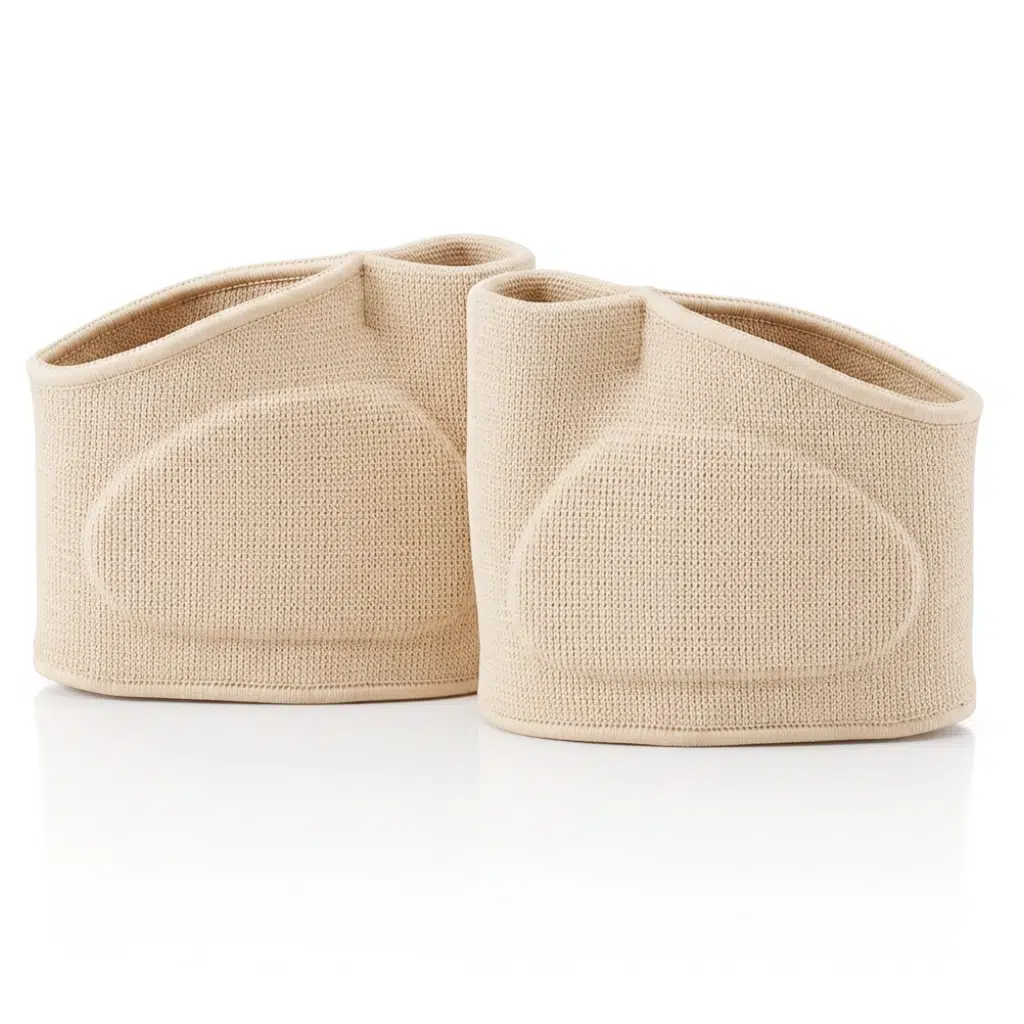
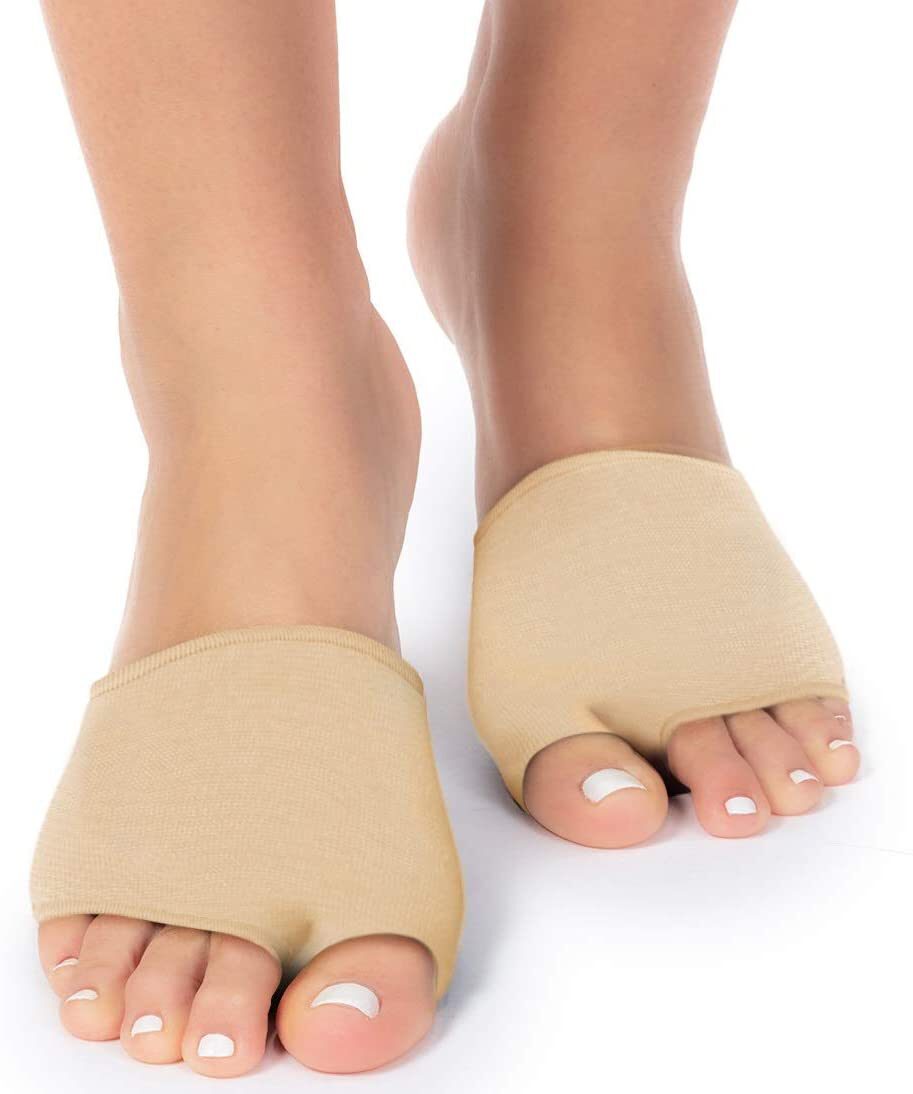
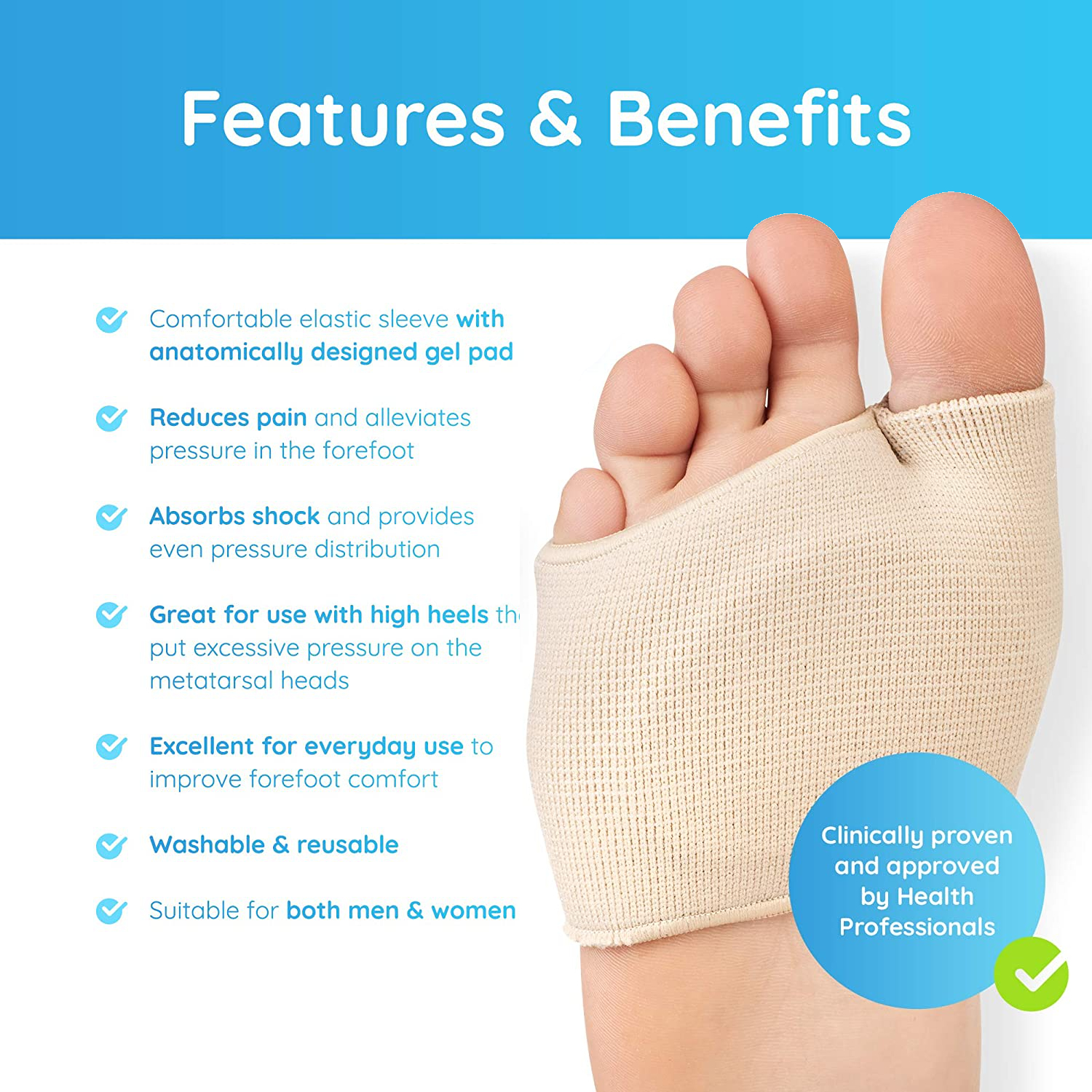
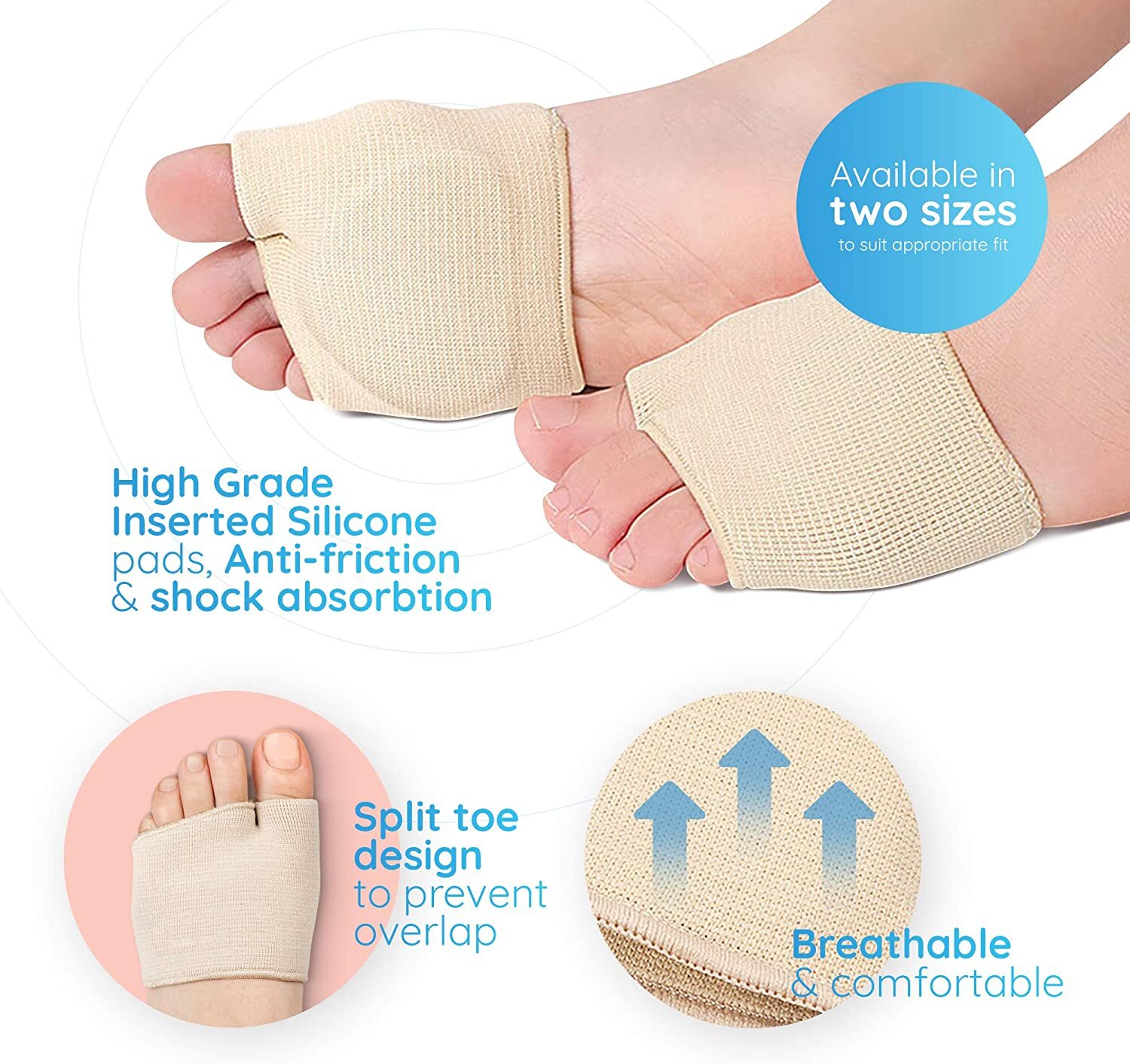
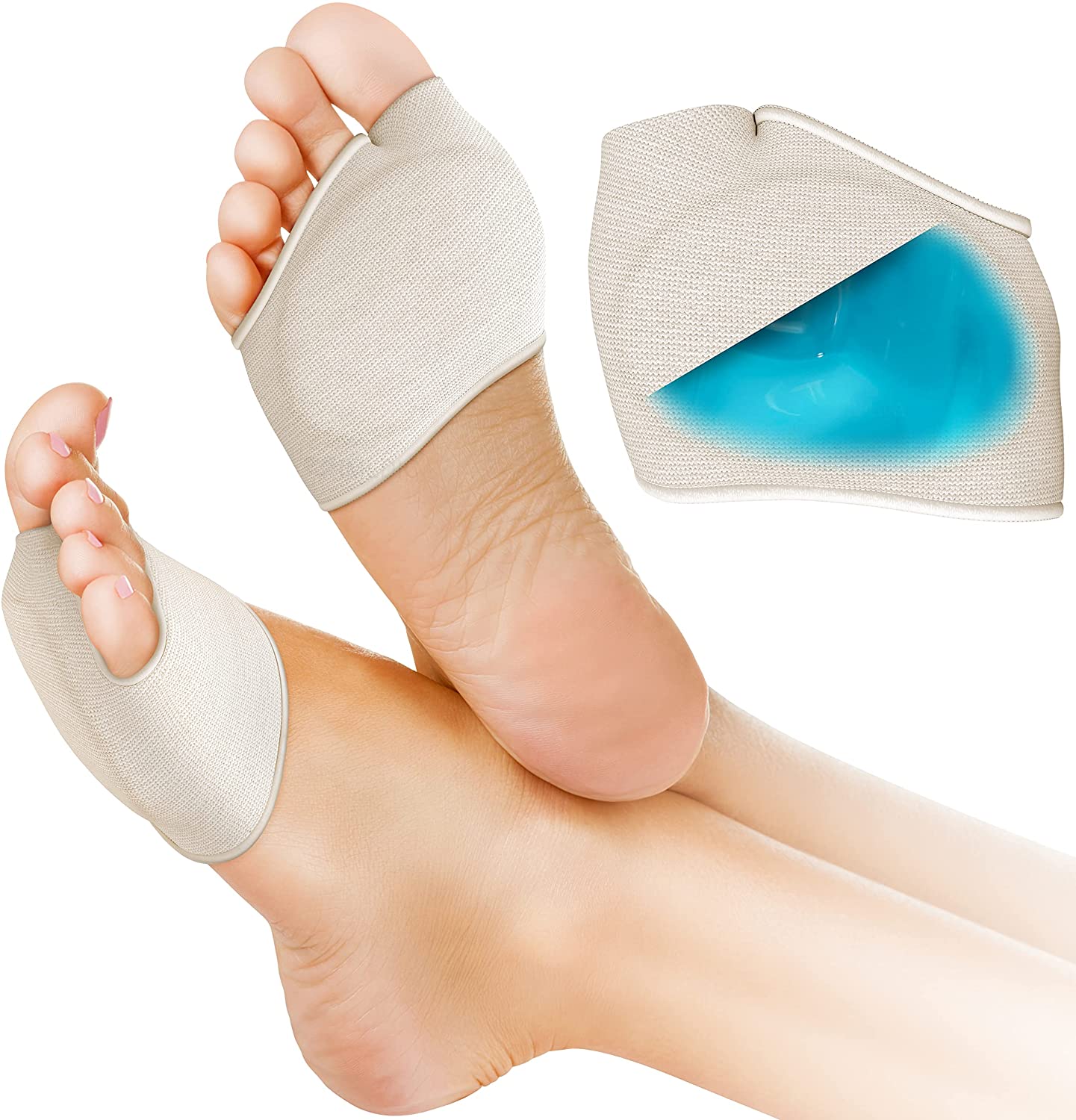
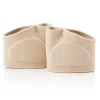
- 2x High Premium Quality Gel Metatarsal Support Foot pads designed to ease Metatarsalgia (Ball of foot pain) – We believe that our metatarsal pads could be just the solution you need to reclaim your mobility and get back to enjoying your life, free from debilitating foot pain. Try them today, and feel the difference they can make!
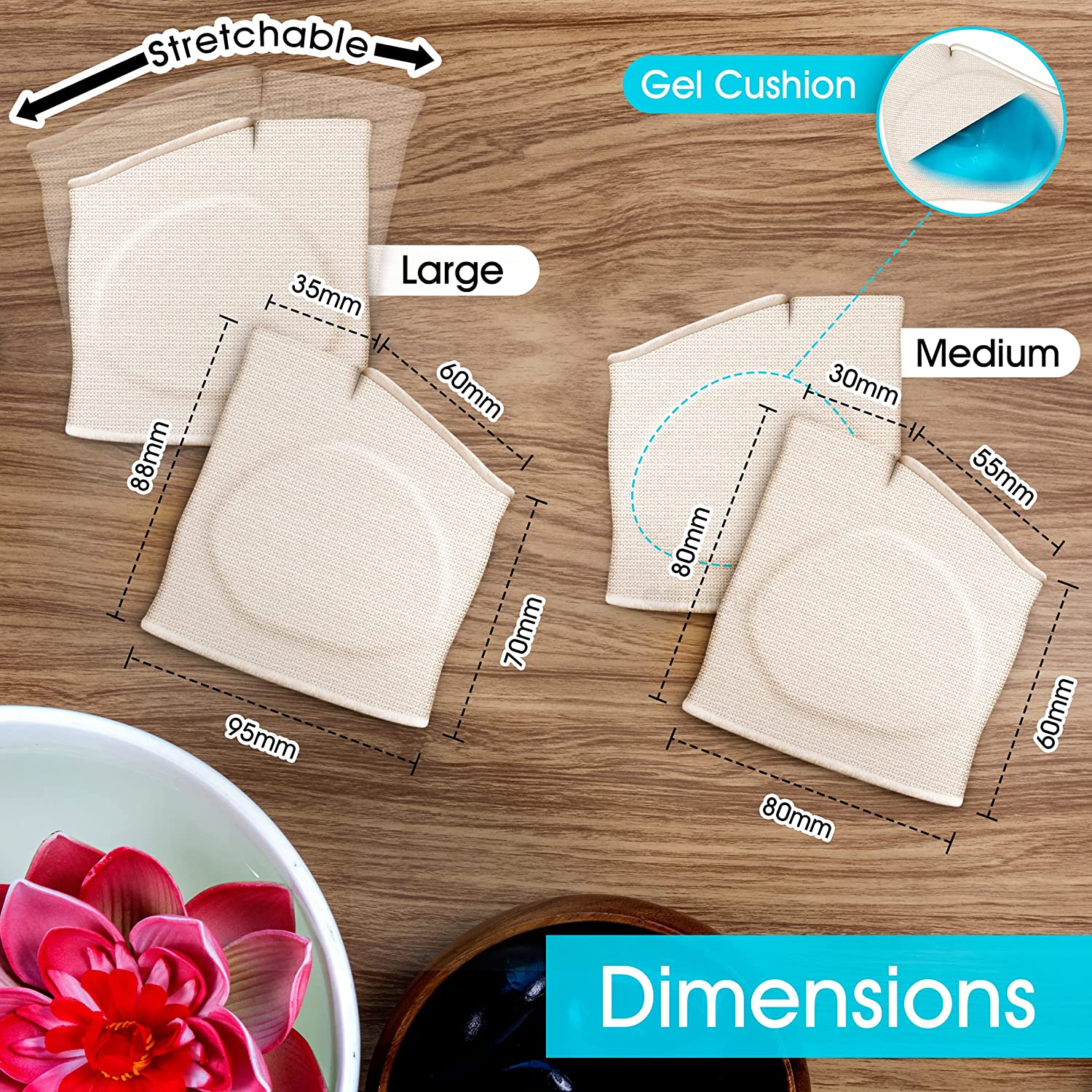
- Available in UK shoe sizes: Small (3-7) & Large (7-11)
- For both Men & Women
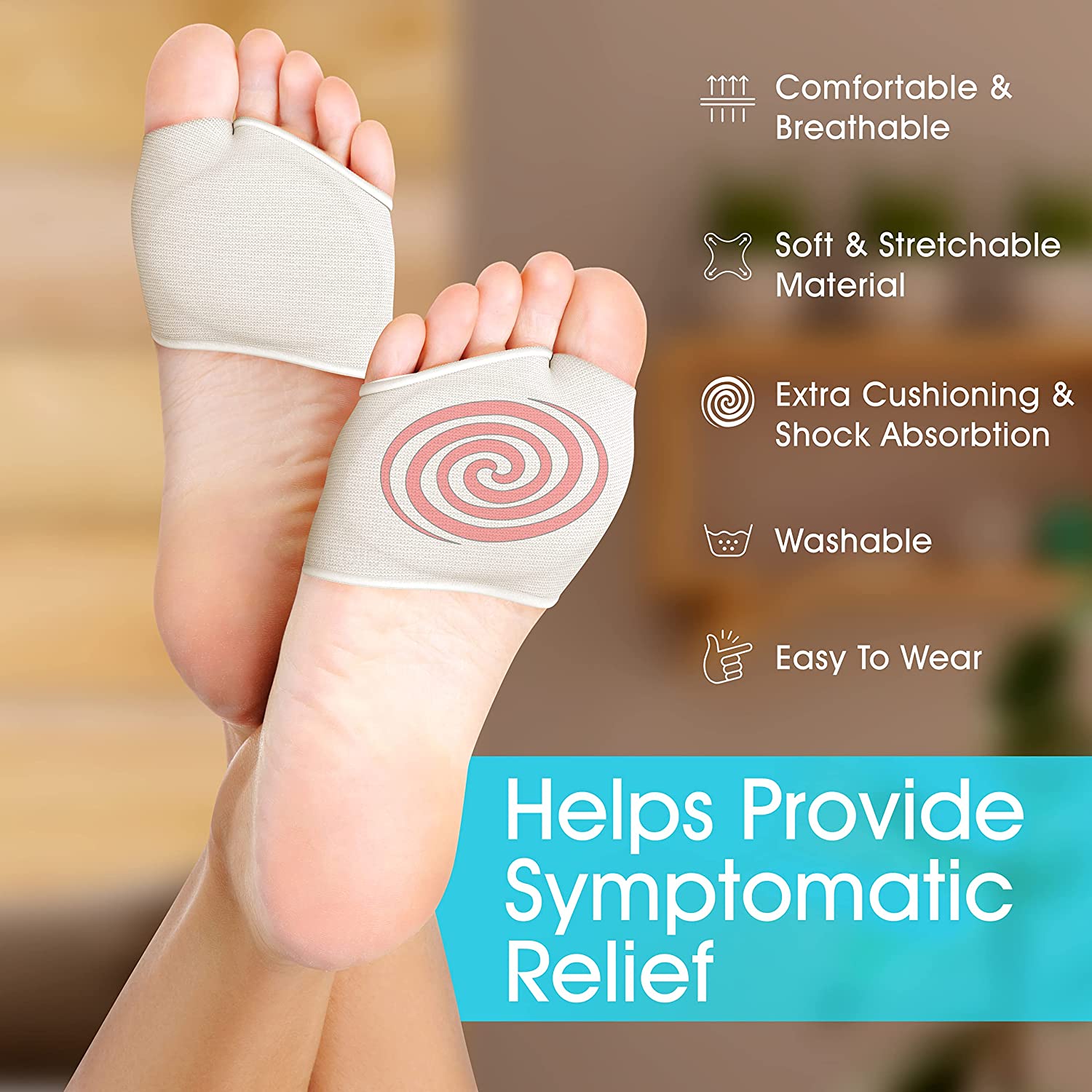
- Washable and reusable
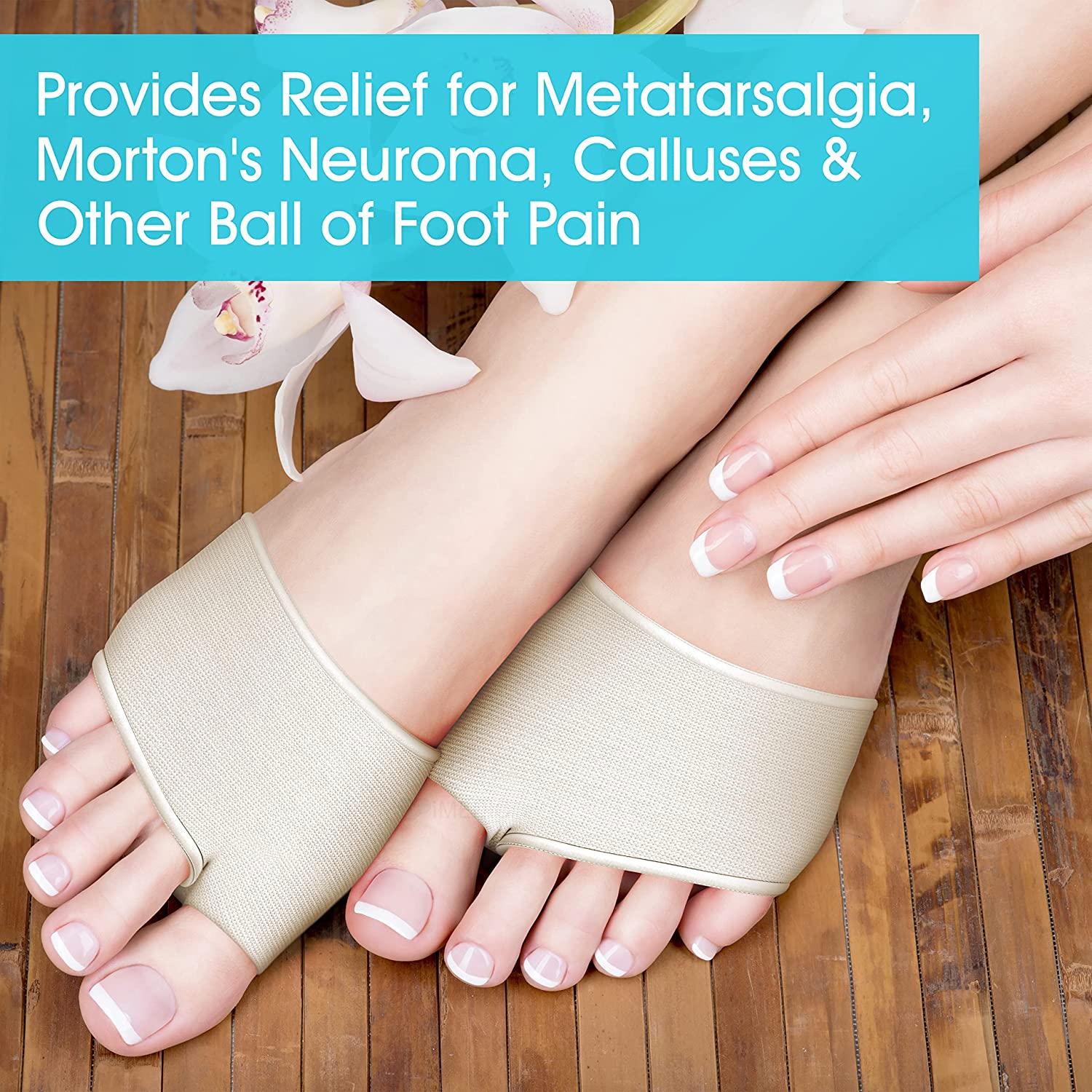
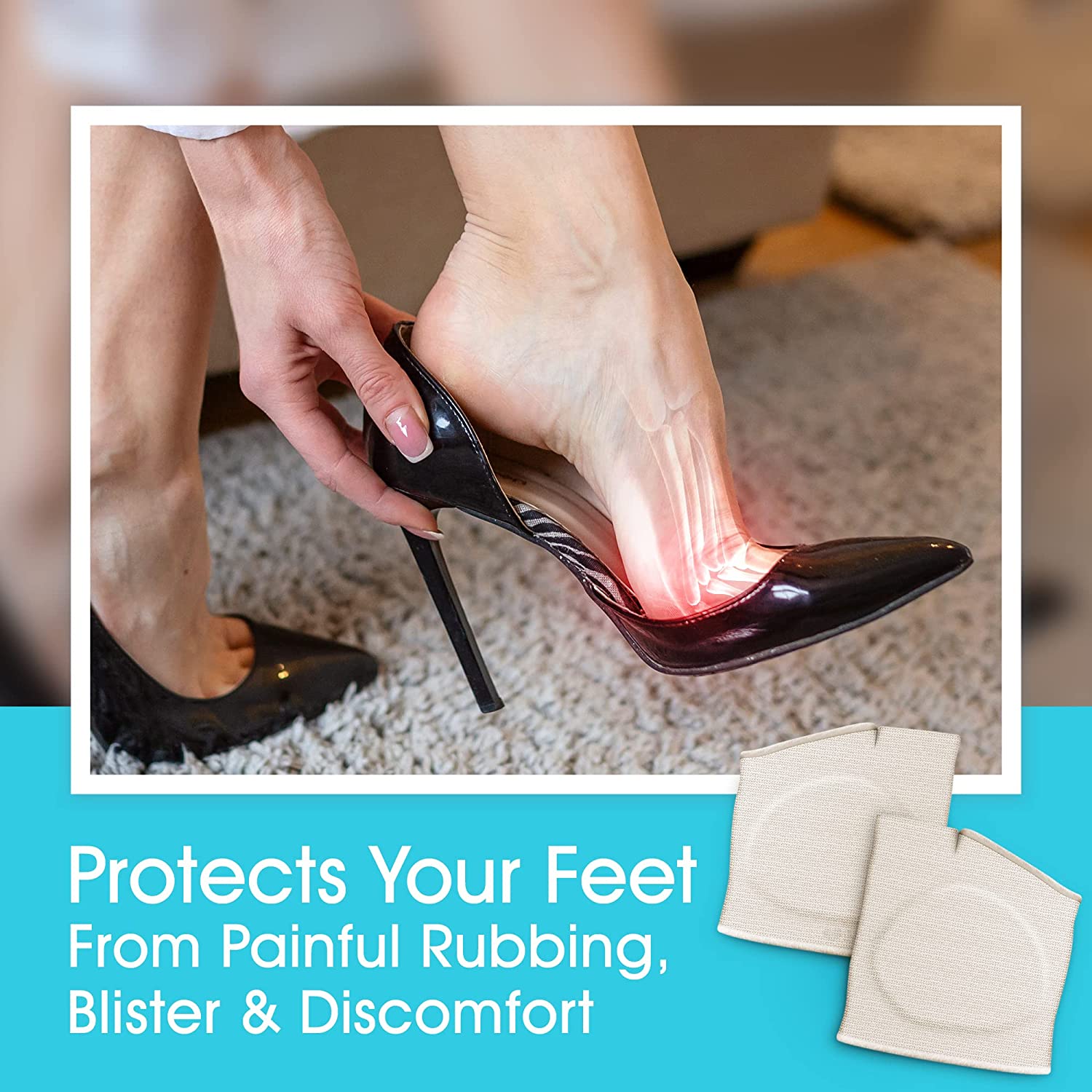
- Recommended for helping treat and prevent a wide range of foot conditions and injuries including Metatarsalgia, Morton’s Neuroma, Bunions, Arthritis, Gout, Sesamoiditis, Calluses, Corns & Blisters
- Delivers soothing compression that stimulates blood circulation in your feet to ease aches and pains, reduce swelling and inflammation and aid the natural healing process of damaged tissue by boosting the supply of fresh oxygenated blood to your feet and toes
- Designed to improve the way in which your feet function to ease pressure and strain off your feet and prevent injuries from occurring
- Provides targeted support to the metatarsal bones found in your foot helping to stop them from pinching together and trapping nerves in-between your toes to help prevent Morton’s neuroma
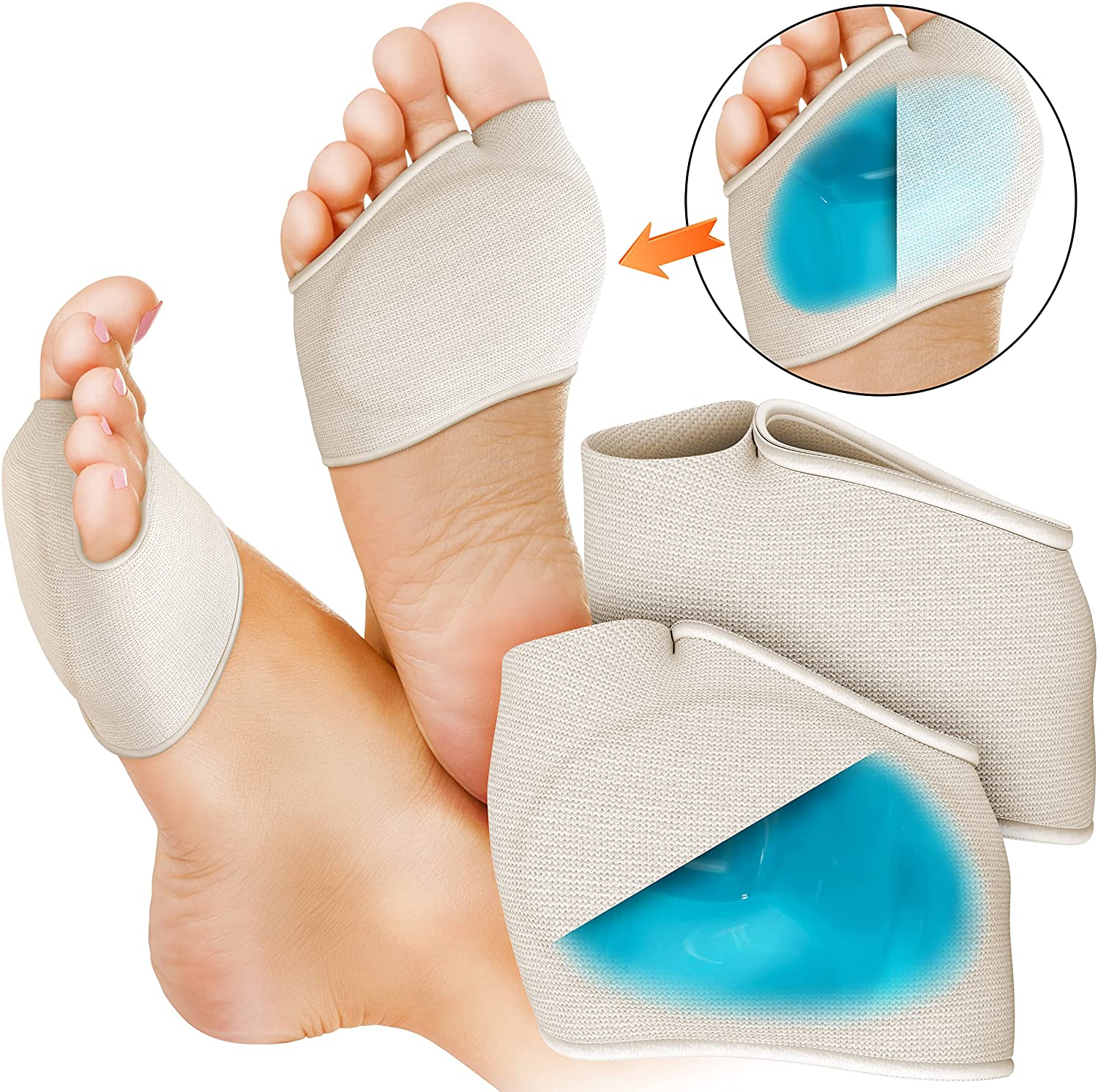
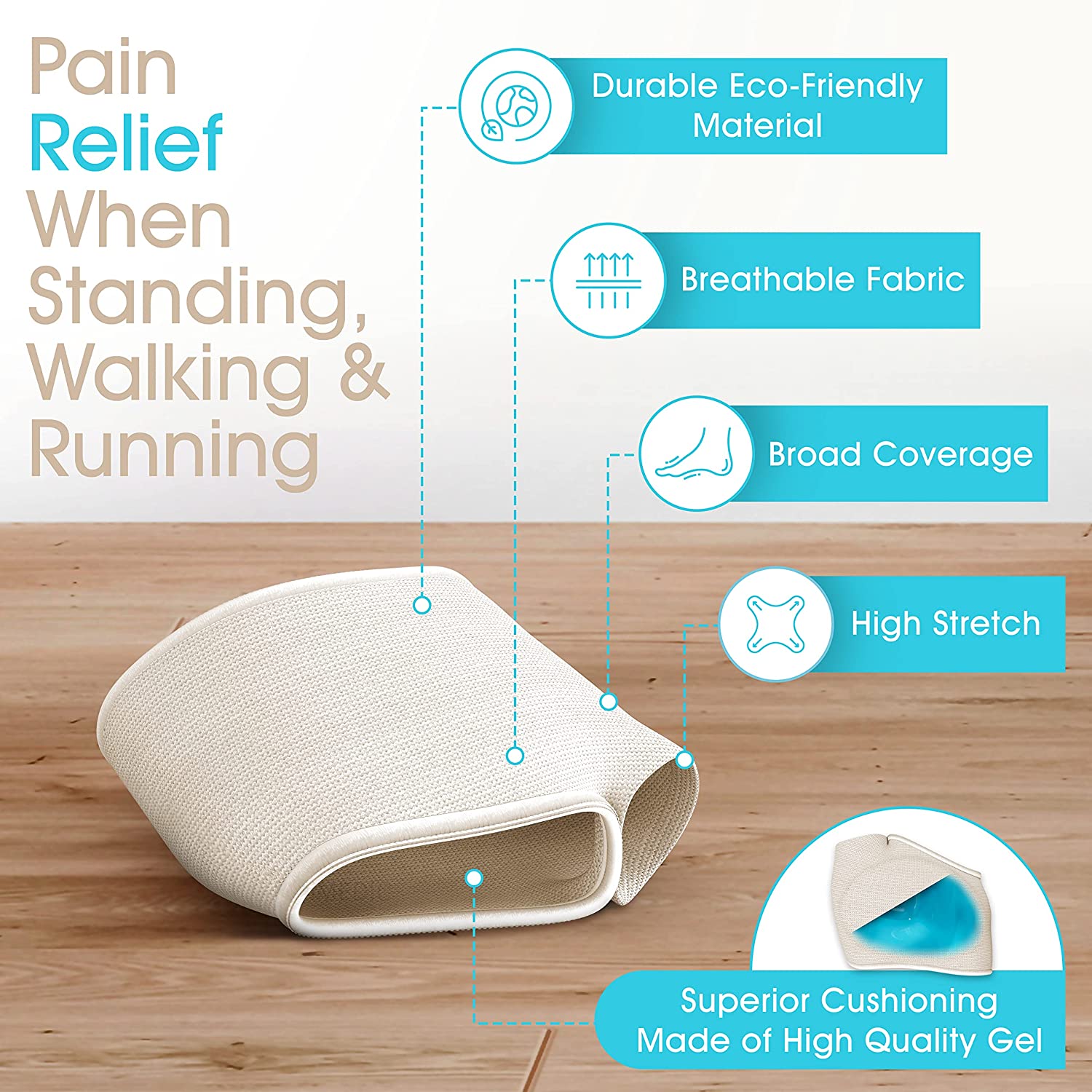
- Silicone gel massages and moulds to the exact shape of your feet helping to absorb shock and redistribute weight and pressure evenly underneath your feet as you walk
- An ideal choice for wearing whilst running or playing sports to help better protect your feet and toes
- Made from breathable, lightweight skin friendly fabric that will keep your feet dry, sweat free and feeling comfortable all day long
- Includes a full 30 day money back guarantee!
Get 15% off - When bought together with:
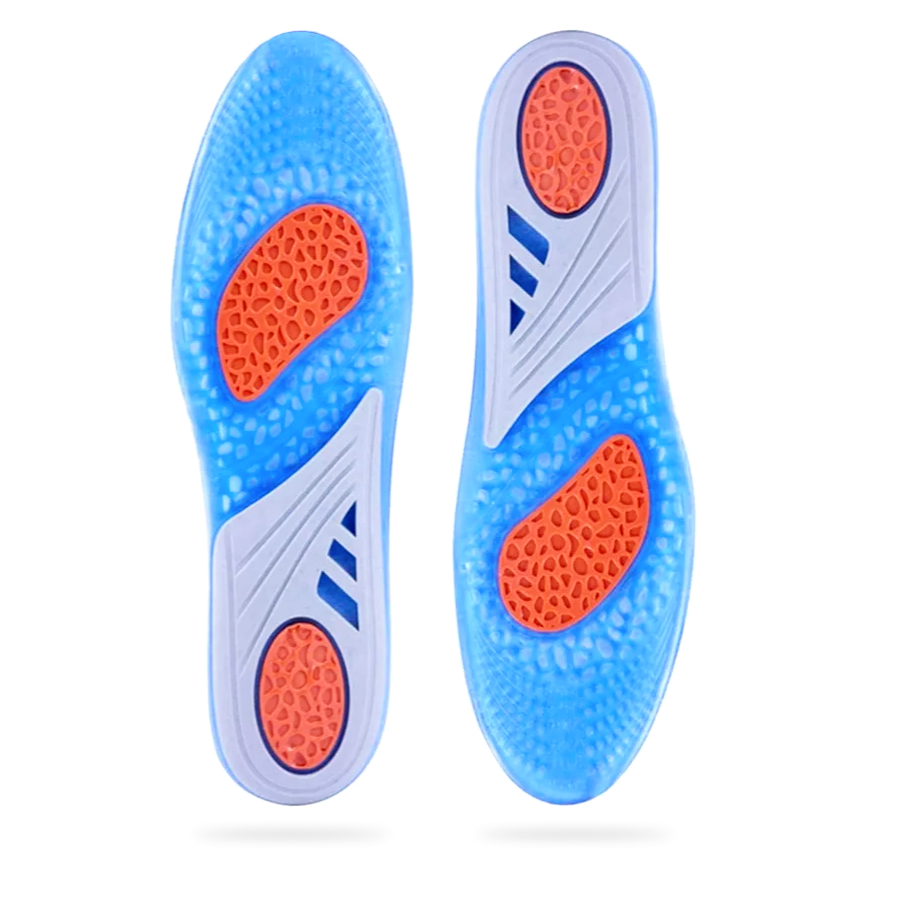
- This item: Gel Metatarsal Support Foot pads(£10.49inc VAT)
- Gel Metatarsal Support Insoles for Metatarsalgia (Ball of foot pain)(£10.99inc VAT)
Ball of foot pain can make every step feel harder than it should
If the front of your foot is sore, tender, or feels bruised when you stand or walk, it can start to affect far more of the day than people expect. Even short periods on your feet may become tiring. Jobs around the house, standing at work, walking to the shops, and getting through an ordinary day can all feel more draining when the ball of the foot is painful.
Discomfort in this part of the foot is common, and it is often linked to the way pressure travels through the foot as you move. People with flat feet, high arches, overpronation, or supination often notice this more because the forefoot may end up doing more work than it can manage comfortably. Over time, repeated loading can irritate the tissues under and around the metatarsal heads, the rounded ends of the long bones just behind the toes, leaving the area sore and increasingly sensitive.
FootReviver metatarsal pads are designed to deal with that pressure issue directly. By supporting the forefoot just behind the tender area and adding cushioning where it is needed most, they help reduce concentrated force under the ball of the foot and encourage pressure to spread more evenly. For many people, that makes standing and walking feel more manageable and reduces the repeated strain that keeps the area irritated.
If pain in the ball of your foot has started limiting how far you walk, how long you stand, or which shoes you can tolerate, metatarsal pads may be a practical option worth considering.
Why the ball of the foot becomes painful
The ball of the foot handles a surprising amount of force during normal daily movement. Each step shifts your body weight from the heel towards the front of the foot, then through the forefoot as you push off into the next stride. That means the area behind the toes does not simply touch the ground. It absorbs impact, helps stabilise you, and deals with forward pressure at the same time.
When that load is shared well, most people do not think about it. When it is not, a smaller part of the forefoot can end up carrying more force than it is able to tolerate comfortably. That is often when soreness begins.
This is one reason certain foot types are more prone to ball of foot pain. The issue is not just foot shape by itself, but how that shape affects movement and load. A flatter foot may alter how pressure travels across the middle and front of the foot. A higher-arched foot may provide less natural shock absorption. If the foot rolls in or out more than usual, push-off can become less balanced, and one or two metatarsal heads may take more pressure than they should.
In everyday life, this usually shows up during ordinary routines rather than dramatic activity. Long periods of standing, walking on hard pavements, climbing stairs, commuting, and hours spent in shoes with little cushioning can all keep stressing the same part of the forefoot. Symptoms may begin subtly. At first the area may just feel slightly tired or sensitive. Later, it can become hot, tender, bruised, or as though you are stepping onto one exact sore point.
Some people notice an aching or burning discomfort under the front of the foot. Others feel sharp tenderness, increased soreness in narrower shoes, or a sensation that the padding under the forefoot has somehow thinned out. The pattern varies, but repeated pressure is a common thread.
That is where targeted support can help. If the problem is being driven by excessive force gathering under one part of the forefoot, changing how that pressure is distributed can make everyday movement less aggravating. Metatarsal pads are designed for exactly that purpose: to reduce focal pressure under the ball of the foot, improve comfort inside footwear, and help the forefoot cope better with everyday loading.
How metatarsal pads help
Metatarsal pads do more than make shoes feel softer. Their job is to alter how force passes through the front of the foot.
A well-positioned pad sits just behind the most painful part of the ball of the foot rather than directly under it. That small change matters. By supporting the forefoot before your full weight rolls onto the sorest area, the pad helps reduce the amount of concentrated pressure landing on one spot with every step.
This can be particularly helpful when symptoms are being driven by repeated loading, local irritation, or rubbing inside footwear. If the tissues at the front of the foot are already sensitive, they often stay that way because ordinary movement keeps provoking them. Standing in one place, walking on hard surfaces, going up stairs, or spending the day in less forgiving shoes can all stir symptoms up again. A metatarsal pad helps by changing the pressure pattern that keeps feeding the problem.
Good pads can reduce peak pressure through the ball of the foot, improve how weight is shared across the forefoot, make hard ground feel less jarring, reduce some of the rubbing and sliding that builds inside shoes, and make day-to-day standing and walking more comfortable.
The aim is not to force the foot into an unnatural shape. It is to make the forefoot feel better supported and less exposed to repeated pressure. If you keep landing on the same tender area every time you walk across a kitchen floor, pavement, or workplace floor, cushioning and lift just behind that point may help take the edge off each step. If the front of the foot feels irritated because it is moving awkwardly inside the shoe, a snug pad can help it feel more settled.
That is often why people notice the biggest difference during the activities that usually bother them most. Standing at work may feel easier to tolerate. Walking around the shops may cause less of that bruised build-up under the forefoot. By the end of the day, the area may feel less raw and less overworked. Metatarsal pads do not solve every possible cause of forefoot pain, but they can be very useful when pressure and repeated loading are a major part of what is keeping symptoms going.
Forefoot problems metatarsal pads may help with
Ball of foot pain is not a single diagnosis. It is a symptom pattern that can show up for several different reasons. What links many of them is that the front of the foot becomes less tolerant of pressure, friction, or push-off. In those situations, targeted forefoot support may help make walking more comfortable.
Metatarsal fractures
A metatarsal fracture is a break in one of the five long bones in the foot. Because those bones help support weight and guide movement during walking, a fracture can make ordinary stepping surprisingly uncomfortable very quickly.
Pain from this kind of injury is often more localised than general forefoot soreness. People commonly notice tenderness over one particular metatarsal, often along with swelling or bruising. Walking may feel sharp, protective, or uneven because each step loads the injured area.
A metatarsal pad is not a substitute for proper assessment if a fracture is suspected, but it may help in a simple mechanical sense. If direct pressure under the injured part of the forefoot is making each step feel harsher, cushioning and offloading that area may make footwear feel more tolerable and reduce how jarring short periods of walking feel.
If you have had a recent injury or suspect a fracture, it is sensible to speak to a GP, physiotherapist, podiatrist, or another appropriate clinician rather than relying on pads alone.
Morton’s neuroma
Morton’s neuroma usually affects the nerve between the third and fourth toes. It often causes a burning pain in the ball of the foot along with tingling, numbness, or the strange feeling of standing on a pebble or a fold in your sock.
This type of forefoot pain tends to flare when the tissues around the nerve are being compressed. Tighter footwear often makes it worse, and longer periods of walking can increase the sensation. Some people find that taking their shoes off brings relief, only for symptoms to return once the forefoot is squeezed again.
Pressure relief matters here for the same reason discussed earlier: too much force gathering at the front of the foot can keep sensitive tissues irritated. A metatarsal pad may help by supporting the forefoot just behind the irritated area, which can reduce some of the compressive forces passing through the front of the foot. When the nerve is being squeezed less aggressively during walking or standing, symptoms such as burning, tingling, or that pebble-like sensation often become easier to tolerate.
If symptoms are worsening, becoming more frequent, or affecting your balance or normal walking pattern, it is worth having the foot assessed rather than simply trying to work around it.
Atrophy of the fat pad
The fat pad under the forefoot acts as natural cushioning. It helps absorb shock and spread pressure when your weight moves onto the ball of the foot. If that padding becomes thinner, the forefoot can start to feel exposed, especially on hard floors or when walking barefoot.
People with fat pad atrophy often describe a bruised, sharp, or almost bare feeling under the ball of the foot. It may seem as though there is very little protection between the bone and the ground. Walking on hard surfaces can become disproportionately uncomfortable because the foot is dealing with impact that would normally be softened.
This tends to be most noticeable later in the day, after longer spells of standing, or in thin-soled footwear. Barefoot walking indoors can feel especially unpleasant because there is no extra cushioning at all.
In this situation, metatarsal pads can be particularly useful. If the foot’s own natural padding is no longer enough, adding external cushioning and helping distribute pressure more evenly can make each step feel less harsh. The gel helps soften impact, while the pad shape helps stop pressure from gathering in one exposed area. The aim is not to reverse thinning of the fat pad, but to make everyday loading feel kinder and more manageable.
Sesamoiditis
Sesamoiditis affects the small sesamoid bones and surrounding tissues beneath the base of the big toe. These structures help the big toe cope with load during push-off, so when they become irritated, discomfort is often felt more specifically under the big toe joint rather than across the whole forefoot.
People often notice a focused ache or sharp soreness under the big toe, especially during brisk walking, stairs, slopes, or longer periods spent on the front of the foot. Shoes with thin soles may make the area feel even more exposed because there is less protection from ground contact.
The problem usually builds because the area keeps being loaded at the point where body weight rolls forward and the big toe has to work hard. If that push-off phase is painful, everyday walking can keep the irritation going. A metatarsal pad may help by improving forefoot cushioning and spreading force more evenly so the sore area under the big toe is not taking the same concentrated load with every step.
If pain under the big toe is persistent or is making it hard to walk normally, seeking advice from a clinician is a sensible next step.
Bunions
A bunion develops when the big toe shifts towards the other toes, creating a bony prominence at the side of the foot. While the visible bump is often what people focus on, the wider issue commonly includes altered pressure through the front of the foot and difficulty in shoes.
That change in alignment can affect the way force travels across the forefoot. Instead of a smooth roll-through, more pressure may build around the big toe joint and nearby metatarsal area. As a result, bunions are often associated not just with rubbing at the side of the foot, but with aching, crowding, and overload under the ball of the foot during longer periods of standing or walking.
Metatarsal pads may help by making pressure through the front of the foot feel more balanced. They do not reverse the bunion itself, but targeted cushioning and support can reduce how overloaded the forefoot feels in daily life and may make shoes easier to tolerate.
Arthritis and gout in the toes
When the joints at the front of the foot are inflamed or irritated, normal walking can become stiff and uncomfortable. Arthritis tends to cause more ongoing pain and reduced movement, while gout is known for more sudden, severe flares with swelling, tenderness, and marked sensitivity.
These joints need to bend and accept load every time you walk. If they are painful, ordinary tasks such as standing in the kitchen, going up stairs, or walking through shops can become difficult simply because the same area is being compressed again and again. Arthritis often feels stiff after rest and sorer with prolonged activity. Gout may make even light pressure from footwear difficult to tolerate during a flare.
In both cases, reducing harsh pressure through the forefoot may help. A metatarsal pad can cushion the area and soften some of the direct loading under the painful joints, making walking and footwear more manageable.
If you have a hot, swollen, very painful foot or a sudden unexplained flare, it is sensible to speak to a GP or another appropriate clinician.
Turf toe
Turf toe is an injury around the base of the big toe, usually caused by jamming the toe upwards or repeatedly pushing off under load. The main issue is irritation around the joint and surrounding soft tissues at the point where the big toe needs to bend during walking.
Pain, swelling, and reduced movement at the base of the big toe are common. The area often becomes more painful when you push off, walk quickly, climb stairs, or take longer strides. If the joint does not tolerate that upward bend well, people often start changing the way they walk to avoid rolling through the toe properly.
That altered movement can make the whole forefoot feel awkward and overworked. A metatarsal pad may help by making the roll-through phase less harsh and improving pressure distribution under the front of the foot, so the painful area is not being provoked quite so directly with each step.
They can be a useful support measure, but if the injury is recent or significant, proper assessment remains important.
Calluses and corns
Calluses and corns usually form because the skin is reacting to repeated friction or pressure. In other words, they often appear where the forefoot is being stressed over and over again.
That is why they commonly develop in the same places that feel sore in certain shoes or after a long day standing and walking. If the pressure pattern stays the same, simply removing hardened skin does not always stop the problem returning. The skin is responding to repeated stress rather than changing for no reason.
Metatarsal pads can help by reducing localised pressure and easing some of the rubbing that contributes to skin thickening. If one metatarsal head is repeatedly taking too much force, better support just behind it can help spread that load before it reaches the skin surface. That may improve comfort and reduce the mechanical stress that encourages calluses and corns to build up.
Blisters
Blisters develop when friction and pressure repeatedly irritate the skin. They are common when shoes rub, when feet become hot and damp, or when part of the forefoot slides and overloads inside the shoe.
A blister under the ball of the foot can feel sore, raw, and sharply tender because it sits in a spot that is pressed during every step. Even a small blister can become a disproportionate nuisance if it is exactly where body weight rolls forward.
A metatarsal pad may help here by improving cushioning and reducing some of the repeated rubbing that keeps the area irritated. Better pressure control can make walking more comfortable and may reduce how quickly the forefoot becomes aggravated again inside footwear.
If a blistered area becomes increasingly painful or shows new unexplained symptoms that do not settle, seek clinical advice.
How these metatarsal pads are designed to help
If forefoot pain is being driven by pressure, repeated impact, or rubbing inside shoes, the details of the pad matter. FootReviver Metatarsal Pads are designed to provide targeted support under the front of the foot, helping the area feel more protected during standing and walking.
The silicone gel is there to absorb shock and soften contact with hard ground. That can be especially helpful if the ball of your foot feels bruised, tender, or irritated after time on your feet. As body weight rolls forward during walking, the gel helps reduce how harsh that contact feels under the forefoot. Hard floors, pavements, queues, and longer shopping trips may all feel less jarring when that impact is softened.
Shape is just as important as cushioning. These pads are designed to support the forefoot where pressure often builds most, rather than simply acting as a flat soft layer under the whole foot. By helping lift and cushion just behind the sorest part of the ball of the foot, they can reduce the sense that you are landing directly onto one painful point again and again.
There is also a gentle compressive feel that helps the pad sit snugly around the forefoot. In practical terms, that means it is designed to stay in place and support the area during walking, standing, turning, and using stairs rather than shifting around inside the shoe. The aim is not restriction. It is a secure, settled feel that helps reduce movement, rubbing, and irritation in the area that already hurts.
For many people, that combination is what makes targeted forefoot support appealing. A soft full-length insole may make a shoe feel generally more comfortable, but if the main problem is local tenderness under the ball of the foot, more focused support often makes better sense than general softness alone.
Why many people choose this pair
These are reusable gel metatarsal support pads for the ball of the foot, designed for adults who want targeted forefoot cushioning without relying on a bulky full insole.
They are available in UK shoe sizes small, 3 to 7, and large, 7 to 11. They are washable and reusable, making them practical for regular wear rather than occasional use only. That matters if forefoot discomfort tends to appear during normal routines such as work, shopping, commuting, or days when you know you will be on your feet for longer.
The fabric is lightweight, breathable, and designed to sit comfortably against the skin. That can make a real difference to wearability. Support products only help if people are willing to keep using them, and something that feels too thick, too hot, or awkward inside footwear often gets abandoned quickly. A lighter, more breathable feel makes daily use easier.
These pads are also designed specifically for the area where many people need help most. If the main issue is soreness, tenderness, or pressure around the ball of the foot, targeted support can be more useful than cushioning the entire foot without addressing the exact area that keeps flaring up. In practical terms, that may mean less of the bruised, direct-pressure sensation that tends to build when the same small part of the forefoot is overloaded day after day.
What to expect when wearing metatarsal pads
Metatarsal pads are meant to make pressure through the forefoot easier to manage. What you should expect is improved support and cushioning, not a miracle fix for every cause of pain.
For some people, the change is most obvious in shoes. The front of the foot feels less exposed, less irritated, and easier to settle. For others, the difference shows up later in the day: less soreness after standing, less burning under the forefoot after walking, or less tenderness when moving across hard surfaces.
If your symptoms are strongly linked to local pressure under the ball of the foot, that is usually where the benefit is most noticeable. You may find that standing for longer feels easier, that thinner-soled shoes become more manageable, or that the familiar bruised build-up under the forefoot arrives less quickly than before.
It is still important to be realistic. If pain is severe, follows a recent injury, or has been progressing over time, pads may help but are unlikely to be the whole answer. Forefoot problems often linger when irritated tissues are loaded repeatedly without enough recovery, so ongoing or worsening symptoms should not be ignored simply because they come and go.
When to seek advice
If you have persistent ball of foot pain, a recent injury, or symptoms that are becoming worse rather than settling, it is a good idea to speak to a GP, physiotherapist, podiatrist, or another appropriate clinician. That is particularly important if you are unsure what is driving the pain or if walking is becoming increasingly difficult.
If you notice new unexplained swelling, marked changes in skin colour or temperature, spreading numbness, or other new unexplained symptoms that do not settle, it is sensible to get the foot checked rather than relying on pads alone.
Metatarsal pads can be a useful support for pressure-related forefoot problems, but they work best when they match the problem properly. If you are not sure whether this kind of support is suitable for you, individual advice is the safest approach.
A practical next step for sore, overloaded forefeet
When the ball of the foot is taking too much strain, even simple daily movement can start to feel like hard work. The right support can help by cushioning the area, reducing concentrated pressure, and making ordinary activity more comfortable again.
FootReviver Metatarsal Pads are designed to do exactly that: support the forefoot, improve comfort inside shoes, and reduce the repeated pressure that often keeps ball of foot pain going. If that sounds like the pattern you are dealing with, the next sensible step is to check the sizing, think about the shoes you wear most often, and consider whether targeted forefoot support fits the way your symptoms behave. If you are unsure, a GP, physiotherapist, or podiatrist can help you decide.
Disclaimer
This information is general guidance only. It is not a substitute for individual medical advice, diagnosis, or treatment. If you are unsure whether metatarsal pads are suitable for you, or if you have more complex, persistent, or new symptoms, speak to a GP, physiotherapist, podiatrist, or another appropriate clinician for personalised advice. Individual results will vary, and no specific outcome can be guaranteed.
3 Reviews For This Product
Fast & Secure Checkout Through Paypal
Pay with Paypal the secure payment gateway that accepts all credit and debit cards. Paypal is free and secure and no credit or bank information is ever stored or shared with us.
Fast Dispatch
Enjoy your items soon with quick dispatch via Royal Mail. Expect to have your items between 1-3 working days for domestic orders. 7-10 Working days for international orders.
Return Policy – 30 Day Money Back Guarantee
In the unlikely event, you are unhappy with your purchase you can return it within 30 days for a refund. Please contact us via the form on the contact us page to start your return.
To return an item please send it to: Nuova Health UK, 81 Highfield Lane, Waverley, Rotherham, S60 8AL. Please include a note with your order id so we know who to refund. Please retain your postage receipt as proof of postage. All that we ask is that the item is in the original packaging and unused.
by Tommy Gill
Did the job and got rid of my Morton’s neuroma pain as soon as I started wearing them 👍
by Isac Clevers
As a postman, I’m on my feet all day. I started getting really bad ball foot pain. The doc told me I got Morton’s Neuroma UGH! So, I bought some of these Pads and I’ve been chuffed to bits with them. They’ve taken the edge off the pain and made my daily rounds a bit more bearable. The pads are durable, don’t slip around in my shoes and are quite comfortable. So, if you’re in a similar pickle, give these pads a whirl – they’re worth every penny if you ask me!
by Emily
I picked up these Morton’s neuroma pads after my doctor suggested trying some form of cushioning before considering more invasive treatments. Two weeks in, and I’m genuinely impressed. I was hesitant, given that my last attempt with a different brand was a complete bust.
These pads, however, seem to be the real deal. They have a soft, yet supportive feel and fit seamlessly into my shoes, whether I’m wearing trainers or dress shoes. I’ve noticed a reduction in the numbness and tingling that usually plagues my forefoot.
One thing that stands out is their ability to stay in place throughout the day, no annoying adjustments needed. I do wish they came in more sizes to fit different shoe types better, but overall, they’ve been a great addition to my daily routine. If you’re looking for a non-invasive way to manage Morton’s neuroma, give these pads a try.