Does shoulder pain hold you back? Whether it’s stiffness after lifting, a dull ache from arthritis, or the sharp discomfort of a rotator cuff tear, these issues can make even simple movements—reaching, exercising, or sleeping—feel challenging. For those managing tendonitis, bursitis, strains, or recovery from injury, persistent discomfort often becomes a barrier to staying active and independent.
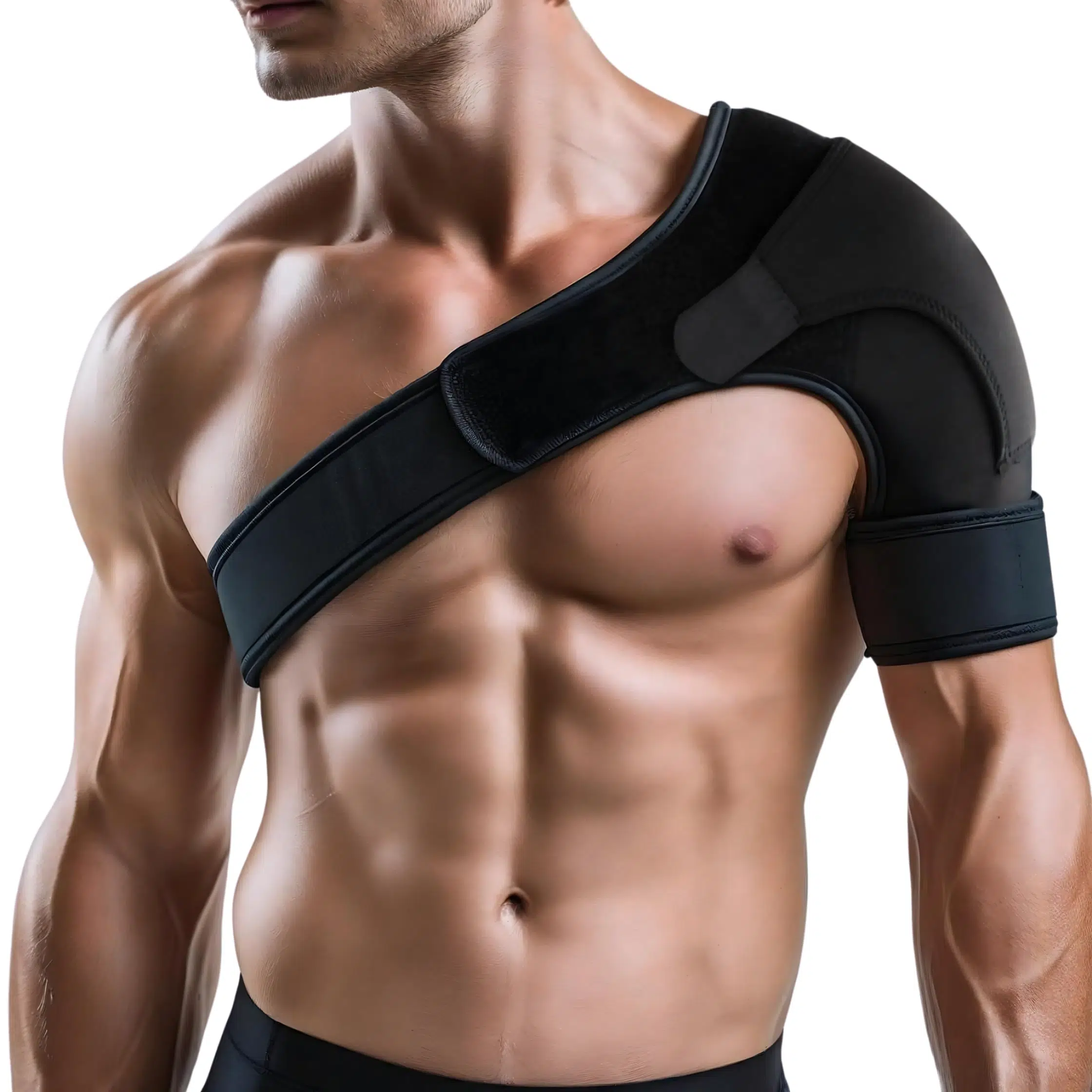
Introducing the Shoulder Support Rotator Cuff Brace: a clinically informed design that stabilizes vulnerable joints while encouraging natural healing. Engineered for men and women alike, this brace delivers targeted compression to reduce swelling, improve circulation, and align shoulder mechanics. Its adjustable, breathable build ensures comfort during daily tasks, workouts, or rehabilitation—so you can focus on movement, not limitations.
From Discomfort to Recovery: How the Brace Works
Living with shoulder pain doesn’t have to mean sacrificing mobility or enduring endless recovery. Our Shoulder Support Rotator Cuff Brace is engineered with precision to address the root causes of instability and discomfort—here’s how its features actively promote healing and protection:
Targeted Support & Stabilization
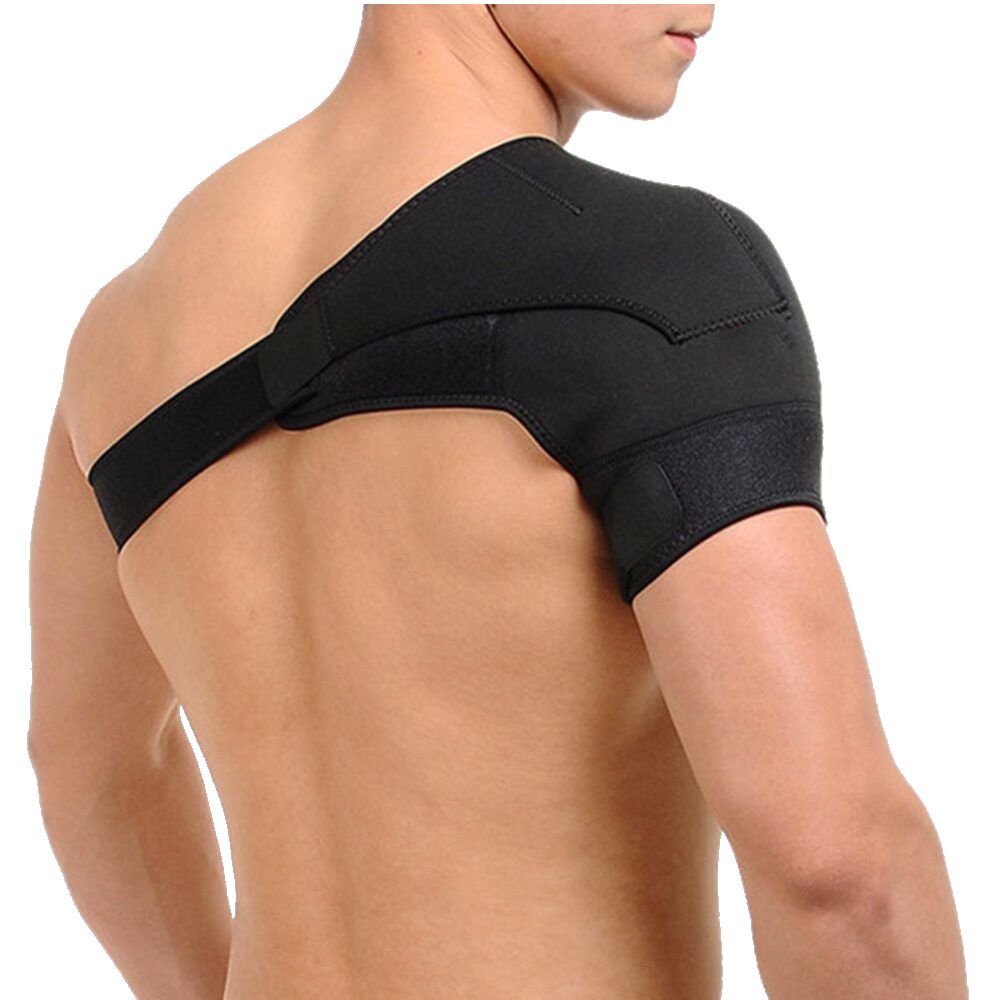
The brace’s two adjustable straps secure the shoulder and upper back, creating a customized fit that gently guides the joint into proper alignment. This stabilization reduces strain on tendons, ligaments, and muscles—particularly for rotator cuff tears, arthritis, or post-injury weakness. By limiting overextension and harmful rotation, it shields vulnerable tissues from movements that could worsen damage.
This orthopedic support mimics the natural mechanics of a healthy shoulder, redistributing pressure away from inflamed areas. Whether you’re lifting groceries, exercising, or recovering post-surgery, the brace reinforces joint integrity while encouraging safer movement patterns. Athletes appreciate the reduced reinjury risk during activity, while chronic pain sufferers benefit from consistent stabilization that eases daily strain.
Soothing Compression for Pain Relief
The brace’s elastic, breathable fabric applies gentle, consistent pressure to the shoulder, enhancing blood flow to damaged tissues while reducing inflammation. This compression helps flush out excess fluid responsible for swelling and stiffness—common in bursitis, tendonitis, or acute injuries—while delivering oxygen and nutrients critical for repair. The result is a noticeable easing of discomfort, whether you’re recovering post-workout or managing arthritis-related stiffness.
By improving circulation, the brace accelerates the body’s natural healing process without restricting movement. The pressure also acts as a subtle sensory cue, reminding you to avoid sudden, jarring motions that could strain recovering muscles. For office workers, athletes, or anyone navigating daily tasks, this balance of pain relief and mindful support makes it easier to stay active while protecting vulnerable joints.
Hot & Cold Therapy Integration
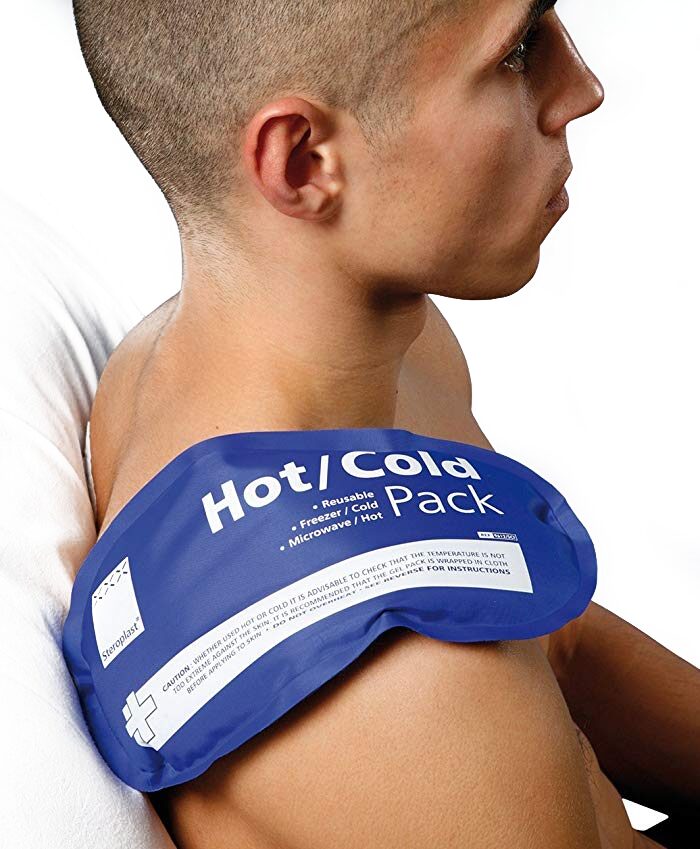
A sleeve on the brace allows you to insert a reusable hot or cold pack (sold separately), blending therapeutic relief with stabilization. Cold therapy numbs sharp pain and reduces swelling after acute injuries or intense activity, while heat relaxes tight muscles, eases chronic stiffness, and improves flexibility in conditions like arthritis or scar tissue buildup.
This dual-action approach enhances recovery by addressing both inflammation and muscle tension. When paired with the brace’s support, therapy works in harmony with proper joint alignment—cold compresses limit fluid buildup in fresh injuries, while heat promotes blood flow to stiff tissues. Whether rehabbing a rotator cuff tear or managing daily discomfort, this feature offers adaptable relief tailored to your body’s changing needs.
Shock-Absorbing Inner Padding
The brace’s cushioned inner layer is strategically placed around pressure points like the collarbone and shoulder blade, absorbing vibrations and impact from movement. This padding disperses force away from sensitive tissues—critical during high-impact activities like weightlifting, running, or repetitive motions—while preventing friction that can irritate inflamed areas.
Unlike rigid braces that dig into skin, this design prioritizes long-term comfort. The padding maintains protection without bulk, ensuring the brace stays discreet under clothing. For arthritis sufferers, it reduces joint pressure during daily tasks, while athletes benefit from impact reduction that lets them train harder, safer. Comfort becomes a catalyst for consistency—key to recovery and injury prevention.
Clinically Trusted for Common Conditions
If you’re looking for a reliable, medically backed way to support your shoulder and promote healing, this brace is frequently recommended by healthcare professionals for a variety of reasons:
For Rotator Cuff Tears (partial tears or post-surgical recovery)
Understanding Rotator Cuff Tears and How a Shoulder Support Brace Can Help
A rotator cuff tear occurs when one or more of the tendons or muscles surrounding the shoulder joint become damaged, either partially or completely. This group of muscles and tendons—the supraspinatus, infraspinatus, teres minor, and subscapularis—acts like a stabilizer, keeping the upper arm bone securely in the shoulder socket while allowing a wide range of motion. In the UK, rotator cuff injuries are common, particularly among adults over 50. Studies suggest that approximately 30% of people in this age group experience some degree of rotator cuff degeneration, with tears becoming more likely with age or repetitive strain.
The injury often leads to inflammation, weakness, and instability in the shoulder. You might notice sharp pain when reaching overhead, difficulty lifting objects, or even a grinding sensation during movement. Daily tasks like brushing your hair, putting on a jacket, or sleeping on the affected side can become challenging. Without proper care, partial tears can worsen, leading to chronic pain, reduced mobility, or conditions like frozen shoulder. Early diagnosis typically involves physical exams to assess range of motion and strength, followed by imaging techniques to confirm the tear’s severity.
This is where a shoulder support rotator cuff brace becomes a practical tool. By applying gentle compression, it reduces swelling around the tendons and muscles, easing discomfort. The brace stabilizes the joint, limiting excessive movement that could strain the supraspinatus (the most commonly injured tendon) or aggravate healing tissues post-surgery. For partial tears, it encourages proper alignment, taking pressure off damaged areas during everyday activities. Post-surgery, it immobilizes the shoulder to protect repairs while still allowing controlled movement to prevent stiffness.
The brace also promotes better posture by subtly pulling the shoulders back, which reduces tension on the rotator cuff during sitting or standing. Over time, this support can help you regain confidence in movements that once felt risky—like reaching for a shelf or carrying groceries.
Left untreated, rotator cuff tears can lead to muscle atrophy or irreversible joint damage. But with consistent use of a supportive brace alongside physical therapy, many people experience improved stability and a faster return to normal function. Think of it as a way to protect your shoulder while your body does the hard work of healing.
In short, a shoulder support brace isn’t just about pain relief—it’s about creating an environment where your rotator cuff can recover safely. By addressing instability, reducing strain, and promoting better mechanics, it becomes a key part of managing this condition. Have you noticed how certain movements make your shoulder feel weaker or more vulnerable? A brace tailored to your needs could help bridge the gap between injury and recovery, letting you focus on rebuilding strength without fear of setbacks.
For Arthritis & Bursitis (reducing joint stress and inflammation during flare-ups)
Understanding Arthritis and Bursitis in the Shoulder
Arthritis and bursitis are two common conditions that cause pain and inflammation in the shoulder. Arthritis involves the breakdown of cartilage in joints, leading to stiffness, swelling, and reduced mobility. In the shoulder, this often affects the glenohumeral joint (where the upper arm meets the shoulder blade) or the acromioclavicular joint (where the collarbone connects to the shoulder blade). Bursitis occurs when the small, fluid-filled sacs called bursae—which cushion bones, tendons, and muscles—become inflamed. In the shoulder, the subacromial bursa (located beneath the acromion bone) is most commonly affected.
In the UK, studies suggest over 10 million people live with arthritis, with shoulder involvement reported in roughly 1 in 3 cases. Bursitis is also widespread, particularly among adults over 40, though exact numbers are harder to pin down due to underreporting of mild cases. Both conditions disproportionately affect those with physically demanding jobs, athletes, and older adults, though repetitive overhead movements or past injuries can increase risk at any age.
Symptoms range from a dull ache during movement to sharp, persistent pain that disrupts sleep. Swelling, warmth around the joint, and a grinding sensation during motion are also common. For some, even simple tasks—like reaching for a cup or putting on a coat—become challenging. Left untreated, chronic inflammation can weaken tendons, damage cartilage further, and lead to long-term stiffness or loss of shoulder function.
A shoulder support rotator cuff brace targets these issues by stabilizing the joint and reducing strain on inflamed tissues. It applies gentle compression to the rotator cuff muscles (supraspinatus, infraspinatus, teres minor, and subscapularis), which surround the shoulder joint and help control movement. By limiting excessive motion—particularly overhead reaching or sudden twisting—the brace prevents irritation of the bursae and stressed cartilage. It also encourages proper alignment of the humerus (upper arm bone) within the glenoid socket, easing pressure on the subacromial bursa and glenohumeral joint.
During flare-ups, this support can reduce muscle fatigue, distribute weight more evenly across the shoulder, and minimize friction in inflamed areas. Many users report less pain during daily activities and improved rest due to reduced nighttime discomfort. While not a cure, it complements other treatments like physical therapy or anti-inflammatory medication by providing consistent, adjustable relief.
If you’re dealing with shoulder arthritis or bursitis, a rotator cuff brace could help you regain control over your movements and protect the joint from further stress. Always consult a healthcare provider to confirm the right fit and approach for your specific needs—consistent care and early intervention are key to managing symptoms and maintaining mobility.
For Tendonitis & Strains (caused by repetitive motion, overuse, or sudden impact)
Understanding Shoulder Tendonitis & Strains and How a Support Brace Can Help
Shoulder tendonitis and strains occur when the tendons or muscles in the shoulder become inflamed, irritated, or damaged due to repetitive motion, overuse, or sudden impact. These tendons—tough cords connecting muscles to bones—are critical for stabilizing the shoulder joint, especially the rotator cuff, a group of muscles and tendons that keep the upper arm bone securely in the shallow socket of the shoulder blade. Over time, repetitive actions like lifting, throwing, or reaching overhead can cause tiny tears in these tissues, leading to pain, stiffness, and reduced mobility. In the UK, musculoskeletal issues like shoulder tendonitis affect roughly 1 in 4 adults annually, with workplace-related strains being a significant contributor, according to public health data.
The rotator cuff, deltoid muscles, and surrounding ligaments are most vulnerable. Inflammation here disrupts the shoulder’s ability to move smoothly, causing friction during arm elevation or rotation. Pain often radiates from the front or side of the shoulder down the arm, worsening with specific movements like brushing hair or lifting objects. Weakness and a clicking sensation may also occur. Without proper care, chronic inflammation can lead to tendon degeneration, frozen shoulder, or even partial tears—complications that severely limit daily tasks like dressing, driving, or sleeping comfortably.
A shoulder support rotator cuff brace aids recovery by compressing and stabilizing the joint, reducing strain on damaged tendons during movement. It applies gentle pressure to the supraspinatus, infraspinatus, and other rotator cuff muscles, encouraging proper alignment of the shoulder blade and upper arm bone. This support limits excessive overhead reaching or twisting motions that aggravate inflammation, allowing tissues to rest and heal. By improving blood flow to the area, the brace may also ease stiffness and prevent compensatory movements that strain neighboring muscles.
Diagnosis typically involves physical exams to assess range of motion and strength, alongside imaging techniques to rule out tears. Early intervention, including bracing, rest, and targeted exercises, improves outcomes significantly. Ignoring symptoms risks prolonged recovery or irreversible damage.
If you’re experiencing shoulder pain, a rotator cuff brace can be a practical tool to manage discomfort while promoting healing. It’s designed to fit snugly without restricting circulation, making it easier to stay active while protecting vulnerable tissues. Pairing it with guided rehabilitation exercises can restore strength and flexibility over time. Remember, consistency matters—wearing the brace during repetitive tasks or physical activity helps prevent re-injury.
In short, shoulder tendonitis and strains demand attention to avoid long-term limitations. A support brace offers targeted relief, enabling you to regain control of your daily life with less pain and greater confidence. Prioritize early care, listen to your body, and give your shoulder the stability it needs to recover.
For Frozen Shoulder (improving mobility while protecting stiff, adhesive joints)
Understanding Frozen Shoulder and How a Support Brace Can Aid Recovery
Frozen shoulder, medically known as adhesive capsulitis, is a condition where the shoulder joint becomes stiff, painful, and progressively harder to move. It occurs when the flexible tissue surrounding the shoulder joint—the capsule—thickens, tightens, and develops adhesions (abnormal bands of tissue). These changes restrict the joint’s natural mobility, making even simple movements like reaching overhead or behind the back feel challenging. In the UK, approximately 3% of adults experience frozen shoulder at some point, with those aged 40–60 most affected, particularly women. According to the National Health Service (NHS), individuals with diabetes or thyroid disorders face a higher risk, as do those recovering from shoulder injuries or surgeries.
The shoulder joint relies on a complex network of muscles, tendons, and ligaments—including the rotator cuff—to stabilize and move the arm. With frozen shoulder, inflammation and scar tissue disrupt this system, reducing the space within the joint and limiting the glide of connective tissues. Over time, this leads to stiffness, weakness, and a sensation of the shoulder being “locked.” Pain often worsens at night, disrupting sleep, while daytime tasks like buttoning shirts or lifting objects become frustratingly difficult. Without treatment, prolonged stiffness may lead to muscle atrophy or chronic discomfort, though most people recover within 1–3 years with proper care. Diagnosis typically involves a physical exam to assess range of motion, alongside imaging to rule out other issues like arthritis or rotator cuff tears.
A shoulder support rotator cuff brace can play a key role in managing this condition. By gently compressing the joint, it stabilizes the rotator cuff muscles and tendons, reducing strain during movement. The brace limits excessive motion that could aggravate inflammation while encouraging proper alignment of the humerus (upper arm bone) and scapula (shoulder blade). This support helps protect the tightened joint capsule and surrounding ligaments, allowing you to engage in controlled stretches or daily activities with less pain. Some braces also provide mild warmth, which may improve blood flow to the area—a benefit during the “thawing” phase as mobility gradually returns. Wearing the brace during repetitive tasks or rest periods can create a balance between protecting the shoulder and maintaining functional movement, which is critical for recovery.
In summary, frozen shoulder disrupts the shoulder’s delicate mechanics, causing pain and stiffness that impact daily life. A rotator cuff brace offers targeted support to ease strain on the joint, promote healing, and prevent further irritation. Pairing this with gentle exercises and medical guidance can help you regain mobility safely. Remember: recovery takes time, but protecting your shoulder now can make all the difference in restoring comfort and function.
For Shoulder Impingement Syndrome (minimizing friction during arm elevation)
Understanding Shoulder Impingement Syndrome and How a Rotator Cuff Brace Supports Recovery
Shoulder impingement syndrome occurs when the tendons of the rotator cuff or the bursa (a fluid-filled sac that reduces friction) become compressed or irritated as your arm moves upward. This happens because the space between the top of your upper arm bone (humerus) and the tip of your shoulder blade (acromion) narrows, pinching the soft tissues in between. Imagine trying to lift your arm overhead, only to feel a sharp pinch or dull ache—this is often the result of inflamed structures rubbing against bone. In the UK, musculoskeletal surveys suggest that shoulder pain affects roughly 1 in 3 adults at some point, with impingement being a leading cause. While exact figures vary, healthcare providers report it’s especially common in those aged 40–60 and in people with physically demanding jobs or active lifestyles.
The condition primarily targets the supraspinatus tendon (a key rotator cuff muscle), the subacromial bursa, and the biceps tendon. Repetitive overhead movements—like painting, swimming, or throwing—can thicken these tissues over time, further reducing the already tight space. Poor posture, such as slouching or rounded shoulders, exacerbates the problem by altering the shoulder’s biomechanics. Athletes, manual laborers, and even office workers who sit for long hours are at higher risk.
Symptoms range from a nagging ache at rest to sharp pain when reaching behind your back or lifting objects. Weakness often follows, making simple tasks like brushing your hair or carrying groceries challenging. Some people notice stiffness or a “catching” sensation when moving the arm. Left untreated, chronic inflammation can lead to tendon tears or frozen shoulder, drastically limiting mobility. Diagnosing impingement typically involves physical tests (like the “empty can” test) and imaging such as ultrasound or MRI to rule out tears.
A shoulder support rotator cuff brace aids recovery by addressing two critical issues: stability and compression. By gently compressing the shoulder joint, it reduces swelling in the bursa and tendons, easing inflammation. The brace also limits excessive upward movement of the humerus during arm elevation, preventing the pinching of tissues in the subacromial space. This stabilization lets the supraspinatus tendon and surrounding muscles rest while maintaining safer alignment during daily activities. For example, when you reach for a high shelf or push a door open, the brace discourages the humeral head from shifting upward, minimizing friction.
Beyond pain relief, this support can improve posture by subtly encouraging proper shoulder positioning. Many find it easier to avoid compensatory movements—like hunching or overusing the neck muscles—when wearing the brace consistently. While it’s not a standalone cure, pairing it with physical therapy exercises to strengthen the rotator cuff and improve flexibility often yields the best results.
Ignoring shoulder impingement can lead to longer recovery times or irreversible damage. Early intervention, including bracing, helps protect vulnerable tissues while you heal. Prognosis is generally positive with proper care, though factors like age, activity level, and adherence to rehabilitation play a role.
In short, shoulder impingement syndrome disrupts the delicate balance of your shoulder’s mechanics, but targeted support from a rotator cuff brace can alleviate strain on overworked tissues. By stabilizing the joint and reducing harmful friction, it empowers you to move with less pain and more confidence. Consistency is key—combine the brace with guided exercises and posture adjustments to reclaim pain-free mobility.
For Dislocations/Subluxations (stabilizing the joint post-injury to prevent recurrence)
Understanding Shoulder Dislocations and Subluxations
A shoulder dislocation or subluxation occurs when the upper arm bone (humerus) partially or fully slips out of the shoulder socket (glenoid). This injury destabilizes the joint, often damaging surrounding ligaments, tendons, and muscles. In the UK, shoulder dislocations account for nearly 50% of all major joint dislocations, with an estimated 12,000 cases reported annually, according to a 2021 musculoskeletal health report. Active individuals aged 18–35 and older adults with age-related ligament laxity are most at risk.
The shoulder’s ball-and-socket structure relies on the rotator cuff—a group of four muscles and tendons—to keep the humerus centered. During a dislocation, these tissues stretch or tear, weakening joint stability. Common causes include falls, sports collisions, or repetitive overhead motions. Symptoms range from sharp pain and visible deformity (in full dislocations) to a lingering sense of “looseness” and weakness (in subluxations). Without proper care, repeated instability can lead to chronic pain, arthritis, or permanent joint damage.
Daily tasks like reaching for objects, lifting groceries, or even sleeping become challenging. Many people avoid activities they love, fearing another injury. Diagnosis typically involves physical exams to assess range of motion and imaging to confirm tissue damage.
A shoulder support rotator cuff brace aids recovery by compressing the joint, reducing swelling, and stabilizing the humerus within the glenoid. It limits excessive rotation or elevation—movements that risk re-injury—while allowing safe, controlled motion. The brace’s design cradles the rotator cuff muscles, offloading strain during healing. By reinforcing the shoulder’s natural alignment, it helps retrain muscles to hold the joint securely.
Early use of a brace, paired with guided exercises, improves long-term outcomes. It’s not just about immobilization—it’s about creating a balance between protection and mobility to rebuild confidence in your shoulder’s strength. If you’ve experienced a dislocation or subluxation, consistent brace use can reduce recurrence risks and help you regain control over daily movements. Always consult a healthcare professional to tailor support to your specific injury.
For Post-Injury Instability (safeguarding weakened tissues during rehabilitation)
Understanding Post-Injury Shoulder Instability and How a Shoulder Support Rotator Cuff Brace Can Aid Recovery
Post-injury shoulder instability occurs when the structures stabilizing the shoulder joint—such as ligaments, tendons, and muscles—become weakened or damaged after an injury. This leads to excessive movement of the upper arm bone within the shoulder socket, causing pain, a sensation of the joint “slipping,” and reduced control during movement. In the UK, approximately 1.7% of adults experience shoulder instability annually, with sports injuries and falls being primary contributors, according to data from the National Health Service (NHS). Those most at risk include athletes in contact sports, manual laborers, and individuals with previous shoulder injuries.
The shoulder relies heavily on the rotator cuff—a group of four muscles and tendons surrounding the joint—to maintain stability. When these tissues are compromised, everyday actions like reaching overhead, lifting objects, or even sleeping on the affected side become challenging. Inflammation, muscle weakness, and repetitive strain can further destabilize the joint, increasing the risk of dislocations or chronic pain. Left untreated, this instability may lead to long-term complications such as arthritis or permanent loss of mobility. Diagnosis typically involves physical examinations, imaging scans, and assessments of range of motion to identify the extent of tissue damage.
A shoulder support rotator cuff brace addresses these challenges by providing targeted compression and stabilization. It wraps snugly around the shoulder, reducing strain on the rotator cuff tendons and ligaments while promoting proper alignment of the joint. By limiting excessive movement during rehabilitation, the brace helps prevent re-injury and allows damaged tissues to heal. Specific areas supported include the supraspinatus tendon (critical for lifting motions), the labrum (a cartilage ring stabilizing the socket), and the deltoid muscle (essential for arm movement). The brace’s design also encourages blood flow to the area, which can ease inflammation and accelerate recovery.
Symptoms like sharp pain during rotation, muscle fatigue, or a persistent feeling of looseness in the shoulder often improve with consistent brace use. You’ll likely notice greater confidence in performing rehab exercises or daily tasks, as the brace minimizes the risk of sudden shifts in the joint. Over time, this support can help restore strength and coordination in the rotator cuff muscles, addressing the root cause of instability.
Early intervention is key. Without proper care, post-injury instability can evolve into chronic pain or reduced mobility. A shoulder support rotator cuff brace, combined with guided physical therapy, offers a proactive way to safeguard your joint during healing. Always consult a healthcare professional to ensure the brace is suited to your specific injury and recovery goals. By prioritizing stability today, you’re investing in a stronger, more resilient shoulder for the future.
For Postural Dysfunction (correcting rounded shoulders or slouching that strains muscles)
Understanding Postural Dysfunction and How a Shoulder Support Rotator Cuff Brace Can Help
Postural dysfunction, often seen as rounded shoulders or a slouched posture, occurs when muscles and joints shift out of their natural alignment, placing strain on surrounding tissues. This imbalance commonly stems from prolonged sitting, repetitive movements, or weak stabilizing muscles, causing the shoulders to roll forward and the upper back to curve excessively. In the UK, a 2023 report by the Royal Society for Public Health highlighted that roughly 65% of adults experience posture-related pain, with desk workers and those in physically demanding jobs being most affected.
The condition primarily impacts the upper body: tight chest muscles (pectoralis major/minor) pull the shoulders forward, while weakened upper back muscles (rhomboids, trapezius) and rotator cuff muscles struggle to stabilize the shoulder blades. Over time, this imbalance strains the neck, upper spine, and even breathing mechanics, as rib cage expansion becomes restricted. Common causes include sedentary lifestyles, poor ergonomics, or activities requiring repetitive arm movements. Those at higher risk include office workers, athletes with uneven training habits, and older adults with age-related muscle loss.
Symptoms range from mild discomfort—like shoulder stiffness or nagging neck pain—to sharp aches radiating down the arms. You might notice fatigue when standing upright or tension headaches from overworked neck muscles. In severe cases, reduced mobility in the shoulders or tingling in the hands can develop. Left unaddressed, chronic pain, joint degeneration, or reduced lung capacity due to a constricted diaphragm may follow.
A shoulder support rotator cuff brace addresses these issues by gently pulling the shoulders back, aligning the collarbones and shoulder blades. Its design targets the rotator cuff muscles, providing stability to the shoulder joint while encouraging the rhomboids and trapezius to engage. By redistributing pressure away from overworked neck muscles, the brace reduces strain during daily tasks like lifting or typing. It also serves as a tactile reminder to adjust your posture, helping retrain muscle memory over time.
Diagnosis typically involves a physical exam to assess shoulder mobility and muscle strength. While braces aren’t a standalone fix, combining one with exercises to strengthen the upper back and stretch the chest can significantly improve outcomes. Early intervention often leads to better long-term results, preventing irreversible joint changes.
If you’re struggling with rounded shoulders, a shoulder support rotator cuff brace could ease discomfort by promoting proper alignment and reducing muscle fatigue. Pairing it with targeted stretches and ergonomic adjustments creates a practical approach to restoring balance—helping you move more freely and break the cycle of strain. The key is consistency: supporting your body today can prevent bigger challenges tomorrow.
Whether you’re dealing with a persistent condition or recuperating from a recent injury, this brace helps you maintain a healthier shoulder by providing targeted support and enhanced stability.
Customized Range of Motion Control
Built-in adjusters allow you to fine-tune how far your shoulder can extend or rotate during movement. This feature is particularly beneficial for individuals in later stages of rehabilitation, as it gives them the freedom to gradually increase activity levels without risking excessive strain. By guiding the joint through safe arcs of motion, the brace promotes steady improvement and helps prevent re-injury.
Therapists and trainers appreciate this flexibility, as it lets them tailor each session to the user’s current capacity. Athletes working to rebuild strength can focus on targeted exercises, while office workers can digitally adjust tension for comfortable, sustained support throughout the day. This adjustable element provides a personalized healing experience that evolves alongside your recovery.
Anatomically Contoured Design
The brace is shaped to follow the natural curves of the shoulder joint and surrounding musculature. By matching the body’s form, it ensures even distribution of pressure, rather than compressing the joint at awkward angles. This approach recognizes variations in bone and muscle structure, so the brace feels like an ergonomic extension of your upper body.
This customization reduces the risk of pinching or bunching up during movement, helping prevent further irritation and allowing for a gentler healing environment. Whether you’re tackling household chores or engaging in routine fitness, you’ll benefit from security that works in harmony with your body—all while keeping the inflamed or injured tissues in the best possible position for recovery.
Posture-Enhancing Panel
The brace extends across the upper back, with a reinforced layer that subtly reminds you to keep your shoulders aligned. This postural support helps counteract forward-slumping positions often caused by desk work or repetitive motions. Through gentle, consistent tension, it trains the upper body to maintain healthier spinal alignment, reducing stress on both the shoulder and neck areas.
With improved posture, breathing becomes easier and muscle tension around the neck and trapezius area is lessened—both vital for individuals with compromised shoulder function. By promoting habits that align the entire upper body, this feature ensures that the support system extends beyond the rotator cuff for comprehensive relief.
Breathable, Moisture-Wicking Fabric Blend
A carefully selected combination of lightweight, aerated textiles ensures continuous airflow around the shoulder area. This cuts down on perspiration that can irritate healing skin, while warding off unpleasant odors. By efficiently drawing moisture away from the surface, it helps maintain a dry and comfortable environment—making it easier to wear the brace for extended periods without chafing or discomfort.
Thanks to the sweat-resistant material, compression remains consistent and supportive, especially during exercise or hot weather. Wearers can focus on daily tasks, athletics, or rehabilitation sessions without being distracted by dampness or restricted by overheated muscles. This combination of cooling comfort and secure compression is key for anyone hoping to speed up recovery and stay active.
Easy to Take On/Off
The brace includes strategically placed, user-friendly closures that minimize strain when putting it on or taking it off. This thoughtful design helps individuals with limited arm mobility, such as those recovering from surgery or living with chronic shoulder pain, avoid unnatural twisting or lifting of the arm. The result is a simpler process that cuts down on discomfort and potential re-injury.
Because of its accessible design, the brace can be adjusted throughout the day. Loosen it for rest or tighten it for more rigorous activities—without wrestling with complicated straps or buckles. This adaptability fosters consistent use, allowing users to focus on recovery while staying as independent and comfortable as possible.
Reinforced Stitching for Longevity
Every seam in the brace is reinforced to withstand repeated wear, intense rehab exercises, and daily strains. This meticulous construction guarantees that areas under the most tension—like where straps connect or around the shoulder opening—remain secure over time, even for those who use the brace during high-activity routines.
Durability matters when it comes to shoulder support. A brace that holds up through challenging workouts and regular use ensures that you won’t need frequent replacements that interrupt your recovery progress. From busy professionals to dedicated athletes, dependable construction provides peace of mind, knowing your support system won’t fail when you need it most.
Engineered for Uninterrupted Comfort & Mobility
Crafted with sweat-resistant, breathable neoprene, this brace stays odor-free and comfortable during demanding activities or long hours of wear. Its low-profile design contours naturally to your shoulder, fitting seamlessly under everyday clothing like shirts, jackets, or workout gear—no bulk, no slipping. Reinforced stitching and lightweight materials ensure durability without restricting motion, whether you’re reaching overhead, typing at a desk, or recovering post-surgery.
Ideal for Diverse Needs & Lifestyles:
- Athletes & Active Individuals: Stabilize shoulders during weightlifting, swimming, or sports like tennis without sacrificing range of motion.
- Manual Laborers & Desk Professionals: Minimize strain from repetitive tasks (e.g., assembly lines, painting) or prolonged computer work.
- Active Aging: Preserve independence in daily tasks like gardening, cooking, or lifting.
- Guided Rehabilitation: Support tissue healing during physical therapy or at-home recovery exercises.
Risk-Free Recovery Assurance
We stand behind the quality and effectiveness of our Shoulder Support Rotator Cuff Brace. If it doesn’t alleviate discomfort, improve mobility, or integrate seamlessly into your daily routine, return it within 30 days for a full refund—no hassle, no questions asked. Your healing journey deserves confidence, and we’re committed to ensuring you find the right support.
Important Safety & Usage Guidelines
Shoulder pain can sometimes signal serious underlying conditions, such as heart disease, spinal nerve compression, infections, or cancers (e.g., lung or bone metastases). Persistent discomfort, night pain, weight loss, or radiating numbness require immediate medical evaluation to rule out life-threatening causes. This brace is not a substitute for professional diagnosis or treatment.
For optimal safety, consult a healthcare professional before using the brace, especially if you have circulatory issues, diabetes, or sensitive skin. It is advised to combine brace use with a personalized treatment plan—physical therapy, anti-inflammatory medications, or, in severe cases, surgery may be necessary for complete recovery. Relying solely on the brace without addressing underlying causes can delay healing.
Wear Correctly & Safely:
- Avoid over-tightening straps, which can restrict blood flow or compress nerves.
- Remove immediately if numbness, tingling, or discoloration occurs.
- Do not wear during sleep unless directed by a physician.
- Clean regularly to prevent skin irritation; discontinue use with rashes or open wounds.
This brace is designed to support recovery, not replace medical care. Individual results may vary.


Reviews
There are no reviews yet.