
No products in the cart.


Roll over image to zoom in
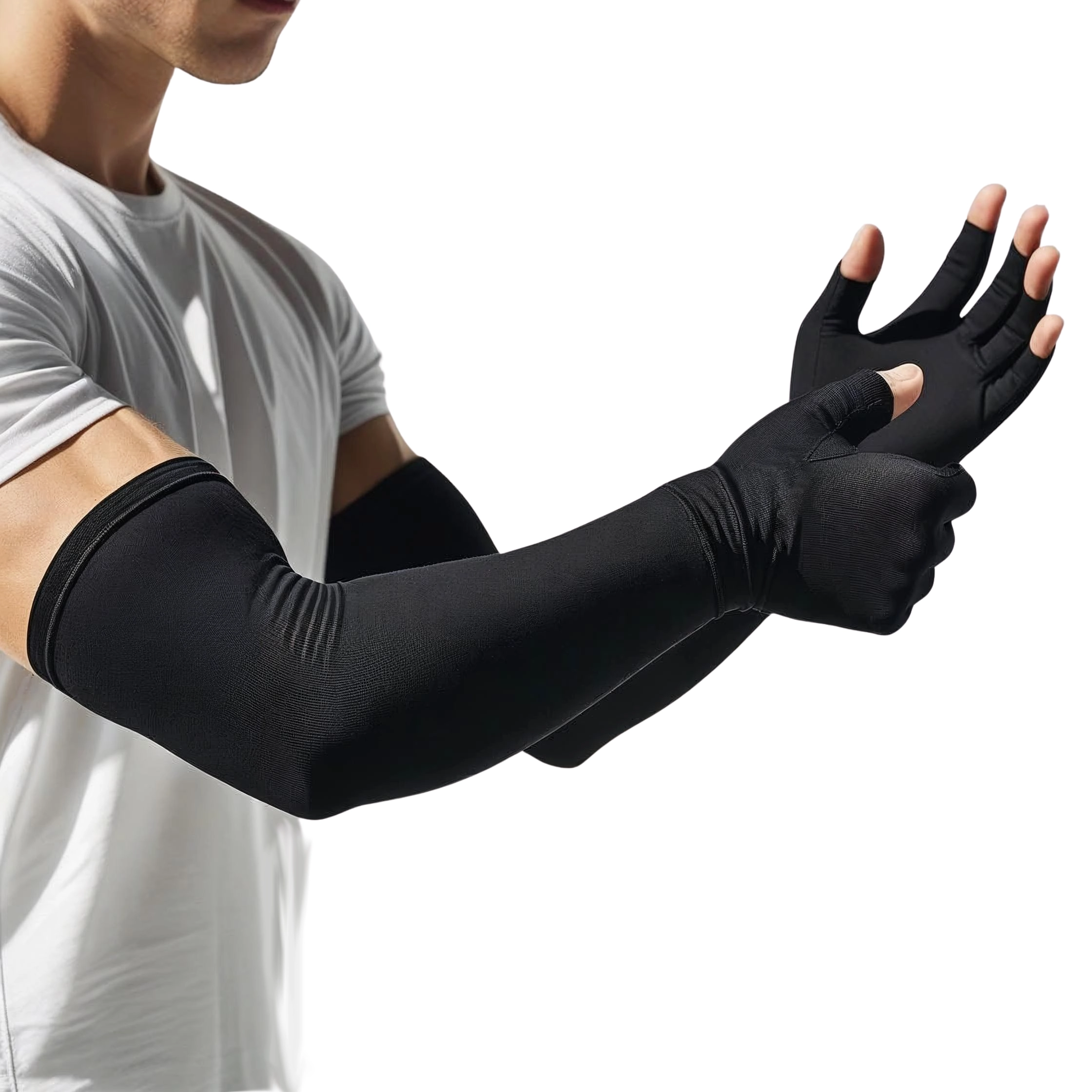
RevitaFit CRPS Gloves — Full‑Length Compression for the Forearms, Hands and Fingers
£14.99inc VAT
- Full‑length compression gloves designed for CRPS affecting the forearms, hands, and fingers
- Soft, low‑friction inner surface that helps reduce sting from light contact and makes first movements after a rest feel easier
- Close‑fit knit that keeps warmth next to the skin to steady fingertip temperature in a cool room
- Light, even compression that supports venous and lymphatic flow, helping to reduce puffiness through the day
- Forearm‑to‑fingertip coverage that supports steadier hand and finger control and can lower perceived fatigue
- Slim, layer‑friendly profile for discreet wear or pairing under a thermal glove
- Breathable fabric that reduces chill and stickiness when skin is damp
- Odour‑control copper‑infused yarn that helps the garment stay fresher between washes; comfort‑focused, not a treatment for infection
- Anatomical shaping, edge‑stable cuff, and tagless labelling for smoother contact with fewer pressure points
- Low‑profile grip and easy on/off aids for steadier handling and a gentler start‑up
- Reinforced high‑wear zones for a consistent feel over time
- Covered by a money‑back guarantee for 30 days from receipt, in original condition
When light touch feels more sensitive than it should, the first few movements after a rest can catch, and a cool room can shift fingertip warmth and colour, everyday tasks take extra effort. These full‑length compression gloves are designed to bring a calmer feel through steady contact and comfortable warmth. Below, you’ll find what CRPS looks like in the forearms, hands, and fingers, how these gloves help, and how to choose a safe, comfortable fit.
Understanding complex regional pain syndrome (CRPS) in the forearms, hands, and fingers
CRPS (complex regional pain syndrome) can follow an injury, fracture, surgery, or a period in a cast. In the affected limb, the nervous system often becomes more reactive, so ordinary touch feels harsher than it should (allodynia: pain from normally non‑painful contact), and movement can feel sharper than expected (hyperalgesia: amplified pain response). Small blood vessels in the fingers may narrow and widen more than usual, leading to quick shifts in colour and temperature. Sweating can also vary, so the skin feels alternately damp or dry. Swelling (oedema: fluid build‑up) often increases later in the day, which makes tight points feel sharper and reduces dexterity when the fingers are cool. The sense of position (proprioception: awareness of joint position) can dip when skin is very sensitive or cool, so small buttoning or pinch tasks feel less precise.
Where you feel it and why it matters
- The back of the hand and the sides and tips of the fingers are common sore spots because the skin and small nerves there are easily provoked by contact with clothing and everyday surfaces.
- The wrist and forearm can feel heavy or tired by evening because mild swelling and protective muscle tension build across the day.
- The thumb‑base and finger joints can feel stiff on first movement after a rest because fluid collects and the soft tissues tighten when still.
What tends to set it off
- First movement after a rest: small pain and temperature fibres (A‑delta and C‑fibres) fire more easily after stillness, and muscles briefly co‑contract to guard; the first movements after a rest then feel tight before easing.
- A cool room or a direct breeze: when fingertip skin cools, tiny vessels narrow (vasoconstriction), which heightens touch sensitivity and can drop control until warmth returns.
- Repeated light use: sliding forces on sensitive skin (shear) and repeated tendon movement add up, so stinging pain and ache build even with modest effort.
- Later in the day: fluid collects in soft tissues and nerve‑related signals can stay active, so pressure points feel sharper and fine control dips.
How common and who’s at risk
CRPS is uncommon but well recognised. It is reported more often by women than men and often follows wrist and hand fractures, sprains, or soft‑tissue injury. Limited early movement, stronger early sensitivity to touch or temperature, and a period of immobilisation can increase risk. The forearm, wrist, and hand are commonly involved because small nerves, skin, and tiny vessels in this region are easily affected by cold and contact in everyday tasks.
Look‑alikes and how they differ
- Raynaud‑type cold sensitivity: colour changes and fingertip chill are common, but pain from gentle touch is usually less prominent than in CRPS.
- Carpal tunnel irritation: numbness and tingling in the thumb, index, and middle fingers are common, often worse at night; marked colour and temperature shifts are less typical than in CRPS.
- Tendon irritation around the wrist or thumb: pain focuses along a tendon path and sharpens with a specific movement; widespread touch sensitivity and temperature swings are less likely.
These are patterns, not diagnoses. If unsure, speak to a clinician.
Function and daily movement
CRPS in the hand and forearm can make the first movements after a rest feel tight before easing, reduce control in a cool room, and build stinging pain with repeated light tasks such as frequent small grips. Later in the day, fingers may feel puffy and seams or edges can leave sharper marks. Turning the forearm in or out and controlling pinch for small objects can feel less precise when the skin is sore or cool. Gentle warmth and steady, predictable contact often make these moments feel more manageable.
Why a gentle layer helps when flares are likely
Because the hardest moments are start‑up after a rest, a cool room, repeated light use, and evening puffiness, a layer that softens touch, steadies warmth, and limits swelling can make everyday use feel easier.
How compression gloves work and how they help
A well‑fitted compression layer changes what the skin and small nerves experience during common triggers. Even, steady contact helps the hand feel a consistent signal instead of scattered, abrupt touch, so the first few opens and closes after a rest often feel easier. A close fit helps keep warmth next to the skin for a calmer response in a cool room. Light compression also supports natural fluid return, which can reduce evening puffiness. With that in mind, the features below explain how this full‑length glove helps in those moments.
Soft inner surface for calmer contact
The skin‑facing side is smooth and low‑friction from fingertip to elbow, so light contact is cushioned rather than scratchy. This matters in CRPS because sensitive skin and touch‑reactive nerves can make ordinary contact sting. By spreading contact evenly and reducing small sideways rubbing forces across the back and sides of the fingers, the lining creates a steady, predictable signal the nervous system tends to tolerate better than scattered, abrupt inputs. Clinics often report that consistent, gentle contact can help reduce sensitivity over time, and this feature supports that approach in day wear without adding bulk. In practical terms, the first movements after a rest tend to feel less sharp, and brushing against everyday surfaces is less likely to set symptoms off. Putting the gloves on before everyday tasks, the initial catch on start‑up often eases quickly and contact tends to feel gentler.
Keeps warmth next to the skin for steadier fingertip temperature
The close‑fit knit keeps a thin layer of warmth next to the skin, which acts as a gentle buffer in a cool room. When the fingers cool quickly, tiny blood vessels can narrow more than usual, and touch often feels harsher until warmth returns. By slowing heat loss, this layer helps keep fingertip temperature steadier. People often notice fewer sudden colour changes and less of the sudden chill from moving air. Day to day, steadier skin temperature can support control during small hand and finger tasks, especially when you move between spaces with different temperatures. Wearing the gloves before entering a cool room, hand and finger control typically feels steadier and touch feels less harsh.
Light compression to help reduce puffiness through the day
A gentle, even squeeze across the hand, wrist, and forearm supports natural fluid return through superficial veins and the lymphatic system (lymphatic: the body’s fluid‑drainage system). With limited or repetitive movement, fluid can collect in soft tissues, so fingers feel puffy and pressure points become sharper by evening. Light compression helps limit this build‑up by guiding fluid back towards the heart and spreading pressure across sensitive areas. In clinic settings, people commonly report comfort gains from gentle compression in mild oedema, even when size changes are small. In daily use, rings tend to feel less tight, seams leave fewer marks, and gripping later in the day can feel less restricted. After periods of light activity, many people notice fewer marks on the skin and a hand that opens and closes more freely.
Forearm‑to‑fingertip coverage for steadier control
Coverage that extends to the elbow does more than warm the hand. It adds continuous contact over the muscles and tendons that drive wrist and finger motion, which provides subtle position feedback the brain uses to guide movement (proprioception). When touch is painful or the skin is cool, this feedback can blur and control can dip. A light, steady squeeze helps restore a clearer sense of position, while the fabric also reduces small muscle vibrations that add to perceived fatigue. People often find their grip feels more settled and their movements often feel more predictable when contact is continuous along the forearm. During everyday hand and finger tasks, movements often feel more deliberate and require less effort.
Anatomical shaping that reduces bunching at the knuckles
A pre‑curved pattern with small gussets at the finger bases follows the bend of the knuckles, so the fabric moves with the hand instead of folding into ridges. When fabric bunches, it creates local pressure and small sideways rubbing forces that can make ordinary contact sting. By holding a smoother shape across the joints, anatomical shaping reduces those hot spots and keeps contact even as you bend and straighten. People often find that everyday hand and finger tasks feel calmer and require less effort when the glove moves with the knuckles rather than against them.
Low‑profile grip pattern to reduce required pinch force
A subtle grip print on the palm and finger pads increases surface grip without adding bulk. When grip is more secure, you don’t need to squeeze as hard to control objects, which can lower strain on sore tendons and small joints. Reducing required pinch force also limits tiny sliding movements between the glove and sensitive skin. Many people find that everyday hand and finger tasks feel steadier with less effort when the glove adds a touch of grip instead of relying on friction alone.
Slim, layer‑friendly design for all‑day wear
A slim, flexible build from fingertip to elbow helps the glove sit smoothly under sleeves or, in colder weather, under a thermal pair. Low bulk matters because it keeps steady contact against the skin without bunching at the wrist or elbow, which can create sore pressure bands or keep reminding you of the glove. A smooth outer surface lets clothing move over it cleanly, so you can keep the glove on between activities rather than removing and refitting it repeatedly. People often find this continuity reduces the number of restarts that can trigger sensitivity. It’s easier to move between indoor and outdoor tasks without constant adjustments, while keeping the same settled feel on the skin.
Edge‑stable cuff that resists rolling and pressure bands
A cuff designed with edge stability spreads pressure smoothly and resists rolling. When a cuff rolls or digs in, it creates a tight band that can feel like a tourniquet, especially if swelling changes during the day. A stable, non‑rolling edge helps maintain even contact and lets you re‑settle the cuff easily if your forearm size changes. This keeps the glove comfortable over longer periods and reduces marks, tingling, or sore rings of pressure.
Easy on/off aids that reduce strain at start‑up
Small pull tabs or a discreet donning loop help you put the gloves on and take them off without tugging hard on sensitive skin. Heavy pulling can create sharp, local shear forces that set off stinging pain at the backs and sides of the fingers. A simple aid at the wrist or fingertip lets you guide the glove into place with a lighter touch, which feels calmer on start‑up and reduces the chance of catching on sore areas. This also makes short, frequent wear periods easier to manage across the day.
Breathable fabric to reduce chill and stickiness
Skin that stays damp after handwashing or light activity cools quickly in moving air and can feel sticky against fabrics. The knit moves moisture away from the skin and lets air pass, so the surface dries faster and stays comfortable. This reduces both the quick chill as moisture leaves the skin and the start‑stop friction that can make touch feel harsher than usual. The practical effect is a calmer feel when you move into a cool room and less drag during tasks that involve touch and grip. After handwashing or light activity, returning to everyday tasks usually feels smoother with fewer sharp spikes in sensation.
Reinforced high‑wear zones for a consistent feel over time
Extra stitching and a denser knit at the thumb webspace, along the outer edge of the hand, and over the finger pads help high‑stress areas resist early wear. As fabric thins, it can feel scratchy and lose its even contact, which may increase sensitivity in CRPS. Reinforcing the usual stress points helps the glove keep its smooth feel and steady contact for longer, so day‑to‑day comfort remains predictable. This also helps the glove maintain its shape after repeated washes, which supports a consistent feel on the skin.
Tagless labelling and soft edge binding to avoid itch points
Printed care info and soft edge binding at label points remove scratchy tags and rough cut edges. Small, repeated itches or scrapes can act like constant irritants for a touch‑sensitive hand. Tagless, soft‑edged finishes remove those itch points, making the glove easier to forget in use. This supports longer, more comfortable wear during routine activities without drawing attention to the glove.
Odour control that keeps the garment fresher between washes
A copper‑infused yarn helps the fabric stay fresher in regular wear. Lab testing on treated fabrics shows activity against odour‑causing bacteria on the material, which helps the gloves smell fresher between washes. This is a comfort feature rather than a treatment for skin infection, and regular washing remains important. In practical terms, the gloves are more pleasant to wear through a full day, particularly if you use them for light chores where mild perspiration is likely. Many people find this reduces the need for very frequent washing, which helps the gloves settle to a consistent feel on the skin. After a day of light use, the gloves are more likely to feel and smell fresh, ready for the next wear.
Who they can help
These gloves are designed for people with CRPS affecting the hands and forearms who notice stinging touch, cold‑triggered sensitivity, or mild swelling. People with arthritis, tendon irritation, wrist sprain or strain, repetitive strain issues, fibromyalgia, neuropathic discomfort, Raynaud‑type cold sensitivity, and clinician‑guided oedema or lymphoedema may also choose gentle compression for comfort in daily life.
Fit and sizing
- Measure the palm at its widest point and the forearm about two‑thirds of the way to the elbow. Choose the size that accommodates both; if between sizes, select the option that gives a gentle, even hold.
- Aim for snug but easy to forget. You should be able to slide a fingertip under the cuff and fully open and close your hand without tingling.
- Check at two and fifteen minutes. Fingers should remain warm and normally coloured with normal sensation. If tingling, blanching, or numbness appears and does not ease with a small adjustment, re‑position or size up.
- Rotate seams so the smoothest fabric lies over your most sensitive areas, often the backs and sides of the fingers.
- Start with short sessions of 30–60 minutes and build up over several days. Remove rings before first fitting and re‑check ring fit after wear.
What you can expect day to day
Many people notice that light contact feels softer and fingertip warmth is steadier in a cool room. Puffiness by evening can be lower, so pressure points bother you less and everyday hand and finger tasks feel smoother. Perceived fatigue during light activity may ease slightly. These gloves are a comfort‑focused aid and work best alongside your current care plan.
Your next step
If you want everyday touch to feel softer and fingertip warmth to stay steadier, choose your size and try these full‑length compression gloves at home. They are covered by a money‑back guarantee, and the simple fit checks above help you find a comfortable start.
Important information and when to act
- Fit and adjustments: Pull the gloves on so the fabric is smooth from fingertip to elbow. Re‑settle the cuff during the day if swelling shifts so the glove never feels tight.
- Usage and care: Follow any included care instructions carefully. As a general guide, hand wash in cool water with a mild detergent, rinse well, gently squeeze out excess water, and air dry flat away from direct heat. Do not bleach, iron, or tumble dry. Ensure fully dry before next wear.
- Safety and suitability: Stop use if you notice a new rash or skin irritation under the glove and seek advice. Use caution after recent hand or wrist surgery unless a clinician confirms it is safe. Stop wearing and seek advice if pain rapidly worsens or is severe at rest; if marked swelling and heat are not improving; if new weakness or spreading numbness appears; or if the hand becomes very cold or blue and does not warm with gentle measures.
- Returns and guarantee: Covered by a money‑back guarantee for 30 days from the day you receive them in the post, when returned in original condition. If you need to start a return, contact customer support for guidance.
Fast & Secure Checkout Through Paypal
Pay with Paypal the secure payment gateway that accepts all credit and debit cards. Paypal is free and secure and no credit or bank information is ever stored or shared with us.
Fast Dispatch
Enjoy your items soon with quick dispatch via Royal Mail First Class. Expect to have your items between 1-3 days for domestic orders. 7-10 Working days for international orders.
Return Policy – 30 Day Money Back Guarantee
We are so confident that you will just love our product that we offer a full 30 day money back guarantee. In the unlikely event, you are unhappy with your purchase you can simply return it within 30 days for a refund. Please contact us via the form on the contact us page to start your return.
To return an item please send it to: Nuova Health UK, 81 Highfield Lane, Waverley, Rotherham, S60 8AL. Please include a note with your order id so we know who to refund. Please retain your postage receipt as proof of postage. All that we ask is that the item is in the original packaging and unused.
Reviews
There are no reviews yet.