Tired of knee pain turning simple steps into a struggle? Whether it’s an ACL or meniscus issue, patellar tendonitis, runner’s knee, arthritis, or post‑workout soreness, pain and swelling can drain your energy and limit your day.
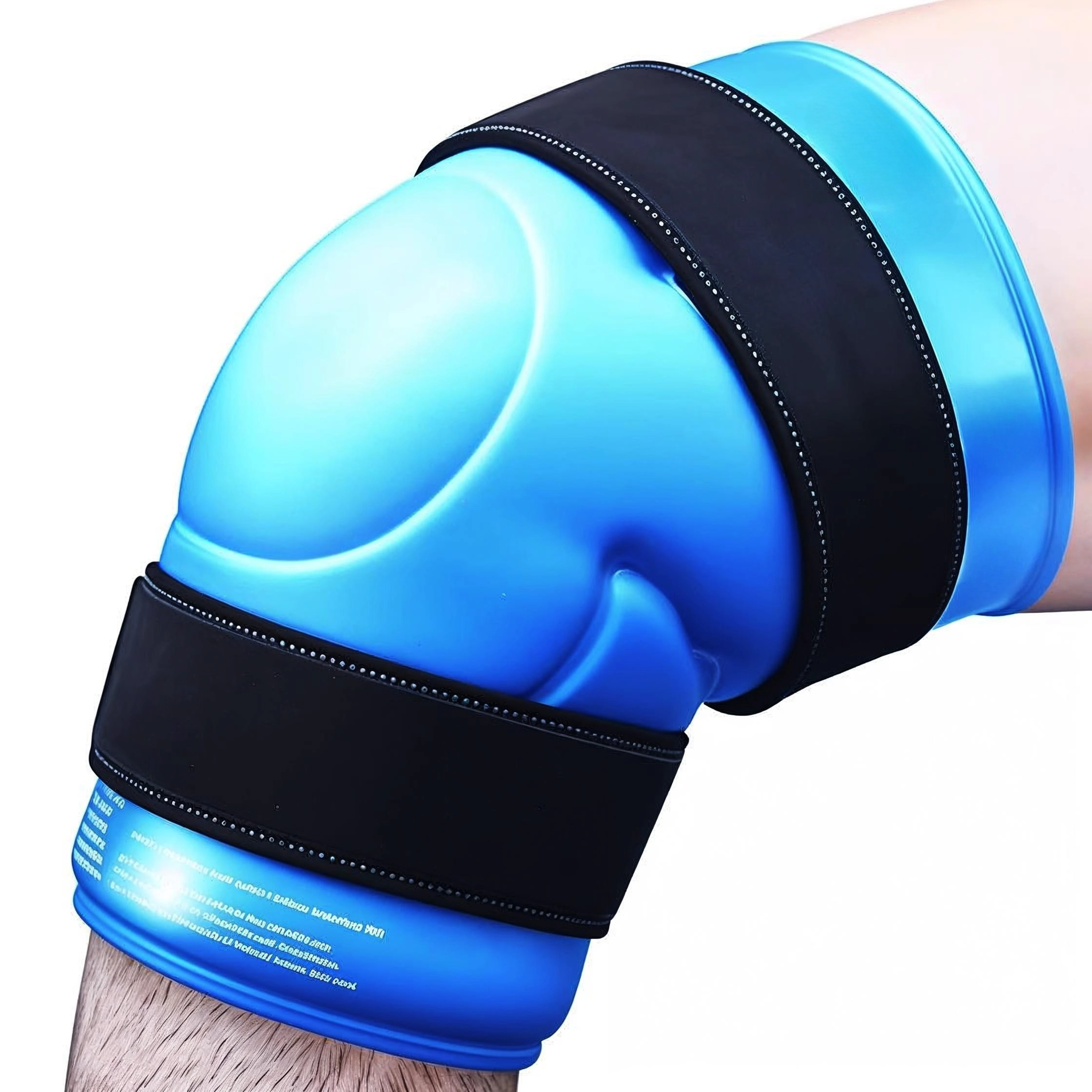
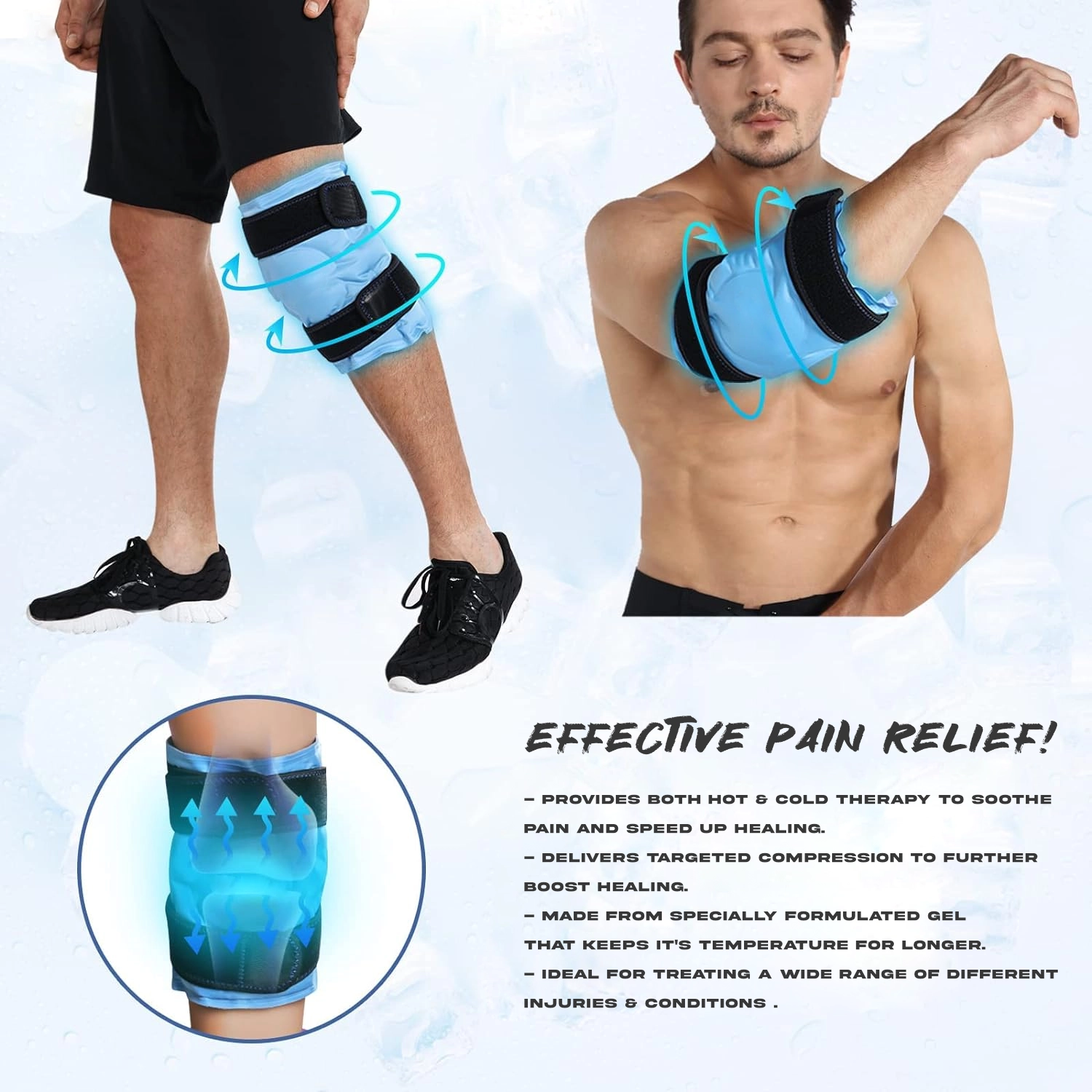
This gel knee ice pack wrap delivers fast, targeted relief with heat and cold therapy in one simple, convenient wrap. Use cold to calm inflammation and numb sharp discomfort after activity or injury; switch to soothing heat to ease stiffness, relax tight muscles, and support mobility as you recover. The contoured wrap provides gentle, adjustable compression and stays put while you move, so relief is hands‑free and right where you need it.
Flexible even when chilled, leak‑resistant, and soft against skin, it’s quick to prepare and simple to secure—ideal for sudden increases in symptoms, steady rehab routines, or end‑of‑day soreness. Keep the wrap ready so you can dial down pain, reduce swelling, and get back to moving with confidence.
At A Glance: Why This Wrap Helps
- Targeted heat and cold therapy to calm pain, manage swelling, and ease stiffness
- Flexible gel stays soft when chilled for close, comfortable contact
- 360° contoured coverage over the kneecap and joint line for even temperature
- Adjustable compression straps for a snug, hands‑free hold
- Segmented gel zones for stable, even cooling or warmth without hot or cold spots
- Slim, easy‑to‑clean design that’s quick to prepare and simple to wear
Understanding Hot and Cold Compress Therapy & How It Can Help With Your Injury Recovery
Heat and cold compress therapy—used on their own or alternated as contrast therapy—uses controlled temperatures with gentle compression to reduce pain, manage swelling, and create better conditions for tissue repair. In simple terms: cold calms an irritated, inflamed knee and blunts sharp pain; heat eases stiffness, relaxes tight muscles, and makes movement smoother; compression improves contact, limits puffiness, and adds reassuring support. Used thoughtfully and in the right sequence for your symptoms, these methods help you move more comfortably while supporting the body’s natural healing process.
The Role of Cold Compress Therapy
Cold therapy (cryotherapy) is most useful when pain and swelling are prominent—after a strain or sprain, an overuse spike in symptoms, or soreness that follows activity. Cooling the knee narrows blood vessels (vasoconstriction) to limit excess fluid entering tissues, slows nerve signalling to naturally numb sharp pain and reduce muscle spasm, lowers local metabolic activity to protect stressed tissues early on, and tempers inflammatory processes that drive heat and throbbing.
How to use it well: Apply cold for 10–15 minutes per session with a thin cloth between skin and pack. In the first 24–72 hours after a new injury—or after activity that aggravates symptoms—short, regular cold sessions help control pain and swelling so repair can progress. Let the skin return to normal temperature before repeating.
The Role of Heat Compress Therapy
Heat is most helpful when stiffness, tightness, and a deep, aching discomfort are your main concerns—often in the subacute or longer‑term phase, or before mobility work and daily tasks. Heat dilates blood vessels (vasodilation) so more oxygen and nutrients reach the area, improves tissue flexibility so muscles, tendons, and the joint capsule feel more pliable, reduces protective muscle tension so movement feels smoother, and aids the clearance of by‑products that contribute to lingering soreness.
How to use it well: Apply comfortable, even warmth for 10–20 minutes. Use before movement to reduce stiffness and improve range. If your knee tends to swell afterwards, switch to a brief cold session to settle it, helping you gain mobility without prolonging puffiness.
The Importance of Compression
Compression makes both cold and heat more effective and supports recovery between sessions. Gentle, even pressure helps control swelling and supports lymphatic drainage, a snug fit maintains close contact for consistent temperature transfer, and light external support can reduce small, irritating movements and improve joint awareness (proprioception) during daily tasks. With cold, compression assists in managing oedema and deepens the cooling effect; with heat, it keeps warmth where it’s needed while providing reassuring support. Keep compression snug but not tight; if you notice pins and needles, increasing pain, or colour change in the lower leg, loosen or refit.
The Power of Contrast Therapy: Combining Cold and Heat for Recovery
Contrast therapy alternates cold and heat in timed cycles. Cold helps limit swelling; heat encourages circulation. This gentle alternation can move excess fluid out and bring oxygen‑rich blood in, helping you reduce stiffness and return to comfortable movement while supporting healing.
When to use: Helpful when the knee feels both puffy and stiff, or during the subacute phase as you reintroduce mobility without triggering a setback.
Simple routines: If swelling is the main issue, start with cold for 5–10 minutes, switch to heat for 5–10 minutes, and finish with cold. If stiffness is the main issue and swelling is minimal, start with warmth for 5–10 minutes, switch to cold for 3–5 minutes, and finish with warmth. Repeat 2–3 cycles; total time about 20–30 minutes.
Frequency: 1–2 sessions per day during a symptom spike or as part of a structured recovery plan.
Practical Tips
- Acute phase (first 24–72 hours after a new injury or a marked increase in symptoms): Prioritise cold with light compression for 10–15 minutes per session, several times per day. Elevate the leg when possible to assist fluid clearance.
- Subacute and longer‑term phases: Use heat before activity to reduce stiffness and improve range, follow with gentle movement or rehab work, then apply a short cold session if swelling tends to develop.
- Contrast therapy: Consider when stiffness and swelling coexist and the knee tolerates warmth; finish with cold if puffiness is present.
- Integrate movement: After heat, add gentle range‑of‑motion and light activation exercises. After cold, rest with the knee supported and elevated to help fluid move out.
- Safety essentials: Always use a cloth barrier, test temperature on your forearm first, check skin every few minutes, keep sessions brief, and avoid falling asleep with the wrap on.
When To Seek Clinical Guidance
Seek medical advice promptly if pain is severe or worsening, swelling is significant or persistent, the knee locks or gives way, you cannot bear weight, or you notice spreading redness, unusual warmth, fever, or a suspected fracture. People with reduced sensation, circulatory problems, blood‑clotting disorders, temperature‑sensitivity conditions, or skin that is broken or infected should check with a clinician before using heat, cold, or compression.
Used correctly, these therapies do more than ease symptoms—they help create the right environment for healing by calming inflammation when it is high, improving mobility when stiffness is the barrier, and supporting the joint throughout. In the next section, you’ll see how a gel knee wrap delivers cold, heat, and contrast—with light compression—in one simple, convenient wrap.
Why This Gel Knee Ice Pack Wrap Stands Out: Features That Make Recovery Easier
Built around the proven benefits of cold, heat, and gentle compression, this wrap is designed to deliver those effects consistently and comfortably. Every element is designed for ease—simple to fit, comfortable to wear, and effective where it counts—so brief, regular applications are realistic to maintain and more likely to help you relieve pain, control swelling, and move with confidence.
360° Contoured Coverage
The contoured design curves around the kneecap and follows the inner and outer joint lines, creating full, even contact across the front and sides of the knee. That comprehensive contact helps the intended temperature reach deeper tissues instead of missing key areas along the joint line. Whether you’re seated with a slight bend or resting with the leg elevated, the shape stays flush rather than lifting away. Fewer adjustments mean smoother 10–15 minute sessions and steadier comfort from one application to the next.
Flexible Gel That Stays Soft When Chilled
Standard options often harden when cooled, leaving awkward pressure points and patchy contact. This gel remains pliable straight from the fridge or freezer, moulding smoothly to the patella and surrounding structures. Close conformity supports efficient temperature transfer and spreads gentle pressure evenly, which feels kinder over bony edges and tender spots. The practical benefit is straightforward: you can position the wrap and begin immediately, without waiting for a rigid block to soften or settling for poor contact during the most important first minutes.
Long‑Lasting Temperature Retention
The high‑capacity gel core is formulated to maintain a therapeutic range throughout a full application, reducing interruptions to re‑cool or re‑warm. Stable cooling helps keep puffiness in check; steady warmth reduces stiffness so movement feels easier. Because the temperature remains consistent, you can focus on your plan—such as a brief cool‑down after activity or a warm‑up before gentle mobility—rather than clock‑watching and adjusting. This reliability helps you keep to your plan, turning short sessions into steady, measurable progress.
Adjustable Compression Straps
Wide, secure straps let you set a snug, supportive fit in seconds and keep it that way without slipping. Gentle, even pressure supports fluid clearance from the joint and enhances the cooling effect when puffiness is present. The straps also stabilise the wrap so you can go hands‑free—resting, reading, or moving lightly—without losing contact. Because the fit is quick to dial in, you achieve the right balance of comfort and support each time, making frequent, short applications easier to stick with across the day.
Even Temperature Distribution (Segmented Gel Zones)
Segmented gel chambers prevent contents from shifting or pooling, keeping cooling or warmth evenly spread across the knee. Uniform coverage prevents overly cold patches or warm spots that undermine comfort and effectiveness. It also keeps the wrap balanced if you slightly change position—such as easing the knee from a small bend to a straighter angle—so the intended temperature continues to reach the tissues that need it. Consistency across the surface supports steadier relief from start to finish.
Soft, Skin‑Friendly Exterior With Finished Edges
The outer surface is smooth and comfortable to the touch, and finished edges help reduce rubbing at sensitive points like the sides of the kneecap or behind the knee. Comfort matters when you plan multiple applications per day: a pleasant feel encourages adherence, while rough materials lead to fidgeting and shorter sessions. If your skin is easily irritated, the softer finish helps you complete full sessions comfortably, without fidgeting or ending early—so you stay focused on relief rather than on adjusting the fit.
Secure, No‑Slip Hold
A contoured design and grippy straps work together to resist rotation and sliding, whether you’re sitting, standing briefly, or elevating the leg on cushions. Stability matters because continuous coverage preserves the target cooling or warming effect across the joint, supporting clearer pain relief and better swelling control. Once positioned, the wrap remains stable so you can relax and let the application run its course—without pausing to reposition every few minutes or tightening straps mid‑way through.
Durable, Leak‑Resistant Construction
Reinforced seams and a puncture‑resistant gel chamber are designed for repeated cooling and warming cycles while maintaining a smooth, reliable feel. Strong construction lowers the risk of leaks or seam failures that disrupt use, so your plan stays on track. Materials are chosen to preserve shape and performance over time, helping fit and temperature distribution remain consistent across many applications, and supporting a straightforward recovery routine you can depend on.
Hot‑and‑Cold Compatible (Two Modes, One Wrap)
One wrap handles both cooling to settle puffiness and warmth to loosen stiff tissues, so you can adapt quickly as needs change. There’s no juggling multiple products or relearning different fittings—just a straightforward temperature change with the same familiar setup. For instance, you might warm the knee before gentle mobility to improve ease of movement, then later apply a short cooling session to settle post‑activity discomfort—all with one simple, versatile wrap.
One Adjustable Size That Fits Most, Low‑Bulk Design
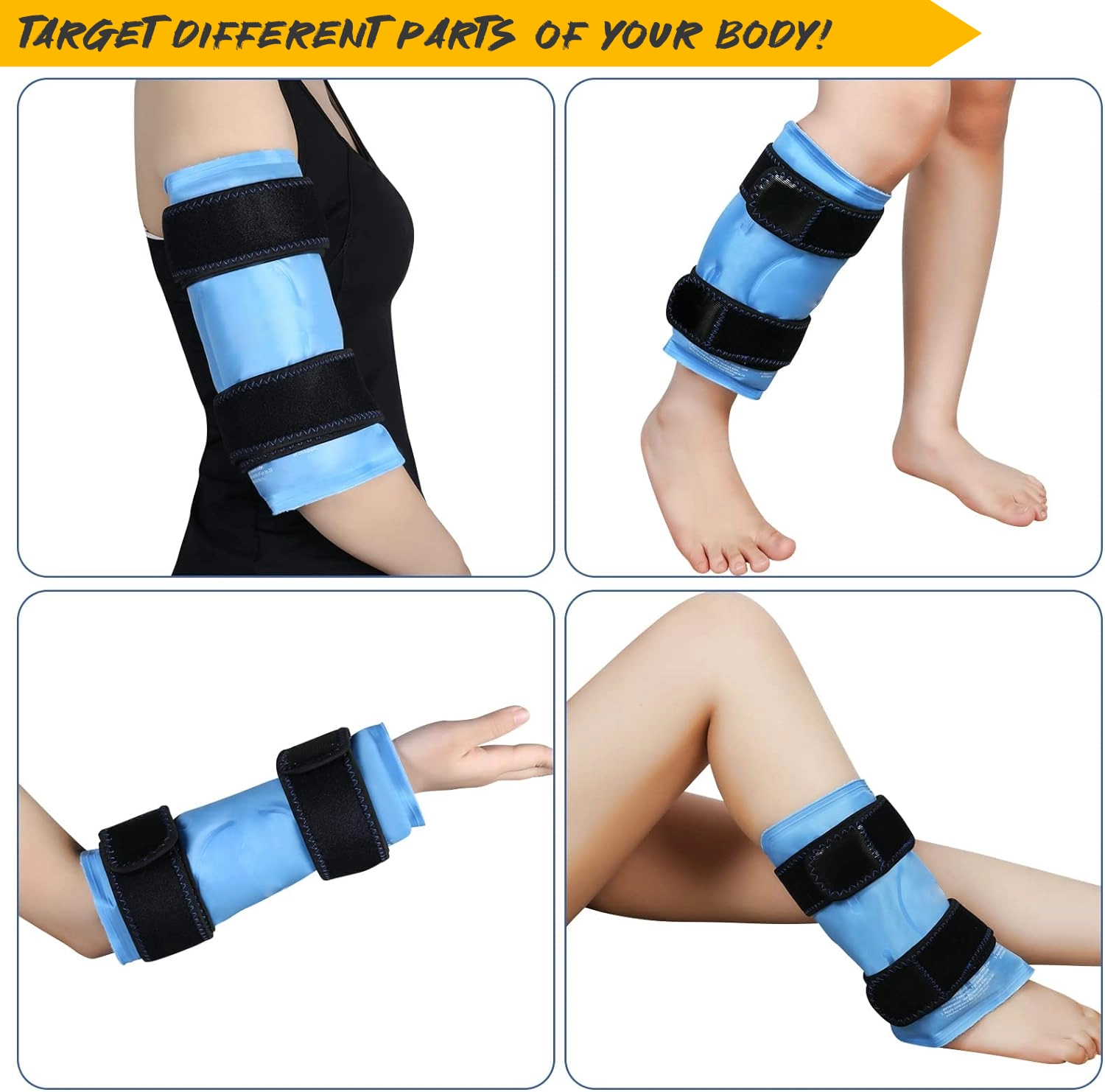
The wrap adjusts quickly to fit either knee across most adult sizes, with a slim profile that sits comfortably under loose clothing. The low‑bulk profile reduces pressure on sensitive areas and makes it easier to achieve a close, comfortable fit that optimises heat or cold delivery. Straightforward fitting encourages use at the right moments—after activity for cooling or before movement for warmth—so relief integrates into your day without turning recovery into a complicated task.
Easy To Clean And Ready For Routine Use
The exterior wipes clean quickly with mild soap and water, then air dries for the next application. Store it flat in the fridge or freezer so it’s ready for prompt cooling when activity or a flare brings on discomfort. Simple maintenance and easy readiness mean less hassle and make it easier to keep up with brief, regular applications—the approach that often delivers the most noticeable gains in comfort, swelling control, and everyday mobility.
Recommended by Experts
Commonly used in conservative care for a wide range of knee concerns.
For Ligament Injuries
ACL and Other Ligament Injuries
Ligament injuries destabilise the knee because these structures restrain specific movements. The anterior cruciate ligament helps prevent the shin bone sliding forwards and twisting on the thigh bone; the posterior cruciate limits backward slide; the medial and lateral collateral ligaments resist gapping on the inner and outer sides of the joint. A sprain or tear typically follows a sudden twist, awkward landing, or contact force. People often feel or hear a pop, pain arrives quickly, and the knee swells as fluid collects inside the joint capsule. Weight‑bearing may feel uncertain, with a sense the knee could give way.
Early steps focus on calming the joint and protecting healing tissues. Short, regular cold sessions with this wrap help lower tissue temperature around the capsule and slow fluid build‑up, which reduces the tight, throbbing pressure that makes bending difficult. The contoured gel sits over the kneecap and winds around the joint line so you cool the whole front and sides evenly, while light, even compression counters effusion without cutting off circulation. As swelling eases and stiffness becomes the main barrier, a brief, comfortably warm session before gentle, guided range‑of‑motion work can relax guarding in the quadriceps and hamstrings so the knee moves more freely. The wrap is not a substitute for a stabilising brace if you need one, but it pairs well with bracing, activity modification, and a structured rehabilitation plan.
Seek urgent assessment if you cannot fully straighten the knee, cannot bear weight, feel marked instability, or swelling is severe. Used correctly—cold for swelling, heat for stiffness, compression kept snug not tight—this wrap helps control symptoms through each phase so you can focus on regaining strength and control with confidence.
For Patella Tendonitis
Patellar Tendonitis (Patellar Tendinopathy)
Patellar tendonitis affects the tendon that links the lower edge of the kneecap (inferior pole of the patella) to the top of the shin bone (tibial tubercle). Repeated loading from jumping, sprinting, hills, or sudden increases in training strains the tendon fibres where they anchor into the kneecap. Pain is usually sharp and pinpoint just below the kneecap, worse with jumping, running, stairs, or kneeling, and it may ease as you warm up before returning after activity or later the same day. Right after activity or when symptoms spike, a brief cold session can settle the irritated area; when the knee feels stiff before you move, a short warm session can make motion more comfortable.
Because the irritated tendon sits just beneath the kneecap and is close to the surface, using temperature therapy with the straps set snug, not tight, can ease symptoms by supporting the tissues around the tendon while avoiding direct pressure on the tender spot.
Position the wrap so the cooling segment covers the area directly below the kneecap. After training or whenever pain has increased, a short cold session helps quiet local nerve signalling and calm irritation in the nearby fat pad, easing that focal, burning ache at the tendon’s attachment. Keep the straps comfortably snug so you support the area without compressing a sensitive tendon. If the knee feels stiff rather than hot or puffy, switch to a brief warm session before gentle mobility or clinician‑guided loading to improve comfort in the tendon and the quadriceps. The flexible gel moulds to the curve of the kneecap and tendon for close, even contact, and the hands‑free fit makes brief, regular sessions easy to complete.
Seek clinical advice if pain is severe, you hear or feel a sudden pop, bruising appears, the knee becomes markedly swollen, or symptoms are not improving despite sensible changes to your workload. Used alongside activity modification, progressive strengthening, and improving your technique and form in sports and exercise—for example, refining jump and landing mechanics, adjusting running cadence and hill strategy, and pacing weekly training load—this wrap gives you a quick, reliable way to cool after load and warm before movement, helping the tendon settle so you can train consistently with fewer setbacks.
For Meniscus Tear
Meniscus Tears
The medial and lateral menisci are crescent‑shaped shock absorbers between the thigh bone and the shin bone. A twist under load or gradual wear can split the fibres, producing pain at the inner or outer joint line, swelling inside the joint, and stiffness that limits deep bend. Some people feel catching or locking if a fragment interferes with smooth movement, and squatting or turning can reproduce pain along the joint line.
When symptoms are active, the wrap helps you manage the joint’s response. Cold applied over the kneecap and wrapped around the joint line cools the tissues that encase the capsule, helping temper synovial irritation and slow fluid accumulation. Light compression reduces the sense of fullness that stretches the pain‑sensitive capsule and aggravates ache. As swelling settles, a short warm session can ease guarding in the surrounding muscles so you can glide into comfortable bend and straighten during your home programme. Because coverage is circumferential, both the medial and lateral joint lines receive even temperature, which matters when pain sits precisely on one side.
If your knee locks in a bent position, repeatedly gives way, or swelling remains large, arrange an assessment. For stable tears managed without surgery, this wrap offers a practical way to settle joint‑line pain after activity and prepare the knee for steady, low‑irritation progress in rehabilitation.
For Meniscitis
Meniscal Irritation and Degeneration
Many people develop gradual fraying or irritation at the edge of a meniscus rather than a single, dramatic tear. Symptoms often include a dull ache along the inner or outer joint line, intermittent puffiness after walking, stairs, or kneeling, and a tight feeling rather than sharp catching. Morning stiffness can be noticeable, but heat and severe swelling are usually absent.
For these low‑grade, activity‑linked flares, the wrap helps you calm the joint quickly and keep moving. A short cold session after tasks that tend to set symptoms off reduces local inflammation and quiets soreness at the periphery of the meniscus. Gentle, even compression limits fluid re‑accumulation, which reduces pressure on the capsule and improves comfort when you first stand after sitting. On days when the knee feels stiff but not hot or swollen, a brief, comfortably warm session can relax the quadriceps and other peri‑articular tissues so the joint glides more easily through early range. The gel’s flexibility helps you mould the wrap closely around the curved joint line for consistent effect.
If symptoms escalate, locking appears, or swelling becomes pronounced, seek personalised advice. For day‑to‑day management of degenerative irritation, this wrap gives you a simple, repeatable way to cool after load and warm before gentle motion so you can stay active with fewer setbacks.
For Iliotibial Band Syndrome
Iliotibial Band Syndrome
Common in runners and cyclists, iliotibial band syndrome causes pain on the outer side of the knee where the band from the hip crosses the bony edge of the thigh bone before attaching to the shin. Repeated knee bending—especially after a sudden jump in training, with downhill running, or with a poorly adjusted bike—irritates the tissues at this contact point and the nearby bursa. The pain often follows a simple pattern: it starts after you’ve been active for a while (for example, around 20–30 minutes into a run), eases when you slow down or stop, and returns when you build back up to the same pace or distance.
Because this irritation sits close to the surface on the outer knee, targeted temperature therapy with light, even compression can calm symptoms quickly without adding pressure to the sore area.
The wrap’s contoured shape makes it easy to target the outside of the knee. Apply cold after a run or ride to settle the irritated tissues between the band and the bone and reduce the sting that builds with repetitive motion. Keep the straps snug but not tight so you support the area without increasing rubbing under the band. On the following day, if tightness is the main issue rather than pain, a short warm session can relax the outer thigh muscles and surrounding connective tissue so bending feels smoother during gentle mobility work. Because the wrap stays put, you can move lightly while you treat, without having to hold a loose pack in place.
If symptoms continue despite sensible training adjustments, or pain starts to travel up the outside of the thigh, arrange an assessment for tailored advice. Used alongside load management, targeted strength work, and technique checks, this wrap gives you a reliable way to cool the tender area after activity and add gentle warmth when tightness lingers—helping you return to running or cycling with less irritation.
For Runner's Knee
Runner’s Knee (Patellofemoral Pain)
Patellofemoral pain arises from irritation around the kneecap and the groove it tracks in. It often follows changes in training, reduced hip or quadriceps control, or long periods of knee‑bent positions. Pain sits around or behind the kneecap, worsens with stairs, hills, squats, or sitting, and may come with a feeling of grinding or pressure at the front of the knee. Swelling is usually mild, and the knee generally moves fully, although it can feel stiff after rest.
Managing symptoms well lets you keep moving and complete rehabilitation. Cooling the front of the knee after activities that tend to set your symptoms off reduces pain from the richly innervated tissues around the kneecap and helps settle the ache that lingers after load. The wrap provides even contact and gentle compression without forcing the kneecap into an awkward position, and the hands‑free design means you are not chasing a sliding pack. If the knee feels stiff but not hot or swollen, a brief warm session before light mobility or exercises can ease the retinacular tissues and quadriceps so the kneecap tracks more comfortably through early bend.
If pain escalates quickly, swelling becomes marked, or the knee gives way, arrange a review. For typical patellofemoral pain that ebbs and flows with activity, this wrap offers a simple way to cool after load, warm before movement, and maintain gentle support—key ingredients for steady progress and confident everyday activity.
For Knee Arthritis
Knee Arthritis
Knee arthritis—most commonly osteoarthritis—involves thinning of the smooth cartilage, low‑grade synovial inflammation, and changes in the underlying bone. People often describe stiffness after rest that eases as they get moving, episodes of swelling that make the knee feel hot and tight, and activity‑related aches that limit walking, stairs, or kneeling. Flare‑ups can follow a busier day, longer walks, or minor knocks.
Matching temperature to the day’s symptoms helps you stay comfortable and keep moving. When the knee feels hot and puffy, short cold sessions lower tissue temperature and temper synovial activity, while gentle, even compression reduces the sense of fullness that stretches the capsule. When the knee feels stiff but not hot or swollen, a brief warm session relaxes the quadriceps and hamstrings so you can start walking or exercising with less resistance. The wrap’s flexible gel and adjustable straps give consistent coverage over the kneecap and joint line without hard edges, making brief, regular applications realistic—consistency is what helps most for ongoing symptom control.
If swelling is dramatic, pain surges without a clear cause, or the leg becomes hot and red, seek prompt assessment. As part of a conservative plan that may include strength work, pacing strategies, and weight management if relevant, this wrap offers a practical way to cool during inflamed spells and warm when stiffness is the main barrier, helping you keep doing what matters.
For Prepatellar and Pes Anserine Bursitis
Prepatellar and Pes Anserine Bursitis
Bursae are small fluid‑filled sacs that reduce friction where tissues slide. At the knee, the prepatellar bursa sits in front of the kneecap and can become irritated by frequent kneeling or a direct knock. The pes anserine bursa lives on the inner side of the shin just below the joint line and can flare with repetitive climbing, running, or rapid training increases, especially when inner‑knee tendons are tight. Bursitis produces focal swelling and tenderness directly over the bursa; kneeling or pressing on the area often reproduces pain, while joint motion usually remains near full.
Cooling helps most during the irritable phase. With the wrap centred over the kneecap for prepatellar symptoms, or angled slightly down and toward the inner shin for pes anserine symptoms, short cold sessions reduce bursal inflammation and ease surface tenderness. Keep compression gentle to avoid pressing fluid around; the goal is light support, not force. As tenderness settles and stiffness replaces heat, a brief warm session can relax the nearby quadriceps (prepatellar) or inner‑thigh tendons (pes anserine), which may reduce friction during movement. Because the gel conforms when chilled, you can achieve close, even contact over these small, superficial targets without creating pressure points.
If the area is very hot and red, you feel unwell, or pain escalates rapidly, seek medical review to rule out infection. For typical, non‑infectious bursitis, this wrap offers a straightforward way to cool a tender bursa, support the area lightly, and return to daily tasks with greater comfort while you address contributing loads and flexibility.
For Quadriceps Tendonitis
Quadriceps Tendonitis
Quadriceps tendonitis affects the thick tendon above the kneecap where the quadriceps muscle group anchors into the patella. Sudden increases in squats, lunges, running hills, or manual work can strain the fibres at the upper pole of the patella. People usually feel a tender, aching point at the top of the kneecap that sharpens when rising from a chair, climbing stairs, or after heavy loading, and mornings can feel stiff until the tendon warms.
Place the wrap so the cooling segment drapes over the top of the kneecap and upper patellar border. Direct cold after loading helps dampen nerve activity in the superficial tendon and calm irritation of the adjacent fat pad, easing the ache that lingers after use. Keep compression comfortable and avoid pressing hard on the tender spot. When the tendon feels stiff but not hot or swollen, a short warm session before gentle mobility can improve comfort through early bend and help the quadriceps relax, making technique work and progressive strengthening more tolerable. The hands‑free fit helps you complete frequent, brief sessions—the approach tendons respond to best—without interrupting your routine.
If pain spikes sharply, the knee suddenly gives way, or a dent appears above the kneecap, seek urgent assessment. When symptoms are load‑related and gradual, this wrap gives you a practical way to cool after strain and warm before movement while you adjust loads and build strength in a structured plan.
For Baker’s Cyst (Popliteal Cyst)
Baker’s Cyst (Popliteal Cyst)
A Baker’s cyst is a fluid pocket that forms at the back of the knee when the joint produces excess fluid, often due to arthritis or a meniscal problem. It can feel like a soft lump behind the knee with tightness when you fully straighten or bend. Front‑of‑knee pain may come from the underlying cause, while the cyst itself creates pressure behind the knee. Swelling can fluctuate, feeling fuller after activity and easing with rest.
The wrap is not applied directly to the back‑of‑knee lump with tight compression, but it helps by addressing the joint irritation that feeds the cyst. Cooling the front and sides of the knee reduces the joint’s inflammatory drive and fluid production, which can lessen cyst fullness and the sense of tightness. Keep compression gentle and even to avoid forcing fluid backward. When stiffness is the main issue and heat or puffiness is absent, a short warm session can relax the hamstrings and calf at the back of the knee so movement feels smoother. Because the gel remains flexible, you get comfortable contact around the joint without pressing on the popliteal space.
If the calf becomes painful and swollen, the area is red and hot, or the lump becomes very tense, seek prompt medical review. As part of a conservative plan that also addresses the underlying joint irritation, this wrap offers a practical way to cool during fuller days and ease stiffness on quieter days so you can move with less pressure.
For Patellar Instability and Dislocation (After Initial Care)
Patellar Instability and Dislocation (After Initial Care)
When the kneecap slides partially out of its groove (subluxation) or fully dislocates, the soft tissues that guide it—retinaculum and capsule—are stretched or torn. After reduction and initial medical care, people often experience front‑of‑knee pain, swelling, and a sense of mistrust with bending or changing direction. The knee may feel full, and the area on the outer side of the kneecap is commonly tender.
As symptoms allow, cooling helps settle the joint’s inflammatory response and reduces the sense of pressure that limits bending. The wrap provides even coverage over the kneecap and around the joint line, so you can use short cold sessions to manage swelling while keeping compression light and comfortable under any prescribed brace. When swelling subsides and stiffness becomes the main obstacle, a brief warm session before clinician‑guided motion can relax the quadriceps and retinacular tissues so the kneecap glides more comfortably in its groove. The secure, hands‑free fit makes it easier to complete frequent, brief sessions without disturbing other supports.
If the kneecap redislocates, the knee gives way repeatedly, or swelling remains large, follow up promptly with your clinician. Paired with bracing as advised, activity modification, and progressive strengthening, this wrap helps you control pain and swelling day to day so you can rebuild stability with confidence.
30‑Day Money‑Back Guarantee
Try the gel knee ice pack wrap with confidence. If it doesn’t deliver the relief you expect, return it within 30 days for a refund. No pressure, no hassle—just a straightforward way to see how consistent cold, heat, and light compression can help you manage pain, control swelling, and move more comfortably. If you have questions at any point, our support team is here to help you get the best results from your routine.
Ready For Targeted Knee Relief?
Make short, consistent sessions part of your day and feel the difference: calmer pain, less puffiness, and easier movement. This adjustable, one‑size wrap is simple to fit, quick to prepare, and comfortable to wear—so you can start your first session today and keep it ready in the fridge or freezer for the next. Add it to your basket and begin your recovery routine with confidence. If you’d like guidance on cold, heat, or contrast for your situation, get in touch and we’ll help you make the most of your wrap.
Using Your Gel Knee Ice Pack Wrap: How‑To and Safety
Using the wrap well is the difference between steady relief and unnecessary setbacks. The right method can calm pain and swelling; the wrong one—over‑tight straps, excessive heat on a hot knee, or sessions that run too long—can aggravate symptoms. Follow the sequence below to apply cold, heat, or contrast confidently, with simple safeguards built in.
Before You Begin: Temperature, Skin, and Fit
Place a thin cloth between skin and wrap. Test the temperature on the inside of your forearm; it should feel comfortably warm or cool, never hot or painfully cold. Set the straps for a snug, supportive hold—not tight. If you notice pins and needles, increasing pain, or a change in colour in the lower leg or foot, remove the wrap and refit once sensation normalises. Check your skin every few minutes and avoid falling asleep with the wrap on. With these basics in place, choose the approach that matches your symptoms today.
Cold Therapy (when swelling or heat is the main issue)
Chill the wrap in the fridge or freezer for 20–30 minutes. Centre it over the front of the knee and draw the sides around the joint line for full contact, then secure the straps so the fit feels steady and comfortable. Apply for 10–15 minutes and allow the skin to return to normal temperature before repeating. In the first 24–72 hours after a recent injury or when symptoms have just increased, several short applications across the day are more effective than one long one. Elevating the leg during cold sessions helps fluid move out of the area.
Heat Therapy (when stiffness limits movement)
Warm the wrap gradually until it feels comfortably warm, then secure it for close, even contact over the kneecap and joint line. Use for 10–20 minutes, ideally before stretching, light rehab drills, or everyday tasks that need easier movement. If your knee tends to swell after activity, follow with a brief cold session to settle it. Reserve heat for when acute tenderness has eased and the knee tolerates gentle motion.
Contrast Therapy (when stiffness and swelling occur together)
Alternate brief bouts of cold and heat to encourage circulation while helping manage puffiness. A practical cycle is cold for 5–10 minutes, then heat for 5–10 minutes, repeated two to three times. Finish with cold if swelling is a concern. One or two contrast sessions per day can be helpful during periods when symptoms are more active or when you’re resuming activity. Let the skin return to normal temperature between phases and adjust each segment based on comfort and response.
Suggested Daily Approaches
Use the option that best matches how your knee feels today.
- Sudden increase in pain and swelling (after activity or a recent aggravation)
- Morning: Cold 10–15 minutes with the knee elevated.
- Midday: Cold 10–15 minutes.
- Evening: Cold 10–15 minutes. Gentle ankle pumps and quad sets between sessions can help fluid move out of the area.
- Before planned activity (stiffness‑led)
- Pre‑activity: Heat 10–20 minutes, then light range‑of‑motion work (heel slides, gentle knee bends).
- After activity: Cold 10 minutes if swelling develops.
- Both stiffness and swelling present
- Contrast: Cold 7 minutes → Heat 7 minutes → Cold 7 minutes.
- Move lightly after the warm phase; elevate the leg after the final cold phase.
Care and Readiness
After use, return the wrap to the fridge or freezer so it’s ready for the next session; if you’ve used heat, allow it to cool to room temperature before re‑warming. Wipe the exterior with a damp cloth and mild soap, then air dry. Store the wrap flat when chilling or between uses to keep the gel evenly distributed and the fit consistent from one application to the next. A ready‑to‑use wrap makes it easier to act quickly when symptoms spike.
Common Pitfalls to Avoid
Do not place ice directly on bare skin. Avoid applying heat to a knee that is actively hot and swollen. Do not overtighten straps to “increase” the effect—this can restrict circulation and increase discomfort. Avoid using heat too early after a new injury. Skip very long sessions that irritate the skin or increase soreness; brief, regular applications work better and are safer.
When to Pause and Seek Advice
Stop and seek guidance if pain becomes severe or steadily worse; swelling is dramatic or persistent; the knee locks, gives way, or you cannot bear weight; you notice spreading redness, unusual warmth, fever, or other signs of infection; or you suspect a fracture or significant structural injury.
Who Should Check With a Clinician First
If you have reduced sensation, circulatory problems, diabetes with neuropathy, blood‑clotting disorders, temperature‑sensitivity conditions, open wounds, broken skin, or a suspected skin infection over the knee—or if your symptoms have changed rapidly—speak to a clinician before using heat, cold, or compression.

by Tommy K gall
I’ve been dealing with chronic knee pain due to my Chondromalacia. This wrap has been instrumental in managing my pain. It’s easy to use, and the hot/cold therapy works wonders
by Stuart McFarlane
All my life I’ve loved running but over time, the wear and tear on my knees caught up with me, leading to severe arthritis. The constant pain was unbearable and I was desperate for a solution. That’s when I came across this Gel Ice Pack Wrap.
Let me tell you, this wrap has been a breath of fresh air for my poor knees! The first time I put it on, I could actually feel the soothing heat seep through my skin, melting away the pain. It was an instant relief!
What’s great about this wrap is its adjustable nature. I can secure it tightly for compression or let it loose when I just want the heat therapy. And its dual-functionality means I can switch between hot and cold therapy as needed. Also, the wrap works effectively irrespective of the various knee conditions I’ve had, be it meniscus tears or sprains.
In short, if you’re searching for a natural and effective way to deal with knee pain, this Gel Ice Pack Wrap is definitely worth a shot.
by Andy
Purchased this Gel Knee Ice Pack Wrap about three weeks ago. I’ve been dealing with a stubborn MCL injury for a while now, and I must say, it’s been quite a rough journey. The constant pain and discomfort had started to effect my mobility and way of life. A friend recommended this product and I figured I’d give it a shot. The relief it provides is just incredible, it’s like having a personal therapy session whenever you need it. I’ve been using it daily, alternating between hot and cold compress therapy. It’s super easy to use and it doesn’t slide off or get uncomfortable even if you have it on for hours. Since I’ve started using this, my mobility has improved and the pain is much more manageable. It’s a product I would recommend without hesitation to anyone dealing with knee pain or injuries.
by Jason Rowell
I’ve suffered from arthritis in my knee for the better part the last decade. I tried this Gel Knee Ice Pack Wrap on a whim and I gotta admit, it truly took me by surprise. This is such a game-changer. The design is perfect, the pressure is just right, and the cold therapy really works wonders. It’s easy to fasten, stays put, and provides targeted relief to the affected area. The comfort and relief I feel after using it is nothing short of remarkable. This is no magic cure, of course, but it certainly makes living with arthritis a lot more bearable.
by Gordon Smith
After suffering from a MCL injury, my physiotherapist suggested trying contrast therapy. That’s where this product, the Gel Knee Ice Pack Wrap comes into the picture. I was skeptical at first, but the relief it provides is simply extraordinary! It’s simple to use, holds its temperature so well and wraps around my knee like a comforting, soothing embrace. I highly recommend it for anyone struggling with knee injuries – it’s a real lifesaver.
by Rick Jones
After tearing my ACL during a football match, I was in dire need of something to ease the throbbing pain. That’s when I decided to give this Gel Knee Ice Pack Wrap a shot, and boy, it didn’t disappoint! The versatility of being able to switch between hot and cold therapies is an absolute perk. And the heat therapy, it’s like a warm hug for my hurting knee.
The wrap holds its temperature remarkably well, making my therapy sessions more effective and less of a hassle. Did I mention how ergonomic it is? It wraps around my knee like a charm, allowing me to move around while it does its magic. Now, my recovery process seems less daunting, all thanks to this product!
by Kevin Dyke
This Gel Ice Pack Wrap is a must-have for any athlete. I’ve been using one for my Meniscus tear, and the relief was almost immediate. Great product & top quality.
by Dominic
I was sceptical at first, but this Gel Ice Pack Wrap has been fantastic for my Osgood Schlatter disease. The ease of use and comfort is remarkable.
by Steph Foley
Bought this Gel Knee Ice Pack Wrap six weeks post-op from a meniscus tear repair. I was a bit skeptical, as I’d tried other similar products in the past and didn’t find them to be effective. This wrap, however, turned out to be everything it promised. It provided instant relief, cooling the area quickly and efficiently. It’s comfortable, not too tight, and surprisingly durable. The fact that it can be used for both heat and cold therapy is a bonus. I’ve found that it considerably reduces swelling and eases the discomfort. It’s become a part of my daily routine and has made my recovery much smoother. A thumbs-up from me!
by Simas Ambrazevicius
Incredible! This Gel Ice Pack Wrap was an absolute boon to my ailing knee. I experienced immense relief from my ACL injury. Value for money and would definitely recommend.