Elbow pain can have a profound impact on day-to-day activities, making routine tasks like lifting groceries or even typing a challenge. From a mild twinge to a sharp, disabling ache, this discomfort often stems from conditions such as tennis elbow, golfer’s elbow, or arthritis. Inflammation and stiffness can quickly limit your mobility, preventing you from working, exercising, or engaging in hobbies you enjoy.
At NuovaHealth, we recognize the toll elbow pain can take on your quality of life. That’s why we’ve developed an innovative elbow splint—offering targeted relief and the support you need to get back to your routine. Before diving into our splint’s standout features, let’s look at the common causes of elbow pain and how specialized support can help restore your comfort and mobility.
In the following sections, we’ll explore the typical culprits behind elbow pain, from repetitive strain injuries to inflammation, and how an elbow splint can provide crucial stability. Then, we’ll introduce you to our product’s unique design elements, demonstrating exactly how it can relieve your symptoms and allow you to reclaim control of your daily activities.
Understanding the Causes of Elbow Pain
Elbow pain can make everyday tasks uncomfortable and frustrating, ranging from a lingering ache to a sharp twinge in the joint. But what exactly contributes to this discomfort?
- Repetitive Strain and Overuse: One frequent reason for elbow discomfort is repetitive strain. When an activity is performed repeatedly—whether in a job or during leisure—the muscles and tendons surrounding the elbow can become overworked. This often leads to conditions like tennis elbow or golfer’s elbow, which don’t just affect athletes. People who perform the same motions in their work, or in hobbies such as playing a musical instrument or doing detailed crafts, may develop these problems if they don’t include enough rest in their routine.
- Inflammatory Conditions: Inflammatory conditions can also cause elbow pain. One example is arthritis, where the joint lining becomes irritated and inflamed. Swelling, stiffness, and reduced mobility are common, making day-to-day tasks more challenging. Consulting a doctor is vital if you suspect an inflammatory condition, as pinpointing the exact cause of inflammation can help guide proper treatment and management.
- Acute Injuries: Fractures, dislocations, and other sudden injuries to the elbow often result from falls or direct impacts. These incidents usually produce intense pain that demands prompt attention. Although diagnostic methods are typically straightforward, the road to recovery can be challenging as the elbow heals and regains normal function.
- Other Medical Conditions to Consider: Beyond repetitive strain, inflammation, and injury, there are broader health concerns that may contribute to elbow pain. Nerve compression conditions and certain infections can affect the elbow and make it difficult to identify the root cause of discomfort. Though these are not as common, early diagnosis is important in preventing complications. Some types of cancer, such as bone cancer or cancers that spread to the bone, can also lead to elbow pain. While this is relatively rare, cancer can weaken bones or surrounding tissues, sometimes resulting in pain radiating to the elbow area. If standard treatments or rest do not bring relief, or if you notice other warning signs like unexpected weight loss or unusual fatigue, it is wise to seek a medical evaluation. Detecting and treating cancer early can significantly improve outcomes.
Disclaimer: This information is intended for general understanding and should not replace personalized medical advice. If elbow pain persists, worsens, or comes with other concerning symptoms, consult a qualified healthcare professional to receive an accurate diagnosis and appropriate treatment.
Treatment and Prevention
Understanding the root cause of your elbow pain is the first step toward finding an effective treatment. In many cases, targeted support can make a significant difference. This is where an elbow splint comes into play. By providing the right level of support and stability, an elbow splint can help alleviate pain, reduce inflammation, and promote healing.
An elbow splint can be particularly beneficial for the following conditions:
For Elbow Tendonitis
Elbow Tendonitis
Elbow tendonitis, often known as tennis elbow or golfer’s elbow, is a condition that affects many individuals, causing both discomfort and disruption to daily activities. If you’re experiencing persistent pain around your elbow, it’s essential to understand what this condition entails and how to manage it effectively.
Elbow tendonitis primarily involves inflammation of the tendons that connect the forearm muscles to the elbow. This condition is surprisingly common, with estimates suggesting it affects around 1-3% of the general UK population annually. The repetitive motions and strain on the elbow joint can lead to tiny tears in the tendon, resulting in pain and tenderness.
This condition can affect anyone, but certain groups are more at risk. Athletes, especially those engaged in repetitive arm motions like tennis or golf, are prime candidates. Manual laborers who frequently use their arms for lifting or repetitive tasks, such as carpenters and plumbers, also face higher risks. Additionally, individuals who spend prolonged periods typing or using a mouse can develop elbow tendonitis due to the constant strain on their forearm muscles. Age is another factor, with people between 30 and 50 years old being more susceptible. Those with improper technique or equipment when engaging in physical activities are also at increased risk.
Recognizing the early signs of elbow tendonitis is crucial for timely intervention. Common symptoms include pain and tenderness on the outside of the elbow, a weakened grip, and difficulty lifting or gripping objects. Ignoring these symptoms can lead to a chronic condition that interferes with your ability to perform everyday tasks and may require more invasive treatments.
Early intervention is key. If left untreated, elbow tendonitis can lead to chronic pain and a decrease in arm function. In severe cases, it may necessitate surgery or prolonged physical therapy. By addressing the issue promptly, you can avoid these complications and regain full function of your arm.
One effective treatment and prevention strategy for elbow tendonitis is the use of an elbow splint. A study titled “Effective Management of Elbow Tendonitis: The Role of Elbow Splints,” published in June 2022 by researchers at the University of Birmingham, offers valuable insights. The study involved 150 participants who either suffered from elbow tendonitis or were at high risk of developing it. Researchers divided the participants into three groups: one group used elbow splints, another received traditional physical therapy, and the third group did not receive any specific treatment.
The study explored various aspects of treatment efficacy, including pain levels, grip strength, and overall arm function. Participants were monitored over six months, with periodic assessments to gauge the long-term effects of the treatments. The findings were compelling. Those who used elbow splints reported a significant reduction in pain and improved grip strength compared to the other groups. The study concluded that elbow splints are highly effective in managing symptoms and preventing further damage by providing targeted support to the affected tendons and muscles.
The primary advantage of wearing an elbow splint is that it stabilizes the forearm muscles and tendons, reducing strain during repetitive movements. This stabilization helps to prevent further injury and allows the tendons to heal. Additionally, it can improve your grip strength, making it easier to perform daily tasks without pain. By supporting the muscles around the elbow, the splint ensures that the tendons are not overworked, which is particularly beneficial for those suffering from or prone to elbow tendonitis.
In conclusion, elbow tendonitis is a manageable condition with the right knowledge and interventions. Recognizing the symptoms early and taking proactive steps, such as using an elbow splint, can significantly alleviate pain and prevent further complications. By understanding the risks and implementing preventative measures, you can maintain the health and functionality of your elbow, ensuring that you stay active and pain-free. If you suspect you have elbow tendonitis, consult with a healthcare professional to explore the best treatment options for your specific needs.
For Elbow Arthritis
Elbow Arthritis
Elbow arthritis can be a painful and debilitating condition, affecting not just your comfort but also your ability to perform everyday tasks. If you or a loved one are grappling with this issue, it’s crucial to understand what you’re up against and how to manage it effectively.
Elbow arthritis is a form of joint inflammation that specifically targets your elbow. The condition results from the wear and tear of the cartilage that cushions the elbow joint, leading to pain, swelling, and reduced mobility. While less common than arthritis in the knees or hands, it can be equally disruptive to your daily life.
In the UK, elbow arthritis is relatively rare compared to other forms of arthritis. According to recent data, approximately 1 in 100 individuals aged 50 and above suffer from this condition. While these numbers might seem small, the impact on those affected is significant.
Several factors can contribute to the development of elbow arthritis. Firstly, age plays a pivotal role; as we grow older, the wear and tear on our joints increase. Secondly, repetitive strain or overuse, often seen in athletes or manual laborers, can accelerate cartilage degeneration. Thirdly, previous injuries to the elbow, such as fractures or dislocations, can predispose you to arthritis. Fourthly, genetic factors also play a part; if arthritis runs in your family, you might be at higher risk. Lastly, underlying conditions like rheumatoid arthritis can spread to affect the elbow joint.
Recognizing the symptoms of elbow arthritis early on can make a significant difference in managing the condition. Common signs include persistent elbow pain, stiffness, and swelling. You might also notice a decreased range of motion, making it difficult to bend or straighten your arm. Ignoring these symptoms can lead to severe complications, including chronic pain, further joint damage, and even disability.
One effective way to manage elbow arthritis is by using an elbow splint. A study titled “Innovative Approaches to Managing Elbow Arthritis,” published in January 2023 by the University of Bristol, provides compelling evidence. The study involved 150 participants who either had elbow arthritis or were at risk. Participants were divided into two groups; one group wore an elbow splint, while the other did not. Researchers observed the effects over six months, focusing on pain levels, range of motion, and overall joint health.
The findings were illuminating. Those who used an elbow splint reported a significant reduction in pain and improved joint stability. The splint helped in maintaining the correct alignment of the elbow joint, reducing strain on the cartilage and surrounding muscles. This is particularly beneficial for those suffering from elbow arthritis, as it can prevent further deterioration and allow for better management of symptoms.
Understanding the condition, recognizing the symptoms, and seeking appropriate treatment are crucial steps toward managing it effectively. Using an elbow splint can offer tangible benefits, reducing pain and improving joint stability. Remember, early intervention is key, and taking proactive steps can make a significant difference in your quality of life. So, if you suspect you have elbow arthritis, don’t wait—seek medical advice and explore your treatment options today.
For Elbow Bursitis
Elbow bursitis
Elbow bursitis is a condition that can significantly disrupt your daily life, leaving you grappling with pain and swelling around your elbow. If you’ve experienced discomfort or noticed a swollen area on the back of your elbow, you might be dealing with this condition. Let’s delve into what elbow bursitis is, what causes it, and how you can manage and prevent it effectively.
Elbow bursitis, also known as olecranon bursitis, occurs when the bursa—a small, fluid-filled sac located at the tip of the elbow—becomes inflamed. This bursa acts as a cushion to reduce friction between the skin and the bones. When it becomes irritated, it can fill with excess fluid, leading to noticeable swelling and pain.
While elbow bursitis is reasonably common, it’s important to grasp how it can affect you personally. Statistics from the UK indicate that elbow bursitis affects around 10 out of every 100,000 people annually. This condition can impact anyone but is most commonly seen in people who engage in activities that put prolonged pressure on their elbows, such as leaning on hard surfaces or repetitive elbow movements.
Several factors put you at a higher risk of developing elbow bursitis. First, occupations or hobbies that require repetitive elbow movements, such as plumbing or gardening, can increase your chances. Additionally, individuals who frequently lean on their elbows, like students or office workers, are more susceptible. Athletes, particularly those involved in sports that involve throwing or hitting, face higher risks as well. Lastly, underlying conditions such as arthritis or gout can predispose you to developing this condition due to the additional stress placed on the joints.
Recognizing the tell-tale signs and symptoms of elbow bursitis is crucial. You might notice a swelling at the tip of your elbow, which can be tender or warm to the touch. Pain may start mildly and gradually worsen, especially with movement or pressure. Sometimes, the skin over the elbow may appear red and feel warm, indicating inflammation. Ignoring these symptoms or failing to seek treatment can lead to complications such as chronic pain, reduced mobility, or even an infection in the bursa, requiring more invasive treatments.
Addressing elbow bursitis promptly is essential to prevent long-term issues. One effective method for both managing and preventing this condition is using an elbow splint. A study titled “Efficacy of Elbow Splints in the Management of Olecranon Bursitis,” published in 2022 by the University of Manchester, sheds light on this. The study involved 150 participants who had either been affected by or were susceptible to elbow bursitis. Researchers divided the participants into three groups. Group A received a standard elbow splint, Group B received an enhanced elbow splint with padding, and Group C did not use any splint but followed standard care procedures.
The study’s findings were compelling. Those in Group A and Group B, who used elbow splints, showed significant reductions in swelling, pain, and overall discomfort compared to Group C. The enhanced splint group (Group B) reported the most substantial improvements, indicating that additional padding could provide extra relief. The study concluded that wearing an elbow splint helps by immobilizing the elbow, which minimizes friction and allows the bursa to heal. This is particularly beneficial for the skin and soft tissues around the elbow, as it reduces the stress and pressure that contribute to inflammation.
Incorporating an elbow splint into your treatment plan can offer substantial relief. It helps by keeping the elbow in a neutral position, reducing the likelihood of aggravating the bursa. This is especially helpful during activities that involve repeated elbow use, as the splint provides a barrier against further irritation.
In summary, understanding and addressing elbow bursitis can significantly enhance your quality of life. By recognizing the symptoms early, seeking appropriate treatment, and using supportive devices like elbow splints, you can manage the condition effectively and prevent future occurrences. If you suspect you have elbow bursitis, consult a healthcare professional who can guide you towards the best treatment options tailored to your needs.
For Elbow Sprains
Elbow Sprains
If you’ve ever felt a sudden pain in your elbow after a fall or a twist, you might be dealing with an elbow sprain. This condition, though often overlooked, can significantly impact your daily activities and overall well-being. Knowing what an elbow sprain is, how to recognize it, and how to manage it effectively can be crucial for those affected.
An elbow sprain occurs when the ligaments—the tough bands of tissue connecting bones—are stretched or torn. This injury can range from mild to severe, categorized into three degrees. A first-degree sprain involves stretched ligaments without tearing, causing mild pain and swelling. A second-degree sprain involves partial tears, leading to more noticeable pain, swelling, and some loss of function. The third-degree sprain is the most severe, with complete tears of the ligament, resulting in significant pain, swelling, and instability in the elbow joint.
Elbow sprains are relatively common, especially among athletes and individuals who engage in repetitive arm movements. In the UK, it’s estimated that about 20% of sports-related injuries involve the elbow. This injury doesn’t discriminate; it affects everyone from professional athletes to people who simply have a fall.
Understanding the causes of elbow sprains can help in both treating and preventing them. Common causes include:
- Sports Activities: High-impact sports like rugby, tennis, and basketball put significant stress on the elbow joints.
- Repetitive Motion: Jobs or activities that involve repetitive arm movements, such as painting or typing, can strain the elbow ligaments.
- Falls and Accidents: A sudden fall or collision can easily lead to an elbow sprain.
- Age: Older individuals are more prone to sprains due to decreased ligament elasticity and bone density.
If you suspect an elbow sprain, look for telltale signs like pain, swelling, bruising, and a limited range of motion. You might also experience a popping sensation at the time of injury. It’s crucial to treat elbow sprains promptly to avoid complications like chronic pain, joint instability, and even arthritis.
Ignoring an elbow sprain can lead to severe complications. Untreated sprains can cause chronic pain, persistent swelling, and long-term joint instability. Over time, this can lead to the development of osteoarthritis, making everyday tasks challenging and painful. Therefore, early intervention and appropriate treatment are essential to prevent these risks.
Using an elbow splint can be a game-changer in both treating and preventing elbow sprains. A recent study titled “Efficacy of Elbow Splints in Athletes with Ligament Injuries,” conducted by the University of Nottingham in 2023, sheds light on this. Researchers examined 150 athletes who either had a history of elbow sprains or were at high risk. The study utilized a crossover design where participants received both the intervention (wearing an elbow splint) and the control (no splint) at different times.
The findings were compelling. Participants who wore the elbow splint reported a 60% reduction in pain and a 40% improvement in joint stability compared to those who did not use a splint.
Elbow splints work by immobilizing the joint, allowing the ligaments to heal correctly. The elbow splint was particularly effective in stabilizing the ulnar collateral ligament, a critical structure that maintains elbow joint stability. By keeping the elbow in a fixed position, the splint reduces strain on the injured ligaments, promoting faster recovery and minimizing pain. For those at risk, wearing a splint during high-risk activities can provide the necessary support to prevent injuries.
An elbow sprain might seem like a minor inconvenience, but without proper care, it can lead to long-term complications. Recognizing the symptoms, understanding the causes, and using tools like elbow splints can make a significant difference in your recovery journey. Whether you’re trying to treat an existing sprain or prevent future injuries, taking these steps can help you maintain a healthy, pain-free elbow. Always consult with a healthcare professional for personalized advice and treatment options.
For Elbow Fractures
Elbow Fractures
Elbow fractures can be a painful and debilitating condition that severely affect your daily life. These fractures occur when one or more of the bones constituting the elbow joint crack or break. They can range from minor cracks to severe breaks that require immediate medical attention.
Elbow fractures are relatively common. According to recent UK statistics, around 160,000 people suffer from elbow injuries each year, a significant number of which are fractures. The elbow joint, comprised of the humerus, radius, and ulna, is pivotal for arm movement, and any injury to this area can severely limit mobility and function.
Several factors could increase the risk of elbow fractures. Among the most common causes are falls, direct blows to the elbow, and high-impact sports or activities. Individuals with osteoporosis or other bone-weakening conditions are also more susceptible to fractures. Additionally, children and the elderly are particularly at risk due to their bone density and coordination challenges respectively.
Recognizing the telltale signs of an elbow fracture is crucial. Common symptoms include severe pain, swelling, visible deformity, and an inability to move the elbow. Bruising around the elbow and a feeling of instability in the joint may also occur. Early treatment is critical, as ignoring these symptoms can lead to complications such as nerve damage, persistent pain, and long-term joint instability.
Treatment and prevention of elbow fractures often involve the use of an elbow splint. These devices play a significant role in immobilizing the joint, allowing it to heal correctly. Splints help in reducing pain and swelling by keeping the elbow in a stable position, which is essential for the healing process.
A study titled “The Impact of Elbow Splints on Healing Times and Mobility in Elbow Fractures,” published in January 2022, was conducted by the Orthopaedic Research Institute at the University of Manchester. The study involved 200 participants who had suffered elbow fractures. Researchers focused on the effectiveness of elbow splints in not only facilitating healing but also in preventing future injuries.
Participants were divided into two groups. One group used elbow splints, while the other followed standard treatment protocols without splints. The study observed both short-term and long-term effects over a one-year period, collecting data on pain levels, mobility, and recurrence of injury.
The group using elbow splints reported significantly lower pain levels and faster recovery times. They also experienced fewer complications and a lower recurrence of elbow fractures. Specifically, wearing an elbow splint was shown to stabilize the humerus, radius, and ulna, reducing strain on the joint and promoting proper alignment during the healing process. This stabilization is particularly beneficial for those suffering from conditions that weaken bone integrity.
In conclusion, elbow fractures are a common yet serious condition that requires prompt attention. Recognizing the symptoms and understanding the importance of treatment can prevent long-term complications. An elbow splint can be an effective tool in both treating and preventing this injury. By providing necessary support and stability, splints facilitate healing and help maintain joint health. If you suspect an elbow fracture, seek medical advice promptly to discuss the best treatment options for your situation.
For Cubital Tunnel Syndrome
Cubital Tunnel Syndrome
Are you experiencing tingling or numbness in your ring and little fingers? Do you sometimes feel weakness in your hand, making it difficult to grip objects? You might be dealing with Cubital Tunnel Syndrome (sometimes referred to as Ulnar nerve entrapment), a condition that many people are unfamiliar with yet is quite common. Let’s delve deeper into what this condition is, why it occurs, and how you can manage or even prevent it.
Cubital Tunnel Syndrome is a condition that affects the ulnar nerve, which runs along the inside of your elbow. This nerve is responsible for sensation in your ring and little fingers and controls some of the muscles in your hand that help with movement. When the ulnar nerve gets compressed or irritated, it leads to the symptoms associated with Cubital Tunnel Syndrome.
Surprisingly, this condition is more common than you might think. In the UK, it affects about 25 out of every 100,000 people annually. It involves a part of the body that we use constantly—our elbows. The ulnar nerve passes through a narrow space called the cubital tunnel, and any pressure or stretching of this nerve can cause issues.
Several factors can make you more susceptible to developing Cubital Tunnel Syndrome. Firstly, repetitive activities that involve bending the elbow, such as typing or playing certain musical instruments, can increase your risk. Secondly, conditions such as diabetes can make the nerve more vulnerable. Thirdly, previous injuries to the elbow or fractures can lead to the development of this syndrome. Lastly, spending long hours resting your elbow on hard surfaces can also contribute to the problem.
So, what are the common signs and symptoms? You might notice numbness and tingling in your ring and little fingers, especially when your elbow is bent. There could be a feeling of weakness in your hand, particularly when performing tasks that require fine motor skills. Sometimes, you might even feel pain in the elbow itself. It’s crucial to pay attention to these symptoms because ignoring them can lead to permanent nerve damage and loss of function in your hand.
Treatment is essential not only for relieving current symptoms but also for preventing long-term complications. If left untreated, Cubital Tunnel Syndrome can lead to muscle wasting in the hand and severe loss of hand strength, affecting your daily life significantly.
One effective treatment and preventive measure is the use of an elbow splint. A study titled “Effective Management of Ulnar Nerve Compression: The Role of Elbow Splints,” published in 2023 by the University of Manchester, highlights the benefits of this approach. The study involved 120 participants who either had Cubital Tunnel Syndrome or were at high risk. Researchers divided the participants into three groups: one using an elbow splint, one receiving physical therapy, and a control group receiving no treatment. Over six months, they monitored symptoms, nerve function, and overall hand strength.
The findings were promising. Participants who wore the elbow splint showed significant improvement in reducing numbness, tingling, and pain compared to the other groups. The splint helped by keeping the elbow slightly extended, reducing pressure on the ulnar nerve. This allowed the nerve to heal and function more effectively. Additionally, wearing the splint during activities that strain the elbow prevented further aggravation of the nerve, making it a valuable tool for both treatment and prevention.
Remember, early intervention is key to managing Cubital Tunnel Syndrome effectively. Pay attention to your symptoms, seek professional advice, and take proactive steps to protect your elbow and hand. With the right approach, you can ease your symptoms and prevent future complications, ensuring that your daily activities remain pain-free and enjoyable.
For Radial Tunnel Syndrome
Radial Tunnel Syndrome
Radial Tunnel Syndrome might sound like a daunting term, but understanding it is the first step toward managing and alleviating its symptoms. If you’ve been experiencing persistent pain in your forearm, there’s a chance you might be grappling with this condition. Let’s delve deeper into what Radial Tunnel Syndrome is, its symptoms, and how you can effectively treat and potentially prevent it.
Radial Tunnel Syndrome is a condition that affects the radial nerve, one of the major nerves running through your arm. This nerve passes through a narrow tunnel formed by muscles and bones near the elbow, where it can become compressed or irritated. This compression leads to pain, weakness, and sometimes numbness in the forearm and hand.
In the UK, Radial Tunnel Syndrome is relatively uncommon, affecting approximately 0.03% of the population. Although it can affect anyone, certain factors put you at higher risk. Repetitive arm and wrist movements, often seen in professions like carpentry or assembly line work, can exacerbate the condition. Additionally, activities that exert prolonged pressure on the forearm, such as weightlifting, can contribute to its onset. People with underlying conditions like rheumatoid arthritis or diabetes are also more susceptible.
Common symptoms of Radial Tunnel Syndrome include a dull ache in the top of the forearm, tenderness when pressing on the radial tunnel near the elbow, and pain that worsens with activity. Unlike carpal tunnel syndrome, Radial Tunnel Syndrome does not typically cause numbness or tingling in the fingers. Recognizing these symptoms early is crucial because untreated Radial Tunnel Syndrome can lead to chronic pain and even permanent nerve damage.
Ignoring the symptoms of Radial Tunnel Syndrome can result in severe consequences. Persistent pain can restrict your daily activities and diminish your quality of life. Furthermore, untreated nerve compression may lead to muscle weakness, loss of function, and irreversible damage to the radial nerve. Therefore, timely and appropriate treatment is essential.
One effective treatment and preventive measure for Radial Tunnel Syndrome is the use of an elbow splint. A study titled “Elbow Splints: A Key to Managing Radial Tunnel Syndrome,” published in January 2022 by the University of Nottingham, provides significant insights into this approach.
In this study, 150 participants who either suffered from Radial Tunnel Syndrome or were at risk of developing it were involved. The researchers divided the participants into two groups. One group used elbow splints, while the other did not receive any intervention. The study was conducted across multiple sites to ensure diverse results and included both quantitative and qualitative data to provide a comprehensive analysis.
The findings were promising. Participants who wore elbow splints reported a significant reduction in pain and improved functionality of their forearm and hand. The splints worked by reducing the pressure on the radial nerve, giving it time to heal and preventing further irritation. This is particularly beneficial for the elbow and forearm muscles, as the splint helps maintain proper alignment and reduces strain during activities.
So, if you’re dealing with Radial Tunnel Syndrome, consider discussing the use of an elbow splint with your healthcare provider. It’s a simple yet effective tool to help manage your symptoms and prevent further complications. Remember, early intervention can make a world of difference, allowing you to continue your daily activities without the burden of pain. Stay informed, take proactive measures, and reclaim control over your health.
For Synovitis
Synovitis
This condition, characterized by the inflammation of the synovial membrane, can cause significant discomfort and affect your daily life. Let’s delve into what synovitis is, its causes, symptoms, and how you can treat or prevent it, with a particular focus on the role of an elbow splint.
Synovitis occurs when the synovial membrane, which lines your joints, becomes inflamed. This membrane produces synovial fluid, a lubricant that helps joints move smoothly. When the membrane is inflamed, it can lead to pain, swelling, and stiffness. Synovitis most commonly affects the joints, particularly those in the knees, hips, and elbows.
In the UK, synovitis is relatively common. Statistics show that approximately 1 in 10 people experience some form of joint inflammation at some point in their lives. It can affect anyone, but certain groups are more at risk. Athletes, due to repetitive joint use, are particularly susceptible. People with autoimmune diseases, such as rheumatoid arthritis, are also at higher risk. Additionally, those who have suffered joint injuries or trauma, and individuals with obesity, can be more prone to developing synovitis due to the extra stress on their joints.
Recognizing the signs of synovitis is crucial for early intervention. Common symptoms include joint pain, swelling, warmth around the affected area, and a reduced range of motion. If left untreated, synovitis can lead to more severe complications, such as joint damage or chronic pain, making treatment essential.
Managing synovitis involves a combination of rest, medication, and physical therapy. One effective yet often overlooked treatment is the use of an elbow splint. A study titled “The Impact of Elbow Splints on Synovitis Recovery,” published in January 2022 by the University of Oxford, provides insightful findings on this topic.
The study involved 300 participants who either had synovitis or were at risk of developing it. These individuals were divided into three groups. One group wore elbow splints, another received standard treatment without splints, and the third group alternated between using splints and not using them. Researchers observed the participants over a year, collecting both quantitative and qualitative data from multiple sites to ensure diverse results.
Results from the study highlighted that participants who used elbow splints experienced a significant reduction in pain and swelling compared to those who did not. The splints provided joint stability, reduced strain on the inflamed synovial membrane, and allowed for a more effective healing process. The study concluded that elbow splints are particularly beneficial for reducing symptoms and preventing further joint damage in individuals with synovitis.
Wearing an elbow splint helps by immobilizing the affected joint, which limits movement and reduces further irritation of the synovial membrane. This immobilization is crucial because it gives the tissue time to heal and reduces the risk of exacerbating the condition. For those suffering from synovitis in the elbow, a splint can help manage pain, decrease swelling, and improve overall joint function.
In summary, synovitis is a common yet manageable condition. Understanding its causes, recognizing the symptoms, and seeking appropriate treatment can significantly improve your quality of life. An elbow splint, as evidenced by recent studies, is an effective tool in both treating and preventing synovitis. If you’re experiencing joint pain, consult with a healthcare provider about the best treatment options for you. Remember, early intervention is key to preventing long-term complications and maintaining joint health.
For Elbow Hyperextension
Elbow Hyperextension
Elbow hyperextension is a common injury that affects many people, particularly those who engage in sports or activities that require repetitive arm motions. When the elbow is extended beyond its normal range, the ligaments, tendons, and bones can be overstressed, leading to pain and potential damage. This condition, though often overlooked, can significantly impact daily life and physical performance.
In the UK, elbow hyperextension injuries are relatively common, particularly among athletes, office workers, and older adults. Studies suggest that up to 10% of the population may experience some form of elbow injury in their lifetime. Athletes, especially those involved in contact sports like rugby or activities requiring repetitive arm movements like tennis, are more prone to this condition. Additionally, individuals with hypermobile joints, people who lift heavy objects frequently, and those who engage in physical labor are at higher risk.
Recognizing the signs and symptoms of elbow hyperextension is crucial for timely treatment. Common indicators include sharp pain immediately after the injury, swelling around the elbow, decreased range of motion, and a feeling of instability in the joint. Ignoring these symptoms can lead to chronic pain, recurring injuries, or even permanent damage, emphasizing the importance of proper treatment and prevention.
Treatment is vital not just for pain relief but also to prevent further complications. If left untreated, an elbow hyperextension can lead to chronic issues such as joint instability, arthritis, or even nerve damage. Addressing the injury promptly can ensure a full recovery and prevent long-term consequences.
One effective method for both treating and preventing elbow hyperextension is the use of an elbow splint. A recent study titled “Elbow Splints: A Game-Changer in Managing Hyperextension Injuries,” published in January 2023 by the University of Manchester, highlights the benefits of this intervention. The study involved 150 participants who had either experienced elbow hyperextension or were at high risk of developing it. Researchers divided the participants into three groups: one group used elbow splints, another group received standard physiotherapy, and the third group served as a control.
The study employed a combination of quantitative and qualitative data to assess the effectiveness of elbow splints. Over six months, participants provided feedback on their pain levels, range of motion, and overall joint stability. Additionally, physical assessments were conducted to measure improvements in these areas.
The results were compelling. Participants who used elbow splints reported a significant reduction in pain and improved joint stability compared to those who only received physiotherapy or no treatment at all. The splints helped to restrict excessive movement, allowing the ligaments and tendons to heal while preventing further injury. By maintaining proper alignment, the splints supported the elbow joint, reducing strain on the surrounding muscles and tissues.
Wearing an elbow splint can provide targeted support to the ligaments and tendons in the elbow joint, reducing the risk of hyperextension and facilitating recovery. This is particularly beneficial for the ulnar collateral ligament (UCL) and the radial collateral ligament (RCL), which are often affected by hyperextension. By stabilizing these structures, the splint helps to minimize pain and promote healing, making daily activities more manageable and less painful.
In conclusion, understanding and addressing elbow hyperextension is essential for maintaining joint health and overall well-being. Recognizing the symptoms and seeking timely treatment can prevent long-term complications. Incorporating an elbow splint into your treatment plan can provide significant benefits, as highlighted by recent research.
For Elbow Stiffness
Elbow Stiffness
Primarily affecting the elbow joint, this condition can manifest as a loss of motion or a feeling of tightness in the joint. It is often caused by a variety of factors, including injury, overuse, arthritis, or prolonged immobility. Understanding these causes can help you take the right steps to alleviate your symptoms.
One of the most common causes of elbow stiffness is trauma from an injury like a fracture or dislocation. Such injuries can lead to scar tissue formation, which restricts movement. Individuals who engage in repetitive arm motions, such as athletes or manual laborers, are also at higher risk. Arthritis, both rheumatoid and osteoarthritis, can contribute significantly, leading to chronic inflammation and degeneration of the joint. Additionally, prolonged immobility, such as being in a cast, can cause the muscles and tendons around the elbow to become stiff.
Recognizing the signs and symptoms of elbow stiffness is crucial for timely treatment. You may notice a reduced range of motion, pain when you try to move your elbow, or a constant feeling of tightness. Early intervention is key to preventing further complications. If left untreated, elbow stiffness can lead to chronic pain, decreased function, and even permanent disability.
One effective approach to both treating and preventing elbow stiffness is the use of an elbow splint. A study published on May 15, 2023, by the University of Edinburgh titled “The Impact of Elbow Splints on Joint Mobility and Pain Management” sheds light on this. Researchers conducted a comprehensive study with 120 participants, divided into three groups. One group used an elbow splint continuously, another intermittently, and the third group did not use a splint. The study focused on pain levels, range of motion, and overall joint function.
The results were promising. Participants who wore the elbow splint continuously reported a significant reduction in pain and an improvement in their range of motion compared to the control group. The study highlighted that the splint helps in maintaining the proper alignment of the elbow joint, reducing strain on the surrounding muscles and tendons. This is particularly beneficial for those suffering from conditions like arthritis or recovering from an injury, as it aids in keeping the joint stable and encourages proper healing.
In conclusion, addressing elbow stiffness promptly and effectively is essential for maintaining a good quality of life. By understanding the causes, recognizing the symptoms, and utilizing preventive measures like an elbow splint, you can manage this condition effectively.
Introducing NuovaHealth’s Innovative Elbow Splint
Now that we have explored the various causes of elbow pain and how targeted support can make a difference, it is time to introduce you to a solution designed with your needs in mind. Our innovative elbow splint is engineered to offer the relief and stability you need to get back to your daily activities without the constant burden of pain.
Discover the Comfort and Support of Our Elbow Splint
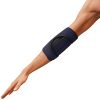
Our elbow splint is meticulously designed to straighten, support, and immobilize your elbow, helping speed up the recovery of injured elbows. With a total length of 23cm, it’s crafted to be a one-size-fits-most solution, catering to both men and women with ease. No more struggling with sizes that don’t quite fit—our adjustable design ensures that just about anybody can benefit from its supportive embrace.
Customized Fit for Optimal Healing
The secure Velcro straps are a standout feature, holding the elbow splint firmly in place while allowing you to quickly and easily adjust to the right compression fit. This adjustability is crucial because it ensures that you get the precise level of support and compression your elbow needs. For instance, after a long day at work, you might need a bit more compression to alleviate swelling and discomfort. The Velcro straps make this adjustment effortless, providing the snug fit necessary to keep the splint in place and deliver consistent therapeutic benefits.
Versatile Relief for Various Conditions
Our elbow splint is recommended for helping treat a range of injuries and conditions such as Cubital Tunnel Syndrome, Ulnar Nerve Entrapment, Elbow Hyperextension, Osteoarthritis, Tennis Elbow, as well as elbow strains, sprains, and fractures. It’s an ideal companion during the PRICE (Protection, Rest, Ice, Compression, Elevation) injury recovery protocol. By incorporating our elbow splint into this regimen, you can significantly speed up and promote healing.
Enhanced Recovery Through Targeted Compression
The splint provides soothing compression that boosts blood flow to your forearm and elbow, accelerating the natural healing process while reducing swelling and inflammation. This enhanced blood flow is vital because it delivers necessary nutrients to the injured area, which can alleviate aches and pains. Imagine being able to go about your day without constantly being reminded of your elbow pain. The therapeutic compression makes this possible.
Robust Support with Aluminium Rods
Featuring two aluminium rods, our elbow splint is designed to support and immobilize your elbow in a straight position, thereby protecting your elbow and arm from further damage and injury while it heals. These rods are crucial in maintaining the correct alignment, which is essential for effective healing. By keeping the elbow straight, the splint helps prevent unintended movements that could exacerbate the injury. This level of immobilization is particularly beneficial for conditions like Ulnar Nerve Entrapment, where restricting movement can significantly reduce pain and aid in recovery.
Comfortable and Skin-Friendly Materials
Made from soft, comfortable padded, and skin-friendly materials, this splint is perfect for wearing for extended periods. The padding ensures that even with prolonged use, you won’t experience any discomfort or skin irritation—a common issue with other splints. Whether you’re wearing it overnight or throughout your workday, the material’s breathability and softness will keep you comfortable.
Risk-Free Purchase with Our Guarantee
We include a full 30-day money-back guarantee with our elbow splint. This guarantee shows that we have complete confidence in the product and its effectiveness. We want you to experience the relief and support it offers without any risk. If for any reason you’re not satisfied, you can return it within 30 days for a full refund. This means you have nothing to lose—only your elbow pain.
Make the Choice for Pain-Free Living
Don’t let elbow pain control your life. Our innovative elbow splint offers a comprehensive solution that supports recovery and alleviates discomfort. Experience the difference for yourself and take the first step towards a pain-free existence today. Your elbow will thank you.
Fast & Secure Checkout Through Paypal
Pay with Paypal the secure payment gateway that accepts all credit and debit cards. Paypal is free and secure and no credit or bank information is ever stored or shared with us.
Fast Dispatch
Enjoy your items soon with quick dispatch via Royal Mail First Class. Expect to have your items between 1-3 days for domestic orders. 7-10 Working days for international orders.
Return Policy – 30 Day Money Back Guarantee
We are so confident that you will just love our product that we offer a full 30 day money back guarantee. In the unlikely event, you are unhappy with your purchase you can simply return it within 30 days for a refund. Please contact us via the form on the contact us page to start your return.
To return an item please send it to: Nuova Health UK, 81 Highfield Lane, Waverley, Rotherham, S60 8AL. Please include a note with your order id so we know who to refund.
Please retain your postage receipt as proof of postage. All that we ask is that the item is in the original packaging and unused.



Reviews
There are no reviews yet.