
No products in the cart.

Roll over image to zoom in
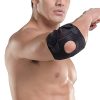
Elbow Brace
£9.99inc VAT
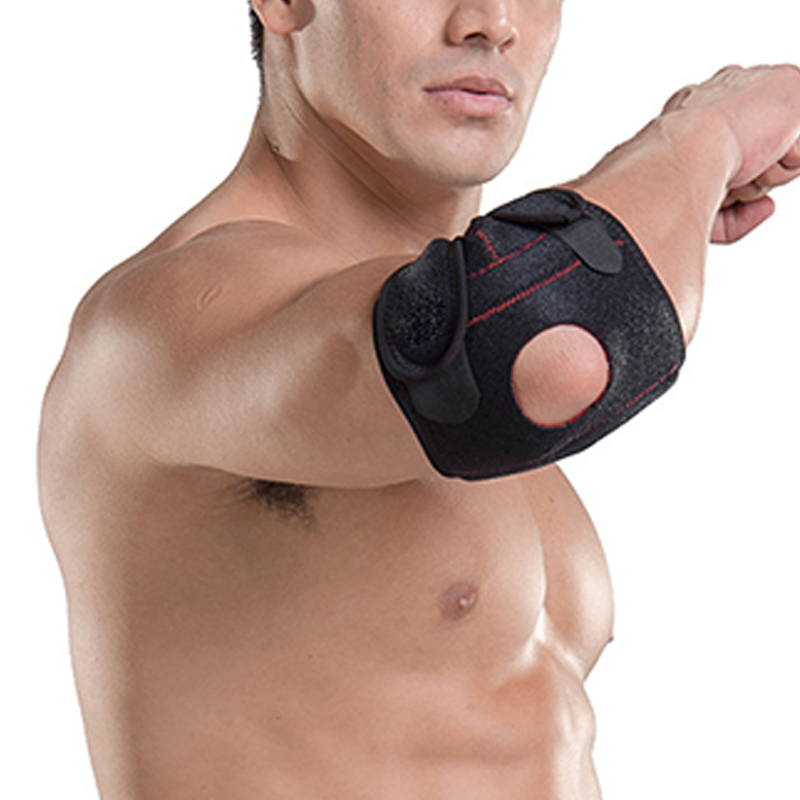
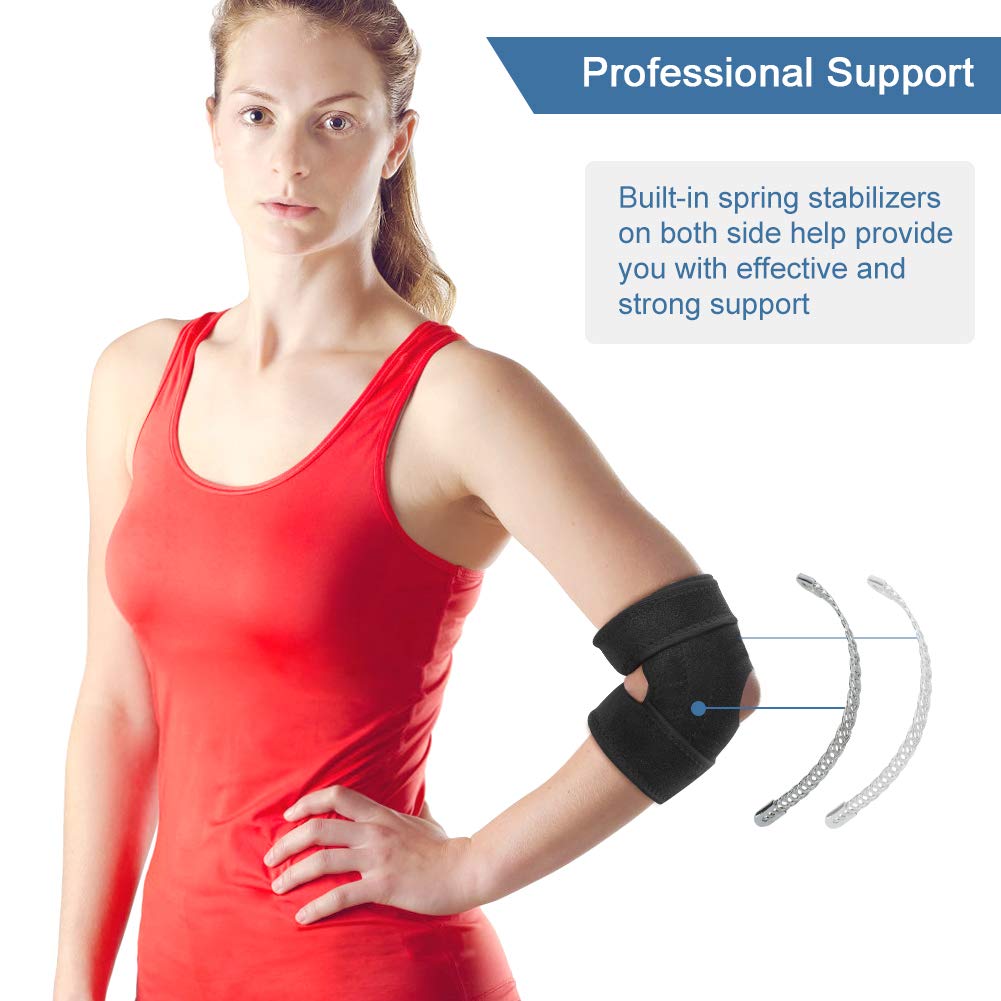
- 1 x adjustable elbow brace for easing pain, stiffness and a sense that the elbow feels weak or vulnerable.
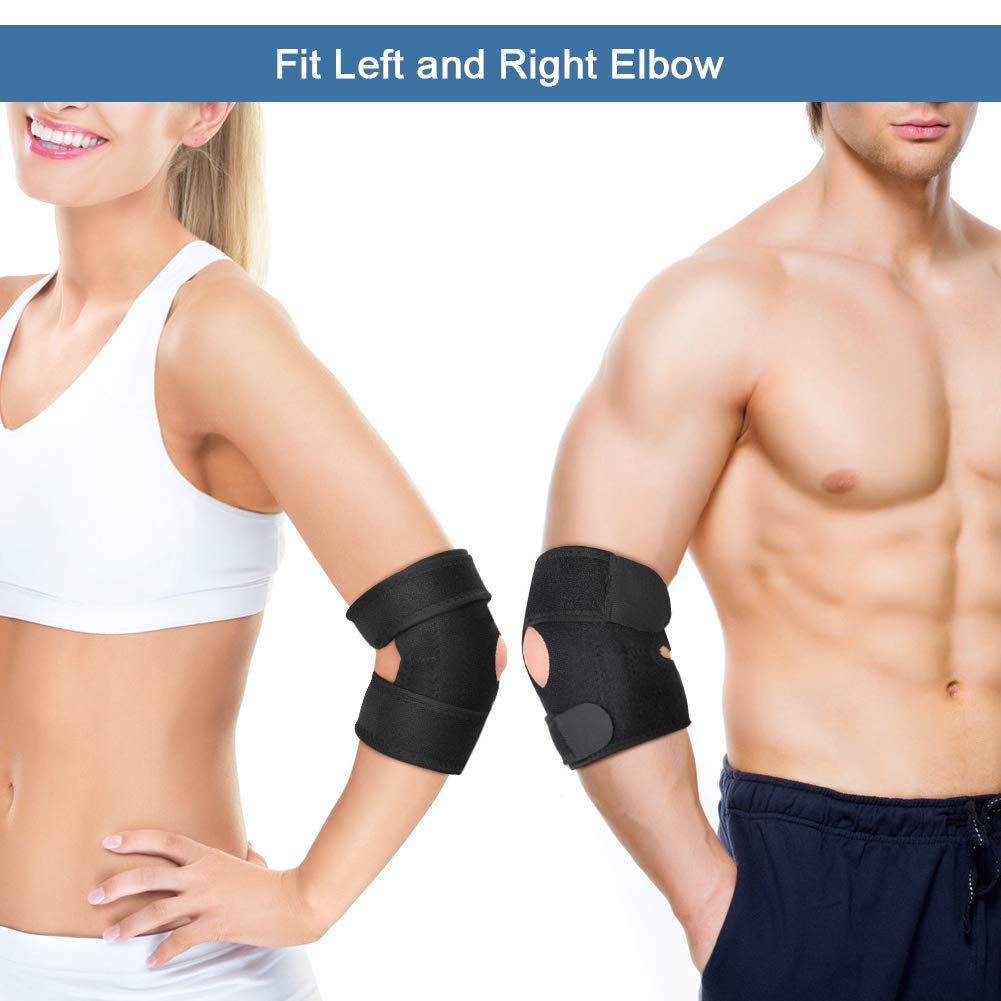
- Suitable for both men and women and can be worn on either the left or right elbow.
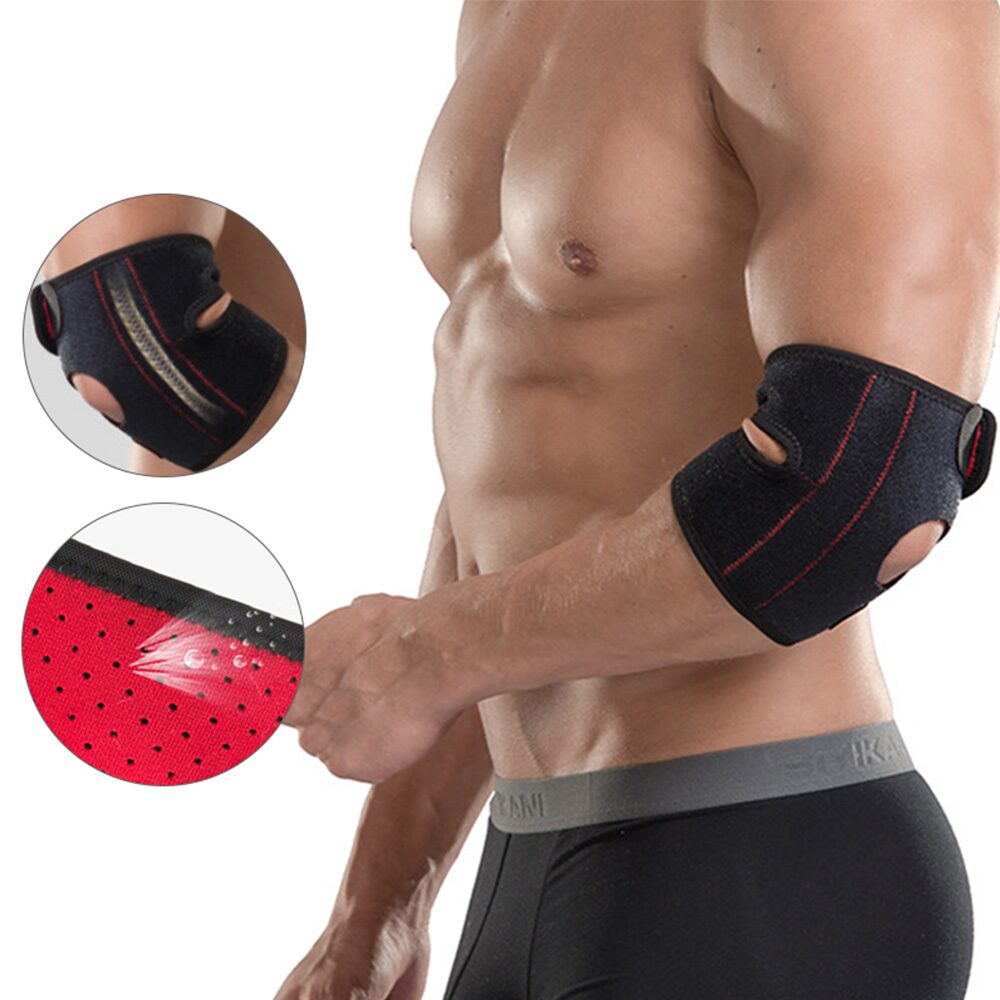
- Perforated neoprene‑blend sleeve provides gentle warmth and even compression to help reduce stiffness and swelling that builds with use.
- Targeted, slightly firmer compression zones above and below the elbow help spread pulling forces away from sore tendon and ligament attachment points.
- Flexible side stays along the inner and outer elbow guide the joint away from painful over‑straightening and sideways wobble while still allowing useful movement.
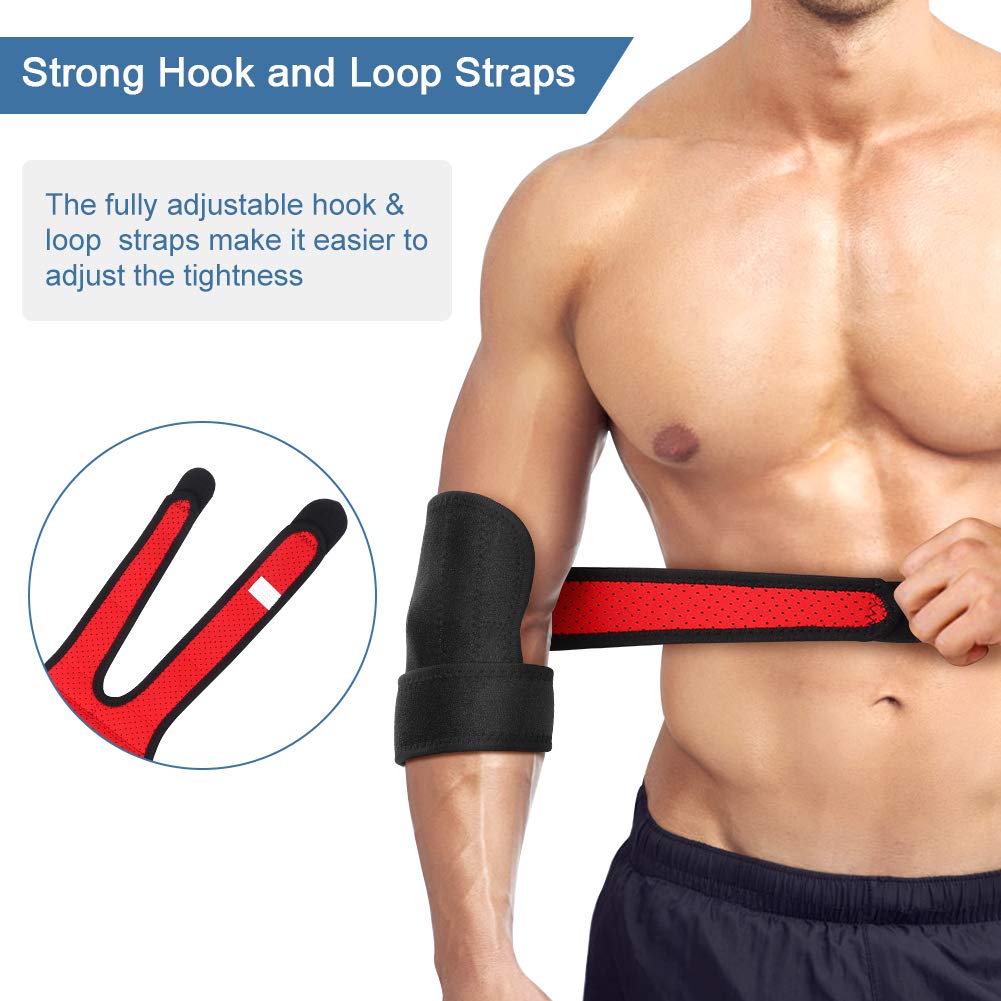
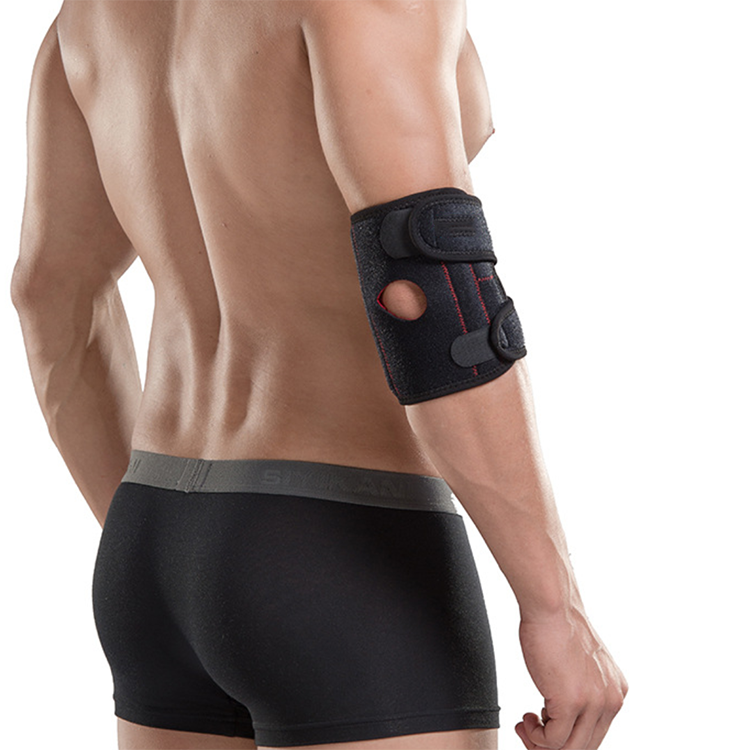
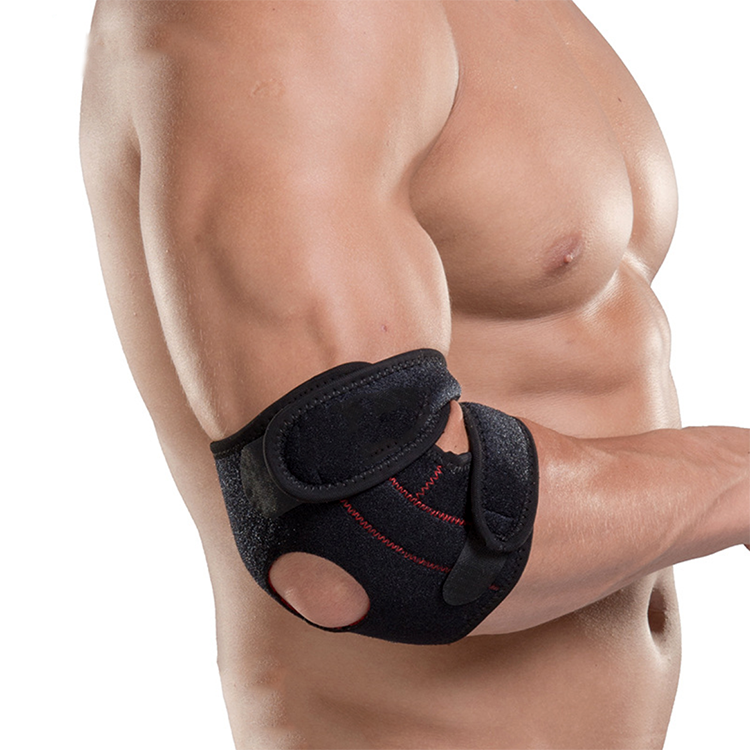
- Two adjustable hook‑and‑loop (Velcro‑style) straps let you fine‑tune support for heavier tasks such as lifting, carrying or pressing with the arms, or ease it for lighter activities while keeping the brace in place.
- Internal anti‑slip bands and carefully placed, rounded cuffs help prevent rubbing and sliding so the support stays aligned over the joint during everyday use and exercise.
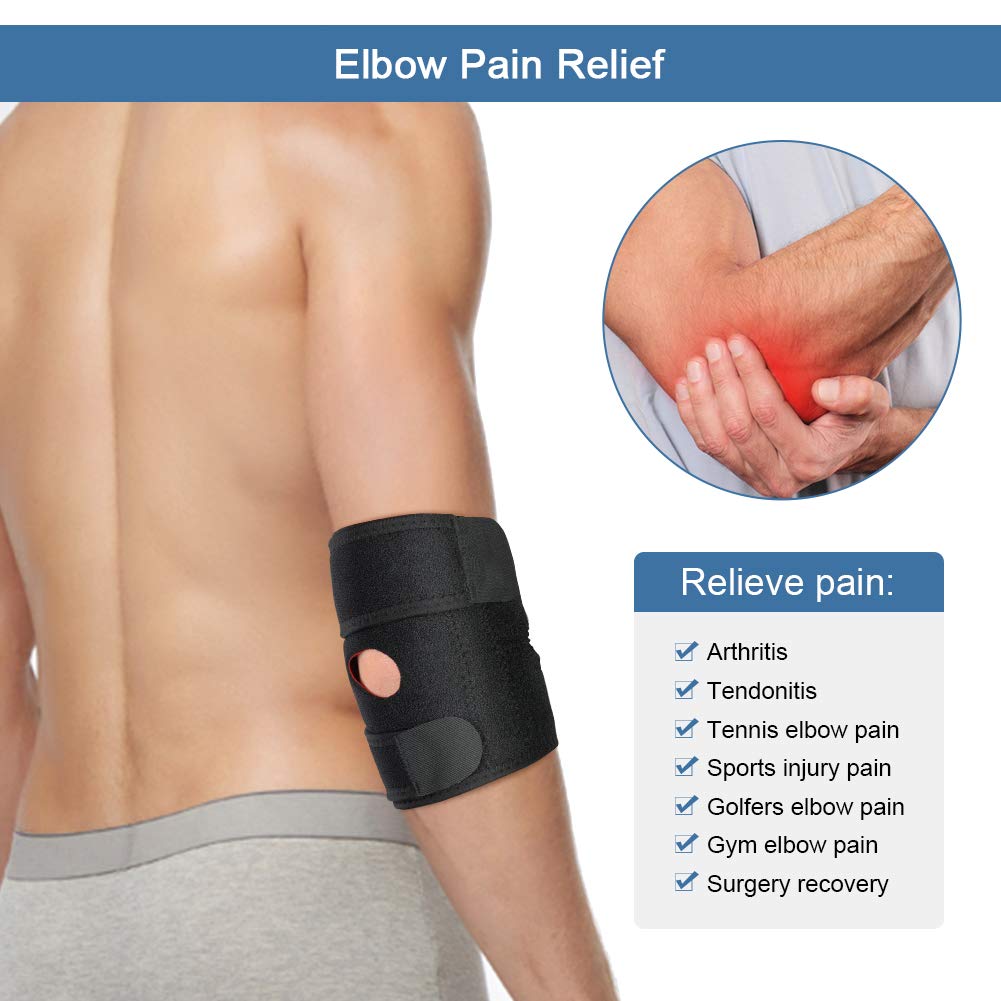
- Often used when people have problems such as tennis or golfer’s elbow, mild hyperextension and instability, longer‑term arthritic‑type stiffness and a sense of vulnerability after previous injuries (once checked by a clinician).
- Designed to work alongside sensible activity changes and strengthening exercises, helping key movements feel more manageable rather than immobilising the elbow completely.
Elbow pain that catches when you lift, grip or push up from a chair can be wearing. Simple movements like turning a tap, carrying a bag, steadying yourself on a rail, or straightening the arm after it has been bent for a while can start to feel sharp, achy or worryingly weak. For some, the pain builds the longer the arm is used; for others, there are sudden jars or electric shock‑like pains with certain movements.
When this keeps happening, it makes sense to ask not just “how do I quiet this down?”, but “what exactly is being stressed in the elbow, why does it hurt in those moments, and what can be changed about that stress?”
This elbow brace changes how forces move through the tendons, ligaments, joint capsule and surrounding soft tissues, so common causes of elbow pain and a feeling of instability may feel more manageable during everyday tasks, work and exercise.
What is happening inside a sore elbow?
The elbow is more than a simple hinge. The end of the upper arm bone (humerus) and the tops of the two forearm bones (radius and ulna) form a set of joints that allow bending and straightening, as well as rotation of the forearm (turning the palm up and down). These bones are surrounded by a capsule, ligaments, muscles, tendons, cartilage, nerves and a small cushioning sac (bursa) that together guide and limit movement.
In a healthy elbow:
- Tendons are the strong cords that join muscles to bone. Around the elbow, tendon groups sit just below and above the bony bumps on either side and link forearm muscles to the upper arm bone so you can grip, lift and turn the forearm.
- The joint capsule is a tough sleeve of tissue that surrounds the elbow joint and holds fluid inside. Along the inner and outer sides of the elbow, thicker bands within this capsule (the collateral ligaments) act like firm straps to stop the joint bending too far sideways or over‑straightening.
- Cartilage covers the ends of the upper arm bone and the tops of the forearm bones, allowing the joint surfaces to slide smoothly when you bend and straighten the arm.
- Nerves pass close to the joint in shallow grooves and tunnels, especially along the inner side of the elbow, carrying signals to and from the hand and forearm.
- Fascia (the tough sheets of connective tissue around the elbow and forearm) links muscles and tendons together and helps spread tension between them.
- The bursa at the tip of the elbow (the olecranon bursa) is a small fluid‑filled sac that cushions the skin over the bone when you lean on the elbow.
When everything is working well, these structures share load smoothly. You can grip, lift, push and lean through the arms without sharp twinges, tingling or catches.
When pain starts to build, several of these structures are usually involved.
The common flexor and extensor tendons around the inner and outer elbow help with gripping, lifting and twisting. They can become sore when they are asked to cope with more pulling force and repetition than they can adapt to between uses.
The joint capsule and collateral ligaments help stop the elbow from bending sideways or over‑straightening. If they are repeatedly stretched right at the end of movement, they can become irritated and achy, and the joint can feel vulnerable.
The smooth joint surfaces and their lining (cartilage and synovium) can become thinner or inflamed in longer‑term joint disease such as osteoarthritis. This often leads to stiffness and a deep ache, especially at the ends of movement or after heavier use.
Nerves that pass close to the joint, especially the nerve along the inner side of the elbow (ulnar nerve), run through tight grooves and tunnels. Prolonged bending or pressure can irritate these nerves and reduce their blood supply, causing tingling or numbness into the hand rather than just local soreness.
Different parts of the elbow react to different kinds of strain. Quick, sharp pulls at the very end of straightening tend to irritate ligaments and capsule. Repeated gripping and twisting strain tendon attachments. Long periods in one position, especially deeply bent, stretch and squeeze nerves and capsule. Direct pressure on the tip of the elbow can inflame the bursa. It is common for more than one of these structures to be irritated at the same time, which is why you might feel a sharp spot in one place and a deep ache more generally. Once you know which of these fits what you feel, the way your elbow reacts usually makes more sense.
When elbow pain usually flares up and why
Repeated gripping and tendon strain
Repeated gripping, twisting and wrist movement pull on the tendon attachments at the outer or inner elbow. In a healthy tendon, this load is spread over time and the tissue adapts by becoming stronger. If the load is increased too quickly, or there are many hours of similar tasks without enough recovery, the small area where the tendon meets the bone is asked to cope with more pull, more often, than it can repair from. It becomes irritated and sensitive.
This is often due to overloading of the forearm tendons where they join the upper arm bone. On the outer side, this is commonly called tennis elbow (lateral epicondylitis) and involves the wrist and finger extensor tendons. On the inner side, similar problems around the wrist and finger flexor tendons are often referred to as golfer’s elbow (medial epicondylitis).
It is common in people who do a lot of manual or tool‑based work, racket or throwing sports, or long spells of fine hand tasks without breaks, because these demand repeated gripping and wrist movement with the elbow partly straight.
That is why tasks like lifting a kettle, turning a stiff handle, carrying bags or using tools can trigger a sharp, localised pain that builds with repetition rather than from one dramatic injury. The tendon insertion has not had enough recovery between bouts, so it stays sensitive and reacts to further pulling. That sharp spot on the bony side of the elbow that keeps flaring up when you grip is usually this tendon‑bone junction being irritated again.
A tendon that has been irritated for a while is more likely to react to a sudden spike in load than to steady, planned exercise. That is a key reason why a support that takes some of the spike out of each grip or lift can make day‑to‑day tasks more manageable while you work on longer‑term strengthening.
Snapping the elbow straight and “locking back”
Snapping the elbow fully straight, or “locking it back”, places a sudden stretch on the capsule and ligaments at the back and sides of the joint, and increases pressure on the joint surfaces there. This can feel like a brief, sharp jar or a sense that the elbow might give way, particularly when pushing up from a chair, bearing weight through the arms, or lifting something heavy with the elbows fully straight.
If this way of moving is repeated often, especially in an elbow with naturally looser soft tissues or a past ligament injury, the supporting structures can become irritated over and over again. Over time they may thicken and stay sensitive, and the joint can feel uncomfortable or unstable at the very end of straightening. That is often the explanation if you always brace yourself before pushing up through your arms because you expect a jar at the end.
Some people have elbows that naturally straighten a little past the straight line (hyperextension). On its own, that does not always cause problems, but if you repeatedly load into that extra movement under force, the capsule and ligaments at the back of the elbow can become irritated. An elbow that repeatedly snaps into full straightening under load is putting more strain on these structures than they can comfortably cope with. A brace that adds resistance near that point can reduce how often those tissues are pushed to their limits.
Prolonged or awkward positions (nerve and bursa irritation)
Holding the elbow in one position for a long time, such as mid‑bent at a desk, or leaning on the point of the elbow, creates a different type of strain.
Leaning directly on the tip of the elbow repeatedly presses on the small fluid‑filled sac there (bursa), which can lead to swelling and tenderness (bursitis).
Keeping the elbow deeply bent, especially for long periods such as at night or while using a phone, stretches and narrows the tunnel for the ulnar nerve behind the inner bony bump. The nerve is under more tension and more compressed, and its blood supply can be reduced. This often causes tingling or numbness in the ring and little fingers. That is why the tingling often gradually develops when the elbow stays bent for a long time and may ease when you straighten it. At night, the elbow can stay in a deeply bent position for hours without you realising, which is why these symptoms may be most obvious when you wake.
In these situations, discomfort or tingling often builds as time passes, instead of appearing immediately. Many people find that once the symptoms start, they continue until position is changed.
Longer‑term changes, stiffness and past injuries
Past fractures, dislocations or years of heavy use can change how the elbow’s tissues behave. Cartilage can become thinner or rougher. The joint lining may become inflamed. Ligaments and capsule may become looser in some directions or, in other areas, thicker and stiffer. These changes do not reverse quickly, which is why symptoms can come and go over months or years rather than clearing in days.
As a result, the elbow may feel:
- Stiff when trying to fully bend or straighten, especially after rest.
- Achy after heavier use or long periods in one position.
- Less stable, particularly if the ligaments are a little lax.
For many people, pain is not constant. It flares with particular loads or positions: a sharp catch when gripping a handle or twisting, a jar when straightening fully after the elbow has been bent, tingling that develops when the elbow is bent for a long time, or a deep ache that grows after repeated lifting or longer periods of use. With these longer‑term changes, it is common to have “better days” and “worse days”, depending on how much you have used the arm and how long it has been still.
The common thread is a sudden spike in stress on a tissue that has become less tolerant. Any support needs to act on those same stresses, not just cover up the pain.
How this elbow brace fits into treating your pain
For most elbow problems, the main parts of treating them include:
- Adjusting how much demand is placed on the tissues, and how quickly that demand is increased.
- Targeted exercises to strengthen and improve control around the joint.
- Occasionally, other treatments recommended by a clinician.
Here, “load” simply means how hard, how often and how long the tissues are asked to work. In the elbow, sensible load management usually means reducing or spacing out bursts of heavy gripping, twisting or lifting, varying tasks so the same tendons are not strained in exactly the same way all day, and gradually building up strengthening exercises so muscles and tendons adapt over time instead of being shocked by sudden large increases.
Exercises increase how much work the tissues around the elbow can comfortably handle. For tendon‑related pain, this might mean starting with static holds of light weights in certain positions and gradually progressing to more dynamic gripping or lifting under guidance, always in small, planned steps rather than large jumps. For arthritis‑type stiffness, it might involve regular, gentle bending and straightening and strengthening the muscles that support the joint.
A brace does not replace that work, but a brace built like this can work alongside it. It is most helpful when it is used to:
- Reduce sudden strain on irritated tendons and ligaments during higher‑load tasks, by adding compression around key attachment areas so each grip or lift places slightly less pull on one small sore point.
- Help you avoid positions that repeatedly aggravate pain, such as the last few degrees of straightening or deep, tightly bent positions that put extra strain on the capsule and ligaments.
- Give clearer feedback through the skin and soft tissues about where the elbow is in its movement. That feedback helps muscles around the elbow switch on a fraction earlier, so the joint is less likely to drop into angles that usually hurt.
Tendons around the elbow adapt best when their workload increases slowly over time, not in sudden jumps. A support that softens the impact of each grip or push can make it easier to keep doing the exercises that gradually rebuild strength and tolerance.
In practice, some people find it helpful to do part of their lighter, controlled strengthening work without the brace, and then use the brace during heavier or more repetitive tasks that would otherwise flare their symptoms. A clinician can help you work out this balance so that you are not over‑relying on the brace but are using it where it is most useful.
There are clear limits. A soft brace is not a replacement for urgent medical care. It cannot realign bones in a fracture, nor can it stabilise a freshly dislocated elbow or a major ligament tear. In those situations, a brace may dull the sensation slightly without controlling serious movement, which risks delaying essential treatment. If there is a suspected fresh fracture or dislocation, a sudden obvious deformity, or marked loss of movement after an injury, the priority is prompt assessment by a clinician, not trying to manage it yourself with a soft brace.
This elbow brace is designed for adults. It is not intended for use in children.
A brace tends to be most useful when pain has already been checked by a clinician, or when the problem is familiar (for example, a recurring tendon‑related pain, mild instability or arthritis‑type ache) and serious causes have been ruled out. If a previously familiar problem suddenly worsens, changes in character, or stops responding to the usual measures, it is sensible to seek a review rather than simply wearing the brace more often.
Used in the right situation, a brace with side stays and targeted compression can help reduce painful strain during everyday tasks. By reducing the spikes in load, it can make it easier to keep up with the exercises and gradual changes in activity that support longer‑term improvement.
How this elbow brace changes the way your elbow is loaded
This elbow brace is built to help with several common elbow problems:
- Tendon‑related pain around the inner or outer elbow that flares with gripping, lifting or twisting.
- A tendency to over‑straighten or “lock back” the elbow, with a mild sense of instability.
- Stiffness and ache from longer‑term joint irritation, including arthritis‑type changes.
- A feeling of weakness and vulnerability after a previous injury, once a clinician has confirmed healing.
To address these, the brace combines:
- A perforated neoprene‑blend sleeve.
- Targeted compression zones above and below the elbow.
- Flexible aluminium spring stays along both the inner and outer sides of the joint.
- Two adjustable hook‑and‑loop (Velcro‑style) straps, one above and one below the elbow.
- Soft, rounded cuff edges and seams deliberately moved away from the inner crease and bony tip.
- Internal silicone strips at the upper and lower edges to help prevent slipping.
These features work together so that, when you bend, straighten, grip, lift or bear weight through the arms, the brace reduces sudden pulls on irritated tendons, guides the elbow away from extreme straightening and sideways wobble, and keeps gentle, even pressure and warmth around the joint without cutting in or sliding out of place.
Clinician feedback has shaped how the compression zones and side stays are arranged in this design. Tendons and ligaments around the elbow are most vulnerable just above and below the joint line, and many people describe a sideways “wobble” as particularly unsettling. That is why the firmer zones and stays sit in those specific areas, so the brace can guide movement where it matters most.
Compression zones and straps – easing tendon and ligament strain
Around the joint line, the sleeve is slightly firmer over the back and sides of the elbow, where the capsule and supporting ligaments sit close to the surface. It also applies more focused compression:
- Just below the elbow on the forearm, where the wrist and finger extensor and flexor tendons attach to the bone.
- Just above the elbow on the upper arm, to help anchor the sleeve and share load around the upper attachment areas.
In a healthy tendon, muscle force is passed through the tendon into a relatively small patch of bone. When that junction is irritated, each strong grip or twist can feel like pulling on a sore bruise. Firm, even pressure around these attachment zones spreads part of that pulling force into a slightly wider area of soft tissue and the surrounding connective layers (fascia), the tough sheets of tissue around the elbow and forearm that link muscles and tendons together. This means less of the load is concentrated on one tiny sore spot on the bone. The sleeve also holds the tissue a little closer to the bone, so the tendon does not tug as freely on that exact point with every grip.
Around the joint line itself, the gentle pressure from the sleeve gives extra support to the soft tissues. This slightly reduces abrupt side‑to‑side movement between the upper arm and forearm, so the collateral ligaments are not doing all the work. At the same time, the increased pressure on the skin and underlying tissues gives clearer feedback to the brain about where the elbow is in its movement. As you approach the end of bending or straightening, you may feel the brace resisting a little more. That subtle resistance often encourages you to avoid the very extremes described earlier where jarring pain tends to appear.
When you use the brace during gripping and lifting tasks, with the compression zones sitting just above and below the elbow like this, targeted compression and adjustability together can make gripping a handle, carrying moderate loads, using tools or holding equipment feel less sharply focused on one sore point. Instead of a spike of pain with each grip, the strain is softened and shared.
It is important not to pull the brace excessively tight. If compression is too strong, it can increase local pressure, feel restrictive, or reduce blood flow to the hand, leading to numbness, colour change or coldness. If blood flow is restricted, tissues and nerves in the hand cannot get the oxygen and nutrients they need, which is why numbness, coldness or colour changes are warning signs that the brace is too tight. A sensible approach is to tighten until the brace feels snug but comfortable, so you can still slide a couple of fingers under the straps, then test a few bends and grips. If discomfort increases, or the hand feels numb, tingly or discoloured, the brace should be loosened and refitted.
Side stays – guiding the elbow away from painful extremes
Built into the sleeve on both the inner and outer sides are flexible aluminium spring stays. These are not rigid splints. They bend as you move and allow the elbow to go through a useful range, but they offer increasing resistance as the joint approaches the very end of straightening, and they help limit sideways wobble.
The stays provide growing resistance as the joint nears the last few degrees of straightening. This slows the final part of the movement and reduces the impact on the capsule, ligaments and joint surfaces at the back of the elbow. They also limit small sideways shifts between the upper arm and forearm, along the line of the collateral ligaments, which are the structures that often feel strained when the elbow wobbles sideways.
The stays are placed along the inner and outer sides of the elbow, where sideways wobble is most likely, rather than down the front or back where they would add bulk without much control. Bending and straightening through the comfortable middle part of your movement (not fully straight and not tightly bent) remain relatively free, so you can still reach, lift and use the arm in day‑to‑day tasks. The stays come into play most at the extremes of movement, where tissues often cope less well with repeated loading.
This design is particularly useful if you:
- Tend to snap the elbow straight when pushing up from a chair or bearing weight through the arms.
- Naturally sit or stand with the elbows slightly “bent backwards” (hyperextended).
- Have some laxity after a past ligament sprain or dislocation, and feel wary of certain pushing or bracing movements.
In these situations, as you press up from a chair, push open a heavy door, steady yourself on a handrail, or perform pressing or pulling exercises, the stays make it harder to drop suddenly into full hyperextension. That reduces repeated stretching of already irritated ligaments and capsule. They also offer light side‑to‑side control, which many people experience as the elbow feeling less likely to give way or jar when loaded.
Because the stays press a little more firmly when you approach the extremes of movement, they also act as a positional cue. This extra feedback (proprioception) helps the muscles around the elbow react earlier and adjust before the joint reaches a range that often triggers discomfort. Without that cue, muscles may not tighten until the elbow is already in a position that tends to hurt. In practical terms, you may find you straighten the arm more smoothly and are less likely to snap into the last few degrees of movement.
These stays are not a substitute for a rigid splint in cases where a clinician has said the elbow must be held still. They are designed for people who still need to move the elbow, but want more control and less jolting near the ends of movement.
Warmth, comfort and staying in place
The main body of the brace is made from a perforated neoprene blend. In day‑to‑day terms, this is the sleeve. The cuffs have softened, rounded edges, and the seams are deliberately moved away from the inner elbow crease and the tip of the elbow, because those are the two places people most often complain about rubbing in more basic supports.
This combination is chosen to do several things at once.
First, it provides gentle warmth around the joint and surrounding muscles. Warmth can increase local blood flow and help muscles and soft tissues feel more supple, which often makes the elbow feel less stiff when you first start to move after rest. Gentle warmth can also help tendons and their surrounding tissues feel less stiff at the start of movement, which many people with tendon‑related pain notice when they begin to use the arm after a long still period.
Second, it delivers consistent, even compression around the joint and nearby soft tissues. Rather than a narrow band cutting in at one spot, the sleeve spreads pressure more smoothly. That can reduce the sense of digging in and may help limit mild, activity‑related swelling, as gentle pressure makes it a little harder for fluid to pool.
Third, the rounded cuffs and careful seam placement aim to reduce rubbing at the upper‑arm and forearm edges. When the elbow is repeatedly bent and straightened, these edges are less likely to cut into the skin or leave deep pressure lines, which makes it easier to wear the brace during the times of day when you most need support.
Finally, silicone strips at the top and bottom edges increase friction between the brace and the skin. This helps the sleeve stay in place as you move, so the compression zones and side stays remain aligned with the joint and tendon insertions rather than sliding down the arm.
Keeping the brace correctly positioned matters. If it rides up or down or rotates so that the stays twist towards the front or back of the elbow, the firmer zones and stays will no longer sit over the structures they are meant to support, and the effect is reduced. By combining even compression with features that help prevent slipping and rubbing, the design aims to be comfortable enough to wear during heavier tasks such as lifting, carrying or pressing with the arms, or during longer periods of activity when the elbow is under more demand. It is still worth checking the skin, especially over the tip of the elbow and under the silicone bands, after the first few periods of wear. Any persistent redness, soreness or irritation should prompt loosening, a break from use, or advice from a clinician, particularly if you have reduced sensation.
What you may notice when you start using this brace
When used appropriately, many people and clinicians report that this brace makes particular movements feel more manageable rather than removing pain completely.
You may notice that gripping, lifting or pushing tasks feel less sharp around the tendon attachment areas, especially in the positions that usually give you quick spikes of pain. You may also feel less as though the elbow is about to give way or jar at the end of straightening, particularly when bearing weight through the arms. Some people find the joint feels less stiff when starting movement after a period of rest, helped by the combination of warmth, even compression and gentle guidance away from extreme positions.
If the brace is going to help, most people notice a difference within minutes to days of using it during the movements that usually set their symptoms off, rather than needing to wait weeks. The change is often from “sharp, stopping pain” to “more of a manageable ache” during certain movements, rather than complete absence of pain.
It can feel slightly unfamiliar at first to have extra pressure and guidance around the joint. This usually settles over a few short wear periods as long as the brace is not too tight and the skin is coping well.
The brace does not cure underlying conditions or directly treat pain. Its main role is to change how the tissues are loaded when you move, so painful stresses are reduced to a level that feels easier to cope with. That change in load often makes it easier to get back to everyday tasks without bracing yourself for a sharp jab each time, and to keep up with exercises that build strength and control for the longer term.
If pain, stiffness or weakness continue to worsen despite these measures, or if new symptoms appear, it is important to seek further assessment rather than simply continuing to wear the brace.
Fitting and wearing your elbow brace
Choosing side and size
The brace is symmetrical, so it can be worn on either the left or right elbow. This is practical if symptoms have affected one side in the past and later appear on the other.
The sleeve stretch and the two straps are designed to fit a range of adult upper‑arm and forearm sizes, within the sizing guidance provided for this brace. Choosing the size that best matches your measurements helps the compression zones and stays sit where they need to sit to work properly.
After you have put the brace on, the side stays should lie along the inner and outer sides of the elbow, following the natural line of the arm rather than twisting forwards or backwards. This positioning helps the brace guide movement as intended.
For best effect, the brace is usually worn directly on the skin so the compression and anti‑slip bands can do their job. If you prefer to wear it over a thin sleeve, make sure there are no folds that could rub and that the brace does not slide.
How to put the brace on
To put the brace on, slide the sleeve over the hand and forearm so the central part of the brace sits over the elbow joint, with the perforated neoprene covering the front and back of the elbow. Make sure the flexible side stays sit along the inner and outer sides of the joint, following the line of the arm rather than twisting forwards or backwards.
Fasten the lower strap around the forearm so the brace feels snug but not restrictive below the elbow. Then wrap the upper strap around the upper arm to secure the top of the brace.
Once it is on, bend and straighten the elbow several times to check that the brace moves with you without pinching or slipping. Look at your fingers and hand after a few minutes to make sure colour and sensation are normal. Check the skin, particularly under the straps and silicone bands, for any areas of rubbing or pressure.
If you notice the brace has rotated slightly during the day, for example if the stays have twisted towards the front or back, take a moment to straighten it so the stays sit back on the sides of the elbow. This keeps the support working as intended.
Adjusting tightness and wear time
Here, “heavier tasks” means things like lifting and carrying, pressing or pulling with the arms, or bearing more of your weight through the arms. “Lighter activities” include tasks such as desk‑based work, using a keyboard and mouse, or simple daily movements without heavy lifting.
For heavier tasks or exercise that put more load through the elbow, many people choose to tighten the straps slightly more so the brace feels firm and the stays give clearer guidance against over‑straightening and side‑to‑side movement. For longer, lighter activities, it is often more comfortable to loosen the straps a little while still keeping the brace in place, so there is support and compression without excessive pressure.
It is usually better not to wear the brace from morning to night when you first start using it. A simple starting point for many people is to use it for up to a couple of hours during the times when the arms are used most for gripping, lifting or weight‑bearing. This gives the skin, soft tissues and nerves time to get used to the new pressure. If your skin and underlying tissues tolerate this well, you can gradually build up the duration, rather than jumping straight to very long hours of wear.
It is also helpful to keep some movement through the joint within a supported, comfortable range, rather than aiming for complete stillness. Long‑term immobilisation can stiffen the joint and weaken surrounding muscles. Gentle movement helps keep joint fluid circulating and stops muscles losing strength and endurance.
After applying the brace, it is worth checking a few simple points. When you bend and straighten the elbow several times, the brace should move with you without pinching, slipping or cutting in. The hand and fingers should look and feel normal after a few minutes, with no unusual coldness, pallor, blue discolouration, numbness or tingling.
If the brace feels too tight, painful, or causes persistent tingling, numbness or colour change, it should be loosened. If these problems do not settle with refitting or adjusting the tightness, it is best to stop using the brace and seek advice from a clinician. People who find it difficult to reach the elbow or manage straps with both hands may also need help to fit the brace correctly; a poorly positioned support is less effective and can be uncomfortable. Re‑checking fit after longer periods of wear or after heavier activity is sensible, as forearm and upper arm size can change slightly through the day.
If you are considering wearing a brace at night, for example where deeply bent elbow positions seem to aggravate nerve‑related symptoms and you wake with tingling, it is best to discuss this with a clinician first. Night‑time postures can hold the elbow deeply flexed for hours, and any restriction and compression at night can alter pressure around nerves and blood vessels, so decisions about night use are best tailored to the individual.
Safety, red flags and when to seek extra help
An elbow brace can be a useful part of managing pain and stiffness, but there are times when it is not enough on its own and should not be your main response.
Seek urgent or prompt medical advice, rather than relying on a brace, if:
- You have a sudden injury with severe pain, obvious deformity, or you cannot move or straighten the elbow.
- There is new or rapidly increasing swelling, or the skin around the elbow becomes very hot, red or markedly tender.
- You notice changes in the hand or fingers such as clear numbness, tingling that does not ease, unusual weakness when trying to grip, or a cold, pale or discoloured hand.
- The elbow suddenly locks or catches so you cannot move it through its usual range.
- Pain is accompanied by new or unexplained general symptoms such as fever or feeling significantly unwell.
- Significant pain follows a fall, direct blow or forced twist to the elbow, especially if it is sharp and deep in one spot, if you cannot comfortably bear weight through the arm, or if movement feels blocked.
Persistent or worsening tingling, numbness or weakness should not be ignored. Longer‑term pressure on a nerve can lead to more lasting changes in strength and sensation, so these patterns need assessment rather than self‑management with a brace alone. Do not ignore this pattern; it needs checking.
This type of brace does not treat or prevent blood clots. No brace or support should be relied on for that. If you have, or are at higher risk of, circulation problems or clots, speak to a clinician before using any product that applies compression around a limb, especially if you plan to wear it for extended periods. Long periods of complete stillness with any support on can also increase clot risk, which is another reason to keep some movement and not wear a brace 24 hours a day without advice. If you notice new calf pain, unexplained swelling in a limb, or sudden breathlessness, seek urgent medical help; a brace is not a treatment for circulation problems.
The brace should not be applied directly over open wounds or areas of broken or irritated skin. If you have other medical conditions that affect your joints, circulation or nerves, or if you are pregnant, personalised advice from a clinician is sensible before use. This brace is not recommended for use during pregnancy unless a clinician has specifically advised it, because pregnancy can alter circulation and the laxity of soft tissues, so decisions about compression and joint support during pregnancy should be made with a clinician rather than relying on general information.
If pain increases while you are wearing the brace, if new neurological signs develop, or if the hand feels persistently numb or discoloured despite correct fitting, stop using the brace and seek medical advice. If you are unsure whether your symptoms fit the patterns described here, it is safer to be checked.
This information is general guidance for adults in the UK. Clinical advice from a GP, physiotherapist or other appropriate clinician should always guide how you use any support.
Common elbow problems and how this brace may help
Elbow pain often follows a small number of recognisable patterns. If you have been told you have one of the conditions below, or your symptoms sound similar, these overviews explain how they usually behave and how a brace built like this can support wider treatment.
Is this elbow brace likely to help you?
So is this elbow brace worth trying for you?
Many elbow problems are driven by how forces are repeated through a relatively small group of tendons, ligaments, joint surfaces and nearby nerves. Pain that flares with gripping, lifting, straightening or bearing weight through the arms usually reflects tendons being pulled faster than they can adapt, supporting tissues being taken to the very end of their movement, joint surfaces being compressed at their limits, or nerves being stretched and squeezed in tight spaces.
This elbow brace is designed to work with those mechanics. It reduces sudden strain on sore tendons and ligaments, steadies the elbow near the ends of movement, and provides warmth and steady support without locking the joint solid. Targeted compression helps share load away from sensitive tendon and ligament attachment zones. Flexible side stays gently guide the elbow away from extremes of straightening and small sideways wobbles. The perforated neoprene‑blend sleeve, with rounded cuffs, careful seam placement and anti‑slip bands, provides warmth, consistent support and stable positioning that can be adjusted for lighter or heavier activities.
If you recognise that sharp tendon spot around the inner or outer elbow when you grip, the jarring at the end of straightening when you push up through your arms, or the stiff, arthritic elbow that prefers warmth and a feeling of support, this brace focuses on softening those spikes in load. For many people whose pain follows this kind of pattern, that combination of compression, stays and comfortable support can make key movements feel more manageable, particularly during the tasks that usually trigger discomfort.
This brace does not cure underlying conditions or replace a personalised rehabilitation plan, but it can change how the elbow is loaded, making it easier to keep up with the exercises and paced activity that support longer‑term improvement. If you are unsure whether it suits your situation, discussing it with a GP, physiotherapist or other appropriate clinician is a sensible next step. If, once you have had things checked, you find that your usual painful movements feel more manageable with the brace on, that is a useful sign that this style of support suits the way your elbow behaves in day‑to‑day use. If symptoms worsen, change quickly, or do not fit the patterns described, seeking further assessment is the safer route.
Disclaimer
The information on this page is general guidance for adult readers in the UK. It is not a substitute for individual medical advice, diagnosis or treatment. An elbow brace of this type cannot treat or prevent serious conditions such as fractures, dislocations, infections or blood clots, and should not be relied on instead of appropriate medical assessment.
If you have significant pain, sudden or unexplained changes in your symptoms, new weakness, numbness, swelling, colour changes or other worrying features, speak to a GP, physiotherapist or another appropriate clinician. No specific outcomes or cures are guaranteed, and any support is only one part of managing elbow problems.
Fast & Secure Checkout Through Paypal
Pay with Paypal the secure payment gateway that accepts all credit and debit cards. Paypal is free and secure and no credit or bank information is ever stored or shared with us.
Fast Dispatch
Enjoy your items soon with quick dispatch via Royal Mail First Class. Expect to have your items between 1-3 days for domestic orders. 7-10 Working days for international orders.
Return Policy – 30 Day Money Back Guarantee
We are so confident that you will just love our product that we offer a full 30 day money back guarantee. In the unlikely event, you are unhappy with your purchase you can simply return it within 30 days for a refund. Please contact us via the form on the contact us page to start your return.
To return an item please send it to: Nuova Health UK, 81 Highfield Lane, Waverley, Rotherham, S60 8AL. Please include a note with your order id so we know who to refund. Please retain your postage receipt as proof of postage. All that we ask is that the item is in the original packaging and unused.
Reviews
There are no reviews yet.