

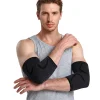
Tennis elbow support Sleeves
£9.99inc VAT
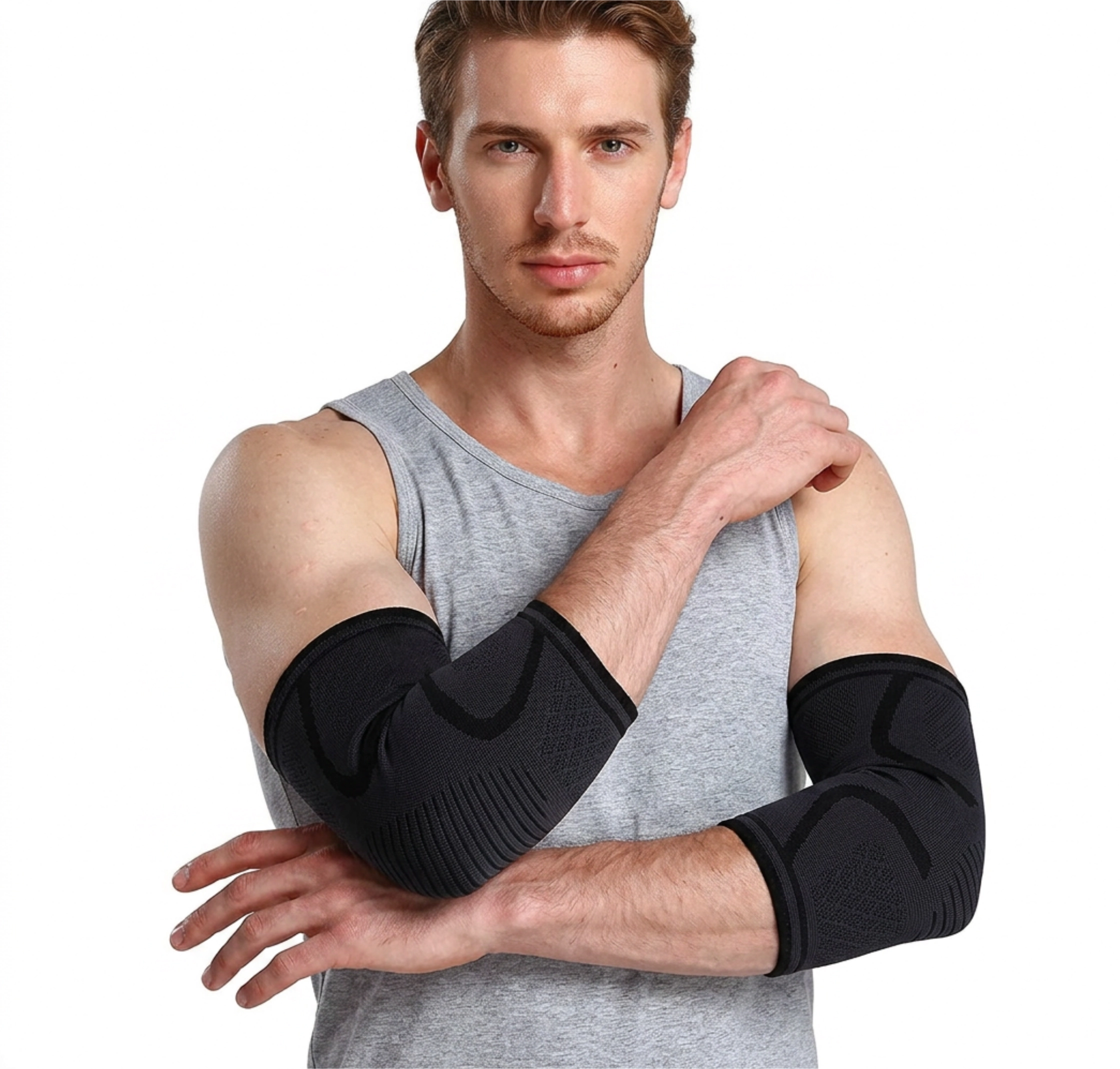
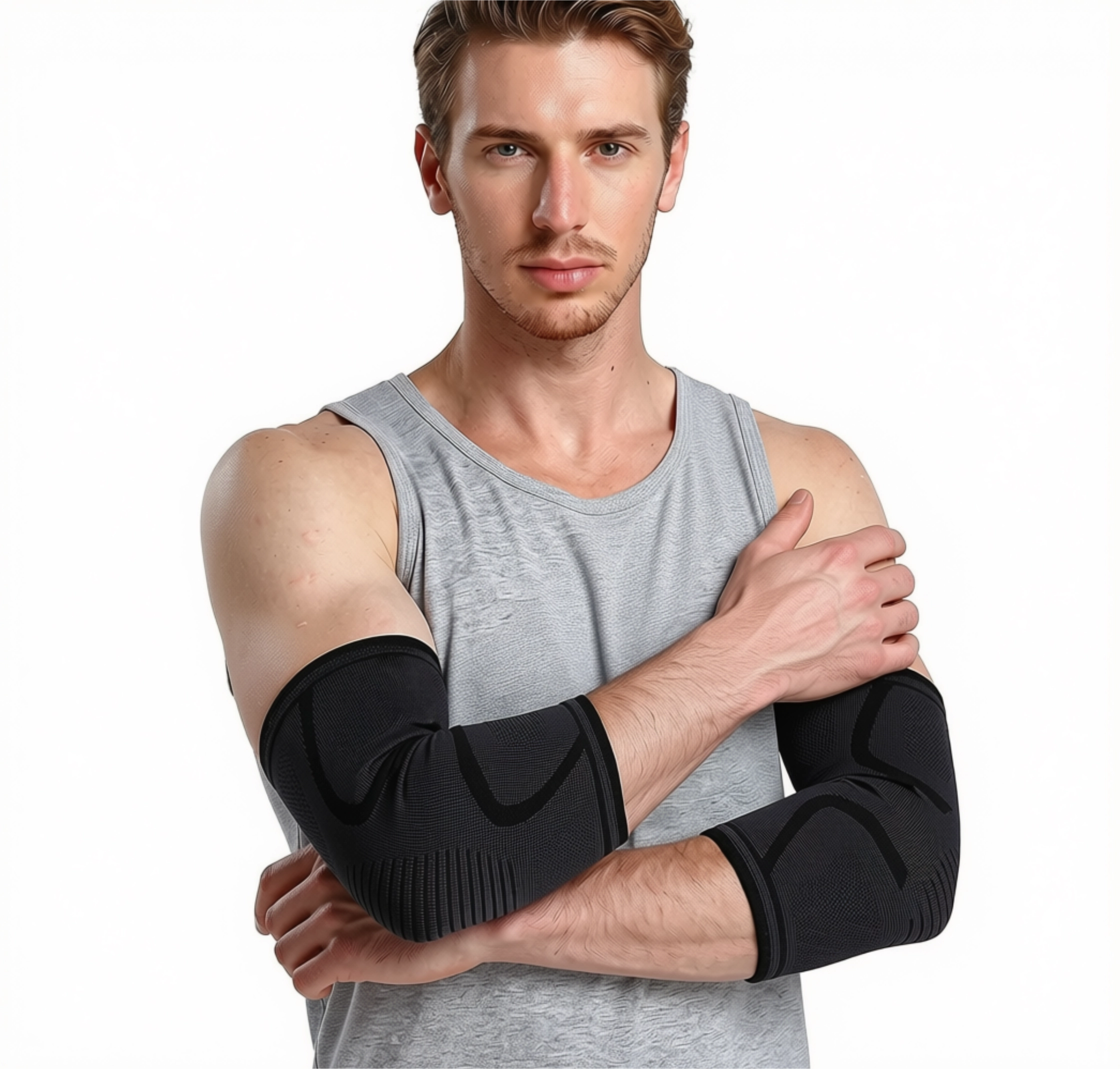
- Sold as 1 pair of elbow support sleeves for targeted compression during sport, work, exercise, and everyday activity
- Suitable for both men and women
- Available in sizes Small, Medium, and Large
- Measure around the widest part of your elbow joint for the best fit
- Size guide: Small 23–26cm, Medium 27–30cm, Large 31–35cm
- Helps support elbows affected by tennis elbow, sprains, strains, tendon irritation, bursitis, arthritis-related discomfort, and general overuse
- Designed to help reduce strain on the elbow and upper forearm during gripping, lifting, carrying, typing, training, and other repetitive tasks
- Provides gentle, even compression to help the joint feel more supported and comfortable during use
- Useful for both managing existing elbow discomfort and helping protect against repeated wear and tear
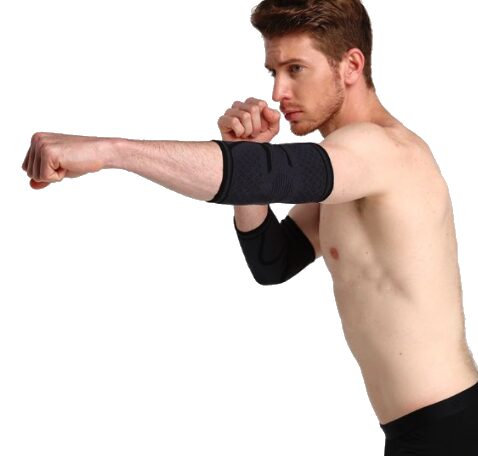
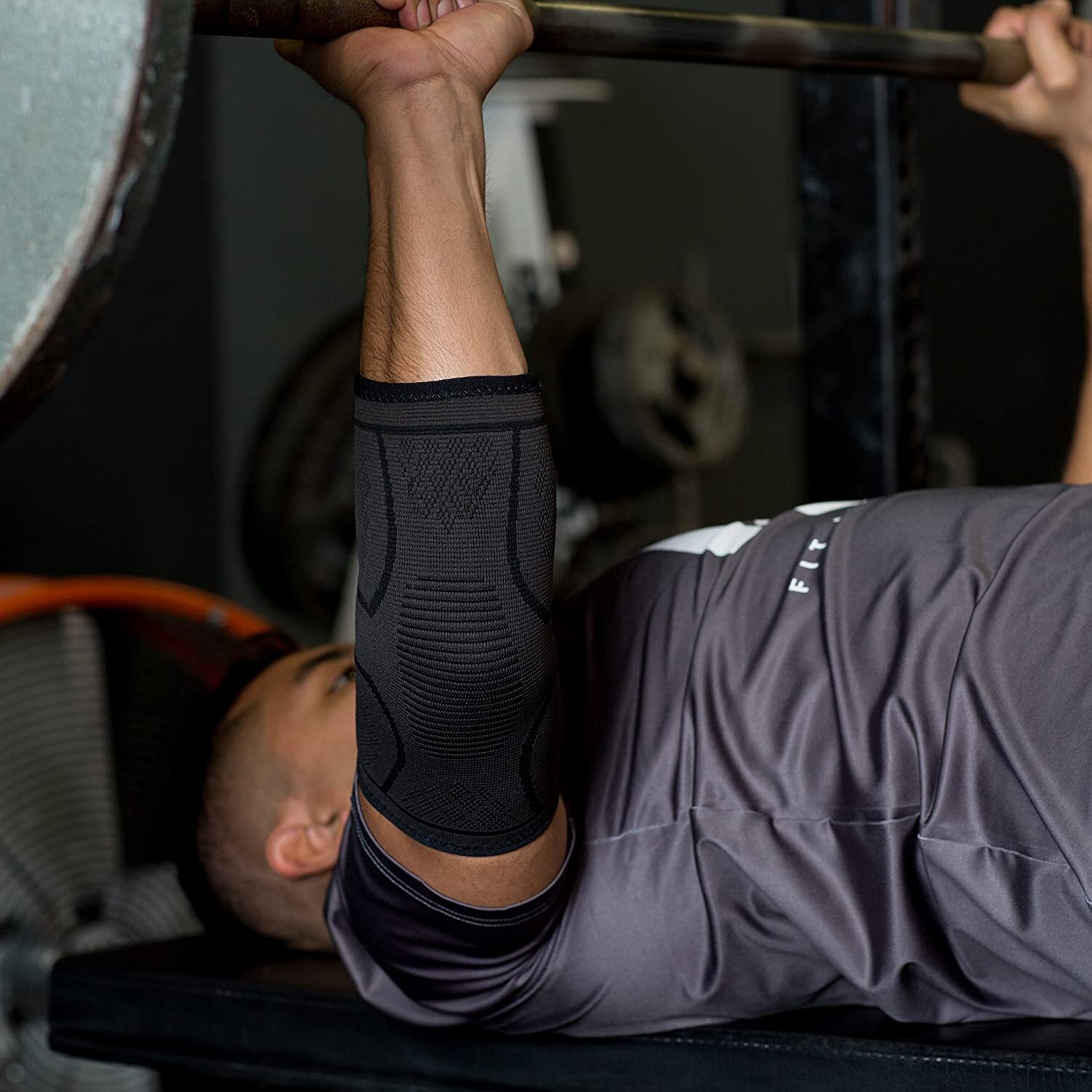
- Ideal for gym training and sports such as tennis, golf, basketball, and other activities that place repeated strain on the elbow
- Made from lightweight, breathable nylon for a cooler, more comfortable fit through longer periods of wear
- Silicone grip strips at the cuff help keep the sleeves in place and reduce slipping during exercise and daily movement
- Comfortable enough for regular wear and slim enough to sit neatly under most clothing
- Includes a full 30-day money-back guarantee
When Your Elbow Starts Becoming a Daily Problem
Most people do not pay much attention to their elbows until one starts becoming awkward. Then it seems to show up everywhere. Reaching for a mug. Lifting a pan. Carrying shopping in from the car. Holding the steering wheel too long. Settling in for another stretch of typing. The pain is not always dramatic, but it is persistent enough to keep interrupting normal movement.
That is what makes elbow pain so draining. It does not stay neatly confined to sport or exercise. It shows up in the small, repeated actions that fill the day, which means you rarely get to ignore it for long. You grip something, lift something, carry something, twist something, and there it is again. What starts as a minor irritation can gradually turn into the kind of problem that keeps asking for your attention.
This is usually the point where people realise that resting completely is not always realistic. You still need to work, lift, carry, drive, and get through ordinary tasks. That is where extra support starts making sense. Not a bulky brace that takes over the arm, and not a loose sleeve that slips the moment you move, but something you can actually wear through real life that helps the elbow feel less vulnerable while it is doing the work that usually stirs it up.
Why It Keeps Coming Back
Elbow pain often becomes repetitive because the same part of the arm keeps being asked to do the same jobs. Gripping, lifting, twisting, pulling, pushing, and long periods of hand use all rely on the muscles of the forearm and the structures around the elbow that help transfer force. Once that area becomes irritated, even mildly, it tends to react each time those same patterns come back.
That is why the pain can feel oddly out of proportion to the task. You are not necessarily doing anything extreme. You are just repeating the same demands through an area that has become less tolerant than it used to be. A shopping bag, a saucepan, a mouse, a tool handle, or even a firm handshake can all bring the same part of the elbow back into play.
And that is where the cycle begins. The elbow becomes sensitive, ordinary tasks keep setting it off, and the area never quite gets the chance to settle properly. People start adapting without always noticing. They carry differently. Grip differently. Avoid certain angles. Use the other hand more. It sounds small, but when it keeps happening throughout the day, it quickly stops feeling small.
Why a Support Sleeve Makes Sense
If the elbow mainly flares while you are using it, support needs to help while you are using it too. That is why a compression sleeve is such a practical option for this kind of problem. It does not ask you to stop your day, and it does not try to lock the whole joint down. It simply adds support during the very movements that usually bring the discomfort on.
The value of a sleeve is not that it feels dramatic. It is that it feels useful. Gentle, even compression around the elbow and upper forearm can make the joint feel steadier and less exposed during repeated movement. For many people, that means less irritation during gripping, lifting, carrying, desk work, and other tasks that would otherwise keep reminding them the elbow is there.
That is the important distinction. A sleeve is not a cure-all, and it is not a replacement for proper medical advice if symptoms are severe, persistent, or changing. But when the problem is repeated aggravation during normal use, a well-made sleeve is a sensible response. It helps in the moment that matters most: while the elbow is doing the job that usually stirs it up.
That brings us to what separates a sleeve you keep using from one that ends up forgotten in a drawer. If it does not fit properly, stay in place, or feel comfortable enough for real wear, it will not do much good no matter how promising it sounded at the start.
What Makes These Sleeves Worth Reaching For
Support Where It Actually Matters
These sleeves are designed to sit around the elbow and upper forearm, which is where many common elbow problems tend to make themselves known. That placement is important because it means the compression is focused around the area involved in gripping, lifting, twisting, pressing, and repeated hand use, rather than sitting vaguely on the arm without doing much of value.
Fit matters just as much. A sleeve that is too loose feels vague almost immediately. A sleeve that is too tight becomes annoying just as quickly. These sleeves come in multiple sizes based on elbow circumference so the fit feels close and supportive without becoming restrictive. Good support should feel deliberate, not aggressive.
Secure Enough to Stay Put
One of the quickest ways a sleeve becomes pointless is by sliding, rolling, or bunching up the moment you start moving properly. If you have tried poor-quality supports before, you will know how distracting that gets. Once the sleeve shifts out of place, the support becomes inconsistent and you end up adjusting it instead of getting on with what you were doing.
These sleeves are shaped to follow the arm more naturally, and the silicone grip strips at the cuff help hold them in place during exercise, work, and repeated daily movement. That matters more than it might sound. A sleeve that stays put is one you can wear through a workday, a drive, a training session, or a long list of jobs at home without constantly being reminded it is there.
Comfort That Makes Regular Wear Realistic
Support only helps if you keep using it. That sounds obvious, but it is exactly where a lot of sleeves fall short. If the material feels heavy, hot, rough, or bulky, people stop reaching for it, especially when they need to wear it for longer than a few minutes.
These sleeves are made from lightweight, breathable nylon with a smoother, more seamless feel against the skin. They are designed to dry quickly, sit more neatly under clothing, and feel less cumbersome during longer stretches of wear. In real terms, that makes them easier to use at the desk, while running errands, during exercise, or through the kind of work that keeps the elbow busy for hours rather than minutes.
Built for Repeat Use
There is no real value in a support you have to be precious about. If it is going to become part of your routine, it needs to cope with repeat wear. Reinforced edges help these sleeves keep their shape over time and reduce the curling and fraying that often appear first in cheaper alternatives.
They are also easy to pull on and take off, which sounds like a small detail until the elbow is already stiff or tender. Then it matters. Altogether, the design is built around a simple idea: support that is practical enough to use often, comfortable enough to keep on, and dependable enough to keep coming back to.
Choosing the Right Size
Getting the size right is one of the most important parts of making an elbow sleeve feel effective. Too loose, and the support feels vague and unstable. Too tight, and it quickly becomes uncomfortable. The best fit is one that feels snug, secure, and supportive without pinching or restricting movement.
To choose your size, measure around the widest part of your elbow joint. Use that measurement to match the correct size range. Small fits 23–26cm, Medium fits 27–30cm, and Large fits 31–35cm. If the fit is right, the sleeve should stay in place, feel supportive through movement, and avoid slipping or cutting in.
Who This Kind of Support Is Usually For
Despite the name, sleeves like these are not only for tennis players. They are used by people whose elbows are being asked to cope with repeated strain in all sorts of settings: desk work, racket sports, weight training, gardening, tool use, lifting, driving, childcare, and repetitive jobs at home or at work.
Some people start wearing elbow sleeves because the joint is already painful. Others begin earlier, when the area is starting to feel overworked and they want to stay ahead of a problem that keeps returning. Sometimes the issue shows up as recurring pain on the outside of the elbow. Sometimes it is soreness on the inside, a lingering overuse ache, stiffness during activity, or discomfort after an awkward movement. In other cases it is pressure sensitivity around the point of the elbow rather than pain during grip.
The broad pattern is repeated strain, irritation, or reduced tolerance around the joint, but the way that shows up can vary quite a bit. The patterns below may help you place what you are feeling more clearly.
How to Wear Them and What to Expect
Whatever pattern sounds most familiar, the sleeve works best when you use it during the activities that usually stir the elbow up. For some people, that means putting it on before training or before a game. For others, it means wearing it through a work shift, while driving, during desk work, or while getting through lifting, carrying, reaching, or repeated chores at home. The point is not to save the sleeve for later. It is to wear it while the elbow is about to do the work that usually brings the discomfort on.
The fit should feel snug, secure, and supportive without feeling harsh. You want to notice that the sleeve is there, but not in an annoying way. It should not pinch, cut in, cause numbness, or leave you constantly pulling it back into place. If it feels aggressively tight, the fit is wrong. If it shifts too easily, the support is probably too loose to do its job properly.
It also helps to keep your expectations grounded. Most people are not looking for a miracle. They want the elbow to feel more supported during the tasks that usually aggravate it, less noticeable during repeated movement, and easier to trust through the day. In practice, that often means less irritation during repetitive tasks and fewer moments where the elbow keeps demanding your attention.
For the best result, use the sleeve as part of a sensible routine rather than as the whole answer. If certain tasks keep provoking the elbow, take short breaks where you can, reduce unnecessary repetition, and avoid the temptation to push through worsening discomfort just to get something finished. If you already have exercises or advice to follow, the sleeve should work alongside that plan. Its job is simple: to help support the elbow while you get on with real life.
When to Seek Professional Help
Many elbow problems improve with time, sensible support, and better load management, but some need proper attention. If the pain is becoming more persistent, more intense, or more disruptive week by week, it is worth getting it assessed. The same goes for swelling that is increasing rather than settling, redness or heat around the joint, numbness, weakness, locking, or a clear loss of movement.
This is not about being alarmist. It is about recognising when the pattern no longer looks like straightforward irritation. A sleeve can still be part of the answer, but it should not delay proper advice when the elbow is not improving, is waking you at night, or is changing the way you use the arm just to cope.
30-Day Guarantee
The only sensible way to judge elbow support is to wear it in the situations that normally expose the problem. That might mean long workdays, repeated lifting, sport, driving, DIY jobs, gardening, or the steady run of tasks that usually leave the elbow feeling more irritated by the end of the day. Support has to prove itself in real use, not just sound convincing on paper.
That is why these sleeves come with a straightforward 30-day money-back guarantee. Wear them as part of your usual routine. Test the fit. See how they feel during the movements that normally challenge your elbow. Notice whether they stay in place, whether they feel comfortable enough to keep on, and whether the joint feels better supported while you are using it.
If they do not meet your expectations within 30 days, you can request a full refund. It should be easy to try better support without feeling like you are taking a gamble.
Take the Next Step Toward Better Elbow Support
If your elbow has started becoming the joint you notice all the time, it is worth dealing with that early. Repeated irritation tends to become more established when the same aggravating movements keep happening without enough support, adjustment, or relief.
These sleeves are designed for exactly that situation. They provide focused compression around the elbow and upper forearm, stay in place more reliably during movement, and feel comfortable enough for real daily wear. Put simply, they are made to help the elbow cope better with the demands that usually stir it up.
Measure your elbow circumference, choose the size that gives you a snug and secure fit, and start using the sleeves during the activities that normally trigger discomfort. When the problem is repetition, even a simple layer of well-designed support can make a meaningful difference.
Disclaimer
Individual results may vary. These sleeves are intended to support comfort and joint stability during activity, but they are not a substitute for medical advice, diagnosis, or treatment. If symptoms persist or worsen, seek guidance from a qualified healthcare professional.
Fast & Secure Checkout Through Paypal
Pay with Paypal the secure payment gateway that accepts all credit and debit cards. Paypal is free and secure and no credit or bank information is ever stored or shared with us.
Fast Dispatch
Enjoy your items soon with quick dispatch via Royal Mail. Expect to have your items between 1-3 working days for domestic orders. 7-10 Working days for international orders.
Return Policy – 30 Day Money Back Guarantee
In the unlikely event, you are unhappy with your purchase you can return it within 30 days for a refund. Please contact us via the form on the contact us page to start your return.
To return an item please send it to: Nuova Health UK, 81 Highfield Lane, Waverley, Rotherham, S60 8AL. Please include a note with your order id so we know who to refund. Please retain your postage receipt as proof of postage. All that we ask is that the item is in the original packaging and unused.
Reviews
There are no reviews yet.