Run with More Support, More Stability, and Less Underfoot Strain
If running leaves your feet feeling sore, tired, unsupported, or unusually heavy, you are not imagining it. Every run asks an enormous amount of your feet. They have to absorb impact, adapt to the ground, stabilise your body weight, and then generate enough force to push you forward into the next stride. When that process is working well, your run feels smoother and more efficient. When it is not, discomfort can start to build in the heel, arch, forefoot, ankle, or even further up into the knees, hips, and lower back.
For many runners, the issue is not simply mileage. It is repeated mileage without enough support under the foot, without enough shock absorption, or without enough control inside the shoe. Even a well-made running shoe can only do so much if your foot mechanics place extra strain on certain tissues, if your arches begin to tire over time, or if your feet move too much inside the shoe. That is where a more supportive insole can make a real difference.
Orthotic running insoles are designed to do more than add softness. They can help support the arch, stabilise the heel, spread pressure more evenly, and give the foot a more structured shape inside the shoe. For runners who deal with recurring heel pain, arch strain, forefoot pressure, instability, or fatigue-related discomfort, that extra support can help every step feel more settled and less punishing.
FootReviver Orthotic Running Insoles are designed with that repeated strain in mind. They combine inbuilt arch support, a stabilising heel cup, shock-absorbing EVA, and a comfort-focused top layer to help the foot feel better supported from the first mile to the last. Whether you are trying to stay comfortable on shorter training runs, build confidence after recurring foot pain, or reduce the strain that builds over longer distances, the right support underfoot can change how your run feels.
Before looking at the individual conditions and symptom patterns these insoles may help support, it is worth understanding why running places so much stress on the feet in the first place, and why the right mix of support, cushioning, and motion control matters so much.
Why Running Places So Much Stress on Your Feet
Your feet do far more during a run than simply land and lift. They are the first point of contact with the ground, the first structures to take impact, and the foundation that helps line up everything above them. During a single run, that process happens again and again, with each stride asking the feet to manage force, stability, balance, and forward movement in a matter of moments.
That is one reason small problems can turn into bigger ones surprisingly quickly. A movement pattern that feels minor at the start of a run can become much more obvious after repeated miles, especially once fatigue starts to reduce natural control. The longer or harder you run, the more important it becomes for your feet to stay well supported.
The foot has to absorb, steady, and propel
Each time your foot meets the ground, it has to do several jobs almost at once.
First, it has to take load. Whether you land on your heel, midfoot, or forefoot, force still moves through the foot and into the rest of the leg. Joints, muscles, tendons, and connective tissues all help deal with that load, but the foot is where the process begins.
Second, it has to steady you. As your body weight moves over the planted foot, the arches and surrounding structures have to respond to shifting pressure. The foot needs to be stable enough to support you, but adaptable enough to cope with the surface and the movement.
Third, it has to help push you forward. As you move toward toe-off, the foot becomes a lever. The arch firms up, the forefoot takes load, and the lower leg and calf work together to help drive the next step.
When this sequence is well controlled, running usually feels smoother. When it is not, certain tissues can start to take more strain than they should. That is often when runners begin to notice recurring pain, pressure points, fatigue, or the feeling that their shoes are not giving them enough help.
Small problems feel bigger when they happen stride after stride
One awkward step rarely creates a lasting running problem on its own. Repetition is what matters. Running exposes the same structures to the same kinds of force over and over again. If pressure keeps building in one area, if the heel is not well controlled, or if the arch is doing more work than it should, the strain can accumulate with every step.
That is why runners often notice symptoms building in stages rather than appearing all at once. At first it may feel like a slightly tired arch, a mildly sore heel, or pressure under the ball of the foot on longer runs. Over time, if that same pattern keeps repeating, what started as a small irritation can become much harder to ignore.
This is where support matters. Better support under the foot can help spread load more evenly, improve how the foot sits in the shoe, and reduce the sense that one area is doing too much of the work.
The arch is working all the time during a run
The arch is one of the most important parts of running mechanics. It helps the foot deal with force when you land, stores and releases energy, and contributes to overall stability. But the arch is not passive. It is working throughout the run.
If the arch is under-supported, tired, or taking more strain than it can comfortably manage, the tissues beneath and around it can start to complain. Some runners feel that as a dull ache through the middle of the foot. Others notice a more familiar pattern involving the plantar fascia, heel, or inside of the ankle. For runners with flatter or more flexible arches, this strain can become even more noticeable. For runners with high arches, the issue is often different: less about collapse and more about force collecting in smaller contact areas.
That is why arch support is not simply about holding the arch up. It is about helping the foot do its job more comfortably and more efficiently over repeated miles.
Heel control affects the whole stride
The heel matters too. At contact, it helps guide what the rest of the foot is going to do next. If the heel rolls too far, shifts too much inside the shoe, or never feels properly secure, the foot can become less steady through the rest of stance. That may influence the arch, the ankle, and even the way the knee tracks over the foot.
Some runners notice this as inward rolling. Others notice it as ankle wobble, rubbing, or a shoe that starts to feel less secure once they tire. A supportive heel cup can help by cradling the rear of the foot more securely, reducing excess movement inside the shoe and helping the heel feel more settled when it lands.
Not every runner needs the same amount of control. But for those who regularly feel unstable, unsupported, or slightly misaligned underfoot, better rearfoot support can be one of the most noticeable improvements.
It is common for a run to feel fine at the start and less comfortable later on. Often, that is because fatigue changes how the body controls movement. As the muscles that help support the foot and lower leg begin to tire, the foot may start to flatten more, stiffen more, or lose some of its ability to share force well.
That can increase strain through the plantar fascia, Achilles tendon, forefoot, or lower leg. It can also change how pressure moves through the shoe, creating hot spots, friction, or that flat, harsh feeling many runners describe later in a run.
A supportive insole can help here by giving the foot more consistent structure even when natural control starts to fade. It is not a substitute for strength, sensible training, or suitable footwear, but it can help the shoe feel more dependable when fatigue starts to expose weak points.
Running discomfort does not always stay in the foot. Because the foot is the base of the stride, the way it moves can affect the ankle, shin, knee, hip, and lower back. If the foot rolls inward too much, stays too rigid, or does a poor job of spreading force, that can change how load travels up the leg.
This does not mean all knee, hip, or back pain starts at the foot. It does mean the foot can play a bigger role than many runners realise. Better support under the foot can sometimes improve comfort further up by helping the foot sit and move in a steadier way.
That is one reason some runners start looking at orthotic running insoles even when their main complaint is not strictly in the foot itself. A more stable base can sometimes help make the rest of the stride feel calmer and less effortful to control.
How Orthotic Running Insoles Are Designed to Help
A standard insole usually does very little. In most running shoes, it is really just a thin liner that covers the inside of the shoe and adds a small amount of softness underfoot. That may be enough for some runners, especially over shorter distances or while the shoes are still relatively fresh. But if your feet tend to ache, flatten, wobble, or feel increasingly unsupported as the run goes on, a basic liner often is not doing much to help.
That is where orthotic running insoles are different. They are designed to do more than make the shoe feel a little softer. Their job is to help the foot sit more securely in the shoe, support parts of the foot that are working too hard, and make the pressure underfoot feel more evenly spread rather than concentrated in the same sore spots over and over again.
For many runners, that matters more than simply adding extra cushioning. Softness on its own is not always the answer. An insole can feel pleasant when you first step into the shoe and still do very little to support the foot once you are a few miles in. On the other hand, something that is all structure and no comfort can feel too hard to wear consistently. The aim of a good orthotic running insole is to balance those two things: enough support to steady the foot, and enough comfort to make that support usable over time.
They support the arch when it starts to tire
One of the main ways these insoles help is by supporting the arch. The arch has to work throughout the run, not just at one moment. It helps the foot cope with impact, adapt to the ground, and then become firm enough to push off efficiently. If it is left doing too much of that work without enough help from the shoe, it can start to feel strained, tired, or simply less reliable once fatigue builds.
A shaped insole can help by giving the arch more structure beneath it, so the foot does not have to do quite so much unsupported work on its own. That can be particularly useful for runners with flatter feet, flexible arches, plantar heel pain, or a midfoot that feels tired long before the rest of the body does.
They help the heel feel steadier in the shoe
They can also help steady the heel. This matters because the heel often sets the tone for what happens next. If it feels loose, unstable, or poorly held in the shoe, the rest of the foot may end up working harder to find control. A defined heel cup can help the rear of the foot sit more securely, which may make contact feel steadier and reduce some of the small movements inside the shoe that make running feel less settled.
For runners who feel wobbly, roll inward too much, or simply want the shoe to feel more planted under the rearfoot, that can be a real benefit.
They can help spread pressure more evenly
Another important role is helping spread pressure more evenly across the foot. A lot of running discomfort is not only about how much force the foot is dealing with, but where that force keeps collecting. Some runners feel it under the heel. Others get it through the arch, the ball of the foot, or around one recurring hot spot.
By supporting the foot more effectively and improving how it sits in the shoe, an orthotic insole may help reduce the sense that one small area is taking more than its share of the strain. That can be useful for runners dealing with heel pain, forefoot soreness, burning under the ball of the foot, bunion irritation, or repeated friction points.
They cushion impact without relying on softness alone
Cushioning still matters, especially for runners who train on firm surfaces or whose feet start to feel beaten up by repeated impact. The difference is that with an orthotic insole, cushioning works best when it sits within a more supportive shape. That way, the foot gets some help with shock absorption without being left to sink into something too soft and unstable.
For runners with high arches, impact sensitivity, heel soreness, or long runs that leave the feet feeling battered, that balance between softness and structure can make a clear difference.
For runners who need it, orthotic insoles may also help the foot move in a more controlled way. This is often most noticeable later in a run, when the muscles that usually help steady the foot and ankle begin to tire. A foot that was coping reasonably well at the start may begin to roll in too much, flatten more than it did earlier, or feel less secure on landing.
A more supportive insole can help limit that drift and make the stride feel calmer and more consistent. That does not mean forcing every foot into one pattern. It means giving the foot a bit more help when natural control starts to fade.
They can make a good shoe work better for your foot
What all of this comes down to is that an orthotic running insole is trying to improve the relationship between the foot and the shoe. Running shoes are made for broad categories of runner, but no standard liner is tailored to your exact arch shape, pressure pattern, or way of moving. An orthotic insole helps bridge that gap by giving the foot more of the support it actually needs inside the shoe you are already wearing.
That does not make insoles a cure-all. They are not a replacement for sensible training, suitable footwear, or proper attention to persistent symptoms. But for runners whose shoes feel fine in theory and less convincing in practice, better support underfoot can make a surprisingly meaningful difference. Often, the shoe itself is not completely wrong. It just is not giving the foot enough help where it needs it most.
FootReviver Orthotic Running Insoles are made for runners who need more from their shoes than a standard liner can give. A basic insole may add a thin layer between the foot and the shoe, but it often does very little once the miles begin to build. If your arches start to ache, your heels feel sore, or the front of your foot begins to feel overworked later in a run, the problem is usually not that the shoe feels bad from the first step. It is that the support inside it stops being enough once your feet have been working for a while.
That is where FootReviver is designed to make a difference. Rather than relying on softness alone, it combines structure, cushioning, and comfort in a way that is intended to help the shoe feel more supportive over time, not just more pleasant for the first few minutes. The arch support helps the midfoot feel less strained. The heel cup helps the rear of the foot feel more secure. The EVA layer helps take some of the harshness out of repeated impact. The top layer improves comfort underfoot so the support feels easier to wear consistently.
What makes that combination useful is that these features do not work in isolation. A soft insole on its own can feel comfortable at first and then flat or unsupportive later on. A rigid insert on its own can feel too hard, too intrusive, or difficult to keep using. FootReviver is designed to sit between those two extremes. It aims to give the foot more structure where support matters, while still keeping the overall feel comfortable enough for regular running.
That balance can be especially helpful for runners who know something is missing in their current shoes but are not necessarily looking to replace every pair they own. Sometimes the upper still fits well, the outsole is still in good condition, and the shoe still feels almost right. What is missing is better support inside the shoe, particularly under the heel and arch where repeated strain tends to build. In that kind of situation, a more supportive insole can change the feel of the run without requiring a complete change of footwear.
FootReviver is also designed with real use in mind. Running support has to hold up over repeated miles, not just feel good standing still indoors or taking a few steps on the floor. That is why the design focuses on the parts of the foot that often start to struggle first when fatigue builds: the arch, the heel, and the areas where pressure tends to collect if the foot is not being supported particularly well.
For runners who finish their runs with sore arches, aching heels, forefoot pressure, or that familiar flat and overworked feeling under the foot, FootReviver is designed to offer more than just extra padding. It is intended to help the foot feel better supported, the shoe feel steadier, and the overall run feel less punishing from the ground up.
Feature Deep-Dive: What Each Part of FootReviver Is Designed to Do
Inbuilt Arch Support: Helping the Foot Feel Less Strained Over Distance
The arch does a huge amount of work during a run. It helps the foot deal with impact when you land, adapt as your weight moves over it, and then firm up enough to help push you into the next step. When that process is working well, the foot tends to feel smoother, more supported, and less tiring to run on. When it is not, the arch is often one of the first places to start complaining.
Some runners feel that as a dull ache through the midfoot. Others notice tightness through the bottom of the foot, recurring heel pain, or a tired, flattened feeling that gets worse as the run goes on. That kind of discomfort does not only affect runners with obviously flat feet. It can also show up in people whose arches simply lose support under fatigue, or whose shoes feel fine at first but start to feel unsupportive after a few miles.
That is where shaped arch support can help. FootReviver is designed with inbuilt arch support to give the midfoot a more supportive base inside the shoe. The aim is not to force the foot into an unnaturally rigid position, but to give it more structure so the arch does not have to do quite so much unsupported work on its own. When the foot is better supported through the middle, strain may be spread more evenly rather than building in one area stride after stride.
This can be especially helpful for runners whose arches ache on longer runs, who feel their feet flatten as they tire, or who notice that heel and arch discomfort tend to appear together. It may also help runners who roll inward more than they would like, particularly when fatigue starts to reduce control. In those situations, better arch support can make the whole shoe feel more stable and less draining to run in.
FootReviver’s arch support also works alongside the heel-and-arch shell beneath it, so the support is not just local to one point under the arch. It is part of a broader structure designed to help the foot sit more securely and move more consistently inside the shoe. In practical terms, that can mean less strain through the arch, less of that flat and overworked feeling late in a run, and a shoe that continues to feel supportive after the first few miles rather than only at the start.
Medical-Grade EVA Shock Absorption: Helping Runs Feel Less Harsh Underfoot
Running puts the feet through repeated impact, and even a good shoe can start to feel firm once the miles build. That is often most noticeable on roads, pavements, treadmills, and other hard surfaces where the ground gives very little back. When that underfoot harshness keeps adding up, the result may be sore heels, tender forefeet, tired feet, or the feeling that your shoes stop giving you enough protection once the run gets longer.
FootReviver uses medical-grade EVA because it helps soften that repeated impact without making the foot feel loose or unsupported. EVA works well in a running insole like this because it cushions shock while still keeping enough shape and integrity to support the foot properly. That balance matters. If a material is too soft, it can flatten too easily and stop offering much real help once the run is underway. If it is too firm, it may feel hard underfoot and do little to improve comfort. What you want is something in between: enough cushioning to take the edge off repeated impact, but enough structure to keep the foot feeling supported as the miles go on.
That can be especially useful for runners with high arches, sensitive heels, forefoot soreness, or a general sense that firm ground leaves their feet feeling beaten up. It may help make heel strike feel less abrupt, reduce some of the pounding that builds under the forefoot, and make longer runs feel less punishing overall.
Just as importantly, the EVA layer does not work on its own. It sits within a more structured insole design that also supports the arch and helps steady the heel. That means the cushioning is there to improve comfort, not to turn the insole into something overly soft, flat, or unstable.
Full-Length Insole with 3/4 Length Heel-and-Arch Support Shell: Structure Where It Counts Without Unnecessary Bulk
FootReviver is a full-length orthotic running insole, which means it covers the full footbed inside the shoe. Under that, it uses a 3/4 length structural shell through the heel and arch, where firmer support is usually most useful. That distinction matters because it gives you full-foot coverage without carrying rigid structure all the way through the forefoot.
In practical terms, this means the whole foot gets the benefit of the insole’s comfort layer, while the more supportive shell focuses on the parts of the foot that usually need the most help with control and alignment. The heel feels more cradled, the arch feels more supported, and the front of the shoe is less likely to feel bulky or crowded than it might with a more rigid full-length shell.
That can be especially useful for runners who want more structure under the heel and arch but still want the forefoot to feel comfortable and natural inside the shoe. It also helps from a fit point of view. Because the firmer shell does not run all the way to the toes, the insole can provide meaningful support without making the front of the shoe feel unnecessarily stiff.
For runners who feel unstable at heel strike, tired through the arch, or simply under-supported once the run gets longer, this kind of design can make the shoe feel far more capable without making it feel awkward. You get support where the foot often needs it most, while keeping the overall feel wearable enough for regular running.
Memory Foam Comfort Layer: Making Support Easier to Wear
Support matters, but comfort still matters too. If an insole feels too hard, too localised, or too intrusive under the foot, runners are far less likely to keep using it. That is why FootReviver includes a memory foam comfort layer designed to soften the feel against the foot and reduce the sense of hard contact in sensitive areas.
Memory foam helps the insole feel more accommodating underfoot. Rather than presenting a hard surface to the foot, it responds to the shape of the foot and helps spread pressure more comfortably across key contact points. For runners who deal with pressure spots, forefoot soreness, heel tenderness, bunion irritation, or recurring hot spots, that can make a noticeable difference.
It is worth being clear about what this layer is doing. The memory foam is there for comfort, not as the main support structure. Its job is to improve feel and reduce harshness, while the arch support, shell, and heel control features continue doing the stabilising work underneath. That balance is important. It helps FootReviver feel supportive without becoming unpleasantly hard or too aggressive under the foot.
For runners who have tried very rigid inserts before and found them uncomfortable, this kind of comfort layer can make structured support much easier to tolerate and use consistently.
Motion Control Orthotic Technology: Helping the Foot Feel More Controlled When It Starts to Tire
Not every runner needs a high level of motion control, but for some people it can make a very noticeable difference. If your feet tend to roll inward too much, feel less steady as the run goes on, or seem to lose shape once you get tired, a more supportive insole can help the shoe feel far more secure underfoot.
This is often less about one dramatic movement and more about what happens gradually over time. Early in a run, the foot may feel fine. Later on, as the muscles that help support the arch and steady the ankle begin to tire, the foot may start to drift more than it did at the start. That is when some runners notice the arch flattening, the heel feeling less stable, or the whole shoe starting to feel slightly loose, flat, or unpredictable under load.
FootReviver is designed to help with that by giving the foot more guidance inside the shoe. Rather than letting the foot collapse or move too freely as fatigue builds, the insole is shaped to support a steadier, more controlled pattern of movement. The aim is not to force the foot into an unnatural position or make the stride feel stiff. It is to reduce the kind of excess movement that can make running feel less stable and more tiring over distance.
This may be especially useful for runners who overpronate, have flat or very flexible feet, feel wobbly around the ankle, or notice that their form seems to fall apart later in the run. It can also help runners who do not necessarily describe themselves as overpronators, but who know that their shoes stop feeling supportive once the miles start to add up.
Because the foot is the base of the stride, more controlled motion there can influence what happens further up as well. If the heel feels more settled and the arch feels better supported, the ankle, knee, and hip may all have a more stable movement pattern to work from. That does not mean an insole can fix every issue higher up the leg. But it can help make the stride feel less messy, less effortful to control, and more consistent from one mile to the next.
In FootReviver, this motion-control effect comes from the way the insole’s features work together rather than from one aggressive component on its own. The arch support helps the midfoot feel less unsupported, the heel-and-arch shell adds structure where control often matters most, and the cushioning layers help keep that support comfortable enough to use regularly. The result is a running insole designed not just to feel supportive when you first put the shoes on, but to keep the foot feeling more secure when fatigue would otherwise start to expose weak points in your stride.
Actively Supports Better Posture and Lower-Limb Alignment
Most people think about insoles in terms of foot pain, but underfoot support can matter even when the main complaint is higher up. That is because the way the foot meets the ground influences how force moves through the ankle, knee, hip, and lower back. If the foot feels unstable, collapses too much, or absorbs impact poorly, the body above it may end up compensating.
FootReviver is designed to help create a steadier base under the foot through better arch support, better heel control, and a more supportive shape inside the shoe. For some runners, that may mean less inward drift through the foot. For others, it may mean the leg simply feels more settled and less effortful to control, especially once fatigue builds.
This is particularly relevant for runners whose discomfort tends to spread upward, such as those who notice knee irritation on longer runs, hip tightness as the miles add up, or a general sense that one side never feels quite as controlled as the other. Not all of those issues begin at the foot, but a better base can still be an important part of making the overall stride feel more comfortable and more organised.
Versatile Fit Across Different Types of Footwear
A good running insole has to work in real life, not just in theory. FootReviver is designed to fit a wide range of running shoes, trainers, and supportive everyday footwear, making it easier to keep the same support profile across more than one pair where appropriate.
That can be especially useful for runners who rotate shoes, want more support for both training and daily wear, or prefer not to rely on one pair for every situation. Because FootReviver uses a full-length design with a 3/4 length heel-and-arch support shell, it gives the whole foot coverage while keeping the firmer support focused where it is most often needed. For many users, that means strong support under the heel and arch without unnecessary rigidity through the front of the shoe.
That kind of flexibility matters because support tends to be most helpful when it is used consistently. An insole that only works in one pair of shoes is less useful than one that can move with you when needed.
Breathable, Lightweight, and More Comfortable for Repeated Use
Running comfort is not only about support and cushioning. It is also about how the insole feels over time. If it traps too much heat, feels heavy, or contributes to moisture build-up, even a well-supported foot can become uncomfortable.
FootReviver is made with lightweight materials and a breathable design to help keep the inside of the shoe feeling more comfortable. That can be helpful for runners who train regularly, spend long hours on their feet, or are prone to sweaty feet and friction-related irritation. A lighter insole can also feel less intrusive in the shoe, helping preserve a natural running feel rather than making everything feel bulky.
The antibacterial and moisture-wicking properties add another practical layer of comfort, especially for people who want their shoes to stay fresher with repeated use. These may not be the headline features, but they still matter. Day-to-day wear often comes down to details like comfort, freshness, and the ability to keep using the product without irritation.
A More Supportive Foundation for Every Run
FootReviver Orthotic Running Insoles are built around a simple idea: when the foot is better supported, running often feels better organised. Pressure may feel more evenly spread. The heel may feel more secure. The arch may feel less overworked. Impact may feel less harsh. And the stride as a whole may feel steadier and more comfortable.
That does not mean every runner needs the same kind of support, or that every pain pattern starts in the foot. But for runners whose shoes feel too flat, whose arches tire too quickly, whose heels feel unstable, or whose discomfort builds with mileage, adding the right orthotic support can be one of the most practical upgrades they make.
The condition guide below looks more closely at the kinds of discomfort and running-related issues FootReviver may help support, and how the insole’s features relate to each one.
Conditions and Running Issues FootReviver May Help Support
Running does not usually create just one type of foot pain. It tends to expose the weak point that is already there. For some runners, that is the heel. For others, it is the arch, the ball of the foot, the ankle, or the way the foot starts to lose control once fatigue sets in. That is why the same pair of shoes can feel perfectly adequate for one runner and nowhere near supportive enough for another.
FootReviver Orthotic Running Insoles are designed to help with the kinds of underfoot problems that often show up when support, shock absorption, pressure sharing, or heel control are falling short. That does not mean an insole is the answer to every running injury, and it does not mean every pain pattern starts in the foot. It does mean that if your feet are not being supported well inside the shoe, the same strained tissues and pressure points can keep getting irritated stride after stride.
The guide below looks at the most common running-related problems and symptom patterns people often search for when they realise their shoes are no longer giving them enough help. Each section explains what the issue often feels like, why running can aggravate it, and how the design of FootReviver may help by improving support under the arch, stability around the heel, pressure distribution across the foot, and comfort on repeated impact.
For Plantar Fasciitis
For Plantar Fasciitis: Better Support for Heel and Arch Pain During Running
Plantar fasciitis is one of the most common reasons runners start looking for a more supportive insole, and usually for a very simple reason: the heel or arch keeps reminding them that something is not coping well. For some people, it is the sharp pain under the heel, often slightly towards the inside, when they first get out of bed. For others, it is a pulling or irritated feeling through the arch after a run, or heel pain that seems to ease once they warm up and then return later in the day. However it begins, it often becomes one of those problems that keeps coming back rather than properly settling.
The plantar fascia is the thick band of tissue running along the sole from the heel toward the front of the foot. It helps support the arch and helps the foot behave like a spring as body weight moves over it. During running, that tissue is repeatedly tensioned as the heel lands, the arch takes load, and the foot prepares to push off. If the arch drops more than the fascia can comfortably control, or if the heel keeps taking harsh impact without enough help from the rest of the foot, the tissue can become irritated.
That is often how plantar fasciitis develops in runners. Not usually because of one dramatic mistake, but because of accumulated strain. A jump in mileage can do it. So can repeated runs on hard surfaces, shoes that have started to feel flat, poor support through the arch, calves that stay tight, or mechanics that leave the inside of the foot doing too much of the work. Some runners with flatter or more flexible feet place more repeated stretch through the inner arch. Others with high arches do not spread force particularly well and still end up irritating the same tissue through a different loading pattern.
What makes plantar fasciitis so frustrating is that the pain often follows a recognisable rhythm. The first few steps in the morning may be the worst because the tissue has stiffened while at rest. Once you move, it may ease, only to flare again after a run, after standing for longer periods, or later in the day when the same irritated fibres have been asked to keep working. That stop-start behaviour is one reason people underestimate it early on. It can seem to settle, while never really settling.
Support matters here because the aim is not simply to add a bit more softness under a sore heel. If the plantar fascia is being tugged repeatedly by an under-supported arch, extra softness alone will not change much. A shaped insole can help by supporting the midfoot so the fascia is not carrying quite so much unsupported tension with every stride. When the arch is steadier, the pull through the sole may feel less aggressive, particularly later in a run when fatigue would otherwise let the foot flatten more.
FootReviver is designed with that pattern in mind. The inbuilt arch support helps give the midfoot more structure, which may reduce how much unsupported work the plantar fascia has to do stride after stride. The heel support is important too, because heel pain often becomes more obvious on hard pavements, treadmills, or longer runs where repeated landing starts to feel bruising. The heel cup helps cradle the rearfoot, and the medical-grade EVA helps soften repeated foot strike without making the insole feel unstable.
The comfort layer matters as well, because runners with plantar fascia irritation often do not tolerate very hard inserts particularly well. FootReviver is designed to combine structure with a more forgiving underfoot feel, so the arch and heel feel helped rather than prodded. For runners looking for better support for plantar heel pain during running, the main goal is not just a softer first step. It is a steadier, less aggravating relationship between the foot and the shoe over repeated miles.
For Overpronation
For Overpronation: More Control When the Foot Rolls In Too Much During Running
Overpronation is one of the most common reasons runners look for more support inside their shoes, even if they do not always know that is what they are dealing with. Some notice it because their shoes wear more on the inside edge. Some notice that their arches get tired earlier than they should. Others feel that their ankles drift inward once they have been running for a while, or that their stride feels less stable late in the run than it did at the beginning.
Pronation itself is normal. The foot is meant to roll inward to some degree after landing so it can absorb force and adapt to the ground. The problem starts when that movement becomes excessive, poorly controlled, or more obvious once fatigue reduces the foot’s natural support. When that happens, the arch may drop more than it should, the heel may tilt inward more than feels stable, and the lower leg may keep having to follow a movement pattern that becomes harder to manage with every mile.
This often becomes more noticeable under running load than it does during ordinary walking. The faster the pace, the longer the run, or the more tired the foot gets, the more likely it is that the inward roll will start to feel harder to control. Some runners feel that as arch strain. Some notice pressure along the inside of the foot or ankle. Others end up feeling it further up as shin discomfort or knee irritation, especially when the same movement pattern repeats mile after mile.
One of the challenges with overpronation is that it often gets worse rather than better over the course of a run. Early on, the foot may seem fine. Later, once the small stabilising muscles begin to tire, the arch may start to flatten more, the heel may lose some of its secure feel, and the shoe can begin to feel slightly sloppy or less trustworthy under load. That is often the point where a runner says their shoes are comfortable, but somehow still do not feel supportive enough.
A more structured insole can help by changing how the foot is supported from underneath. If the inner arch is given more shape to rest on, the foot may not collapse inward quite so easily once body weight comes over it. If the heel is more securely cupped, rearfoot motion may feel calmer on landing and less wobbly as you move through stance. Those changes do not force every runner into the same gait pattern, but they can reduce the amount of avoidable drift that makes the stride feel inefficient and tiring.
FootReviver is designed with those needs in mind. The inbuilt arch support helps reinforce the medial side of the foot so the arch does not have to work completely on its own. The heel-and-arch shell adds structure through the rearfoot and midfoot, where control often matters most. The motion control design is there to help the foot feel steadier and less prone to the inward collapse that often becomes more obvious once the run goes on.
This can be especially useful for runners who know their feet drift inward more than they would like, or who notice that their arches and ankles lose shape as fatigue builds. The cushioning layers also matter, because support is easier to use consistently when it still feels comfortable underfoot. A shoe that feels more controlled but also more comfortable over repeated miles is often exactly what overpronating runners feel they have been missing.
For Supination
For Supination: Better Cushioning and Pressure Sharing for a Harsher, More Lateral Stride
Supination, often called underpronation, creates a very different kind of running problem from overpronation. Instead of the foot rolling inward too much, the foot tends to stay more toward the outer edge and does not move inward enough to spread force comfortably. For some runners, that makes the stride feel firm, jarring, or slightly unforgiving, especially on roads and other hard surfaces.
This pattern is often linked with higher arches and a foot that feels more rigid than unstable. That can sound like a good thing at first, but a rigid foot does not always do a great job of spreading impact. If the arch stays very high and the foot does not adapt much as it lands, the same small areas can end up taking repeated force over and over again. That usually means more pressure at the heel, the forefoot, and the outside edge of the foot.
Runners with supination often do not describe their problem as collapse or wobble. They are more likely to say the run feels harsh, that the outside of the foot takes a beating, or that the shoes feel too firm once the mileage builds. Some develop soreness along the lateral border of the foot. Others feel pressure hot spots under the heel or ball of the foot. Some notice repeated ankle irritation because the foot never really feels like it settles comfortably onto the ground.
This can be especially noticeable in runners with high arches, rigid foot mechanics, or shoes that already feel quite firm and unforgiving underfoot. Because the foot is not sharing pressure especially well, each landing may feel a little more abrupt than it should. Over time, that repeated harshness can leave the feet feeling beaten up even if the shoes seem fine at first.
Support matters here in a slightly different way. For supination, the main need is often not stronger control against inward collapse. It is better cushioning, better underfoot contact, and better pressure sharing across the whole foot. If the midfoot is given more contact by shaped support, the heel and forefoot may not need to take such a concentrated share of the load. If repeated landing feels less abrupt, the outer border of the foot may feel less punished over distance.
FootReviver is designed to help with exactly that combination. It uses medical-grade EVA because that material helps soften repeated impact without making the insole feel unstable under the foot. The memory foam comfort layer also improves the feel under the heel and forefoot so those high-pressure areas do not feel quite so hard and exposed. The inbuilt arch support can improve contact under the midfoot, and the heel-and-arch shell can help the foot feel more settled when it lands instead of dropping abruptly onto the outer edge.
For runners whose stride feels harsh or whose shoes leave them feeling battered on hard ground, that balance of cushioning and structure can make the run feel more forgiving without turning the shoe soft and vague.
For Flat Feet
For Flat Feet: More Structure Under the Arch When the Foot Feels Tired and Unsupported
Flat feet can change the whole feel of a run. For some runners, they cause very little trouble. For others, they leave the feet feeling unsupported, easily tired, and harder to control once the miles begin to build. When the arch sits lower and offers less natural structure, the soft tissues that help steady the foot often have to do more of the work themselves.
That becomes especially noticeable in running because the foot is repeatedly being asked to take impact, support body weight, and then become firm enough to push off again. If the midfoot never feels especially supported inside the shoe, the whole process can become more tiring than it should be. Some runners feel that as a general ache through the arch. Others feel it around the inside of the ankle, through the shin, or further up toward the knee once the run gets longer.
Flat feet and overpronation often overlap, but they are not exactly the same thing. Flat feet describe the shape of the foot more than the movement pattern. Some runners with flat feet pronate a lot and lose control with fatigue. Others simply have a low arch and need more structure under it even if they are not dramatically unstable.
A common complaint from runners with flat feet is that the shoe feels acceptable at the start of the run but increasingly flat and less supportive as time goes on. Once the muscles that help hold the arch begin to tire, the foot can feel as though it is doing too much unsupported work. That is often when the arch starts aching, the inside of the foot feels strained, and the shoe no longer feels like it is helping enough.
Shaped support under the arch can make a real difference here. A low arch means the midfoot often has less built-in stiffness, so repeated loading can make the tissues under and around it work harder to stop the foot drifting. If the insole gives the arch a more defined platform, the foot may feel less flattened and less effortful to control, especially on longer runs or longer days on your feet.
FootReviver is designed to help fill that gap. The inbuilt arch support gives the foot a more defined shape to rest on, which may reduce the amount of unsupported work going through the arch during repeated miles. The heel-and-arch shell adds structure through the rearfoot and midfoot, which may help the foot feel more stable as body weight moves over it. The motion control design can then help limit the sort of inward drift that often becomes more obvious once fatigue sets in.
At the same time, FootReviver is designed to stay comfortable enough for regular running. The EVA cushioning helps soften repeated impact, and the memory foam top layer helps reduce the feel of hard pressure under the foot. That balance matters, because runners with flat feet often need more structure, but they still need the support to feel wearable rather than intrusive.
For High Arches
For High Arches: Better Shock Absorption and Less Pressure Build-Up Under the Foot
High arches create a different support problem from flat feet, but they can be just as uncomfortable during running. A high-arched foot often has less contact with the ground and less contact with the shoe under the midfoot, which means pressure can collect more heavily at the heel and forefoot instead of being spread across the whole foot. In practice, that often makes running feel harsher and more pressure-heavy than it should.
Many runners with high arches describe their feet as rigid rather than unsupported. The arch keeps its shape, but that does not necessarily mean the foot is coping well with repeated impact. If the foot does not flatten much when it lands, it may not absorb shock especially well. That can leave the heel, the ball of the foot, and sometimes the outer edge taking more punishment over repeated miles.
This is why high arches are often linked with heel soreness, forefoot discomfort, pressure hot spots, and a general sense that the feet take a pounding on longer runs. Some runners also notice that the outside of the foot bears more load than it should, or that the ankle feels slightly less secure on contact because the foot never feels especially settled.
Support matters here, but not in the same way it does for a flatter or more collapsible foot. High arches usually need better shock absorption, better pressure sharing, and a more complete underfoot feel rather than simply more firmness. The aim is to help the foot connect more comfortably with the inside of the shoe and reduce how much force keeps collecting in the same small areas.
FootReviver is designed with that in mind. It uses medical-grade EVA because it helps soften repeated impact while still keeping enough structure under the foot. That can be especially useful for high-arched runners who feel every landing more sharply on roads, pavements, and treadmills. The memory foam comfort layer helps reduce the feel of hard pressure points under the heel and forefoot, making the run feel less punishing overall.
The shaped arch support also has an important role. For a high-arched foot, it can improve contact under the midfoot and reduce the sense that the foot is only loading heavily at the back and front. The heel-and-arch shell helps support the rearfoot too, which may improve how settled the shoe feels when the foot lands.
For runners whose shoes feel too firm or whose feet feel battered by repeated impact, that combination can make the in-shoe feel more balanced and less concentrated at the heel and forefoot.
For Achilles Tendonitis
For Achilles Tendonitis: More Rearfoot Support When the Back of the Heel and Lower Calf Feel Overloaded
Achilles tendonitis can make running feel stiff, heavy, and frustrating, especially when the back of the heel or lower calf starts tightening up before the run has properly begun. Some runners notice it as morning stiffness or soreness around the tendon just above the heel bone. Others feel it more during hill work, faster efforts, or after a jump in training load. Whatever the trigger, it usually reflects a tendon that is being asked to handle more repeated strain than it is tolerating well.
The Achilles tendon connects the calf muscles to the heel and plays a major role in running. Every stride asks it to help control how the ankle moves as the body travels over the foot, then help generate force for push-off. That means it is under load from landing through to toe-off. If the heel is not being held securely, if the arch is not well supported, or if the foot rolls inward too much as fatigue builds, the tendon may end up doing more compensating than it should.
This is one reason Achilles irritation often shows up alongside overpronation, poor rearfoot control, or a shoe that feels too flat through the heel and arch. A heel that shifts too much inside the shoe, or a foot that collapses inward once tired, can change the way force moves through the ankle and lower leg. Over repeated runs, that extra strain can be enough to keep the tendon irritated.
A common pattern is that the tendon feels stiff early on, eases slightly once warmed up, and then starts to feel heavy or reactive again later. Some runners also notice soreness at the back of the heel, tenderness along the tendon, or a pulling sensation through the lower calf after training. When that cycle repeats, the tendon often becomes less tolerant of hills, faster sessions, or back-to-back harder days.
Support matters here because the Achilles rarely struggles in isolation. If the heel starts from a steadier position, the tendon may not need to work so hard correcting avoidable movement lower down. A more secure rearfoot can help make loading feel less messy at contact, while better arch support may reduce some of the inward drift that increases strain through the inside of the ankle and up into the tendon.
FootReviver is designed to help by supporting the heel and arch together. The heel-and-arch shell helps cradle the rearfoot and improve how the heel sits in the shoe. The inbuilt arch support helps the midfoot feel less unsupported, which may reduce some of the inward collapse that can place extra strain through the ankle and Achilles. The EVA layer helps soften repeated impact on firm surfaces, which can help the overall stride feel less harsh when the lower leg is already feeling overworked.
For Heel Spurs
For Heel Spurs: More Cushioning and Less Direct Pressure Under the Heel
Heel spur discomfort is often talked about as if the spur itself is the whole problem, but for many runners the more important issue is the repeated irritation around the heel that keeps getting stirred up by impact and pressure. If stepping down onto the heel feels sharp, bruised, or unpleasant on firm surfaces, the area is usually taking more stress than it is coping with comfortably.
For runners, this kind of pain often develops gradually. Repeated heel strike, long periods on hard surfaces, shoes that feel too thin under the heel, and poor support through the rest of the foot can all add to the strain. In some cases, heel spur discomfort overlaps with plantar heel pain, which is why the first few steps in the morning may be especially uncomfortable.
The common theme is concentrated pressure under the heel. If the rearfoot keeps taking repeated force without enough cushioning, and without enough support from the rest of the foot, the area can stay irritated for a long time. The heel ends up doing more than its share of the work. That is often why the pain feels worse on pavements, after longer spells standing, or once the later stages of a run expose every heel contact more clearly.
This is why the best support here is not just generic softness. What usually helps most is a better combination of heel cushioning, rearfoot support, and arch support so the heel is not being left to absorb and manage so much load on its own. If the arch shares more force and the heel lands in a steadier position, pressure under the heel may feel less direct.
FootReviver is designed with that in mind. It uses medical-grade EVA because it helps soften repeated impact under the heel without making the foot feel unstable. That can be especially useful for runners who feel as though every heel strike is landing too sharply. The heel-and-arch shell also helps the rearfoot feel more secure, which may improve how the heel lands and reduce some of the unnecessary movement inside the shoe.
The inbuilt arch support adds another layer of help, because heel pain is often worse when the rest of the foot is not sharing load very well. By helping the midfoot feel more supported, FootReviver may reduce how much force keeps collecting under the heel. The comfort layer then helps soften the contact feel under a sore and sensitive area.
For General Heel Pain
For General Heel Pain: Better Support When the Heel Feels Sore, Bruised, or Overworked
Heel pain is one of the most common reasons runners start looking for insoles, and also one of the broadest. Not everyone knows exactly what is causing it. Some runners feel a sharp pain under the heel when they first get out of bed. Others notice a bruised feeling after longer runs, soreness on hard surfaces, or a heel that just never seems to feel especially comfortable once training load rises.
That is not surprising when you think about how much work the heel does during running. For many runners, it is either the first point of contact or one of the main contact points early in stance. Even when a runner is not a heavy heel striker, the rearfoot still plays an important role in guiding what the rest of the foot is going to do next. If the heel is under-cushioned, poorly supported, or moving too much inside the shoe, that discomfort can build surprisingly quickly.
General heel pain can be linked with a number of issues, including plantar fascia strain, heel spur irritation, poor shock absorption, Achilles-related tension, or simple sensitivity under the heel pad. Often there is more than one factor involved. That is why runners often know where they hurt before they know exactly why.
What matters most is usually the pattern. Does the heel feel worse first thing in the morning? Does it build during longer runs? Does it feel bruised on hard ground? Does the shoe feel flatter and less helpful than it used to? Those details often point to the same broader need: the heel needs more support and a less punishing underfoot feel.
FootReviver is designed to help on both counts. The heel-and-arch shell helps cradle the rearfoot so the heel feels more secure in the shoe. That may be useful for runners who feel the heel shifting, wobbling, or landing in a way that never feels especially settled. FootReviver uses EVA because it helps soften repeated impact under the heel without sacrificing support, which can be especially helpful on firm outdoor surfaces and treadmills.
The inbuilt arch support matters too, because the heel often ends up working harder when the midfoot is not doing enough. By supporting the arch and helping the foot share force more evenly, FootReviver may reduce how much of the load is left collecting under the heel alone. The comfort layer then helps improve the feel underfoot so impact does not come across as quite so hard and direct.
For General Arch Pain
For General Arch Pain: More Midfoot Support When the Arch Feels Tired, Tight, or Flattened
Arch pain often starts as something runners try to ignore. A little tiredness through the middle of the foot after a longer run. A slight pulling sensation under the arch after training. A shoe that feels fine at first and then strangely flat or unsupportive once a few miles have passed. When that pattern keeps coming back, it usually means the arch is taking more strain than it is coping with comfortably.
The arch is not just a static shape in the foot. During running, it is a working structure. It helps manage force when the foot lands, adapts as weight moves over it, and then firms up to help with push-off. If it is under-supported or repeatedly overloaded, the tissues around it can start to feel tired, strained, or sore.
Some runners experience this because their arches are flatter or more flexible and begin to lose shape as fatigue builds. Others have high arches and poor pressure sharing, which can still create soreness through the middle of the foot for different mechanical reasons. Sometimes the main issue is simply that the stock insole in the shoe is not doing enough once the mileage starts to rise.
Arch pain often feels broad rather than sharply defined. Some runners describe it as a dull ache through the midfoot. Others feel a pulling discomfort along the bottom of the foot or a tired, flattened feeling that worsens over the course of a run. Left unsupported, that mild fatigue can gradually turn into a much more persistent issue because the same part of the foot keeps being asked to steady each step without enough help.
Better support under the arch can make a practical difference. If the arch is given a more consistent base, the muscles and soft tissues around it may not need to work quite so hard to stop the foot flattening or wobbling under load. That can be especially noticeable later in a run, after long spells walking, or during days when the feet are already tired from standing.
FootReviver is designed for exactly that. The inbuilt arch support helps reinforce the midfoot so the arch has more help during repeated running load. The heel-and-arch shell supports the rearfoot as well, which matters because the way the heel lands often influences what happens through the arch next. The cushioning layers then help make that support feel more wearable rather than hard or intrusive.
For Metatarsalgia
For Metatarsalgia: Better Pressure Distribution for Pain in the Ball of the Foot
Metatarsalgia is the kind of problem many runners recognise before they ever hear the name. It usually feels like burning, aching, or bruised discomfort in the ball of the foot, often becoming more obvious the longer you stay on your feet or the further you run. Some people describe it as though they are stepping on a small stone. Others say the forefoot feels overloaded and increasingly tender as the run goes on.
The front of the foot naturally works hard during running. As the body moves forward and the heel lifts, the metatarsal heads under the ball of the foot take significant force. That is completely normal. The problem starts when too much of that force keeps collecting in the same area and the shoe is not helping to spread it well.
This tends to be more noticeable in runners doing high mileage, runners who load heavily through the forefoot, and people whose shoes feel thin, flat, or unsupportive through the front half of the foot. High arches, tight calves, bunion-related pressure shifts, and poor support through the midfoot can all make it worse by leaving the ball of the foot to do more work than it should.
A common pattern is that the forefoot feels manageable early on and then becomes harder and harder to ignore. By the end of the run, the ball of the foot may feel hot, bruised, or excessively tender. In some runners, the discomfort lingers after the run as well, especially after standing, climbing stairs, or walking on hard floors.
When metatarsalgia is the issue, support under the forefoot is not only about adding softness in one spot. What often matters more is helping the whole foot share force better, so the forefoot is not taking such a concentrated share of the load. If the arch is better supported, the midfoot can play a more useful part in weight transfer. If the underfoot cushioning takes some of the sting out of push-off, the front of the foot may feel less battered by the later stages of a run.
FootReviver is designed to help by improving support across the full foot. The inbuilt arch support helps the midfoot feel less passive, which may reduce how much pressure is left collecting under the ball of the foot. FootReviver uses medical-grade EVA because it helps cushion repeated impact and transition without collapsing too easily. The memory foam top layer also improves comfort under the forefoot, helping reduce the feel of hard, direct pressure.
For Bunions
For Bunions: Better Underfoot Support When the Big Toe Joint Feels Pressured or Irritated
Bunions can make running shoes feel far less forgiving than they should. What starts as a prominence at the base of the big toe can gradually become a source of rubbing, pressure, and discomfort, especially once the forefoot has been loaded over repeated miles. For many runners, the problem is not only the shape of the joint itself. It is also the way that altered shape changes pressure through the front of the foot.
The big toe joint plays an important role during push-off. If that area is irritated, crowded, or mechanically stressed, the final part of the stride can begin to feel awkward and less comfortable. Many runners notice soreness around the joint, rubbing against the inside of the shoe, or a sense that the forefoot never quite settles properly once the run gets longer.
Some also start shifting pressure away from the big toe without really meaning to. That can transfer more load into the rest of the forefoot, which is one reason bunions often lead to broader front-of-foot discomfort as well as local irritation at the joint itself. Over time, the foot can become less tolerant of longer runs, firmer shoes, or long spells standing after training.
Support matters here because a bunion often becomes more irritating when the forefoot is already doing too much of the work. If the arch is not being supported well and the midfoot is not sharing load properly, more of the stabilising and propulsive demand ends up going through the front of the foot. That can make pressure around the big toe joint more noticeable with every stride.
FootReviver is designed to help improve how support is shared across the foot. The inbuilt arch support helps the midfoot play a more active role so the forefoot is not left carrying so much on its own. The memory foam top layer then helps soften the contact feel under the front of the foot, which may reduce some of the hard pressure runners feel during push-off.
The full-length design with its 3/4 length heel-and-arch shell is useful here because it provides meaningful support under the heel and arch without carrying rigid structure all the way into the toe area, where extra bulk can make crowding feel worse. FootReviver is not designed to reverse a bunion, but it is designed to help the foot feel better supported underneath it.
For Sesamoiditis
For Sesamoiditis: Less Local Pressure Under the Big Toe Joint During Push-Off
Sesamoiditis is a very specific kind of forefoot pain, and runners who have it usually know exactly where they feel it. The discomfort tends to sit beneath the big toe joint in the ball of the foot and often becomes more obvious during push-off, sprinting, hill work, or running in shoes that leave the forefoot feeling hard and exposed. It can feel bruised, sharp, or very locally tender.
The sesamoids are two small bones beneath the big toe joint that help the tendons in that area work smoothly as the foot pushes off. Running places a lot of demand on this part of the foot. Every stride loads it. If too much force keeps collecting there, irritation can build and the area can become difficult to ignore.
This is often more noticeable in runners who load heavily through the forefoot, have high arches, or wear shoes that do not spread pressure especially well across the rest of the foot. It can also show up when mileage rises, training gets faster, or the forefoot is repeatedly exposed to hard, direct contact. Because the tender area is small, even modest extra pressure can feel disproportionately sharp.
The problem with sesamoid pain is that the irritated area is small, but the stress placed through it can be very repetitive. If the midfoot is not helping enough and the forefoot is taking too much of the push-off load, the same tender spot can keep getting aggravated stride after stride.
FootReviver is designed to help by improving how force is spread across the foot rather than simply adding softness under one small point. The inbuilt arch support helps the midfoot contribute more to support, which may reduce the extent to which the forefoot beneath the big toe becomes overloaded. The memory foam comfort layer helps soften the feel under the front of the foot, and the EVA layer helps reduce some of the harshness of repeated running impact overall.
For Morton’s Neuroma
For Morton’s Neuroma: Better Pressure Relief When the Forefoot Feels Burnt, Tingling, or Compressed
Morton’s neuroma often feels different from ordinary forefoot soreness. Instead of a simple ache, runners tend to describe burning, tingling, numbness, or the strange sensation that there is a pebble, crease, or folded sock inside the shoe. The discomfort often sits between the toes, most commonly around the third and fourth metatarsal area, and usually becomes more noticeable the longer the forefoot stays compressed and loaded.
For runners, the issue is linked with irritation of a nerve in the forefoot, usually where pressure and compression keep building between the metatarsal heads. Tight or tapered shoes can contribute to this, but so can any situation where the front of the foot is taking more load than it should and not getting enough help from the rest of the foot.
A common clue is that the symptoms feel strange rather than simply sore. Runners may feel a burning line into the toes, a patch of numbness, or the sense that something is trapped under the forefoot. The symptoms may ease when the shoe is removed and return again once the area is compressed during running. They may also build on longer walks or after extended time standing if the forefoot is already irritated.
Support matters because forefoot nerve irritation is often made worse by pressure that keeps building in the same small area. If the midfoot is under-supported and the forefoot is taking repeated concentrated load, that compression may become easier to trigger and harder to settle. Helping the arch take more of its share can sometimes make the front of the foot feel less squeezed and less overloaded.
FootReviver is designed to help improve how the whole foot shares pressure. The inbuilt arch support helps the midfoot contribute more, which may reduce how much force keeps building through the front of the foot. The memory foam top layer helps reduce the feel of hard, direct pressure under the forefoot, which can be useful when the area already feels irritated.
The full-length design with a 3/4 length heel-and-arch shell is helpful here because it provides support under the rearfoot and midfoot without carrying unnecessary rigid bulk too far into the toe area, where space is already at a premium. FootReviver is not a replacement for well-fitting footwear, but it is designed to create a more balanced and less pressure-heavy feel inside the shoe.
For Hammertoes
For Hammertoes: Better Underfoot Support When the Front of the Shoe Feels Crowded and Irritating
Hammertoes can make the front of the foot feel crowded, rubbed, and mechanically awkward inside a running shoe. When one or more of the smaller toes begin to bend at the middle joint, the visible change is in the toe posture, but the day-to-day problem is often pressure, friction, and a forefoot that never feels especially comfortable once the run gets going.
Runners with hammertoes often notice rubbing on the top of the toes, pressure against the shoe upper, soreness under the ball of the foot, or a general sense that the front of the shoe feels tight and unforgiving. Some also feel that push-off becomes less smooth because the forefoot never really settles into the shoe properly.
This is not only about toe shape. It is also about how pressure is being managed through the rest of the foot. If the midfoot is not getting enough support, or if the forefoot is doing too much of the stabilising and propulsive work, the front of the foot can feel even more crowded and irritated. That is often why symptoms build as the run goes on rather than being obvious from the very first few steps.
That is why support underneath the arch can still matter even when the discomfort seems to be mainly around the toes. If the foot as a whole is better supported, the forefoot may not have to absorb quite so much repeated strain.
FootReviver is designed to help by improving support under the heel and arch without carrying rigid bulk all the way into the front of the shoe. The inbuilt arch support helps the midfoot contribute more to support, which may reduce some of the load being left to the forefoot. The memory foam top layer also helps soften contact beneath the front of the foot, which can improve comfort during repeated running.
The full-length insole with its 3/4 length heel-and-arch shell may be especially useful here because it gives support where control usually matters most while keeping the toe area less bulky than a more rigid full-shell design might. For runners whose shoes feel aggravating at the front, that can make the overall fit feel more forgiving.
For Blisters and Calluses
For Blisters and Calluses: Better Support When Friction and Pressure Keep Coming Back in the Same Places
Blisters and calluses are often treated as minor running nuisances, but when they keep returning in the same spots they usually point to something more mechanical. Repeated rubbing, friction, and pressure do not happen by accident. They happen where the foot is moving poorly inside the shoe, where the same area keeps taking too much strain, or where moisture and repeated shear are acting on skin that is already under load.
For runners, that often means the back of the heel, the ball of the foot, the sides of the toes, or a recurring hot spot somewhere under the forefoot. A blister forms when friction causes the upper layers of skin to separate and fill with fluid. A callus forms when the skin responds to repeated pressure and rubbing by thickening. Different outcome, same message: that area is being irritated run after run.
It is easy to assume this is only about socks, but very often it is also about support. If the heel lifts too much, if the foot slides around inside the shoe, or if one area keeps taking more than its share of the load, hot spots become much more likely. The same goes for runners whose arches collapse with fatigue and leave the forefoot or heel taking extra strain later in the run.
FootReviver is designed to help by improving how the foot sits inside the shoe. The heel-and-arch shell may be especially useful for runners who get rubbing at the back of the heel, because a more secure rearfoot position can reduce some of the repetitive movement that drives friction. The inbuilt arch support can also help by spreading load more evenly so the same forefoot or arch hot spots are not doing all the work.
The memory foam comfort layer improves the feel under pressure-prone areas, while the breathable, moisture-conscious design helps support a drier and more comfortable in-shoe feel over time. Those details matter more than many runners realise, particularly on longer runs where heat, friction, and pressure all start building together.
For Shin Splints
For Shin Splints: Better Arch and Heel Support When the Lower Legs Feel Overworked
Shin splints are one of the most familiar running setbacks, especially when mileage starts to rise, surfaces get harder, or the lower legs begin to feel more worked than the rest of the body. The discomfort usually shows up as an aching or tender pain along the inner edge of the shin and often becomes more noticeable during a run, after a run, or the next day.
One reason shin splints can be so stubborn is that they are often part of a bigger movement pattern rather than just a local problem. If the foot collapses inward too much, if the arch loses support with fatigue, or if impact feels harsher than it should, the tissues along the shin may have to work harder to help steady the leg. Over repeated runs, that extra work can become a source of irritation in its own right.
This is why shin pain often shows up after sudden increases in mileage, harder training surfaces, worn shoes, or a return to running after time off. The lower leg is trying to cope with repeated force, and if the support under the foot is not helping enough, the strain can build quickly. A common pattern is that the run starts out manageable and the lower legs then feel increasingly heavy, tight, or achey as the miles add up.
Support matters because the shin is often reacting to what the foot is doing beneath it. If the arch is dropping more than the lower leg can comfortably control, the muscles along the shin may keep working to resist that motion. If each landing feels harsh on firm pavements, they may also have to manage more shock than they would like. Better support under the arch and heel can sometimes reduce how much work the shin has to do to control the stride.
FootReviver is designed to help by giving the foot more structure where control usually matters most. The inbuilt arch support helps reinforce the midfoot and may reduce the extent to which the foot collapses inward under load. The motion control design may help the stride feel steadier once fatigue begins to affect form. FootReviver uses medical-grade EVA because it helps soften repeated impact on firm surfaces without making the insole feel unstable, which may help reduce some of the jarring that feeds into lower-leg soreness.
For Ankle Instability
For Ankle Instability: Better Heel Control When the Ankle Feels Wobbly or Unreliable
Ankle instability does not always begin as pain. For many runners, it starts as a feeling that the ankle is not especially trustworthy. It may wobble on uneven ground, feel weak later in a run, or seem too easy to roll if the foot lands awkwardly. For others, it becomes more noticeable after previous ankle sprains, when confidence never quite comes back and the foot never feels especially planted inside the shoe.
The ankle depends heavily on what happens beneath it. If the heel is not held securely, if the foot moves too freely inside the shoe, or if the arch collapses in a way that changes rearfoot control, the ankle may end up reacting to more movement than it should. Over repeated runs, that can leave the runner feeling less stable and less confident than they should on what ought to be straightforward ground.
This may be most obvious on trails or uneven paths, but some runners feel it even on the road once fatigue starts to change the way they land. The issue is not always dramatic. Sometimes it is simply that one ankle feels noticeably less steady than the other, especially later in a run or during faster sessions.
Rearfoot support matters here because the heel often sets the tone for how secure the rest of the foot feels. If the rearfoot feels loose or poorly controlled, the ankle may have to work much harder to steady each step. Better support under the arch can also help because the midfoot and heel work together, not separately.
FootReviver is designed to help by supporting the rear of the foot more securely. The heel-and-arch shell helps cradle the heel and improve the sense that the foot is sitting more firmly inside the shoe. The inbuilt arch support gives the midfoot a more structured base, which may make the whole stride feel less wobbly once fatigue builds. The motion control design adds another layer of help for runners whose instability is linked with inward collapse or poor control later in the run.
For Tarsal Tunnel Syndrome
For Tarsal Tunnel Syndrome: More Arch and Heel Support When the Inner Ankle or Sole Feels Irritated
Tarsal tunnel syndrome can be difficult to describe if you have never felt nerve-related symptoms in the foot before. It often presents as tingling, burning, numbness, or unusual sensitivity around the inner ankle or into the sole of the foot. For runners, that can make the foot feel not just sore, but irritated in a sharper and more persistent way that does not quite fit the pattern of ordinary muscle fatigue.
The issue involves irritation of a nerve as it passes through the inside of the ankle. In practical terms, what matters here is that the area can become more vulnerable when foot mechanics increase strain or compression around the inner ankle. Excess inward roll, swelling, repeated impact, and poor support under the foot can all contribute to making that area more sensitive.
Some runners notice tingling into the arch or sole after longer runs. Others feel burning around the inner ankle or patches of numbness that seem to come and go with activity. The exact pattern can vary, but it often becomes more obvious when the foot feels unsupported or unstable under load. Sometimes it is worse after longer periods standing or walking, when the same irritated area has already had a full day of repeated compression.
This is one of the situations where support needs to be discussed carefully. An insole is not a direct answer to every nerve-related problem. But if poor foot support is contributing to repeated irritation around the inner ankle, improving the way the heel and arch are supported may help reduce some of that stress.
FootReviver is designed to help the foot sit in a steadier position inside the shoe. The inbuilt arch support may reduce some of the inward collapse that can place extra strain through the medial side of the foot and ankle. The heel-and-arch shell supports the rearfoot so the heel feels less loose and less prone to excess movement. The motion control design may also help runners whose symptoms seem to worsen once fatigue affects foot control.
If nerve-like symptoms are persistent, worsening, or new, it is sensible to speak with a GP, physiotherapist, podiatrist, or another appropriate clinician. Better support may still be one useful part of reducing the mechanical irritation feeding into the problem.
For Stress Fractures
For Stress Fractures: Better Pressure Sharing and Less Harsh Impact Under Repeated Mileage
Stress fractures are one of the clearest examples of what repeated running load can do when it builds faster than the body can adapt. They usually do not come from one dramatic step, but from cumulative strain over time. For runners, that often means pain that starts subtly and then becomes more localised, more repeatable, and harder to ignore with every run.
Unlike general soreness or broad foot fatigue, stress fracture pain often becomes easier to pinpoint as it develops. It usually worsens with impact and tends to ease with rest. Common areas include the metatarsals and lower leg, though the exact location can vary. This is one of the situations where continuing to push through the pain is especially risky, because the irritated bone is not getting enough respite from the same repeated loading pattern.
Support needs to be framed carefully here. An insole is not a treatment for an active stress fracture, and focal pain that worsens with impact should not be brushed off. Where a supportive insole may help is in improving how force is spread under the foot, reducing the sense of harsh repeated impact, and supporting a less concentrated loading pattern over time.
That can matter for runners whose feet routinely feel beaten up by firm surfaces, whose pressure tends to build in one small area, or whose shoes feel too flat and under-supportive for the mileage they are doing. Better support under the arch and better cushioning underfoot may help reduce some of the repeated stress that accumulates when the same structures keep taking the same kind of force.
FootReviver is designed to help the foot share load more evenly. The inbuilt arch support may reduce how much force is left collecting in one vulnerable area. The EVA cushioning helps soften repeated foot strike without making the insole too unstable under the foot. The heel-and-arch shell also helps the foot feel more secure and more predictable inside the shoe, which may support a less aggressive loading pattern over repeated miles.
If you suspect a stress fracture, it is sensible to speak with a GP, physiotherapist, podiatrist, or another appropriate clinician for proper assessment. FootReviver may still have a role as part of a broader return-to-activity approach where repeated overload is part of the picture.
For Knee Pain
For Knee Pain: A More Stable Base When Foot Mechanics May Be Affecting the Knee
Knee pain is one of the most common reasons runners start questioning their shoes, their gait, or their training load. Sometimes the issue is clearly local to the knee. In other cases, what is happening lower down at the foot and ankle may be contributing more than the runner realises. Because every stride begins with ground contact, the way the foot meets the floor can influence how force travels up into the knee.
The knee sits in the middle of the lower-limb chain. It depends on what happens below at the foot and ankle, and above at the hip. If the foot rolls inward too much, if the heel is unstable on contact, or if the foot is not spreading impact especially well, the leg may end up loading in a way that places extra demand on the knee over time.
This does not mean all knee pain starts at the foot. It does mean that underfoot support can matter, particularly for runners whose knee discomfort worsens with distance, hard surfaces, hills, or fatigue. Those are often the moments when small mechanical inefficiencies start to show up more clearly. Some people feel this around or under the kneecap, while others notice discomfort to the inner or outer side as the run becomes less controlled.
A common complaint is that the knee feels reasonably calm early in the run and then gradually more irritated as the miles build. In many cases, the question is not whether the knee hurts, but whether poor support lower down is part of why it keeps happening.
FootReviver is designed to help by creating a steadier base under the foot. The inbuilt arch support helps the midfoot feel less unsupported, which may reduce how much the foot collapses inward once loaded. The motion control design may help the stride feel more consistent when fatigue starts to take away some natural control. The heel-and-arch shell supports the rearfoot so the heel feels more settled at contact, and the EVA cushioning helps reduce some of the harshness of repeated impact.
For runners whose knee symptoms seem to build as the run goes on, a calmer, more predictable base at foot level may help make the whole lower limb feel less effortful to control.
For Hip Pain
For Hip Pain: Better Underfoot Support When the Stride Feels Less Controlled Further Up
Hip pain can feel a long way removed from the foot, even when the foot may still be part of the story. The hip has to help control the leg during stance, absorb and transfer force, and keep movement efficient mile after mile. If the foot and ankle are not giving the body a stable and predictable base, the hip may end up compensating more than it should.
This does not mean every case of hip pain starts in the foot. But in running, repeated movement patterns matter. If the foot rolls inward too much, if the arch loses support as fatigue builds, or if the heel feels unstable on landing, the leg may shift in ways that place extra demand on the hip over time. Those small compensations can add up, especially in runners doing higher mileage or dealing with asymmetry from side to side.
Runners often notice this as an ache around the side of the hip, glute tightness, or a deep feeling of upper-leg fatigue that seems to build over distance. Sometimes it is more noticeable on one side than the other. Sometimes it appears mainly on hard surfaces or once the runner starts tiring and feeling less organised.
That is where underfoot support can have a useful role. A more stable base at the foot does not solve every hip problem, but it may help reduce how much the leg has to compensate for avoidable movement lower down. If the foot feels more supported and the stride feels more controlled, the hip may not need to work as hard to keep things lined up.
FootReviver is designed to help by supporting the arch, steadying the heel, and giving the foot a more controlled feel inside the shoe. The inbuilt arch support helps the midfoot feel less unsupported. The motion control design may reduce some of the inward drift that becomes more noticeable with fatigue. The heel-and-arch shell helps the rearfoot feel more secure on contact, and the EVA layer helps make repeated foot strike feel less harsh as force moves up the leg.
For Back Pain
For Back Pain: A Less Jarring Underfoot Feel When the Lower Back Starts Taking the Strain
Back pain and running do not always seem like they should have much to do with foot support, but the body does not move in isolated parts. Every stride starts with ground contact, and the way force is accepted, controlled, and passed through the foot can influence how the rest of the body experiences repeated impact. For some runners, especially those whose feet feel under-supported or whose form gets less stable with fatigue, the lower back may end up absorbing some of the consequences.
The lower back sits at the top of a long chain of movement. If that chain is working smoothly enough, force moves through it with less disruption. If the foot is unstable, if the arch collapses too much, or if impact feels especially harsh and poorly controlled, the body may spend each stride making small adjustments to stay balanced and moving forward. Over enough miles, those adjustments can become tiring.
This does not mean all back pain starts in the feet. Many cases do not. But for some runners, especially those who feel more jolted on hard surfaces or less organised once the run goes on, improving what happens under the foot can help make the whole movement feel less aggressive. Lower-back symptoms that build after longer runs, after long days standing, or when shoes feel especially flat are often the sort of pattern that makes runners look more closely at underfoot support.
FootReviver is designed to help by improving support under the arch and heel, where control and pressure sharing often matter most. The inbuilt arch support helps the midfoot feel more supported from the moment the foot loads. The heel-and-arch shell helps the rearfoot feel more secure on landing. FootReviver uses EVA because it helps take some of the harshness out of repeated foot strike while still keeping enough structure under the foot to feel supportive over distance.
For runners whose lower back seems to dislike hard ground, tired feet, or a stride that becomes sloppy with fatigue, a calmer and better supported base may help the overall run feel less jarring.
FootReviver Orthotic Running Insoles are best suited to people who feel that their shoes are nearly right, but not quite supportive enough once they start moving properly in them. That often includes runners whose feet feel fine for the first part of a run and then begin to ache, flatten, tire, or lose stability as the miles build. If your shoes seem comfortable at first but stop feeling supportive once your feet have been working for a while, you are exactly the kind of person these insoles are designed for.
They can be a particularly good fit for runners who regularly finish with sore arches, aching heels, pressure through the ball of the foot, or that flat, overworked feeling under the foot that tends to show up more on firmer ground or longer runs. They are also well suited to people who feel their feet move too much inside the shoe, who notice that one part of the foot keeps taking the strain, or who feel less steady once fatigue starts to change the way they run.
Some people come to insoles with a clear problem in mind. They know they overpronate, have flat feet, or keep dealing with heel pain. Others are less sure what the exact issue is, but they know their shoes feel too flat, too harsh, or not supportive enough for the amount of running or time on feet they are doing. FootReviver is designed for both kinds of user. It can be useful whether you already know the pattern you are trying to support, or you simply know that your current shoes are not giving your feet enough help.
They may also suit runners coming back after recurring foot discomfort who want more support inside the shoe without replacing their entire footwear rotation. Sometimes the shoe itself is still perfectly wearable, but the support under the arch and heel no longer feels like enough. In that situation, a more structured insole can be a practical way to improve comfort without changing everything else at once.
FootReviver is not only for high-mileage runners either. Recreational runners, gym users, regular walkers, and people who spend long hours on their feet may all benefit from the same kind of structured support. In fact, some people need this sort of insole just as much for day-to-day wear as they do for running. If your feet are already tired from standing or walking for much of the day, it does not take much extra strain from a run for them to start feeling overloaded.
In practical terms, FootReviver may be a good fit if you want better support through the arch, a heel that feels more secure in the shoe, less harshness on hard running surfaces, fewer pressure points under the foot, more comfort on longer runs or longer days on your feet, and a shoe that feels steadier overall.
They are not only for people with one named condition. They are for people who want their feet to feel better supported, less overworked, and more comfortable mile after mile. If your current shoes leave your feet feeling tired, strained, or a little too exposed to impact, FootReviver is designed to give you more help where it is often needed most.
The value of a supportive orthotic insole is not that it promises to fix everything. It is that it addresses some of the most common reasons running and walking start to feel harder on the feet than they should. FootReviver is designed to support the arch, steady the heel, spread pressure more evenly, and make repeated impact feel less harsh underfoot. For many runners, that combination can make a clear difference to how the shoe feels and how the foot behaves inside it.
Realistically, these insoles may help with recurring heel discomfort, arch strain and underfoot fatigue, forefoot pressure and hot spots, poor heel stability inside the shoe, inward rolling that becomes more obvious with fatigue, and a general sense that shoes feel too flat, too harsh, or not supportive enough.
They may also help runners who feel discomfort building into the ankles, shins, knees, hips, or lower back when poor foot support is part of the picture. A steadier base under the foot can make the rest of the stride feel more controlled and less effortful to manage.
What they are not is a guaranteed answer to every pain pattern. They do not replace sensible training progressions, suitable running shoes, or proper attention to symptoms that are severe, persistent, or sharply localised. They are best thought of as a practical support tool: something designed to improve the support your foot is getting inside the shoe so running feels more comfortable and less tiring on the same vulnerable areas.
That is exactly why many people find them useful. When the foot feels better supported, the rest of the run often feels less punishing too.
Getting the fit right matters. Even a very good insole will not feel or function as intended if it is sitting poorly inside the shoe, misaligned under the arch, or layered over an existing insert in a way that makes the fit too tight. FootReviver is a full-length orthotic insole, so it should sit along the full footbed of the shoe, while the 3/4 length heel-and-arch support shell works underneath the heel and arch area to provide the firmer structural support.
The first step is to check the inside of your shoe. In many cases, it is best to remove the existing liner or stock insole before inserting FootReviver. This usually creates enough room for the insole to sit properly and helps avoid making the shoe feel too tight through the midfoot or toe box. If the original liner is left in place, the fit can become cramped and the support may not line up properly under the foot.
Once inserted, make sure the heel of the insole sits fully back in the shoe. The heel cup should line up naturally beneath your heel, and the arch support should sit under the arch rather than too far forward or too far back. If the arch feels oddly placed, the insole may not be seated correctly or the shoe may not have enough internal depth for the intended fit.
When you first stand in the shoes, the support should feel noticeable but sensible. You should feel more structure under the heel and arch, while the full-length top layer continues to support the rest of the foot comfortably. The forefoot should not feel excessively raised or crowded. Because FootReviver uses a 3/4 length heel-and-arch support shell rather than a rigid shell running all the way to the front, the support is focused where it is often most useful, while the front of the shoe remains more comfortable and less bulky.
Before using them on a full run, it is a good idea to walk around indoors first. This gives you a chance to check that the fit feels secure, the heel is sitting properly, and the arch support feels correctly placed. If the shoe feels noticeably cramped, check again whether the original liner has been removed and whether the shoe has enough room for a supportive full-length insole.
A good fit should make the shoe feel more stable and more supportive, not awkward or forced. Spending a few extra minutes getting the insoles positioned properly can make a real difference to both comfort and performance.
Break-In and Adaptation Guidance
If you are new to structured orthotic support, it is completely normal for FootReviver to feel different at first. Even when the fit is correct, your feet may need a short period to get used to having more support under the arch and more structure under the heel than they are used to. That does not necessarily mean anything is wrong. Usually, it just means the foot is adjusting to a more supportive feel inside the shoe.
The best approach is to ease in gradually. Start by wearing the insoles for shorter periods, such as during walking, general day-to-day use, or shorter runs before moving straight into long distances. This gives the feet and lower legs time to adapt to the change in support. For many people, building up gradually over several days feels much more comfortable than switching immediately into full-time use.
What you may notice at first is a greater awareness of the arch support or a firmer feel under the heel and midfoot. Because FootReviver is a full-length insole with a 3/4 length heel-and-arch support shell, the support is more focused through the rearfoot and arch while the forefoot remains more naturally cushioned. That can be a very positive change, but it may still take a little adjustment if your previous insoles were very flat or minimally supportive.
What should not happen is sharp pain, obvious rubbing caused by poor fit, or a feeling that the support is sitting in the wrong place. If that happens, it is worth checking the fit again, making sure the original shoe liner has been removed if needed, and confirming that the insole is seated properly inside the shoe. If symptoms remain problematic, speaking with a physiotherapist, podiatrist, or another appropriate clinician is sensible.
For runners returning after foot discomfort, it can also help to keep training load sensible during the adaptation period. A more supportive insole may improve comfort, but it is still wise not to change too many things at once. Give the body a little time to get used to the new support while keeping mileage and recovery sensible.
Once they have settled in properly, the insoles should begin to feel like part of the shoe rather than something added on top. That is usually when runners notice the real benefit: more support, more stability, and less underfoot strain as the miles build.
Safety and When to Seek Advice
FootReviver is designed to improve support and comfort inside the shoe, but it is not a substitute for proper assessment when symptoms are more concerning or do not follow the usual pattern of tired, overloaded feet.
If you notice new or unexplained symptoms that do not settle, very local pain that becomes worse with impact, persistent burning or numbness, spreading weakness, new swelling, or symptoms that are becoming more severe rather than gradually improving, it is sensible to speak with a GP, physiotherapist, podiatrist, or another appropriate clinician.
These insoles are best used as part of a sensible overall approach to training and footwear. They may help make running feel better supported and less punishing, but they do not replace load management, suitable shoes, or proper clinical advice where needed.
Frequently Asked Questions
Are FootReviver insoles full length or 3/4 length?
FootReviver insoles are full length. The comfort layer and overall insole run along the full footbed. The firmer structural shell beneath the heel and arch is 3/4 length. This means you get full-foot coverage, with stronger support focused through the rearfoot and midfoot.
Do I need to remove the original insoles from my shoes first?
In most cases, yes. Removing the original liner or stock insole usually helps FootReviver sit properly inside the shoe and prevents the fit from becoming too tight. It also helps the heel cup and arch support line up more accurately beneath the foot.
Can I use these in any running shoe?
They are designed to work in many running shoes, trainers, and supportive everyday shoes. The best fit is usually in footwear with enough depth and internal room to accommodate a supportive full-length insole comfortably.
Will they help with plantar fasciitis or heel pain?
They are designed to support the arch, cushion repeated impact, and improve heel stability, which may be useful for runners dealing with plantar fascia strain or general heel discomfort. They are not presented as a guaranteed fix, but they may help reduce some of the repeated strain that contributes to those symptoms.
Are they suitable for flat feet?
Yes. Many people with flat feet look for more support through the arch and more stability around the heel. FootReviver is designed to provide both, which may help the foot feel more supported during repeated running or walking.
What if I have high arches?
High arches often need better shock absorption and more even pressure under the foot rather than just more firmness. FootReviver combines shaped support with EVA cushioning and a comfort layer, which may help reduce pressure build-up and improve underfoot comfort.
Will they help if I overpronate?
They may help if your feet roll inward too much or feel less controlled as fatigue builds. The arch support, heel-and-arch shell, and motion control design are intended to help the foot feel steadier and better supported over distance.
Can I use them for walking as well as running?
Yes. Although designed with running in mind, they may also be useful for walking, gym use, and everyday wear in compatible shoes. Many people benefit from having the same support profile during daily activity as well as exercise.
How long does it take to get used to them?
That varies from person to person, but many people benefit from a short adaptation period. Starting with shorter wear times and building up gradually is usually the most comfortable approach.
Will they feel too firm?
If you are used to very flat or very soft insoles, the support may feel more noticeable at first. That said, FootReviver combines structural support with a memory foam comfort layer and EVA cushioning to help make the overall feel supportive without feeling excessively harsh.
Can they help with knee, hip, or back discomfort?
They may help when poor foot support or unstable mechanics are contributing to discomfort further up the leg or into the lower back. By helping the foot feel more stable inside the shoe, they can support a steadier base for the ankle, knee, hip, and lower back. They are not a guaranteed answer to every pain pattern in those areas, but they may be useful when the foot is part of the problem.
How do I know if the fit is right?
The heel should sit securely in the heel cup, the arch support should feel correctly placed under the arch, and the shoe should feel more stable and more supportive without becoming overly tight. If the support feels misplaced or the fit feels cramped, check that the original liner has been removed and that the insole is seated fully back in the shoe.
Final Thoughts: A More Supportive Way to Run
Running asks a lot of the feet. They take the first impact, help steady the body, adapt to changing surfaces, and then help drive the next step. When that system is working well, the run usually feels smoother and less tiring underfoot. When it is not, the signs tend to show up in familiar ways: sore heels, aching arches, pressure through the forefoot, tired feet, or a general sense that your shoes are not giving you enough help once the miles start to add up.
That is where a more supportive insole can make a real difference. Not by promising miracles, and not by replacing good training habits or suitable shoes, but by improving the support your feet are getting inside the shoes you already wear. For many runners, that is the missing piece. The shoe itself may not be the problem. The issue may simply be that the support under the foot is too flat, too minimal, or not well matched to the way their feet actually move.
FootReviver Orthotic Running Insoles are designed to give the foot more of that missing support. With full-length coverage, a 3/4 length heel-and-arch support shell, inbuilt arch support, rearfoot stability, EVA cushioning, and a comfort-focused top layer, they are made to help the shoe feel more supportive where it often matters most. That can mean a heel that feels more settled, an arch that feels less strained, and a run that feels less harsh by the end.
For runners whose feet regularly feel tired, unsupported, pressure-heavy, or simply overworked, that kind of change can be genuinely useful. It is not about turning every shoe into something completely different. It is about making a good shoe work better for the foot that is actually inside it.
If your current shoes feel comfortable enough at first but leave your feet sore, flat, or fatigued later on, FootReviver is designed to help close that gap. If that sounds like your pattern, the sensible next step is to check fit carefully, build into them gradually, and decide whether more underfoot support is the missing piece in your running setup.
Disclaimer
This information is general guidance only. It is not a substitute for individual medical advice, diagnosis, or treatment. If you are unsure whether this product is suitable for you, or if you have more complex, persistent, or new symptoms, speak with a GP, physiotherapist, podiatrist, or another appropriate clinician for personalised advice. No specific outcome can be guaranteed.

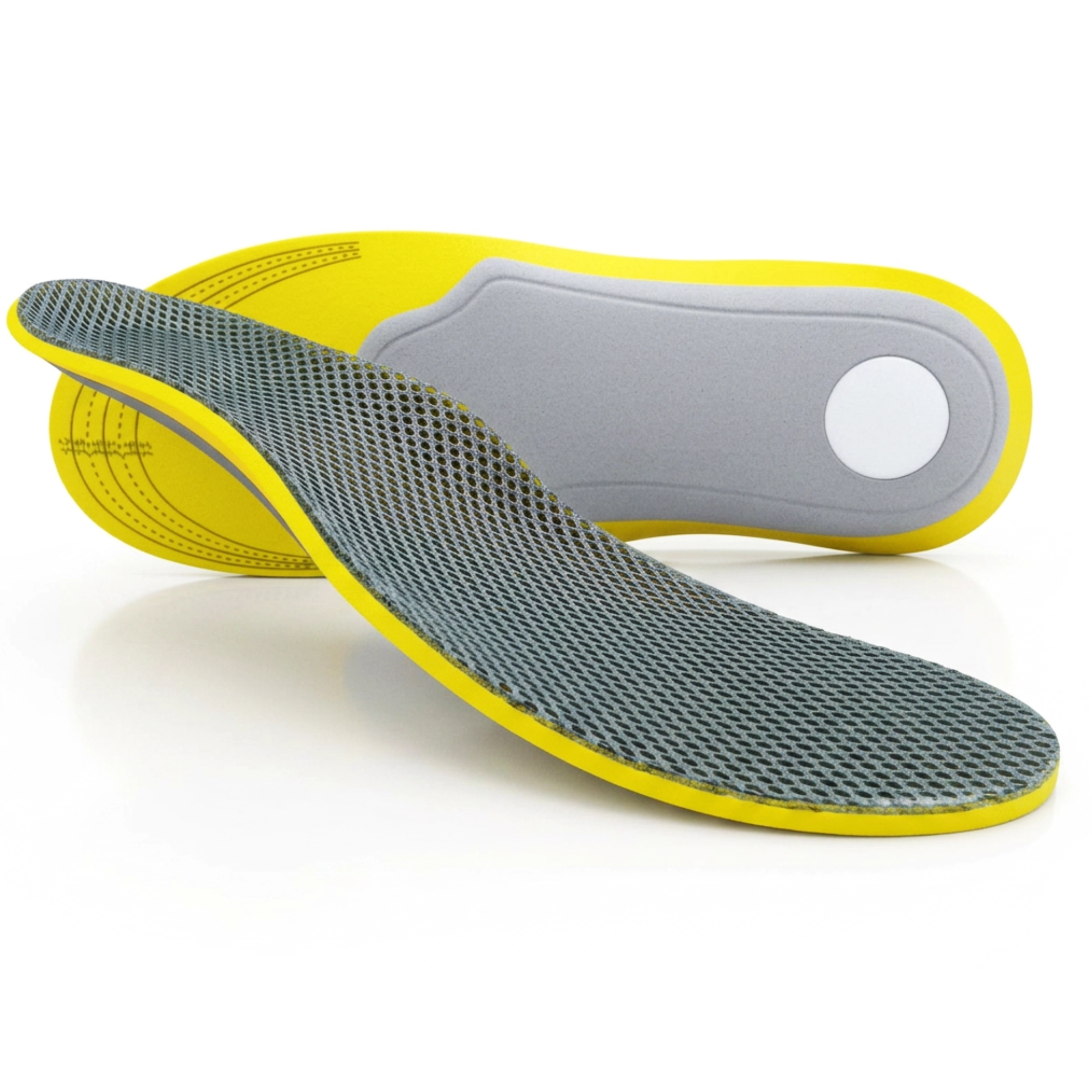
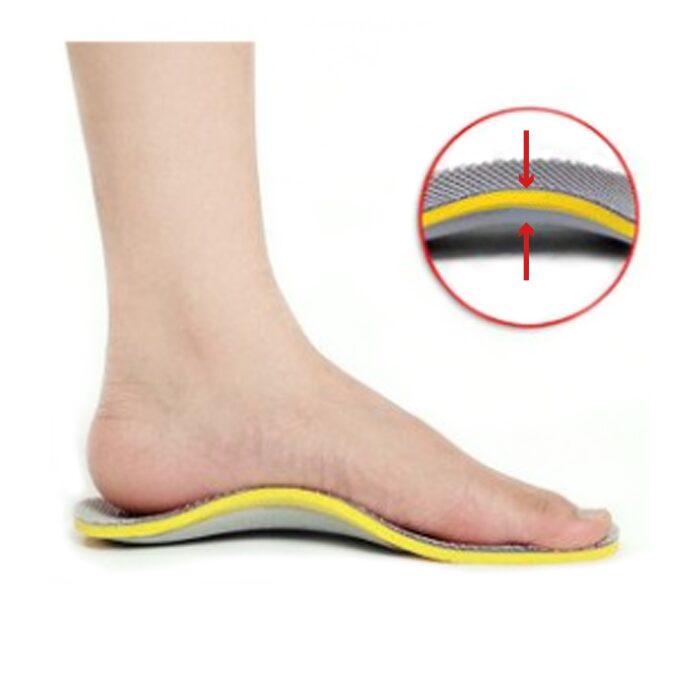
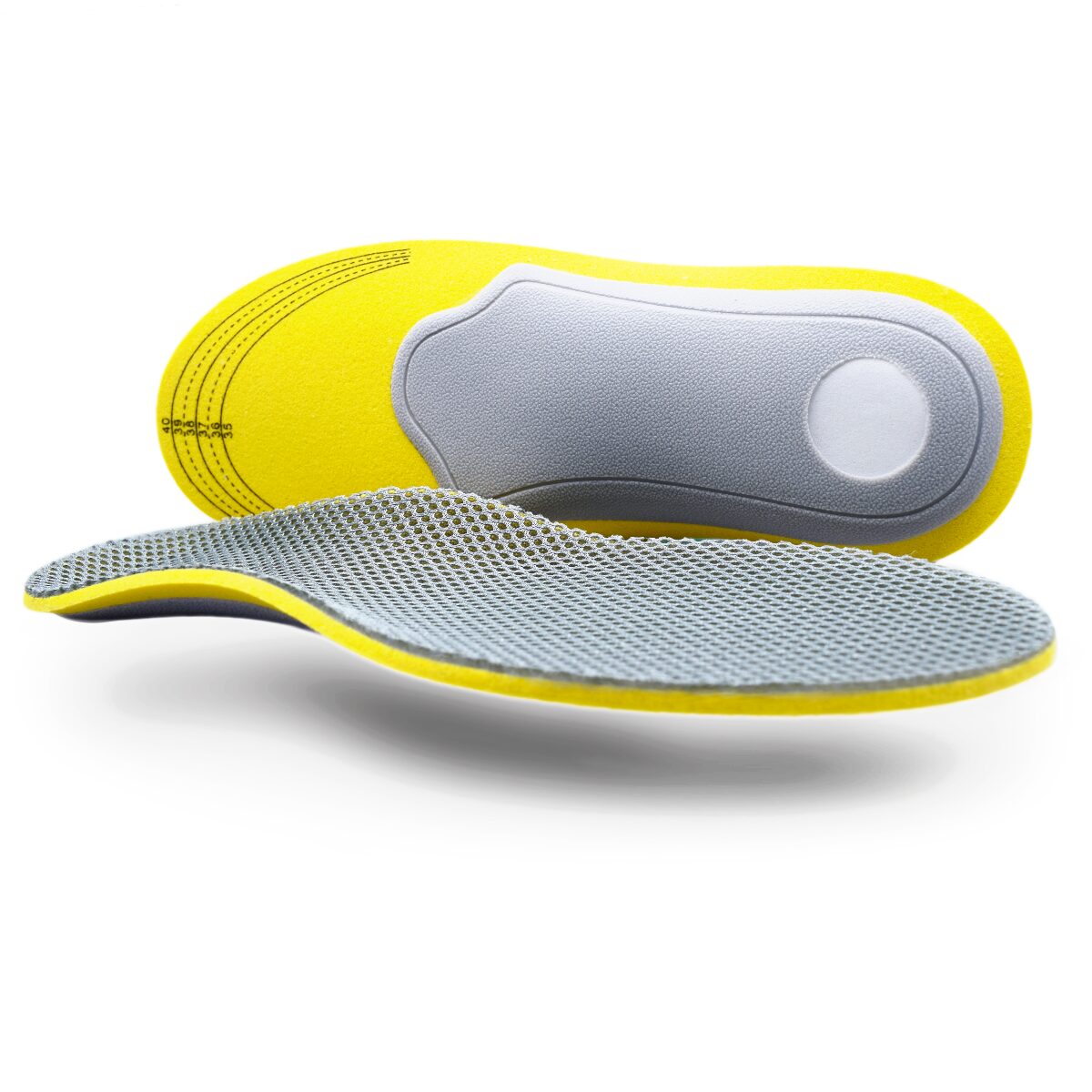
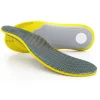
by Jeff B
These insoles work wonders! 👍👍👍
by Mark hughes
Been wearing mine for a couple weeks now and as we speak I’m ordering more pairs 🙂 They are so good and provide a good level of support and unlike other arch support insoles these aren’t too bulky or heavy so don’t weigh down your feet when you are running.
by Daniel Jackson
I’ve tried a few different insoles for my flat feet, and these are by far the best. The support they offer is unrivaled, and my heel pain has virtually disappeared. Top-notch quality.
by Andy Moore
Suffering from plantar fasciitis, I was in dire need of a good insole. Wearing these arch support insoles the relief was immediate and noticeable. The way they support and cushion the foot, it’s as if they were custom made for me.
Moreover, these insoles have been fantastic at absorbing shocks and jolts, which is a big plus for someone like me who’s always on their feet. I’ve also noticed a reduction in my knee pain since I started using these insoles, a benefit I wasn’t even expecting!
My advice? If you’re facing similar issues, don’t hesitate to try these out. They’ve certainly made a difference for me.
by James
Ever since I twisted my ankle playing basketball, I’ve been dealing with chronic pain. These arch-support insoles have helped me a lot. They give my ankle the stability it was lacking, reducing the pain and discomfort. Plus, they can be easily trimmed to fit my shoe size.
by Anthony Davis
My Achilles tendonitis and flat feet have been a constant source of discomfort for as long as I can remember. But these FootReviver arch support insoles have been a game changer for me. They are like a balm for sore feet, offering just the right amount of support and cushioning.
The soft, cushioning effect is immediately noticeable and my feet have definitely felt less weary at the end of the day.
These insoles don’t just relieve pain, they also protect against further damage from shock and jolts, which is a major plus point. Plus, they fit easily into most of my shoes without any problems and I’ve found them to be incredibly durable, showing no signs of wear and tear even after months of daily use.
One tiny gripe I have is that they do take some time to adjust to your feet, but once you get past that phase, comfort is guaranteed. I wholeheartedly recommend the FootReviver arch support insoles to anyone struggling with foot pain or discomfort. These are worth every penny!
by Harry
I’ve struggled with plantar fasciitis for years. Countless visits to podiatrists, numerous treatments, but nothing seemed to work. Then, a friend suggested FootReviver Orthotic Insoles, and I must say, they are a game-changer! The insoles offer great arch support and alleviate my pain significantly. FootReviver has truly breathed new life into my feet!