
Metatarsal Pads for Metatarsalgia (Ball of foot pain)
£7.99inc VAT
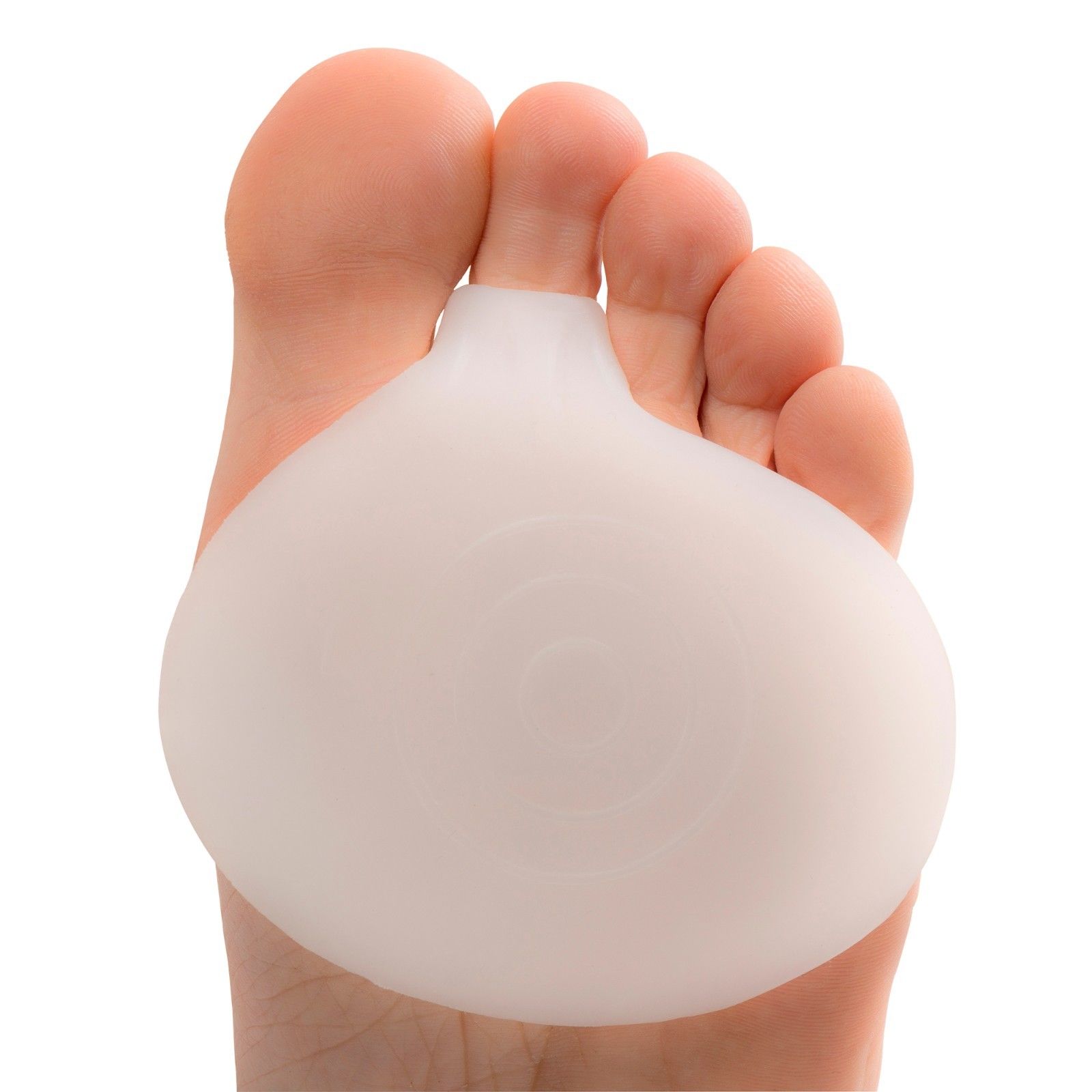
- Slim gel forefoot cushions that sit directly under the ball of your foot to help relieve burning, aching or “pebble‑like” pain.
- Developed by NuovaHealth to support common forefoot problems such as metatarsalgia, thinning of the fat pad under the ball of the foot, and nerve irritation between the toes by softening impact under the metatarsal heads.
- Targeted NuovaHealth gel pad spreads body weight over a broader area so each step feels less sharp and bruising, especially on harder indoor floors or pavements.
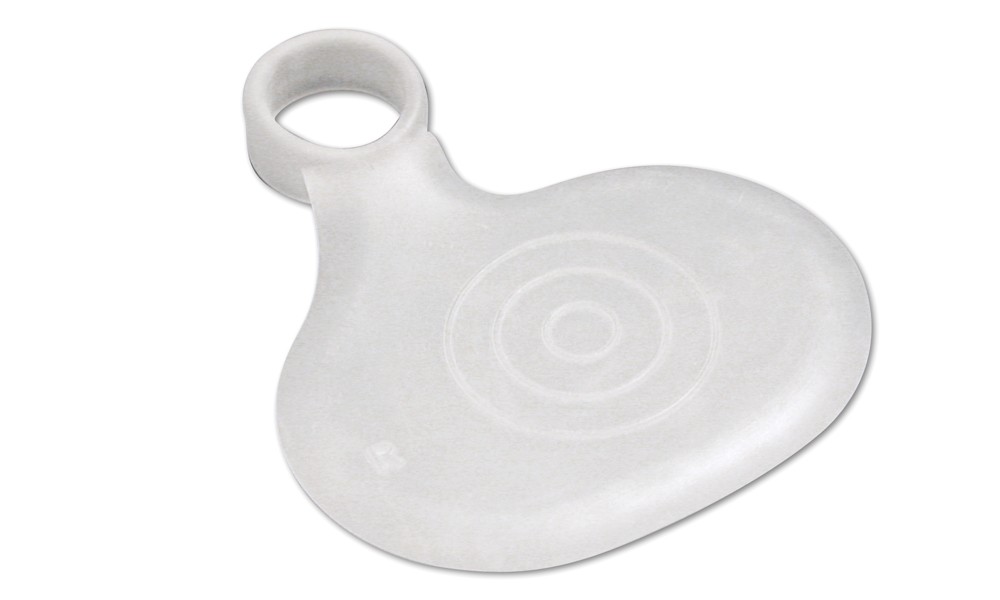
- Soft big‑toe loop and lightly grippy surfaces – a NuovaHealth design feature – help keep the pad correctly positioned under the ball of the foot instead of sliding or bunching inside your footwear.
- Flexible gel gently moulds to the contours of your forefoot over time, creating a smoother, more even contact and helping to reduce rubbing over bony areas or callus.
- Low‑profile NuovaHealth design fits into many everyday shoes – including work shoes, casual shoes and trainers – without usually needing a larger size.
- Suitable for both men and women; one size fits most adult feet thanks to the flexible gel and toe‑loop design.
- Can be worn barefoot around the house, inside socks or hosiery, or inside suitable footwear, so you can use them in the situations where your pain is usually worst.
- Washable and reusable – clean with mild soap and lukewarm water, then allow to air dry fully so the slightly grippy feel is restored.
- 30‑day money‑back guarantee on NuovaHealth products, giving you a practical way to see whether targeted metatarsal cushioning helps your ball‑of‑foot pain.
When pain under the ball of your foot starts to limit you
Are you getting a burning or aching pain under the ball of your foot, or a feeling as if there is always a small pebble in your shoe? When the front of your foot is working hard on hard floors or in less‑cushioned shoes, that area can start to feel bruised, sore and tired. Over time, even straightforward things like standing for longer periods or walking at work can feel like much more effort than they should. Short walks can start to need more planning than you feel they should.
NuovaHealth gel metatarsal pads are designed to sit directly under the ball of your foot, right where that pressure builds up. By adding focused cushioning under the metatarsal heads and spreading your body weight more evenly across the front of the foot, they add an extra layer of protection so each step feels less sharp and more comfortable under that sore area.
Recognising typical ball‑of‑foot symptoms
If you have forefoot pain, you may notice some of the following:
-
- A sharp, aching, or burning pain in the ball of the foot, especially when standing, walking, or running.
-
- A sensation like standing on a small stone or lump in the shoe.
-
- Discomfort that worsens in tighter, narrower footwear or in higher heels that push weight forwards.
-
- A bruised or tired feeling across the front of the foot after a long day on hard surfaces.
You might already have been told you have something like “metatarsalgia”, “Morton’s neuroma”, or “fat pad atrophy”. The labels differ, but the basic problem is often similar: a relatively small area under the front of the foot is taking more pressure and impact than it can comfortably cope with, step after step.
Under that part of the foot sit the rounded ends of the long foot bones (the metatarsal heads), the natural fat pad, small joints and bursae, and nearby nerves. When these structures are repeatedly compressed, they become irritated and sore. NuovaHealth metatarsal pads are a simple way to put cushioning exactly where that extra load is going, so the tissues under the ball of the foot do not have to absorb quite so much force with every step.
These patterns are very common, and they are often improved by combining sensible footwear, well‑placed cushioning such as NuovaHealth pads, and any exercises a clinician recommends.
What is happening under the ball of your foot?
The ball of your foot is a small area that does a lot of work. Understanding what lies under that part of the foot can help you understand why it feels sore.
Just behind your toes, in the “ball” of the foot, you have:
-
- The metatarsal heads – the rounded ends of the long bones that run from the middle of your foot into your toes. You can feel them as a row of small “knuckles” just behind your toes.
-
- A natural fat pad – a soft, slightly springy layer under those bones that normally spreads and absorbs force when you stand and walk.
-
- Joint capsules and ligaments – strong, flexible tissues that wrap around and support the joints where your toes meet your foot, guiding movement and keeping the joints stable.
-
- Small bursae – tiny fluid‑filled sacs near some joints and tendons that help reduce friction between moving structures.
-
- Small nerves – running between the metatarsal heads and into the toes, carrying signals for touch, temperature and pain.
All of this sits in a relatively tight space under the ball of the foot, so small changes in pressure can feel very noticeable.
When you stand, walk or run, your body weight travels down through your leg bones, into the heel, along the arch, and then forwards onto the metatarsal heads. As you roll forwards and push off, a lot of force is channelled through this relatively small area under the ball of the foot. On hard, unyielding surfaces or in thin‑soled shoes, there is very little natural “give” under that area, so the fat pad and joints have to soak up most of the impact.
If too much load is focused again and again on the same spot, the natural fat pad can be flattened, spread out, or gradually thinned, so there is less cushioning directly under the bones. Joint capsules, ligaments and bursae can become irritated and inflamed, giving a deep, aching or bruised feeling that tends to build the longer you are on your feet. Nearby nerves can be compressed or rubbed between the metatarsal heads and tight soft tissues, causing sharp, burning, tingling, or “pebble under the foot” sensations.
These strains are often greatest later in the day, when you have taken thousands of steps and the soft tissues are under strain and slightly swollen; in shoes that push your weight forwards, such as higher heels; in narrower shoes that squeeze the metatarsal heads together and reduce space for the nerves; and on hard pavements or hard indoor floors, where there is little natural shock absorption.
The key point is that several important structures share a small contact area under the ball of the foot, so extra pressure is often felt quickly there. When you realise how much force goes through such a small area, it is easier to understand why it can become sore – and why putting a small amount of the right cushioning in the right place can make a difference.
How NuovaHealth pads change the pressure under your foot
Once you understand how much weight goes through the front of the foot, the next step is how to make that area more comfortable. NuovaHealth metatarsal pads are designed to work with the way the front of your foot takes weight, not against it. Each pad places a slim, contoured NuovaHealth gel cushion under the ball of your foot and keeps it there as you move, to soften impact and share the load more comfortably across the forefoot rather than through one painful spot.
In simple terms, they turn a small pressure point into a wider, softer contact area. That change alone is often enough to move pain from “every step hurts” to “mainly noticeable after longer periods on your feet”, rather than all the time.
Targeted cushioning under the metatarsal heads
The main cushioned area of each NuovaHealth pad sits under the metatarsal heads – the bony “knuckles” just behind your toes where a lot of weight is transferred as you walk.
The NuovaHealth gel gently compresses when you put weight on it and then springs back as you lift your foot, acting a little like an extra fat pad. It softens the impact each time your forefoot meets the ground, particularly as you roll onto the ball of the foot, and helps spread pressure over a wider area so no single small sore spot has to absorb most of the force.
If you tend to get a sharp, pinpoint‑type pain under one or two central metatarsal heads when you walk across hard indoor floors, placing a NuovaHealth pad under that region means the gel takes some of the first contact, more of the load is shared with the neighbouring metatarsal heads and surrounding soft tissues, and the pressure under that one sore spot often feels less intense with each step.
If you spend long periods standing still at a counter or workstation, the pad turns a single, focused pressure point under the ball of the foot into a broader, cushioned contact area. That can make prolonged standing feel more manageable, because the joints and soft tissues under your forefoot are no longer being pressed as directly into a hard insole or floor.
By reducing these sharp rises in pressure on a small area:
-
- Irritated joint capsules and ligaments are less sharply pressed every time you shift your weight onto the front of the foot.
-
- Nerves that were being pinched between metatarsal heads have a little more protection from direct compression.
-
- The ball of the foot often feels less like you are walking on a stone and more as if it is properly cushioned.
In everyday terms, the sore area is not being sharply pressed with every step.
Why NuovaHealth pads stay in place under the right spot
Cushioning only helps if it stays under the right spot. A common frustration with simple, generic forefoot pads is that they can slide around in the shoe, bunch up, or work their way forwards under the toes.
The toe‑loop and grip design of NuovaHealth metatarsal pads is intended to avoid that. They use:
-
- A soft big toe loop – you slip your big toe through this loop so the pad stays aligned under the ball of your foot instead of creeping forwards.
-
- Lightly grippy surfaces – the surfaces that sit against your skin and against your insole are slightly textured to reduce slipping and twisting.
This design keeps the cushioned area sitting under the metatarsal heads, where your weight passes through as you roll forwards in walking, rather than ending up under the tips of your toes where it does little to offload the joints. It also reduces the risk of the pad bunching or folding, which can create new raised edges that dig into the skin and form fresh pressure points.
By limiting how far your forefoot slides forwards inside the shoe, NuovaHealth pads can also help reduce your toes being crammed into the front, bent more than feels comfortable at the toe joints, or pushed against bunions or toenails. Compared with loose foam or stick‑on pads, the toe loop and grippy surface are there to keep the cushioning sitting under the sore area, rather than drifting forwards during the day.
How NuovaHealth gel adapts to your forefoot
The gel used in NuovaHealth pads is slim and flexible, so it bends with your foot through the normal heel‑to‑toe roll of walking rather than forcing your foot to move around a rigid lump. It is also slightly mouldable, so over time it can gradually shape itself to the contours of your own forefoot.
As you wear the pads:
-
- The gel fills in small hollows under your forefoot and smooths out minor ridges between your foot and the insole of your shoe.
-
- This creates a more even contact surface, which can reduce friction and rubbing over bony prominences (the small bony bumps under the skin) or callused areas.
-
- Pressure is less likely to be focused along a hard edge of an insole or a seam, which can otherwise cause a line of soreness after a day in the same shoes.
For everyday tasks like standing at work, walking on pavements, or climbing stairs, this more even, cushioned contact under the ball of the foot can make the area feel less bony or bruised, especially if your natural fat pad (the soft cushioning under the ball of the foot) is thinner than it used to be. For many people, the issue is less about having no padding at all and more about that padding no longer being in the right place under the bone; the NuovaHealth gel helps to replace some of that missing cushioning under the sore spots.
Clinicians who use NuovaHealth pads with patients often look for this kind of stable, adaptable cushioning, rather than very soft padding that flattens quickly and stops offering support.
Using NuovaHealth pads in everyday life
Once it is clear how NuovaHealth pads work under the ball of the foot, the next questions are usually about how they feel to wear, which shoes they work in, how to put them on, and how to look after them.
How NuovaHealth pads feel and fit
Because the NuovaHealth gel is flexible and compressible, it moves with your foot through the normal walking pattern, from heel strike to toe‑off, rather than blocking movement at the ball of the foot. You get cushioning without feeling as if your forefoot is perched on a hard block or forced into an awkward angle. Most people find they can wear the pads for extended periods – at work, at home, or when out – without constantly being aware of the pad.
If your forefoot is quite sensitive to start with, it is sensible to begin with shorter wear times, such as part of the day rather than a full long shift, and build up gradually as your foot gets used to the slightly different way pressure is spread under the ball of the foot. It often helps to use the pads at the times when your symptoms are usually at their worst – for example, when you know you will be on your feet more than usual.
The first few days are often an adjustment period while your forefoot gets used to the new cushioning. That means the pad works with your normal walking pattern, rather than asking you to change how you walk.
Which shoes work best with NuovaHealth pads?
Because NuovaHealth pads are relatively low profile and sit just under the ball of the foot, they can be used in many everyday shoes such as work shoes, casual shoes and trainers, provided there is a little space around the front of the foot.
Many people also find they can use them in lower or moderate heels, where the front of the foot is not angled too steeply and there is still enough space to accommodate a slim pad. Clinicians generally look for this in a forefoot pad: slim enough that you usually do not need a larger shoe size.
Very tight or narrow shoes that already squeeze the front of the foot may feel more snug with a pad in place, and will still focus pressure on the forefoot even with added cushioning. Very high‑heeled shoes that throw most of your body weight onto the ball of the foot can still be uncomfortable if you have forefoot pain, because the angle of the foot itself increases load through the metatarsal heads.
For most people, comfort is better when you:
-
- Choose footwear with a reasonably roomy toe box (the front of the shoe where your toes sit).
-
- Use a sole that offers some support – reasonably firm and not too thin under the ball of the foot.
-
- Keep any heel modest, if you wear one at all.
This gives the NuovaHealth pad space to sit flat under your forefoot and do its job of cushioning and spreading pressure. It is usually best to keep very tight or high‑heeled shoes for shorter periods if your symptoms tend to flare in that type of footwear, even when you are wearing pads.
A useful rule of thumb is: if your toes can move freely and the sole under the ball of the foot does not fold up easily, there is usually enough space to add a slim NuovaHealth forefoot pad. This is very similar to how clinicians judge, in clinic, whether there is enough room to add a forefoot pad.
From a clinical perspective, a small improvement in shoe fit at the front of the foot often makes more difference than very thick cushioning alone.
How to position your NuovaHealth pads
Start by standing and feeling where the ball of your foot is most sore or pressured. Then:
-
- Place the pad so that the thickest, cushioned area sits under that sore part, just behind your toes.
-
- Slip your big toe through the soft loop so that the pad is held securely in place and cannot slide forwards.
-
- Before putting on your sock or shoe, check that the pad feels centred under the metatarsal heads: you should feel most of the thickness under the ball of the foot, not up under your toe tips or too far back in the arch.
You can wear NuovaHealth pads:
-
- Barefoot around the house on hard indoor floors.
-
- Inside socks or hosiery, which can help keep them in place and reduce any rubbing around the edges.
-
- Inside many types of shoes, including everyday work shoes, casual shoes and trainers, provided there is enough space at the front of the shoe.
Wearing NuovaHealth pads during the day
If your forefoot is very tender, start by wearing the pads for part of the day – for example during times when you are on your feet more than usual – rather than from early morning to late evening. If they feel comfortable and you notice less sharpness under the ball of the foot, you can gradually increase the amount of time you wear them.
It often works best to use them during activities or times of day when your symptoms are usually worse. Many people find ball‑of‑foot pain builds when they stand in one place for a long time, walk on hard pavements, or spend several hours on their feet at work. Having NuovaHealth pads in place during those times is usually most helpful.
It is normal for the extra cushioning to feel a bit different under the foot at first, as long as it is not rubbing or creating new sore spots. As long as the pad is positioned correctly and not causing rubbing or new sore areas, this different feel should settle as you get used to the new way pressure is shared under the ball of your foot.
You will usually get the most benefit if you combine NuovaHealth pads with sensible footwear choices: avoid very narrow toe boxes that pinch the front of the foot, and keep very high heels for short occasions rather than all‑day wear, as these styles push more weight through the area the pads are trying to protect.
Cleaning and caring for NuovaHealth pads
To keep the pads fresh and comfortable:
-
- Wash them using lukewarm water and a mild soap, avoiding harsh detergents that could damage the gel.
-
- Rinse them thoroughly and allow them to dry fully at room temperature before reusing, so the surfaces regain their slightly grippy feel against your skin and insole.
-
- Check from time to time that the surfaces remain clean and free of debris, as grit or other particles caught under the pad can rub and cause small pressure points.
With basic care and regular cleaning, the NuovaHealth gel should continue to offer consistent cushioning and support for everyday use. Clean, dry pads grip and cushion better than ones that have accumulated sweat and debris, so regular cleaning is worthwhile.
Staying safe and knowing when to seek further help
NuovaHealth metatarsal pads are a simple, non‑invasive way to cushion and support the front of the foot. Many people find they make everyday activities more comfortable, either on their own or alongside advice from a GP, physiotherapist, or podiatrist.
It is still important to seek professional advice if:
-
- Your forefoot pain is new, severe, or came on suddenly without a clear reason.
-
- Your symptoms are getting worse over time rather than gradually improving, or they are starting to interfere more with everyday walking, standing or stair climbing.
-
- You have tried using pads and sensible footwear for a few weeks and your discomfort is not improving at all, or is only improved very briefly when you are off your feet.
-
- You notice significant swelling, warmth, or redness in the forefoot, or you feel generally unwell alongside your foot pain.
-
- You have other health conditions that affect your feet and you are unsure whether extra cushioning is appropriate, or how best to use it with other insoles or supports.
A GP, physiotherapist or podiatrist can assess your symptoms in more detail and look at how your foot is taking weight when you stand and walk. They can help confirm the likely underlying cause of your forefoot pain – for example whether it is mainly from joints, soft tissues, or nerves – and advise on whether additional treatments, exercises, insoles, or investigations are needed alongside simple cushioning and footwear changes.
These pads are intended to improve comfort; if pain is changing, worsening, or not settling, that is a reason to seek assessment, not a reason to keep adding more padding. NuovaHealth pads are intended as a comfort aid and are not a replacement for individual assessment by your GP, physiotherapist or podiatrist.
How NuovaHealth pads fit common forefoot diagnoses
Many different diagnoses at the front of the foot ultimately involve sensitive joints, soft tissues or nerves under the metatarsal heads being overloaded. NuovaHealth pads work on a simple principle: by softening impact and spreading pressure under that region, no single structure has to take the full brunt of your body weight with every step.
Different labels are used for pain at the front of the foot. Here is how that same cushioning principle can help in some of the more common causes of pain under the ball of the foot. You may find it most helpful to focus on the description that sounds closest to your own symptoms or to what you have been told. The choice to use a forefoot pad does not depend on the label alone, but on where the pain is and which structures are most sensitive.
Why clinicians choose NuovaHealth metatarsal pads
There are many different types of forefoot cushions available. NuovaHealth pads bring together several features that make them a strong option if you are dealing with pain under the ball of your foot, and they reflect what clinicians often look for when recommending a forefoot pad to patients:
-
- Targeted forefoot cushioning where you need it most – NuovaHealth gel pads are shaped and positioned to sit under the metatarsal heads, where much of your body weight passes as you walk, helping to soften and spread pressure away from painful hotspots.
-
- Secure positioning by design – The big toe loop and lightly grippy surfaces are there to keep the padding sitting under the sore area instead of sliding forwards or bunching up. That is a key difference from simple loose or stick‑on pads that can move around inside the shoe.
-
- Adaptive comfort – The slim, flexible NuovaHealth gel adapts to the contours of your forefoot over time, creating a smoother contact between your foot and the inside of the shoe and helping to reduce rubbing over bony areas or callus.
-
- Versatile to use – NuovaHealth pads can be worn barefoot, inside socks or hosiery, and in many everyday footwear styles, including work shoes, casual shoes and trainers, as long as there is a little room at the front of the shoe.
-
- Built for repeated use – The materials and gel are chosen to keep their cushioning feel with regular wear and easy washing, so you do not lose the benefit after only a few days. The design mirrors key things clinicians look for in a good forefoot pad: accurate placement under the ball of the foot, cushioning that holds its shape, and a slim profile that works in everyday footwear.
For pain directly under the ball of the foot, these NuovaHealth metatarsal pads are a common choice. Their design has been refined over time using regular feedback from both clinicians and patients dealing with forefoot pain. Because the design so closely matches what clinicians look for, these pads are often the preferred choice over generic, flat forefoot cushions.
If you mainly notice pain under the ball of the foot, these NuovaHealth pads are a practical starting point if you need extra cushioning under the ball of the foot and want features clinicians are confident recommending.
Deciding if NuovaHealth metatarsal pads are right for you
Living with pain under the ball of the foot can turn simple, routine tasks into something you have to plan around – how far you will walk, how long you can stand, which shoes you can tolerate. It is common, but it is not something you should feel you simply have to put up with.
NuovaHealth metatarsal pads are built to tackle a very specific problem: too much pressure going through a small, sensitive area at the front of the foot. By adding focused cushioning directly under the metatarsal heads, helping to spread your body weight over a broader contact area, and keeping the pad in place with a toe loop and grippy surface, they reduce sharp pressure under that sore region when you walk or stand.
They are designed to work in many everyday shoes, are simple to position, and are easy to wash and reuse. The design reflects what clinicians tend to look for in a forefoot pad – stable positioning under the ball of the foot, cushioning that holds its shape, and a profile that works in everyday footwear for both men and women.
If the descriptions on this page sound like your own symptoms – a bruised, burning, or “pebble‑like” pain under the front of the foot that builds the longer you are on your feet – then it is sensible to try NuovaHealth metatarsal pads. Check the fit and wearing guidance above, consider which of your usual shoes they are most suitable for, and if you are unsure or have more complex symptoms, speak to a GP, physiotherapist, or podiatrist for personalised advice before or alongside using them.
Disclaimer
The information on this page is general guidance only and is not a substitute for individual medical advice, diagnosis or treatment. Forefoot pain can have several different causes, and similar symptoms can arise from more than one underlying problem. If you are unsure about your symptoms, if they are changing, or if they are not settling as expected, speak to a GP, physiotherapist, podiatrist or another appropriate health professional for assessment and personalised recommendations. No product can guarantee specific results, and NuovaHealth metatarsal pads should be used alongside other foot‑care advice from a suitably qualified clinician where needed.
Fast & Secure Checkout Through Paypal
Pay with Paypal the secure payment gateway that accepts all credit and debit cards. Paypal is free and secure and no credit or bank information is ever stored or shared with us.
Fast Dispatch
Enjoy your items soon with quick dispatch via Royal Mail. Expect to have your items between 1-3 working days for domestic orders. 7-10 Working days for international orders.
Return Policy – 30 Day Money Back Guarantee
In the unlikely event, you are unhappy with your purchase you can return it within 30 days for a refund. Please contact us via the form on the contact us page to start your return.
To return an item please send it to: Nuova Health UK, 81 Highfield Lane, Waverley, Rotherham, S60 8AL. Please include a note with your order id so we know who to refund. Please retain your postage receipt as proof of postage. All that we ask is that the item is in the original packaging and unused.
Reviews
There are no reviews yet.