Wrist Braces
Wrist Braces and Supports for Pain, Instability, and Carpal Tunnel Symptoms
Understanding Wrist Pain: What It Feels Like and Why It Happens
How wrist problems feel day to day
Wrist pain often starts quietly. A dull ache after typing. A sharp twinge when you push yourself up from a chair. Stiffness first thing in the morning that takes a while to ease. What used to be effortless suddenly takes thought and care.
It’s frustrating when your wrist complains every time you reach for something, turn a key, or lean on your hand. That dull ache, day after day, wears you down. Simple tasks—lifting a kettle, wringing out a cloth, gripping a steering wheel—become uncomfortable or sharply painful. You might favour the other hand, or avoid certain movements without realising.
Sometimes the problem is obvious: a fall, a twist, a knock. Other times it creeps in—no single moment you can point to, just a gradual sense that your wrist isn’t coping as well as it used to. You might notice tingling in your fingers at night, a feeling that the wrist might give way when you push on it, or swelling that won’t settle.
A seemingly minor fall can affect your hand for weeks—longer than most people expect. Repetitive tasks that never caused trouble before can leave the wrist aching for hours afterwards. The uncertainty can be as wearing as the pain itself: not knowing if it will settle on its own, whether you should rest it or keep moving, or if something more serious is going on.
Where does it hurt? Pain patterns and what they mean
Where you feel it and what triggers it often points to which part is strained. These patterns help work out what’s going on—they’re signposts, not diagnoses.
- Thumb side of the wrist
Pain here—especially when gripping, lifting, or twisting jars—usually means tendon trouble. The tendons that lift and move the thumb away from the hand run through a narrow groove on this side, and repeated strain irritates them. - Little-finger side of the wrist
Aching or sharp pain here, especially when twisting or pushing through the hand, typically signals strain on the triangular fibrocartilage—a wedge of tough, rubbery tissue that acts as a shock absorber—or nearby ligaments. Overloading this area through repeated twisting, a fall, or heavy pushing causes persistent soreness. - Front (palm side) of the wrist
Deep aching or tenderness, sometimes with tingling in the thumb, index, and middle fingers, often means pressure on the median nerve—the nerve that gives feeling to those fingers and controls some thumb muscles. This nerve passes through the carpal tunnel, a narrow channel on the palm side of your wrist where it travels alongside several tendons. When tissues swell or the wrist stays bent for long periods, the tunnel narrows and squeezes the nerve. - Back (top) of the wrist
Pain on the back, especially when pushing or bending the wrist fully backwards, could be joint irritation, a ganglion cyst—a small fluid-filled lump that forms under the skin—or strain on the ligaments and joint capsule. Leaning on your hands or pushing up from the floor makes this worse. - Deep inside the wrist
A vague, deep ache you can’t quite pinpoint, often worse after activity or first thing in the morning, often means wear on the joint surfaces or inflammation of the joint lining. This pattern often appears with arthritis or after old injuries that didn’t heal quite right.
Spotting these patterns helps work out what’s going on—and what kind of support might help. If pain won’t settle, feels severe, or stops you doing everyday tasks, get it checked. Some problems need assessment, not just a brace: fractures, bad ligament tears, worsening nerve compression, or signs of infection.
Quick Match Guide: Find the Right Support for Your Symptoms
Match your main symptom to the right level of support:
| If you have… | Start with… | Why |
|---|---|---|
| Night-time tingling in thumb, index, middle fingers | Firmer splint with built-in rigid supports | Keeps wrist straighter while you sleep, reducing carpal tunnel pressure |
| Thumb-side pain when gripping, lifting, or twisting | Brace with thumb support or removable rigid support | Limits the combined thumb and wrist movement that irritates those tendons |
| Wrist feels like it might give way or clunk when pushing | Semi-rigid brace with rigid supports | Adds external stability so bones move together |
| General aching after repetitive tasks, no instability | Softer wrap with removable rigid support | Compression and gentle support without restricting too much |
| Recent sprain (assessed, no fracture) | Semi-rigid brace | Limits movement while ligaments heal |
| Little-finger side pain with twisting | Firmer brace that controls rotation | Reduces stress on the cartilage and ulnar-side structures |
Still unsure? Contact our support team with where it hurts and what makes it worse—we’ll help you narrow it down.
When to Seek Professional Assessment
Most wrist pain isn’t an emergency, but some situations need professional assessment before using a brace.
⚠️ Speak to a GP or physiotherapist before relying on a brace if:
- You’ve had a recent injury with significant pain, swelling, or deformity that hasn’t been assessed.
- There are open wounds, burns, or signs of infection where the brace would sit.
- You have known circulation or severe nerve problems affecting the hand or forearm.
- Swelling, redness, or heat around the joint is unexplained or rapidly increasing.
- There are new or worsening problems such as weakness, loss of fine control, or spreading numbness.
Using a brace without assessment in these cases could mask important signs or delay treatment. Once a clinician has assessed you and confirmed bracing is appropriate, a wrist brace can support your recovery or ongoing management.
Why Wrists Hurt: The Mechanics Behind the Pain
What the wrist does and why it’s vulnerable
Your wrist sits between your forearm and hand—two forearm bones meet eight small wrist bones arranged in two rows. Strong ligaments hold these bones together. Tendons cross the front and back of the joint, connecting your forearm muscles to your hand and fingers so you can move them. Nerves and blood vessels pass through tight spaces, including the carpal tunnel on the palm side.
Where bones meet, smooth cartilage covers them, letting them glide against each other without friction. The joint lining produces lubricating fluid. This compact joint needs stability and mobility: bearing weight when you push up from a chair, staying steady when you grip and lift, moving fluidly through dozens of small adjustments every day.
Pain usually starts in one of two ways: tissues suddenly get overloaded, or they’re repeatedly strained without enough recovery time. Both trigger inflammation. Your body sends extra fluid, warmth, and sensitivity to protect the area—that’s why it feels puffy, warm, and more tender than usual. Short-term, inflammation helps healing. Long-term, it keeps tissues sensitive and painful.
The neutral position: where your wrist works best
Your wrist is most stable and comfortable in a neutral position—roughly in line with your forearm, not bent sharply up, down, or to either side. Imagine shaking hands—that’s roughly neutral. Staying away from that position increases strain on ligaments and the joint capsule—the tough tissue wrapping the joint—and loads the cartilage at the furthest point it can bend in any direction.
Types of stress on the wrist
Wrist pain usually develops through one or more of these mechanical stresses:
- Repeated bending forwards and backwards
Typing, manual work, or tool use means your wrist bends repeatedly or stays at the furthest point it can bend. Over time, this causes aching, stiffness, or sharp pain when the wrist is pushed to its limits. - Twisting movements
Turning keys, wringing cloths, or using screwdrivers repeatedly twists the wrist. This places rotational stress on ligaments and on the triangular fibrocartilage on the little-finger side. Repeated twisting leads to soreness, swelling, or a feeling of catching when rotating the hand. - Compression and weight-bearing through the hands
Pushing up from the floor, leaning on your hands, or pushing open heavy doors compresses the joint surfaces and their cartilage. This also increases pressure in the carpal tunnel and on nearby nerves, leading to aching or tingling after prolonged pressure. - Direct impact or knocks
Falls onto an outstretched hand or direct blows overload bones, ligaments, and soft tissues, leading to bruising, sprains, or fractures. Even a seemingly minor fall can leave lingering pain if the wrist structures are strained or misaligned.
Many activities place multiple stresses on the wrist at once. Typing, for example, combines repeated bending backwards, sustained positioning, and hundreds of finger movements—fatiguing muscles, straining tendons, and compressing the carpal tunnel all at once.
What happens when strain continues
If the same movements keep stressing already-irritated tissues, they struggle to heal. Tendons thicken and become more sensitive. Ligaments stretch and make the wrist feel less stable. Cartilage wears, leaving rough surfaces that catch or grind. Nerves get more easily provoked. Over time, the wrist feels less reliable, and you might avoid tasks or movements that used to be straightforward.
How Wrist Braces Work
The mechanics of support
A wrist brace changes how force travels through the joint. Instead of the ligaments, tendons, and joint surfaces managing every bend or twist alone, the brace shares some of that work. It acts as an external layer of support that helps guide movement and reduces stress on sensitive tissues.
- Support
The fabric and built-in stays—rigid metal or plastic supports—resist bending and twisting. When leaning on your hands or pushing up from a chair, the brace helps stop the wrist bending to its furthest point, reducing stretch on the front and back of the joint and its ligaments. Movements that once felt sharp become more manageable and less likely to trigger pain. - Compression
Gentle, even pressure around the wrist limits fluid build-up after activity. Compression encourages fluid drainage, reducing the feeling of tightness and puffiness, making movement more comfortable and helping tissues settle between periods of use. - Limiting painful movement
Semi-rigid splints or stays prevent the wrist from bending fully forwards or backwards. In conditions where these positions pinch or stretch irritated tissues—such as sprains, arthritis, or carpal tunnel symptoms—keeping the wrist nearer neutral eases pain during everyday tasks. - Improving stability
When ligaments are loose after injury, the wrist bones move slightly more than they should. A brace wraps around the joint, creating tension that holds the bones together and reduces the feeling of clunks or giving way. This restores confidence in using the hand for weight-bearing or gripping. - Softening pressure points
Padded areas spread pressure and cushion bony points, helping if the wrist is often knocked or rested on hard surfaces. This makes daily activities like leaning on a desk or driving more comfortable.
Softer supports focus on compression and gentle guidance, while structured splints with rigid parts provide firmer control. The right brace can make everyday tasks easier and more comfortable, especially when matched to the specific pattern of pain.
Braces as part of wider treatment
Wrist pain is usually managed through several approaches working together:
- Adjusting activities to reduce repeated strain and allow recovery
- Exercises to maintain or improve movement, strength, and control
- Changes to how you grip, what tools you use, or your posture to reduce load on the wrist
- Pain-relieving or anti-inflammatory medicines where appropriate
- In some cases, injections or surgery if other measures aren’t enough
A wrist brace supports these steps. It protects healing tissues after injury while exercises focus on surrounding areas, reduces strain on irritated tendons or joints during heavier or repetitive tasks, and holds the wrist straighter at night in carpal tunnel-type symptoms to reduce nerve pressure. Braces work best when matched to how and when the wrist hurts and used alongside other measures that address the underlying cause.
Important: Braces can’t reverse cartilage wear, fix torn ligaments, or cure underlying disease. They reduce symptoms, support function, and make daily activities more manageable while other treatments work or tissues heal.
Sudden Injuries and Acute Wrist Problems
Sprains, fractures, bruising, and dislocations
When wrist pain starts after a clear event—such as a fall onto an outstretched hand, a direct blow, or an awkward twist—it usually falls into this group. The cause is often obvious, and pain appears quickly.
⚠️ Important: If you’ve just injured your wrist and there’s significant swelling, deformity, or you can’t use it, get it assessed before using a brace. A brace isn’t a substitute for diagnosis.
- Sprains and ligament injuries
If your wrist is forced beyond its normal limits, the ligaments holding the small wrist bones together can stretch or tear. Pain and swelling appear quickly, and turning, lifting, or pushing through the hand feels sharp or unstable. If these ligaments heal without enough support, the wrist bones may move slightly more than they should, leading to a feeling that the wrist slips or clunks when bearing weight. - Fractures and bone injury
A fracture is a crack or break in one of the wrist bones, often caused by a hard fall or high-speed impact. It usually causes sharp pain, tenderness over the bone, swelling, and difficulty using the hand. Keeping the bone stable while it heals helps reduce the risk of long-term stiffness or pain. - Bruising and soft-tissue injury
A direct blow can bruise the muscles, tendons, and soft tissues around the wrist. Swelling, discolouration, and tenderness are common. Although less serious than a fracture, a badly bruised wrist can remain sore under pressure or with certain movements for some time. - Dislocations and severe injuries
In more serious cases, one or more wrist bones can shift out of place. These injuries cause severe pain, visible deformity, and an inability to move the wrist. They need urgent medical care to restore alignment and protect blood vessels and nerves.
How bracing helps: After assessment and with clinical guidance, a structured wrist brace can help by limiting movement that would stress healing ligaments or fracture sites, keeping the wrist in a safer position so bones and soft tissues can heal properly, providing extra support so the wrist feels more secure when returning to light activity, and shielding bruised areas from further knocks while spreading pressure more evenly.
Tendon and soft-tissue overload
When pain builds gradually through the day with repeated gripping, lifting, or twisting, it often involves tendon or soft-tissue overload. Small strains build up faster than your body can repair them.
- General tendon irritation
Repeated gripping or lifting irritates the tendons crossing the front and back of the wrist. These tendons act like cords pulling the hand up or down. When they’re overused, tiny areas of irritation develop, leading to pain and swelling that worsen with continued use. - Thumb-side tendon pain (De Quervain’s tenosynovitis)
This pattern affects the tendons that lift and move the thumb away from the hand. Repeated lifting, wringing, or pinching causes pain and swelling in the groove on the thumb side of the wrist. Turning the wrist or gripping with the thumb becomes particularly uncomfortable. - Flexor tendon irritation
Flexor tendons run along the palm side of the wrist and bend the fingers. Heavy strain or small repeated overloads make bending the fingers against resistance painful, and common tasks become difficult.
How bracing helps: Support restricts the movements that most aggravate symptoms—such as combined thumb and wrist movement in thumb-side tendon pain. It supports the wrist so tendons glide more smoothly rather than being pulled sharply over bone, provides gentle compression to limit fluid build-up around irritated areas, and acts as a reminder to avoid extreme positions or high-force movements while tissues recover. Braces are often used during heavier or repetitive tasks and during flare-ups, while exercises to restore strength and control are built up gradually.
Long-Term and Complex Wrist Conditions
Nerve compression and space-occupying problems
Nerve-related wrist problems often feel different from joint or tendon pain. They may cause tingling, numbness, burning, or changes in grip strength and fine control.
- Carpal tunnel compression
The median nerve runs through the carpal tunnel—a narrow channel on the palm side of your wrist—alongside several tendons. When tendons swell or your wrist stays fully bent for long periods, the tunnel narrows and squeezes the nerve. You might feel tingling, numbness, burning, or weakness in the thumb, index, and middle fingers. If pressure continues, the nerve gets more irritable—sometimes causing weakness or reduced fine control. - Ganglion cysts
These are small fluid-filled lumps that often appear on the back of the wrist. They contain thick gel-like fluid and can cause a visible bump, a feeling of pressure, or tingling if they press on nearby nerves.
How bracing helps: A night splint holds your wrist straighter while you sleep, reducing pressure on the nerve. During the day, limiting full bending and providing mild compression and protection helps reduce irritation from everyday knocks or strain. A brace doesn’t remove cysts or fix nerve problems on its own, but it reduces symptoms and protects the area while further assessment and treatment are arranged.
Joint wear and inflammatory conditions
If your wrist feels deeply achy and stiff, especially after rest or heavier use, the joint surfaces and lining are often involved.
- Arthritic change and joint wear
With age, previous injury, or repeated heavy loading, the smooth cartilage covering the small wrist joints can thin or roughen. As cartilage wears, the underlying bone takes more load, causing persistent aching, stiffness, swelling, and sometimes grinding or clicking sensations. Tasks involving gripping or bearing weight through the hands become uncomfortable. - Joint lining inflammation (synovitis)
The thin lining inside the joint that produces lubricating fluid can become inflamed and thickened. In some conditions, including inflammatory arthritis or overuse irritation, this lining swells. The joint then feels puffy, warm, and stiff, and movement can be painful.
How bracing helps: Support limits movement into positions where worn cartilage or inflamed tissues are most compressed or stretched, spreads forces over a larger area so no single joint surface takes all the pressure, provides gentle compression to help manage swelling after activity, and supports the wrist during heavier tasks to reduce flare-ups.
Instability and complex ligament problems
Instability often feels like a mix of pain, clunking, and a lack of trust in the wrist. That sense that the wrist might “let you down” when you push or lift is common and understandably unsettling.
- General wrist instability
After significant sprains, fractures, or repeated smaller injuries, ligaments that normally hold the wrist bones tightly can become stretched or damaged. This allows the wrist bones to move slightly more than they should when the wrist is loaded. You might notice pain, a sense of slipping or clunking, and difficulty with tasks needing steady support, such as pushing or lifting. - Triangular fibrocartilage problems and TFCC tears
The triangular fibrocartilage complex (TFCC) acts as a shock absorber and support on the little-finger side. When one forearm bone is slightly longer than the other, or after certain injuries, extra pressure falls on this cartilage and nearby joint surfaces. Twisting or bearing weight with the wrist bent towards that side compresses these structures, causing pain, swelling, or clicking. Tears in the TFCC can result from a single strong twist or repeated loading, leading to pain on the little-finger side, especially with rotation or weight-bearing, and a sense of weakness or instability.
How bracing helps: Wrapping creates compression around the joint that holds the small bones together and stops them sliding past each other—support your ligaments can’t provide on their own. It limits twisting and side-bending into positions that place high pressure on the cartilage and surrounding tissues, and supports the little-finger side of the wrist more firmly to reduce repeated strain. The aim is to reduce the small, repeated movements that keep ligaments and cartilage irritated and to allow strengthening work to progress with less pain.
How This Range Supports Different Wrist Problems
Targeted support options
This range includes different levels of support so you can match the brace to your pattern of pain and how much control you need:
- Softer compression wraps with removable stays
These give you flexibility. Wear the stay in place when you need firmer control—during heavier tasks, at night for carpal tunnel symptoms, or after a sprain. Remove the stay when you only want gentle compression and reminding support during lighter activity. Our NuovaHealth Wrist Splint—the one with cushioning beads under the palm—works this way: soft neoprene body with a removable contoured aluminium support. Three adjustable straps let you control pressure at the palm, wrist, and forearm. Fits left or right hand. - Firmer splints with built-in rigid stays
When you need consistent, firm control—especially at night or during tasks that repeatedly bend or twist the wrist—a brace with fixed metal supports holds the wrist straighter and limits the movements that provoke symptoms. Our NuovaHealth Carpal Tunnel Syndrome Wrist Splint Brace—the one with three built-in aluminium strips—runs along the palm side and both sides of the wrist. It’s left- or right-hand specific and comes in three sizes for a closer anatomical fit. Padded, breathable materials with soft edges make it comfortable for longer wear, including overnight. - Rigid palm-side splints with thumb loops
A broad, contoured splint running along the palm gives firmer control of deep bending than basic elastic supports. Our NuovaHealth Wrist Splint Support Brace—the one with the thumb loop—has a removable rigid metal splint on the palm side and a neoprene body that keeps it positioned correctly and stops it slipping or twisting during use. Separate right- and left-hand versions reduce pressure points. Use it rigid for maximum control, or remove the splint when you only want softer compression.
All designs leave the fingers and thumb free so you can still grip, type, write, and handle tools while the wrist joint is protected. Softer supports allow more movement and suit milder strains or situations where you want compression without feeling restricted. Firmer splints provide greater control and are often used for carpal tunnel symptoms at night, moderate sprains (once assessed), or during tasks that repeatedly stress the wrist.
Key design features and what they change
The materials across this range provide steady support without being overly hot or bulky. Neoprene and padded fabrics are breathable, and ventilation holes in some designs reduce heat build-up. Adjustable Velcro straps let you fine-tune the fit as swelling or comfort changes through the day.
Contoured aluminium or metal stays along the palm or sides of the wrist encourage that straighter, neutral position. By resisting full bending forwards or backwards, they reduce strain on the joint surfaces, ligaments, and narrow spaces like the carpal tunnel. Multiple straps spread pressure evenly and keep the brace steady during movement. Thumb loops on some designs stop the brace twisting or sliding out of position when you grip or push.
Most designs have a slim profile and can be worn under clothing or workwear when needed. Left- and right-hand specific options (where available) follow the natural shape of each hand more closely, reducing pressure points and improving comfort during extended wear.
Range quality and support
The designs in this range follow the same principles clinicians use when recommending wrist supports: keeping the wrist in a safer neutral position, providing stability after injury or with instability, and using compression to manage swelling. Materials and fastenings give firm but comfortable support without feeling bulky.
A 30-day money-back guarantee allows you to try a brace in your normal routine—work tasks, household activities, or hobbies. This lets you see how it feels during real use, not just for a few minutes at home. If you’re unsure which option suits your situation, the customer support team can help you compare products and match them to your symptoms and daily tasks.
Your Questions Answered
Why does my wrist hurt more at night?
Night pain is common with carpal tunnel symptoms. When you sleep, your wrist naturally curls—bending forwards or tucking under your body—and that position narrows the carpal tunnel and squeezes the median nerve for hours. You’re also lying still, so there’s no movement to shift pressure or encourage circulation. A night splint holds your wrist straighter, keeping the tunnel more open and reducing nerve compression.
Can a brace make my wrist weaker over time?
Not if you use it sensibly. Wearing a brace continuously day and night without any movement can lead to stiffness and muscle weakness. But using a brace during tasks that trigger pain, at night for carpal tunnel symptoms, or after injury while you gradually rebuild strength won’t weaken your wrist. The key is to keep moving within comfortable limits and use the brace as a tool to support activity, not replace it.
Should I wear it tight or loose?
Snug, not tight. The brace should feel secure and supportive without causing pins and needles, colour change, or throbbing. If you can slide two fingers under the straps comfortably, that’s about right. Too loose and it won’t support properly; too tight and it can compress nerves and blood flow. Check the skin under the brace regularly for redness or irritation.
What’s the difference between a splint and a brace?
The terms are often used interchangeably, but generally: a splint includes rigid stays or metal supports that limit movement more firmly, while a brace may be softer and focus on compression and gentle support. In this range, “splint” usually means a design with built-in or removable rigid parts, while “brace” can refer to any wrist support. The level of control matters more than the name.
Can I wear a wrist brace while typing or working?
Yes. Most designs in this range leave the fingers and thumb free so you can type, write, and handle tools while the wrist is protected. Softer wraps allow more movement and suit lighter tasks. Firmer splints with rigid stays provide greater control and are better for tasks that repeatedly stress the wrist or when you need consistent support throughout the day.
How long should I wear a wrist brace each day?
It depends on your symptoms and what you’re using the brace for. Many people with carpal tunnel symptoms wear a brace mainly at night. For tendon irritation or sprains, you might wear it during tasks that trigger pain and remove it during lighter activity. Avoid wearing a brace continuously day and night unless a clinician advises it. Joints and muscles need movement to stay strong and flexible.
Will a wrist brace cure my pain?
No. A brace doesn’t cure underlying problems like cartilage wear, nerve compression, or inflammatory arthritis. It reduces symptoms by limiting painful movements, supporting unstable joints, and spreading pressure more evenly. Used alongside exercises, activity adjustments, and other treatments recommended by a clinician, it can make everyday tasks more comfortable and help tissues recover.
How do I know which brace is right for me?
Start with the Quick Match Guide near the top of this page—it matches common symptoms to the right level of support. Consider where you feel it, what movements make it worse, and how much control you need. If you’re still unsure, contact our support team with details of where it hurts and what triggers it. We’ll help you narrow it down.
Can I wear a wrist brace on either hand?
Some designs in this range are universal and fit left or right hand. Others are hand-specific—separate left and right versions follow the natural shape of each hand more closely, reducing pressure points and improving comfort during extended wear. Check the product description to see which type you’re choosing.
What if the brace doesn’t fit properly?
A brace must fit properly to work. If it feels too loose, too tight, or causes pins and needles, colour change, or throbbing, adjust the straps or try a different size. Our 30-day money-back guarantee lets you try a brace in your own routine and exchange it if the fit or style isn’t right. If you’re unsure about sizing, contact our support team before ordering.
Can I sleep in a wrist brace?
Yes, especially if you have carpal tunnel symptoms. Many people wear a brace mainly at night to keep the wrist straighter during sleep, reducing pressure on the median nerve. Choose a design with padded, breathable materials and soft edges for overnight comfort. Make sure the brace isn’t too tight—it should feel snug but never cause pins and needles or colour change.
What if my symptoms don’t improve?
If symptoms aren’t improving after a few weeks of appropriate bracing, are worsening, or are accompanied by weakness, sudden severe pain, or changes in hand temperature or colour, see a GP or physiotherapist. Some wrist problems need specific treatment—such as injections, physiotherapy, or surgery—that a brace alone can’t provide.
How do I clean and care for my wrist brace?
Most neoprene and fabric braces can be hand-washed in cool water with mild detergent. Remove any rigid stays or metal splints before washing. Rinse thoroughly, squeeze out excess water (don’t wring), and air-dry flat away from direct heat. Don’t tumble dry or iron. Check the product care label for specific instructions.
Safe and Effective Use
Fitting and wearing
A brace must fit properly to work. Too loose and it offers little support; too tight and it causes numbness or discomfort.
- Place your wrist in a comfortable, straight position—roughly in line with your forearm—unless advised otherwise.
- Fasten straps starting near the wrist joint, then move outwards for even support.
- The brace should feel snug but not cause pins and needles, colour change, or throbbing. If it does, loosen it immediately.
- If the brace includes a thumb section, it should support the thumb without forcing it into an awkward angle.
- Check the skin under the brace regularly for redness or rubbing.
⚠️ Fit check: The brace should feel snug but never cause pins and needles, colour change, or throbbing. If it does, loosen it immediately.
Start with shorter wear periods—perhaps during tasks that usually trigger pain—and increase gradually if helpful. For carpal tunnel symptoms, many people wear a brace mainly at night to keep the wrist straighter during sleep.
What to expect
What you notice depends on the underlying problem, but common experiences include:
- Early on, a sense of support and reduced sharp pain during movements the brace limits.
- Over a few weeks, being able to do certain tasks for longer or with less discomfort, and fewer flare-ups with normal use.
- More confidence using the wrist, especially for tasks that previously felt uncertain or painful.
In long-term wear-and-tear or inflammatory conditions, braces reduce pain and support function rather than reverse the underlying changes. Over-reliance without movement or strengthening can lead to stiffness, so as symptoms improve, many people use bracing more selectively for demanding tasks.
Safe use checklist
- Don’t over-tighten straps – excessive pressure can compress nerves and blood flow.
- Remove the brace if new or worsening pain, tingling, or colour changes occur and seek advice if they persist.
- Avoid wearing the brace continuously day and night unless advised otherwise. Joints and muscles need movement to stay strong and flexible.
- Check the skin under the brace regularly. Persistent redness or irritation may mean a different size or style is needed.
- Don’t use a brace to push through severe pain. If symptoms aren’t improving, are worsening, or are accompanied by weakness, sudden severe pain, or changes in hand temperature or colour, get it checked by a clinician.
Sizing and Fit
Measuring your wrist
Most wrist braces in this range are sized by wrist circumference—the measurement around the narrowest part of your wrist, just above the wrist bone.
How to measure:
- Use a soft tape measure or a piece of string you can measure afterwards.
- Wrap it around your wrist at the narrowest point, just above the wrist bone.
- The tape should be snug but not tight—you should be able to slide one finger underneath.
- Note the measurement in centimetres or inches.
Some designs are one-size adjustable with multiple straps for a custom fit. Check individual product pages for specific sizing charts. If you’re between sizes, consider whether you prefer a snugger fit (choose smaller) or more adjustability (choose larger).
Left or right hand? Universal designs fit either hand. Hand-specific designs are labelled clearly—check the product description before ordering.
Care and Maintenance
Proper care keeps your brace working well and comfortable to wear:
- Remove rigid stays or metal splints before washing – these shouldn’t get wet or go in the machine.
- Hand-wash in cool water with mild detergent. Avoid hot water, which can damage elastic and neoprene.
- Rinse thoroughly to remove all soap residue.
- Squeeze out excess water gently – don’t wring or twist, which can damage the fabric and stays.
- Air-dry flat away from direct heat or sunlight. Don’t tumble dry, use a radiator, or iron.
- Check Velcro straps regularly – remove lint or debris that can reduce grip.
- Inspect stays and splints for bending or damage. Replace the brace if rigid parts are compromised.
With regular care, a well-made wrist brace should last several months of daily use. If the fabric stretches, straps lose grip, or the brace no longer feels supportive, it’s time to replace it.
Finding the Right Wrist Support
Wrist pain disrupts everyday tasks and erodes confidence in using your hand. It often develops when ligaments, tendons, cartilage, or nerves face repeated bending, twisting, compression, or impact they can’t tolerate—whether from a clear injury, gradual overload, or longer-term joint changes.
The wrist braces in this range address these mechanical stresses by supporting the joint, limiting painful movement, and spreading pressure more evenly. Softer wraps with removable stays give you flexibility for lighter tasks and flare-ups. Firmer splints with built-in rigid supports provide consistent control for carpal tunnel symptoms at night, moderate sprains, or tasks that repeatedly stress the wrist. Designs with thumb loops add stability and prevent slipping during gripping or pushing.
Used appropriately—alongside exercises, activity adjustments, and other treatments recommended by a clinician—a well-matched wrist brace can make everyday tasks more comfortable and help you regain confidence in daily activities. It won’t cure underlying problems like cartilage wear or nerve compression, but it can reduce symptoms, support function, and help you manage day-to-day demands on your wrist.
If these symptoms sound familiar, discussing them with a healthcare professional can help confirm what’s going on and whether a wrist brace is suitable. If bracing is recommended, choosing an option from this range that fits how your wrist behaves day to day—matched to where it hurts, what triggers pain, and how much control you need—can be a practical next step towards better comfort and control.
Our 30-day money-back guarantee lets you try a brace in your own routine. If the fit or style isn’t right, you can exchange it. If you’re unsure which option suits your situation, contact our support team—we’ll help you compare products and match them to your symptoms and daily tasks.
Related Problems and Support
Wrist pain often connects to problems in nearby areas. If you’re experiencing related symptoms, these resources may help:
- Hand and finger pain – Arthritis, trigger finger, or tendon problems in the hand often affect wrist function too.
- Elbow and forearm pain – Tennis elbow, golfer’s elbow, or forearm strain can refer pain to the wrist or make wrist movements uncomfortable.
- Thumb pain and instability – Thumb arthritis or ligament problems may benefit from dedicated thumb supports alongside wrist bracing.
- Repetitive strain injury – Workplace or activity-related strain often affects multiple areas. Changes to how you work and targeted support can help.
Important Information
The information on this page offers general guidance about wrist pain and wrist braces. It doesn’t diagnose your condition and isn’t a substitute for advice from a GP, physiotherapist, or other qualified clinician who knows your medical history. If your symptoms are severe, new, or changing, seek professional assessment.
Wrist braces can help reduce symptoms and make activities easier, but responses vary and no specific outcome can be guaranteed. Bracing should normally be used alongside other measures recommended by a clinician, not as the only part of treatment.
If you have concerns about your wrist pain, or if symptoms persist despite appropriate self-management, speak to a healthcare professional. Some conditions—including significant nerve compression, inflammatory arthritis, fractures, or infection—need specific medical treatment that a brace alone cannot provide.
-
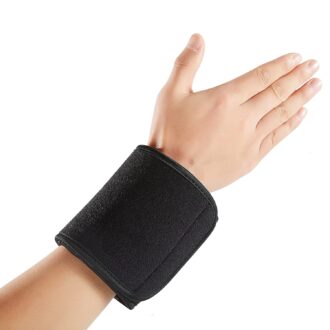
Wrist Ice Pack Wrap for Wrist Sprains, Carpal Tunnel Pain, Arthritis, Tendonitis, Swelling & Bruises
- 1x Wrist Ice Pack Wrap for Wrist Sprains, Carpal Tunnel Pain, Arthritis, Tendonitis, Swelling & Bruises
- For both Men & Women
- One size fits most featuring a fully adjustable secure Velcro strap allowing to to get the right support, compression and fit quickly and easily
- Designed to stimulate your pulse to help reduce your overall body temperature and cool you down in hot summer weather
- Recommended for treating and easing Wrist Sprains, Strains, Tendonitis, Capral Tunnel Syndrome, Muscle spasms and cramps, Arthritis’s, Gout and more!
- Can be worn to provide soothing heat therapy by placing in boiling water or cold therapy by cooling in fridge of freezer
- Specially formulated gel retains hot or cold temperature allowing you to receive long lasting and effective heat or cold therapy
- The ideal solution for speeding up injury recovery, reducing inflammation and swelling and easing aches and pains in your wrist or hand
- Provides compression to help increase blood flow to you hand to promote healing and ease aches and pains
- Great for runners and athletes wanting to avoid injury – Provides heat therapy perfect for warming up muscles before exercising
- Can be wrapped around not just your Hand and Wrist but also your Ankles, Feet, Arms or Elbows
- Includes a full 30 day money back guarantee for complete customer peace of mind!
£8.99inc VAT -
Wrist Splint Support Brace – For Carpal Tunnel, Tendonitis and Arthritis
- Rigid wrist support with a firm metal splint running along the palm side of the wrist
- Helps when wrist pain, weakness or tingling are made worse by bending, gripping or putting weight through the hands
- Holds the wrist closer to straight to reduce strain on ligaments, joint surfaces, tendons and the median nerve
- Commonly used for carpal tunnel–type symptoms, carpal tunnel syndrome, wrist sprains, repetitive strain and inflammatory wrist pain when advised by a clinician
- Broad, contoured palm‑side splint gives firmer control of deep bending than basic elastic wrist supports
- Removable splint: wear it rigid for maximum control, or take it out when you only want softer compression and light support
- Neoprene body and two adjustable straps provide close, comfortable compression even without the splint in place
- Thumb loop keeps the brace correctly positioned over the palm side of the wrist, reducing slipping and twisting during use
- Separate right‑ and left‑hand versions shaped to match each hand more closely and reduce pressure points
- Leaves fingers and thumb free so you can still grip, type, write and handle tools while the wrist joint is protected
- Suitable for daytime use in lifting, carrying and repetitive tasks, and for night‑time neutral positioning when recommended
- Easy to take on and off so you can use it for higher‑demand periods, then remove it for specific exercises or lighter activities as advised
- Not suitable over obvious deformity, suspected fracture, sudden severe swelling or worrying new symptoms without medical advice
- Does not prevent or treat blood clots; sudden breathlessness, chest pain or unexplained limb swelling always needs urgent medical help
£9.99£11.99inc VAT -
Thumb & Wrist Stabiliser Brace Splint
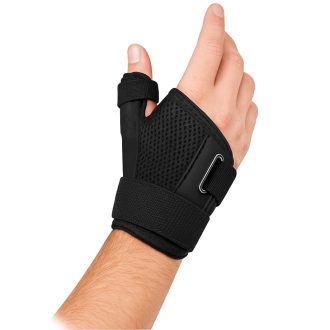
- NuovaHealth Thumb & Wrist Stabiliser Brace Splint with built‑in metal thumb spica support
- Primarily a firm thumb brace that also stabilises the hand and wrist up to the finger knuckles, with extra control around the thumb and its base joints
- For adults with pain, weakness or “giving way” around the base or knuckle of the thumb, across that side of the hand up to the finger knuckles, or around the wrist, especially towards the thumb side
- Supports thumb sprains, dislocation recovery and post‑fracture stiffness once a clinician has said movement is safe
- Helps manage thumb‑side tendon irritation (De Quervain’s‑type pain), arthritis at the base of the thumb and carpal tunnel‑type patterns
- Holds the thumb and wrist in the easier middle part of their movement so joints, tendons and nerves take less strain
- Blocks sharp end‑range bend, twist, pinch and splay at the thumb while keeping the fingers and their knuckles free to grip and type
- NuovaHealth fully padded, shaped shell with softer, moisture‑wicking inner lining, flat seams and breathable panels for firm support that is comfortable enough for work shifts or overnight use
- Three separate straps at thumb, hand and wrist so you can fine‑tune how firmly each area is held and reduce rubbing over bony points
- Single‑size, ambidextrous design intended to fit most adult hand sizes and can be swapped between left and right hand if needed
- Often chosen on clinician advice for early protection after injury, gradual return to everyday activity with that hand, and heavier jobs such as lifting and carrying, DIY or gardening with the affected hand
- Start by wearing the brace for shorter periods, build up wear time gradually as your hand tolerates it, check your skin regularly and follow any plan agreed with your clinician
- Seek clinical advice if pain, numbness, weakness or swelling are severe, getting worse or not settling with rest and sensible brace use
£9.99£12.99inc VAT -
Copper Compression Wrist & Hand Support Sleeves for Wrist Tendonitis & Arthritis
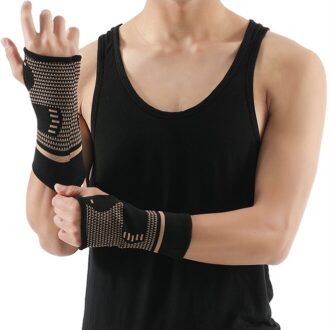
- 1x Pair of Copper Compression Wrist & Hand Support Sleeves for Wrist Tendonitis & Arthritis
- For both Men & Women
- Available sizes Small, Medium & Large
- Ideal for providing injured wrists with extra support, stability and protection to help you make a full and faster recovery
- Can be worn to help treat and prevent Wrist Tendonitis, Arthritis, Gout, Carpal tunnel syndrome, Sprains & Repetitive strain injuries
- Promotes optimum wrist and hand movement and function to help prevent excessive strain and pressure from causing pain and injury to your hand and wrist
- Provides soothing targeted compression to your hands and wrists helping to improve blood circulation, reduce inflammation and swelling, ease pain and speed up the natural healing process of damaged tissue
- Made from a high quality blend of Copper, Nylon & Spandex material that has antibacterial properties to help kill bacteria and germs and keep you hands free from sweat and odour, dry and feeling fresher for longer
- The lightweight, breathable and durable design of these wrist sleeves makes them ideal for wearing whilst playing sports, exercising or for your daily activities
- Includes a full 30 day money back guarantee for total customer peace of mind!
£11.99inc VAT -
Wrist Support Brace for Carpal Tunnel And Fractures
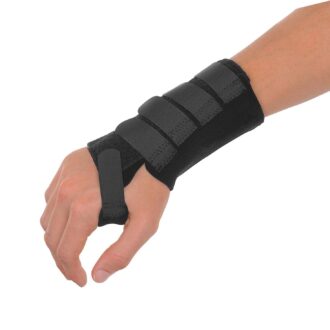
- 1x Wrist Hand Support Brace
- For both Men & Women
- Available in sizes Small, Medium and Large
- Recommended for treating Tendinitis, Carpal Tunnel Syndrome, Arthritis, Strains and Sprains
- Features a removable metal splint that helps immobilize and straighten your wrist
- Provides compression support to help relieve pressure on tendons
- Made from Lightweight, breathable material to keep your wrist feeling fresh and comfortable all day long
- 5 adjustable straps per splint to help keep brace firmly in place
- Includes a full 30 day money back guarantee, no questions asked!
£12.99inc VAT -
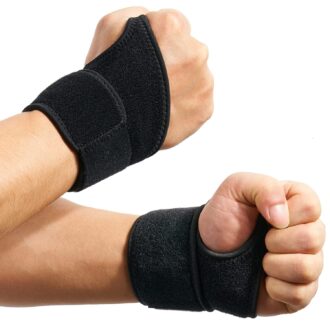
1x Pair of Hand Brace Wrist Wraps
- 1x Pair of Hand Brace Wrist Wraps designed to provide extra support stability and protection to your hands and wrists
- For both Men & Women
- One sizes fits most
- Features adjustable Velcro straps for a secure and comfortable fit
- Ideal for preventing and easing a wide range of hand and wrist injuries including Repetitive Strain injuries, Wrist Sprains, Wrist tendonitis, Carpal Tunnel syndrome, Fractures, Gout and Arthritis
- Recommend for protecting your hands and wrists whilst exercising, playing sports or for your daily activities
- Designed to provide firm and sturdy support to correct the way your hands and wrists function helping improve the stability and mobility of your hands and wrists, reduce strain and pressure on your hands and wrists and protect you from pain and injury
- Provides targeted compression to your hand helping to boost blood flow to reduce inflammation and swelling, ease aches and pains and speed up the natural healing process by delivering fresh oxygen blood to damaged tissue
- Made from skin friendly Neoprene material that is lightweight, breathable and has moisture wicking and antibacterial properties to help keep your hands and wrists dry, sweat free and feeling comfortable
- Includes a full 30 day money back guarantee!
£12.99inc VAT -
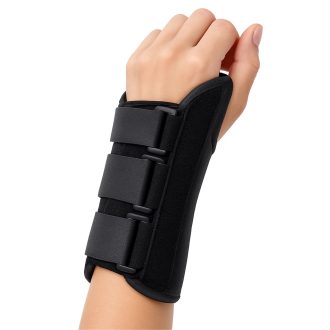
Carpal Tunnel Syndrome Wrist Splint Brace
- Firm wrist splint brace for adults with wrist and hand pain, tingling, or numbness
- Neutral‑position wrist brace for Carpal Tunnel Syndrome and other common wrist problems where a clinician advises support
- Holds the wrist straight to help reduce pressure on the median nerve in the carpal tunnel
- Three built‑in aluminium strips stabilise the palm side and both sides of the wrist and forearm
- Limits bending and twisting at the wrist that can provoke pain, pins and needles, or weakness
- Carpal tunnel wrist splint commonly recommended for night‑time use to reduce waking with “dead” or tingling hands
- Can also be worn in the day during tasks that tend to bring your symptoms on, such as typing or other repetitive hand work
- Left‑ and right‑hand specific design in three sizes for a secure, anatomical fit around the wrist and hand
- Padded, breathable materials with soft edges for comfort during longer wear
- Leaves thumb and fingers free so you can still perform many light everyday tasks
- Supports the Protection, Rest, and Compression parts of the P.R.I.C.E. approach for sprains, strains, and other wrist injuries
- Often recommended by clinicians for mild to moderate Carpal Tunnel Syndrome with night‑time or desk‑based symptoms
- Simple to fit and adjust; check comfort and skin regularly, and seek clinical advice if symptoms worsen
- Intended as a supportive aid alongside professional care, not as a diagnostic tool or complete treatment on its own
£13.99inc VAT -
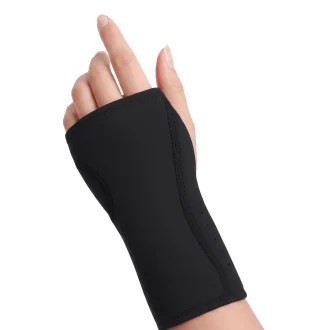
Wrist Splint
- Wrist splint with removable contoured aluminium support that holds your wrist straight in a neutral position
- For carpal tunnel syndrome, tendonitis, sprains, fractures (after clinical assessment), De Quervain’s tenosynovitis, and arthritis
- Immobilises the wrist to protect healing tendons, ligaments, and bones from repeated stress
- Neutral positioning keeps the carpal tunnel as open as possible, reducing pressure on the median nerve
- Compression helps control swelling and may ease pain
- Three adjustable Velcro straps let you control support and pressure at the palm, wrist, and forearm
- Fits left or right hand; one size fits most adults
- Soft neoprene with ventilation holes; cushioning beads under the palm for comfort during extended wear
- For carpal tunnel: wear at night; for tendonitis or sprains: wear during activity; for fractures: follow your clinician’s guidance
- Most soft-tissue injuries improve within 4–6 weeks; fractures take 6–8 weeks minimum, sometimes longer
- Do not use if you have a blood clot, severe circulation problems, loss of sensation in your hand, or an open wound or infection near the area
- If you develop severe pain, visible deformity, worsening numbness, or signs of infection, seek medical advice immediately
- 30-day money-back guarantee
£13.99inc VAT -
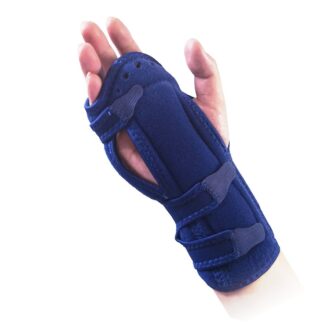
Carpal Tunnel Splint
- 1x Carpal Tunnel Splint for easing aches and pain, and improving recovery of Carpal Tunnel syndrome as well as other wrist and hand injuries
- For both Men & Women
- Ambidextrous design – Can be worn on either the LEFT or RIGHT hand
- Recommended for wearing during the PRICE injury recovery protocol to help ease pain and speed up and improve recovery of hand and wrist injuries
- Ideal for treating and easing a wide range of injuries including Carpal Tunnel Syndrome, Wrist fractures, Sprains, Strains, Tendonitis and Osteoarthritis
- An inbuilt pillow of soft cushioning beads provide natural support and shock absorbing protection for your palm
- Eases pressure and tension off your hand and wrist by supporting and improving the biomechanical function of key muscles, ligaments and tendons found in your hand and wrist
- Provides soothing compression that helps relieve aches and pains, reduce swelling and inflammation and increases blood flow to your injured hand and wrist helping to speed up the natural healing process
- Features a removable aluminium metal splint that holds and immobilizes your hand and wrist in a straight position preventing movement which could cause further injury
- Made from lightweight, skin friendly Spandex material with a soft padded inside that makes this Carpal Tunnel Splint the ideal choice for all day wearing and for resting and sleeping
- Designed to be breathable and lightweight with a porous inside that helps prevent perspiration and keeps your hand and wrist feeling fresh
- Includes a full 30 day money back guarantee if you are not 100% satisfied with your purchase!
£13.99inc VAT -
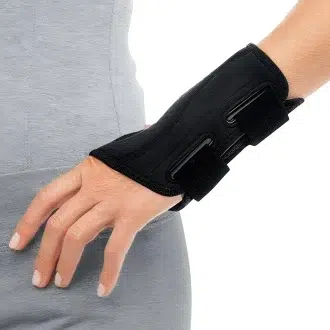
Wrist Support Brace
- Rigid wrist brace with dual aluminium splints that hold your wrist straighter and stop the extreme bending that triggers pain.
- For carpal tunnel syndrome, wrist sprains, tendonitis, arthritis, and post-injury recovery—when you need firmer support than a soft wrap provides.
- Reduces pain by limiting the movements that compress nerves, strain ligaments, and irritate tendons while still allowing mid-range wrist movement for daily tasks.
- Your fingers stay completely free—you can type, grip, drive, and handle objects while your wrist is supported.
- Breathable neoprene with adjustable straps—wear during activities that stress your wrist, overnight if symptoms are worse at night, or both.
- Available in left and right versions, two sizes—measure your wrist circumference and refer to the sizing guide to select the correct size and hand.
- Not suitable for suspected fractures, open wounds, or active infection—seek medical assessment first if you have severe pain, visible deformity, or inability to move your wrist.
- 30-day try-it period—wear it through your usual days and return for a full refund if it doesn’t ease your symptoms or suit your wrist.
£13.99inc VAT -
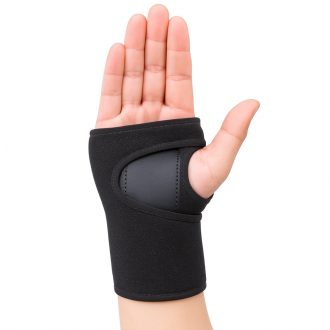
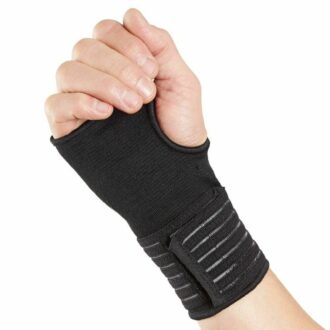
Hand & Wrist Support for RSI, Sprains & Strains
- 1x Adjustable Hand & Wrist Support Guard for RSI
- For both Men & Women
- Available in sizes Small, Medium and Large
Compression helps alleviate pain caused by sprains or strains - Designed to increase blood flow to you hand and wrist helping speed up injury recovery
- Features an easily adjustable strap that allows you to find the right fit and compression that is best for you for maximum comfort and support
- Encourages correct hand and wrist function helping protect against from further wear, tear and injury
- Ideal for frequent everyday use, at the gym or whilst playing sports
Can be worn on either left or right hand - Includes a full 30 day money back guarantee for full customer peace of mind
£14.99inc VAT -
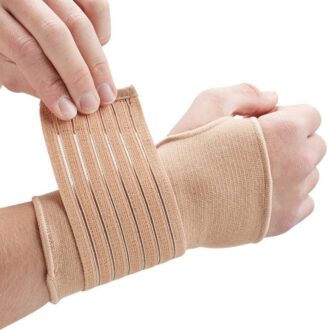
Hand & Wrist Support Bandage Sleeve
- 1x Adjustable Hand & Wrist Support with adjustable strap to help you find the right support and compression for your needs
- For both Men & Women
- Specially designed to provide soothing compression support to ease pain and reduce swelling and inflammation in your hand or wrist
- Ideal for people suffering from arthritis, sprains and strains who want relief
- Great for everyday use, running, playing sports or at the gym
- Improves wrist stability and function preventing further wear and tear to damaged and injured wrists
- Includes a full 30 day money back guarantee for full customer peace of mind!
£14.99inc VAT