
Soothing Gel Shoe Insoles for Diabetes
£10.99inc VAT
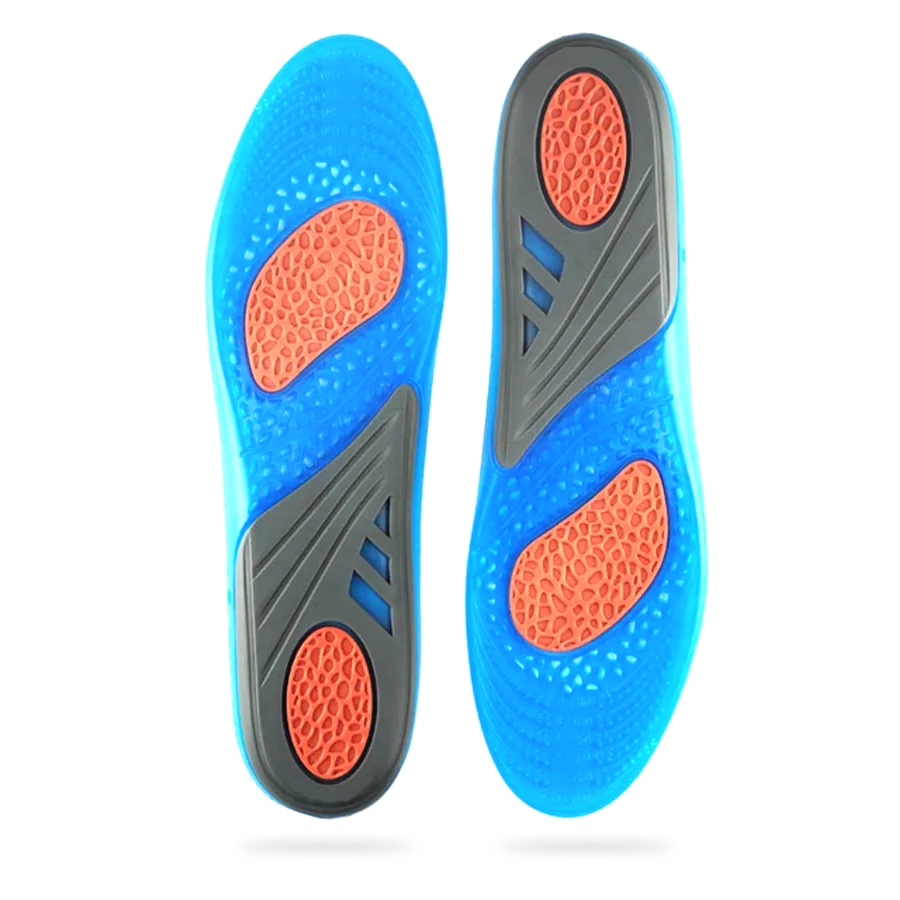
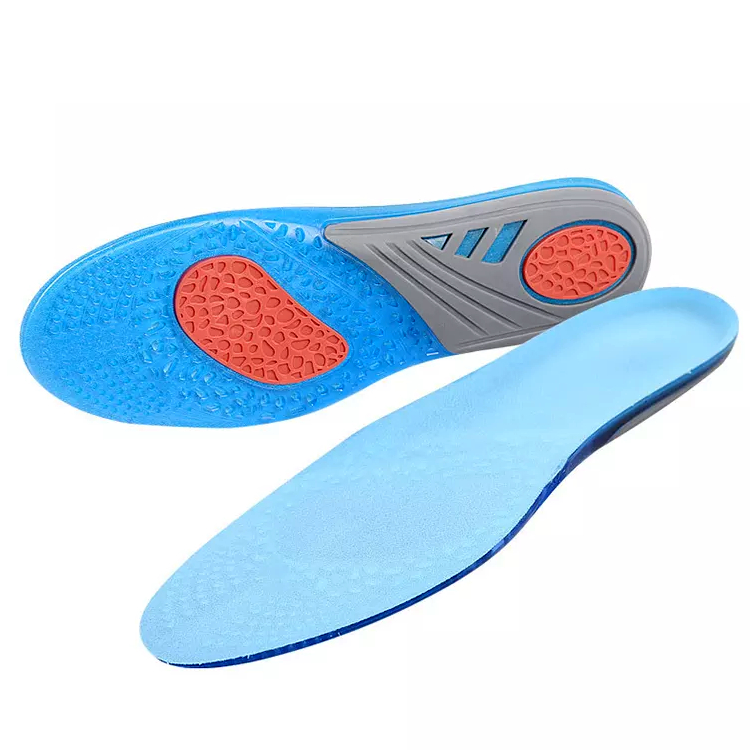
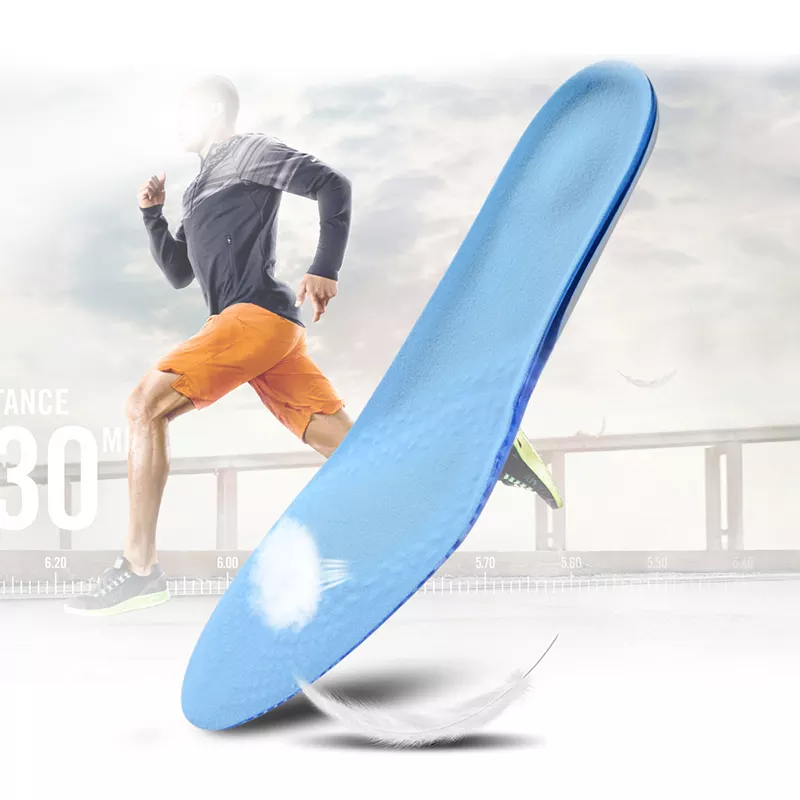
- Full-length gel insoles for adults who want everyday shoes to feel softer and more supportive.
- Useful for tired, sore, sensitive, or easily irritated feet, especially after standing or walking.
- May suit people managing diabetes or neuropathy who want a more forgiving feel inside ordinary footwear.
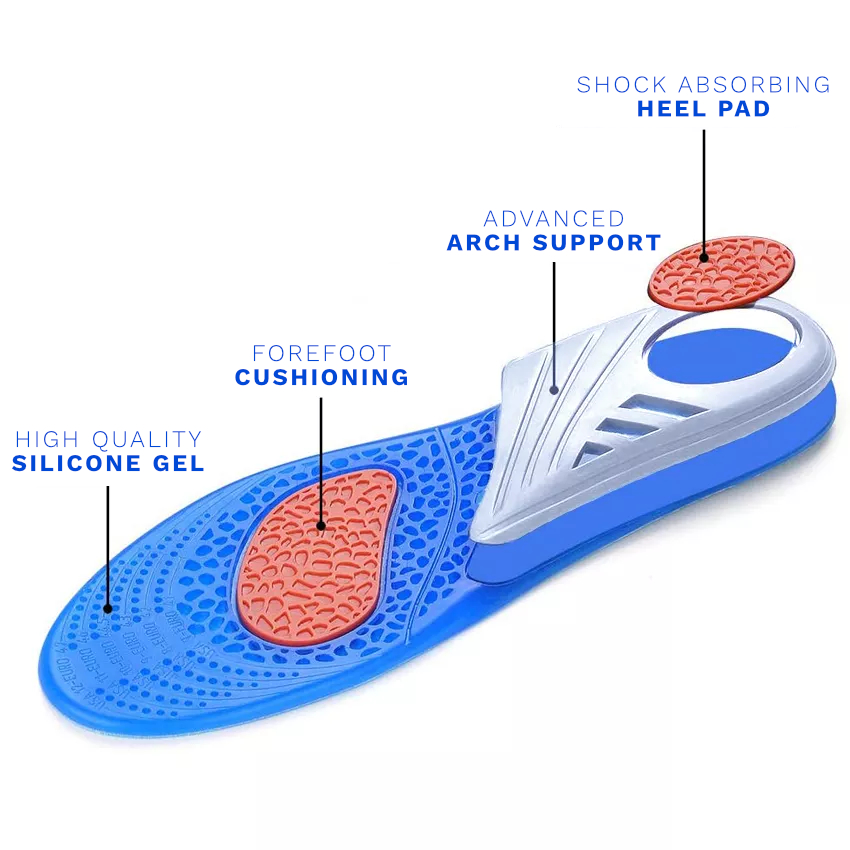
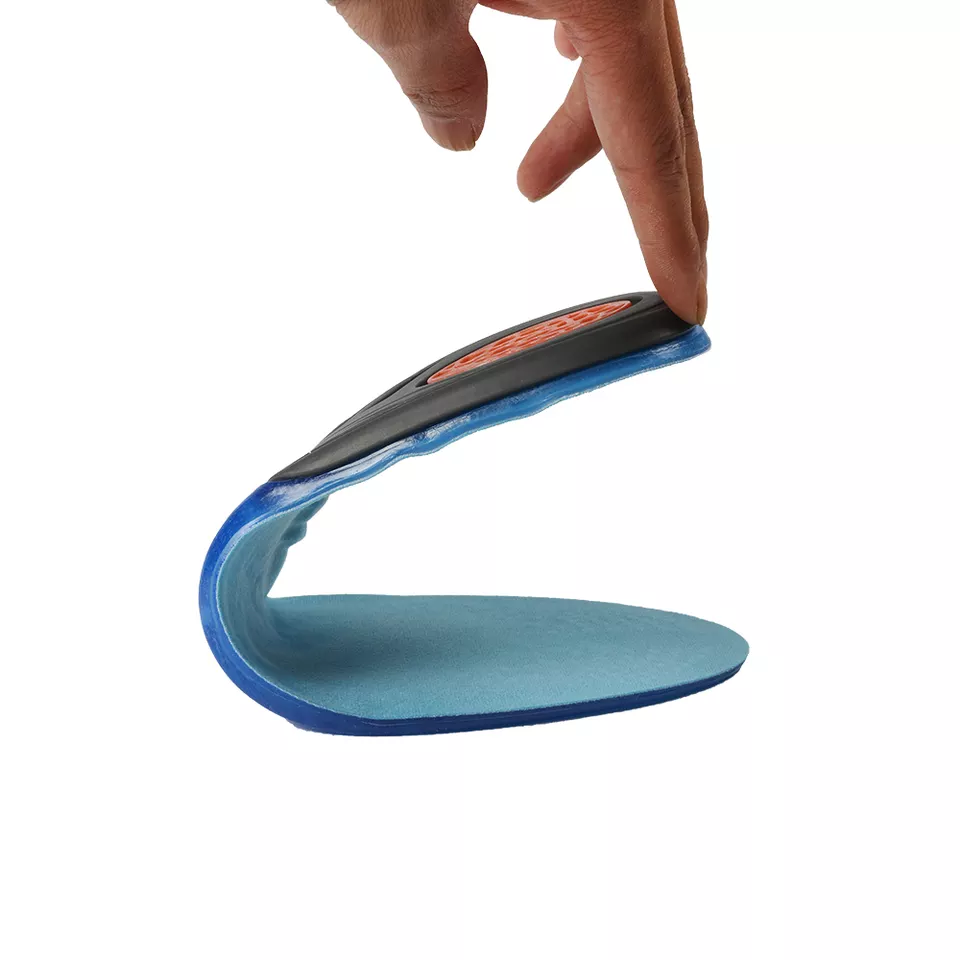
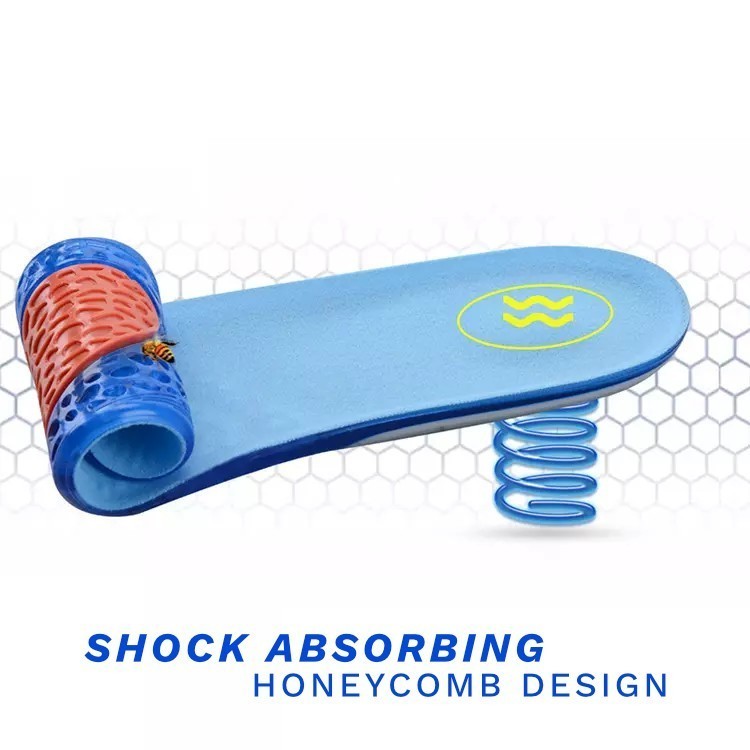
- Full-length gel cushioning helps reduce how hard the shoe feels from heel to toe.
- Moderate arch support helps the middle of the foot feel less flat and better supported.
- Firmer heel base and heel cup help the heel feel steadier from the first part of the step.
- A firmer, flatter, shock-absorbing forefoot support area helps when the front of the foot feels overworked.
- Designed to improve overall shoe comfort rather than padding just one small area.
- Often best suited to trainers, work shoes, walking shoes, safety shoes, and other footwear with enough depth.
- Usually less suitable for high heels, narrow dress shoes, or very shallow footwear.
- Available in adult USA sizes 3–9 and 7–13, with a trim-to-fit forefoot area to help match the shape of your shoes more closely.
- Start gradually and build up wear time over the first few days as comfortable.
- If you wish, separate metatarsal pads can also be worn with these insoles for more targeted forefoot support.
- If you have diabetes or neuropathy, check that the insoles and shoes feel comfortable and are not creating rubbing or pressure points.
FootReviver Full-Length Gel Insoles for Everyday Foot Comfort and Support
Everyday comfort for tired, sore, and sensitive feet
If your feet feel worn out by the end of the day, your shoes may simply not be giving you enough cushioning or support. Long hours on your feet, regular walking, commuting, and hard floors can all leave the soles feeling sore, tired, and generally battered. Some shoes seem comfortable at first, but after a few hours they start to feel flat, hard, or unforgiving underfoot. When that happens, ordinary daily movement can start to feel more wearing because there is so little softness or support between your feet and the ground.
That is where a full-length insole can make a practical difference. FootReviver Full-Length Gel Insoles are made to help everyday shoes feel softer, steadier, and more supportive from heel to toe. Rather than changing only one small area, they are intended to improve the overall feel of the shoe across the whole foot during standing and walking.
For some adults, that matters even more because their feet are already sensitive, easily irritated, or less comfortable in firm shoes. People managing diabetes or neuropathy, in particular, may find that ordinary footwear feels harsher than it used to or becomes harder to get on with as the day goes on. In that situation, a more forgiving feel inside the shoe can make routine daily movement easier to manage.
How diabetes and neuropathy can affect your feet
Diabetes and neuropathy can change how your feet feel from one day to the next. For some people, the feet become more sensitive and easier to irritate. For others, feeling changes, with burning, tingling, numbness, or patchy discomfort that can make ordinary shoes feel very different from how they once did. A shoe that used to feel merely firm can start to feel harsh, especially later in the day or after plenty of standing and walking.
This matters because your feet normally tell you quite a lot about pressure, contact with the ground, and how secure the shoe feels. When feeling is heightened, even small pressure points can become uncomfortable quite quickly. When feeling is reduced, the problem is different but just as important. Rubbing, crowding, or local pressure may be less obvious at first even though the shoe is still stressing the foot. In everyday terms, that means you may not always get an early warning that one part of the shoe is pressing too much, particularly during ordinary activity such as walking through town, standing at work, or moving around the house for longer periods.
That is one reason fit and underfoot comfort become so important. A thin, flat, unsupportive shoe can leave the foot dealing with repeated force through the heel, arch, and forefoot with every step. Hard indoor floors often make that more noticeable as the day goes on. If the inside of the shoe feels uneven, cramped, or unsupportive, one part of the foot may start doing more than it should. For someone with altered feeling, that often shows up not as one dramatic pain point, but as a more general sense that the shoe feels tiring, irritating, or difficult to stay comfortable in.
Not everyone with diabetes or neuropathy wants exactly the same feel from footwear. Even so, many people are more comfortable in shoes that feel softer underfoot, less jarring at the heel, and less flat through the middle. A full-length insole cannot change the underlying condition, but it can change how the shoe feels while you are wearing it, and that can make day-to-day comfort easier to manage.
Why ordinary shoes can become harder to tolerate
When your feet are already sensitive, tired, or less tolerant of firm shoes, small details in footwear can make a much bigger difference than they otherwise might. A shoe that feels only slightly hard to one person may feel much less forgiving to someone dealing with burning, tingling, numbness, or general foot sensitivity. The effect often builds gradually rather than appearing all at once.
This is usually not about one dramatic step or one sudden jab of discomfort. More often, it is the slow build-up of repeated low-level pressure. Standing in one place, walking across hard floors, and going up and down stairs all mean your feet press into the shoe again and again. If the inside of the shoe is hard under the heel, flat through the middle, or thin under the front, there is very little relief from one step to the next. By late afternoon or evening, the sole can end up feeling sore, overworked, or unusually aware of the surface underneath.
This also helps explain why short-term comfort and all-day comfort are not always the same thing. A shoe may feel acceptable in the first hour simply because it is not sharply painful, yet still do a poor job of spreading pressure or softening repeated contact over a full day. If the underfoot feel gradually becomes more wearing rather than staying consistently comfortable, the issue is often not one isolated pressure point but the overall lack of cushioning and support through the whole shoe.
A full-length insole helps by changing that repeated contact from heel to toe. A softer base can make each step feel less harsh, while added support can help the foot feel more settled inside the shoe. Together, those changes often make everyday footwear easier to tolerate for longer, rather than only feeling acceptable at the start of the day.
Who these insoles are best suited to
These insoles are a good option for adults who want to make their everyday footwear more comfortable. They are especially useful if your feet tend to feel tired or sore after standing or walking, or if your shoes feel too firm underfoot by the end of the day. If you spend a lot of time moving around, work on hard indoor floors, or feel that your shoes leave your feet with very little protection from the ground beneath them, a full-length insole like this can help make daily wear feel less hard on your feet.
They tend to suit people who notice that their symptoms build with time on their feet rather than appearing only in one very specific situation. If your shoes feel reasonable at first but gradually seem flatter, harder, or less supportive over the course of a morning or afternoon, that is the sort of experience these insoles are made to address. They are less about creating one dramatic change in one tiny spot and more about improving how the whole shoe feels during repeated day-to-day use.
They may also suit people managing diabetes or neuropathy who want a softer and more supportive feel inside ordinary shoes. Some people in this group are more comfortable in footwear that does not feel so hard at the heel, so flat through the middle, or so exposing at the front of the foot. Because the insole works from heel to toe rather than focusing on one small point alone, it is aimed at improving the overall feel of the shoe rather than chasing one isolated area of discomfort.
They can also help if one part of the foot seems to be doing more of the work than the rest. For some people, the heel feels too hard when it lands on pavements or indoor floors. For others, the middle of the foot feels under-supported during longer periods on their feet. And for many, the front of the foot starts to feel overworked as the day goes on, especially in shoes with thin, flat interiors.
How they change the feel of the step
Better comfort is not just about adding softness in one spot. Your foot moves through a sequence when you stand and walk, and what happens at the heel often affects what happens through the middle and then at the front. If the heel does not feel steady when it first meets the ground, the rest of the foot can feel less settled. If the middle of the foot feels flat and unsupported, the front of the foot may end up taking more load later in the step. If the whole shoe feels firm, repeated contact can gradually leave your feet feeling worn down even during ordinary daily tasks.
You can think of a step in three stages. First, the heel meets the ground. Then your weight moves forward over the middle of the foot. Finally, you push through the front of the foot to move on. If the back of the shoe feels unstable at that first point of contact, the step can already start less comfortably. If the middle then feels flat, the foot has less support as your weight moves over it. By the time you reach the push-through phase, the front of the foot may feel as though it is taking more than its fair share. That is why a whole-foot design often feels more useful than a pad placed in one small area.
These insoles are made to improve that overall sequence. The full-length gel layer helps soften contact through the whole step, so the foot is not repeatedly meeting such a hard surface inside the shoe. Moderate arch support helps the middle of the foot feel better held, which can make the shoe feel less flat during longer periods of standing and walking. The firmer heel base and heel cup help the heel feel more settled from the first part of the step, which can make the back of the shoe feel steadier rather than loose or slappy. The forefoot support area then helps the front of the shoe feel less thin and less harsh as your weight moves forward.
Those features matter most because they work together. A softer heel without support through the middle can still leave the front of the foot doing too much work. Extra protection at the front without a stable heel can still leave the step feeling unsettled at the start. By combining cushioning, arch support, heel structure, and firmer support at the front in one full-length insole, the aim is to make everyday shoes feel less harsh, more balanced, and easier to wear for longer.
When the front of the foot feels overworked
These are full-length comfort insoles made to support the whole foot, but one of their most useful features is the extra help they can give when the front of the foot starts taking too much pressure. This often shows up under the ball of the foot, where you push through during walking and where pressure can build during long periods of standing. The discomfort may feel burning, tingling, sharp, or pebble-like, and it often becomes more noticeable in flat or firm shoes or after time on hard floors.
The front of the foot has to cope with repeated loading in everyday life. Each time you move forward in a step, your weight passes over the forefoot before you push off again. That is not usually a problem when the shoe feels well cushioned and well supported through its full length. But if the shoe is thin under the front, flat through the middle, or generally unforgiving, that same repeated push-off can become much more noticeable over time. This is why some people feel fairly comfortable early in the day but notice the front of the foot becoming more irritated after longer walks, shopping trips, commuting, or time spent standing at work.
In this sort of situation, it is not always helpful to put obvious bulk directly under a pressure-sensitive area. These insoles use a flatter, firmer, shock-absorbing forefoot support area instead, so the front of the shoe feels more protective without being dominated by a prominent lump. The aim is not to create a dramatic raised pad under the ball of the foot. It is to make that part of the shoe feel steadier, less harsh, and less exposed during repeated standing and walking.
When this is working well, the front of the shoe should feel firmer, more stable, and better protected from the ground rather than soft and flattened down. Pushing through the step may feel less wearing, especially later in the day or on hard surfaces. For people who want more targeted forefoot support, separate metatarsal pads can also be worn with these insoles if wished.
For people managing diabetes or neuropathy, this can be especially helpful because the forefoot may already feel more sensitive in firm footwear. A hard shoe interior can make repeated push-off feel more wearing, particularly later in the day when the feet are already tired. A flatter, shock-absorbing support area at the front, combined with arch support and full-length cushioning, aims to make that stage of walking feel less punishing without making the shoe feel overly intrusive.
Four design features that work together
A basic soft insole can make a shoe feel more cushioned at first, but it does not always make it feel properly supportive over a full day of wear. What makes FootReviver different is the way its main comfort and support features work together. Each part has a distinct role, and the overall effect comes from how those parts combine during standing and walking.
Full-length gel cushioning
The gel cushioning runs through the full length of the insole, so the whole foot gets a softer surface inside the shoe rather than just one section. That matters because repeated impact is rarely felt in one place only. Even if one area is more sensitive than another, the overall firmness of the shoe still has a big effect on how tiring it feels to stand and walk. On concrete, tile, and other hard indoor floors, that repeated contact often builds gradually through the day rather than appearing all at once.
Full-length cushioning matters more than a small padded patch because your foot does not stay in one place during walking. The heel meets the ground, your weight moves through the middle, and then the front of the foot takes over as you push off. If cushioning is only strong in one area, the rest of the step can still feel flat or hard. By adding a cushioned gel layer from heel to toe, these insoles help make everyday footwear feel less harsh across the full movement of a step rather than only at one moment within it.
That can help not only when walking, but also when you are standing for longer periods. Even in standing, pressure is still spread across different parts of the foot, and a thin shoe interior can leave the sole feeling very aware of the surface beneath it. A softer full-length base can make the shoe feel more consistently comfortable, especially if your feet tend to feel worn down rather than sharply painful.
For people managing diabetes or neuropathy, this can be particularly helpful in shoes that would otherwise feel too firm or too unforgiving underfoot. Instead of one part of the shoe feeling padded while the rest still feels flat, the whole foot gets a more even layer of cushioning. Many people find that this makes everyday footwear feel more natural and less tiring over longer periods of wear.
Moderate arch support
The arch support is there to help the middle of the foot feel better supported inside the shoe. When that part of the foot feels more held, the shoe often feels less flat and the foot less overworked during standing and walking. This can be especially useful if your shoes feel as though they collapse under the middle of the foot by the end of the day, or if time on hard floors leaves the arch and forefoot feeling tired together.
The support here is moderate rather than aggressive. The aim is not to create a rigid insole that dominates the shoe. It is to give the foot a more supportive base without making the insole awkward or intrusive for day-to-day wear. For many adults, that matters because the best insole is usually the one you can comfortably keep using in ordinary shoes at work, while commuting, or during routine walking.
There is also a practical reason for supporting the arch. When the middle of the foot feels less flat, the front of the foot often does not have to take quite so much strain during the later part of the step. If the arch is left to drop onto a very flat shoe interior, the forefoot can end up dealing with more of the push-through load again and again. By supporting the middle of the foot earlier in the step, the insole may help the front feel less overworked later on.
For people with diabetes or neuropathy, a moderate level of support can make the shoe feel more settled without creating a hard or intrusive sensation under the arch. That balance matters. Too little support may leave the foot feeling flat and tired, but support that feels too forceful can be difficult to tolerate in sensitive feet.
Firmer heel base and heel cup
The heel section is made to help the heel feel more settled from the moment it lands. The firmer base gives the back of the shoe a steadier platform, while the heel cup helps the foot sit more securely in place. Together, they can make the rear of the shoe feel less loose, less flat, and more stable during everyday walking.
This can make more difference than people often expect. The heel is the first part of the foot to meet the ground in many steps, so if that contact feels unstable or harsh, the rest of the step can feel less smooth. A steadier heel base can help reduce that unsettled feeling at the start of each stride, and the heel cup can help the foot feel better contained rather than shifting around at the back of the shoe.
In practical terms, a heel that feels more settled often feels less slappy, less wobbly, and less vague inside the shoe. That can matter when you are walking on hard pavements, moving around at work, or simply spending long periods on your feet. If the heel is moving around too much inside the shoe, the step can feel less controlled from the beginning. By giving the heel a firmer platform and a more defined seat, the insole aims to make contact at the back of the foot feel calmer and more secure.
For people managing diabetes or neuropathy, that steadier heel feel can add to the sense of all-round support inside the shoe. On hard floors or during longer periods on your feet, a heel that feels more secure and less jarring may help the whole shoe feel easier to tolerate. Rather than the foot simply landing on a flat surface, the heel feels better held as part of a more supportive heel-to-toe set-up.
Firmer, flatter forefoot support area
The forefoot support area is there for people who feel that the front of the foot tends to get overworked. Rather than creating a prominent raised pad under the ball of the foot, this part of the insole gives the front of the shoe a firmer, flatter, shock-absorbing feel. That can help when repeated standing and walking leave the forefoot feeling as though it is dealing with too much contact from a thin or unforgiving shoe interior.
This matters because the front of the foot works hard during the last part of the step. As your weight moves forward, the forefoot has to cope with repeated push-through before you move on again. If the shoe feels thin or harsh at the front, that stage can become increasingly noticeable over the course of a day. A firmer, more protective support area can help the front of the foot feel less exposed without making the shoe feel bulky.
In practice, this should not feel like a pronounced lump under a sore area. It should feel more like the front of the shoe is better protected and more controlled under pressure. Some people prefer that flatter, less intrusive feel to a more obvious pad. Others may still choose to wear separate metatarsal pads with these insoles if they want more targeted forefoot support.
As part of the overall design, this forefoot support works alongside the gel cushioning, arch support, and heel structure rather than replacing them. That is why the effect should feel balanced across the whole foot rather than heavily concentrated in one small spot.
What they feel like in the shoe and which footwear suits them best
When fitted properly, these insoles should make your shoes feel softer, more supportive, and less tiring underfoot. You may notice more cushioning from heel to toe, better support through the middle of the foot, a steadier feel at the heel, and a firmer, more protective feel at the front of the shoe. The overall effect should be a shoe that feels easier to wear and less hard on your feet during longer periods of standing or walking.
It is also worth knowing what a good fit should not feel like. The insole should not feel like a hard lump under one part of the foot. It should not leave the shoe so crowded that your toes feel cramped or the upper presses down awkwardly. It should not make the front of the foot feel squeezed from the sides. A good fit should feel supportive and comfortable, not intrusive. If something feels too bulky, too far forward, or too tight, the issue may be the shape or depth of the shoe as much as the insole itself.
Fit quality matters just as much as feature quality. Even a well-made insole will not feel right if the shoe is too shallow, too narrow, or too tapered through the front. The insole needs room to lie flat, and your foot still needs enough space to sit naturally on top of it. If the shoe becomes cramped once the insole is added, comfort can quickly be lost because pressure then comes from the upper or sidewalls of the shoe rather than only from underneath.
These insoles are usually most comfortable in footwear with enough depth and a reasonably roomy forefoot. Trainers, work shoes, safety shoes, casual shoes, and walking shoes are often the best match. Their slim full-length shape helps them fit more easily into many practical shoe styles, but the shoe still needs enough room for the insole to lie flat and for your foot to sit naturally on top of it. Shoes that feel too flat, too firm, or too thin underfoot often respond well to this kind of added cushioning and support.
This matters even more if you are managing diabetes or neuropathy, because cramped or poorly fitting shoes can make already sensitive feet feel worse or create pressure areas that are easier to miss if feeling is reduced. That is why room, fit, and underfoot comfort need to work together. These insoles are usually less suitable for high heels, tightly tapered dress shoes, or any style that stays narrow through the front. A good insole can improve what is happening under the foot, but it cannot fully make up for a shoe shape that presses in from the sides or from above.
Sizing, trimming, fitting, and getting used to them
FootReviver Full-Length Gel Insoles are available in adult USA sizes 3–9 and 7–13. The forefoot area is trim-to-fit, which helps you adjust the shape to suit your shoes using the printed guide underneath. That is useful because shoes in the same size can still vary quite a lot in shape at the front. Trim slowly and carefully, removing a little at a time until the fit looks right. A careful trim helps the insole sit neatly in the shoe and feel more natural underfoot.
For best results, remove the original liner from the shoe first if possible. Then place the FootReviver insole fully back into the shoe so it lies flat from heel to toe. Make sure the heel sits neatly into the back and that the front edge is not curling up or bunching. If the insole does not sit flat, or if the shoe feels too tight once it is in place, the shoe may not have enough depth for a full-length support insole like this. Getting the fit right inside the shoe is a big part of getting the comfort right underfoot.
Once fitted, build up your wear time gradually. Start with 1 to 2 hours a day and increase from there as comfortable. If you are used to flat liners, the extra shape may feel unfamiliar at first. That is normal. Giving your feet time to adjust usually works better than trying to wear them all day straight away, especially if your shoes have been offering very little support up to now.
When the fit is right, the heel should feel properly seated at the back of the shoe, the arch should feel supportive rather than forceful, and the front of the foot should still have enough room to sit naturally without being crowded. If the forefoot feels overly compressed, the sides of the shoe press in, or the insole feels obviously intrusive under one area, the shoe may not be the right shape or depth for it.
If you are managing diabetes or neuropathy, it is especially important to check that the insoles feel comfortable and are not creating rubbing or pressure points. If feeling is reduced, inspect your feet regularly and pay close attention to how the shoes feel during the first few wears. A good fit should leave the whole foot feeling better supported without creating one obvious pressure point.
Important note for people with diabetes or neuropathy
If you are managing diabetes or neuropathy, it makes sense to take a little extra care with fit and foot comfort. These insoles are made to provide cushioning and support. They are not a replacement for individual medical advice or condition-specific foot care. If you have reduced feeling, poor circulation, open skin, a history of foot ulcers, marked foot deformity, or you are unsure whether this type of insole is suitable for you, it is best to seek advice from a podiatrist, physiotherapist, GP, or another appropriate clinician before use.
Checking your feet regularly and making sure your shoes are not rubbing or creating pressure areas is especially important if you do not always feel irritation straight away. Even a well-designed insole still needs to be comfortable in the actual shoe you are wearing. If the shoe is too tight, too shallow, or awkwardly shaped, that can still create local pressure despite the extra cushioning and support underneath.
A more comfortable way to improve everyday footwear
FootReviver Full-Length Gel Insoles are for people who want their shoes to feel better across the whole foot, not just in one spot. They are especially worth considering if your everyday footwear feels too hard, too flat, or too wearing over time, or if the front of the foot starts to feel overworked in thin or unforgiving shoes.
With full-length gel cushioning, moderate arch support, a firmer heel base, a heel cup, and a flatter shock-absorbing forefoot support area, they are made to help everyday shoes feel softer, steadier, and more protective from heel to toe. If that sounds like the sort of support your footwear is missing, the next step is to check fit carefully, choose shoes with enough depth, and build up wear time gradually. If you are unsure whether they are right for your feet, especially if symptoms are harder to judge because feeling is reduced, it is sensible to speak to a GP, podiatrist, physiotherapist, or another appropriate clinician.
Important disclaimer
This information is general guidance only. It is not a substitute for individual medical advice, diagnosis, or treatment. If you are unsure whether these insoles are suitable for you, or if you have new, unexplained, or more complex symptoms, speak to a GP, podiatrist, physiotherapist, or another appropriate clinician for personalised advice. No specific outcome can be guaranteed.
Fast & Secure Checkout Through Paypal
Pay with Paypal the secure payment gateway that accepts all credit and debit cards. Paypal is free and secure and no credit or bank information is ever stored or shared with us.
Fast Dispatch
Enjoy your items soon with quick dispatch via Royal Mail. Expect to have your items between 1-3 working days for domestic orders. 7-10 Working days for international orders.
Return Policy – 30 Day Money Back Guarantee
In the unlikely event, you are unhappy with your purchase you can return it within 30 days for a refund. Please contact us via the form on the contact us page to start your return.
To return an item please send it to: Nuova Health UK, 81 Highfield Lane, Waverley, Rotherham, S60 8AL. Please include a note with your order id so we know who to refund. Please retain your postage receipt as proof of postage. All that we ask is that the item is in the original packaging and unused.
Reviews
There are no reviews yet.