
Soothing gel insoles for Neuropathy
£10.99inc VAT
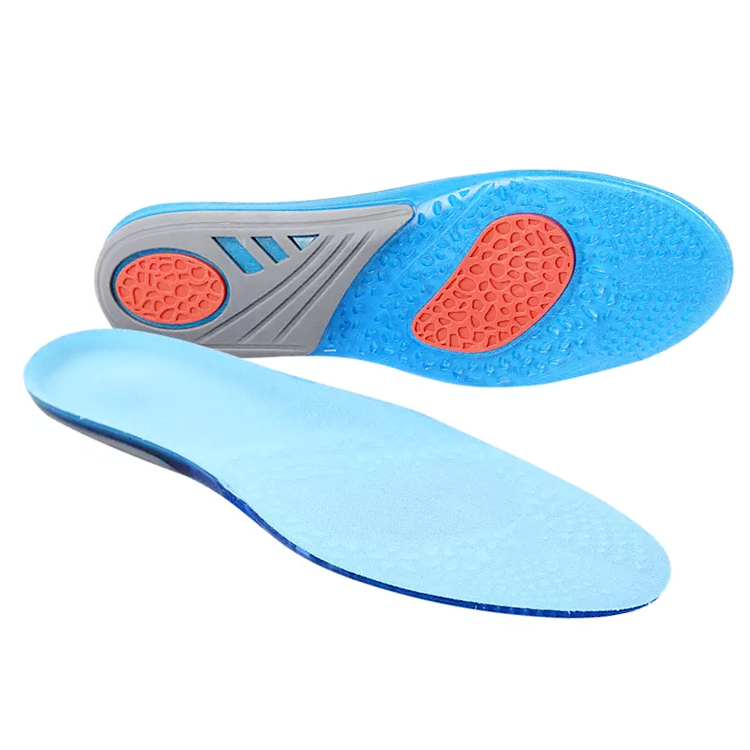
- 1 pair of soothing gel insoles designed to make everyday shoes feel more cushioned and supportive under sensitive feet.
- Suitable for men and women.
- For adults with neuropathy-related foot discomfort, including burning, tingling, numbness, soreness, or oversensitivity.
- Also commonly chosen by people with diabetes and other causes of reduced or altered feeling in the feet.
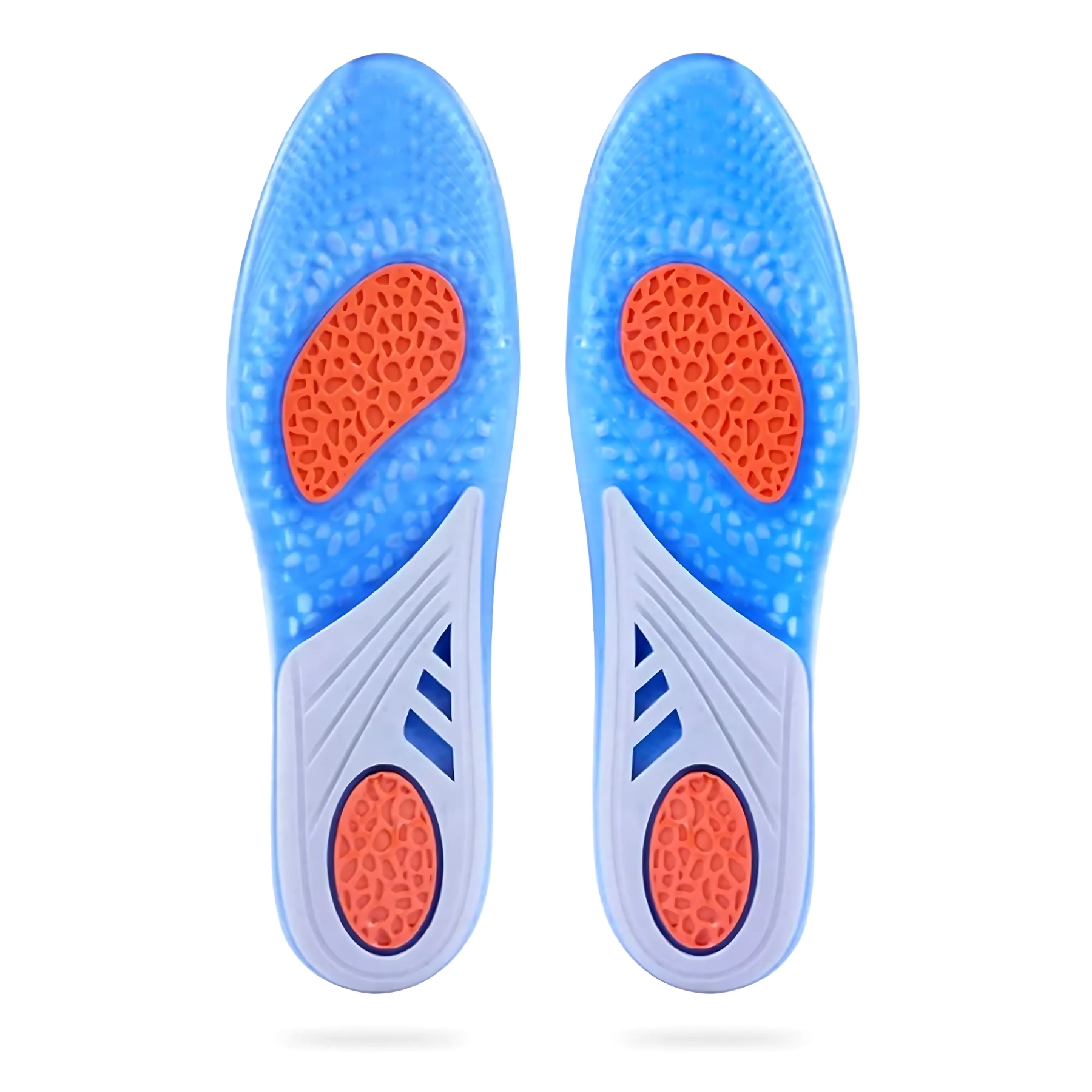
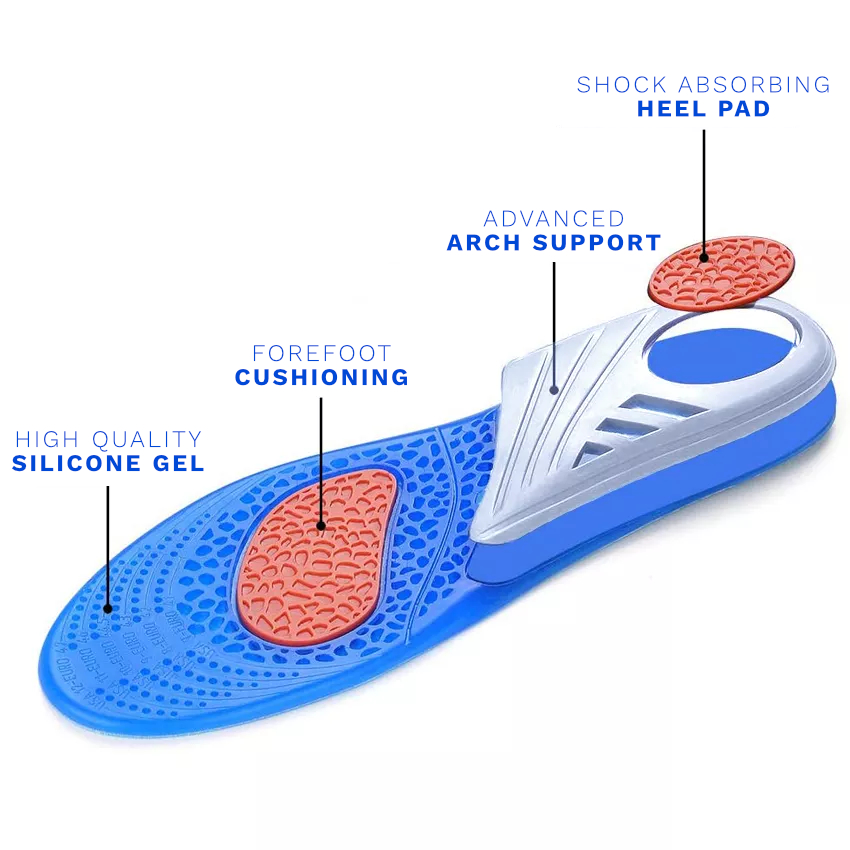
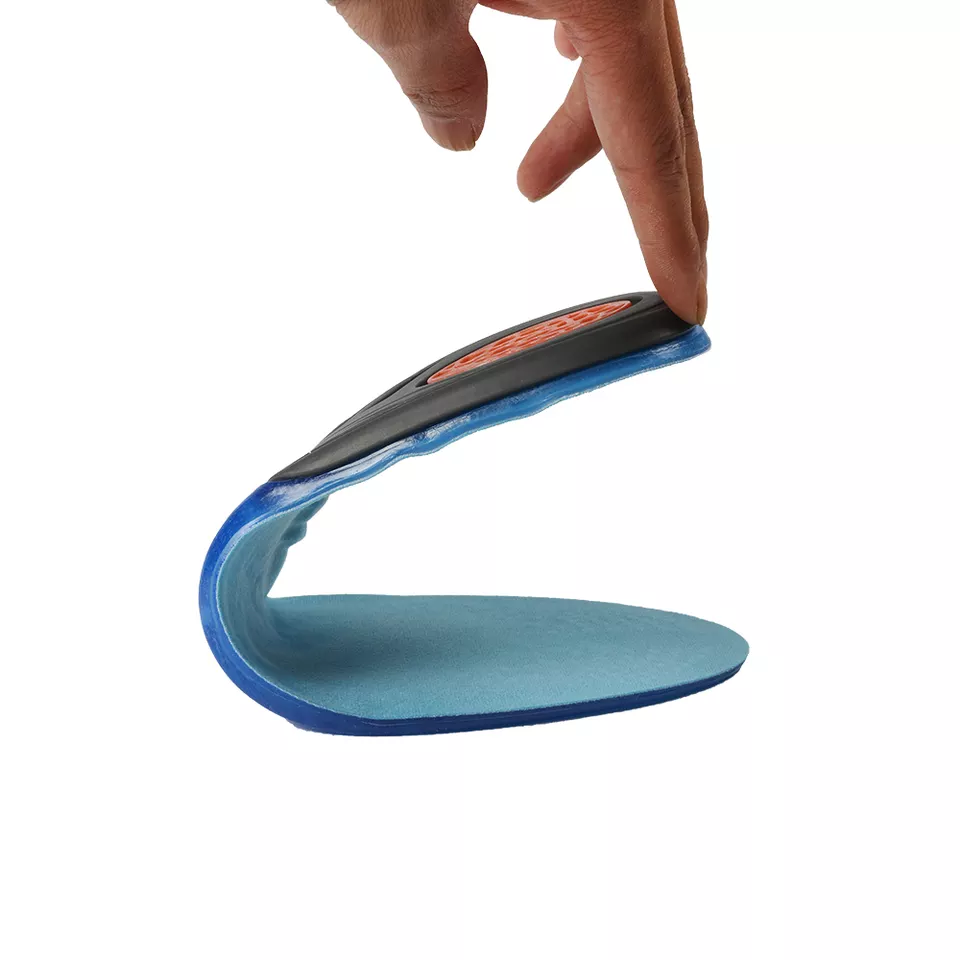
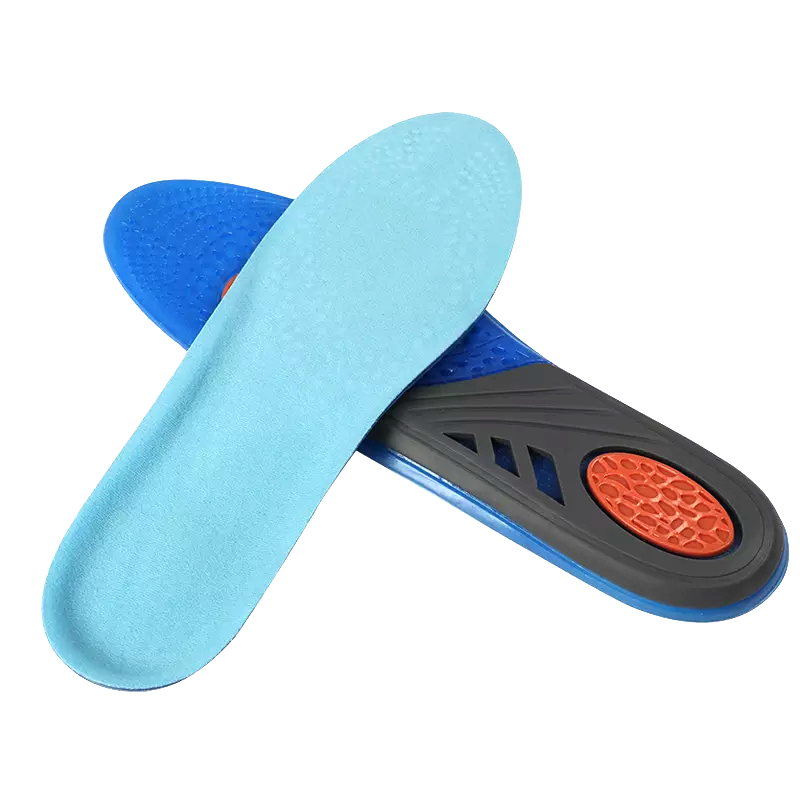
- Made from medical-grade silicone gel to soften repeated impact under the heel, middle of the foot, and forefoot.
- Helps spread pressure across more of the sole of the foot instead of letting one small area take too much load.
- A supportive heel cup helps keep the heel steadier inside the shoe and can reduce excess side-to-side movement.
- Intended to make walking and standing feel less harsh, especially on harder surfaces.
- Can help reduce rubbing inside the shoe by improving how the foot sits against the insole.
- Available in USA shoe sizes 3–9 and 7–13, and can be trimmed for a neater fit using the size guide printed on the insoles.
- Made for everyday use in a wide range of footwear, provided the shoe has enough depth and room.
- Best introduced gradually at first if your feet are especially sensitive or your feeling is reduced.
- Check your feet regularly for redness, rubbing, or pressure marks, especially when trying them in a new pair of shoes.
- These insoles do not cure neuropathy or repair nerve damage; they are designed to improve comfort and reduce everyday stress on the feet.
Soothing Gel Insoles for Neuropathy
Neuropathy in your feet can make everyday life feel much harder than it should. You may notice tingling, burning, numbness, coldness, throbbing pain, or feet that feel unusually sensitive to pressure. For some people, the problem is too much sensation, where even light contact from the inside of a shoe feels unpleasant. For others, it is too little, where part of the foot feels dulled, padded, or slow to register what it is standing on. Quite often, it is both at once. One part of the foot may feel sore and easily irritated, while another feels strangely numb.
That is part of what makes neuropathy so wearing. It does not only cause discomfort. It can also affect your confidence when you are standing or walking, your sense of balance, and how comfortably your feet cope with ordinary shoes. Footwear that used to feel fine may start to feel hard, rough, or unsupportive under the sole of the foot. Hard floors may feel much less forgiving through the heel and the ball of the foot. You may find yourself shifting your weight away from one area, walking differently without meaning to, or wanting to sit down sooner because your feet no longer feel comfortable or dependable.
Once that starts happening, foot care becomes about more than comfort alone. If feeling in your feet is reduced, you may not get a clear warning when one small area is under too much pressure or rubbing against the shoe. If feeling is heightened, normal standing and walking can feel more uncomfortable than they should. In both situations, your feet usually benefit from more protection, better cushioning under the sole, and a more supportive fit inside the shoe.
A good gel insole can help with that. It will not cure neuropathy or repair damaged nerves, but it can make your shoes feel gentler underfoot, reduce concentrated pressure in vulnerable areas of the foot, and improve comfort when you are walking or standing.
At NuovaHealth, we stock FootReviver’s Soothing Gel Insoles on the brand’s behalf for people who want a practical way to make sensitive feet feel more comfortable and better supported inside their shoes. They are designed to cushion impact, improve comfort under the sole of the foot, and help reduce the build-up of pressure that often makes neuropathic feet feel worse.
Understanding Neuropathy in the Feet
Neuropathy means damage or irritation affecting the peripheral nerves. These are the nerves that carry messages between your brain, spinal cord, and the rest of your body. In your feet, they help you feel pressure, temperature, touch, and pain. They also help you judge where your foot is as it meets the ground, which matters for steadiness when you stand and walk.
When these nerves are not working properly, the signals to and from your feet can become disrupted. That is why neuropathy can cause such a mixed range of symptoms. You may notice burning, tingling, numbness, sharp pains, increased sensitivity, or a muffled feeling under the sole of the foot. Some people describe it as feeling as though there is extra padding under the foot when there is not. Others find that pressure through the heel, arch, or forefoot, which used to feel normal, now feels sore, harsh, or irritating.
Peripheral neuropathy is one of the most common types, and it often affects the feet first. Diabetes is one well-known cause, but neuropathy can also be linked with injury, infection, vitamin deficiency, alcohol misuse, autoimmune conditions, and some medical treatments. The cause can differ from person to person, but the effect on the feet is often similar. Your feet may feel less predictable, less steady, and less able to tolerate pressure, rubbing, and the normal day-to-day demands of walking and wearing shoes.
This change in sensation is one of the main reasons it is worth taking foot support seriously. When feeling is normal, discomfort often gives you an early sign that a shoe is rubbing, that the heel is moving too much, or that too much body weight is passing through one small area of the foot. With neuropathy, that warning may be reduced, delayed, or altered. As a result, pressure points and rubbing can build up without being obvious at first, or normal standing and walking can start to feel much more uncomfortable than they used to.
Why Foot Protection Matters
Each step sends force through your feet. The heel touches the ground first, then body weight moves through the middle of the foot, and finally passes into the front of the foot and the toes as you push off. That sequence repeats through the day with every step you take. Even a small change in how force moves through the foot can matter when it happens hundreds or thousands of times.
If one part of the foot is taking more load than it should, the skin, soft tissue, and joints in that area have to deal with more pressure every time the foot meets the ground. In neuropathy, that matters for two separate reasons. First, if feeling is reduced, you may not notice clearly that one part of the sole is being overloaded. Second, if the nerves in the foot are irritated and overly sensitive, that same pressure may feel much sharper and more uncomfortable than it otherwise would.
Neuropathy can also change how you move, often without you fully realising it at first. You may start putting less weight through a sore part of the heel, the ball of the foot, or the toes. You may roll off one side of the foot more quickly, or take shorter steps because that feels easier. Over time, those changes can shift extra load into other parts of the foot and create new pressure areas.
Rubbing matters as well. Pressure is only one part of the problem. If your foot slides forward, twists, or lifts too much inside the shoe, the skin and the soft tissue underneath it are exposed to repeated friction. This is especially important when feeling is dulled, because movement inside the shoe may not feel obvious even though the tissues are still being irritated.
Good foot care is not only about making the foot feel softer under load. It is also about protecting the foot from avoidable stress. Keeping the skin clean and in good condition, checking your feet regularly, choosing shoes that fit properly, and avoiding walking barefoot can all help reduce unnecessary irritation. Insoles can help because they improve what sits directly between the sole of your foot and the inside of the shoe. They can cushion impact under the heel and forefoot, help spread pressure across more of the sole, and reduce some of the extra movement inside the shoe that leads to rubbing.
These may seem like small changes, but for feet that are sensitive, vulnerable, or uncomfortable most days, they can make a meaningful difference.
How Gel Insoles Can Help
A gel insole does more than make a shoe feel softer. Its job is to make the inside of the shoe more protective and more supportive for a foot that is struggling with everyday standing and walking.
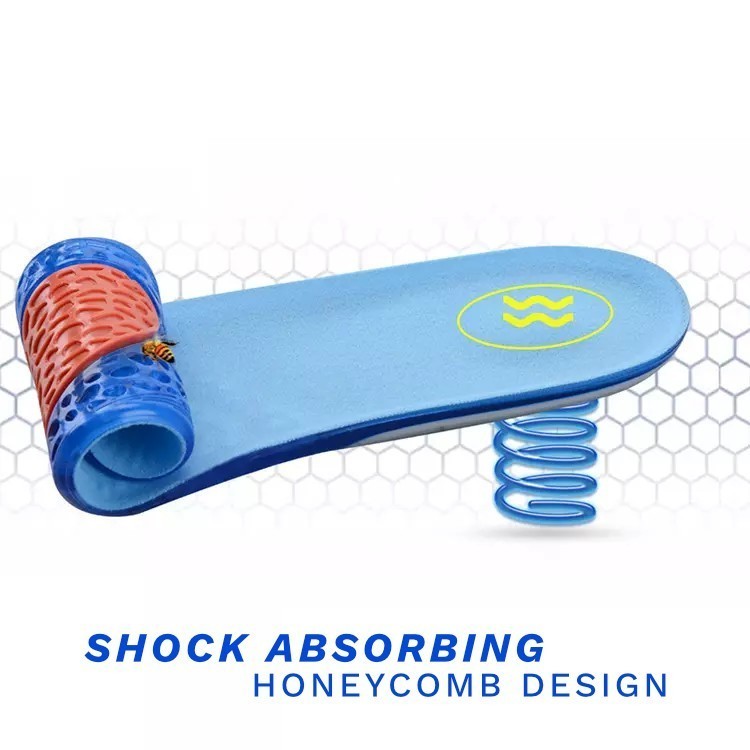
One of the main ways it helps is by cushioning repeated impact. Each time your heel and the front of your foot meet the ground, force travels up through the sole. On hard surfaces, during longer periods on your feet, or with regular walking, that repeated force can build up and leave your feet feeling sore, tired, or irritated. A gel insole helps soften some of that underfoot jarring, which can make each step feel less harsh.
Another important role is helping to spread pressure more evenly. In simple terms, that means helping more of the sole of the foot share the load instead of one small area taking most of it. If you have a tender heel, a sensitive forefoot, or reduced feeling that makes pressure harder to notice early, that can be especially helpful. When force is spread more evenly across the sole, there is less concentrated stress on any one vulnerable area.
Gel insoles can also help reduce rubbing. If your foot moves around too much inside the shoe, friction increases. If the heel lifts too much or shifts from side to side, walking can feel less steady and more tiring. An insole that improves contact under the sole and supports the heel more securely can help the foot sit more steadily inside the shoe, with less movement and less irritation from rubbing.
This is where an insole fits into neuropathy care. It does not treat the underlying nerve problem, but it can reduce some of the everyday stresses that often make neuropathic feet harder to manage, including hard-ground impact, concentrated pressure, and friction inside the shoe.
Why Choose FootReviver Soothing Gel Insoles
FootReviver’s Soothing Gel Insoles are designed with those day-to-day problems in mind. They combine soft gel cushioning with a supportive shape, so your feet are not only standing on a softer surface but also sitting more comfortably and securely inside the shoe.
That combination matters. With neuropathy, softness alone is not always enough. The foot often also needs pressure relief, a better spread of load across the sole, and a steadier fit inside the shoe. These insoles are designed to provide that added layer of comfort and protection, helping your footwear feel less demanding on sensitive feet.
They are available in size ranges for both men and women and are intended for everyday wear in a wide range of shoes. They are a practical option if you spend long periods standing, walk regularly, or simply find that ordinary footwear feels too hard beneath your feet.
These insoles are commonly chosen by people living with neuropathy, diabetes, and other causes of foot sensitivity who want a more cushioned and protective feel inside their shoes. They are also used by people who find that added shock absorption and underfoot support make normal day-to-day movement more comfortable.
How These Insoles Are Designed to Help
The insoles are made from high-quality medical-grade silicone gel. In practical terms, that means a soft but durable material that is well suited to cushioning repeated impact under the foot. When you walk or stand, the gel helps soften some of the jarring force that passes through the heel, the middle of the foot, and the forefoot. If hard surfaces tend to leave your feet feeling sore or tired, this can make your shoes feel noticeably more forgiving.
The gel also conforms more closely to the shape of the sole of your foot. It is not being presented as a custom orthotic, but it can improve contact between the foot and the surface beneath it. Better contact under the sole can help spread pressure across a broader area, which may reduce the build-up of force in one small spot. For someone with neuropathy, that matters because a pressure point may feel painful, or it may not be noticed clearly until the area has already become irritated.
The solid-shell heel cup adds another level of support. It helps hold the heel in a steadier position inside the shoe and reduces unnecessary side-to-side movement of the heel. That can make walking feel more controlled and can reduce some of the shifting that contributes to rubbing and tiredness. If your heel tends to slide or your shoes feel unstable underfoot, this feature can help the shoe feel more secure.
Taken together, these features do three straightforward things. They cushion impact under the foot, reduce local pressure build-up, and help your feet sit more comfortably inside your shoes.
Easy to Fit Into Everyday Footwear
These insoles are made for daily use, so they need to work in real shoes, not just sound good in theory. They can be slipped into many types of everyday footwear and trimmed if needed for a more accurate fit.
Fit matters more than many people realise. A good insole should improve comfort, not make the shoe feel crowded. Your shoes need enough room so that, once the insole is in place, your toes are not cramped and the upper part of the shoe is not pressing down on the top of your foot. This is particularly important with neuropathy, because extra tightness or rubbing inside the shoe can create the same kind of pressure and irritation you are trying to reduce.
If needed, the insoles can be trimmed using the size guide printed directly on them. That helps you get a neater fit and reduces the chance of the insole lifting at the edge, bunching, or moving under the foot. Once fitted, it should lie flat and smooth inside the shoe.
They are especially useful if you spend a lot of time standing, walk regularly, or simply want your everyday shoes to feel less firm and better cushioned under the sole of the foot.
What You Can Realistically Expect
It is important to be clear about what any insole can and cannot do. These gel insoles do not repair nerve damage and they are not a cure for neuropathy. Their role is supportive. They are there to make the inside of the shoe feel gentler on your feet and to reduce some of the day-to-day stresses that can aggravate symptoms.
For many people, the benefit is practical rather than dramatic. The heel and forefoot may feel better cushioned. Walking on hard surfaces may feel less jarring through the sole of the foot. Sensitive areas may feel less exposed to pressure. The foot may feel more settled inside the shoe instead of sliding or shifting around.
Those changes can still matter a great deal. If your feet are bothering you on most days, even a modest improvement in comfort can make it easier to stay on your feet and get through ordinary routines with less irritation.
Using Them Sensibly
When you first start wearing any new insole, check the fit carefully. Your shoes should still feel comfortable in depth and around the toes once the insole is in place. They should not feel tighter across the front of the foot or press down on the top of the foot.
If your feet are especially sensitive, it is sensible to build up wear gradually rather than using them for a full day straight away. That gives you time to see how they feel during ordinary standing and walking, and to notice any early signs of rubbing or pressure.
If feeling in your feet is reduced, inspect your feet regularly, especially when trying the insoles for the first few times or when wearing them in a different pair of shoes. Look for redness, rubbing, or pressure marks on the skin. The insoles should make your shoes feel more comfortable, not create new problem areas.
If they make your shoes feel cramped or increase discomfort, stop using them in that pair of shoes and check the fit again. Sometimes the issue is not the insole itself, but the amount of room available inside the shoe.
If your symptoms are getting worse, if your skin is becoming irritated, or if you notice new unexplained swelling, changes in skin colour or temperature, or other new symptoms that do not settle, it is sensible to speak to a GP, podiatrist, or physiotherapist.
30-Day Money-Back Guarantee
These insoles come with a full 30-day money-back guarantee, so if they are not right for you, you can return them within that period.
A Practical Way to Make Shoes More Comfortable
When neuropathy changes how your feet cope with pressure, impact, and rubbing, even ordinary shoes can start to feel difficult. The aim is not simply to add softness under the sole. It is to make your footwear feel more protective, more comfortable, and less irritating through the day.
FootReviver’s Soothing Gel Insoles are designed to do exactly that. By cushioning repeated impact, helping spread pressure more evenly across the foot, and supporting a steadier fit inside the shoe, they offer a simple, practical way to make everyday standing and walking feel more comfortable. If that sounds like the kind of support your feet need, check the sizing carefully, make sure your shoes have enough room, and build up wear gradually. If you are unsure whether they are suitable for your feet, it is sensible to ask a GP, podiatrist, or physiotherapist.
Disclaimer
This information is general guidance only. It is not a substitute for individual medical advice, diagnosis, or treatment. If you are unsure whether these insoles are suitable for you, or if you have more complex, worsening, or new symptoms, speak to a GP, podiatrist, physiotherapist, or another appropriate clinician for personalised advice. No specific outcome can be guaranteed.
Fast & Secure Checkout Through Paypal
Pay with Paypal the secure payment gateway that accepts all credit and debit cards. Paypal is free and secure and no credit or bank information is ever stored or shared with us.
Fast Dispatch
Enjoy your items soon with quick dispatch via Royal Mail. Expect to have your items between 1-3 working days for domestic orders. 7-10 Working days for international orders.
Return Policy – 30 Day Money Back Guarantee
In the unlikely event, you are unhappy with your purchase you can return it within 30 days for a refund. Please contact us via the form on the contact us page to start your return.
To return an item please send it to: Nuova Health UK, 81 Highfield Lane, Waverley, Rotherham, S60 8AL. Please include a note with your order id so we know who to refund. Please retain your postage receipt as proof of postage. All that we ask is that the item is in the original packaging and unused.
Reviews
There are no reviews yet.