
Shoulder Support Brace For Frozen Shoulder
£13.99inc VAT
-
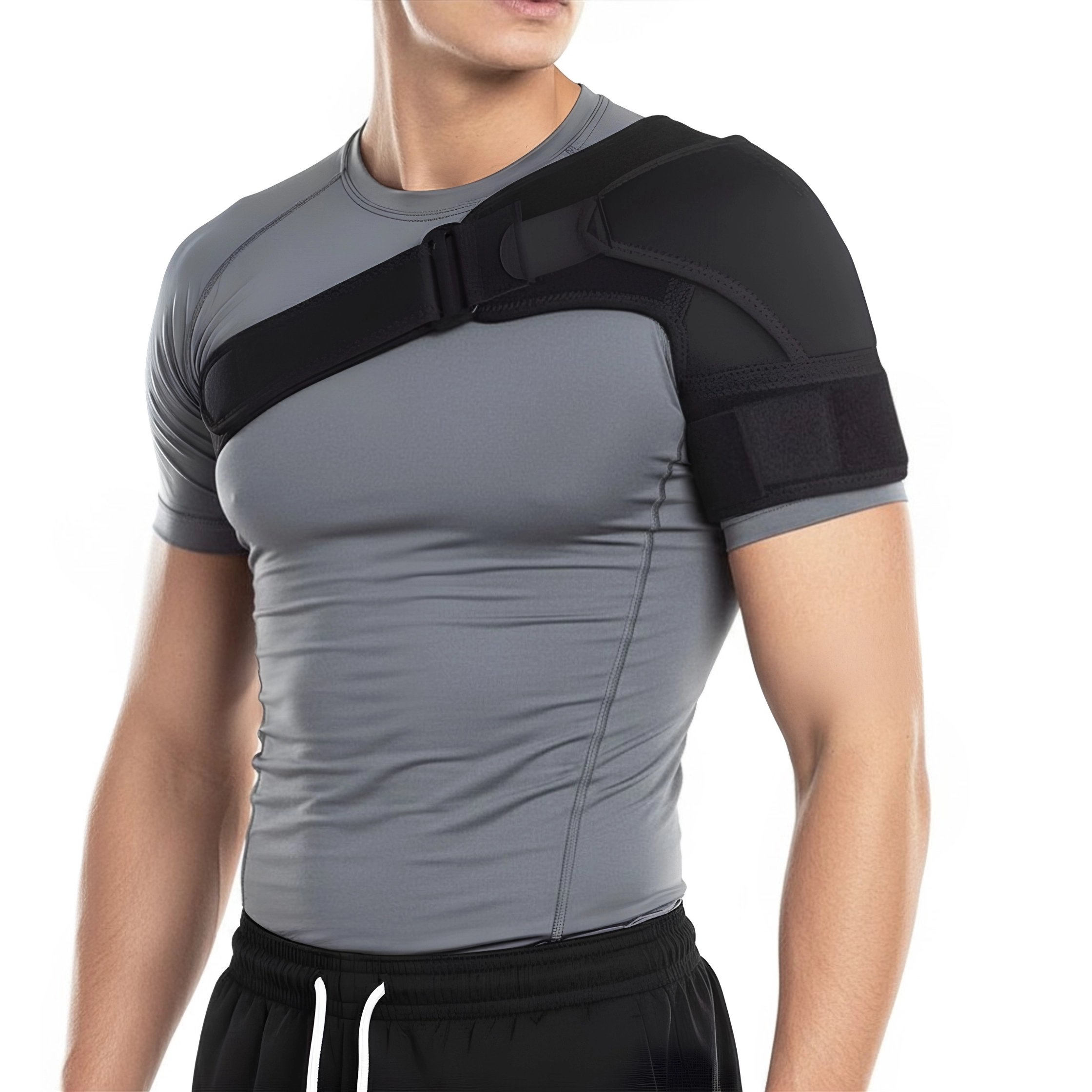
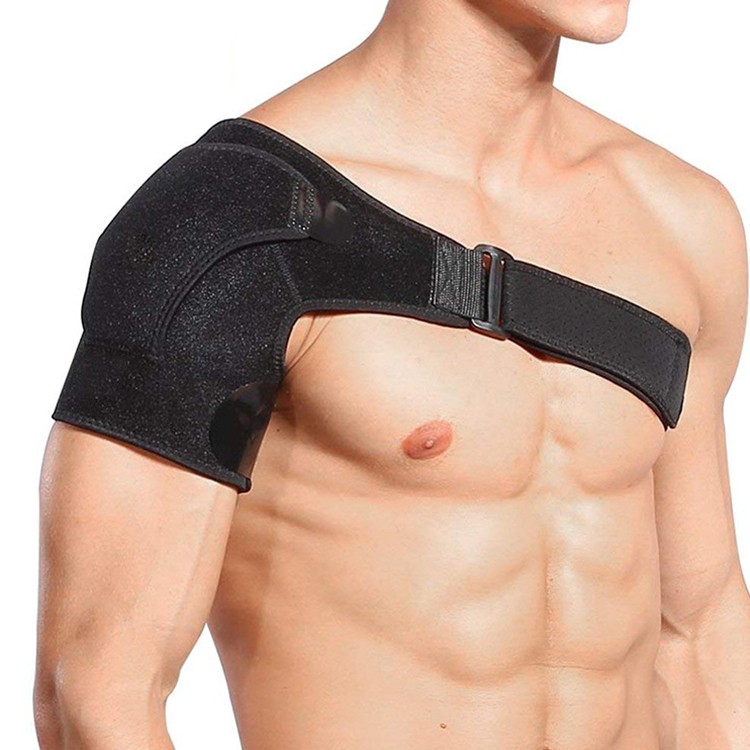
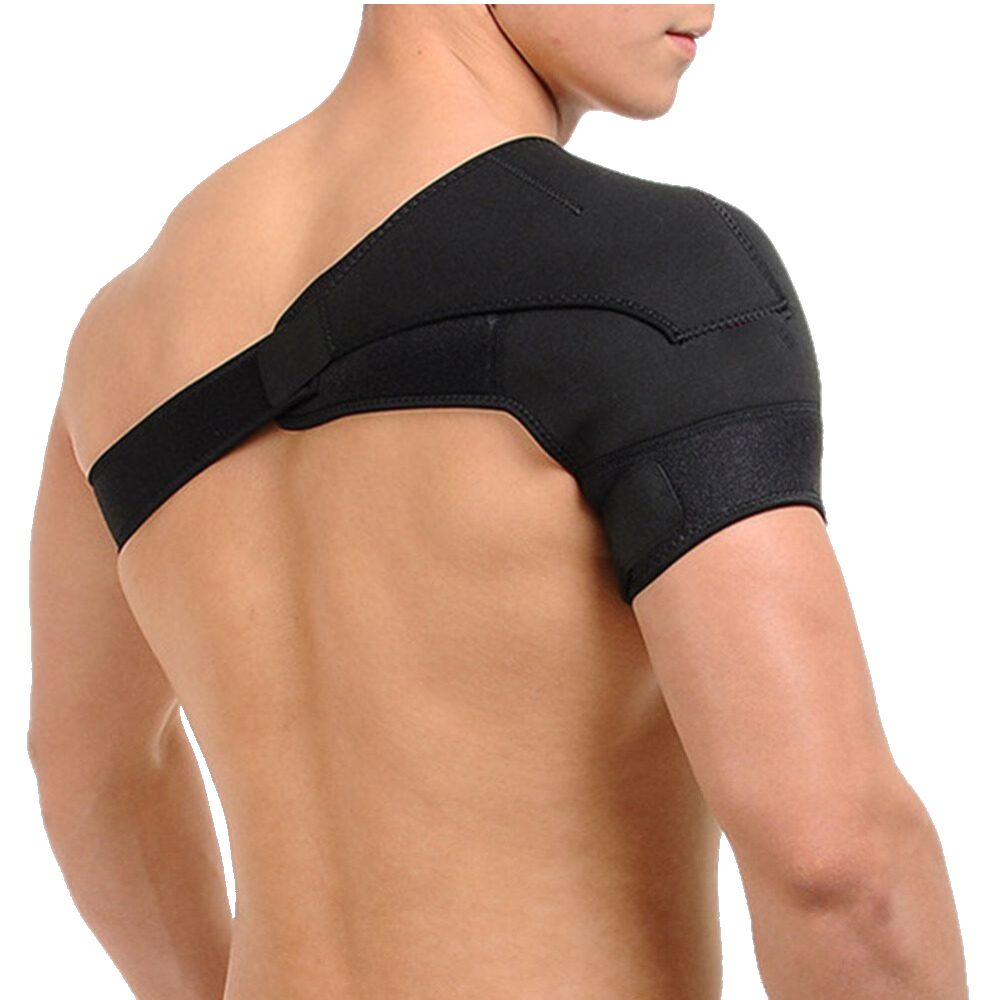
The NuovaHealth Shoulder Support: For Your Daily Recovery Journey
Designed to complement your clinical treatment, this support addresses the specific daily challenges of frozen shoulder (adhesive capsulitis). It provides consistent, adaptable assistance to help manage symptoms, protect the joint, and support your rehabilitation between physiotherapy sessions.
- Manages Deep Capsular Pain: The adjustable dual-strap system allows you to apply targeted, graduated compression. This can help soothe the deep ache from an inflamed joint capsule, a hallmark of the painful ‘Freezing’ stage.
- Calms Protective Muscle Guarding: The anatomical design provides gentle stabilisation and enhances your shoulder’s positional awareness (proprioception). This feedback can help dial down the subconscious muscle tightening that restricts movement, making essential exercises feel more secure.
- Eases Stiffness from Scar Tissue: Made from medical-grade neoprene, the brace retains therapeutic warmth around the joint. This mild heat can improve tissue elasticity, making your crucial physio-prescribed stretches more productive during the stiff ‘Frozen’ stage.
- Helps Control Inflammatory Flare-Ups: An integrated sleeve securely holds a reusable gel pack (sold separately) for hands-free cold therapy. This allows you to proactively manage acute swelling and pain after activity or strenuous rehab sessions.
- Reduces Cumulative Daily Strain: The gentle compression and warmth help mitigate the background strain from desk work and daily activity, which often intensifies pain by evening. It is designed for all-day comfort under clothing.
- Adapts Through Every Stage: Fully adjustable straps allow you to modify the support level—from snug compression during a flare-up to lighter stabilisation during movement—making it a single tool for your entire recovery journey.
- Built for Practical, Long-Term Use: Crafted from breathable, skin-friendly materials, it is designed for extended wear. The ambidextrous, one-size-fits-most design ensures a practical fit for both left and right shoulders.
- Supported by a 30-Day Guarantee: We invite you to use it consistently for one month as part of your full management plan. If you are not satisfied with the improvement in daily comfort and symptom management, simply return it for a full refund.
Important Note: This support is a wellness aid designed to complement professional medical treatment. It is not a medical device and is not intended to diagnose, treat, cure, or prevent disease. Always seek advice from your GP or Chartered Physiotherapist for diagnosis and before beginning any new management protocol. Contraindications apply.
Understanding Frozen Shoulder
It Starts With Your Everyday Life
Frozen shoulder rarely begins with a dramatic injury. It starts with a subtle, sharp pain during an everyday task—lifting a kettle or reaching for a seatbelt. Most people dismiss it as a strain.
But unlike a strain, this pain doesn’t fade. It settles in as a deep, persistent ache within the joint itself, often worst at night, disrupting sleep and leaving you exhausted.
The defining problem is the stiffness that follows. It’s progressive and gripping. You gradually lose the ability to reach overhead, behind your back, or rotate your arm. It feels as if your shoulder is literally locking up. This is why it’s called frozen shoulder—the joint capsule itself becomes thick, tight, and adherent, severely restricting movement.
This limitation starts to run your day. Dressing, washing, and reaching become difficult. This is the classic onset of Frozen Shoulder (Adhesive Capsulitis). Recognising this pattern early is what allows for effective management.
What’s Happening Inside Your Shoulder
The root of the problem is your shoulder’s joint capsule. To understand it, picture this: your shoulder joint is like a ball (the top of your arm bone) sitting in a shallow socket. The joint capsule is the strong, flexible sac of tissue that completely surrounds and contains this ball-and-socket, like a sleeve that is sewn around the edges of the socket and encloses the ball. Normally, this sleeve is loose and supple, giving your shoulder its remarkable range of motion.
With frozen shoulder, this capsule becomes chronically inflamed and irritated. Over time, it doesn’t just stay swollen; it actively thickens, tightens, and contracts. Internally, it forms stiff, unyielding bands of scar-like tissue called adhesions—imagine these as a web of internal scarring, like fibrous spiderwebs that form between the inner walls of the capsule, tethering them together and to the bone. The capsule literally shrinks and stiffens around the ball-and-socket, forming a restrictive, physical cuff. This structural tightening is the actual ‘freeze.’ Your recovery hinges on carefully stretching and remodelling this thickened, scarred tissue.
Key Risk Factors
Several factors make frozen shoulder more likely. Knowing them helps make sense of your own situation.
Age & Gender
It most frequently occurs in individuals between 40 and 60, a time when the body’s connective tissues naturally begin to change. It is also statistically more common in women, which is thought to be related to hormonal influences on connective tissue, particularly around the peri-menopausal period.
Underlying Health Conditions
There is a very strong, well-established link with diabetes. Persistently high blood sugar can alter the fundamental structure of collagen—the key protein that makes up the joint capsule—making it more vulnerable to the inflammation and pathological scarring that defines this condition. Thyroid disorders are another significant association.
After an Injury or Surgery
It often starts after a time when the shoulder cannot move normally. This frequently follows recovery from a separate injury like a fracture requiring a sling, or surgeries such as rotator cuff repair, mastectomy, or cardiac procedures. The medically essential rest can, paradoxically, create the ideal conditions for the shoulder capsule to begin stiffening.
When the Cause Isn’t Clear (Idiopathic)
In a substantial number of cases, it develops without any discernible preceding event. While this can feel confusing, it’s a well-documented presentation. The key insight is that the absence of a clear ’cause’ doesn’t change the condition or its management—your focus moves directly to implementing an effective plan.
Links to Other Health Conditions
Clinical evidence also notes associations with other conditions that affect the body’s systems over time, such as Parkinson’s disease. If you have concerns about how other health factors may relate, discussing them with your GP or specialist is always advised.
The Three Stages of Frozen Shoulder
The condition typically progresses through three distinct, sequential stages. Identifying where you are is vital, as the focus of your management—balancing pain relief against the imperative to move—changes at each phase.
Stage 1: The ‘Freezing’ Stage (Typically Lasting 2 to 9 Months)
This initial phase is dominated by progressively worsening pain. It’s a deep pain within the joint itself, often most severe at night and directly disruptive to sleep. Every movement becomes guarded and painful. Biologically, the joint capsule is acutely inflamed, swollen, and thickening, creating painful internal pressure with even small motions. Your focus here is on managing pain to enable any gentle movement you can tolerate.
Stage 2: The ‘Frozen’ Stage (Typically Lasting 4 to 12 Months)
Here, the intense, constant pain may begin to subside, but it is replaced by profound, dominating stiffness. The shoulder feels truly stuck, solid, or mechanically locked. The underlying issue changes: the inflamed capsule has now thickened further and developed dense, internal adhesions. The primary complaint shifts decisively from “it hurts” to “it will not move.” The focus now shifts decisively to carefully stretching that thickened, adherent capsule to regain movement.
Stage 3: The ‘Thawing’ Stage (Typically Lasting 5 to 24+ Months)
The final phase involves a slow, often frustratingly gradual return of movement. Improvement happens in tiny, barely perceptible increments over many months and relies entirely on consistent, gentle stretching to remodel the scarred tissue without triggering fresh inflammation. This stage is slow. Progress relies entirely on your consistent, gentle daily work. Progress is measured in millimetres and degrees over months.
The Vicious Cycle You Need to Break
This progression locks you into a self-reinforcing cycle that explains the condition’s stubborn nature:
Pain & Inflammation cause the surrounding muscles to Guard & Protect the joint, locking it down. This enforced lack of movement allows the joint to Stiffen & Develop Adhesions. Any subsequent attempt to move then Stretches this Painful Scar Tissue, causing More Pain & Inflammation, which reinforces the muscle guarding even further.
Breaking this cycle is the fundamental challenge. It also explains why the instinct to completely ‘rest’ the shoulder is often counterproductive, leading to worse long-term stiffness. Breaking the cycle requires a twin approach: calming the pain and muscle guarding enough to carefully reintroduce the precise movements needed to maintain capsule mobility.
The Consequences of Leaving It Untreated
Choosing to ignore symptoms or to simply ‘push through’ the pain risks substantial, long-term problems. Without proactive, guided intervention, a single episode can persist for 18 months to 3 years or longer.
Prolonged pain and disuse lead not only to ongoing suffering but also to significant weakening and wasting (atrophy) of the shoulder’s crucial supporting muscles, like the deltoid and rotator cuff. This muscle loss can result in lasting functional limitations—a weak, unstable shoulder—that remain even after the capsular stiffness eventually eases. Furthermore, it frequently leads to compensatory overuse injuries in your other shoulder, neck, and upper back as your body unconsciously alters its movement patterns.
This is precisely why starting informed, active management early isn’t just advisable—it’s critical for shortening your recovery and preserving your long-term strength and function.
Your Management Strategy: Professional Care and Your Part in Recovery
Successfully managing frozen shoulder requires a clear strategy built on two essential parts: the professional care you receive, and the consistent work you do yourself.
The Professional Care You Need
- Get the Correct Diagnosis First
Consulting your GP or a Chartered Physiotherapist is the essential first step. Self-diagnosis is risky, as conditions like a rotator cuff tear, arthritis, or neck-referred pain can mimic frozen shoulder. A professional will conduct specific clinical tests to assess your true range of motion, rule out other issues, and confirm an adhesive capsulitis diagnosis. This clear diagnosis shapes your entire recovery plan.
- Navigating Medical & Surgical Support
These are clinician-led interventions designed to support your active rehabilitation, not replace it.
Medical Pain Management (Guided by your GP): This may include a short course of anti-inflammatory tablets or a corticosteroid injection into the joint. It is vital to understand their role: they are not cures. They work by dampening severe inflammation and pain, providing a crucial window where your essential rehabilitation exercises become more possible and productive. Your GP can advise if they are suitable for you.
Surgical Options (A Last Resort): Surgery is only considered in persistent cases where, after 6-12 months of dedicated physiotherapy, profound stiffness remains. A consultant specialist may then discuss it as a potential option. Shoulder surgery carries significant inherent risks and necessitates a lengthy, committed rehabilitation period. The decision is a major one, made in detailed consultation with your specialist.
Your Part in Recovery
The Foundation of Recovery: Your Rehabilitation Plan
This consistent, daily practice is the essential mechanism of your recovery. It directly addresses the physical changes in your shoulder by safely stretching the thickened joint capsule, remodelling the internal adhesions (scar tissue), and rebuilding the supporting muscles needed for long-term function. Under the guidance of your physiotherapist, you will follow a tailored, progressive exercise plan designed for your specific stage of recovery.
Your programme will typically focus on two key phases:
- Gentle, Passive Stretches: Initially, you’ll likely use your other arm or a simple aid to carefully move the stiff joint (e.g., pendulum swings, cross-body stretches), applying a sustained, low-load stretch to the capsule.
- Active Strengthening & Control: As movement improves, exercises will progress to gently engage and strengthen the shoulder’s own muscles (e.g., wall pushes, light resistance band work) to rebuild stability and control. Your physio’s expertise is in selecting the right exercises, correcting your technique, and progressing them at the precise pace your shoulder can tolerate.
Protect Your Shoulder in Daily Life
Your recovery isn’t just about the exercises you do; it’s about how you manage your shoulder the rest of the day. This is where most people struggle. The deep ache at your desk, the strain of a heavy bag, the way you unconsciously favour your other arm—these moments can trigger flare-ups that set back your progress.
To succeed, you need to manage this daily reality. This means finding ways to soothe that background ache and provide enough gentle support to your joint during movement, so it feels secure and is protected from inadvertent strain. This is why finding consistent, day-long support isn’t just helpful—it’s often a fundamental part of getting better.
How the NuovaHealth Shoulder Support Helps Your Daily Recovery
The NuovaHealth Shoulder Support is designed for the part of recovery that happens outside the clinic. It provides the consistent help you need to manage symptoms, protect your joint, and make your rehabilitation more effective during daily life. Each aspect of its design responds to a specific challenge of frozen shoulder.
Soothing Deep Inflammation and Capsular Pain
During the painful ‘Freezing’ stage, the deep ache comes from an inflamed, swollen joint capsule. The support’s dual-strap system applies intelligent, graduated compression to address this. The primary strap gives gentle, consistent pressure around the shoulder muscle. The secondary, adjustable strap lets you focus more direct, calming pressure right over the front of the joint—where capsular pain often concentrates. This targeted compression helps ease the deep internal pressure and dull ache when your shoulder feels at its most tender, offering a sense of relief that simple heat or rest cannot provide.
Calming the muscle guarding response
A major barrier to movement is your body’s own protective reaction: the subconscious, painful tightening of muscles around the joint. This ‘guarding’ makes every motion feel daunting and limits your progress. The support helps calm this neurological alarm. Its close-fitting, anatomical design offers gentle external stabilisation, sharing the load that would otherwise strain these hypersensitive muscles. More importantly, this consistent contact improves your shoulder’s positional awareness—a sense called proprioception. This extra feedback helps reassure your nervous system that the joint is supported, which can dial down those overprotective signals. The result is that essential early movements and prescribed exercises feel more secure and less intimidating, helping you stay consistent with your rehab programme.
Easing Stiffness from Internal Scarring
As stiffness becomes the main issue in the ‘Frozen’ stage, the focus shifts to the tight capsule and internal adhesions. The medical-grade neoprene material gently retains your body’s natural warmth around the joint, creating a sustained, therapeutic microclimate. This mild, consistent heat helps improve the elasticity of the collagen fibres within the stiffened, scarred tissue. When you then perform your careful physio stretches, they work more effectively on this warmed, more pliable tissue. This makes your crucial stretching work more productive, directly targeting the physical restrictions while the soothing warmth takes the harsh edge off the constant background stiffness.
Managing the Inevitable Flare-Ups
Recovery from frozen shoulder is not smooth. It’s common to experience acute inflammatory flare-ups, often a day or two after a strenuous physiotherapy session or increased activity. These painful setbacks can feel disheartening. To manage them proactively, the support includes a dedicated internal sleeve. This holds a standard reusable gel pack securely in place directly over the shoulder joint, allowing for completely hands-free application of targeted cold therapy. Applying cold right where it’s needed after activity is one of the most effective ways to control this reactive swelling and pain, helping you manage these temporary regressions without losing the supportive benefits of the brace itself.
Supporting You Through the Daily Grind
Cumulative strain from desk work, computer use, and general activity builds up through the day, often intensifying pain by evening. Built for real-world wear, the support provides gentle compression and therapeutic warmth that helps mitigate this daily mechanical load. By easing this cumulative strain, it can help reduce the overall inflammatory pressure that often peaks during rest. Crafted from breathable, skin-friendly materials with a soft interior lining, it is comfortable for extended periods during sedentary or light activity and fits discreetly under clothing, designed to be a practical part of your day.
Adapting as Your Recovery Progresses
Your needs change dramatically from the painful ‘Freezing’ stage to the stiff ‘Frozen’ stage and into the mobilising ‘Thawing’ stage. The support’s fully adjustable dual-strap system is designed for this entire journey. During a painful flare-up, you can secure it snugly for comforting compression and restful support. When the focus shifts to carefully regaining movement, you can adjust the tension to permit your full physio-prescribed range while maintaining beneficial stabilisation and warmth. This adaptability makes it one piece of kit you can rely on consistently from diagnosis through to your full return to activity.
An Important Extra Benefit: Long-Term Shoulder Health
Once you’ve experienced frozen shoulder in one shoulder, the statistical risk of it developing in the opposite shoulder is higher. Beyond the active recovery phase, the support can be used strategically during known demanding activities—such as gardening, DIY, or taking up a new sport. This proactive use provides protective stability and feedback to the joint, which may help reduce the risk of recurrence or onset in the other shoulder, supporting your long-term joint health and function.
Getting the Best Results from Your Support
Fitting and Wearing It Effectively
For targeted anterior compression, position the secondary adjustable strap just below your collarbone, over the front of the joint. You should feel a firm, encircling support without any pinching or restriction of circulation. During prolonged sedentary periods, a slightly looser fit may be more comfortable for all-day wear. Before undertaking your prescribed exercises or going for a walk, snugging the straps slightly can enhance proprioceptive feedback and stability. The key is to match the support level to what you’re doing and how you feel.
Critical Safety Information
- This support is for use while you are awake and mobile. It is not intended for unsupervised sleep or extended bed rest.
- Do not use this support as a substitute for a professional diagnosis. Use it only for the condition (adhesive capsulitis) as confirmed by your GP or physiotherapist.
- Do not use if you have: an undiagnosed shoulder problem; open wounds, infections, or skin lesions in the area; severe circulatory disorders (such as advanced diabetes with vascular complications); or a known allergy to neoprene.
- Consult your GP or physiotherapist before use if you have: a diagnosed unstable shoulder (e.g., from dislocation), a confirmed rotator cuff tear requiring specific management, or inflammatory arthritis affecting the shoulder.
- Never tighten the straps to the point of causing pain, numbness, tingling, or changes in skin colour. If any of these occur, remove the support immediately.
Care and Maintenance
To preserve the materials and performance, hand wash the support every one to two weeks in lukewarm water with a mild, non-biological detergent. Rinse thoroughly to remove all soap residue. Air dry naturally away from direct heat sources such as radiators or tumble dryers. Always fasten the hook-and-loop straps when storing to prevent them from gathering lint and to maintain their adhesive quality. With this simple care, the support will maintain its therapeutic properties throughout your recovery.
Commonly Asked Questions
Is this a medical brace or a cure for frozen shoulder?
No. This is a supportive therapeutic aid, not a medical device or a cure. Its purpose is to complement your professional treatment plan by helping you manage daily symptoms, protect the joint, and support the work you do in physiotherapy.
Which stage of frozen shoulder is it designed for?
The support is adaptable for all three stages. The adjustable compression can help manage deep ache during the painful ‘Freezing’ stage. The therapeutic warmth assists with stretching in the stiff ‘Frozen’ stage. Its stabilisation remains beneficial as you regain movement in the ‘Thawing’ stage.
Can I wear it all day and to sleep?
It is designed for all-day wear during work and light activity. However, it is not intended for unsupervised sleep. During rest or sleep, the shoulder should be allowed to position itself naturally without external support that could limit circulation or cause stiffness.
Will it fit me, and is it for left or right shoulder?
The design is ambidextrous (fits either shoulder) and uses a two-strap adjustable system to create a secure, custom fit for most adults. The fit comes from this adjustability, not a standard clothing size, ensuring it can be tailored to your comfort.
I have been told I have a rotator cuff tear or arthritis. Can I use this?
This product is engineered specifically for the patterns of primary adhesive capsulitis (frozen shoulder). If you have a different primary diagnosis, such as a significant acute rotator cuff tear or inflammatory arthritis like rheumatoid arthritis, the management principles differ. Always consult your physiotherapist or consultant to confirm this is the appropriate supportive tool for your specific condition.
How does the cold therapy feature work? Is a gel pack included?
The internal sleeve is designed to securely hold a standard reusable gel pack (not included, allowing you to use your own). It enables targeted, hands-free cold therapy directly over the joint, which is recommended for managing acute flare-ups after activity.
Is it visible under clothing?
It is designed to be discreet. The low-profile design and materials mean it’s typically not visible under most shirts, jumpers, or blouses.
Can I exercise or go to the gym while wearing it?
It is excellent for supporting you during your prescribed rehabilitation exercises and daily activity. For heavy gym workouts, weightlifting, or contact sports, we advise consulting your physiotherapist first. The support is for rehabilitation and protection, not for enabling high-intensity performance against medical advice.
How long will the support last?
With proper care as outlined, the materials and strap system are designed to last for the full typical recovery period and beyond. It is made to be a durable part of your recovery toolkit.
What if it doesn’t help my shoulder?
Your purchase is backed by our 30-Day Guarantee. We invite you to use it consistently as part of your complete management plan for one month. If you do not experience a tangible improvement in daily comfort and symptom management, you may return it for a full refund.
Our Commitment: The 30-Day Guarantee
To ensure this support fits your recovery plan, your purchase is protected by our straightforward 30-Day Guarantee. Use it consistently as directed alongside your professional treatment for one full month. If, after this period, you are not satisfied with the improvement in your shoulder’s daily comfort, stability, or your ability to manage symptoms between clinical appointments, simply return it in its original condition for a full refund. We offer this guarantee because the support is designed to provide a tangible, practical benefit as part of a complete management approach.
Completing Your Recovery Plan
Managing frozen shoulder requires addressing all three areas: the correct professional diagnosis, a committed rehabilitation programme, and consistent day-to-day protection. The NuovaHealth Shoulder Support is engineered specifically for that crucial third role—helping you apply clinical principles to daily life, breaking the pain-stiffness cycle, managing inflammatory load, and making your essential rehabilitation work more effective and sustainable.
Order the NuovaHealth Shoulder Support today. Give your shoulder the consistent, day-to-day support it needs to navigate recovery with greater comfort and confidence, moving you steadily towards restored movement and function.
Important Note: The NuovaHealth Shoulder Support is a supportive therapeutic aid designed to complement, not replace, professional medical treatment. It is not classified as a medical device and is not intended to diagnose, treat, cure, or prevent any disease. Always seek the advice of your GP, consultant, or a Chartered Physiotherapist for diagnosis and before beginning any new management protocol. Do not use this product for undiagnosed pain. Contraindications apply. Cease use and consult your healthcare provider if you experience increased pain or adverse effects. Individual recovery times and results will vary based on the individual, the stage of the condition, and adherence to a full management plan.
Fast & Secure Checkout Through Paypal
Pay with Paypal the secure payment gateway that accepts all credit and debit cards. Paypal is free and secure and no credit or bank information is ever stored or shared with us.
Fast Dispatch
Enjoy your items soon with quick dispatch via Royal Mail. Expect to have your items between 1-3 working days for domestic orders. 7-10 Working days for international orders.
Return Policy – 30 Day Money Back Guarantee
In the unlikely event, you are unhappy with your purchase you can return it within 30 days for a refund. Please contact us via the form on the contact us page to start your return.
To return an item please send it to: Nuova Health UK, 81 Highfield Lane, Waverley, Rotherham, S60 8AL. Please include a note with your order id so we know who to refund. Please retain your postage receipt as proof of postage. All that we ask is that the item is in the original packaging and unused.
Reviews
There are no reviews yet.