
Raynaud’s Disease Gloves Bundle
£59.99£74.46 (-19%)inc VAT
- Made for cold, colour‑changing hands – for people whose fingers turn white, blue or red in the cold, ache, tingle or feel “dead”, often described as Raynaud’s.
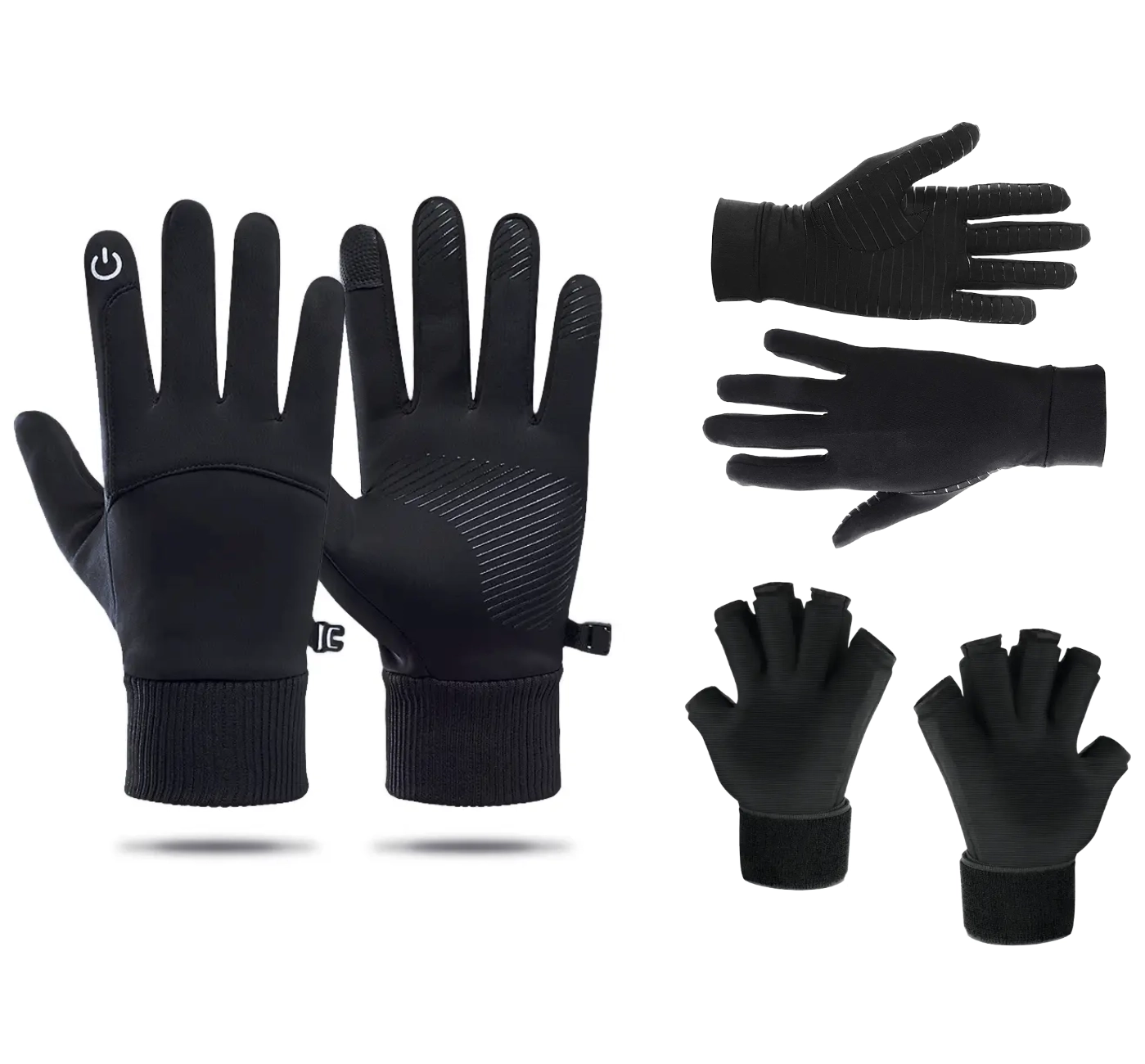
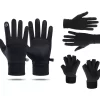
- Three‑glove system – full‑finger base layer for gentle compression and warmth, full‑finger thermal glove to block wind and damp, and fingerless gel gloves for short heat or cold sessions when symptoms flare.
- Base layer: comfort and control – soft, stretchy fabric with smooth internal seams, silicone grip on palms and fingers, and reinforced thumb webs to support natural hand movement, reduce over‑gripping and protect sensitive joints.
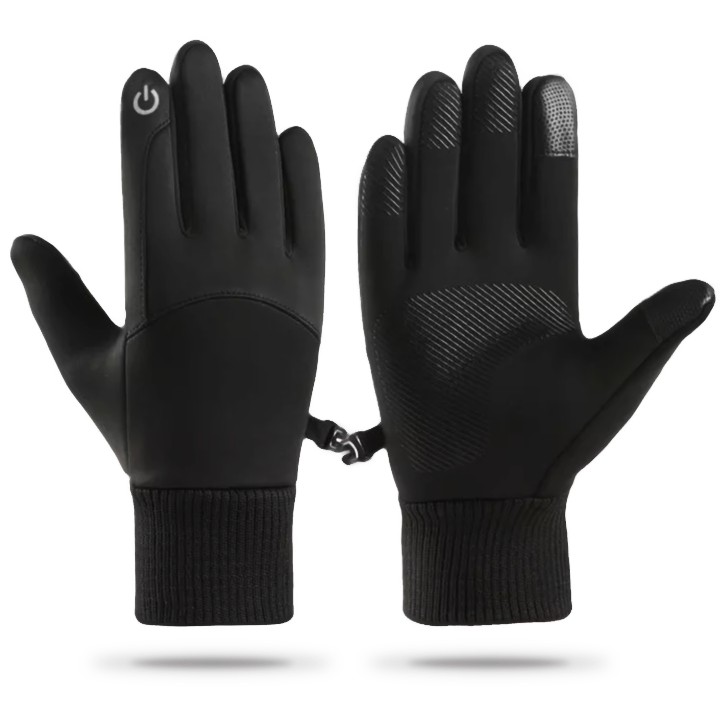
- Thermal layer: outdoor protection – insulating construction with a wind‑ and water‑resistant shell, extended cuffs to cover the wrists, and grip surfaces that work over the base layer so you can still hold steering wheels, railings and bags securely.
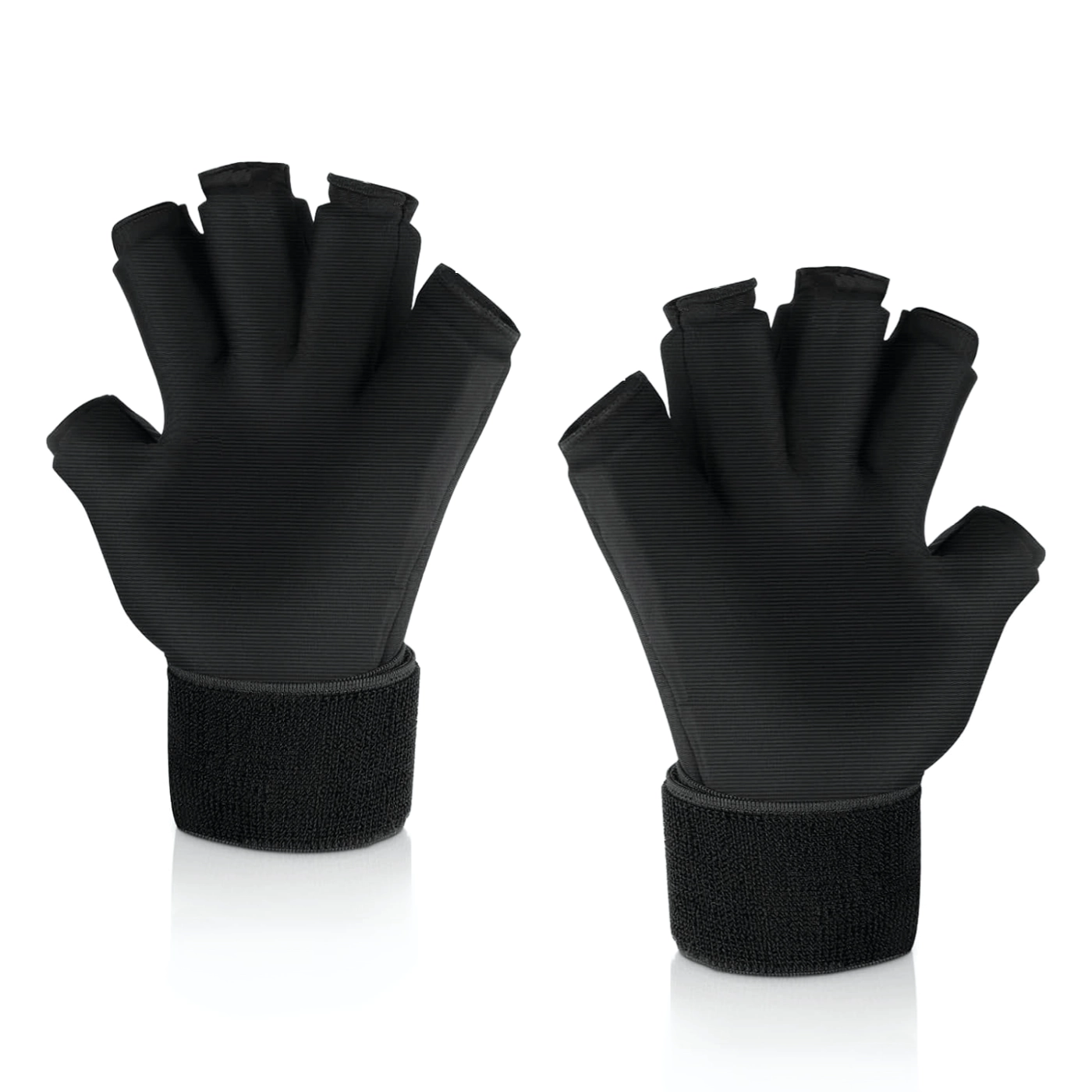
- Gel therapy gloves: heat and cold when you need it – fingerless design so fingertips stay free for safety, reusable gel that can be warmed or cooled, and an adjustable wrist wrap to keep the glove in place while you use short, carefully‑controlled treatment sessions.
- Clinician‑informed RevitaFit designs – developed with input from clinicians who regularly manage Raynaud’s, arthritis and cold‑sensitive hands, and selected by NuovaHealth as a coordinated set that layers and fits together properly.
- Everyday use plus recovery – wear the base layer indoors, add the thermal glove when you step into the cold, then use the gel therapy gloves later in the day when your hands are aching, stiff or slow to settle.
- Better value as a bundle – costs less than buying the three pairs individually, so you have a complete system for indoor warmth, outdoor protection and recovery sessions in one purchase.
Managing Raynaud’s: The RevitaFit Complete Raynaud’s Glove Set
Cold, painful fingers that turn white or blue are a hallmark of Raynaud’s. If your hands often feel as if they’ve been dipped in ice water, even when the weather is only slightly cool, or if they become numb, tingly, or painfully stiff so that you struggle to grip or handle objects, it can be frustrating and limiting. When cold, painful hands start restricting what you can do, it affects confidence and comfort in daily life.
Many people experience this pattern. Hands turn white or blotchy, then blue, and finally red and throbbing as the blood returns. Everyday activities such as handling cold objects, touching metal surfaces, or being outdoors briefly can be enough to trigger an episode. If you have watched your fingers go white when you reach into the freezer or grip a cold steering wheel, then burn as they re‑warm, that pattern is typical of a Raynaud’s attack.
This reaction occurs when the small blood vessels in the fingers and thumbs over‑react to cold or stress. Conditions that worsen with cold exposure, such as chilblains, hand osteoarthritis, or nerve compression, can occur alongside Raynaud’s and make pain, stiffness, and recovery slower. Already sore joints, irritated nerves, or fragile skin are then exposed to the same swings in blood flow and temperature, increasing discomfort.
Understanding Raynaud’s and Why Hands React to Cold
Raynaud’s occurs in two main forms. In primary Raynaud’s:
- Symptoms usually begin in early adulthood.
- It is seen more often in women, likely related to differences in how blood vessels respond, influenced by hormones.
- Attacks are sudden and painful, but in many people do not lead to ulcers or tissue loss when no other condition is present.
Secondary Raynaud’s is more likely to start later in adult life and is often linked with autoimmune or connective tissue diseases such as scleroderma, rheumatoid arthritis, or lupus. It carries a higher risk of ulcers and tissue damage at the fingertips, because the vessels and surrounding tissues may already be damaged or thickened.
Primary Raynaud’s does not usually progress to the secondary form. However, if your symptoms change suddenly, start later in life, or come with other signs such as joint swelling, rashes, or breathlessness, they should be assessed by a clinician rather than assumed to be harmless.
Raynaud’s‑type symptoms are common and frequently assessed by GPs and rheumatologists. For many people with primary Raynaud’s, the condition is lifelong but often stable over time. Attacks tend to cluster in colder months and may be triggered by stress, smoking, certain medicines, or hormone changes. In secondary Raynaud’s, as the underlying disease affects vessels and skin, attacks can become more frequent, more intense, and slower to settle if the underlying condition is not well controlled.
Because the symptoms can appear similar in both forms, it is not possible to tell reliably just by looking. That is why Raynaud’s‑type symptoms should be reviewed, especially if they are new, changing, or accompanied by other health changes.
A Coordinated Approach to Warmth and Protection
To help manage these symptoms, the RevitaFit Complete Raynaud’s Glove Set from NuovaHealth brings together three complementary glove designs into one comprehensive bundle:
- A full‑finger base layer glove providing gentle compression and warmth close to the skin.
- A full‑finger thermal outer glove with a protective outer layer for outdoor use, offering wind and water resistance.
- A pair of fingerless gel therapy gloves for brief, localised warming or cooling therapy when symptoms have worsened or hands are recovering after prolonged use.
Raynaud’s causes rapid heat loss and over‑reactive small blood vessels in the fingers. Standard gloves are rarely sufficient. This complete glove set is designed so you can adjust protection as your day changes, rather than relying on a single pair of gloves to meet every need.
Tailored Protection for Changing Conditions
Each glove serves a distinct purpose. The base layer maintains gentle warmth and light compression to support circulation. The outer glove shields against wind and moisture, preserving the heat generated by the inner layer. The gel therapy gloves provide targeted relief when hands need additional comfort or recovery support. Together, they create a flexible system that adapts to temperature, activity, and symptom intensity throughout the day.
This approach allows people with Raynaud’s and other cold‑sensitive conditions to maintain comfort and dexterity without compromising protection. It supports daily function, whether indoors or outdoors, and helps reduce the frequency and severity of cold‑induced attacks by maintaining a stable thermal environment around the hands.
What’s Going On in Your Hands During a Raynaud’s Attack?
Why do your fingers change colour like this?
In Raynaud’s, the small arteries and arterioles that carry blood to your fingers and thumbs are over‑reactive to cold and stress. When you are exposed to either, the smooth muscle in the vessel walls tightens suddenly. This narrowing, known as vasospasm, is part of the body’s normal attempt to conserve heat, but in Raynaud’s the constriction lasts longer and is more severe than normal. As a result, blood flow to the skin and fingertips drops sharply, and far less warm, oxygen‑rich blood reaches the skin, connective tissue, and small muscles of the fingers.
During an attack, you may notice a sequence of colour and sensation changes:
- Pale or white phase – as blood flow drops, the affected fingers appear very pale or almost white. They often feel cold and numb because far less warm blood is reaching them, and the nerves receive less input.
- Blue phase – if the low‑flow phase continues, the fingers can take on a bluish colour. Blood flow slows and oxygen levels drop, so darker blood collects in the skin. Loss of dexterity is common, and it can be difficult to pick up small objects or perform precise finger movements such as fastening buttons or turning small items.
- Red phase – as the spasm relaxes and the vessels reopen, a rush of warmer blood returns. The fingers may flush red and feel hot, tingling or burning as the nerves react to the sudden return of warm blood flow. That is why your fingers often throb, sting, or feel hot as they warm up again.
Fingers and thumbs are especially prone to reduced blood flow and rapid cooling because they are small, located far from the heart, and have a large amount of exposed skin compared with their volume. Cold air and wind cause them to lose heat quickly. The blood vessels lie close to the surface, and the skin here contains many nerve endings that detect temperature and pain, so any change in blood flow or temperature is felt as a sudden sting or ache.
Typical triggers include:
- Stepping out of a warm room into cold air.
- Touching cold metal or glass surfaces.
- Emotional stress or anxiety, which can cause the vessels to tighten through the body’s stress response.
In these situations, the skin on your fingers cools quickly. In Raynaud’s, that rapid cooling makes the smooth muscle in the small arteries tighten far more than necessary, which is why your fingers change colour and become numb so quickly. Attacks are more frequent in colder months or when you spend long periods in cold or poorly insulated environments.
When attacks occur repeatedly over time, you may notice:
- Sudden pain and “dead hand” sensations during attacks.
- Persistent stiffness and aching in the fingers and hands between attacks, as repeated episodes of reduced blood flow irritate joints, tendons and soft tissues, making them more sensitive.
- In more advanced or secondary cases, fragile skin, small ulcers, or slow‑healing fingertip sores.
Other cold‑related conditions can worsen Raynaud’s, and Raynaud’s can in turn aggravate them. Chilblains cause red, sore, and easily damaged skin. Osteoarthritis in the finger and thumb joints makes cold‑related stiffness more noticeable. Heightened pain or discomfort in response to cold exposure, nerve damage (neuropathy), diabetes‑related changes, chronic pain conditions such as fibromyalgia, and complex regional pain syndrome—a chronic pain condition affecting the nerves and circulation—can all increase how painful and prolonged attacks can be by adding joint, skin or nerve problems to already reactive blood vessels.
In most cases, two main things are happening:
- Your hands, especially the fingers and wrists, lose heat rapidly in cold, windy, or damp conditions.
- The small vessels in your fingers are repeatedly constricting and relaxing, which causes inflammation and discomfort in the tissues those vessels supply.
Together, these effects explain both what you feel and why it hurts in that distinct pattern of pain and colour change. They highlight the need to slow the rate of heat loss from the skin and reduce how often your hands are exposed to extreme cold and rapid re‑warming.
Why Using Different Gloves for Different Situations Helps Calm Cold‑Sensitive Hands
When your fingers cool quickly or the small arteries in your hands spasm, the main thing you can influence is how your hands lose and regain heat. The blood vessels react to signals from the skin and nerves, so the most practical way to help is to control the temperature around your hands and protect them from sudden changes.
A single pair of ordinary gloves usually gives only one level of protection between your skin and the air. For someone with Raynaud’s or marked sensitivity to cold, that often means compromise:
- Thin gloves that feel fine indoors but make little difference outdoors.
- Thick, bulky gloves that help outside but are too warm or awkward to wear indoors.
Neither option works well if you move between warm and cold environments or if your hands need extra warmth or relief after an attack. That’s why this bundle includes three glove types, each designed for a specific job rather than all being worn together.
For Raynaud’s and similar conditions, three practical measures make the biggest difference to warmth and circulation:
- Keeping the temperature at the skin and in the tissues steady, so your fingers don’t keep dropping to a very low point and then rushing to re‑warm.
- Protecting your hands from wind, rain and damp, which can make the skin temperature fall suddenly and trigger attacks.
- Having a safe, controlled way to apply warmth — or in some cases cooling — when your fingers are painful, stiff or inflamed.
This bundle is designed around those needs:
- The full‑finger base layer gloves sit next to the skin and provide gentle, non‑medical compression and warmth. They help maintain a steady, comfortable temperature and lightly support joints and soft tissues that become painful or stiff in the cold.
- The full‑finger thermal outer gloves are worn over the base layer when you go outdoors. They add insulation and a protective shell that blocks wind and light rain, slowing heat loss and helping prevent attacks triggered by sudden cooling.
- The fingerless gel therapy gloves are used separately, not layered. They can be gently warmed or cooled and applied for short sessions when symptoms flare or after long periods of gripping or repetitive hand use, helping ease pain and stiffness in the fingers and palms.
In practice, the base layer keeps your hands comfortably warm and flexible through the day, the thermal layer protects you when you step into colder air, and the gel therapy gloves give you a controlled way to apply heat or cooling when your hands are already sore or cold. Each glove has a distinct role, so you can match what you wear to what your hands need at the time — steady warmth, outdoor protection or targeted relief.
Glove 1: Base Layer Gloves – Gentle Compression and Steady Warmth
How the Base Layer Works and Feels
The RevitaFit base layer gloves are full‑finger gloves made from a soft, stretchy synthetic fabric with elastic fibres. They fit closely around the hands and fingers but do not feel tight or restrictive. The compression is light and evenly spread across the hand. It is not medical‑grade compression used for conditions such as deep vein thrombosis. Here, the purpose is to:
- Keep a thin layer of warm air next to the skin, so heat leaves the fingers more slowly.
- Provide gentle, steady support to the small joints, tendons and soft tissues in the hands. Many people with Raynaud’s or hand osteoarthritis find that this light support helps ease stiffness and soreness.
- Improve sensory feedback. Because the glove moves closely with the skin, the brain receives clearer information about finger position and movement, which can help when fingertips feel numb or clumsy.
The flexible, low‑bulk fabric means these gloves can be worn comfortably for long periods indoors while working, reading or doing light tasks. They are slim enough to act as a liner under the thermal gloves outdoors, keeping the skin in contact with the softer inner layer. These gloves are often helpful for:
- People with Raynaud’s (primary or secondary) whose hands rarely feel warm indoors.
- Those with hand osteoarthritis whose joints stiffen quickly when the air cools.
- Anyone who spends long hours in cool or draughty indoor environments where bare hands soon become uncomfortable. If hands often feel cold and stiff during desk‑based work, this is when a base layer can make a noticeable difference.
Smoother Seams for Sensitive Hands
Seam placement can make a significant difference for sore or sensitive hands. In many standard gloves, thicker seams run directly over the knuckles or along the sides of the fingers. When gripping or resting the hand on firm surfaces, those seams can press into bony points or rub against tender joints and skin. These base layer gloves use smoother seams positioned away from the main joint lines and more prominent bony areas. This helps if:
- Your knuckles are more prominent and tender because of arthritis.
- Your fingers feel bruised and sore after the red, throbbing phase of a Raynaud’s attack.
- Your skin is already irritated or thin from repeated cold exposure or chilblains.
By keeping seams away from these tender areas, the gloves reduce rubbing and discomfort when making a fist, holding objects or leaning on the hands. This makes it easier to wear them comfortably throughout the day without creating new sore spots.
Grip Strips to Make Holding Easier
Cold, numb fingers make it harder to judge how firmly something is being held. Cold temperatures slow the nerve signals that carry sensation from the fingertips, so feedback to the brain is duller and delayed. It is common to grip either too tightly, which tires the joints and muscles, or too loosely and drop items. To help with this, the base layer gloves have small silicone grip patterns along the palms and fingers. These reduce slipping against smooth surfaces, so that:
- Less force is needed to hold everyday objects such as handrails, steering wheels or utensils.
- Handling feels more secure when sensation is reduced, because the glove is less likely to slip.
- The strain on finger joints and tendons is slightly reduced, which helps if both Raynaud’s and arthritis or tendon irritation are present.
If sensation is reduced and grip feels uncertain, these silicone grips are designed to improve control. Because the grip is part of the thin, flexible fabric, it enhances stability without adding bulk. Fine tasks such as operating controls or pressing buttons remain easy to manage.
Reinforced Thumb Web and Spaces Between the Fingers
The web between the thumb and index finger, and the spaces between the fingers, bear much of the load during gripping and lifting. When hands are cold, numb or arthritic, that repeated loading can cause discomfort. The base layer gloves have slightly firmer, reinforced fabric in these regions. This helps to:
- Spread forces more evenly when pinching or carrying, rather than concentrating them on a narrow strip of tissue.
- Withstand repeated stretching and strain in parts of the glove that are constantly under tension.
- Provide a more stable grip when lifting or carrying, which can be reassuring if there is concern about dropping objects during or after Raynaud’s attacks.
If Raynaud’s occurs alongside joint changes or older soft‑tissue injuries, this gentle reinforcement can make tasks that rely on grip strength – such as lifting a kettle, carrying bags or holding tools – feel more manageable.
Supporting More Natural Hand Movement and Reducing Fatigue
When hands are cold or painful, it is common to keep the fingers stiff and tense. Over time, that tense way of using the hands can tire the small joints and tendons and leave them aching for hours afterwards. The base layer gloves are designed to make it easier to move the hands naturally, with less strain on joints and tendons. Because the fabric fits closely and the grip and reinforced areas provide extra control:
- The knuckle and middle finger joints can move within a supported, comfortable range instead of being held stiffly.
- The thumb base and webs are better supported during pinch grips, so forces are spread rather than concentrated on one sore point.
- Less effort is needed to stop objects slipping, which reduces unnecessary load on tendons and joint surfaces.
Keeping joints and soft tissues moving comfortably, rather than stiffened by pain or cold, supports better day‑to‑day function. It can help reduce end‑of‑day fatigue and the sense that the hands have worked harder than they actually have. For people with osteoarthritis, repetitive‑strain problems or carpal tunnel syndrome alongside Raynaud’s, this easier, more natural way of moving the hands often makes daily tasks feel more manageable. These design choices are deliberate. RevitaFit developed the base layer gloves in this bundle with input from clinicians who regularly see people with Raynaud’s, arthritis and overuse‑related hand pain. Details such as seam placement, grip pattern and reinforcement at the thumb base reflect the common difficulties patients report in everyday use.
When to Use the Base Layer Gloves
The base layer gloves are intended to be the starting point on most cooler days. They tend to work well:
- Soon after waking, when the room is cool and the hands feel stiff from a night of reduced movement and lower temperatures.
- Through the working day in cool or draughty indoor spaces, whether that is an office, workshop, warehouse or home.
- During light manual or desk‑based tasks where bare hands cool down and start to ache quickly.
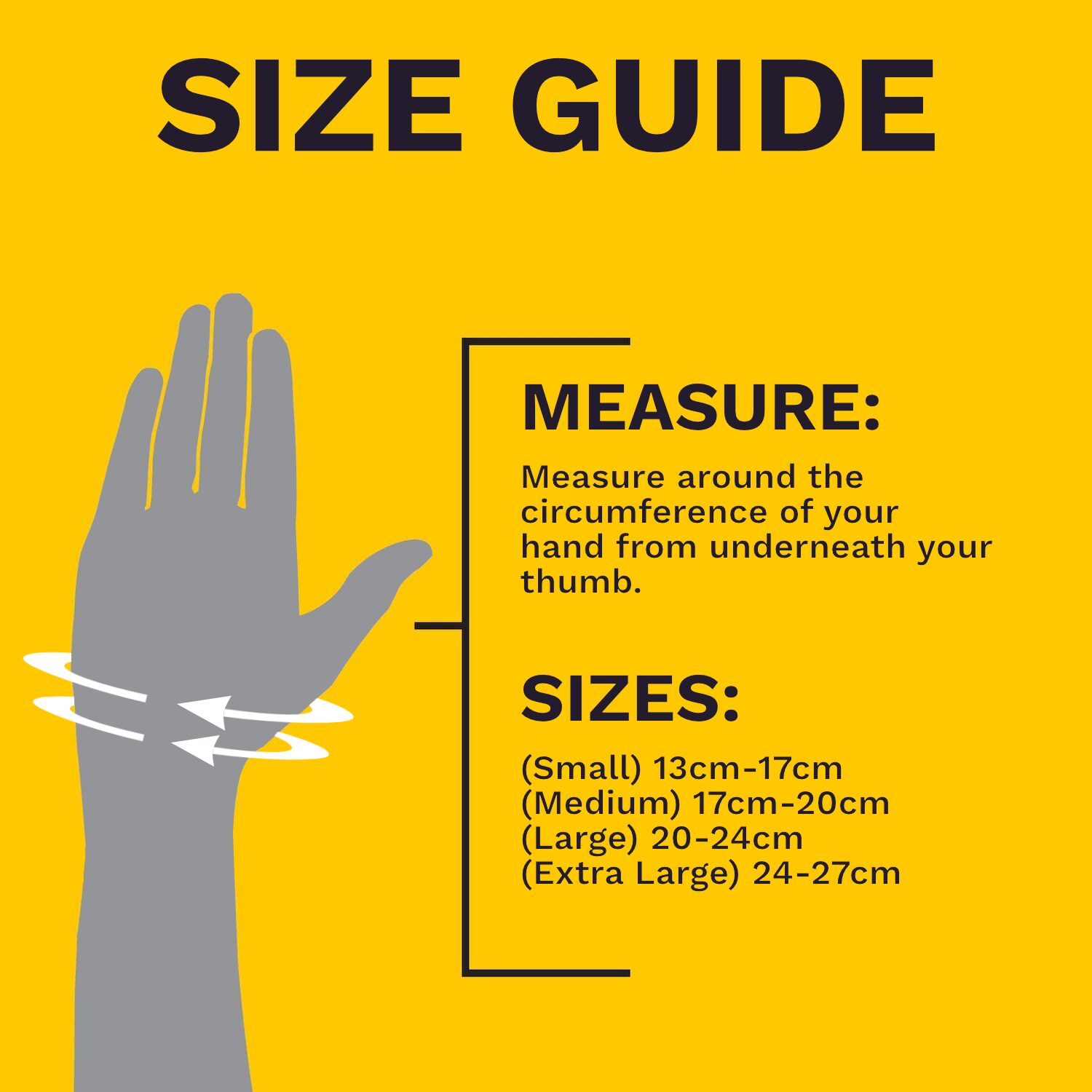
They also act as a liner under the thermal gloves when moving into colder air, keeping the skin in contact with the smooth inner layer while the thermal glove protects against wind and rain. If not used to wearing gloves indoors, begin with shorter periods and increase gradually as the hands adjust. This helps identify any rubbing points and allows time to see how the hands respond. The base layer gloves come in several unisex adult sizes. For best results, choose a size that feels snug but not tight, especially around the wrist and knuckles, using the size guide to ensure an accurate fit.
Glove 2: Thermal Gloves – Protection Against Wind and Damp
How the Thermal Shell Helps Outside
The RevitaFit thermal gloves are full‑finger outer gloves made with insulating fibres and a shell that resists wind and light rain. They are designed for everyday outdoor use in the cold, damp and breezy conditions common in the UK. Cold wind removes heat from the glove surface much faster than still air. Moisture on the glove surface increases heat loss as it evaporates. For fingers that already react badly to cooling, this combination often triggers Raynaud’s symptoms. The thermal gloves are designed to:
- Trap more of the heat produced by the hands, so warmth builds up and stays around the fingers.
- Block much of the wind and light rain that would otherwise draw heat away.
- Keep the temperature inside the glove steadier, so the fingers are not swinging from warm to cold each time you step outside.
For those with Raynaud’s, this more stable environment around the fingers can reduce how quickly attacks start and may lessen their intensity when spending time outdoors.
Layered Comfort Over the Base Gloves
These thermal gloves are shaped and sized to fit comfortably over the base layer gloves. They are slightly roomier than a single‑layer glove, so when both layers are worn together, the hands do not feel cramped or squeezed. Key points:
- They cover all the fingers fully, carrying insulation right to the tips, which matters because Raynaud’s often affects the fingertips most severely.
- The cuff extends further up the wrist than many standard gloves. The wrist contains arteries close to the surface, and covering it helps keep warm blood flowing into the hands and fingers.
- Silicone grip on the palms and fingers combines with the grip on the base layer to prevent slipping, so everyday items can be held securely even with two layers on.
The aim is a fit that feels secure yet allows warm blood to move freely through the fingers and wrists. Gloves that are too loose can let in draughts; gloves that are too tight can restrict circulation and feel uncomfortable. RevitaFit designed these thermal gloves with an extended cuff and a fit that assumes a base layer underneath, based on clinician feedback that short cuffs and tight outer gloves were frequent concerns. The goal is warmth and protection without unnecessary restriction. Because these gloves are warm without being bulky, they suit normal daily outdoor activities such as walking, commuting, shopping or waiting for public transport, not only extreme cold.
When to Put the Thermal Gloves On
The thermal gloves are for times when heading into colder, windier or wetter air, especially after the hands have already been warmed indoors by the base layer. Typical uses include:
- Leaving a heated building to walk or cycle to work, take children to school, or run errands.
- Standing or walking outdoors in windy or drizzly weather.
- Driving when the vehicle interior is cold and the steering wheel feels icy at first.
- Any situation where you will be outside for more than a brief moment in cold air.
A practical sequence that often works well is:
- Wear the base layer gloves indoors to prevent the hands from cooling too far.
- Add the thermal gloves over the top just before stepping outside.
- Remove the thermal gloves once indoors again and the air is warmer, but keep the base layer on until the hands feel comfortably warm and steady.
This combination reduces the sharp skin‑temperature swings that often trigger Raynaud’s attacks. If gripping cold metal or plastic surfaces tends to set off symptoms, this layering helps soften that sudden cooling. The thermal gloves are available in unisex adult sizes and are made to fit over the same size in the base layer range. Using the size guide will help you choose a pairing that feels snug but not tight when both layers are worn.
Glove 3: Gel Therapy Gloves – Heat and Cold for Recovery
What the Gel Gloves Are Designed For
The third pair in the bundle are fingerless gel therapy gloves. They have a soft, slightly stretchy outer fabric with pockets of reusable gel inside. The gel can be warmed or cooled so the gloves act as a heat pack or cool pack for the hands. These gloves are intended for short treatment sessions rather than continuous wear. Because they are fingerless:
- The gel covers much of the palm and back of the hand, where many of the muscles, tendons and soft tissues that ache after attacks or prolonged use are located.
- The fingertips stay uncovered, so you can feel what you are touching and check the temperature as you put the gloves on.
Each glove includes a wrist wrap with a strap fastening. This keeps the glove in place and allows adjustment of snugness around the wrist. For people with Raynaud’s or circulation problems, it should feel secure but not tight. For those with mild wrist strain or general soft‑tissue discomfort, a slightly firmer wrap can feel supportive by gently limiting excessive movement in sore or inflamed tissues. The fingerless design and adjustable wrap reflect clinician feedback that users need fingertip control for safety and grip, and the option to vary wrist support while still protecting the hand.
Using Heat Therapy Safely
When warmed, the gel therapy gloves apply gentle heat around the hand. This warmth can:
- Relax tight muscles and soft tissues after a Raynaud’s episode or prolonged hand use.
- Ease stiffness in joints, particularly where osteoarthritis or cold sensitivity are present.
- Reduce the lingering ache that often follows repeated cold exposure.
To use heat therapy safely:
- Follow the instructions supplied with the gloves for heating time and method. These guidelines keep temperatures within a safe range.
- If using a microwave, heat the gloves only for the stated time and power setting. Allow them to rest for the recommended period, then open them out and gently move them so the warmth spreads evenly.
- If warming in hot water, place the gloves in a sealed bag before immersing them to prevent water entering the fabric or gel pockets, and use hot, not boiling, water.
Before putting the gloves on:
- Check several areas on the inner surface, not just one spot. Use skin with normal sensation – for example, the inside of the forearm or upper arm. Touch lightly at first, then hold for a few seconds to confirm the warmth feels comfortable rather than hot.
- If you have a household thermometer and are unsure about temperature sense, place the probe inside the glove so it touches the gel surface and check that the temperature is within a comfortable range before use.
- Once sure the temperature is safe, slide the gloves onto the hands. Fasten the wrist wrap last, at a level that feels snug but not tight, so they can be removed quickly if they feel warmer than expected.
If sensation in the hands is significantly reduced – for example, due to diabetic neuropathy or other nerve damage – do not rely on the fingertips to judge temperature. In this situation:
- Test the gloves on an area with normal sensation or ask someone else to help check the temperature.
- Speak to a clinician before using any heated glove. In some cases of severe neuropathy, heated gloves may not be suitable unless specifically advised by your clinician.
Heat therapy is usually most helpful for Raynaud’s:
- After an attack, once some colour and warmth have returned, to ease stiffness and residual ache.
- In the evening, to settle sore, cold‑sensitive joints before bed.
- During later stages of chilblain recovery, once redness, swelling and blistering have settled and the skin surface is intact.
Always introduce heat gradually to allow the hands to adjust safely. Very hot packs on extremely cold, numb fingers can be uncomfortable and unsafe; gentle warming over a longer period is usually more effective and comfortable.
Using Cold Therapy Safely
The same gel gloves can be cooled in a fridge or freezer and used as cold packs. Short cooling sessions may help to:
- Soothe tissues that feel hot or swollen after long periods of gripping, typing or other repeated use of your hands.
- Ease mild inflammation or tendon irritation unrelated to Raynaud’s.
- Reduce itch or burning once redness and swelling from chilblains have eased but the skin remains tender, if a clinician has recommended it.
For most people with Raynaud’s, cooling the hands is not suitable, as cold exposure causes the small blood vessels in the fingers to tighten suddenly and reduce blood flow. Use cold therapy on your hands only if a clinician has specifically recommended it for another condition.
When using cold therapy:
- Check that your skin feels normally warm — not cool or chilled — before starting. Avoid applying cold gloves to fingers that already feel cold or numb.
- Follow the product instructions for how long to keep them on, and allow the skin to warm fully between sessions.
- Avoid using cold therapy on areas with open wounds, ulcers or where you have reduced feeling or sensation, or if you have been told your circulation is very poor.
- If advised, place a thin fabric layer between the gloves and your skin.
Cold therapy is mainly used for tendon irritation or other inflammatory conditions unrelated to Raynaud’s. If you are unsure whether cooling is appropriate for your hands, check with a health professional before using cold therapy.
When the Gel Therapy Gloves Are Most Useful
The gel therapy gloves complement the base and thermal gloves rather than replace them. They are particularly useful:
- After a Raynaud’s attack or time in the cold, once your hands have warmed but still feel sore and stiff. A short heat session can ease that discomfort.
- Later in the day, to calm aching joints and soft tissues after prolonged repetitive or manual work, such as gripping or handling small objects.
- During recovery — for example, when chilblains are healing and the skin is intact but still tender, or after periods of more intense or repetitive hand use than usual.
Many people find that scheduling short, regular heat sessions — for instance, after coming back indoors on a cold day or after demanding use of the hands — gives a simple way to ease discomfort. The fingerless design allows gentle hand movement during a session, but these gloves are best used while resting so you can notice any discomfort and keep track of time.
How to Use the Three Gloves Together
These three pairs are designed to work together as a complete glove bundle. How you use them will depend on what you’re doing and how cold or damp it is around you, but many people with Raynaud’s or cold‑sensitive hands find this sequence helpful during colder months:
- On waking and indoors – put the base layer gloves on once you are up, especially if your surroundings are cool. This helps prevent your fingers from cooling enough to slow circulation before starting daily activities.
- During indoor work and tasks – keep the base layer on while you work, read, use devices or do light manual tasks. It supports the joints and soft tissues and helps prevent a sudden drop in hand temperature that can trigger symptoms.
- Going outside – before going out into cold, windy or damp conditions, put the thermal gloves over the base layer. This combination provides inner warmth and outer protection.
- Coming back in – once you are back indoors and the environment is warmer, remove the thermal gloves but keep the base layer on until your hands feel comfortably warm and steady.
- After a demanding spell or flare‑up – if your hands are left aching, stiff or over‑worked, use the gel therapy gloves for a short, comfortable heat session (or cooling if a clinician has advised it for a specific non‑Raynaud’s issue).
In reality, days are rarely this organised, but the same principle applies: protect your hands before they cool sharply, and help them recover when they have been through a difficult period. If your day is unpredictable — sudden errands or unexpected time outdoors — keeping all three pairs close by lets you warm or protect your hands before symptoms start.
In practice, this usually means:
- Base layer for steady warmth and light support.
- Thermal gloves for protection against cold, wind or damp.
- Gel gloves for short‑term relief once symptoms like pain, colour change or stiffness begin.
Beyond Raynaud’s: Other Hand Problems This Bundle May Help
Raynaud’s is a common reason people use this kind of glove bundle, but it often occurs alongside other hand conditions that can make pain or stiffness worse when your hands are cold.
Raynaud’s often appears together with other hand conditions such as:
- Hand osteoarthritis – where the cartilage in the finger and thumb joints has worn, leading to bony swelling, stiffness and pain. Cold causes the joint capsule, ligaments and tendons to tighten, making movement harder. Warmth and light support from the base layer and thermal gloves can ease that stiffness.
- Repetitive or heavy hand use – prolonged repetitive or manual work can irritate muscles and tendons in the hands and forearms, leaving the joints or tendons sore or slightly swollen. Gentle compression and warmth from the base layer can provide light support, and short heat or, in some specific non‑Raynaud’s problems, cold sessions with the gel gloves may help settle irritation.
- Nerve compression at the wrist such as carpal tunnel syndrome – this can cause tingling, numbness or burning in the thumb, index and middle fingers. Cold and bent wrist positions can worsen symptoms. When this occurs alongside Raynaud’s, grip strength and finger control may feel weaker or less steady. Keeping the wrist and palm warm with the base and thermal gloves can reduce the intensity of symptoms, though they do not treat the nerve compression itself.
- Widespread pain and fibromyalgia syndromes – people with these conditions often find that cold increases their overall pain and stiffness. Raynaud’s attacks in this setting add sharp, local hand pain on top of a background of general ache and fatigue. Steadier warmth from the base and thermal gloves, along with soothing heat sessions using the gel gloves, can help reduce one of the triggers adding to the sensitivity of the nerves and tissues in your hands.
In all these situations, the gloves in this bundle do not rebuild cartilage, reopen compressed nerves, change blood sugar levels or alter immune activity. They are designed to:
- Help you keep your hands at a more comfortable temperature.
- Provide light support around joints and soft tissues.
- Offer simple, safe ways to use warmth – and, where appropriate, cold – to ease pain and stiffness.
If you notice progressive deformity, new or spreading numbness, major loss of function or other worrying changes in your hands or other parts of your body, it is important to see a clinician. This glove bundle should be used as part of a wider management plan, not as the main treatment.
Related Conditions That Can Make Raynaud’s Feel Worse
If your hands react strongly to cold, you’re not alone — and there are often several reasons why. Joint wear and tear, cold‑related skin irritation, nerve compression and long‑term pain conditions often overlap. When they do, each episode of cold exposure can feel sharper, last longer and interfere more with daily life.
Understanding what’s behind these changes can help you manage them more confidently. In these situations, consistent warmth and gentle support can ease discomfort, but gloves are not a treatment for the underlying cause. If your symptoms change, get worse, or you notice new problems, it’s important to seek medical advice. The sections below explain what might be happening in your hands, how these conditions interact with Raynaud’s‑type symptoms, and how this glove set can fit sensibly into wider management.
Getting the Right Fit and Layering Your Gloves
Before ordering, it’s worth taking a moment to understand how each glove fits and how the three layers work together. Getting the right size from the start makes the gloves more comfortable and ensures each layer performs as intended. A well‑fitted glove keeps blood flow steady, avoids pressure on the joints and helps each layer do its job effectively.
- The base layer gloves come in several unisex adult sizes. They should feel close‑fitting but comfortable, giving gentle compression without tightness that could restrict circulation. A good fit helps your hands stay warm without limiting finger movement.
- The thermal gloves are shaped to fit over the same size base layer without feeling cramped or loose. Their slightly roomier cut matches how gloves are typically layered for warmth and protection.
- The gel therapy gloves come in a single adult size designed to suit most hands for short treatment sessions. They are flexible enough to fit comfortably across a range of adult hand sizes.
When selecting your size:
- Use the size guide and measure your hand rather than guessing — it helps you choose confidently before ordering.
- If your hands tend to swell after prolonged activity, consider the slightly larger size to avoid restricting blood flow.
- If you fall between two sizes, choosing the larger option is usually safer, especially if you have Raynaud’s or circulation problems.
If you have visible joint changes, nodules or open ulcers, it may be harder to achieve an ideal fit with standard gloves. In that case, a clinician can advise on sizing or adaptive options before you buy. Taking a few minutes to measure and select the right size is a small step that makes a big difference to comfort and circulation. If your hand shape changes because of swelling, arthritis progression or recovery from injury, re‑measuring before re‑ordering helps maintain comfort and proper blood flow.
Who These Gloves Are Designed For – and When to Get Advice
This bundle is designed for adults and may be especially helpful if:
- Your fingers often turn white, blue or red and become painful in the cold — symptoms your clinician may have described as Raynaud’s or Raynaud’s‑type.
- Your finger joints feel stiff and sore in cold conditions, with or without a formal diagnosis of hand osteoarthritis or rheumatoid arthritis.
- You are prone to chilblain‑type skin changes after cold exposure and have been advised to keep your hands warm.
- Your hands are more sensitive to cold than average and become painful or unreliable in cooler environments or outdoors.
It can also help ease discomfort if you have other diagnosed conditions such as carpal tunnel syndrome, diabetes‑related hand problems, neuropathy, CRPS or widespread pain syndromes, when used alongside the medical advice and treatment you already follow.
Extra care or medical advice is important if:
- You know you have severe circulation problems in your hands, such as significant peripheral arterial disease or a history of serious digital ulcers or tissue loss.
- You have severely reduced sensation in the hands, so that you sometimes do not notice small injuries.
- There are open wounds, ulcers, blisters or signs of infection on your fingers or hands.
In these cases, gloves may still help with warmth and protection, but decisions about fit, layering and any use of heat or cold therapy should be made with a clinician who can check your circulation and skin health.
Some warning signs should prompt you to seek medical advice without delay:
- Ulcers or sores at the fingertips that don’t heal or keep returning.
- Areas of skin that stay very pale, blue, black or dark and don’t regain normal colour when warmed.
- New or unusually severe pain that feels different from your usual Raynaud’s pattern.
- Rapid changes in hand strength, coordination or shape.
- Attacks that are happening more often or lasting longer, especially if you also notice joint swelling, rashes, breathlessness, chest pain or other new symptoms elsewhere.
Most people with Raynaud’s do not develop these complications, but it’s important to recognise warning signs early. If you notice any of these changes, it’s better to get checked — small changes can signal something important. If you know or suspect that your Raynaud’s is secondary to a connective tissue disease or another systemic condition, this bundle can still be valuable for everyday comfort. It does not replace regular specialist review, appropriate tests or prescribed medicines. When fitted and used properly, it works alongside your medical care to help you maintain steadier warmth and reduce the stress your hands experience from repeated cold exposure.
Why Choose the RevitaFit Bundle Instead of a Single Pair
Each RevitaFit glove in this NuovaHealth bundle has a clear purpose:
- The base layer supports and warms your hands through the day.
- The thermal glove shields you from wind, rain and cold air outside.
- The gel therapy gloves let you apply warmth, or in some cases cooling, when symptoms have already flared.
Raynaud’s, chilblains and other cold‑sensitive hand problems cause several overlapping issues: everyday exposure to cold, sudden vessel spasms and colour changes during attacks, and the lingering aches and stiffness that follow. Using one type of glove for everything usually leads to compromise — a glove that’s warm enough outdoors but uncomfortable indoors, or light and comfortable indoors but not protective enough outside, with no option for short treatment sessions after an attack.
This bundle removes that compromise. Instead:
- The base layer gloves fit closely to provide gentle, even support with smooth internal seams, grip and thumb reinforcement that work well against the skin for long wear.
- The thermal gloves are built to layer smoothly over the base pair, with an extended cuff and a slightly roomier shape that matches how gloves are typically layered for effective insulation.
- The gel therapy gloves are used separately for short, focused heat or cold sessions, with a fingerless design and adjustable wrap suited to recovery rather than all‑day wear.
RevitaFit developed these designs with input from clinicians who regularly manage Raynaud’s, arthritis and other causes of cold‑sensitive hand pain. Details such as seam placement, extended wrist coverage, how the outer glove layers over the inner one, and the fingerless layout of the gel gloves were all shaped by what patients and clinicians found most effective in regular use. The result is a coordinated system that mirrors how clinicians advise patients to manage temperature control: consistent warmth, protection outdoors and targeted relief when symptoms flare.
NuovaHealth has brought these three specific RevitaFit gloves together because they layer and fit properly, covering indoor warmth, outdoor protection and recovery in a coordinated way. Buying them as a bundle is also cost‑effective, giving you the full system for less than the combined individual prices. Many people find that once their hands stay consistently warm, attacks become shorter and less painful — small adjustments can make a noticeable difference.
A Practical Gift That Shows You Understand
Hands that are painful or difficult to use in the cold can affect work, caring, hobbies and everyday comfort. For someone living with Raynaud’s, chilblains, cold‑sensitive arthritis or similar problems, a gift that acknowledges the problem and offers real help can be very welcome.
This bundle can make a thoughtful gift for a partner, family member or friend. Instead of a single pair of generic gloves, it gives them:
- A comfortable base layer for daily warmth and support.
- A weather‑resistant outer glove for outdoor use.
- A therapy glove for the days when pain or stiffness is particularly troublesome.
If you’re worried their symptoms are severe or changing quickly, it’s also reasonable to encourage them to speak with a GP or other clinician, alongside offering something that helps them manage their hands day to day. A practical, well‑chosen gift shows thoughtfulness and understanding while supporting safer self‑management.
If Your Hands Never Seem to Warm Up – What to Do Next
Raynaud’s and other cold‑sensitive hand conditions share a simple but important problem: the small blood vessels and tissues in your hands over‑react to cold and stress. Fingers can shift quickly from pale and numb to red and painful. When that happens alongside joint wear‑and‑tear, skin damage, nerve problems or long‑term pain conditions, it can interfere with work, caring and daily life.
By this stage, it should be clearer that:
- The small arteries in your fingers tighten and reopen in ways that cause the colour changes and pain you see.
- Repeated attacks and rapid swings in temperature irritate joints, tendons, nerves and skin.
- Conditions such as chilblains, osteoarthritis, rheumatoid arthritis, carpal tunnel syndrome, diabetes and fibromyalgia can all make Raynaud’s‑type symptoms feel harsher and slower to recover from.
- A single pair of thin or thick gloves rarely manages all of this well.
The Raynaud’s Disease Gloves Bundle from NuovaHealth brings together three RevitaFit designs in a practical set that addresses these issues:
- A full‑finger base layer for gentle warmth and support next to the skin.
- A full‑finger thermal glove to guard against wind, damp and sharp cooling outdoors.
- A pair of fingerless gel therapy gloves for short, focused heat or cold sessions when your hands are struggling.
This combination helps keep your hands at a steadier temperature, reduces the impact of cold exposure and supports more comfortable hand use in the presence of Raynaud’s and related conditions. Many people find that once their hands stay consistently warm, attacks become shorter and less painful — small changes can make a noticeable difference.
These gloves are one part of looking after temperature‑sensitive hands. They do not replace the need for medical assessment where symptoms are severe, changing, or associated with other health concerns. New or unexplained symptoms should always be discussed with a clinician rather than assumed to be Raynaud’s alone. If you’re unsure whether this bundle is appropriate for you, talking to a GP or relevant specialist before, or alongside, using it is the safest approach.
Used sensibly, this bundle provides a practical, clinically informed way to keep cold‑sensitive hands more comfortable each day.
Important Information and Disclaimer
The guidance below summarises key safety points and helps ensure you use the bundle effectively.
- The information on this page provides general guidance about Raynaud’s, cold‑sensitive hands and related conditions, and how this glove bundle may help with warmth and comfort. It is not a personal medical assessment.
- The Raynaud’s Disease Gloves Bundle is intended for adult use.
- These gloves are designed to support comfort, warmth and function. They do not treat or prevent blood clots, deep vein thrombosis or serious vascular events, and should not be relied upon for those purposes.
- The gloves do not diagnose or treat underlying conditions such as connective tissue diseases, diabetes, nerve disorders, arthritis or CRPS. They are intended to be used alongside, not instead of, advice and treatment from healthcare professionals.
- Heat and cold therapy must be used sensibly. Always follow the instructions supplied with the gel gloves. Check temperature carefully before use in several places on the glove, and avoid applying heat or cold to areas with open wounds, ulcers, infection or severely reduced sensation. If you have neuropathy or are unsure about your temperature sense, seek clinical advice before using heat or cold on your hands. Stop using the product and seek advice if you notice skin damage, blistering, marked colour changes or new pain.
- If you have severe or rapidly changing symptoms, ulcers, blackened areas, major loss of function, or concerning signs elsewhere in your body, speak to a GP or other appropriate clinician promptly.
- No product can guarantee specific outcomes. Individual responses to this bundle will vary depending on your underlying condition, overall health and how you use the gloves.
Used correctly, this bundle supports comfort and warmth, but medical review remains essential for any persistent or severe symptoms.
Fast & Secure Checkout Through Paypal
Pay with Paypal the secure payment gateway that accepts all credit and debit cards. Paypal is free and secure and no credit or bank information is ever stored or shared with us.
Fast Dispatch
Enjoy your items soon with quick dispatch via Royal Mail. Expect to have your items between 1-3 working days for domestic orders. 7-10 Working days for international orders.
Return Policy – 30 Day Money Back Guarantee
In the unlikely event, you are unhappy with your purchase you can return it within 30 days for a refund. Please contact us via the form on the contact us page to start your return.
To return an item please send it to: Nuova Health UK, 81 Highfield Lane, Waverley, Rotherham, S60 8AL. Please include a note with your order id so we know who to refund. Please retain your postage receipt as proof of postage. All that we ask is that the item is in the original packaging and unused.
Reviews
There are no reviews yet.