
Posture Corrector Belt
£16.99inc VAT
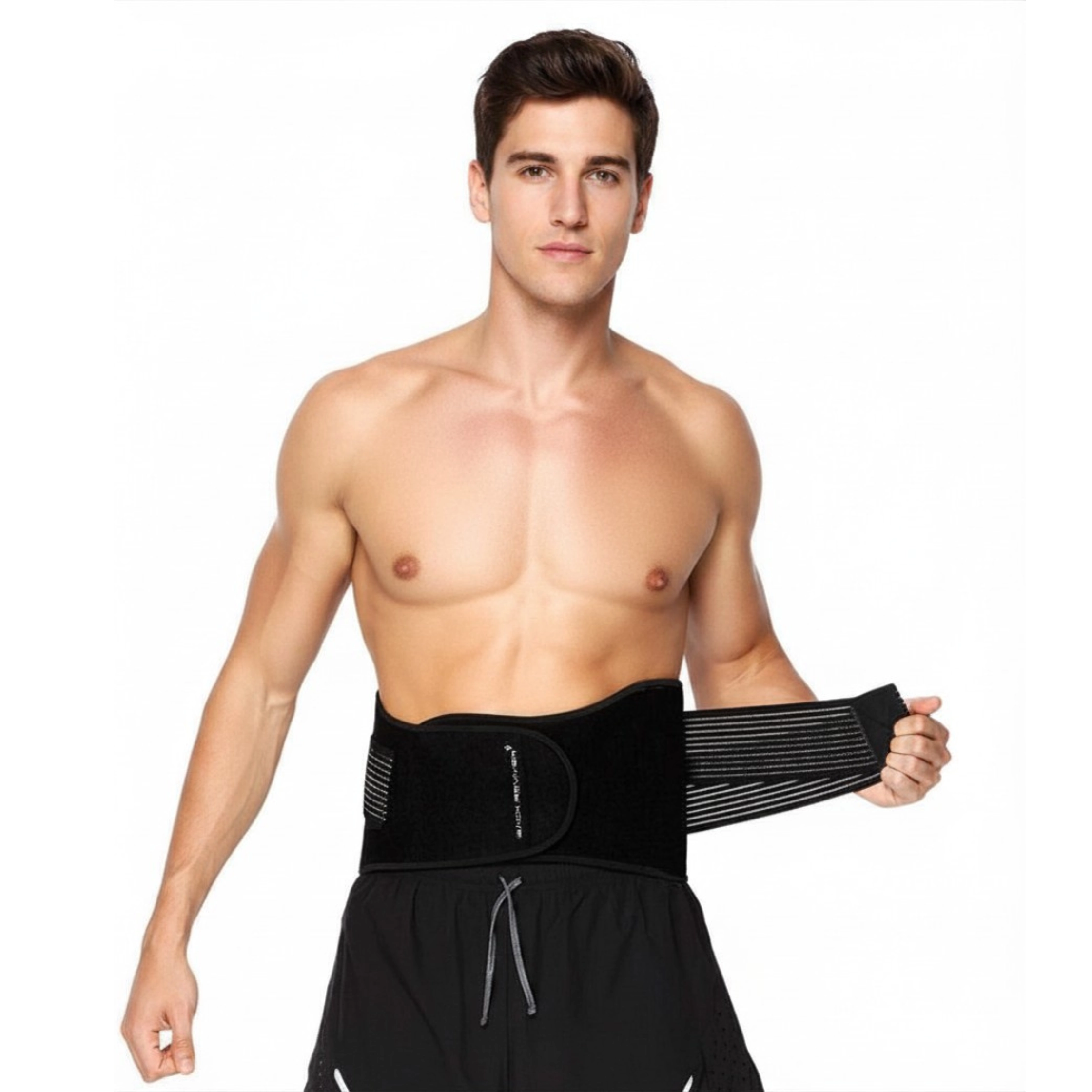
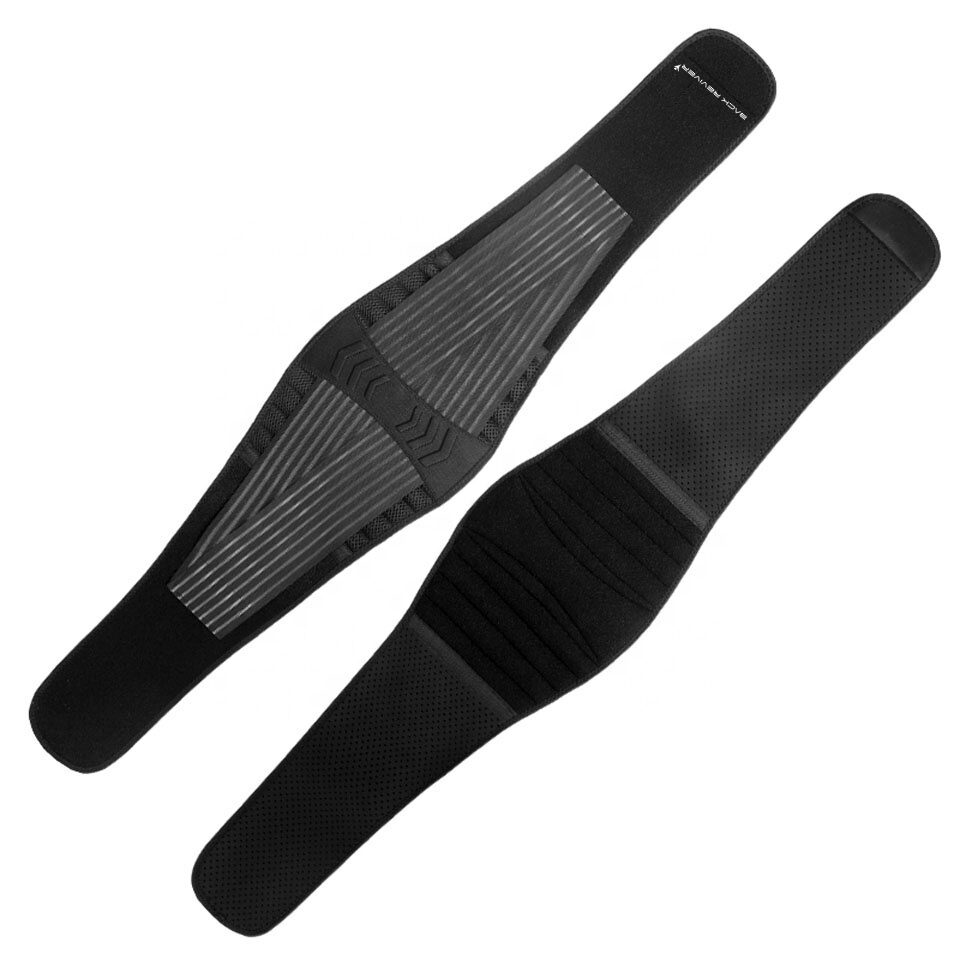
- 1x Posture Corrector Belt designed by BackReviver™ to support and realign your hips and lower back helping to improve your overall posture and prevent back injuries
- For both Men & Women
- Available in a range of different sizes:
Medium – 2.1-2.4 feet or 25.2 Inches – 28.8 Inches
Large – 2.4-2.7 feet or 28.8 Inches – 32.4 Inches
Extra Large 2.7-3 feet or 32.4 Inches – 36 Inches - Recommended for treating and easing back injuries and conditions including Sciatica, Slipped discs, Herniated discs, Degenerative disc disease, Facet syndrome, Lumbar spinal stenosis, Scoliosis, spondylolisthesis, Muscle or ligament strain as well as Arthritis and Osteoarthritis
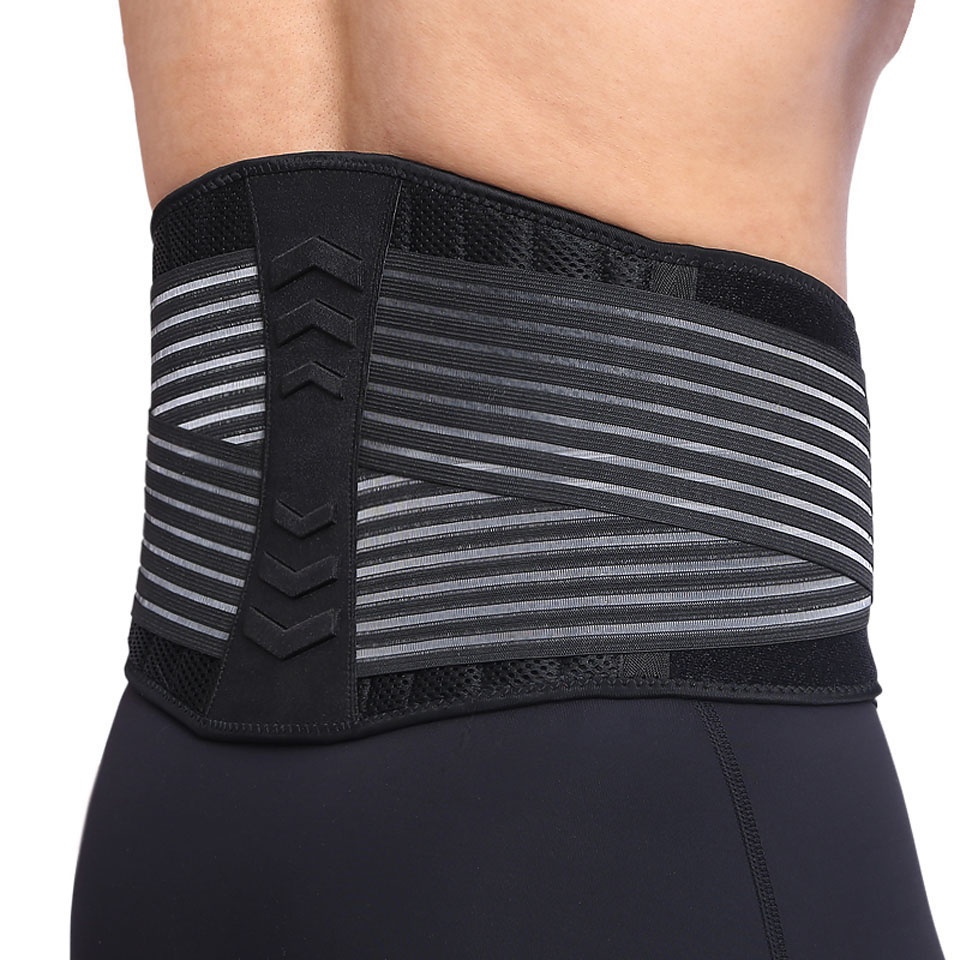
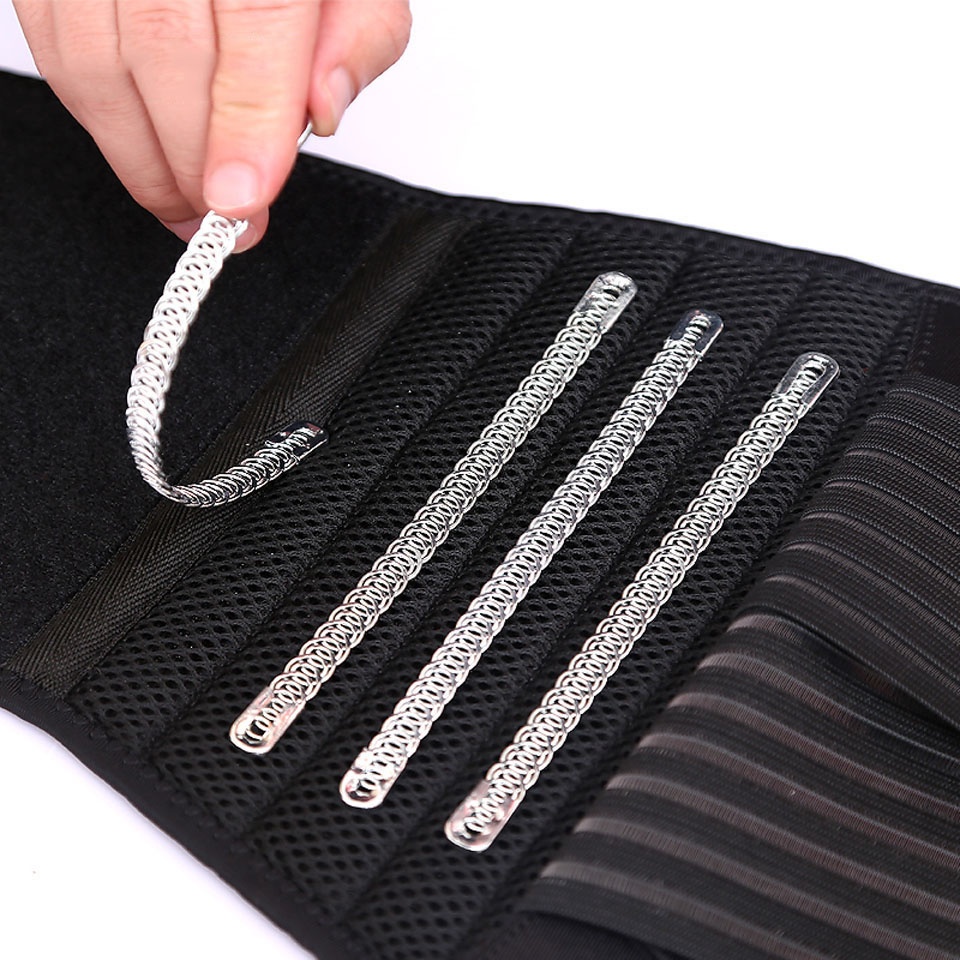
- Inbuilt support rods realign and hold your hips and lower back in the correct position easing strain and pressure off your spine and prevent movement which could cause damage to your back
- Provides soothing compression that boosts blood flow to your lower back helping soothes aches and pains and reduces inflammation, swelling and soreness after sustaining an injury
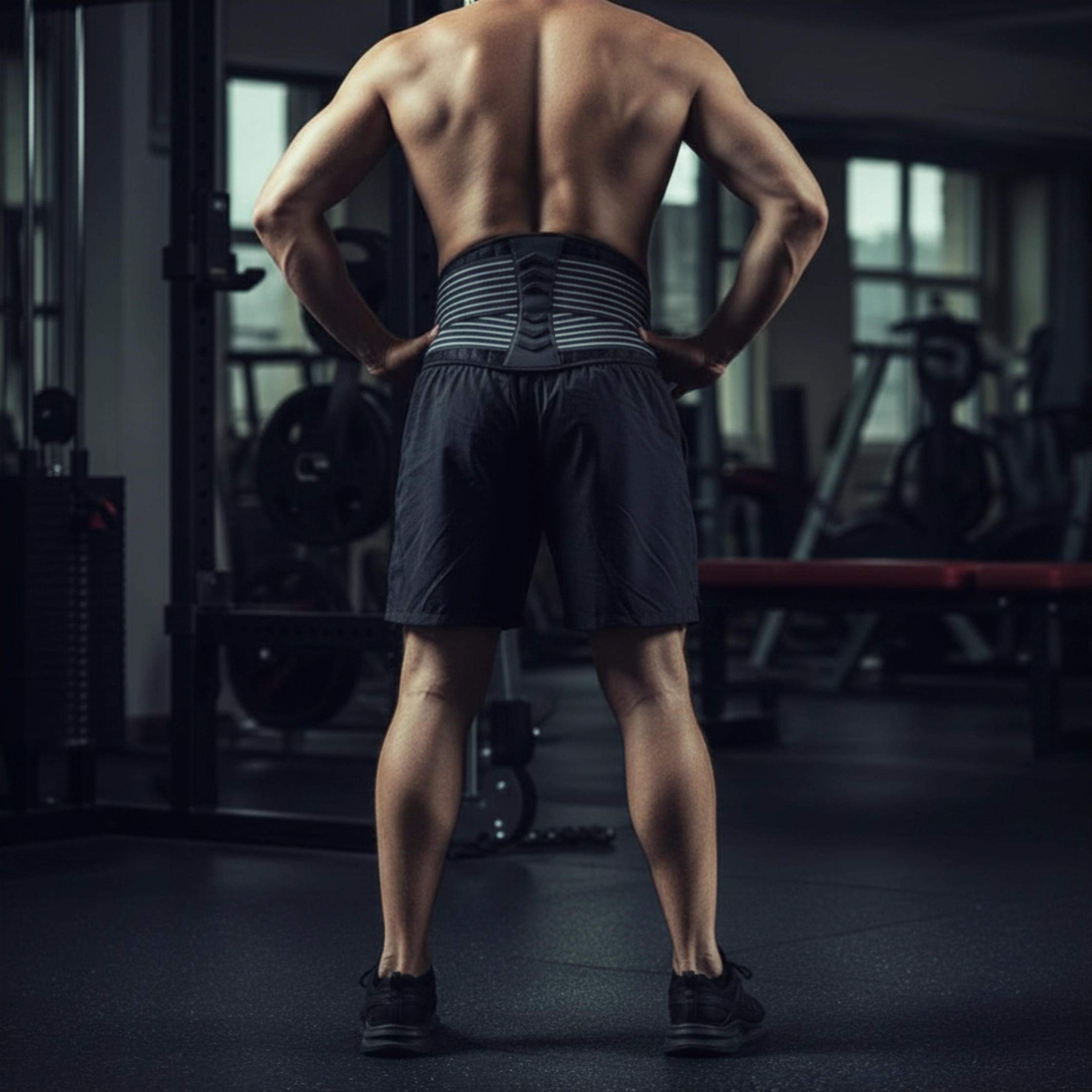
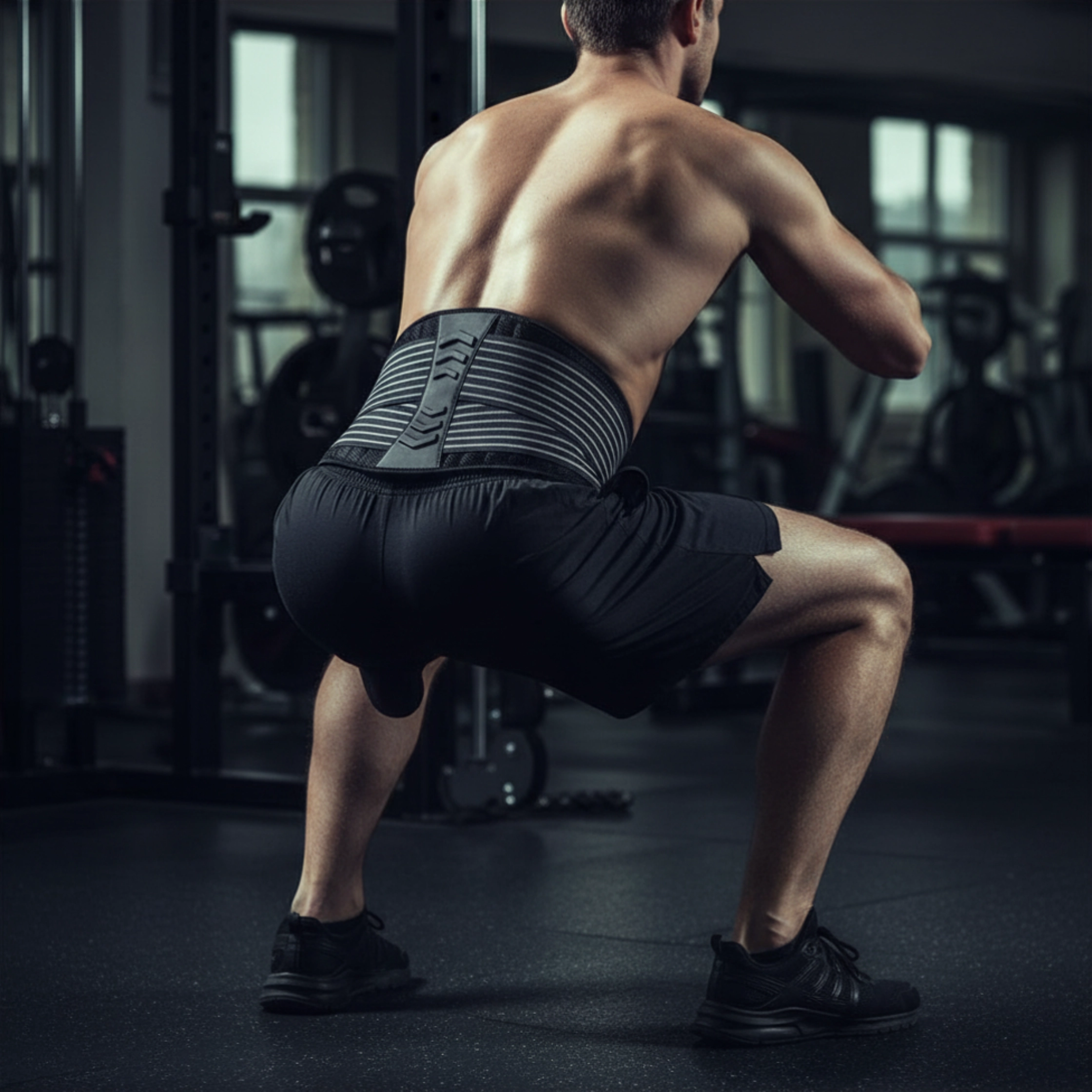
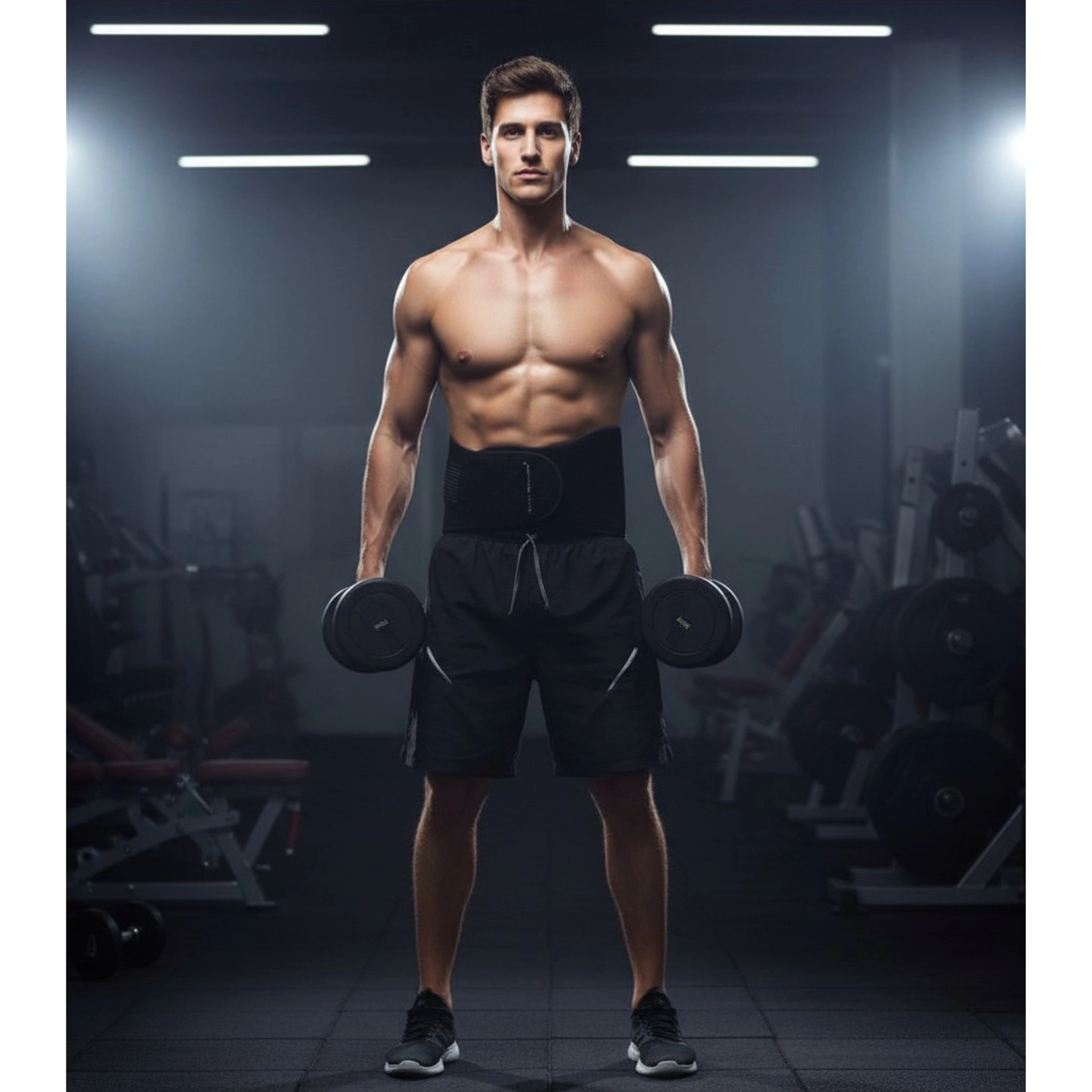
- Ideal for wearing whilst exercising, weightlifting and playing sports to improve your posture and form and provide extra support and protection to help prevent back injuries from occurring
- Adjustable straps wrap around your body allowing you to quickly change the level of support and compression and keep the posture corrector belt securely in place preventing it from moving around and rubbing and chaffing your body
- Made from lightweight, breathable and non bulky materials that wick moisture away and keep your back dry and sweat free all day long
- Includes 30 day money back guarantee!
BackReviver™ Posture Corrector Belt for Lower Back Support and Better Everyday Posture
If long hours sitting, standing, walking, lifting, or training leave your lower back feeling tired, unsupported, or as though it has simply had enough by the end of the day, the BackReviver™ Posture Corrector Belt is designed to help. This adjustable lower back support belt gives gentle compression, structured support, and better postural awareness, helping you feel more secure and more comfortable through the day.
Whether you spend hours at a desk, work on your feet, move through physically demanding routines, or simply want extra support during daily activity, BackReviver™ is made for real life. It is lightweight, breathable, adjustable, and designed for both men and women.
-
- Helps encourage a more supported, upright posture
-
- Provides targeted lower back support during daily activity
-
- Adjustable compression for a secure, personalised fit
-
- Lightweight, breathable, and practical for regular wear
-
- Suitable for work, walking, chores, commuting, and training
Choose your size and give your lower back the support it needs.
A Simple Way to Support Better Posture Every Day
Good posture is not about standing stiffly or trying to force yourself into one ideal position. In everyday life, it is usually much simpler than that. It is about staying supported, staying aware of how you are holding yourself, and having enough control through your middle that your lower back is not left doing more than its fair share. When that support starts to fade, the lower back often feels it first. For some people it shows up as a dull ache. For others it is more a sense of tightness, heaviness, or that familiar feeling that you need to keep shifting because no position feels good for long.
The BackReviver™ Posture Corrector Belt is designed to make that daily support feel more achievable. Instead of relying on constant effort to sit straighter, stand taller, or remember to brace your middle every few minutes, the belt gives your lower back a more secure, held feeling when habit and fatigue start to pull you into less supported positions.
That matters because posture rarely goes off all at once. More often, it slips in ways you barely notice at first. You start out sitting reasonably well, then an hour later you are half-folded into the chair. You begin standing evenly, then find most of your weight has crept into one hip. You carry on with the day thinking you are moving normally, but by mid-afternoon you are bending with less control, leaning on surfaces more, or taking a moment before standing fully upright. For many adults, that is the point when the lower back starts to complain.
This belt is designed to interrupt that pattern. The wraparound compression helps the area feel more supported. The built-in structure adds reinforcement when posture starts to give way. Just as importantly, the physical feel of the belt makes it easier to notice when you are slumping, over-arching, or letting your middle switch off. For many people, that extra awareness is one of the most useful parts of wearing a support belt, because posture often slips quietly rather than in one obvious moment.
That can make a genuine difference during long workdays, repetitive tasks, housework, walks, workouts, or hours spent sitting in one place. The aim is simple: to help you feel more supported at the point in the day when posture tends to fade and lower back strain tends to build.
Is This You?
Many people do not think of themselves as having a posture problem. They just notice that by the end of the day their back feels more tired, their body feels less supported, and it becomes harder to sit, stand, or move with the same ease they had earlier on.
This posture corrector belt may be relevant to you if any of the following sound familiar:
-
- You begin the day sitting or standing fairly well, but gradually find yourself slouching as the hours pass
-
- Your lower back feels tired after desk work, driving, commuting, or long periods on your feet
-
- You notice stiffness or strain after repetitive tasks such as bending, lifting, tidying, caregiving, or housework
-
- You find it difficult to maintain good posture without constantly reminding yourself
-
- You feel less supported during walks, workouts, or active routines when fatigue starts to build
-
- You want extra lower back support without relying on a bulky, restrictive brace
-
- You are looking for a practical support aid that can fit into normal daily life
For many people, these problems build quietly. It is not always a dramatic injury or one awkward movement. Much more often, it is a steady pattern of small changes through the day. A little more slumping at your desk. A little more sagging through the lower back when standing. A little less control when bending to empty the washing machine, lift shopping from the boot, or carry things from room to room. Over time, that can reduce how well the muscles around your trunk share the workload, so the lower back starts to feel overused earlier and more often.
That is one reason support products can be helpful. They do more than add structure. They can also break an automatic pattern. When the belt gives you a clear physical cue around the lower back, you are more likely to notice the early drift before it turns into a long spell of sitting badly, hanging into one side while standing, or moving in that slightly tired, guarded way many people slip into later in the day.
Why Posture Slips and Lower Back Strain Builds Up
Poor posture is often spoken about as if it were simply a bad habit, but for most adults it is more mechanical than that. Posture tends to slip because the body responds to fatigue, repetition, and long static positions. Once that cycle starts, it becomes easier to fall into positions that feel easier in the moment but put more demand on the lower back over time.
When you sit for long periods, especially at a desk, in meetings, or while travelling, you usually begin by holding yourself reasonably well. As time passes, the pelvis can roll back, the muscles around the stomach and trunk do less steadying work, and the lower back loses some of the support it would normally get from those muscles. Instead of the load being shared well through your middle, more of it can settle into the lower back itself. That is why people often say the area starts to feel heavy, tight, dull, or stiff after a long spell of sitting. It is also why many people notice they keep readjusting in the chair, crossing and uncrossing their legs, or propping themselves on one arm once the back begins to tire.
Standing for long periods can create a similar problem in a slightly different way. Although standing is more active than sitting, it can still tire the muscles that help keep your trunk steady. As those muscles fatigue, you may lean more into one hip, lock through your knees, or let the lower back sag into a less supported position. At the time it often feels like a harmless way to get comfortable, but over the course of an afternoon or a full shift it can increase the sense of lower back strain. That is why some people feel worse after standing around than they do after walking.
Repetitive movement adds another layer. Bending, lifting, carrying, tidying, gardening, commuting, or simply getting through a physically busy day repeatedly asks the lower back and trunk to control force. Even if no single movement is dramatic, repetition still matters. If the body is already tired or posture is already drifting, each extra bend, lift, or carry can place a little more demand through the same area. Often it is not one heavy effort that does it. It is the build-up from lots of ordinary movements, especially once the area already feels a bit tired and less well supported.
This also explains why simply telling yourself to sit up straight rarely solves the problem for long. Good posture is not just a decision. It depends on muscle endurance, body awareness, and having enough support to keep sharing load well as the hours pass. When you are busy or tired, it is very easy to stop noticing the small changes that gradually alter how your lower back is working.
A support belt helps because it changes that pattern in practical ways. When the lower back is held by adjustable compression, the area often feels more contained and supported during standing, walking, and repetitive tasks. When support rods reinforce the belt, they can help the lower back resist the sort of gradual collapse that often appears later in the day. During desk work or driving, the belt’s close contact around your trunk gives you feedback when you start to slump, so you may catch that change earlier and reset before the strain builds as much.
Another useful point is that lower back strain often becomes persistent not because one day was especially severe, but because the area never quite gets a chance to settle between one demanding day and the next. If you repeatedly spend long spells in unsupported sitting, prolonged standing, or frequent bending, the lower back can become less tolerant of ordinary tasks. That may show up as earlier fatigue, more regular stiffness, or a growing sense that normal routines are harder on your back than they used to be.
What many people need at that stage is not just another reminder. They need a physical support aid that reinforces better positioning, improves awareness when posture starts to drift, and adds structure during the activities that usually bring on fatigue or strain.
How the BackReviver™ Posture Corrector Belt Helps
The BackReviver™ Posture Corrector Belt is designed to support the lower back in a way that feels wearable, practical, and relevant to everyday life. Rather than trying to hold you rigidly, it helps create a more supported base through a combination of gentle compression, structured reinforcement, and postural feedback.
One of the main ways it helps is through compression. When the belt wraps firmly around the lower back and torso, it gives the area a more secure, contained feel. That can be useful during standing, walking, lifting, or busy daily routines because the lower back often feels less exposed and less loose as fatigue builds. In plain terms, the belt helps the area feel held when the day starts to take its toll and your back begins to feel as though it is doing the work on its own.
That compression also changes awareness. Because the belt sits in close contact with your body, it can make it easier to notice when your posture is drifting. If you begin to slump in a chair, collapse through your middle, or over-arch through the lower back while standing, the physical feel of the belt can make that change more obvious. That matters because posture usually worsens gradually, and many people do not notice it until they are already shifting around, stretching their back, or looking for somewhere to lean.
The support rods add another useful layer. Their job is not to lock you in place, but to provide extra structure around the lower back when muscles begin to tire. During chores that involve repeated bending and straightening, or during long standing periods where the trunk gradually loses some control, that reinforcement can help keep the lower back in a more supported position instead of letting it sink further into a posture that feels strained.
That is what makes a posture support belt different from simply trying harder to stand up straight. The belt takes on part of the job. It gives your body clearer feedback and adds support at the point where daily fatigue usually makes good posture harder to maintain.
Two features matter particularly in everyday use. First, the adjustable straps let you change how much compression and hold you want, which is useful because support needs are not always the same at a desk as they are during walking, chores, or training. Second, the breathable, lightweight build makes it more realistic to wear for ordinary tasks without feeling unnecessarily heavy or cumbersome.
The belt is not there to replace movement, exercise, or sensible habits. It works best as a support aid during the times you are most likely to lose posture and feel lower back strain building. Used that way, it can help you stay more aware, more supported, and more comfortable while getting on with normal life.
What This Support Can Help You Do More Comfortably
The value of a posture corrector belt is not just in the design itself. It is in what that design can make easier in ordinary life. Most people want to know whether a support belt can help daily routines feel more manageable and less draining on the lower back.
For desk work, the main benefit is often earlier awareness and steadier support. Long sitting tends to bring on gradual slumping, especially when you are focused on a screen or staying still for long stretches. As the pelvis rolls back and the muscles around your middle do less, more load can settle into the lower back. A belt that provides close-fitting support around the lower trunk makes those changes easier to notice and may help you maintain a more supported sitting position for longer before that familiar heavy, fidgety feeling starts to creep in.
For standing jobs, support is often more about managing cumulative fatigue. If you work in retail, hospitality, care, teaching, or any role that keeps you on your feet, the lower back often starts to feel more tired not because of one movement, but because of hours of holding yourself upright. When the belt adds compression and structure around that area, it may help the lower back feel steadier and less overworked as the day goes on, especially during the point in a shift when you normally start shifting from leg to leg more often.
For walking, commuting, and general daily activity, the belt can help by giving you a more secure feeling around the lower back while you stay mobile. Walking itself is useful movement, but if posture already feels tired or trunk control fades as you go, the lower back can start to feel less stable. A lightweight support belt may help you feel more confident and more held during those routines, particularly on days when the back already feels a bit vulnerable before you have done very much.
For housework and repetitive tasks, support can be especially useful because the issue is usually repeated loading. Vacuuming, tidying, carrying shopping, moving laundry, gardening, and similar jobs involve many small bends, reaches, lifts, and turns. Each one may be manageable on its own, but repeated often enough they can leave the lower back feeling worked. The combination of wraparound compression and support rods can help the area feel more reinforced during those repeated movements, which may make the overall job feel less wearing by the end rather than leaving you stiff once you finally stop.
For exercise and training, some people use a posture support belt to improve awareness and support during selected activity. That may include walking, warm-ups, bodyweight exercise, or light training where keeping the lower back better supported feels useful. The aim is not to stop normal movement. It is to give you a clearer sense of your position and a more secure feeling through the lower back while you move.
Across all of these routines, the same principle applies. When the lower back feels better supported and posture is easier to maintain, daily activity often feels more manageable. BackReviver™ is designed to fit into those ordinary moments rather than being something you only reach for occasionally.
Built to Solve Real Support Problems
A useful posture corrector belt needs to do more than sound supportive. It needs to deal with the practical reasons many support products end up sitting unused. That is where the details of the BackReviver™ design matter.
The integrated support rods provide structure where many people feel they need it most. Fabric alone can offer compression, but added reinforcement helps the belt keep its shape as you move. That means the support is not just soft pressure around the waist. It is a more stable form of lower back reinforcement, which can be especially helpful when posture starts to give way with fatigue or when repeated daily movement is beginning to feel more demanding.
The adjustable fastening straps matter just as much because support is rarely one-size-fits-all. On a quieter day you may want a lighter feel. During longer standing periods, busy chores, or selected training, you may prefer firmer support. Being able to adjust the fit means the belt can feel secure and supportive without becoming excessively tight or uncomfortable. That makes a difference because people are much more likely to keep using a support aid when it feels workable for the task in front of them, rather than too much in one situation and not enough in another.
The lower-back-focused shape also gives the support a clearer purpose. Rather than spreading pressure vaguely across a broad area, the belt is designed to sit where many adults commonly feel fatigue, pressure, and reduced stability during work and movement. That targeted shape helps direct the support to the area that often needs it most, rather than creating a general squeezed feeling without much useful reinforcement where the strain actually builds.
Comfort is a major part of whether any support product gets used regularly. If a belt feels heavy, hot, bulky, or awkward, it quickly becomes something people stop wearing. That is why BackReviver™ uses lightweight, breathable materials designed to make day-to-day wear easier. Better airflow and less bulk can make a real difference if you are wearing it through long shifts, walks, chores, or routine activity, particularly when you need support for hours rather than just for a few minutes.
The lower-profile design helps with practicality too. A support aid works best when it fits into normal life without becoming a nuisance. If it is too thick, too rigid, or too obvious under clothing, people are less likely to keep using it. A more streamlined design makes the belt easier to wear in real situations, not just in theory.
Finally, it is designed for both men and women and comes in multiple sizes, which matters because support only works properly when the fit is right. A belt that sits where it should and fastens securely is much more likely to give you the combination of support, feedback, and comfort you are looking for.
Taken together, these features are not there for show. The support rods add structure. The adjustable straps let you tailor the compression. The breathable, lower-profile materials make regular wear more realistic. All of that feeds into the same goal: support you can actually use consistently.
Who It Helps and Where It Fits Into Daily Life
One of the strengths of the BackReviver™ Posture Corrector Belt is that it is designed for the way adults actually move through the day. It is not limited to one narrow setting. It fits a range of routines where posture support and lower back reinforcement can make a noticeable practical difference.
For desk workers and home-office users, the main issue is often prolonged sitting. The longer you stay still, the easier it is for the pelvis to drift and the trunk to become less active. Once that happens, the lower back can start to feel less supported, especially later in the day. In that situation, the belt helps by giving the area a more secure feel and by making slumping easier to spot sooner, before you reach that stage where you are wriggling around in the chair or standing up just because sitting no longer feels comfortable.
For people who stand for long periods, support needs often build more gradually. Jobs that keep you on your feet for hours can leave the lower back feeling steadily more tired as the day goes on. In that sort of routine, the belt’s combination of compression and structure may help the lower back feel steadier and less overworked under prolonged load, especially during the stage when you would usually start hanging into one hip or leaning onto the nearest counter.
For active daily routines, the benefit may be in feeling more supported while walking, carrying bags, travelling, doing errands, or simply moving from one task to the next. Even when no single task is especially heavy, the repeated demand on the trunk can still add up. A support belt can be helpful in exactly these ordinary, cumulative situations, where the issue is less a single flare-up and more that slow build of strain as the day goes on.
For housework, caregiving, and repetitive domestic tasks, the lower back often works harder than people expect. Laundry, cleaning, lifting shopping, carrying children, tidying, and gardening all involve repeated changes in posture and repeated loading through the trunk. The belt can help by adding reinforcement during those small but frequent movements, which may make the overall routine feel more manageable rather than leaving the back feeling used up by the end.
For people who exercise, walk regularly, or use movement as part of looking after themselves, BackReviver™ can also fit in naturally. Some people appreciate the extra postural feedback and lower back support it offers during walks, warm-ups, or selected training. That added awareness can be useful when fatigue makes it harder to hold a supported position and technique starts to get a little sloppier than it was at the start.
For commuters and travellers, the challenge often comes back to static positioning. Long periods sitting in a car or similar setting can create the same gradual drift into a less supported posture that many people notice at a desk. The belt can help by giving the lower back a more secure feel and a prompt to reset your posture before stiffness and fatigue build too far.
In short, this is a product for adults who want posture support to work in real life, across the ordinary activities that make up a normal day.
Why Choose BackReviver™ Over Basic Support Belts?
Not all support belts feel the same once you actually wear them. Some are too minimal to provide meaningful reinforcement. Others offer plenty of structure but are so bulky or rigid that they become impractical for everyday use. The real challenge is finding a balance between support, comfort, adjustability, and wearability.
BackReviver™ is built around that balance. It is designed to provide enough structure to make the lower back feel properly supported, without becoming so heavy or awkward that you stop wanting to wear it. That matters because even a well-made support product is only useful if it fits into your routine often enough to be worth having.
The adjustable design is another advantage because support needs vary. You may want a different feel for desk work than for walking, chores, or longer standing periods. Adjustable fastening lets you tailor the level of compression and hold, which makes the belt more adaptable to normal daily life rather than fixed in one feel.
Its lower-back-focused design also gives it a clearer purpose than basic all-purpose wraps. The support is directed to the area where many people actually notice fatigue, strain, and posture drift during the day. That makes the product feel more specific and more relevant to the problem it is trying to address.
The breathable, lower-profile build matters just as much. If a support belt feels too hot, too stiff, or too bulky under normal clothing, it often ends up unused. BackReviver™ is designed to avoid that by offering practical support in a form that is easier to wear regularly.
If you want a posture corrector belt that is built for ordinary daily use rather than occasional, inconvenient use, BackReviver™ is designed to be the more practical choice.
Fit, Comfort and Sizing
Comfort is one of the biggest factors in whether a support belt actually gets used. That is why the BackReviver™ Posture Corrector Belt is designed to feel supportive without being unnecessarily bulky or restrictive. Its lightweight construction and breathable materials help make wear more manageable through work, movement, and day-to-day tasks.
The adjustable fastening system allows you to tailor the fit so the belt feels secure and supportive around your lower back and hips. The aim is not to create excessive pressure. It is to give you a stable level of support that matches your comfort and the activity you are doing.
Its lower-profile design also makes it more practical for regular wear. Most people want support that fits into the day naturally rather than a product that feels intrusive or cumbersome.
Available sizes:
-
- Medium: 25.2 inches – 28.8 inches
-
- Large: 28.8 inches – 32.4 inches
-
- Extra Large: 32.4 inches – 36 inches
To choose your size, measure around the area where the belt is intended to sit using a soft measuring tape while standing naturally. If you are between sizes, choose based on how firm or flexible you want the overall fit to feel, bearing in mind that the adjustable straps allow for some fine-tuning.
A good fit should feel secure, supportive, and comfortable enough for the activities you plan to use it for. It should feel like helpful support around the lower back, not like you are being squeezed into place.
How to Wear It for Best Results
Using the BackReviver™ Posture Corrector Belt correctly will help you get the most from it.
Start by positioning the belt around your lower back and hips in the intended support area. Wrap it around your body and fasten it so that it sits evenly and comfortably. Then adjust the straps until the belt feels supportive and snug, but not overly tight or restrictive.
A simple guide is that the belt should feel secure enough to give clear support and feedback, while still allowing comfortable breathing and normal movement. If it feels too tight, pinches, or becomes uncomfortable, reduce the tension.
Many people find it most useful to wear the belt during the parts of the day when posture tends to fade or lower back fatigue tends to build. That might include desk work, commuting, household tasks, long standing periods, walks, or selected forms of exercise. You do not need to think of it as something that must be worn all day regardless of context. It is there to support you when support is genuinely helpful, not when it would simply be unnecessary.
If you are new to this kind of support, it often makes sense to build up gradually so you can get used to how it feels and work out what level of compression suits you best.
It is also worth keeping expectations realistic. A support belt works best as part of a broader approach that may include changing position regularly, moving more often through the day, and paying better attention to your posture during the tasks that usually bring on strain. The belt supports that process. It does not replace it.
If wearing the belt feels excessively uncomfortable, reduce the tension or stop using it. If you have specific medical concerns or new or unexplained symptoms, it is sensible to speak with a GP, physiotherapist, or another appropriate clinician.
Frequently Asked Questions
What does a posture corrector belt do?
A posture corrector belt is designed to provide support, compression, and postural feedback around the lower back and surrounding area. It helps encourage better awareness of posture and can make daily activity feel more supported.
Can this help with slouching?
It may help by making you more aware of when your posture starts to drift and by adding support that encourages a more supported position. It is best thought of as a support tool that helps reinforce better habits, especially if you tend not to notice the slumping until your back already feels tired.
Is it suitable for everyday wear?
Yes, it is designed for practical daily use, including work, walking, commuting, chores, and other routine activities where lower back support feels helpful.
Can I wear it at work?
Many people use posture support belts during desk work, standing jobs, physically active roles, and other working environments where posture and lower back fatigue can become an issue.
Can I wear it while walking or exercising?
Yes, many people wear this type of support during walking and selected forms of exercise. Use it in a way that feels comfortable and appropriate to your routine.
Will it feel bulky?
The belt is designed to be lightweight and lower profile than heavier, more rigid support options, making it more practical for everyday use.
How tight should it be?
It should feel snug and supportive, not painfully tight or restrictive. You should still be able to breathe comfortably and move normally.
Is it for men and women?
Yes, the BackReviver™ Posture Corrector Belt is designed for both men and women.
How do I choose the right size?
Use a soft measuring tape to measure the relevant area while standing naturally, then compare your measurement with the size guide. Adjustable straps help fine-tune the fit.
Can I wear it under clothing?
Its lower-profile design may make it suitable under some clothing, depending on the fit and thickness of the garments you choose.
Do I need to wear it all day?
Not necessarily. Many people prefer to use it during the times of day or activities where they want more support, such as work, walking, standing, or household tasks.
How do I clean it?
Follow the care instructions provided with the product. Keeping the belt clean and storing it properly will help maintain comfort and longevity.
Try BackReviver™ With Confidence
Practical support should feel simple, comfortable, and easy to trust. That is why the BackReviver™ Posture Corrector Belt is backed by a 30-day money-back guarantee, giving you added confidence when trying it for yourself.
If your lower back tends to feel tired, less supported, or more strained as the day goes on, this belt offers a straightforward way to add support and improve awareness during the routines that usually bring that on. Its adjustable compression, structured lower back reinforcement, and wearable design are all aimed at the same thing: helping everyday activity feel more supported and more manageable, especially during the parts of the day when your posture usually starts to slip.
Choose your size today and see what difference targeted lower back support can make.
Fast & Secure Checkout Through Paypal
Pay with Paypal the secure payment gateway that accepts all credit and debit cards. Paypal is free and secure and no credit or bank information is ever stored or shared with us.
Fast Dispatch
Enjoy your items soon with quick dispatch via Royal Mail. Expect to have your items between 1-3 working days for domestic orders. 7-10 Working days for international orders.
Return Policy – 30 Day Money Back Guarantee
In the unlikely event, you are unhappy with your purchase you can return it within 30 days for a refund. Please contact us via the form on the contact us page to start your return.
To return an item please send it to: Nuova Health UK, 81 Highfield Lane, Waverley, Rotherham, S60 8AL. Please include a note with your order id so we know who to refund. Please retain your postage receipt as proof of postage. All that we ask is that the item is in the original packaging and unused.
Reviews
There are no reviews yet.