



Plantar fasciitis Sandals
£28.99£34.99 (-17%)inc VAT
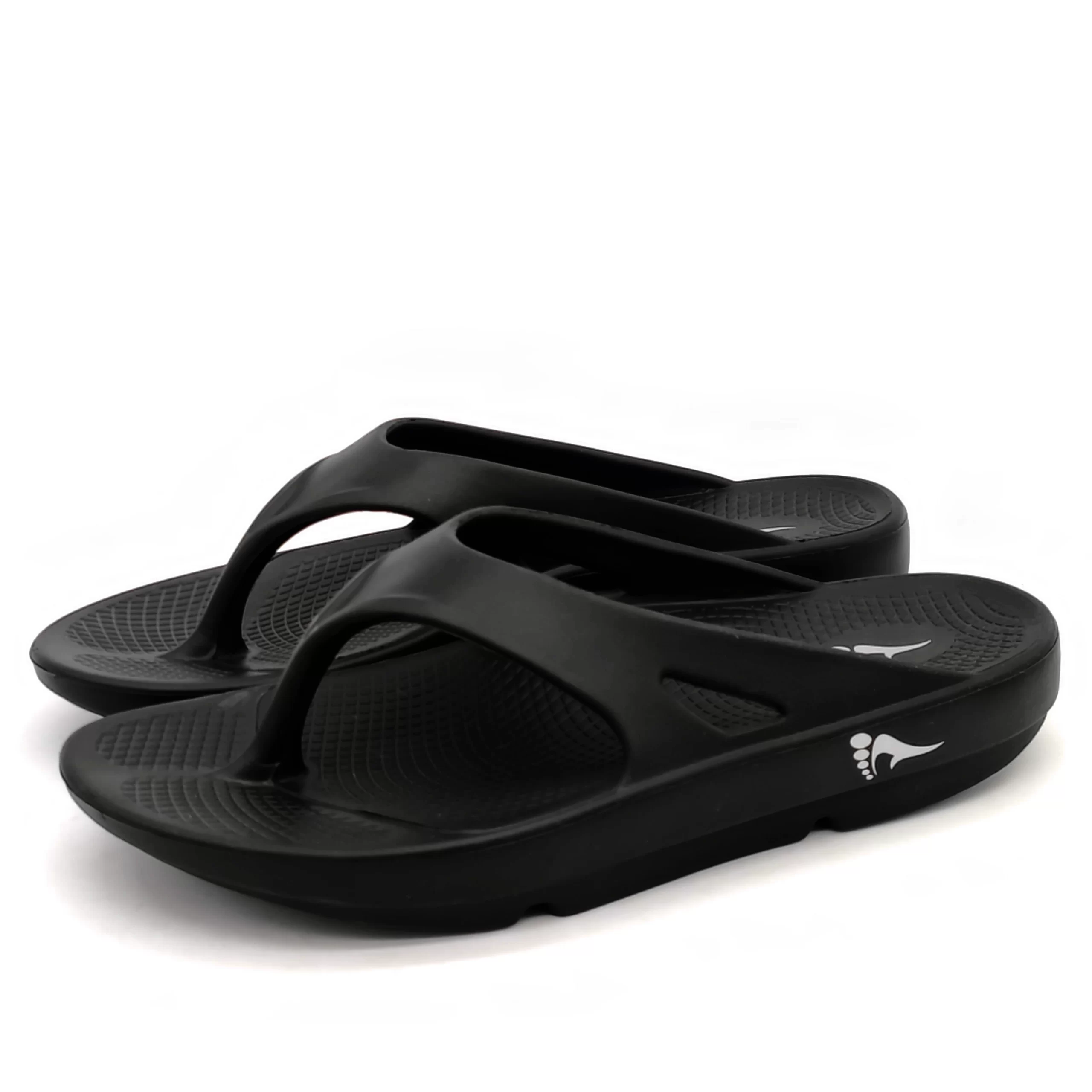
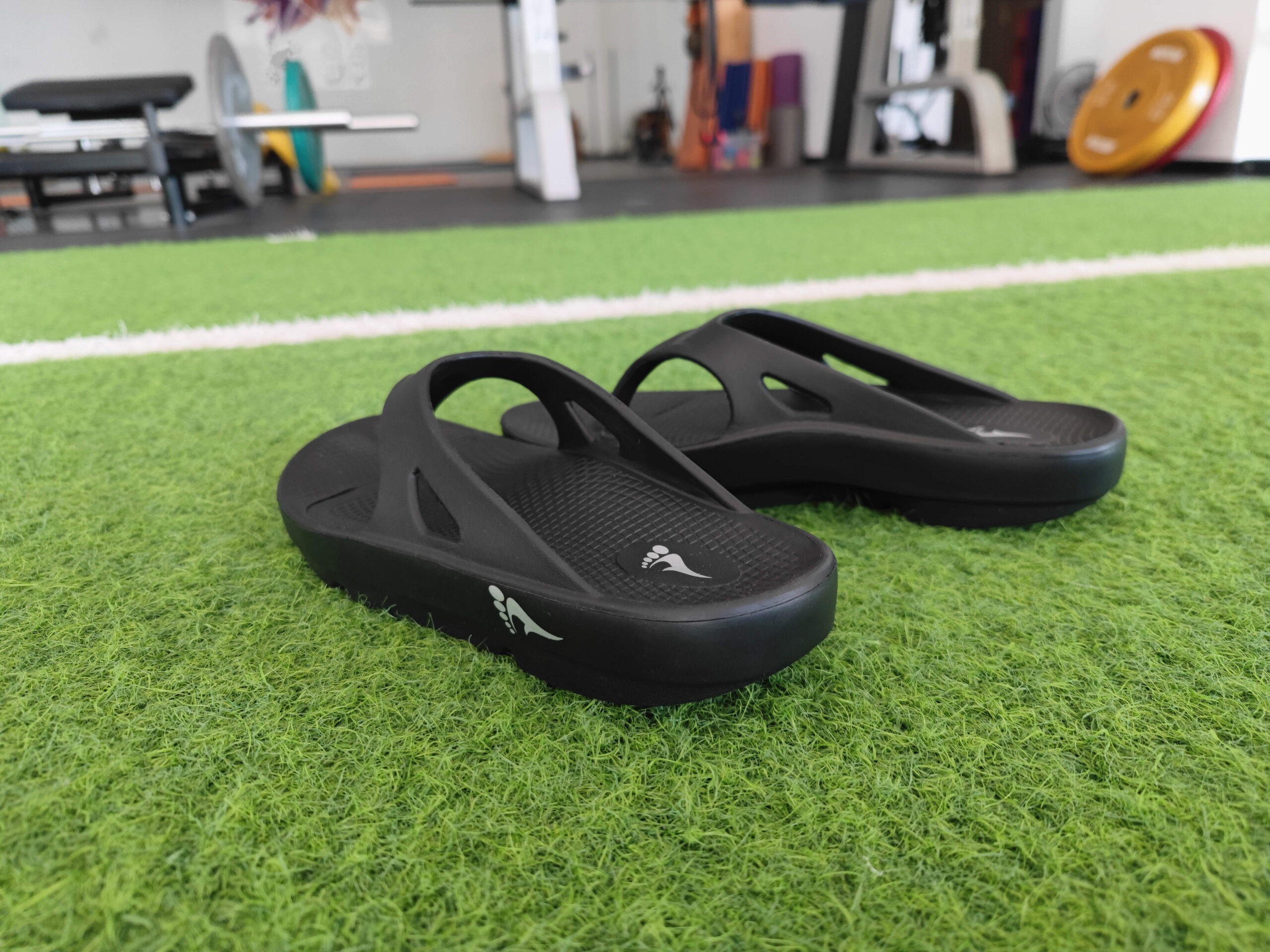
Step into everyday relief with the FootReviver Plantar Fasciitis Sandals — thoughtfully designed for adults who deal with heel pain, arch strain, or discomfort after long periods on hard floors.
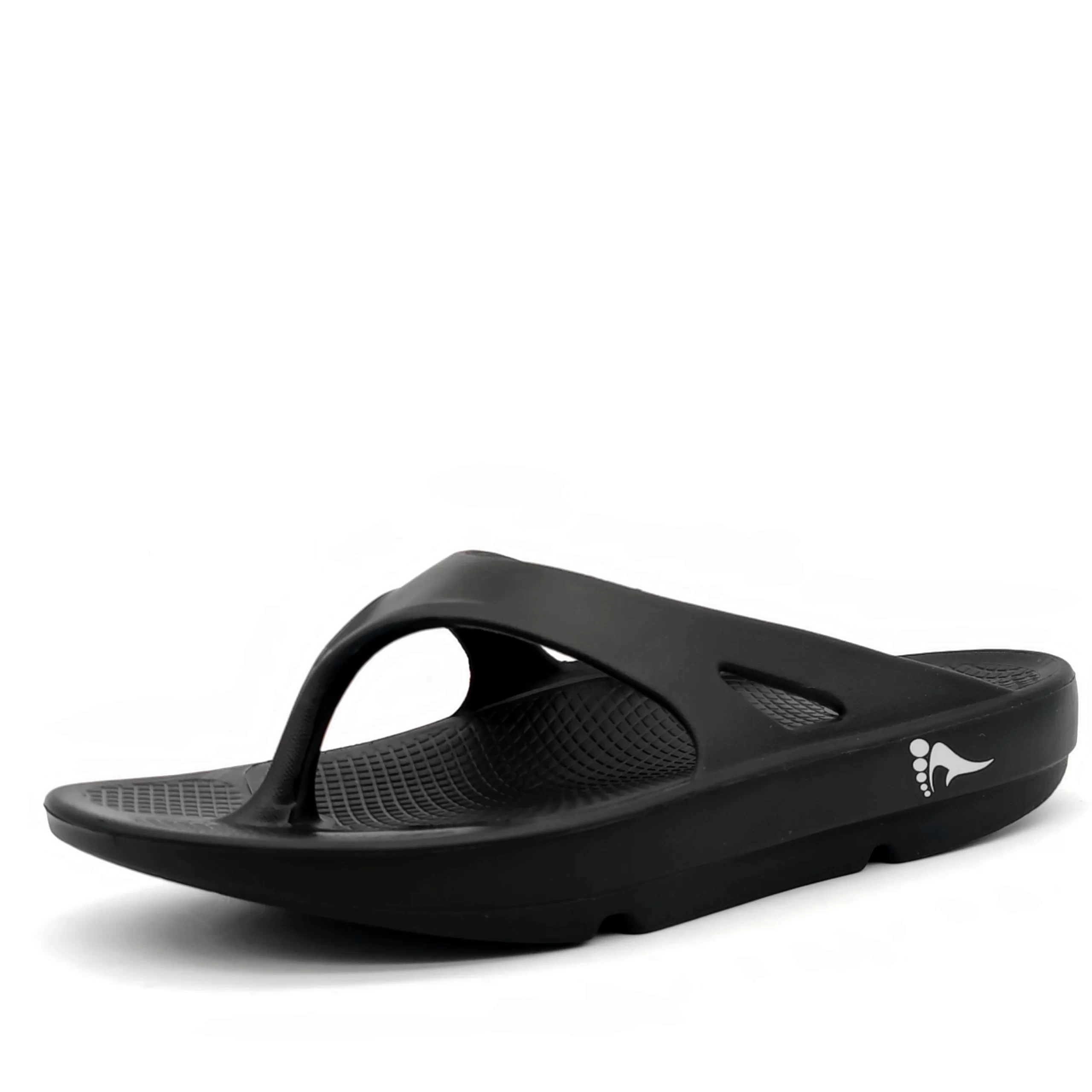
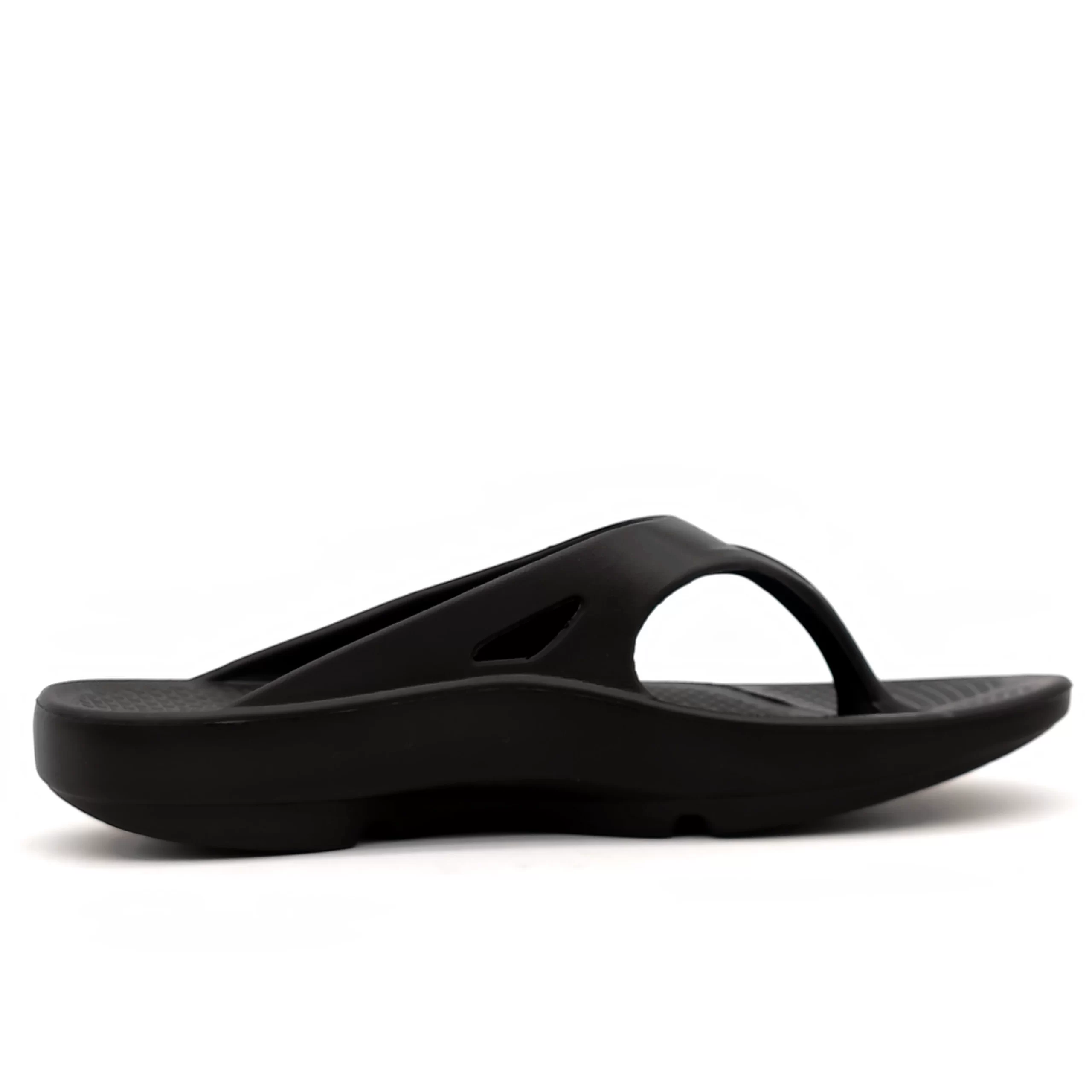
- A contoured arch support sits beneath the inner curve of your foot and helps your arch remain in a more stable position.
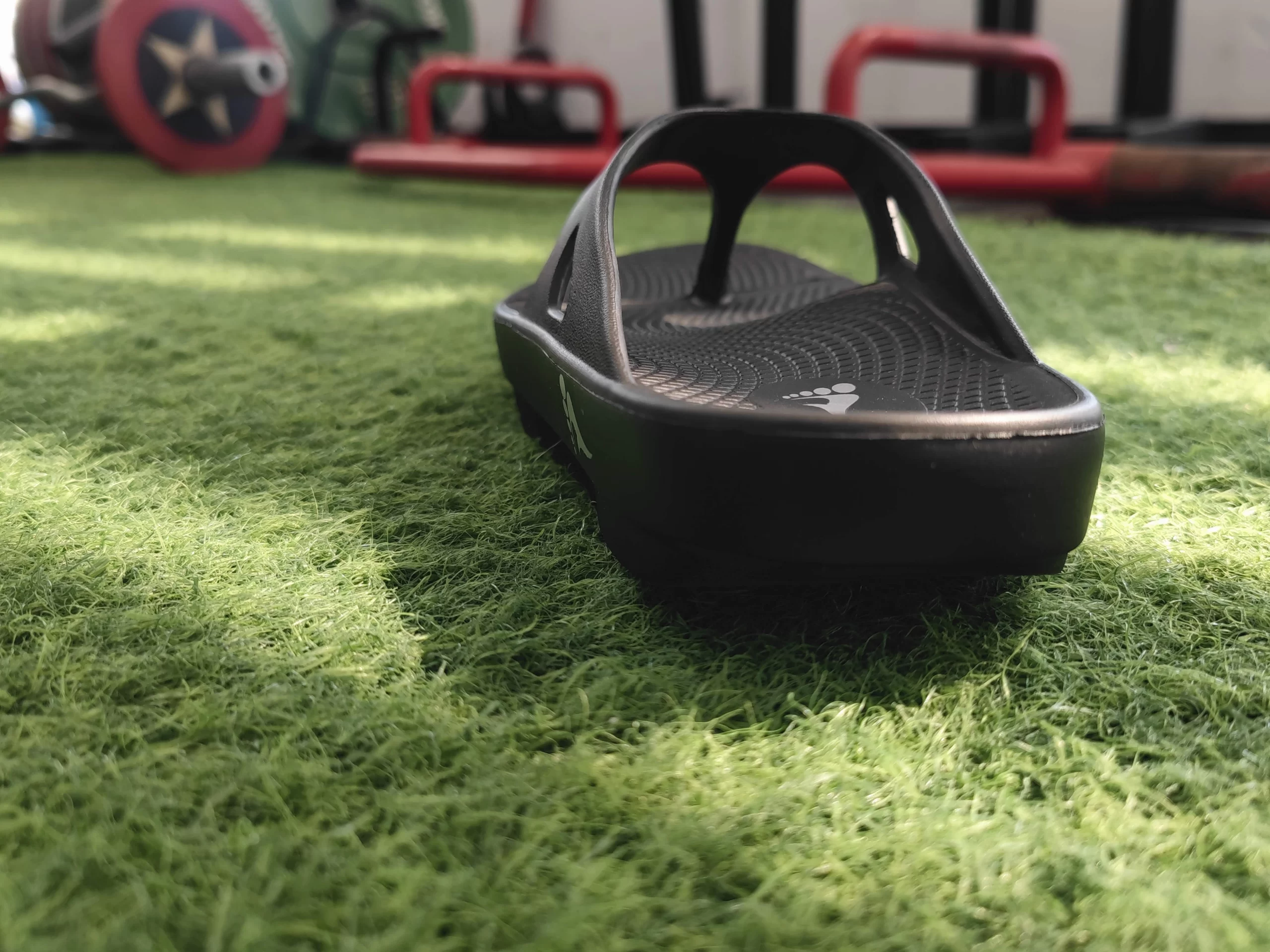
- A deep, cushioned heel cradle steadies the heel on landing and softens each step.
- A shock-absorbing EVA sole reduces the jarring feeling of walking on concrete, tiles, or pavement.
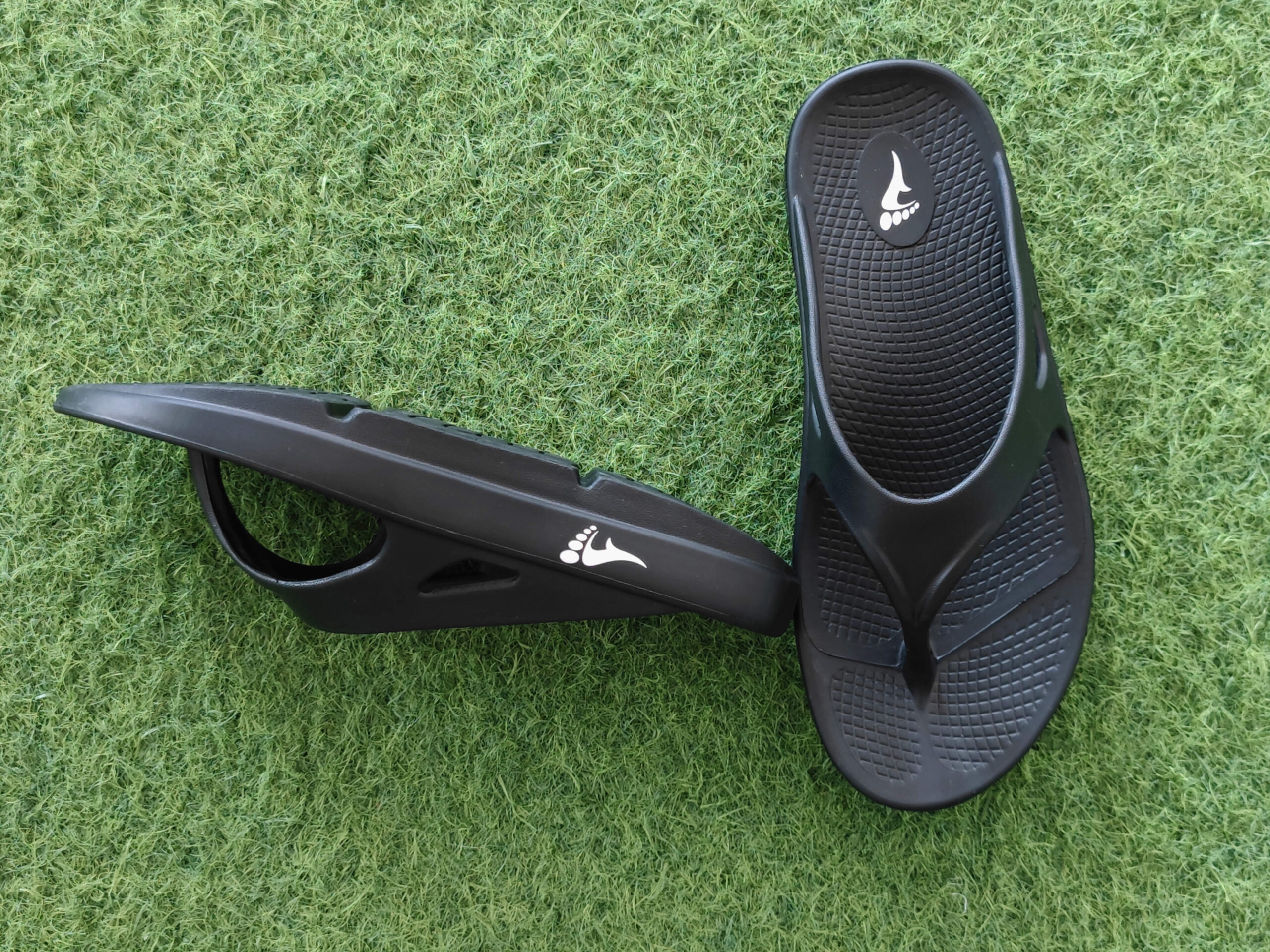
- A textured footbed helps keep your foot in place, so the arch support stays exactly where it’s needed.
- An open, breathable design makes them practical for wearing around the house in warm weather or for short trips outside.
- Lightweight and easy to slip on, with water-resistant materials that cope with everyday spills and outdoor use.
- They are particularly useful for those painful first steps in the morning, and for standing at home while cooking, cleaning, or moving between rooms.
- These sandals are not a medical device and are not a substitute for custom orthotics prescribed by a podiatrist.
- Start by wearing them for two to three hours a day, then increase gradually as your feet get used to the support.
- If pain is severe, continues to worsen, or has not settled after two to three weeks of consistent use, seek professional advice.
- If you have diabetes, circulation problems, or reduced feeling in your feet, speak to your GP or podiatrist before relying on these sandals.
Unisex Sizes Available:

EU Size 36: UK Size - 3.5
EU Size 37: UK Size - 4 - 4.5
EU Size 38: UK Size - 5
EU Size 39: UK Size - 6
EU Size 40: UK Size - 6
EU Size 41: UK Size - 7
EU Size 42: UK Size - 7.5 - 8
EU Size 43: UK Size - 8 - 8.5
EU Size 44: UK Size - 9
EU Size 45: UK Size - 10
EU Size 46: UK Size - 11

Note: The conversion chart provided is for reference purposes only.
The sandals are designed according to EU sizing standards,
so we recommend choosing your EU size.
Mornings Shouldn’t Start With a Stabbing Heel Pain
If you have plantar fasciitis, you probably know exactly when it flares up. You sit up, swing your legs out of bed, and before you’re properly awake, that first step sends a sharp sensation through the base of your heel. It can feel like a bruise, a tear, or a small stone pressing into a spot that shouldn’t hurt. You might wince and take a few limping steps before it starts to ease. By the time you reach the kitchen, you’re walking almost normally again.
Then it returns a few hours later.
After sitting through a meeting, driving for a while, or resting on the sofa for an hour, you stand up and the same sharpness comes back. Sometimes it fades within a minute or two. Sometimes it lingers all day, especially if you spend much of your working day on your feet.
That pattern is very typical of plantar fasciitis — a condition that affects the thick band of tissue running along the bottom of your foot. It isn’t dangerous, but it can wear you down. It can make you avoid walking barefoot, change the way you move around the house, and make you dread the simple act of getting out of bed.
Heel pain like this rarely stays only in the heel. When your foot hurts, you change the way you walk without noticing. You might land harder on the outside of your foot, take shorter steps, or drag your foot slightly rather than pushing off through your toes. Over time, those subtle changes can place extra strain on your calves, knees, hips, and lower back. That’s why a problem under your heel can make your whole leg ache by the evening.
FootReviver plantar fasciitis sandals are designed with the whole leg in mind. They are not just soft sandals. They provide a shaped footbed that your arch can rest against, a deep cradle for your heel, and a cushioned sole that softens every step. The aim is to change how pressure moves through your foot, so the band under your arch is no longer pulled and strained in exactly the same way.
What Is Plantar Fasciitis?
There’s a strong, flexible band of tissue running under the sole of your foot called the plantar fascia. It begins at your heel bone and stretches forward, fanning out toward the base of your toes. It supports the arch and helps your foot spring back with each step.
That band is tough, but it can become irritated when it’s stretched and strained more than it can tolerate. Tiny areas of damage can develop where the tissue attaches to the heel, and sometimes along the arch itself. The area becomes painful and inflamed as part of your body’s healing response. This is plantar fasciitis: strain on the band, plus your body’s response to that strain.
Several everyday habits can irritate the band. Long periods of standing on hard floors put repeated pressure on the same part of your heel. If your shoes are flat with thin soles, nothing holds your arch up, so it flattens more with each step and pulls extra on the plantar fascia. A sudden change in how much you’re on your feet — a longer walking route, a day out, a new job that keeps you standing — can overload the band before your body adapts. If your calf muscles are tight, they pull upward through the Achilles tendon and add extra tension to the plantar fascia every time you step. And if your feet have low or high arches, or tend to roll inward or outward as you walk, that can push more pressure through one side of the foot or concentrate strain under the arch.
Plantar fasciitis is often associated with running, but it is equally common among nurses, shop workers, teachers, and anyone whose daily life involves prolonged standing on hard surfaces. It can also affect people who don’t do much formal exercise but have worn unsupportive footwear for many years.
Age plays a part too. The natural fat pad underneath the heel becomes thinner over time, providing less cushioning than it used to. Carrying extra weight also makes each step load the plantar fascia more heavily. This doesn’t mean you’re stuck with heel pain for good. Your feet may just need more support than they used to.
The good news is that plantar fasciitis usually settles with time, rest from long walks or prolonged standing, and supportive footwear that holds the arch and cushions the heel. But many people find that it lingers for months or even years when the underlying strain is never properly addressed.
Why Does Plantar Fasciitis Hurt Most With Your First Steps?
It seems strange that the worst pain often comes before you’ve done anything at all. You get out of bed, take one step, and there it is. So why does that first step hurt so much?
Here’s what happens while you sleep. Through the night, your foot stays relaxed, with your toes pointing slightly away from you. Your calf muscles stay short, your Achilles tendon is slack, and the plantar fascia ends up shorter and tighter than it is during the day.
When you get out of bed, your body weight suddenly stretches that tighter band. Because the band is already strained, being forced to stretch quickly can feel like a sharp tear under the heel.
After a few steps, the tissue warms and starts to lengthen. That’s why the pain often eases as you move around. The same thing happens after sitting for a while. Your foot rests, the band tightens again, and your first few steps after standing are the hardest.
Supportive footwear helps by reducing the sudden stretch at the moment your foot takes weight. If your foot has support before it reaches the floor, the plantar fascia isn’t strained so sharply every time you stand. That is why many people with plantar fasciitis keep sandals or shoes beside the bed and put them on first thing in the morning.
Why Walking Barefoot or in Flat Slippers Can Make Heel Pain Worse
Walking barefoot at home can feel good when your feet are tired. But if the plantar fascia is already irritated, barefoot walking is one of the most aggravating things you can do.
Without any arch support, your foot flattens naturally as it accepts your weight. That flattening lengthens the plantar fascia. In a healthy foot, this movement is part of normal walking and causes no problems. When the band is already sore, every step becomes another small pull on the irritated area. The arch drops, the tissue stretches, and the area where the band attaches to the heel takes the strain.
Flat slippers do the same: they keep your feet warm but offer no arch support. If they are loose, you may find yourself gripping the slipper with your toes to stop it sliding off as you walk. All that extra gripping leaves the tiny muscles under your arch tired and tense by evening.
A supportive sandal works differently. It gives your foot a shaped base, rather than leaving it to cope with a flat piece of material. The arch is held in a more natural position, the heel has a cushioned bed to sit in, and your foot doesn’t slide around as you move. With each step, less strain is placed on the plantar fascia.
Why Supportive Sandals Are a Practical Choice
Most people expect sandals to be unsupportive, and ordinary flip‑flops or thin summer sandals usually are. They allow the foot to flatten, slide, and grip with every step. But a supportive sandal works on a different idea. FootReviver plantar fasciitis sandals support your feet properly, are easy to slip on, and stay comfortable even after hours of wear. That combination is what makes them genuinely useful in daily life.
You can wear them around the house, which is where most people still walk barefoot on hard floors. They’re also handy for short trips outside: taking out the bins, fetching the post, or walking to the car. If you stand while cooking, cleaning, or doing tasks around the home, they provide a more supportive base than a bare foot on a tiled or wooden floor. On warmer days, they offer a lighter alternative to trainers that feel heavy and hot. And because you can step from indoors to outdoors without changing your shoes, you are far more likely to wear them consistently.
That consistency matters. Plantar fasciitis usually improves when the plantar fascia receives steady, predictable support throughout the day. If you wear good shoes for an hour at lunchtime but then spend the rest of the day barefoot on hard floors, the tissue doesn’t get the relief it needs. FootReviver sandals are designed to provide that support across the ordinary, busy parts of your day.
How FootReviver Plantar Fasciitis Sandals Are Designed to Help
No single feature explains how these sandals feel. Their benefit comes from several design details working together through each stage of a step — when your foot lands, when it takes your full weight, and when you push off to walk forward.
Contoured Arch Support
The arch support in these sandals is shaped to follow the natural curve of a healthy adult foot. It sits beneath the inner part of your arch, giving your foot something firm and comfortable to rest against.
When you stand on a flat surface, your arch gradually flattens under the weight of your body. That flattening stretches the plantar fascia and makes the small muscles along the sole work harder to hold your arch in place. By the end of a long day on your feet, you may feel a deep, tired ache along the arch or under the heel — often the result of this repeated flattening.
The contoured arch support changes that pattern. By filling the space under your arch, it takes on some of the work your soft tissues have been doing. Your weight is distributed across a wider area of the foot, and the plantar fascia is able to rest in a more neutral position rather than being stretched long with every step. This is particularly helpful when you are standing still, because that’s when your arch is working hardest to keep you stable.
The support also helps steady your foot if the arch tends to flatten too far, or if your weight tends to sit heavily on the outer edge of the foot. By encouraging a more stable foot position, it reduces some of the excess movement that can create strain through the heel and the arch.
If the arch support feels a little pronounced at first, that’s often because your foot isn’t used to being held in a more aligned position. Most people find it feels normal within about a week.
Deep, Cushioned Heel Cradle
The heel is where plantar fasciitis pain usually sits, and it is also the part of the foot that takes the most impact during walking.
These sandals are built with a deep heel cradle rather than a flat footbed. Your heel sits down into the sandal, which helps hold it steady from side to side. Without that support, the heel can roll and slide inside the shoe, which pulls unevenly on the plantar fascia.
Consider the first few steps you take after getting out of bed. If the back of your foot isn’t held securely as your heel lands, it may roll slightly inward or outward. That movement pulls on the plantar fascia when the tissue is already tight from rest. The deep cradle reduces this movement, helping your foot to land in a more controlled way.
The cushioning inside the cradle also helps soften the moment of impact. This makes a real difference if you regularly walk on concrete, pavement, or tiled floors, because it reduces the jarring sensation that travels up through your foot each time you step. A stable, well-cushioned heel also takes some load off the Achilles tendon, which attaches to the back of the heel bone and is often involved in the same pattern of strain.
Shock-Absorbing EVA Sole
The main body of the sandal is made from EVA foam — a lightweight material chosen specifically for its ability to absorb shock.
When you walk, your heel hits the ground with a force that is greater than your body weight. On a hard surface that doesn’t give, most of that force is transmitted straight back into your heel and up through your leg. If the plantar fascia is already sensitive, this repeated impact can keep irritating the area where it attaches to the bone.
The EVA sole softens each landing. It compresses slightly under your weight, absorbing some of the impact and spreading the force over a slightly longer moment. Less of that shock is then passed directly into the plantar fascia and the structures around your heel.
Many people notice the difference most at the end of a day spent on concrete or tiled floors. Walking feels less jarring, and the heel doesn’t feel as sore after long periods of standing. The sole is also light, so it doesn’t make your feet feel heavy or slow as you move.
Textured Footbed to Keep Your Foot in Place
Arch support only works if your foot stays in contact with it. If your foot slides forward inside the sandal, the support ends up in the wrong position and your toes may start gripping the front edge to hold the sandal on.
The footbed is textured to help keep this from happening. It gives your sole a little extra grip, so your foot stays correctly placed through each step. That means the arch support remains under your arch, where it is meant to be, and your toes can relax instead of clawing at the sandal.
The texture also reduces friction, which is useful if your feet are already tender. A smooth footbed that allows repeated slipping can create hot spots and blisters, whereas a more stable footbed prevents that additional irritation.
Open, Breathable, Lightweight Design
Supportive footwear can sometimes feel bulky, heavy, or clinical. FootReviver sandals are designed differently. The open shape allows your toes and forefoot to move naturally. The sandals are light enough to wear for hours without feeling like an extra load, and the materials are breathable enough to keep your feet comfortable in warm conditions.
This matters more than it might seem. A supportive sandal only helps if you actually want to wear it. If a shoe feels heavy or makes your feet hot, it tends to end up abandoned by the door. This design is intended to be simple, comfortable, and practical enough to become part of your normal routine.
Water-Resistant and Easy to Clean
Everyday life isn’t always dry. You might wear these sandals in the kitchen, into the garden, or out on a damp path. The water-resistant materials help them cope with these situations without losing their shape.
Cleaning them is simple. Wipe the footbed and straps with a damp cloth and a little mild soap whenever they look dirty. Avoid submerging the sandals in water and don’t put them in a washing machine. If they become wet, allow them to air-dry naturally, away from radiators and bright sunlight, because high heat can damage the foam sole.
Slip-Resistant Tread
The outsole has a tread pattern designed to provide grip on dry, everyday surfaces. That’s particularly relevant if you’re walking more cautiously than usual because of foot pain — a stable sole makes it easier to place your foot with confidence.
No open sandal can claim to be completely slip-proof in every environment. On wet tiles, soapy floors, or around a swimming pool, a closed rubber-soled shoe will always be the safer choice. Likewise, take extra care on stairs, particularly if they are steep or uncarpeted. Open-backed sandals do not hold the heel as securely as a shoe with a firm heel counter, so they give less support when you are going up or down steps. If you have concerns about your balance or you have reduced feeling in your feet, it’s worth asking a clinician before relying on open-backed footwear.
Who May Find These Sandals Useful?
These sandals are designed for adults who spend time on their feet and need more support than a typical sandal provides. You might find them helpful if you notice sharp heel pain when you first stand in the morning, if you spend long periods standing on hard floors, or if you have been told that you have plantar fasciitis. They may also help if walking barefoot around the house makes your heels feel more sensitive, or if you’re looking for a supportive option for warmer weather that you can wear both indoors and outside without changing your shoes.
In the next section, you can read about the specific foot conditions and movement patterns that these sandals may support. You don’t have to work through every one. If you spot your own experience in one of these descriptions, that’s a good place to start.
Foot Conditions and Movement Patterns in Detail
Plantar fasciitis rarely appears in isolation. Many people with heel pain also have low or high arches, tight calves, or a particular way of walking that puts extra strain through the feet. You might have plantar fasciitis that developed because your arches are low and your foot rolls inward as you walk. Or you might have high arches that make your foot stiff and prone to discomfort under the heel or forefoot. Calf tightness can also play a part, because tight calf muscles pull on the heel and increase tension along the plantar fascia.
Each of the conditions below has a slightly different pattern of discomfort and its own reason why arch support and cushioned footwear can help. These short explanations aren’t meant to replace a professional diagnosis. They are here to help you make sense of the sensations you are feeling and to understand when supportive sandals are likely to make a meaningful difference.
Getting the Most From These Sandals
When you first start wearing any supportive footwear, your feet may need a little time to adapt. After months or years without arch support, the muscles and soft tissues along the sole become used to working alone. When you add a contoured footbed, some people feel a stretch or a mild ache in the arch for the first few days. That’s usually your feet adjusting, not a sign the sandals are the wrong shape.
Start gradually. Wear the FootReviver plantar fasciitis sandals for two to three hours a day at first. Move around the house, stand while you prepare food, and notice how your feet respond. Over the next week, gradually increase how long you have them on.
If the arch support feels too firm in the beginning, try shorter periods — even 30 minutes at a time — and build up from there. Most people find that the sensation settles within about a week. What you shouldn’t feel is sharp pain that gets worse as you walk, or any numbness or tingling. If that happens, stop wearing them and check that the size is right. The arch support will only work properly if your foot can sit correctly within the footbed.
When to Wear Them for Most Benefit
The two most valuable times to use supportive footwear are first thing in the morning and after long periods of sitting. Because the plantar fascia tightens while you rest, supporting your foot before you take those first steps can reduce the sudden stretch that causes that familiar morning pain. Many people keep their sandals beside the bed and put them on before walking to the bathroom.
After sitting in a car, at a desk, or on the sofa, the same tightening has happened. Wearing supportive sandals when you stand up helps the tissue lengthen gradually rather than being pulled suddenly.
The sandals also help when you are on your feet for longer periods at home — cooking, cleaning, moving between rooms, stepping into the garden, or walking to the car are all times when a supportive base can make a difference to how your feet feel by the end of the day.
Choosing Your Size
The sandals are made as an adult unisex fit, using standard European shoe sizing. If you know the size you normally take in European-made footwear, that’s the best place to start. If you are on the boundary between two sizes, or if you prefer to wear socks indoors, go up a size rather than down. A sandal that is too small will not let your foot sit correctly on the arch support. One that is too large can allow your foot to slide forward, which reduces the benefit and may cause friction across the toes.
Because sizing can vary slightly from brand to brand, it’s always a good idea to measure your foot against the brand’s size chart when you buy them.
What to Expect Over the First Few Weeks
Plantar fasciitis usually does not disappear within a few days. The band of tissue has been under strain for a while, and it needs consistent support while it recovers.
In the first few days, the most noticeable change is often that walking on hard floors feels less jarring. The impact beneath your heel is softer, and your feet may feel less tired in the evening. This early change happens because the sole and footbed are absorbing some of the work your feet used to do on their own.
During the first week or two, the sharpness of the morning pain often begins to ease. Instead of a stabbing sensation that makes you hobble, it may become a dull ache that fades after a few steps. That’s a good sign. It means the plantar fascia isn’t being relentlessly re-strained every time you stand.
Around week two, you can start to judge how the sandals are affecting your whole day. Some people find they can stand for longer before discomfort builds. Others realise that their heel no longer aches as much after they’ve been sitting. As with many things, consistency is key. If you only wear the sandals for an hour in the evening while you spend the rest of the day in unsupportive footwear, the plantar fascia won’t get the steady support it needs. The more you wear them during your busiest times, the more quickly your feet can settle.
Looking After These Sandals
With simple care, FootReviver plantar fasciitis sandals will keep their supportive shape through many months of regular use. Wipe the footbed and straps clean with a damp cloth and a little mild soap whenever they need it. Don’t submerge them in water or put them through a washing machine. If they become wet, allow them to air-dry naturally, away from radiators and sunny windowsills, because heat can distort the foam sole.
As with any cushioned footwear, the foam will last longer if it’s given time to bounce back between wears. If you have another supportive pair of shoes, or if you wear these only part of the day, the sole will have a chance to recover its full shape.
What These Sandals Are Not Designed For
It’s worth being clear about what these sandals are not for. They are designed for daily life: moving around the house, standing in the kitchen, spending time in the garden, running errands, or stepping outside to the car. They aren’t built for intense running, high-impact sport, or long hikes over rough ground. An open sandal can’t provide the ankle support of a boot or the toe protection of a closed shoe.
They are also not medical devices. FootReviver sandals are supportive footwear. If a podiatrist has prescribed custom orthotics for you, these sandals should not replace them. Custom orthotics are made specifically for your feet and the way they move. Footwear like this can be useful alongside them, but it is not the same thing.
When to Seek Professional Advice
Supportive sandals can be a sensible starting point for mild to moderate plantar fasciitis or similar types of foot strain. But certain symptoms need a professional opinion before you continue managing things at home. It’s worth speaking to a GP, physiotherapist, or podiatrist if any of the following apply:
-
- The pain is severe, getting worse, or hasn’t improved after two to three weeks of consistent support.
-
- You notice any numbness, tingling, burning, or weakness in your foot.
-
- You have swelling, redness, or heat around the heel, ankle, or along the arch.
-
- The pain started after a fall, a twist, or another clear injury.
-
- You’re genuinely struggling to put weight on the affected foot.
-
- Your foot shape appears to be changing, especially if one arch looks lower than the other.
-
- You have diabetes and notice any sign of skin damage, redness, or slow healing.
-
- You have a known condition that affects your feet, balance, or circulation.
These signs can indicate that the problem is not purely mechanical, or that it needs a more specific treatment approach. A clinician can help you work out what’s going on and guide you toward the right plan, whether that involves exercises, manual therapy, orthotics, or simply a clearer understanding of how to manage your daily activities.
A 30-Day Money-Back Guarantee
A couple of days is rarely enough to tell whether supportive footwear is right for you. Your feet need time to adapt to the arch support, and the plantar fascia needs time to respond to a different pattern of loading. That’s why the FootReviver plantar fasciitis sandals are covered by a 30-day money-back guarantee.
When you receive the sandals, wear them gradually and pay attention to how your feet feel over the following weeks. If they don’t offer the support you’d hoped for, contact the support team within 30 days of delivery and return the sandals, even if they show normal signs of wear from use around the house. You’ll receive a full refund. That makes the decision to try them a safe one: if they work for your feet, you’ll want to keep them; if they don’t, you won’t be left out of pocket.
A Final Word on Moving Forward
Plantar fasciitis can feel like a stubborn problem, and it’s understandable to feel doubtful about another product that promises to make a difference. You may have already tried insoles, different shoes, ice, rest, and a range of stretches. Perhaps things improved briefly, and then the pain came back as soon as you returned to your normal routine.
There is usually a mechanical reason for that pattern. The plantar fascia is not simply inflamed — it is being re-strained each time you stand and walk. If you rest for a while, the irritation calms down, but as soon as you step onto a hard floor without decent support, the tissue is pulled again.
FootReviver plantar fasciitis sandals are designed to interrupt that cycle by changing how your feet meet the ground. The design holds the arch in a more stable position, steadies the heel on landing and adds cushioning beneath the sole. Those changes may not feel dramatic, but they are exactly the kind of consistent reduction in strain that allows the plantar fascia to settle.
Like all supportive footwear, they work best when they’re worn consistently. Start gradually, allow your feet time to adapt, and use them during the moments of the day when your feet need the most help. If you do that, you give the plantar fascia a real opportunity to settle. And if those first few steps in the morning have been filling you with dread, that could be the first thing you notice beginning to change — starting from the moment your feet reach the floor.
General Health Information Disclaimer
This page is for general information and should not replace individual medical advice, diagnosis, or treatment. If you have new or unexplained symptoms, if you are unsure whether these sandals are right for your feet, or if you need more personalised guidance, speak to a GP, physiotherapist, or podiatrist. Everyone’s feet are different, and results from supportive footwear vary from person to person.
2 Reviews For This Product
Fast & Secure Checkout Through Paypal
Pay with Paypal the secure payment gateway that accepts all credit and debit cards. Paypal is free and secure and no credit or bank information is ever stored or shared with us.
Fast Dispatch
Enjoy your items soon with quick dispatch via Royal Mail. Expect to have your items between 1-3 working days for domestic orders. 7-10 Working days for international orders.
Return Policy – 30 Day Money Back Guarantee
In the unlikely event, you are unhappy with your purchase you can return it within 30 days for a refund. Please contact us via the form on the contact us page to start your return.
To return an item please send it to: Nuova Health UK, 81 Highfield Lane, Waverley, Rotherham, S60 8AL. Please include a note with your order id so we know who to refund. Please retain your postage receipt as proof of postage. All that we ask is that the item is in the original packaging and unused.

by Kelly Patterson
Got these for my dad who has plantar fasciitis and let me tell you, they are GOOD! Helped with his foot pain and even his knees. He says they’re lightweight and “airy”, whatever that means. He’s been wearing them around the house and even took them on vacation. He loves them!
by Sarah Mitchell
These sandals are fantastic! I have flat feet and always struggle to find comfortable shoes. These not only help with my foot pain but also realign my feet into the correct position. It took some time to break them in, but once I did, I couldn’t believe the difference. Unlike conventional orthopedic sandals, these actually look good and I don’t mind wearing them out in public. They’re great for long walks and are super breathable keeping my feet cool and comfy. Ideal for people who have to stand for long periods, as they distribute pressure evenly across your feet. They’re easy to slip on and off, lightweight, and they don’t drag my feet down like other orthopedic shoes.