
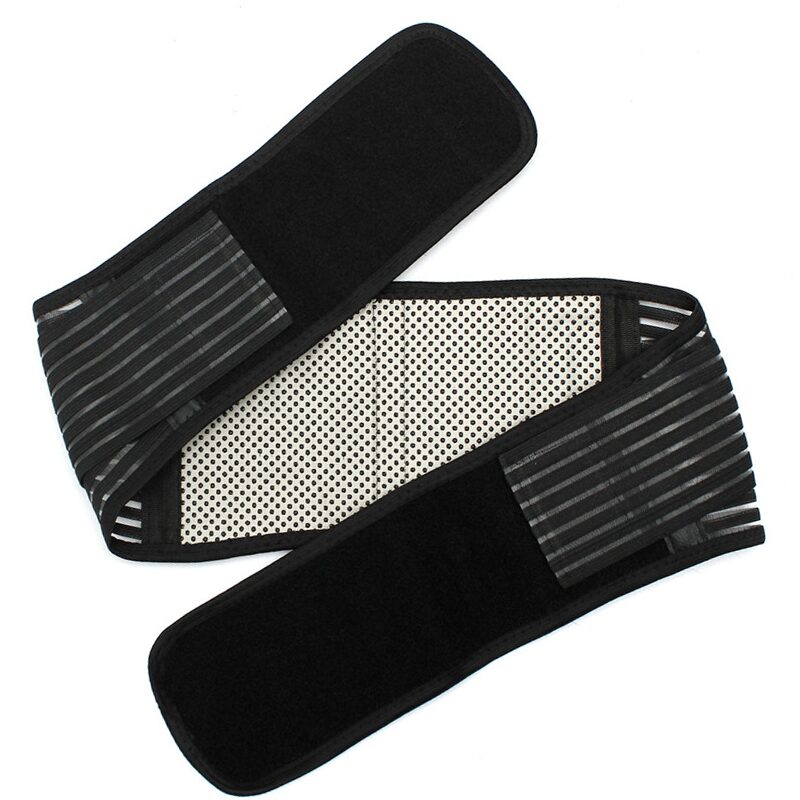
Lower Back Lumbar Support Belt for Pain Relief and Posture Correction
£12.49£14.99 (-17%)inc VAT
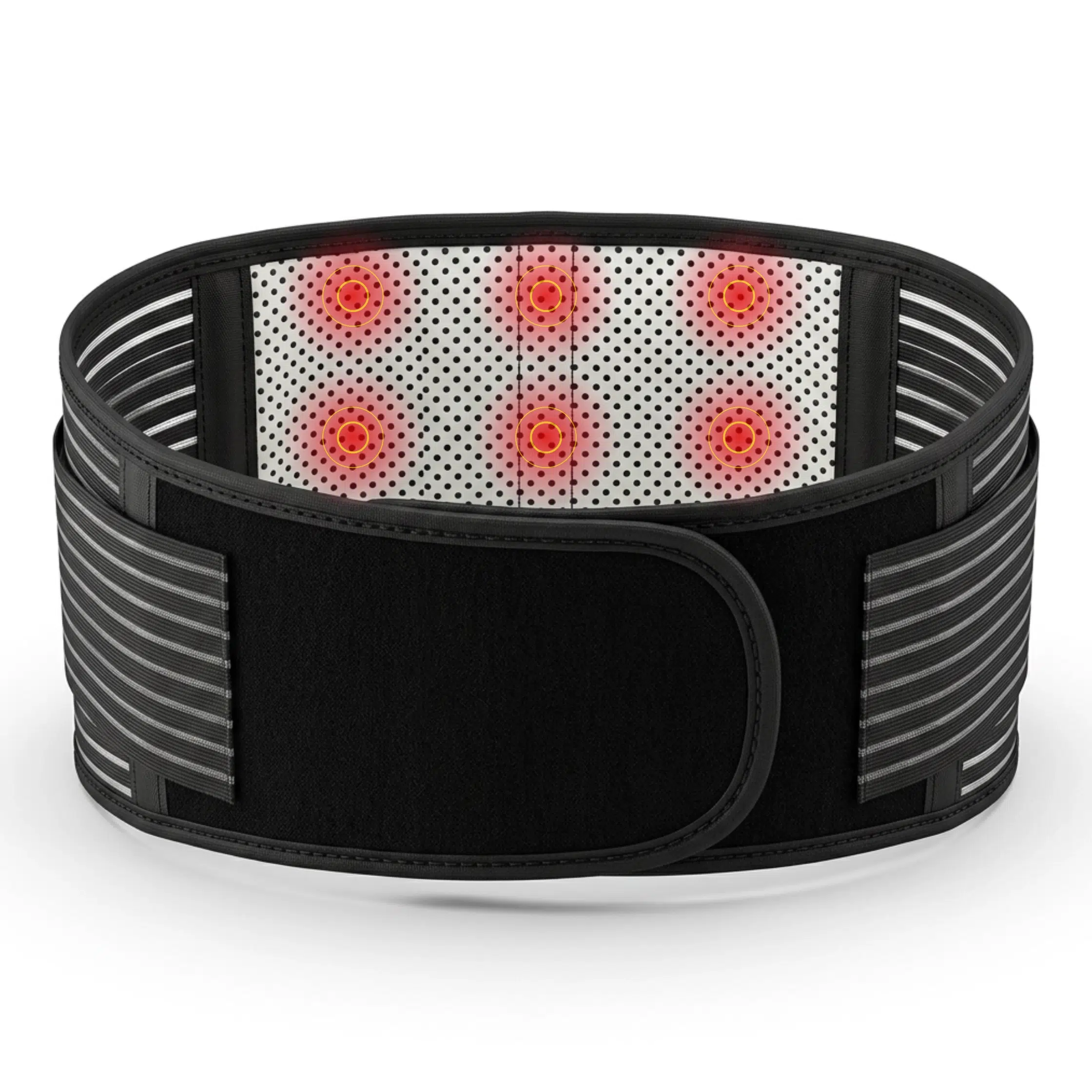
- 1x Infrared Magnetic Lower Back Support designed to provide soothing compression, magnetic and heat therapy to help ease your back pain quickly and effectively
- For both Men & Women
- Sizes are as follows:
- Medium: (74-86cm Waistline (29inches-33inches)), Large: (86-100cm Waistline (33inches-39inches)), Extra Large: (100cm-113cm Waistline (39inches-44inches)), XXL: (113cm-119cm Waistline (44 – 47 inches)) – For the best fit measure around your stomach allowing 2-3 inches leeway for the Velcro
- If you are between sizes, a firmer fit may suit some people better, while others may prefer a little more room and then fine-tune the support with the straps.
- Designed for lower back pain that tends to build with standing, sitting, bending, lifting, walking, driving, or fatigue through the day.
- Most useful when the back aches, tightens, feels strained, or becomes less steady with ordinary daily movement.
- Best suited to pain that clearly changes with posture, time on your feet, sitting, repeated bending, lifting, or a busy day, rather than pain that feels unexplained.
- A broad contoured back panel supports more of the lower back at once instead of pressing into one narrow strip.
- Three curved semi-rigid stays help the belt keep its shape once sitting, standing, and walking begin.
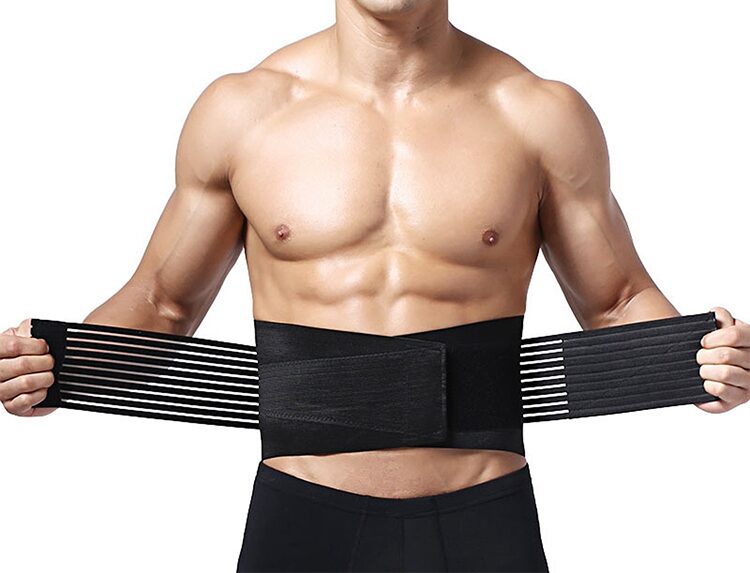
- Wraparound compression supports the lower back and lower abdomen together, which can make standing, walking, carrying, and changing position feel more controlled.
- Adjustable double-pull straps let you tighten the belt for more demanding tasks and ease it for lighter activity.
- This is the sort of lumbar belt that often suits people who need more than a basic elastic wrap, but do not need a rigid brace.
- Often most useful during known trigger times such as prolonged standing, desk work, travel, lifting, repeated bending, or the unsettled stage after a back strain.
- It should feel firm and secure, not painfully tight, restrictive, or uncomfortable to breathe in.
- The close fit may also help the lower back feel a little less cold and stiff while the belt is being worn.
- Not suitable for every cause of back pain and not a substitute for individual clinical assessment where that is needed.
Lower Back Lumbar Support Belt for Pain Relief and Posture Correction
Lower back pain often becomes much more noticeable once everyday movement starts to make it worse. Standing in one place for a while may bring on a dull ache across the lower back. Sitting too long can leave the back stiff when it is time to get up. Bending to lift, reaching down repeatedly, twisting, carrying, or being on your feet through a long day can all leave the lower back feeling tight, tired, strained, or less steady than it should. For many people, that is the real problem: not one dramatic movement, but a back that becomes easier to aggravate as the day goes on.
This sort of lower back pain usually changes with what the back is being asked to do. It may build with standing, sitting, repeated bending, lifting, walking, driving, or fatigue. Some people mainly feel a broad ache across the belt line. Others notice stiffness after being still, a catch when straightening up, or a sense that the back is no longer coping comfortably with ordinary daily demands. Sometimes the pain stays in the lower back. Sometimes it spreads into the buttock or further into the leg with tingling, burning, or numbness. Those details matter because they help show how the pain behaves and what kind of support is more likely to help.
This Lower Back Lumbar Support Belt for Pain Relief and Posture Correction is designed for that kind of lower back pain. It gives firm, adjustable support around the lower back and lower abdomen in a design that is meant to stay useful through normal daily activity, not just while first being fastened. The broad contoured back section supports more of the lower back at once instead of pressing into one narrow strip. Three curved semi-rigid stays help the belt hold its shape once sitting, standing, and walking begin. The wraparound fit and double-pull straps allow the level of support to be increased or eased depending on what the day involves.
This is the sort of lumbar belt that often suits people who need more than a soft elastic wrap, but do not need a rigid brace. The aim is not to hold the body stiffly. It is to give the lower back firmer support, reduce some of the strain that builds with repeated or sustained daily demands, and make everyday movement feel more manageable.
Why back pain builds with sitting, standing, bending or lifting
The lower back is not one single structure. It is made up of joints, discs, ligaments, muscles, fascia, and nerves, all sharing force during everyday movement. The bones of the lower spine need to be strong enough to carry weight but flexible enough to let the body bend, turn, and change position. Between them sit the spinal discs, which help spread force during sitting, bending, lifting, and other daily tasks. Behind them are the facet joints, the small guiding joints that help control movement when the back straightens, turns, or leans back. Around the whole area are muscles and other soft tissues that help keep the lower back steady while the body moves.
That is why lower back pain rarely comes from one part acting alone. In many people, several tissues in the same region become irritated together. A disc may react badly to repeated forward bending, especially after long periods slumped or reaching down again and again. A joint may feel sore when compressed for too long, such as during prolonged standing in one posture. Muscles may tighten or tire when they have been working in the background for hours to stop the body dropping into a position the back is not coping with well. Ligaments and other soft tissues may become sensitive if they are repeatedly stretched or loaded awkwardly.
One useful way to understand this is to think about the force passing through the lower back during daily life. Standing, sitting, walking, lifting, carrying, bending, turning, and even staying in one position for too long all put force through the lumbar area. The problem is not that these forces exist. The lower back is built for them. Trouble starts when the type, amount, or length of time involved goes beyond what the back is managing comfortably at that point. That can happen after a strain, when fatigue builds, when the back is already irritated, or after several demanding days in a row. It helps explain why the same task can feel manageable one day and much worse the next.
When sitting is the main trigger
If sitting is the main trigger, the lower back is often reacting to being held in one position for too long. The joints and soft tissues are not moving enough, the muscles still have to work steadily to keep the body upright, and the area can stiffen under constant pressure. That is why getting up after a long spell at a desk, in a car, or on a sofa can feel awkward, stiff, or sharply uncomfortable for the first few steps. The lower back has been still for too long, then suddenly has to move and take weight again.
When standing is the main trigger
If standing is the main problem, the picture is slightly different. Standing still asks the muscles around the lower back and pelvis to work continuously to hold the trunk upright. They are not producing one strong burst of effort, but they are working for longer without much relief. Over time they can tire, especially if posture begins to fade or the day involves long spells on hard floors. Instead of one sharp catch, many people notice a broad ache, a feeling of tightening, or a sense that the back is steadily becoming less comfortable. That is one reason standing still often feels worse than gentle walking. Walking changes the force from step to step. Standing still keeps it more fixed.
When bending, lifting or twisting brings pain on
If bending, lifting, or twisting tends to bring pain on, the lower back is usually being challenged by repeated pulling, compression, and the need to control movement well. When the body bends forwards, the discs, joints, muscles, and other soft tissues do not all take force in the same way. When lifting, the lower back helps transfer force between the trunk and pelvis while the surrounding muscles steady the body and stop the movement becoming too loose or awkward. If an object is held away from the body, the demand usually rises further. Add twisting or reaching away and the demand rises again. That is why hurried lifting, awkward turning, or repeated bending through the day can flare symptoms even when no single movement seems dramatic on its own.
After a strain or awkward movement
Sometimes the problem follows a more obvious strain. A heavy lift, a quick bend and twist, or a sudden awkward movement can irritate muscles, ligaments, or nearby soft tissues around the lower back. When that happens, the area often reacts protectively. Sore tissues signal irritation, surrounding muscles tighten, movement becomes guarded, and ordinary tasks start to feel harder. That is why turning in bed, rising from a chair, or straightening up from a bend can feel much sharper than usual after a strain. The protective response makes sense, but it can also leave the back feeling stiffer and more effortful to use.
When posture and time under load are the real issue
Posture-related lower back pain is often misunderstood because it is too often reduced to “sit up straight”. In practice, it is usually less about appearance and more about time and control. The problem is often that the lower back is spending too long in one loaded position, or slipping again and again into positions it is not coping with well. As the body slumps, over-arches, or loses support through the waist and lower back, the muscles and soft tissues around the lumbar area may have to work harder to hold things together. By later in the day, the back can feel less steady, less comfortable, and less able to deal with ordinary movement.
When symptoms travel into the buttock or leg
For some people, symptoms travel into the buttock or leg rather than staying in the lower back. That usually points to a more nerve-related picture. If tissues around a nerve root in the lower back become irritated, the result may be pain that spreads, tingling, patches of numbness, or a burning or shooting sensation rather than a local ache alone. The pain may be felt further down the leg even though the irritation is higher up in the lower back. Sitting too long, slumping, bending forwards, or certain loaded movements may make that spread more noticeable if they keep aggravating the area around the irritated nerve tissue.
One of the most useful things to notice about lower back pain is how it behaves. Where it is felt, what movements bring it on, how long it takes to build, and whether it eases with gentle movement or worsens with repetition all tell you something important. A back that aches after standing for an hour is behaving differently from a back that catches with bending, and differently again from a back that sends pain into the leg after sitting. The right support depends on that.
When a structured lumbar belt makes sense
A lumbar support belt makes most sense when pain is brought on by time on your feet, sitting, posture, repeated movement, or fatigue. It is not there to take over from the lower back. It is there to change how support is shared around the lower back and lower abdomen during the tasks that usually stir symptoms up.
When a belt wraps firmly around the lower back and lower abdomen, it can make the lumbar area feel steadier during movement. The lower back does not work alone. The muscles through the abdomen, waist, and lower back all contribute to control. A firm wrap around this area can reduce the sense that the lower back is taking too much of the strain during standing, carrying, or changing position. For some people, that means getting up from a chair feels less abrupt, walking feels less tiring, or lifting everyday loads feels better controlled.
A belt can also help by making it harder to drift into the positions that usually bring pain on. If the back is sensitive to bending, slumping, or sudden twisting, a structured belt gives a clear reminder around the waist. It does not stop movement completely, but it can make aggravating positions easier to notice before they build into a flare. This is often the point where a softer belt starts to feel insufficient. If symptoms are being stirred up by repeated smaller movements through the day, shape and structure matter as much as compression.
Fatigue matters too. During standing, walking, and carrying, the muscles around the lower back and abdomen do a great deal of background support work even when that is not obvious. If those muscles tire, or pain makes them work less confidently, posture can start to slip and the back may feel less steady. A belt cannot replace muscle function, but it can give the area more support at the times it tends to struggle most: later in the day, during a flare-up, or while confidence is rebuilding after a strain.
This is the sort of support that often suits people who need more than a basic elastic wrap, but do not need a rigid brace. The useful question is not whether the back hurts in general, but what usually brings it on, what makes it worse, and which tasks are becoming harder to manage. Where symptoms clearly follow those sorts of day-to-day triggers, a structured lumbar belt is often a sensible step.
Why this belt works better than a basic back support
This belt is designed for the point where simple compression is no longer doing enough. A narrow or very soft support may feel helpful for a short time, but the difference becomes clearer once sitting, standing, walking, and repeated bending through the lower back start to add up. A lumbar belt needs to stay useful after the day gets going, not just when first fastened. That is where broader coverage, shaped stays, adjustable tension, and better day-to-day comfort start to matter.
A broad back panel for wider lower back support
The main back section is shaped to sit across the lower back rather than acting like a narrow strip around the waist. Lower back pain is often spread across a broader area around the belt line, not just one small spot. A wider contoured back panel can support more of the lower back at once, helping the belt feel steadier and more evenly placed.
This is especially useful when pain feels broad, tired, or diffuse rather than sharply pinpointed. A narrow band may press into one area while leaving the rest of the lower back to cope on its own. For broad lower back ache, wider support usually makes more sense than a narrow band.
The shaped contour also matters for consistency. The lower back is not flat, and support usually works better when it follows the body properly. If a belt rides up, bunches, or shifts once movement begins, much of its value is lost. A contoured back section helps the support stay where it is meant to stay and spread pressure more evenly across the lower back.
Three semi-rigid stays for structure during movement
Within the back section are three curved semi-rigid stays: one central and one on each side. These give the belt more structure than soft compression alone. That extra structure helps the back section hold its form and keep support spread across the lumbar area rather than folding away from it.
This matters most once ordinary movement begins. Support that collapses into soft fabric often loses much of its effect when sitting, standing, bending, and walking continue. The stays help the belt remain useful through those movements instead of quickly flattening or wrinkling.
They also make it harder to drift into the part of a bend or slump that usually brings pain out most clearly. This is not a rigid brace and it does not immobilise the spine, but it can discourage the sort of loose, unsupported movement that often keeps symptoms going. For a back that reacts badly to slumping, repeated bending, or fatigue-related loss of control, that structure can make a clear difference.
Wraparound support for the back and lower abdomen
The belt wraps around both the lower back and the front of the body. That front-and-back support matters because the lower back does not work alone. The muscles around the abdomen and waist also help steady the area during movement, especially when changing position, lifting, or staying upright for longer periods.
When the belt provides firm compression around this area, it can make the waist and lower back feel more supported together during movement. This is often useful when symptoms build with standing, walking, carrying, or getting up from a seat. In those moments, the lower back can feel as if it is taking too much strain on its own. Supporting both the back and the front can reduce that feeling and make movement feel better controlled.
Compression also gives useful feedback. When the belt is fitted properly, some people find it easier to notice when they are starting to slump, bend too quickly through the lower back, or twist without enough control. That can be enough to stop a familiar flare from building as quickly.
Adjustable tension for different tasks and times
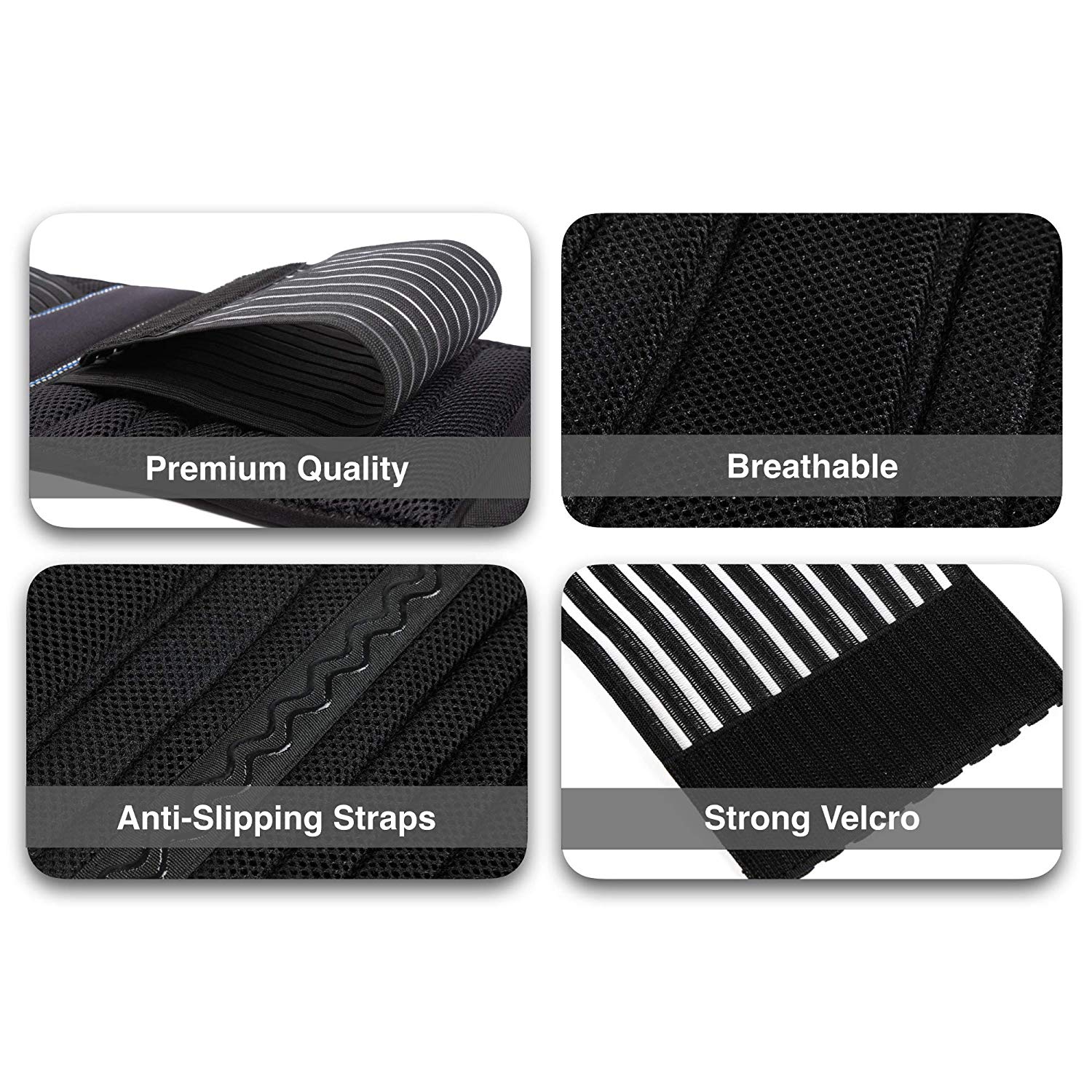
The main body of the belt fastens first, then the side straps can be pulled forward and secured to increase support. This double-pull arrangement gives more control than a single fixed fastening alone.
That matters because lower back symptoms rarely behave the same way all day. Some mornings the back feels stiff and guarded early on. On other days it copes reasonably well at first, then starts to ache later after standing, walking, or repeated activity. The ability to increase support for more demanding tasks makes the belt more useful in ordinary life.
A firmer setting may feel better for lifting, a longer walk, prolonged standing, or a busier day. A lighter setting may be enough for general movement or seated work. That flexibility helps the support match the way symptoms actually behave rather than forcing one fixed level of tightness all day.
Better day-to-day wearability
A support belt only helps if it is comfortable enough to wear during the times it is actually needed. If it feels heavy, digs into the waist, or becomes irritating as soon as sitting or walking begins, it is far less likely to be used when symptoms are flaring. Fit and finish are not minor extras here. They affect whether the support is comfortable enough to keep using when it is needed most.
The more ventilated side sections help reduce the closed-in feeling that some firmer supports create, particularly during longer periods of wear. Smoother edges can also help reduce the local digging that sometimes happens around the lower ribs, waist, or hips when a support is worn while sitting or bending.
The close fit over the lower back may also help the area feel a little less cold and stiff while the belt is being worn. That is a secondary comfort effect rather than the main reason the belt helps, but it can still make the first part of movement feel less abrupt when the lower back is tight after sitting or rest.
The back section also contains built-in magnets. These are part of the belt’s construction, but they are not the main reason this support may help. The clearest explanation remains its broad contoured back support, semi-rigid reinforcement, adjustable compression, and stable fit.
Who this belt is most likely to help
This type of belt is usually most helpful when lower back symptoms clearly change with certain positions, repeated tasks, or the back becoming less comfortable as the day goes on. In practical terms, it tends to suit people whose pain is affected by movement and loading rather than feeling completely unrelated to what the back is doing.
It may suit people who feel a broad ache across the lower back after prolonged standing or walking, especially when posture starts to fade later in the day. It may also suit those who feel stiff or guarded after long periods of sitting and notice that the first few movements afterwards are the most awkward. Others find this sort of support useful when lifting and carrying make the lower back feel vulnerable, or when repeated bending, reaching, or changes of position steadily build discomfort.
This belt may also be particularly useful in the stage after a lower back strain when the sharpest pain has eased but the area still feels easy to stir up. At that point, the back often does not need complete rest, but it does benefit from firmer support while confidence and day-to-day comfort return. Another common situation is fatigue through the lower back during desk work, driving, travel, prolonged standing, or a busy day with plenty of ordinary activity.
If your symptoms sound like that, this belt is worth considering. If symptoms are severe, changing quickly, or not behaving in a clearly movement-related way, support may still offer some comfort, but it should not be the only response.
How to wear it, fit it, and what to expect
Positioning and fastening
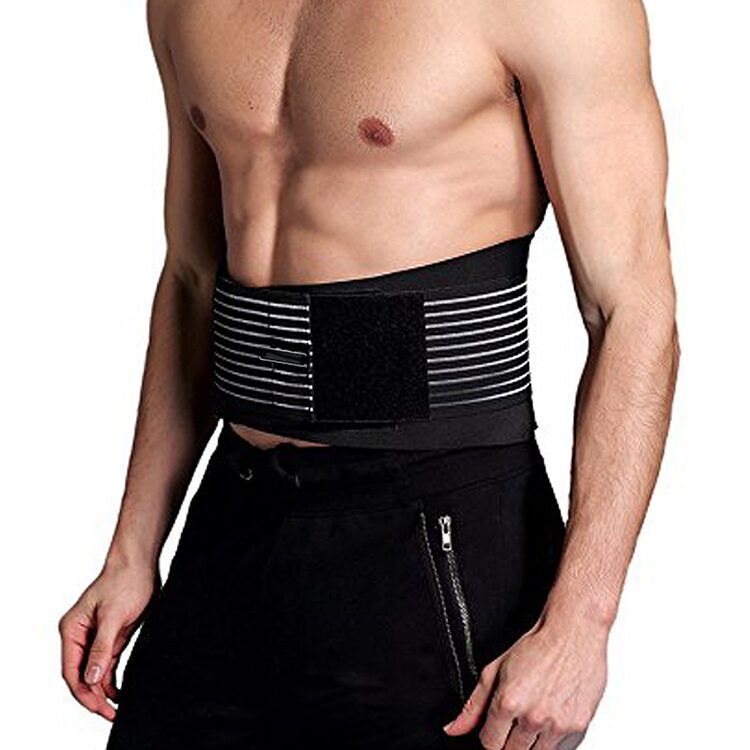
This belt is generally worn centred over the lower back, with the broad back section sitting across the lumbar area around the belt line and just above the top of the pelvis. In practical terms, the main back section should cover the part of the lower back where pain, fatigue, or stiffness is most often felt. It should not ride too high into the mid-back, and if it sits too low it may miss the part of the lower back it is designed to support.
The belt should be fastened by securing the main body first, then using the side tension straps to adjust the level of support. That sequence usually gives a better result than pulling everything as tight as possible straight away. A good fit should feel firm and supportive, not hard, pinching, or restrictive.
The lower back and lower abdomen should feel more secure, but not squeezed to the point that sitting becomes uncomfortable or breathing feels restricted. If the belt digs in, creates pressure, or causes numbness or clear discomfort, it is too tight or not sitting properly and needs adjusting. More pressure does not mean better support.
When to wear the belt
This type of support is often most useful during the activities that usually trigger symptoms. That may include standing for longer periods, walking on harder ground, lifting and carrying, driving, desk work, or busier days when the lower back tends to feel tired and less steady. It may also help during a flare-up when the back feels guarded or especially easy to aggravate.
For many people, the most sensible approach is to use the belt when the lower back clearly benefits from support rather than wearing it automatically in every situation. If certain tasks reliably stir symptoms up, using the belt before or during those tasks often makes more sense than putting it on only after discomfort has already built.
The belt should not be treated as a free pass to keep repeating the exact movement habits that clearly irritate the back without any adjustment. If repeated bending, poor sitting posture, long uninterrupted standing, or careless lifting are reliable triggers, the belt may reduce some of the strain, but the lower back is still likely to cope better if those triggers are managed sensibly as well.
It is generally sensible not to sleep in a support belt unless that has been advised by a GP, physiotherapist, or another appropriate clinician.
What it should feel like and what you may notice
The most realistic benefits are practical rather than dramatic. Many people notice that the lower back feels more supported, less fatigued, and less easily irritated during the tasks that would usually bring symptoms on. Standing may feel more manageable. Walking may feel less wearing through the lower back. Lifting or carrying may feel more controlled. Getting up from sitting may feel less abrupt if stiffness after being still is a main part of the problem.
If symptoms are closely tied to fatigue through the lower back and waist, you may also notice that you are less likely to sink into the sitting or standing positions that usually make the back ache later in the day. If stiffness and guarding are part of the picture, the lower back may also feel easier to move once the area has warmed slightly within the support.
Results are rarely all or nothing. The usual aim is better day-to-day comfort and less aggravation rather than complete disappearance of pain. Being able to stand a little longer before ache builds, walk more comfortably, or get through aggravating tasks with less lower back fatigue is still a worthwhile outcome.
Size and fit
The available sizes are:
-
- Medium: 74–86cm
-
- Large: 86–100cm
-
- Extra Large: 100–113cm
-
- XXL: 113–119cm
For most people, the best approach is to measure around the waist or lower abdomen at the level where the belt will actually be worn. Because this is a lower back support that wraps the lower trunk, the exact point where it will sit matters more than measuring at the narrowest part of the waist if that is higher up.
If you are between sizes, the choice will usually depend on whether you prefer a firmer feel or a slightly more forgiving fit. The adjustable strap system then helps fine-tune the support once the base size is right. A belt that is too loose may shift and fail to provide the support the design is there to give. A belt that is too tight may dig in, feel restrictive, and become difficult to tolerate for the length of time it is actually needed.
Looking after the belt
The belt is best cared for by hand washing and air drying. Because the support elements are built into the design, there are no removable panels to take out before washing. Keeping the belt clean and properly dried helps preserve comfort and day-to-day wear.
When to seek advice and who should be cautious
This information is general guidance for adults and is not a personal diagnosis. A lower back support belt may help with some common movement-related and posture-related lower back problems, but there are times when further advice is important.
It is sensible to speak to a GP, physiotherapist, or another appropriate clinician if pain is severe after an injury, symptoms are changing quickly rather than settling, pain is spreading significantly into the leg, numbness, tingling, or weakness is becoming more noticeable, or symptoms are not improving or are repeatedly returning despite sensible management. It is also sensible to seek advice if the pain feels unusual or unexplained, or if symptoms no longer follow the sort of movement-related behaviour that was present before.
Stop using the belt and seek advice if it causes worsening pain, creates numbness or uncomfortable pressure, feels excessively tight, or irritates the skin significantly. A support belt should make movement feel steadier. It should not create new problems of its own.
This belt should not be used during pregnancy. It should also be used cautiously, or avoided unless appropriate advice has been given, if there are significant skin conditions in the area where the belt will sit, or if there is known sensitivity to materials used in supports of this kind.
Because this belt contains built-in magnets, it should not be used by anyone with a pacemaker, defibrillator, or other implanted medical device that could be affected by magnets.
The belt can be worn directly against the skin if preferred, but comfort and skin tolerance should guide use. If you are unsure whether this type of support is suitable, especially where symptoms are more persistent, more complex, or harder to place, professional advice is the safest next step.
Common back pain patterns this belt may suit
The lower back can hurt for different reasons, and not every problem behaves in the same way. The overviews below are general guides rather than a personal diagnosis. They are there to help you recognise whether your symptoms sound like one of the more common lower back problems in which this type of belt often makes practical sense.
Is this the right kind of support for your back pain?
If your lower back pain is the sort that builds with standing, sitting, repeated bending, lifting, travel, or fatigue through the day, this belt is designed for that sort of problem. It is not a generic soft wrap and it is not a rigid brace. It is better suited to the middle ground where the back needs firmer, better-shaped support than a basic elastic belt can provide, while still allowing ordinary daily movement.
The broad contoured back section supports more of the lower back at once. The semi-rigid stays help the belt keep doing its job once the day is under way. The wraparound compression and adjustable double-pull straps allow the lower back and lower abdomen to feel more supported together during standing, walking, lifting, and changes of position. For backs that are easily aggravated by time on the feet, repeated bending, posture-related fatigue, or day-to-day strain, that is often the practical difference that matters.
If that sounds like the way your symptoms behave, this belt is worth considering. Check the sizing carefully, measure where the belt will actually sit, and use it during the situations that genuinely trigger symptoms. If there is any doubt about whether it matches the way your back pain behaves, or if symptoms are more severe, new, or unexplained, it is sensible to speak to a GP or physiotherapist before relying on it.
Disclaimer
This information is general guidance only. It is not a substitute for individual medical advice, diagnosis, or treatment. If there is any uncertainty about whether this support is suitable, or if symptoms are more complex, new, or unexplained, speak to a GP, physiotherapist, podiatrist, or another appropriate clinician for personalised advice. No product can guarantee a particular outcome.
18 Reviews For This Product
Fast & Secure Checkout Through Paypal
Pay with Paypal the secure payment gateway that accepts all credit and debit cards. Paypal is free and secure and no credit or bank information is ever stored or shared with us.
Fast Dispatch
Enjoy your items soon with quick dispatch via Royal Mail. Expect to have your items between 1-3 working days for domestic orders. 7-10 Working days for international orders.
Return Policy – 30 Day Money Back Guarantee
In the unlikely event, you are unhappy with your purchase you can return it within 30 days for a refund. Please contact us via the form on the contact us page to start your return.
To return an item please send it to: Nuova Health UK, 81 Highfield Lane, Waverley, Rotherham, S60 8AL. Please include a note with your order id so we know who to refund. Please retain your postage receipt as proof of postage. All that we ask is that the item is in the original packaging and unused.
by James E. Clark
A great fit, very comfortable to wear and has helped tremendously with my lower back pain.
by Naomi Price
Fits perfectly, great quality and does a great job at soothing my back pain. Would highly recommend.
by Jeffrey Ward
Just what I needed! Since wearing this back support my lower back pain has really improved. I would definitely recommend this back support to anyone suffering from lower back pain.
by Brett Buchanan
Helped get rid of my back pain.
by Top notch!
Recently I have been diagnosed with lower lumbar spinal discitis which is truly painful! I chose to buy this back support to help stabilize my back and to help correct my posture particularly when I am sat down.
As soon as I started wearing this back brace I immediately felt more secure and stable when moving and rotating my back. plus it has eased my back pain so much and unlike other back supports that I have worn before this back supports support is very light weight and comfortable to wear (I hardly know its there most of the time).
by bill
This lower back support has really helped me and helped stop me from slouching when I am on the computer! I started getting real bad back aches because I was wrecking my posture when I would be on the computer doing my work for hours at a time… but these lower back supports have helped prevent me from slouching and have saved my back! Thanks a lot!!!!
by Elaine Renn
I have been suffering from terrible back pain recently but thanks to the support belt and also yoga I have noticed a big improvement as my lower back does not hurt anywhere as near as much as it did! I am sooooo happy!
by Really good!
This is a really well made and really comfortable to wear (most of the time you actually forget that you have the belt on). It has really done wonders for my lower back.. as I used to suffer from terrible aches and pains down there due mostly to my poor posture however this back support helps to keep me from slouching and I no longer really suffer anywhere near as much as I used to do.
by Jennifer Watts
Exactly what I was looking for!
by Bryce
Works great for me especially when I am on my computer for hours on end, stops me from slouching and damaging my back. YAY 😀
by Mark
I bought this back support to help ease tension in my back that I was having. It has worked amazingly well and my back now feels great. Will definitely buy again.
by Steven
I have really bad posture and I’ve tried really hard making a conscious effort stand up straight and not to slouch or hunch my back but this is easier said then done. Everytime I try to stand up straight after a while I would get distracted and find myself slouching and hunching my back again. This is why I decided to buy this back support so I don’t have to be constantly aware of keeping my back straight and my posture correct. Since wearing this back I have noticed a huge difference in my posture and my back feels a lot better now. I no longer get the aches and pains in my lower back like I once did plus I look a alot taller now! If you have bad posture and back pain this is a must buy – its the only thing that helped me.
by Ellen Jackson
Really helped with my sciatica. Thanks!
by Erica Gomez
The belt really does help with my posture. I’ve been diagnosed with a lifelong Neurological Disorder that causes perpetual pain: the heat provides some relief. However, be careful if you have sensitive skin: don’t use it for long, because after a while the heat caused a stingy/burn feeling around my abdomen and took a while to calm down.
It’s a great product, just listen to your body!
by Jack
Overall a very good quality back support belt that has really helped ease and soothe my lower back pain. After wearing it for the past 3 weeks I have noticed a definite improvement in my posture and stance. It did take a little bit longer than expected to be delivered but no worries. Would BUY AGAIN.
by John Harland
Been looking for a replacement for an old back support belt for ages (tried others that were too bulky or uncomfortable). This one fitted the bill and first impressions are good: it provides just the support I was looking for when my lower back is sore and is not at all bulky.
by Carole fearing
Best support for my back for golf
by Layla Al-Hassan
My job requires me to stand for long periods, which has been murder on my lower back. I bought this support, and honestly, it’s been wonderful. It fits snugly and doesn’t feel bulky under my clothes. I wear it during my shifts, and the difference is night and day! The adjustable straps make it easy to get the perfect fit every time. My colleagues have even noticed how much more comfortable I seem, and a few of them are considering getting one too.