
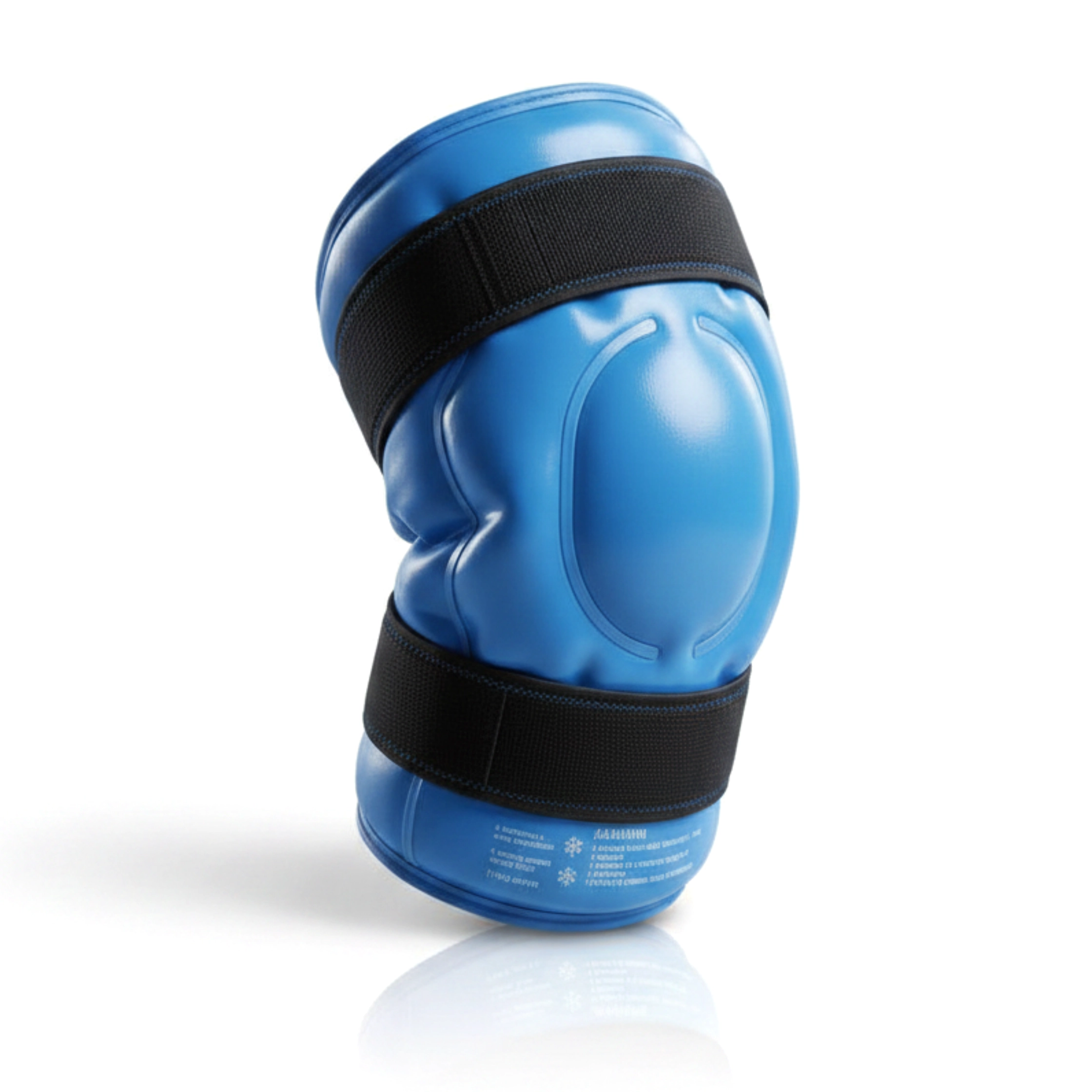
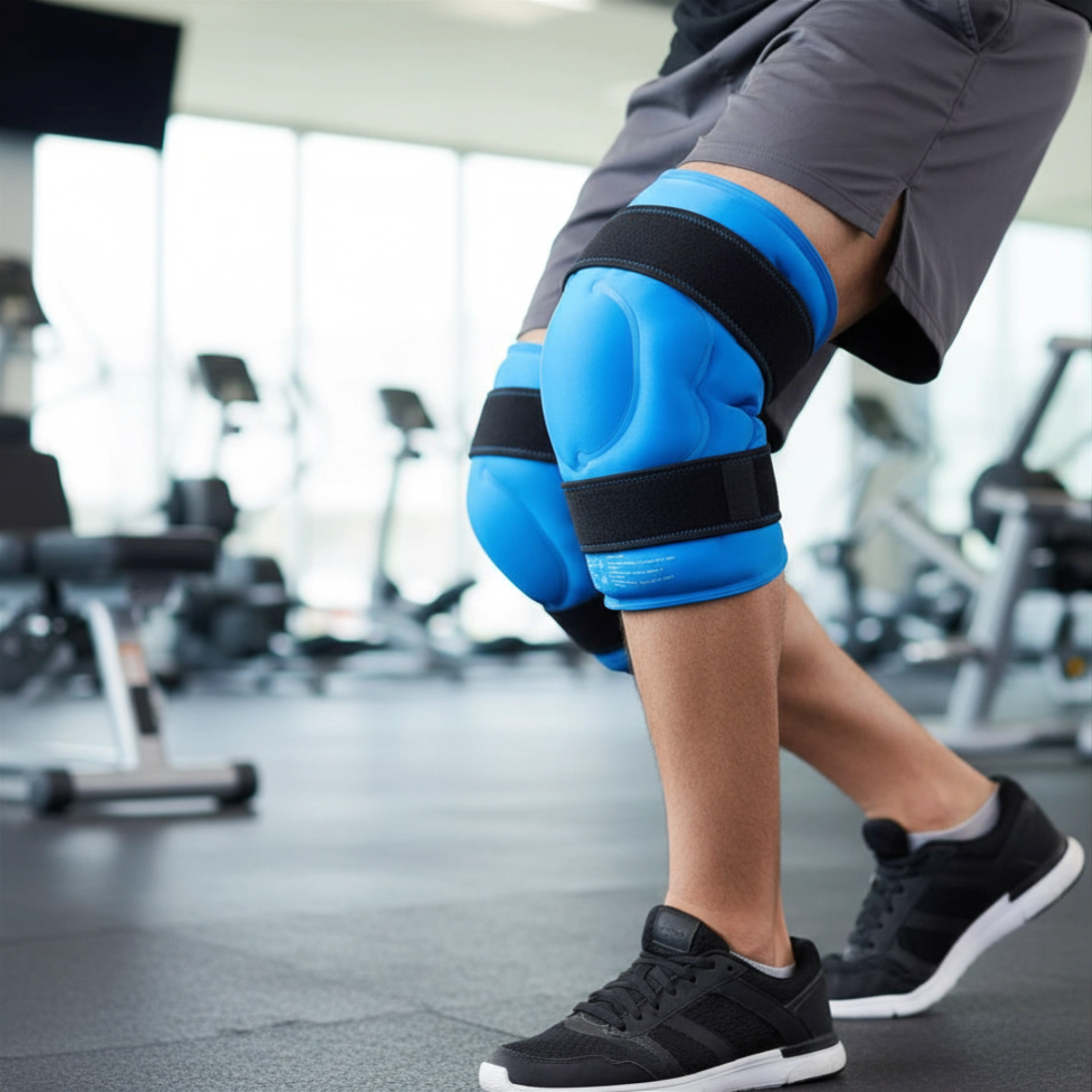
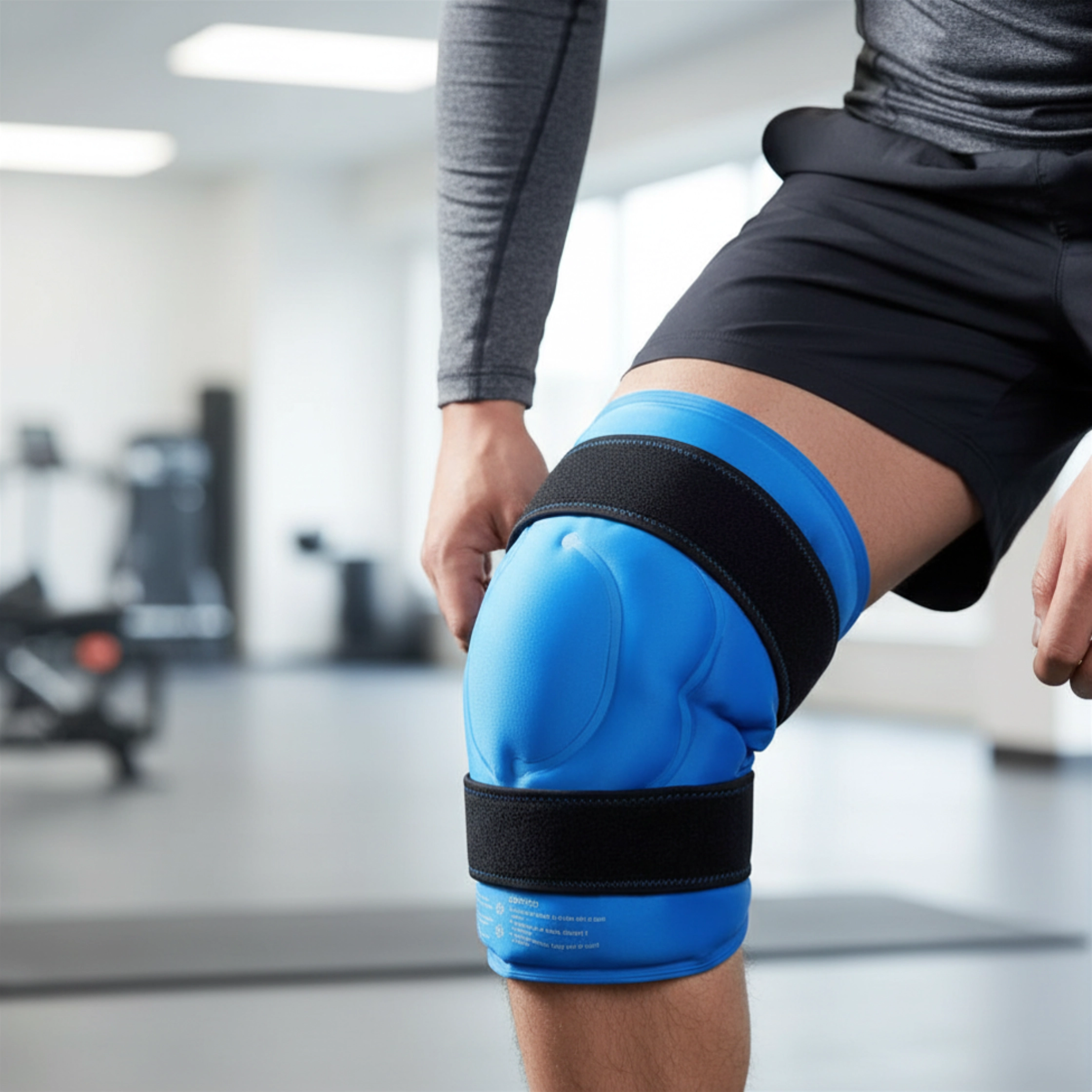
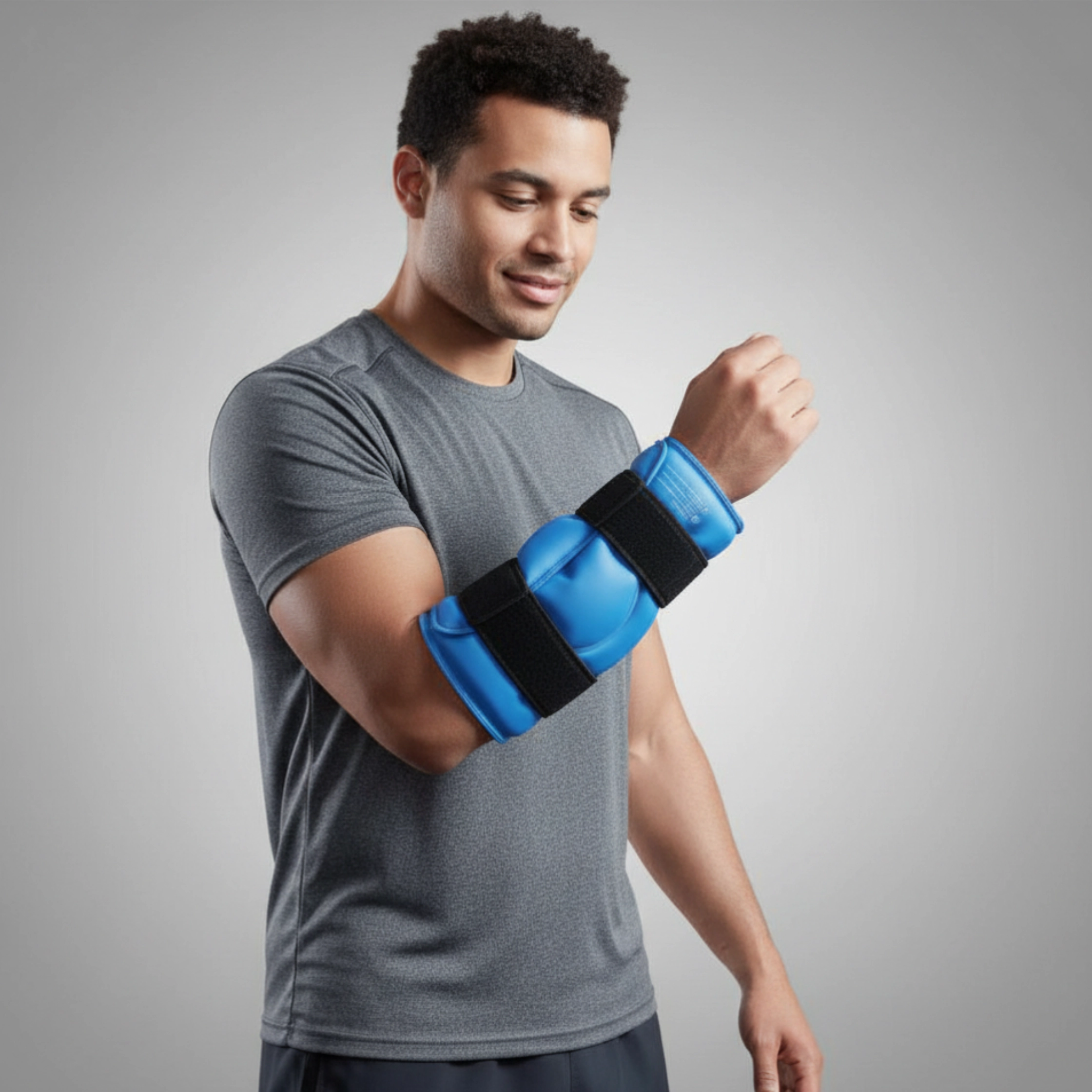
Hot & Cold Compress Therapy Ice Pack Wrap
£22.99£24.99 (-8%)inc VAT
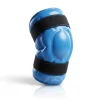
- Flexible hot and cold gel wrap with long, adjustable straps
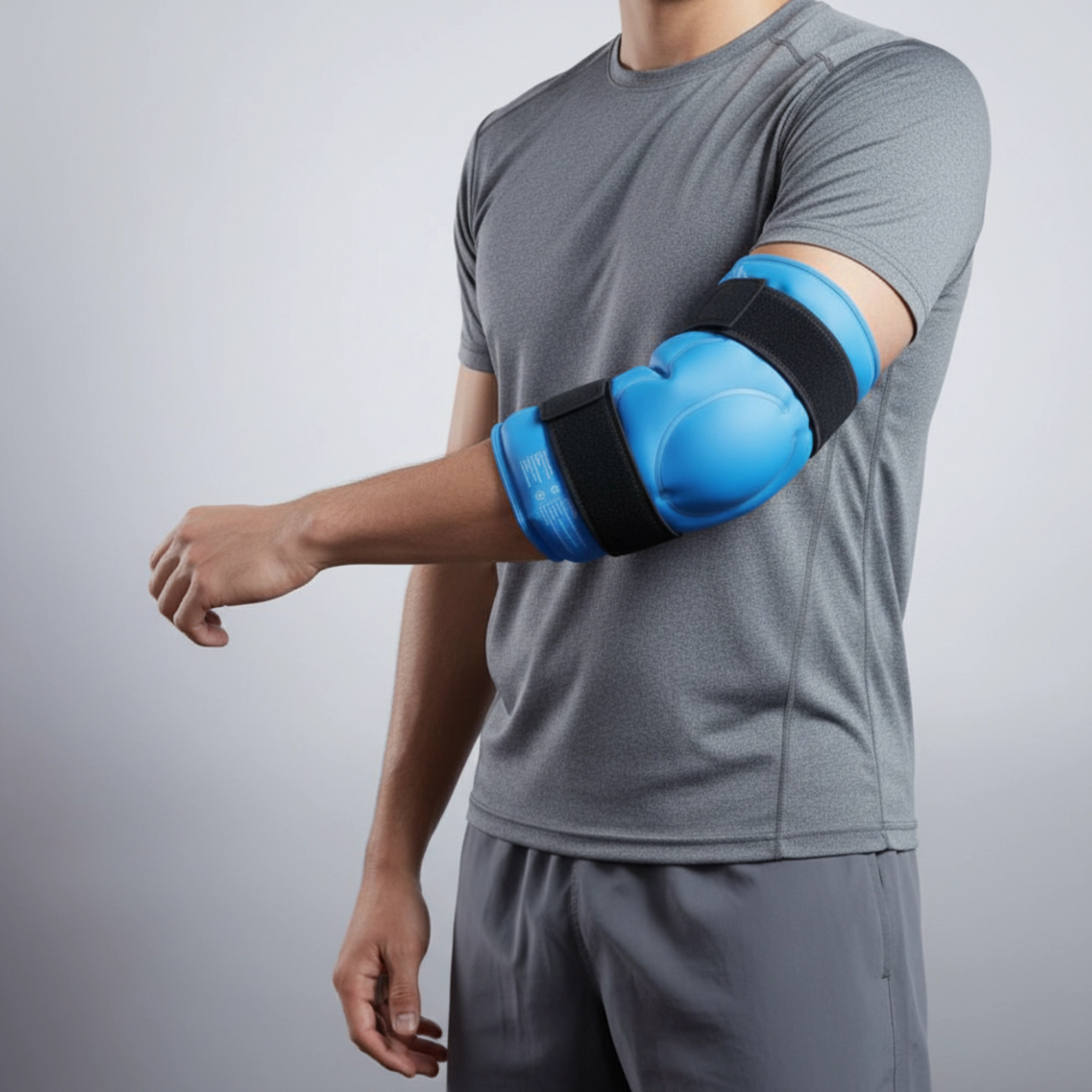
- Designed for knees, shins, lower legs, ankles, calves, thighs, elbows, forearms and upper arms (not the shoulder or neck)
- Wrap‑around design for near 360‑degree contact so cold or warmth reaches all the way round the joint or limb
- Use chilled to help calm fresh swelling, bruising and sharp pain after twists, knocks or muscle strains
- Use warmed to ease stiffness, tight muscles and dull, lingering aches around joints and muscle groups
- Combines temperature therapy with gentle, adjustable compression to discourage fluid build‑up and give joints and muscles a more supported feel
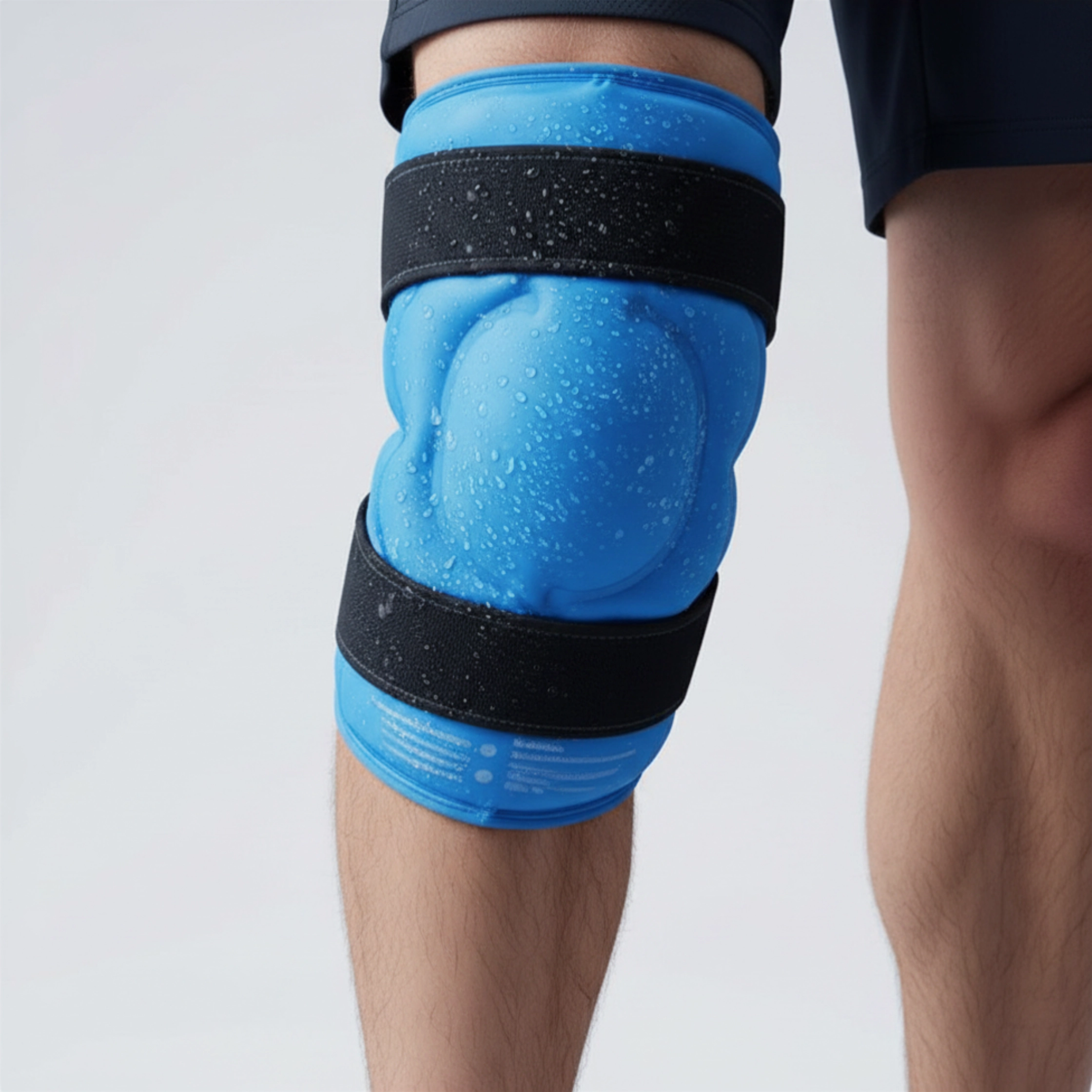
- Segmented gel sewn in place for even temperature around curves, with no slipping or bunching to one end
- Gel stays flexible when cooled so it moulds closely around knees, shins, ankles, elbows and other bony areas without digging in
- Two long hook‑and‑loop straps fit a wide range of limb sizes and let you set your own level of snugness and support
- Helpful for sprains, tendon and ligament strains, shin splints, upper‑arm and calf strains, and arthritis‑type knee and elbow flare‑ups
- This style of NuovaHealth wrap is the kind of pack many clinicians are happy for patients to use at home between appointments
- Reusable, wipe‑clean outer surface for regular home, work or post‑sport use; follow timed hot/cold sessions and skin checks, and seek clinical advice if symptoms are severe, unusual or not improving
Hot & Cold Compression for Sore Joints and Muscles
One awkward twist, a harder training session or a long day on your feet can suddenly change how easy it is to move. A knee can balloon after a turn, a strip along the shin can throb after a run, or an old elbow issue can flare from lifting something that never used to bother you. Instead of moving freely, you are dealing with irritated tissues around a joint, extra fluid collecting in the area, and muscles tightening up to guard it.
You might notice a puffy ring around a knee, a hot, angry strip along the shin bone, or a deep stiffness in the calf or thigh that makes it hard to get going again. Bending and straightening a knee, walking on firm floors, standing still for a while or using stairs can all feel sharper and less steady.
You cannot always control when these problems start, but you can affect how they feel and how quickly they settle. Changing temperature and applying gentle, steady pressure to the right area alters blood flow, fluid movement and muscle tension in the tissues under the skin. That can make pain, swelling and stiffness easier to live with while your body does the actual healing.
NuovaHealth’s Hot & Cold Compress Therapy Ice Pack Wrap is built to help you do exactly that. It combines cold, heat and adjustable compression in one flexible wrap that sits around the knee, lower leg, shin, ankle region, calf, thigh, elbow, forearm or upper arm. The idea is straightforward: give you a robust, clinic‑grade style wrap you can reach for when a twist, knock or flare‑up threatens to derail your day, so you have more control over how uncomfortable it feels and how you manage it.
Why Your Joints and Muscles Become Sore, Swollen and Stiff
When you sprain a ligament, strain a muscle, overload a tendon or aggravate a joint that already has some wear and tear, the body responds in fairly predictable ways.
Ligaments are bands of tissue that help keep a joint stable. Muscles and their tendons move the joint and control it as you walk, bend or lift. The lining and capsule around a joint help keep the joint surfaces moving smoothly. When any of these are pushed beyond what they comfortably tolerate – for example, by a sudden twist, a direct knock, or many repeated steps on hard surfaces – small areas of damage and irritation can develop.
That might mean a small tear in part of a muscle, a stretched ligament, or an irritated joint lining. In response, your body switches on an inflammatory process – the body’s repair reaction that causes redness and swelling. Blood vessels in the area open up, more fluid moves into the tissues inside and around the joint or muscle, and repair cells move in to start the clean‑up and healing.
From your side, this can feel like:
- Pain – irritated tissues send stronger signals to your nervous system. This might feel sharp at first and then settle into a dull, nagging ache.
- Swelling – extra fluid collects in and around the injured area, stretching the soft tissues or joint capsule so the area looks and feels puffy.
- Heat and redness – blood flow increases as your body starts to repair, so the skin over the area can feel hot to the touch.
- Stiffness – muscles and other soft tissues tighten to protect the area and limit movement. Joints and muscles often feel especially stiff after you have been still for a while.
If the irritation is recent and sharp, such as after a twist or a fall, swelling and heat often build over the first hours and are most obvious in the first couple of days. That is why the first couple of days after a twist or knock are usually when cold and compression make the biggest difference to swelling. If the problem has been there longer, as with arthritis‑type joint changes or long‑standing tendon problems, you may notice more morning stiffness, a dull ache that builds after activity, and joints or muscles that constantly feel tight and slow to loosen.
These changes also explain why simple measures like cold, heat and gentle pressure can help. Cooling an area narrows blood vessels and slows nerve signals in the tissues under the skin, which can calm swelling and pain. Warmth improves blood flow and helps tight muscles and other soft tissues relax. Snug, even compression discourages fluid from pooling and can make a sore joint or muscle feel more supported as you move.
How Heat, Cold and Compression Change What Is Happening in Your Tissues
Heat therapy – easing stiffness and helping movement
When you apply comfortable warmth to an area:
- Blood vessels in the skin and nearby tissues gently widen. This extra circulation brings more oxygen and nutrients while carrying away waste products that can irritate nerve endings.
- Muscles and other soft tissues relax and become a little more elastic, which means less of that stiff, resistant feeling when you try to bend or straighten a joint after sitting, driving or a spell standing.
- The warmth competes with pain signals. Temperature‑sensitive nerve endings send more “warm” information to the brain, which can make the sharpness of pain feel less dominant.
Heat is often most useful when stiffness and ache are the main problems, rather than sharp, hot swelling; later in the healing process, after the initial rush of inflammation and obvious heat has calmed; and for longer‑standing issues such as wear‑and‑tear joint pain, tendon irritation that keeps coming back, or muscles that feel tight and guarded most of the time.
If an area still feels very hot and clearly swollen to the touch, it is usually better to start with cold. Adding more heat at that stage often feels uncomfortable and can make the area feel more full and throbbing. Heat tends to be more comfortable once that very hot, “angry” phase has eased.
Cold therapy – calming fresh irritation and swelling
When you cool an area down with a cold pack:
- Blood vessels narrow. This limits how much extra fluid can move into the surrounding tissues and can help control swelling and bruising after a twist, knock or strain.
- Nerve signals slow. Cold reduces the speed at which pain messages travel through the small nerves close to the skin. That gives a natural numbing effect and can reduce throbbing pain.
- Tissues temporarily use less oxygen and slow their chemical reactions. Around a fresh injury, this can help limit knock‑on irritation in nearby cells.
Cold is especially helpful in the first couple of days after a sprain, strain or knock while the area is noticeably hotter and more swollen than usual; when an area feels hot, swollen and “angry” to the touch after a flare‑up of a longer‑standing problem; and when pain is sharp or throbbing and clearly worsens with load or movement, such as walking on a freshly sprained ankle or bending a recently twisted knee.
Compression – controlling fluid and giving support
Compression simply means applying snug, even pressure around a limb or joint.
It provides a gentle counter‑pressure to the pressure in your blood vessels and tissues, which can discourage excessive fluid from pooling in the soft tissues. Around ankles, knees or lower legs this can help limit puffiness after a twist or after longer periods standing.
It also supports muscles, tendons and ligaments from the outside, so each step or movement feels more controlled and less wobbly. That can make walking, using stairs or standing at a workbench feel more secure on a sore leg or joint. Compression also keeps any hot or cold source in close contact with your skin, which makes temperature therapy more even and effective.
Compression is particularly useful when there is visible swelling around a joint or lower leg, when you want to support a joint or muscle while still being able to move, and when you are using heat or cold and want that temperature to spread evenly around the area rather than just in one spot.
Why Combining Heat, Cold and Compression in One NuovaHealth Wrap Helps
Heat, cold and compression each have their own benefits. When you combine them in a planned way, they can work together.
Soon after a sprain, for example, cold plus compression around the ankle or knee can help limit the early rush of fluid, take the edge off the pain and give the joint a more stable feel as you move carefully around. A few days later, gentle warmth plus light compression around a stiff knee, shin, calf or upper arm can help it feel more mobile so you can manage your exercises, walk more comfortably or use stairs with less resistance.
Some people also alternate cold and heat, especially with longer‑standing problems that have both flare‑ups and stiffness. Cooling briefly, letting the skin return to a normal temperature, then following with warmth encourages blood vessels to narrow and widen in turn, which helps move blood and fluid in and out of the area. This kind of contrast is usually kept for lingering aches and stiffness once the very hot, swollen phase has settled. If you have reduced circulation or sensation, it is sensible to speak to a clinician before trying this.
If you use contrast therapy regularly, it can be convenient to keep one wrap chilled while another is at room temperature or being warmed, so you can move from cold to heat without waiting. Many people who find contrast helpful choose a second NuovaHealth wrap so they can keep one in the fridge or freezer while the other is ready to warm.
All of these approaches are easier to manage when you have a wrap that can be cooled, warmed and fastened in place, rather than trying to balance loose bags of ice or a hot water bottle with a towel. A well‑fitted wrap helps you keep steady contact over the right area for a suitable length of time, which is important for these effects to build.
How This NuovaHealth Wrap Is Built to Help
The Hot & Cold Compress Therapy Ice Pack Wrap takes the principles above and builds them into a single, flexible product for clinic‑style use at home.
Wrap‑around fit and coverage
The wrap is shaped to sit comfortably around common problem joints and regions:
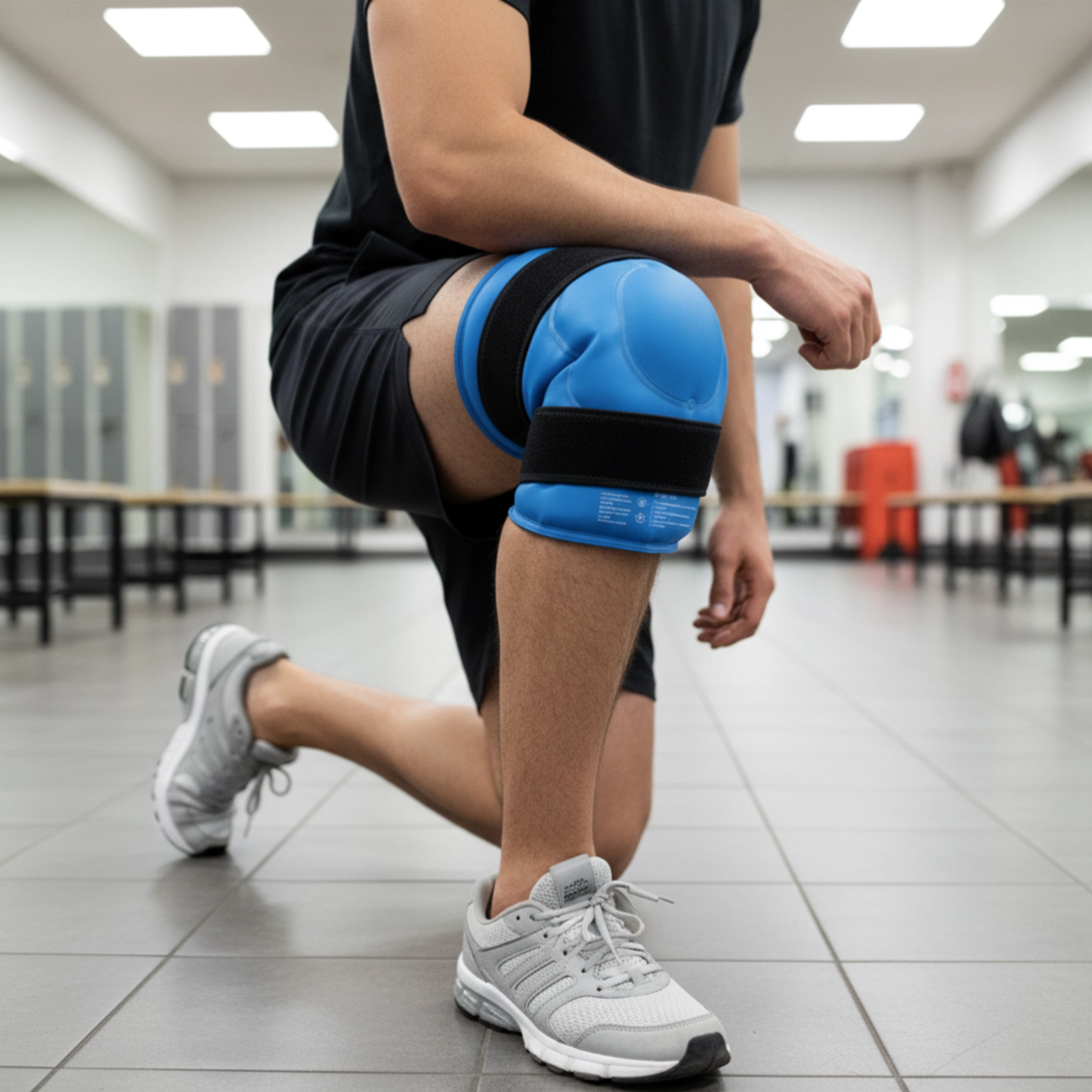
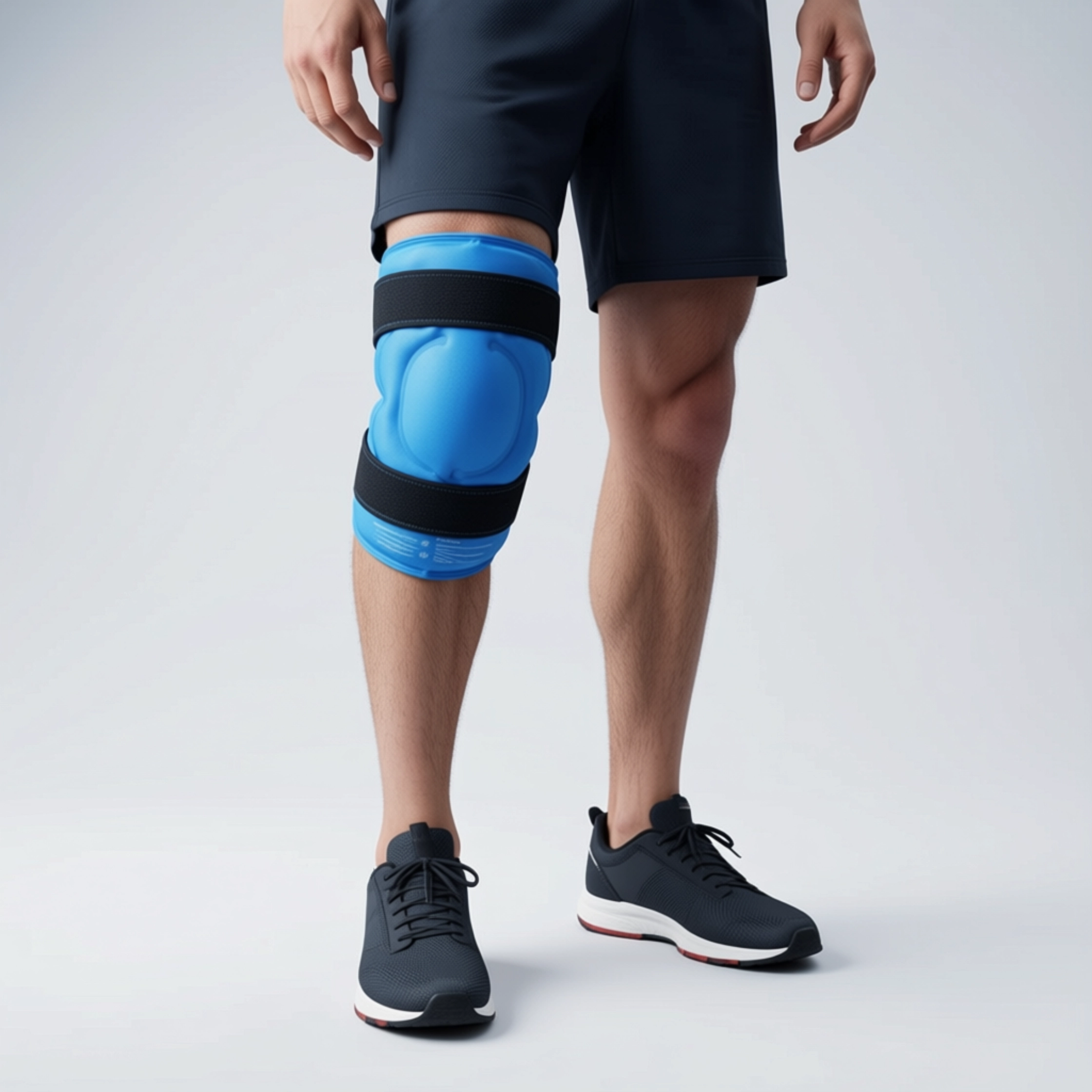
- Knees – wrapping across the front and sides to cover the joint line and surrounding soft tissues, where many people feel pain and swelling after a twist, ligament strain or a flare‑up of arthritis‑type knee pain.
- Lower legs and shins – running along the front or inner side of the lower leg, where shin‑splints‑type pain and calf strains often appear after running or walking on hard surfaces.
- Ankles and the lower leg just above them – providing support and temperature therapy around sprained areas that puff up after a twist or mis‑step.
- Calves – wrapping around the bulk of the calf muscle when it is strained or in spasm.
- Thighs – sitting around the mid‑thigh when there is muscle soreness or bruising.
- Elbows and forearms – covering the outer or inner elbow region and surrounding forearm where overuse problems such as tennis‑elbow‑type pain can develop with repetitive gripping or lifting.
- Upper arms – wrapping around the biceps or triceps area after a strain or knock.
Because it wraps around, you get near 360‑degree contact. That matters because swelling and stiffness rarely stay in one tiny spot – a puffed‑up knee or tender shin often feels sore all the way round. Covering most of the way round the joint or limb helps cold or warmth reach the full irritated area.
Two wide, adjustable straps sit towards the top and bottom of the wrap. They use hook‑and‑loop fastening along their full length, so you can position and tighten them where you want the support. The straps are long enough to fit a broad range of limb sizes, and the same wrap can be used on the left or right side of the body.
When you fasten it over a joint such as the knee or elbow, the straps can also help slow down sudden, full‑range movements. Limiting the last few degrees of bend or straighten can make the area feel more protected and make resting easier in the early stages after an injury, without acting like a rigid brace.
Segmented gel for even hot or cold contact
Inside the wrap is a gel pack that is sewn in place, so you do not have to slide a loose pack in and out or worry about it slipping around.
The gel is divided into multiple small segments. This means the gel does not all run to one end when you move, so you avoid having one very cold lump and other areas barely covered. When you wrap it around a curved surface like a knee, shin or elbow, the segments flex and bend to follow the shape of your body.
This design helps you get more even hot or cold contact all the way around the limb or joint. For many people, this is the difference between cooling one small patch and actually treating the whole swollen knee, shin or upper arm. It makes it easier to cool the full swollen region, or warm the muscles all the way around a stiff joint, rather than just at one point.
The gel is formulated to hold its temperature for a useful session. In normal room conditions at home, many people find that when the wrap has been cooled it provides helpful cold for around 15–20 minutes, and when warmed it offers soothing heat for roughly 20–30 minutes before it gradually returns to room temperature. Your own comfort and skin response are the most important guides.
Flexible even when cooled
Many basic ice packs turn into rigid blocks once frozen, making them hard to mould around joints and uncomfortable to hold in place. This NuovaHealth wrap is put together differently. The gel remains flexible when cooled so that the wrap can curve around your knee or elbow without leaving gaps, sit flat along the shin or calf without digging in at the edges, and provide close contact over awkward, bony areas such as the front of the ankle or the inner edge of the shin.
If a gel pack is so hard or cold that you cannot keep your hand on it comfortably, it is too cold for your knee or elbow. For most people, chilling this wrap for about 15–20 minutes is enough to reach a comfortable and effective cold temperature while keeping it pliable. That flexibility means you are less likely to get one painfully cold spot and other areas barely touched.
Adjustable compression and support
The two straps do more than just stop the pack falling off. They allow you to control how much compression you apply.
A light, snug fit is often best for very sensitive or freshly injured areas where you want contact and gentle support without strong pressure. A firmer fit can feel reassuring for more settled problems, such as a knee that feels a little unstable after a sprain, a shin that aches after activity, or an upper arm muscle that feels bruised, where some external support helps the area feel less exposed.
Because the hook‑and‑loop material runs along the full length of each strap, you can anchor the wrap on different limb sizes and at slightly different angles. This is useful when you are targeting specific painful regions, such as the inner border of the shin in shin‑splints‑type pain, the outer side of the elbow in tennis‑elbow‑type pain, or the front of the knee around the kneecap.
By drawing the wrap close to the skin, the straps also ensure that the hot or cold gel is in firm, even contact with the area you are treating. That makes temperature therapy more efficient and reduces the chance of patches where very little effect is felt.
Putting the design together
Taken together – the wrap‑around shape, segmented gel that stays put, flexible cold gel and full‑length straps – you get a clinic‑grade style wrap you can use at home. Cheaper flat packs often slump to one end, turn rock‑hard in the freezer and need to be held in place by hand or with awkward bandages. This NuovaHealth design is chosen precisely to avoid those frustrations. People who move on from basic flat packs often comment that this wrap simply stays where they put it and keeps the temperature where they need it.
How This Wrap Fits Into How You Manage Flare‑Ups
Clinicians who manage muscle, joint and tendon problems every day often combine cold, heat and compression at different stages of recovery. A fresh ankle sprain might be strapped with a cold pack and bandage to limit swelling, while a stiff knee later in recovery might have a warm pack applied before exercises.
This wrap brings the same simple ideas into your own routine. It does not replace assessment, guidance or rehabilitation exercises from a clinician, but it does give you a straightforward way to:
- Calm pain and swelling in the early phases of an injury so you can rest, elevate the limb and move around the house more comfortably.
- Ease stiffness and muscle tightness as you recover, making it easier to keep up with gentle walking and any knee, ankle, elbow or upper‑arm exercises you have been given.
- Support knees, ankles, shins, calves, thighs, elbows and upper arms while you get back to normal activity, such as standing at work, walking on pavements or using stairs.
Many people either rest far too much after an injury or try to push through too quickly. Using a wrap like this can make it easier to tolerate sensible, gradual increases in movement while still keeping pain and swelling under control. This style of NuovaHealth wrap is the kind of pack many clinicians are happy for patients to use at home. It is often suggested when people are discharged from physiotherapy or other care with a plan to manage swelling and stiffness between appointments.
Common Problems Where This NuovaHealth Wrap Can Support Your Symptoms
The same underlying processes – irritation, extra fluid, muscle tightening and stiffness – show up in many different conditions. Below are some specific injuries and problems, and how this NuovaHealth hot and cold wrap can sit alongside other care.
How to Use the Wrap and What to Expect
Once you understand how temperature and compression influence pain and swelling, the next step is to use the wrap in a way that fits your situation.
When to use cold
Cold therapy is generally most helpful when an injury or flare‑up is recent, the area feels hotter and looks more swollen than usual, and pain is sharp or throbbing and worsens with load or movement.
In these situations:
- Chill the wrap in the freezer for around 15–20 minutes to achieve a firm but flexible cold temperature, or in the fridge for a longer period for a milder chill.
- Apply it to the affected area for about 15–20 minutes at a time.
- Adjust the straps so the wrap is snug but not uncomfortably tight.
You can repeat this several times a day, as long as you allow the skin to return fully to normal temperature between applications. Short, regular sessions – for example, two or three 15–20 minute applications across the day – are usually more comfortable and effective than one very long one. If the pack feels too hard to mould comfortably around the joint or limb, let it soften for a few minutes before you strap it on.
Most people find that beyond around 20 minutes of cold at one time, the main effect is simply chilling the skin rather than gaining extra benefit deeper down.
When to use heat
Heat therapy tends to be more useful once the initial hot, angry swelling has settled, when the main issues are stiffness, tightness and a dull, lingering ache, and when you are preparing for movement or exercise, or trying to ease discomfort afterwards.
To use heat:
- Warm the wrap in a microwave, following the specific heating instructions supplied with the product. Short bursts with checking in between are safer than one long blast.
- Check the temperature with your hand first on an area of skin with normal sensation. It should feel soothingly warm, not hot or uncomfortable.
- Apply for about 15–20 minutes, making sure the wrap sits comfortably and evenly over the area.
You can use gentle heat before activities that tend to provoke stiffness, such as a morning walk, a trip to the shops, or an exercise session, and again afterwards to help the area relax. Setting a simple timer can be a useful way to keep sessions within a safe time if you are resting while you use it.
Alternating between cold and heat
Some people find benefit in alternating cold and heat, especially with longer‑standing problems that have both flare‑ups and stiffness.
A common way of doing this is:
- Start with a short period of cold to reduce any residual swelling after activity.
- Allow the skin to return to a natural temperature.
- Follow with a period of warmth to relax muscles and soften stiffness.
The changing temperature encourages blood vessels to narrow and widen in turn, which helps move blood and tissue fluid in and out of the area. If you have reduced sensation or circulation problems, or you are unsure, speak to a clinician before trying contrast therapy. It is usually best to start with mild temperature changes and see how your skin and symptoms respond rather than going straight to very strong hot or cold.
What sort of relief to expect
A NuovaHealth Hot & Cold Compress Therapy Ice Pack Wrap will not cure the underlying causes of arthritis‑type joint changes, remove a severe ligament tear or replace the need for rehabilitation after significant injury. What it can do is:
- Take the edge off pain and swelling so you can rest or move more comfortably, for example when walking around the house, standing or using stairs.
- Help manage stiffness and muscle tightness, making exercises and daily tasks such as getting out of a chair, walking on firm ground or doing light household jobs easier.
- Provide support and reassurance around vulnerable joints and soft tissues so that they feel better supported during everyday movements.
Used regularly alongside activity changes, specific exercises and any advice you have been given, temperature and compression therapy can make a clear difference to how sore and stiff the area feels and how confident you feel moving on it. For many people, that difference is enough to turn “I can hardly face the stairs” into “I can get around the house more comfortably”.
Safety and When to Seek Help
Hot and cold therapy are simple tools, but they still need to be used sensibly.
- Check your skin regularly during use. If it becomes very red, very pale, numb or painful, remove the wrap and let the skin recover.
- Avoid using the wrap directly on broken, infected or very fragile skin.
- Be particularly cautious if you have reduced sensation in the area, poor local circulation or certain long‑term health conditions. For example, if you struggle to feel temperature changes in your feet or hands, or have been told your circulation is reduced, it is sensible to speak to a GP or physiotherapist before using hot or cold therapy.
- When warming the wrap in a microwave, always heat in short bursts and check the temperature and distribution of heat before applying it to your body. Do not use it if it feels too hot.
- The gel inside the wrap is not designed to be eaten or applied directly to the skin if the pack is punctured. If the wrap becomes damaged, it should not be used on the skin.
If you experience new or unexplained symptoms, sudden severe pain, marked weakness, major loss of movement in the joint or limb you are treating, or symptoms that do not improve at all over a couple of weeks of sensible self‑care – or that worsen quickly – it is important to have this checked by a GP, physiotherapist or other appropriate clinician. This wrap is there to support comfort and recovery, not to replace proper diagnosis or treatment.
Care, Cleaning and Storage
Looking after the wrap properly will help it last and perform well.
- Cleaning: The outer surface is designed to be wipe‑clean. After use, wipe it gently with a damp cloth and mild soap, then allow it to air‑dry fully before storing or re‑cooling. It is not suitable for washing machines, tumble dryers or harsh cleaning agents.
- Storage at room temperature: You can store the wrap in a drawer or cupboard when it is not in use. Make sure it is fully dry first.
- Storage in fridge or freezer: You can also keep it in the fridge or freezer so it is ready to use. If your freezer is very powerful, avoid leaving the wrap in for prolonged periods that could freeze the gel into a completely rigid block. The aim is a flexible pack that bends easily around your body.
- Durability: The wrap is designed to stand up well to being cooled and warmed again and again with regular use. As with any product, check it occasionally for signs of wear or damage.
Is This NuovaHealth Wrap Right for You?
Pain, swelling and stiffness after injuries, overuse or long‑term joint problems come from a clear set of changes in your tissues: irritation, extra fluid, and protective muscle tightness. By changing temperature and applying gentle pressure at the right time, you can influence how those changes feel and how much they interfere with day‑to‑day movement.
NuovaHealth’s Hot & Cold Compress Therapy Ice Pack Wrap is built to make that as straightforward as possible. Its flexible, segmented gel and long, adjustable straps are designed to deliver cold, heat and compression where you need them, whether that is a sprained ankle, a stiff knee, sore shins, a tender elbow, a bruised upper arm or other common problem areas.
If your main challenges are sharp swelling after twists or knocks, stiffness that makes it hard to get going, or muscles that tighten and ache after a day on your feet, this wrap is a practical option to consider. The next step is to decide whether the way this wrap works fits the symptoms you recognise in yourself, check the sizing and heating and cooling instructions, and, if you are unsure, ask a GP, physiotherapist or other clinician whether it suits your situation.
NuovaHealth focuses on supports and wraps that are practical enough for everyday use but robust enough for clinic‑style routines. If you decide to try this wrap and it does not meet your expectations, NuovaHealth offers a 30‑day money‑back guarantee. Used in a sensible way, alongside appropriate medical advice and rehabilitation where needed, this hot and cold wrap can become a reliable part of how you look after your joints and muscles – helping you stay more comfortable, more active and more in control of your recovery.
Disclaimer
The information on this page is general guidance and does not replace individual medical advice, diagnosis or treatment. It cannot take account of your full medical history or specific circumstances. If you are unsure whether this product is suitable for you, or if you have new, changing, spreading or more complex symptoms, speak to a GP, physiotherapist, podiatrist or other appropriate health professional for personalised advice. No particular outcome can be guaranteed.
5 Reviews For This Product
Fast & Secure Checkout Through Paypal
Pay with Paypal the secure payment gateway that accepts all credit and debit cards. Paypal is free and secure and no credit or bank information is ever stored or shared with us.
Fast Dispatch
Enjoy your items soon with quick dispatch via Royal Mail. Expect to have your items between 1-3 working days for domestic orders. 7-10 Working days for international orders.
Return Policy – 30 Day Money Back Guarantee
In the unlikely event, you are unhappy with your purchase you can return it within 30 days for a refund. Please contact us via the form on the contact us page to start your return.
To return an item please send it to: Nuova Health UK, 81 Highfield Lane, Waverley, Rotherham, S60 8AL. Please include a note with your order id so we know who to refund. Please retain your postage receipt as proof of postage. All that we ask is that the item is in the original packaging and unused.
by Christopher
I’ve been dealing with Osgood Schlatter disease since my teens, it’s a real pest let me tell you. But this Gel Knee Ice Pack Wrap… it’s been a game changer. I love how easy it is to use – into the microwave for a toasty treat or into the freezer for a frosty fix. It’s never been simpler to get a bit of relief from the constant ache in my knees. It’s easy to use and so effective, that I can’t picture my life without it anymore.
by Lewis Harper
The Gel Ice Pack Wrap is a big help for my patellar tendonitis. It’s easy to use and provides both hot and cold therapy. Worth every penny.
by Angela Lear
Living with Meniscitis can be painful, but this wrap has made a difference. The hot/cold therapy is soothing and easy to apply. Highly recommended.
by Mike R
Let me tell y’all about this here Gel Ice Pack Wrap that has done wonders for my knee pain. After a bad fall at work, I was hobbled with a dreaded ACL injury. It was the pain of a lifetime, I tell ya.
This wrap, though, it’s been a boon. Slap that baby on, and you can feel the cold compress go to work, soothing the inflammation and easing the pain. The material is soft against the skin, and it doesn’t freeze solid, so it contours around my knee perfectly.
The best part? It’s got a strap long enough to fit my substantial leg, and it stays put too. Whether I’m taking it easy on the couch or doing my rehab exercises, the pack stays right where it needs to be. Plus, it can be used hot or cold, depending on what your knees are aching for.
So, to all my friends with achy knees, give this wrap a try. It’s been a great help to me.
by JACQUI HALLETT
As a nurse, I understand the value of effective compress therapy. The Gel Ice Pack Wrap does not disappoint. It’s been a great aid for my strain.