Hinged knee brace by KneeReviver for painful, ‘wobbly’ knees
Knee trouble has a way of showing up when you least expect it. It might be a sharp tug on the inside of the joint as you turn. A feeling that the leg might give way as you step off a kerb. A deep, nagging ache after standing or walking for a while. Or a catch around or behind the kneecap when you use stairs, run, or sit with the knee bent for longer than you meant to.
After a while, you start to doubt the joint. You may avoid certain movements, favour the other leg, or tense up every time you put weight through the knee. Usually, this comes down to one or both of two things: the ligaments and muscles are not controlling side‑to‑side and twisting forces as well as they should, or sensitive tissues inside the joint are being pulled, squashed or pinched in certain positions.
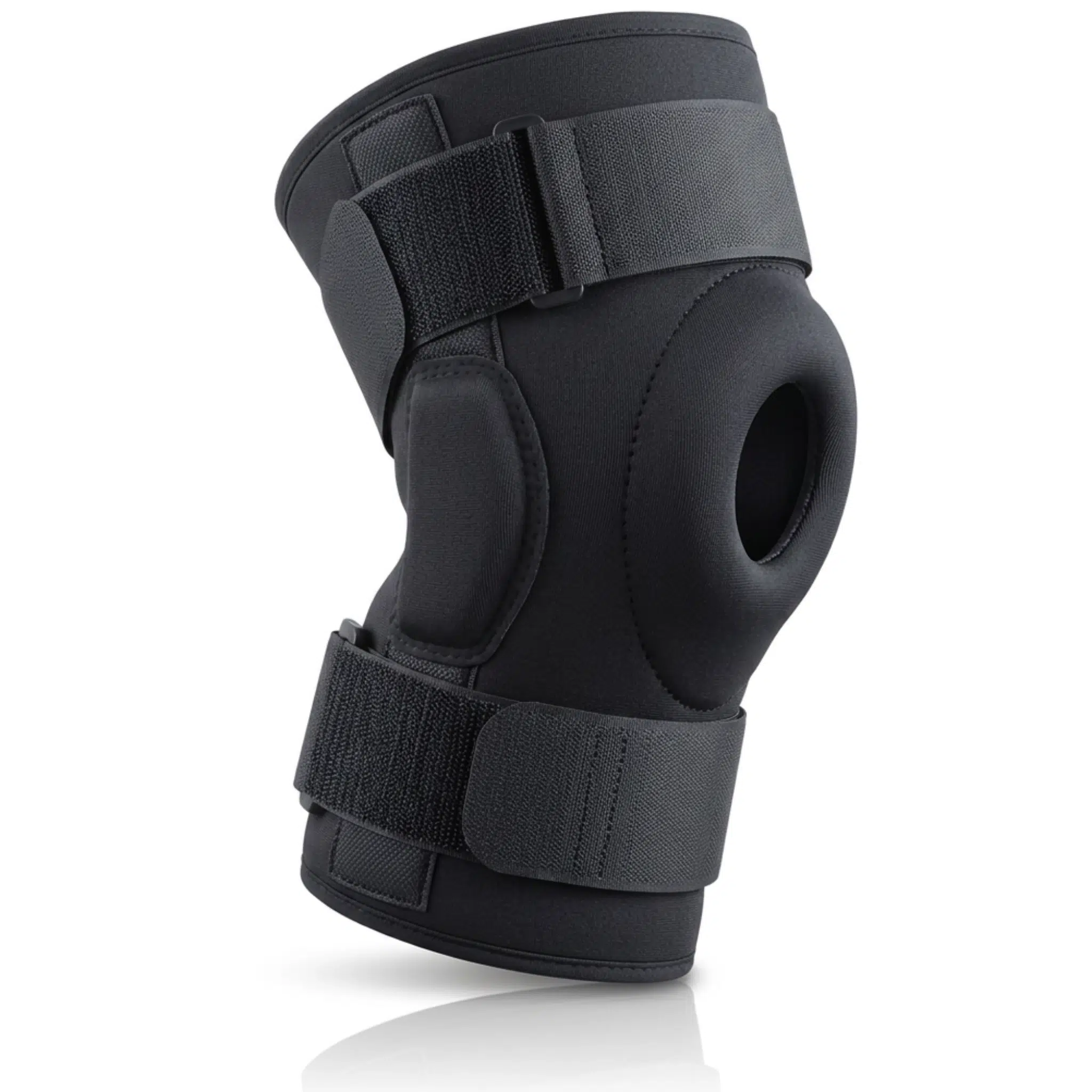
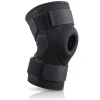
The Hinged Knee Brace by KneeReviver is designed for exactly this. It adds firm supports along the sides of the joint and a snug, supportive fit around it. Together, these reduce inward and outward “wobble,” decrease twisting between thigh and shin, and ease direct pressure over a sore kneecap. The aim isn’t to repair damaged tissue. It’s to help you move with more control and comfort while assessment, rehabilitation and strengthening are underway.
What is happening inside your knee when it hurts or feels unstable?
To understand why a brace can help, picture what the knee does every time you take a step.
The knee is where three bones meet: the thigh bone (femur), the shin bone (tibia) and the kneecap (patella). A few key structures work together so you can bend, straighten and carry weight.
On each side are the collateral ligaments: the medial collateral ligament (MCL) on the inside, and the lateral collateral ligament (LCL) on the outside. These firm bands stop the knee from collapsing inwards or bowing outwards when you stand, walk or turn.
Deep in the middle are the cruciate ligaments: the anterior cruciate ligament (ACL) at the front and the posterior cruciate ligament (PCL) at the back. They limit the shin from sliding forwards or backwards and control some of the rotation as you pivot, slow down or change direction.
Between the femur and tibia sit two C‑shaped pads of cartilage called the menisci. They spread forces across the joint surface and absorb impact when you walk, squat or come down from a step.
At the front, the kneecap runs in a groove on the femur. It acts like a pulley for the thigh muscles, and its tendon (the patellar tendon) attaches to the top of the shin.
When these parts are coping well, they share the strain between them. Trouble starts when one or more is overstretched, irritated or worn.
If a collateral ligament is strained or partly torn, even ordinary side‑forces can cause sharp pain along the inner or outer edge of the joint. Turning, side‑stepping or walking on sloping ground can feel wobbly, because the joint suddenly gives way on the injured side.
If the ACL or PCL is injured, the shin can slide or twist a little further and faster than it should. Many people then notice sudden giving‑way or a “shifting” feeling with pivoting, quick stops or going downhill on a bent knee, when those ligaments are working hardest.
If part of a meniscus is irritated or torn, certain mixes of deep bending and twisting can trap the damaged area between the joint surfaces. Straight‑line walking may be manageable, but crouching, kneeling or turning on a planted foot can cause a sharp, localised pain along the joint line, sometimes with catching or locking.
If the kneecap doesn’t glide smoothly in its groove, or the tissues around it are irritable, pressure between the underside of the patella and the femur can build in certain positions. Going downstairs, running or sitting with the knee bent for a long time all press the kneecap more firmly into its groove, so any tracking problem or local sensitivity becomes more obvious.
So whatever the exact problem, a similar thing is happening: some tissue is being stretched, compressed or twisted past its comfortable limit. That’s why the same sort of movement — turning, stepping down, walking on uneven ground, using stairs or sitting with the knee bent — keeps bringing on familiar symptoms. Recognising that link can be reassuring. There’s a mechanical explanation, rather than your knee “just going” for no reason.
At a glance
-
- A hinged knee brace for adults with knee pain, instability, or a feeling that the knee might give way.
-
- Metal side hinges to help control sideways and twisting forces.
-
- Wrap‑around compression support to help with mild swelling and awareness of where the knee is.
-
- An open area over the kneecap with a gel ring to reduce direct pressure at the front of the joint.
-
- Adjustable straps and anti‑slip details to keep the brace in place.
-
- Removable hinges, so you can change the level of support as your knee improves.
-
- Fits either the left or right knee, in sizes Medium to XXL.
Why a hinged brace makes sense for these problems
A hinged knee brace can’t knit torn fibres back together or regrow worn cartilage. What it can do is change how the joint moves and how forces reach sensitive areas as you stand, walk and turn.
Think of the brace as an external guide. It doesn’t take over the knee’s job, but it shares the load and helps the joint stay within a more comfortable range. The hinges work like an extra pair of ligaments on the sides of the knee: they allow you to bend and straighten normally, but discourage the small sideways collapses and sudden twists that often trigger pain or giving‑way. The compression body gives a steady, held feeling that many people find reassuring, and improves your sense of where the knee is, so your muscles can react more naturally. The open patella with gel ring protects the kneecap from direct pressure and encourages it to glide in a more central path.
Used this way, a hinged brace can make walking, using stairs and standing for longer periods feel more predictable. That’s why this style of support is often recommended while tissues settle and you rebuild strength and control.
How the KneeReviver hinged brace is designed to help
Now let’s look at each part of the KneeReviver brace and what it does for your knee in practical terms.
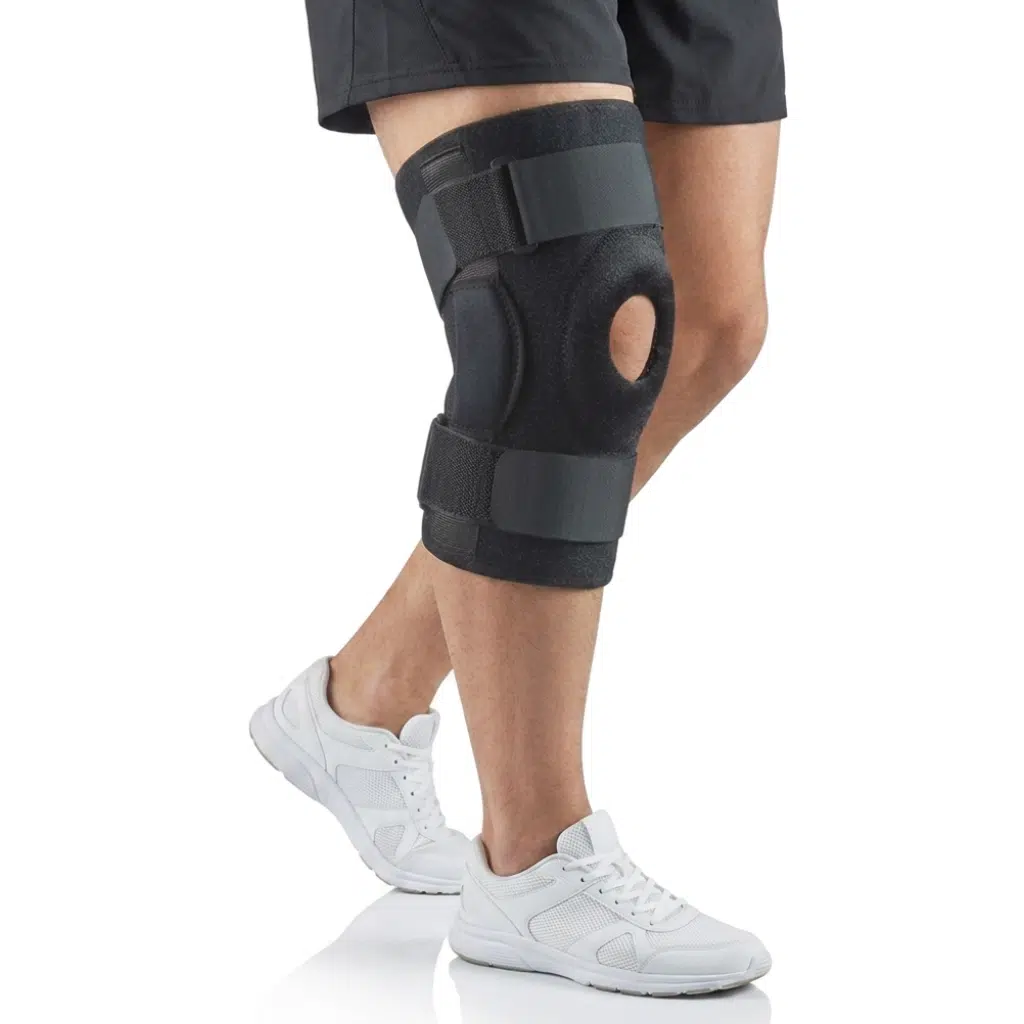
Solid metal supports run along the inner and outer sides of the knee. The hinges move freely as you bend and straighten, but they strongly resist the knee dipping inwards or bowing outwards.
Every time you step, especially when you’re mostly on one leg, forces tend to nudge the knee slightly inwards or outwards. After an MCL or LCL strain, or when osteoarthritic changes have allowed the joint to lean one way, those small side‑forces can be enough to cause a sharp line of pain or a sense that the joint might buckle. With the hinges in place, some of that side‑load is taken by the brace instead of passing straight through sore or weakened soft tissues. That can lessen the sharp discomfort that follows a small inward “dip” onto a healing MCL or an outward “bow” over a sensitive outer edge.
The hinges also hold back some of the twist between thigh and shin. The joint isn’t locked; it still bends and straightens, but the sudden, uncontrolled rotation that often unsettles cruciate‑injured knees or pinches torn meniscal edges is damped down. Movements such as turning on a planted foot, stepping onto uneven ground or changing direction at a normal walking or jogging pace may therefore feel more stable and less likely to trigger a catch or giving‑way.
Because the metal hinges can be removed, the same brace can see you through both the early, more unstable stage and later, lighter‑support phases. When a clinician agrees that the extra side support is no longer needed, you can take the hinges out and wear the brace as a softer compression support instead.
Wrap‑around compression body
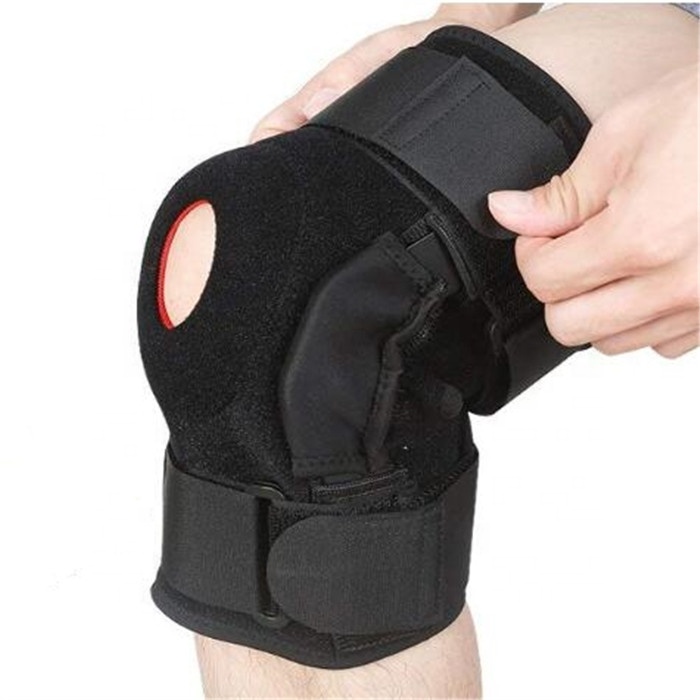
The main body is made from a contoured, supportive neoprene‑blend fabric that wraps fully around the knee and fastens behind the leg. Because it wraps and closes at the back, it moulds to the shape of your thigh and calf more easily than a fixed tube.
Once fitted, the brace gives a snug, even compression around the joint. That gentle compression can help keep mild swelling — the kind that appears after longer spells of standing or walking, or in the days after a sprain or flare — under better control. When swelling is steadier, the joint often feels less stiff and each step feels more like the last. That’s one reason the knee can feel more predictable when swelling is managed.
The constant contact also helps you sense where the knee is. With that clearer sense, the muscles around your hip and thigh can adjust more accurately, keeping the knee stacked over the foot when you take weight, step down or turn. This can be particularly helpful if there have been several minor injuries over the years and the knee feels “not quite under control” even without one major tear.
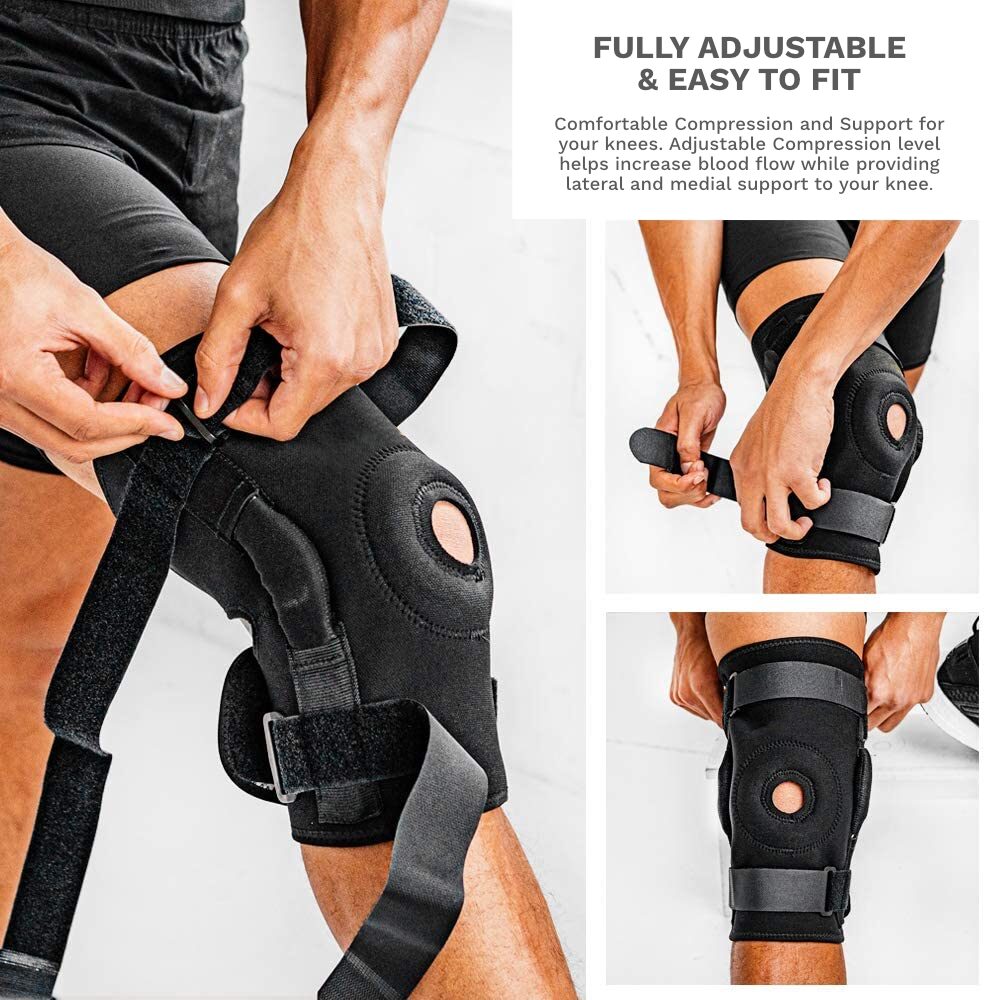
Because the brace wraps and fastens, you can adjust the hold through the day. On days when the knee is more swollen, loosen it slightly; on calmer days, you might prefer a firmer grip. The aim is a close, reassuring hold that doesn’t dig in or cause pins and needles, coldness or colour change below the knee.
Open patella with gel ring
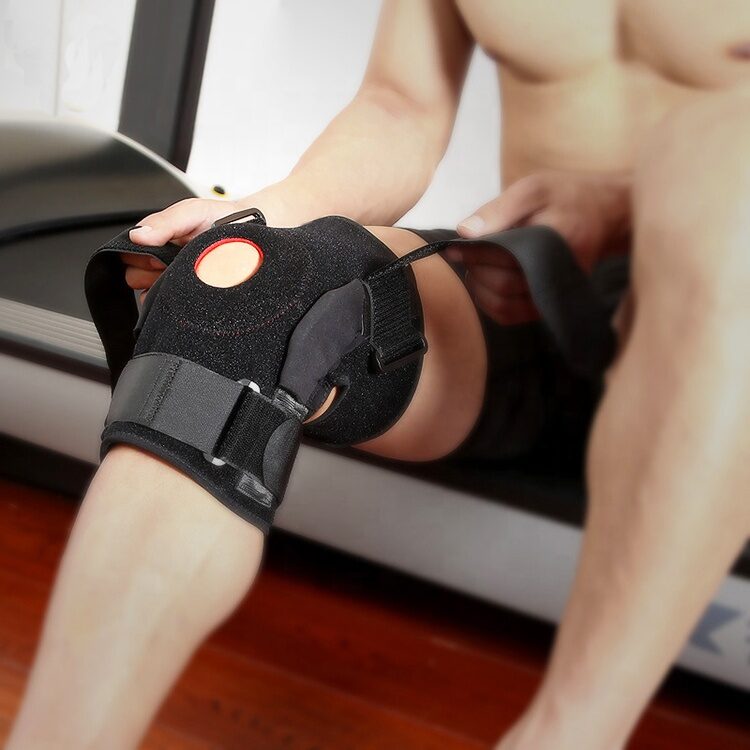
At the front, there’s an open section over the kneecap, surrounded by a full gel ring. Leaving the centre open takes direct pressure off the patella itself, which matters if discomfort is focused around or just behind the kneecap, or if the front of the knee is sensitive after injury or surgery.
The gel ring spreads pressure into the tissues around the patella and adds a gentle guiding effect as the kneecap moves in its groove on the femur. It doesn’t force the patella into a rigid path, but it can encourage a more central glide as you bend and straighten. A more centred path shares forces over a broader contact area and reduces pressure on the sorest spots. That may ease the ache, pressure or sharp twinges that often appear with front‑of‑knee pain when you go downstairs, squat, walk downhill or sit with the knee bent for a long period.
The ring also adds cushioning against everyday bumps to the front of the knee. This can make brief kneeling, bumping the joint against low surfaces, or moving in crowded spaces feel less uncomfortable if you tend to knock or catch the knee from time to time.
Straps, buckles and anti‑slip details
For the hinges to protect the right areas, they need to stay lined up with the side of the joint. The wrap‑around body fastens at the back and has two adjustable straps with buckles at the top and bottom. These let you pull the brace firmly onto the thigh and upper calf so the hinges stay centred over the knee during walking and bending, rather than sliding down towards the shin.
Slim silicone bands inside the upper and lower edges give extra grip against the skin or a thin under‑layer. This helps stop the brace from creeping down or twisting as you move. That matters more if you wear it for long stretches or on busy days on your feet, because without the grip it works loose. Keeping the brace correctly placed means the side‑loads pass into the hinges as planned, rather than into a part of the joint that doesn’t need that support or onto a single point of skin.
Being able to adjust the straps also lets you respond to day‑to‑day changes in knee size. On more swollen days you might ease them off slightly; on others you may want a firmer hold. The straps should always be set so the brace feels secure but doesn’t cause numbness, tingling or obvious colour change in the lower leg.
Comfort and wearability
A support is only helpful if you’re actually comfortable wearing it. The inside is padded, with smooth seams and rounded edges kept away from sensitive crease areas. This reduces rubbing, pinching and the feeling of the brace digging in when you bend or straighten.
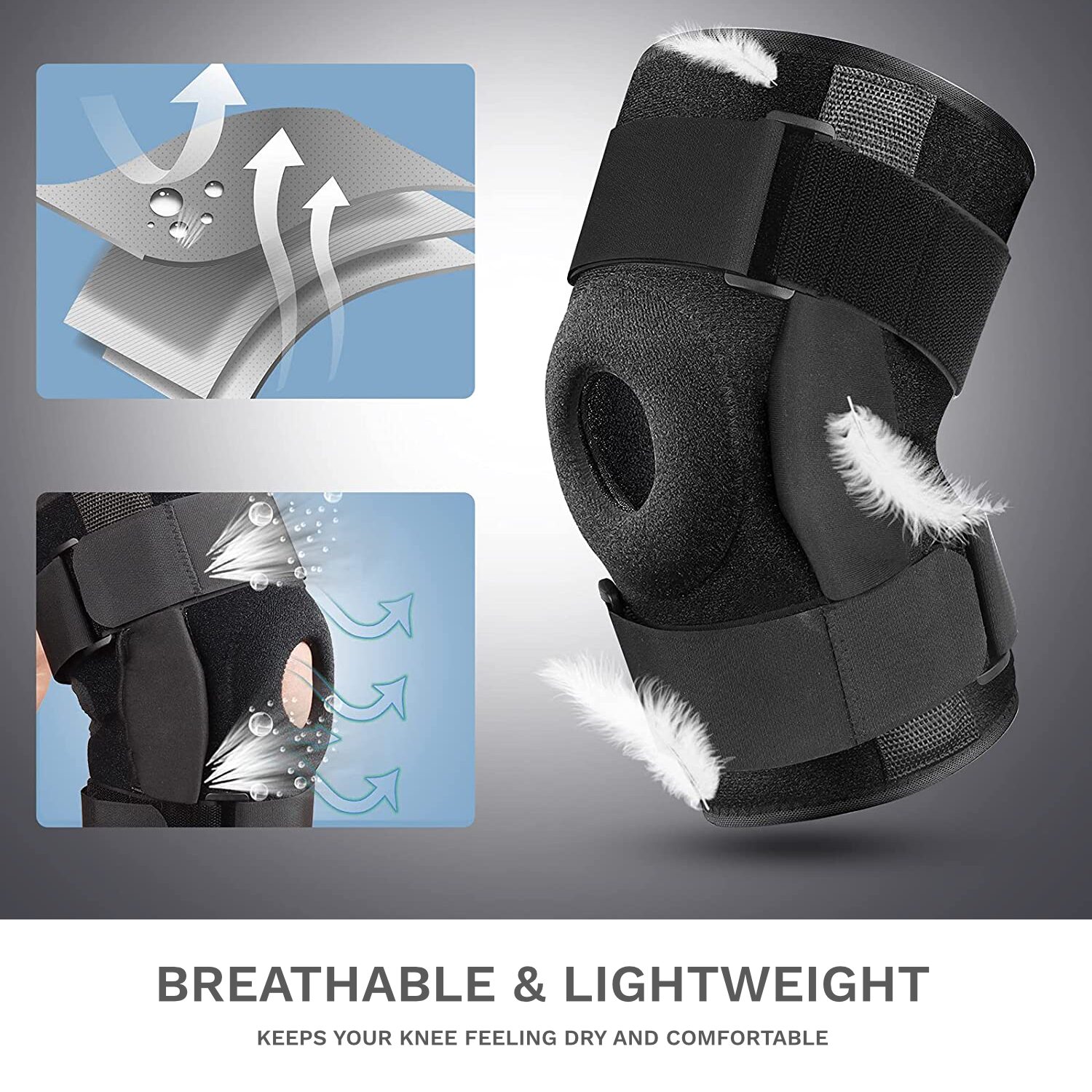
At the back of the joint, the wrap panels and straps meet in a way that leaves a gap across the crease, rather than a thick band of fabric. This reduces bulk behind the knee and makes it less likely that material will bunch up when you sit or kneel. The inner surface is designed to draw moisture away from the skin, which limits sweat build‑up and the clammy feeling that often comes with less breathable supports.
A common problem with knee supports is bunching or rolling behind the knee. This design uses split panels at the back and a low‑profile shape to reduce that bulk. In short, it’s made to give firm support without feeling overly bulky or constantly slipping down.
Comfort also plays a practical role in recovery. If a brace digs in or slides around, you’re far less likely to wear it during the walks, stair climbing and exercises that help rebuild strength and confidence. A support that stays in place without cutting in or overheating is more likely to be used properly — and that’s exactly when it earns its place in your overall knee management.
Getting the right fit and size for your knee
This KneeReviver hinged knee brace is designed for adults and fits either the left or right knee. Getting the size right matters more than most people expect. A brace that’s too loose will slide and won’t support the joint properly. One that’s too tight can dig in, cause discomfort or interfere with circulation.
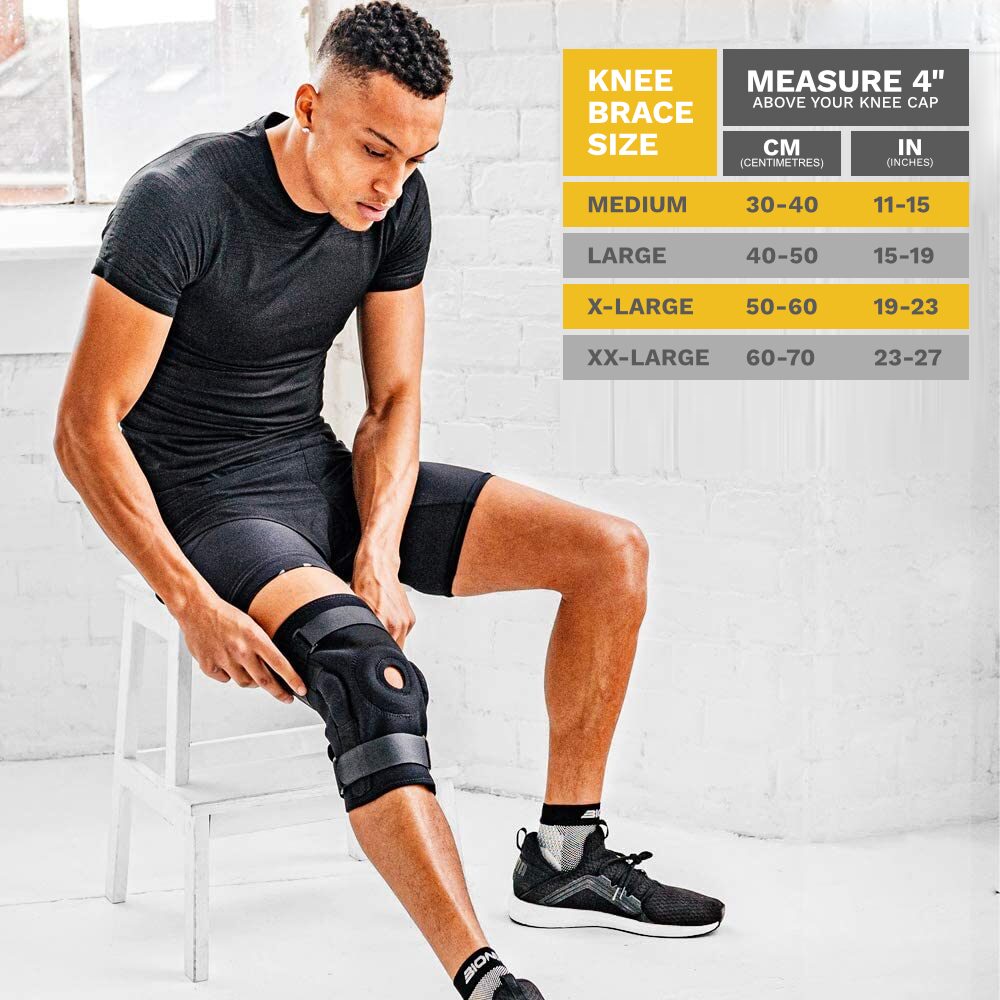
To find your size, measure around your thigh about four inches above the centre of your kneecap. You can do this sitting with your leg slightly bent, or standing with your leg straight. Use that measurement to choose the correct size from the chart below.
Size Chart
| Size |
Thigh Circumference (cm) |
Approximate Inches |
| Medium |
30–40 cm |
11–15 inches |
| Large |
40–50 cm |
15–19 inches |
| XL |
50–60 cm |
19–23 inches |
| XXL |
60–70 cm |
23–27 inches |
If you’re between sizes
If your measurement falls right on the boundary between two sizes, choose the larger option for a more comfortable, secure fit. Always follow the specific sizing instructions that come with your brace, as sizing can vary slightly between manufacturers.
Once you have the correct size, the wrap‑around body and adjustable top and bottom straps let you fine‑tune the fit. The goal is a close, supportive contact without cutting into the skin or causing numbness, tingling or unusual coldness in your lower leg or foot. Because the fastenings are at the back and the straps use simple buckles, most people can put the brace on and take it off without bending or twisting the knee into awkward positions.
If you have significant swelling, marked deformity from advanced arthritis, very fragile skin or known blood flow problems in the leg, talk to a clinician before using any hinged support. In some cases, extra padding, a different style of brace or a bespoke device may be more appropriate.
This product isn’t recommended in pregnancy without individual clinical advice, because pregnancy changes joint laxity and increases the risk of blood clots. Decisions about bracing and activity in pregnancy are best made with a clinician who can see the whole picture.
How to use this KneeReviver brace in everyday life
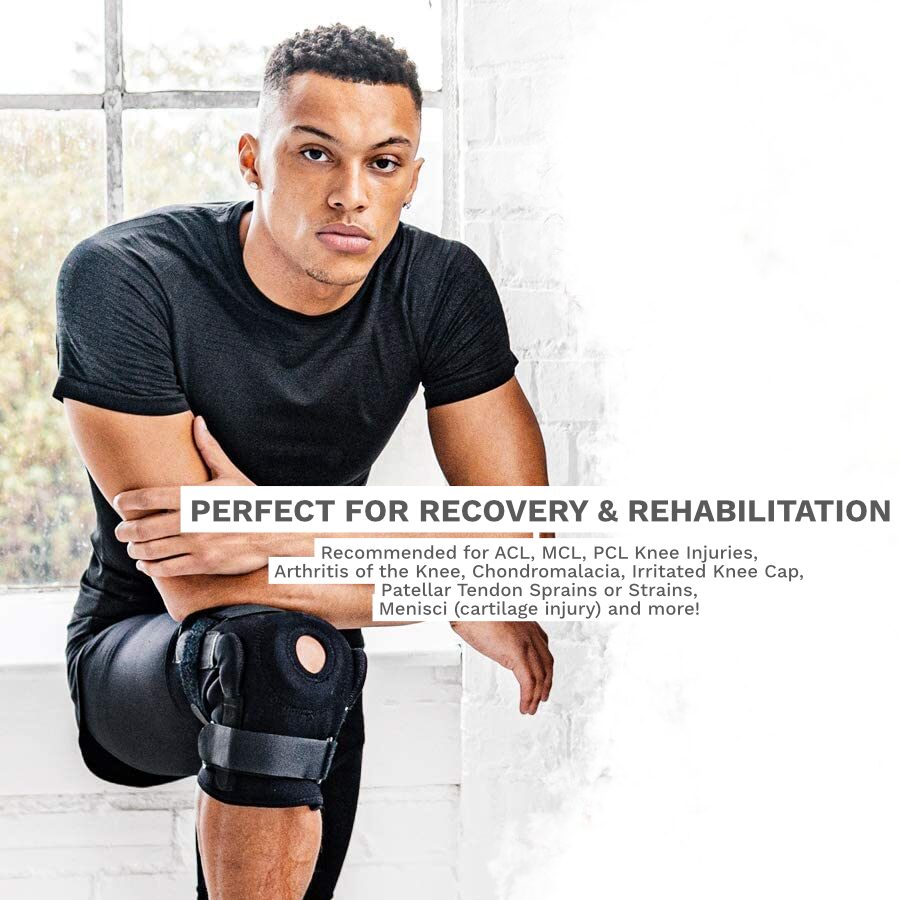
Most people wear this brace during the activities that put the most strain on the knee, rather than all day long. That usually means walking outdoors, standing for longer spells, using stairs, walking on uneven ground, or carrying out rehabilitation exercises. You probably don’t need it when you’re resting with the leg supported, unless a clinician has advised otherwise.
From a physiotherapy point of view, the brace is most useful when you wear it for the tasks you actually find difficult — such as uneven ground, stairs or early exercise — rather than all day “just in case.”
Two ways to wear the brace
This brace can be worn in two main ways.
With the hinges in place — this offers firmer side support and more control of twist. It’s often used in the earlier stages after a ligament injury, when the knee feels particularly unstable, or when you know you’ll be walking on uneven ground or tackling more demanding tasks. With the hinges removed — this behaves more like a compression support with patellar guidance, meaning it helps the kneecap track more smoothly. This lighter mode may be used later in rehabilitation, or when you only need a modest level of support for shorter walks or gentle exercise.
Deciding when to change between these modes is best done with advice from a physiotherapist or other clinician. They can consider how often your knee feels as if it might give way, how much pain you get with side‑loading or twisting, and how your strength and balance are progressing. In general, firmer support is used when instability is a clear concern, and support is reduced gradually as your own control improves.
Getting used to the brace
When you first start using the brace, build up gradually. Begin with shorter periods so your skin and soft tissues can get used to the compression and side supports. As comfort allows, extend the wearing time into the parts of the day when the knee feels most vulnerable. However you use it, the straps should be adjusted so the brace feels firmly in contact with the leg without causing pins and needles, unusual coldness or colour changes below the knee.
If your skin is particularly sensitive, a thin, smooth sleeve or dressing can sometimes be worn under the brace. Any layer underneath should be flat and free of folds so it doesn’t create ridges or change the way the hinges line up with the joint.
What to expect over time
Most people don’t feel an instant transformation. Instead, they notice that certain movements start to feel more predictable and less sharp. Pain linked to specific positions, such as twisting or using stairs, may become more manageable. That can make it easier to carry out everyday tasks and to complete the strengthening and balance exercises set by a clinician.
The brace doesn’t repair torn tissue or reverse arthritis. But it can help protect the joint while the underlying recovery and rehabilitation continue. Many people find that the steady, held feeling of the brace reduces the constant need to brace themselves for the next painful step, which makes walking feel more natural again. That sense of reassurance isn’t just psychological. When you trust the knee more, you move more smoothly, and smoother movement puts less strain on the joint.
The longer-term goal is to rebuild the knee’s own control: strengthen the muscles around the hip and knee, practise balance on safe surfaces, and rebuild confidence in how the joint behaves. The brace is a support while you re‑train movement, not a permanent replacement for the joint’s own stability. As your strength and control improve, you may find you need it less often.
Safety, circulation and when to seek help
A hinged knee brace is an aid to comfort and stability. It doesn’t replace professional medical assessment.
Seek urgent medical advice rather than relying on a brace if:
-
- you have severe pain after an injury and cannot put any weight on the leg;
-
- you hear or feel a loud crack or pop and the knee looks deformed;
-
- the knee becomes very hot, red and swollen, especially if you feel unwell or have a raised temperature;
-
- the knee suddenly locks and won’t fully bend or straighten;
-
- there is rapid, large swelling after a single incident.
While using the brace, stop and speak to a clinician if:
-
- wearing it seems to make pain, swelling, catching or locking worse;
-
- you notice numbness, tingling, unusual coldness or colour changes in the lower leg or foot;
-
- new or quickly increasing swelling develops around the knee.
If you have very fragile skin, pronounced bony deformity or circulation problems in your legs, talk to a clinician before using a hinged support. Poorly fitting braces on such knees can create areas of excess pressure rather than protection.
Knee injuries and reduced movement can increase the risk of blood clots. This brace does not treat or prevent clots, so don’t rely on it to lower that risk — wearing a support around the knee doesn’t make a clot less likely. If you develop new calf pain, swelling and warmth, or sudden shortness of breath or chest pain, seek urgent medical help, as these can be signs of a clot.
This product is designed for adults and is just one element of managing knee problems. Assessment, exercise‑based rehabilitation and, where appropriate, other treatments remain important alongside any external support.
Conclusion – is this hinged knee brace worth considering for you?
Now that you’ve read how the brace works, let’s bring it back to the practical question: is it right for you?
Knee pain and instability often come down to a few common patterns. The knee drops inwards or bows outwards and tugs on sore ligaments. The shin twists too much on the thigh and irritates cruciate or meniscal injuries. Or extra pressure builds at the front of the joint when the kneecap doesn’t slide smoothly. You usually notice these most when you turn, step off a kerb, walk on uneven ground, or use stairs.
The Hinged Knee Brace by KneeReviver is designed to make those moments feel more manageable. The side hinges help keep the knee centred over the foot when you load it, so there’s less sudden inward or outward drop and less uncontrolled twist. The wrap‑around body provides compression and contact that can help with mild swelling and with sensing where the knee is. The open kneecap with gel ring reduces direct pressure over a sensitive patella and gently encourages a more central path as it moves.
This brace is likely to help if:
-
- you have a sense that the knee might give way when you turn, step off a kerb, or walk on uneven ground;
-
- you get sharp jabs along the inner or outer edge of the knee when you side‑step or change direction;
-
- pain around or behind the kneecap flares with stairs, slopes, squatting or sitting with the knee bent;
-
- your knee feels “wobbly” or less predictable after previous ligament sprains or minor injuries;
-
- you have osteoarthritis that causes aching and stiffness after weight‑bearing, with the knee tending to drift inwards or outwards;
-
- a clinician has suggested extra support while you work on strengthening and rehabilitation.
See a clinician first rather than relying on this brace if:
-
- you have severe pain and can’t put any weight through the leg;
-
- the knee looks deformed or feels completely unstable;
-
- there is rapid, large swelling after a single incident;
-
- the knee locks and won’t bend or straighten;
-
- you have new numbness, unusual weakness, or signs of circulation problems in the lower leg.
If you’re not sure whether your symptoms fit the problems described here, or if your pain is severe, rapidly worsening or accompanied by worrying changes, speak to a GP, physiotherapist or other relevant clinician. They can confirm whether the mechanics of your knee problem match what this brace is designed to help with, and advise how to combine its use with the right rehabilitation plan.
If your main concerns are giving way on uneven ground, sharp jabs when side-stepping, or kneecap pain on stairs, trying this brace for those tasks may help you see if it makes a useful difference. It isn’t a cure, and it works best alongside diagnosis, rehabilitation and sensible activity choices. But it can provide meaningful extra support while those other pieces are in place.
Caring for your KneeReviver hinged knee brace
To keep the brace working well and lasting longer, follow the manufacturer’s care instructions. In general, hand wash the brace in warm water with a mild soap, then rinse thoroughly. Don’t use fabric softeners, bleach or harsh detergents, as these can break down the supportive fabric and the gel ring over time.
After washing, gently squeeze out excess water rather than wringing the brace. Let it dry naturally, away from radiators and direct heat. High heat can damage the neoprene‑type material, warp the gel ring and affect how the hinges fit.
Check the brace regularly for signs of wear, particularly around the hinges, straps and fastenings. If the hinges loosen, the fabric frays, or the straps no longer hold, replace the brace so it can still provide the support you need.
Condition‑specific guidance
The sections below look at specific knee problems in more detail. They’re intended as reference material for people who want to understand their own pattern of symptoms more fully, and how a hinged brace of this type fits into the wider picture of care. Not every section will apply to you — find the one that most closely matches what you’re experiencing.
Ligament sprains and knee instability
Many people with a knee that feels unreliable can recall a twist, mis‑step or side‑blow that started it all. You might remember one clear injury, or several smaller knocks that added up. Since then, the knee may be mostly comfortable on level, straight‑line walking, but feel sharp or unsteady when you turn, side‑step, walk on uneven surfaces or stand on one leg to dress. You may find yourself watching where you place your foot, or bracing with the other leg to avoid loading the affected side.
This pattern often fits with sprains of the main stabilising ligaments. The collateral ligaments on the inner and outer sides limit inward and outward buckling. The cruciate ligaments inside the joint limit front‑to‑back sliding and rotation. A sprain can range from mild stretching of fibres through to a partial tear. When one or more of these supports has been overstretched or partly torn, the thigh and shin bones can move a little further or a little faster than they should in certain directions, and the tissues around the injury can stay sensitive.
That extra “give” is why movements that used to feel automatic can now feel risky. A twist that previously caused no trouble may now trigger a sharp jab along the inner or outer joint line, or a sense that the knee is about to give way. Each small episode can add to irritation in the tissues. If you respond by avoiding loading that leg or by moving very stiffly, the muscles that normally help protect the joint can weaken. Over months, this mix of ligament looseness and muscle under‑use can allow more strain to reach the menisci and joint surfaces, raising the chance of further wear.
A hinged brace acts as an external guide for the joint. The metal side hinges support the work of the collateral ligaments, limiting how far the knee can drift inwards or outwards when you step, turn or stand on one leg. Because the hinges also soften sudden twisting between thigh and shin, they lessen the jolts that can aggravate cruciate‑injured tissue and reduce pinching forces on vulnerable meniscal edges. The compression adds a steady, held feeling and improves your sense of where the knee is, helping the muscles respond more effectively. Used alongside a structured strengthening and balance programme, the brace can make it easier to practise the very movements that rebuild control, without every repetition feeling like a high‑risk event.
Bracing alone isn’t enough if the joint is significantly damaged. Sudden severe pain, a loud crack or pop at the time of injury, obvious deformity, rapid large swelling, or being unable to put any weight through the leg are all reasons to seek urgent medical assessment. Ongoing episodes of giving‑way despite rehabilitation and suitable bracing should also be reviewed, as repeated instability can increase wear on the menisci and joint surfaces over time.
ACL tears and reconstruction recovery
ACL problems usually begin with a memorable event. Many people describe a twist or pivot on a planted foot, often with a sudden change of direction or landing from a jump. There may be a popping sensation, sharp pain and rapid swelling, though in some cases these are less dramatic. Over the next days and weeks, the knee may look and feel calmer at rest, but certain movements — especially turning, sidestepping, walking on uneven ground or suddenly slowing down — can bring on a feeling that the joint is slipping or giving way underneath you.
The ACL runs through the centre of the knee and helps stop the shin bone sliding forwards under the thigh bone, particularly when the knee is bent and taking weight. It also provides important feedback about rotation. When it’s torn or completely ruptured, the knee can move further and faster in these directions than it should. Strong muscles can compensate to some extent, especially in straight‑line activities such as level walking or gentle jogging, but many people still have episodes where the joint unexpectedly “shifts” with pivoting or sudden deceleration. Each episode allows the shin to slide and twist under load more than normal, increasing strain on the menisci and joint cartilage over time.
A hinged brace fits into the wider management of an ACL problem rather than replacing it. Before surgery, or in people managing an ACL‑deficient knee without surgery, the metal side hinges help reduce uncontrolled rotation and sideways wobble when you bear weight and turn. They don’t replace the ACL, but they guide the knee through a more controlled range, damping down the twist and side‑drift that often leads to giving way. This can make it easier to build strength and control with physiotherapy exercises and to manage day‑to‑day tasks more safely.
After ACL reconstruction, any use of a hinged brace should follow the surgeon’s and rehabilitation team’s instructions. In the very early stages, specific post‑operative braces that can lock the joint in certain angles or allow only limited bending are sometimes used. A free-moving hinged brace is usually considered later, once the graft is protected and you’re focusing on regaining movement and confidence in everyday loading. At that stage, the brace can help protect healing structures from excessive side‑to‑side forces and sudden twist during walking and early everyday tasks, while still allowing the movement needed to avoid stiffness.
Signs that need prompt reassessment include repeated giving‑way despite careful use of the brace, worsening pain or swelling, new locking, or a sense that the knee is becoming looser rather than more reliable. In these situations, simply tightening straps isn’t a solution; a clinician needs to check how the graft and other structures are coping and whether the rehabilitation plan or overall management needs adjusting.
MCL injuries (inner knee ligament)
MCL injuries typically cause pain along the inner edge of the knee. They often follow a direct blow to the outer side of the joint, a tackle that forces the knee inwards, or a twist on a planted foot that makes the leg buckle inwards. In the early days, putting weight through the leg and bending can be sore, and there is often tenderness along the inner joint line. As things settle, straight‑line walking may become easier, but side‑steps, turning, or walking on sloping ground that pushes the knee inwards can still produce a sharp, localised jab.
The MCL runs from the inner thigh bone down to the inner shin bone and helps stop the knee collapsing inwards when you load it. After it has been overstretched or partly torn, the joint can open slightly on the inner side each time you put weight through it, especially if there is any side‑force or the leg drops inwards. The tissues in this region can remain sensitive during healing, so repeated inward “dips” are felt as pain and can trigger a strong guarding reaction. If you respond by avoiding loading that leg or walking with a very stiff, cautious gait, the muscles that usually support the joint can weaken, which may prolong symptoms and allow the knee to drop inwards more readily.
Many milder MCL sprains have good healing potential, but the ligament benefits from protection in the early stages so that each step doesn’t re‑strain the injured fibres. Ignoring persistent inner‑knee pain and instability can, over time, add stress to the inner (medial) compartment of the joint and contribute to wear in that region.
For an MCL injury, the key effect of a hinged brace is reducing inward collapse. The metal side hinges sit along the inner and outer aspects of the joint and resist the inward and outward bending that stresses the collateral ligaments. When you stand, walk, climb stairs or step onto uneven ground, the brace helps keep the knee more upright over the foot, so the healing ligament isn’t repeatedly pulled beyond its comfortable range. With each step, the side‑load is shared between the brace and the healing tissue, reducing the sharp strains that can delay recovery. The compression and adjustable straps help keep the hinges aligned with the joint line and provide a steady, held feeling that can make it easier to put weight through the leg without constant fear of a sudden inward give.
Medical assessment is important, particularly after a strong impact or if there is marked swelling, extensive bruising or obvious instability. Severe MCL tears can occur together with injuries to other ligaments or the meniscus. Red flags include being unable to bear any weight, the knee visibly angling inwards when you try to stand, a sense that it will buckle with minimal load, or associated numbness or major swelling. In those cases, relying on a brace alone isn’t appropriate; you need tailored advice and, in some situations, further imaging and specialist input.
LCL injuries (outer knee ligament)
LCL injury tends to cause pain along the outer edge of the knee. It may follow a force that pushes the knee outwards, a mis‑step on uneven ground where the foot rolls inwards under the leg, or an awkward landing from a jump or side‑step. In the early phase, bearing weight can be uncomfortable and pressing over the outer joint line is often tender. As swelling settles, walking in a straight line may improve, yet side‑steps, cutting movements or walking on sloping or uneven surfaces that push the knee outwards can still trigger a sharp, stabbing discomfort.
The LCL runs from the outer thigh bone down to the outer shin bone. Its main job is to stop the knee bowing outwards under load, especially when you’re on one leg and moving your body over that support. Once it has been overstretched or partly torn, the outer side of the joint can open slightly each time you step, and tissues in that area can stay irritated. Repeated outward “bowing” both hurts and undermines confidence, so you may unconsciously avoid placing full weight on that leg or shorten your stride to avoid provoking pain.
In some higher‑energy injuries, the LCL can be involved along with other structures in the back‑outer corner of the knee. This can lead to more marked instability and, in some cases, affect nearby nerves or blood vessels.
A hinged brace can help by directly controlling the outward bowing movement that stresses the LCL. The side hinges limit how far the knee can drift outwards when you land, turn or walk on a slope, keeping the joint closer to a safe line over the foot. This reduces strain on the healing ligament with each step. At the same time, the brace supports the inner side, which helps maintain an overall centred position. The compression and secure straps keep the hinges in line with the joint, so the forces of each step are taken into the brace rather than into the sore outer tissues.
With this added stability, many people find they can bear weight more confidently, tackle stairs more evenly and begin controlled strengthening and balance exercises that target the muscles around the hip and knee. If the knee feels very loose, you can’t straighten it fully, there is significant swelling or bruising around the outer and back‑outer aspects, or you struggle to bear any weight, seek prompt clinical advice. New numbness, unusual weakness in the foot or major changes in swelling also need urgent review.
Meniscal tears and joint‑line pain
Meniscal problems often show up as sharp, localised pain deep in the joint line, either on the inner or outer side. Many people recall a specific event — a deep squat, a twist on a bent knee, or a sudden turn on a planted foot — followed by pain and some swelling. Later on, straight‑line walking on level ground may be relatively comfortable, but certain movements, such as turning on the spot, crouching, kneeling or stepping down from a step with a twist, can bring on a catching or stabbing pain deep inside the joint. Some people also experience episodes where the knee temporarily “sticks” and won’t fully straighten or bend, known as locking.
The menisci are C‑shaped pads of cartilage that sit between the thigh and shin bones and help spread load across the joint. When a section is torn or frayed, particular combinations of bend, load and twist can trap the damaged area between the joint surfaces. That’s why discomfort is often most noticeable in positions that combine deep bending with rotation or side‑loading. Over time, especially in older people or those who have spent years kneeling or squatting with heavy loads, the meniscal tissue can also become more fragile through gradual wear, so smaller incidents can still create a tear or flare a weak spot.
If pinching and catching are left unchecked, the irritated area may continue to be trapped repeatedly, leading to ongoing pain, swelling after activity and a gradual loss of confidence in the joint. Repeated episodes of swelling and altered movement can, over time, place extra stress on the joint cartilage as well.
A hinged brace can help by limiting the joint movements that most aggravate a torn meniscus. The side hinges reduce excessive side‑to‑side drift and soften some of the twisting between the thigh and shin bones, making it easier to stay away from very deep, loaded twists where the torn tissue is most likely to be trapped. The compression can help manage low‑level swelling, which in turn may reduce stiffness and post‑activity aching.
This doesn’t repair a tear, but it can reduce the chances of the meniscus being caught with everyday movement while you work with a clinician on activity changes and strengthening. In many small or moderate tears, especially in older adults, a period of targeted rehabilitation with careful control of how much and how often you stress the knee can allow symptoms to settle and function to improve.
Certain features need prompt medical attention. Frequent locking, a sudden new inability to fully straighten the knee, rapidly worsening pain or swelling, or a knee that feels mechanically blocked are all reasons to seek assessment rather than simply adjusting a support. In situations with marked mechanical symptoms or large tears, surgical options may be discussed alongside rehabilitation.
Patellofemoral pain (pain around the kneecap)
Pain around the kneecap typically causes an ache or sharp discomfort around or just behind the patella. It often flares when you walk downstairs, squat, run, or sit with the knee bent for a long time. Some people notice a sense of grinding, pressure or “weight” at the front of the joint, especially when getting up after sitting or when walking downhill. The pain is usually spread out rather than pinpoint, and may be felt above, below or to either side of the kneecap.
The kneecap sits in a groove on the front of the thigh bone and slides up and down as you bend and straighten the knee. Its movement is influenced by the shape of that groove, the strength and timing of the thigh muscles, and the tension in soft tissues on each side. If the kneecap doesn’t glide smoothly or tends to be pulled slightly towards the outer side, or if the tissues around it become very sensitive, the contact pressure between the underside of the patella and the femur can rise in certain positions. Activities that load the front of the knee, such as stairs, running and squatting, then bring that sensitivity to the surface.
Prolonged sitting with the knee bent can also be uncomfortable because this position naturally presses the kneecap more firmly into its groove. People who suddenly increase their activity levels, particularly with more hills, stairs or loaded squats, often notice these symptoms. Muscle weakness or imbalance around the hip and thigh can further encourage the knee to drift inwards, increasing sideways pull on the kneecap.
If this pattern continues, it can gradually limit what you feel able to do. You may start avoiding stairs, slopes or longer walks, and the muscles that should stabilise the joint can weaken. Ongoing overload of particular areas under the kneecap can, over months or years, contribute to further irritation of the cartilage in this region.
A brace with an open patella and supportive ring, combined with side hinges, can help in two main ways. First, leaving the centre of the kneecap free reduces direct pressure on the bone itself, while the surrounding ring gently supports the tissues around it. This can encourage a slightly more central path for the kneecap as it slides, sharing forces over a wider contact area. Second, the hinges and compression help keep the whole knee better lined up over the foot, which can reduce inward collapse that sometimes increases outward pull on the kneecap.
Many people with this front‑of‑knee pattern find that such a brace makes stairs, slopes and prolonged sitting more manageable, particularly while working on muscle strength and control around the hip and knee with a physiotherapist. The brace helps with the way forces reach the kneecap joint, while exercises address the muscle control that underpins longer‑term improvement.
Red flags around the front of the knee include sudden obvious deformity of the kneecap after a twist or impact, a feeling that it has “popped out” and stayed out of place, large swelling after a single event, or severe pain that doesn’t ease when you take weight off the leg. In these situations, prompt assessment is important to check for significant cartilage damage or dislocation rather than simply relying on external support.
Patellar instability and tracking problems
Patellar instability tends to cause sudden, uncomfortable shifts at the front of the knee. People often describe the kneecap feeling as if it’s sliding sideways, catching or nearly “popping out” when they bend, twist, or put weight through a bent knee. This may be accompanied by sharp pain, a sense of the leg giving way, and visible movement of the kneecap towards the outer side of the joint. After such an episode, the front of the knee can feel sore and swollen, and there is usually a strong fear that it might happen again.
The kneecap rests in a relatively shallow groove on the front of the thigh bone. Its stability depends on the shape of that groove, the balance of pull from the thigh muscles, and the tension of soft tissues on each side. Some people are born with features that make instability more likely, such as a particularly shallow groove or a kneecap that sits higher than average. Others develop instability after an initial dislocation that stretches or tears restraining tissues on the inner side of the kneecap. If the outer tissues remain tight and the inner supports are weakened, the kneecap can drift too far towards the outer side under load.
When the kneecap moves abruptly out of its usual track, it may partially slide out (sublux) or, in more severe cases, fully dislocate. Each event can cause the edge of the kneecap to scrape roughly across the outer edge of the groove, irritating or damaging cartilage. Recurrent episodes are therefore a concern, as they can increase pain, reduce confidence and contribute to earlier‑onset arthritis at the front of the knee.
A brace with an open patella and a supportive ring can assist by gently encouraging the kneecap towards a more central, more secure position. The ring exerts light pressure around the edges of the kneecap and can be set to give a little extra support to the inner side, opposing outward drift. As you bend and straighten the knee, this helps the kneecap sit and glide more reliably within its groove. The side hinges and wrap‑around body support the whole joint, reducing inward collapse that can otherwise increase outward pull on the kneecap.
For many people with milder forms of patellar instability, such a brace can make movements such as stairs, squatting and gentle turning feel less likely to trigger a shift, particularly while they work on muscle balance and control with a physiotherapist. Exercises often focus on strengthening and coordinating the thigh and hip muscles that help guide the kneecap and on improving how the leg is aligned over the foot.
Patellar instability almost always needs more than bracing alone. In some people, particularly with repeated full dislocations, clear structural issues or evidence of cartilage damage, orthopaedic assessment is important to discuss whether surgical options should be considered. If the kneecap appears to have moved out of place and won’t go back, there is a large, tense swelling at the front of the knee, or you experience repeated dislocations despite using support and completing exercises, seek specialist advice.
PCL injuries (posterior cruciate ligament)
PCL injuries are less common than ACL tears but can still cause ongoing discomfort and a sense that the knee isn’t fully secure. A typical cause is a fall directly onto a bent knee, a blow to the front of the shin with the knee flexed, or certain contact or traffic incidents where the shin is driven backwards. Afterwards, you may feel deep pain at the back of the knee, discomfort when going downstairs or down slopes, and a vague sense that the shin bone is “sagging back” under the thigh when the knee is bent.
The PCL runs from the back of the shin bone up to the inside of the thigh bone and helps stop the tibia sliding backwards under the femur, particularly when the knee is bent and loaded. When it’s overstretched or torn, the joint can move slightly further backwards in this position than it should. That extra movement can irritate structures at the back of the knee and change how load is shared across the joint surfaces. Activities that combine bending with weight, such as downhill walking, squatting or lowering into a chair while carrying something, may then feel uncomfortable or slightly unstable.
Because PCL injuries often occur in higher‑energy situations, they can sometimes be associated with damage to other ligaments or the menisci, especially in the back‑outer corner of the knee. This makes careful assessment important, particularly if the knee feels very loose, you can’t fully straighten it, or there is significant swelling.
A hinged brace can support a PCL‑affected knee by improving overall control when it’s loaded in a bent position. The metal side hinges keep the knee better aligned over the foot, resisting sideways wobble and reducing excessive rotation. This brace doesn’t push the shin forward the way a specialist PCL brace would, but it steadies the side-to-side movement and twist that often irritate the back of the joint. The compression adds a steady, reassuring held feeling, which can make it easier to trust the knee when you put weight through it in a flexed position, for example when stepping down or lowering into a chair.
In many people with isolated or lower‑grade PCL injuries, structured rehabilitation focusing on strength, balance and control, combined with appropriate bracing, can help the knee work more comfortably in daily life and moderate levels of activity. The aim is to improve how the muscles control the joint and to minimise situations where the tibia drifts backwards under load. Poorly managed PCL problems over time can contribute to increased strain on certain parts of the joint surfaces, so it’s worth taking rehabilitation seriously.
If you have sustained a high‑energy injury, notice marked instability, repeated giving‑way, a clear backward “sag” of the shin compared to the other leg, new locking or sharp pain at the back of the knee, or any concerning changes in how the leg looks or feels, it’s important to seek specialist advice. Significant PCL injuries or multi‑ligament injuries may require close follow‑up and, in some cases, surgical input.
Knee osteoarthritis and ‘wear and tear’
Osteoarthritis in the knee often causes a mix of stiffness, deep aching and occasional sharp twinges. Many people find the joint is stiff and sore when they first get up after sitting, then eases slightly as they move, only to ache again after longer periods of standing or walking. Pain is usually felt deep inside the joint, often more on the inner side but sometimes on the outer, depending on which area is most affected. There may be occasional grinding or crunching sensations, and the knee can feel less reliable on uneven ground or when you change direction.
In osteoarthritis, the smooth cartilage that normally covers the joint surfaces becomes thinner and more irregular over time. Small bony outgrowths can form at the edges of the joint as the body attempts to spread load and stabilise the area, but these changes can also reduce how far the joint moves. As cartilage thins and the joint shape alters, load is concentrated onto smaller areas of bone, and the leg may gradually drift into a slightly bowed‑in or bowed‑out position. Everyday activities then place more stress on specific regions inside the knee, which the body experiences as pain and stiffness, particularly at the ends of movement or after repeated loading.
Age, previous knee injuries (especially ligament and meniscal damage), a history of heavy manual work, higher body weight, certain anatomical shapes and family tendency can all increase the likelihood and severity of osteoarthritis. Once established, it tends to be long‑term, with good days and more painful days. If pain and instability are ignored and activity drops away, muscles around the hip and thigh can weaken, further reducing joint support and making symptoms harder to manage.
A hinged knee brace can help some people with osteoarthritis by improving stability and slightly influencing how forces are shared. The side hinges reduce unwanted side‑to‑side wobble, which can lessen small jolts and sliding forces that irritate already sensitive joint surfaces. If the knee naturally tends to drift inwards or outwards, the brace can encourage it to stay closer to a more neutral line over the foot during walking. This doesn’t dramatically realign the leg and isn’t a substitute for a dedicated unloader brace where that is indicated, but even a small reduction in drift can ease pressure on the more painful side in certain patterns, for example making longer walks or standing spells more manageable.
The wrap-around compression adds warmth and steady support, which many people find makes stiffness and low-level aching easier to manage when walking and standing. By making movement a little more comfortable and helping you feel more secure, a brace can also support one of the most important parts of osteoarthritis management: staying as active as your joint reasonably allows, to maintain muscle strength and overall health. Bracing works best alongside suitable exercise, sensible pacing of activity and, where relevant, attention to weight.
Red flags in the context of osteoarthritis include rapidly increasing pain, significant or unexplained swelling, redness and heat over the joint, sudden loss of the ability to bear weight, new locking that prevents the knee from fully bending or straightening, or feeling generally unwell with a raised temperature. These changes may signal a flare‑up of inflammation, a new meniscal tear, infection or another problem on top of the arthritis, and should prompt medical assessment rather than relying on adjustments to a support.
Before and after knee surgery (pre‑ and post‑operative support)
Living with a painful or unstable knee can mean a time before surgery when you’re waiting for an operation, as well as a structured recovery phase afterwards. Before an operation, you may be managing a torn ligament, a significant meniscal tear or advanced osteoarthritic change. The joint can feel unreliable when you walk, turn or use stairs, and there may be repeated bouts of pain and swelling that interfere with work, sleep and daily tasks. After surgery, the focus shifts to healing tissues, regaining movement and rebuilding strength, all while keeping the joint within safe limits.
Before surgery, the main mechanical problem is usually already established: for example, a cruciate ligament that no longer restrains twisting, a meniscus that catches with certain movements, or joint surfaces that are markedly worn. Twisting, side‑loading and sudden changes of direction can provoke sharp pain or giving‑way. If this leads you to avoid movement altogether, muscles can weaken and stiffness can set in, which may make both surgery and recovery more challenging.
A hinged brace can help manage this time by limiting some of the joint movements that provoke symptoms. The metal side hinges resist inward and outward wobble and soften some of the twisting between the thigh and shin bones, so the knee bends and straightens in a more controlled way. This can lessen the sharp instability of pivoting on a cruciate-damaged knee, the catching of a torn meniscus during a deep twisting movement, or the jolts that aggravate an arthritic joint. The compression provides a steady, held feeling that can make everyday walking and basic exercises set by a physiotherapist more manageable, helping you go into surgery as strong and mobile as you reasonably can.
After surgery, the requirements change over time. In the very early stages, surgeons sometimes use specific post‑operative braces that can lock the joint in certain angles or allow only limited bending. A more flexible hinged brace is usually considered later, once the immediate healing phase has passed and controlled movement is encouraged. At that point, the brace can help protect healing grafts or repairs by reducing side‑to‑side forces and excessive twist during walking and early everyday tasks, while still allowing enough movement to avoid stiffness. As your strength, balance and confidence improve, the aim is usually to reduce reliance on external support and let the rebuilt joint and muscles take over more of the work.
The way brace use is progressed before and after surgery should always be guided by the surgical and rehabilitation team. They know the details of your procedure, your overall health and your goals, and can advise whether this style of brace is suitable, when to start using it, and how long to continue.
After an operation, certain symptoms should prompt medical review rather than simply adjusting a brace. These include rapidly increasing pain or swelling, new locking, a strong sense that the joint is unstable despite carefully following instructions, signs of wound infection (spreading redness, warmth, discharge, feeling generally unwell), or calf swelling and pain with warmth, which may indicate a clot. A brace is one tool within post‑operative care; it works best alongside close follow‑up and tailored rehabilitation.
General ‘wobbly knee’ and recurrent minor sprains
Not everyone with an unstable‑feeling knee can point to one major injury. Many people describe a history of several smaller twists, bumps or awkward landings over the years. Each episode may have settled at the time with rest, but over time the joint feels less trustworthy. The knee may give way occasionally when turning, stepping on uneven ground, or walking downhill. You might catch yourself tensing up for simple tasks such as stepping off a kerb or getting out of a chair because you no longer fully trust the leg to hold.
In this situation, some of the supporting tissues — ligaments, joint capsule and surrounding muscles — may be a little laxer or slower to respond than they once were. This often reflects a mix of cumulative minor sprains and age‑related changes in tissue elasticity. Small areas of wear or irritation inside the joint can also make particular positions feel “unsafe.” The nervous system plays a part too: if it has learnt that certain movements sometimes lead to sharp twinges or giving‑way, it becomes quicker to trigger protective tension and apprehension in anticipation of those movements.
Over time, if you consistently avoid loading the affected leg or shy away from uneven surfaces, the muscles that help stabilise the knee can weaken. The joint may then genuinely become less well controlled, creating a loop where perceived and real instability feed into one another. Everyday activities that used to feel routine can start to feel challenging, and the risk of a more significant injury from a mis‑step or unexpected jolt may creep up.
A hinged brace can provide an extra layer of stability and reassurance in this situation, particularly during tasks that feel less secure. The metal side hinges limit how far the knee can wobble inwards or outwards when you load it, while the snug compression wrap gives continuous contact around the joint. This combination can reduce small, sudden shifts that trigger episodes of giving‑way and provide clearer feedback about where the knee is. Many people find that wearing a brace for walking on uneven ground, using stairs, or doing light exercise reduces the sense of unpredictability and allows them to practise movements they had been avoiding.
However, it’s important that bracing doesn’t become the only approach. The longer-term goal is to rebuild the knee’s own control: strengthen the muscles around the hip and knee, practise balance on safe surfaces, and rebuild confidence in how the joint behaves. Ideally, the brace is used as a support while you re‑train movement, not as a permanent crutch while the knee continues to weaken. Poor control and recurrent minor sprains left unchecked can, over time, increase the chance of a larger injury and may contribute to degenerative changes in the joint.
If your episodes of giving‑way are becoming more frequent, you develop significant swelling or locking, notice new deformity, numbness or major changes in how the leg moves, or sustain a more serious injury, seek assessment rather than simply relying on extra support. There may be a specific underlying problem — such as a more significant ligament tear, meniscal damage or more advanced osteoarthritis — that needs targeted management.
Knee pain and support during running and sport
Many people first notice or re‑notice knee problems when they start or return to running or sport. You might be comfortable walking on level ground, yet develop pain on the inside or outside of the joint after a change of direction, discomfort at the front of the knee when running downhill, or a sense that the knee is unsteady when you land from a jump or move sideways at speed. Sometimes there has been a clear injury in the past; in other cases, symptoms build as training volume, speed or surfaces change, or when you return to activity after a long break.
Running and sport place higher and more rapid loads through the knee than everyday tasks. Each stride or jump involves a mix of impact, bending, twisting and side‑forces that the ligaments, menisci and tissues around the kneecap must control. If any of these structures are already irritated, a little loose or weakened from a previous injury, repeated high‑load cycles can bring on pain, swelling or episodes of giving‑way more quickly than walking alone. Increasing distance or speed too quickly, adding hills without preparation, or returning to cutting and jumping drills before strength and control are ready can all tip a borderline joint into recurrent symptoms.
A hinged brace can sometimes form part of a plan to return to lighter sport or running, particularly in people with residual instability after ligament sprains or ongoing front‑of‑knee discomfort. With the hinges in place, the brace helps limit inward and outward wobble and some of the twist that can stress healing ligaments or sensitive meniscal tissue. The open patella and gel ring can make front‑of‑knee pressure more manageable on slopes, during downhill running or stair work. This way of using the brace is usually better suited to slower, more controlled activities, such as early jogging, straight‑line running and gentle changes of direction.
For faster running or sports with sharp stops and changes of direction, a common question is whether to keep the hinges in. Under clinical guidance, some people remove them for a freer feel. But remember: removing the hinges means less side support, so only do this once the knee has improved enough that you no longer need that extra stability. Whether, when and how to use the brace in your sport should be agreed with a physiotherapist or sports clinician who understands both your knee and the specific demands of your activity. This brace isn’t designed for full protection in high-impact or full-contact sport.
A brace should not be used to push through sharp pain or major instability in sport. If running or jumping brings on frequent giving‑way, significant swelling, catching or locking, or if pain is severe and persistent despite sensible training adjustments, you should seek assessment. Continuing to load the joint heavily, even with external support, can increase the risk of worsening a tear or contributing to joint surface damage. The aim is to progress towards the level of sport your knee can reasonably tolerate, using a combination of rehabilitation, training changes and, where appropriate, bracing, rather than expecting the brace alone to make high‑risk activity safe.
Disclaimer
The information on this page is general guidance only and is not a substitute for individual medical advice, diagnosis or treatment. Anyone with significant pain, recent injury, marked swelling, deformity, locking, unexplained symptoms or existing medical conditions affecting the legs should seek advice from a GP, physiotherapist, or other appropriate clinician before relying on any brace. No specific outcomes or cures are guaranteed, and this KneeReviver hinged knee brace should be used as one part of a wider approach to managing knee problems.

Reviews
There are no reviews yet.