
Drop Foot Brace
£11.99inc VAT
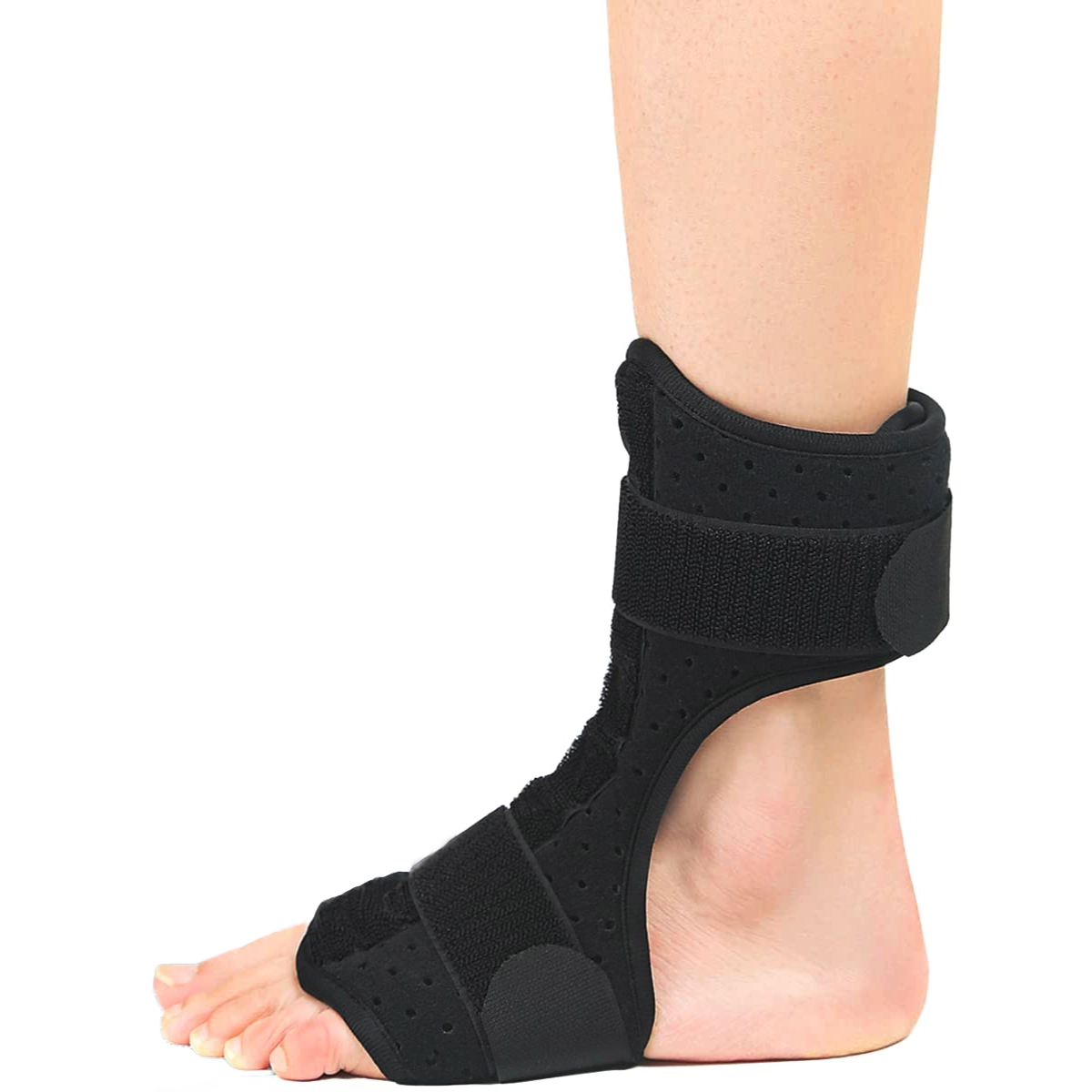
- A lightweight drop foot brace and night splint designed to support the front of the foot in a more lifted position.
- Made for adults who have difficulty lifting the front of the foot, notice toe drag, or feel that walking has become less steady.
- Helps hold the foot in dorsiflexion, meaning the front of the foot is supported in a more upward position.
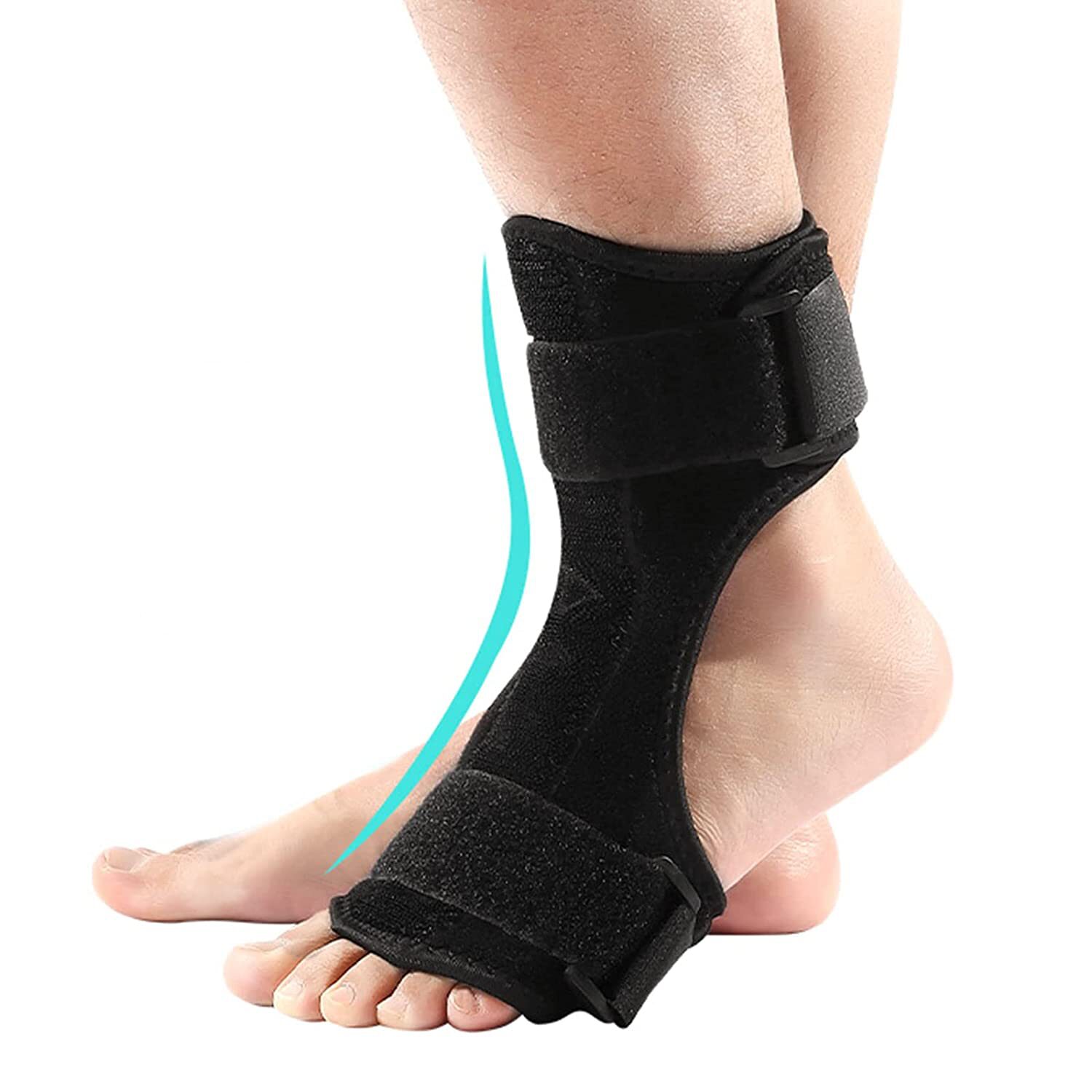
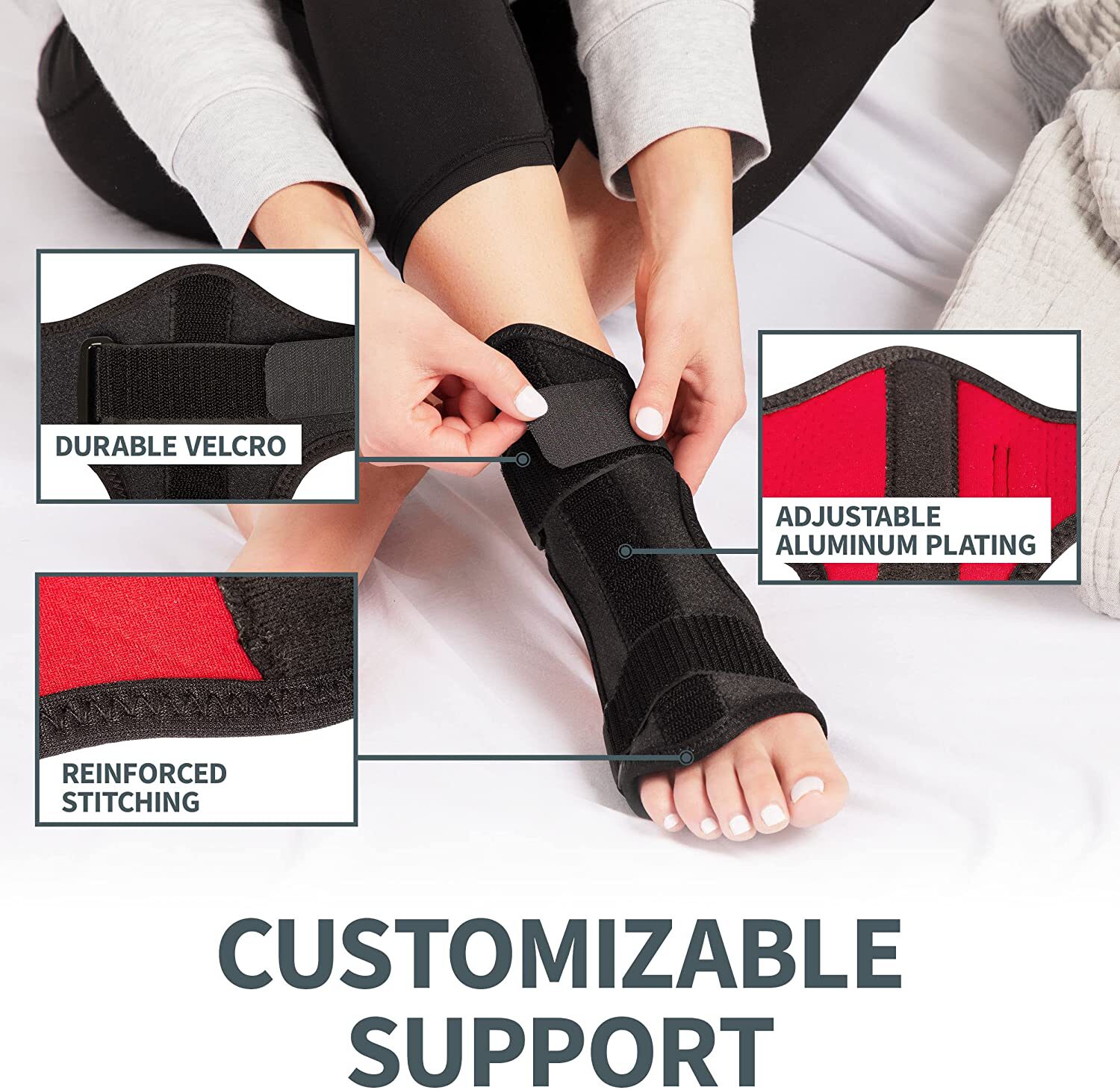
- Includes a built-in aluminium support strip along the top of the foot for firmer positional support.
- The aluminium strip can be bent carefully to alter the support angle for walking, resting, recovery, or sleep.
- Hook-and-loop straps and a buckle anchor help keep the brace secure once fitted.
- Open heel and open sole design help reduce bulk and avoid extra material under the foot.
- Soft padded neoprene and ventilation holes are designed to make longer wear more comfortable.
- Can be worn on either foot and may fit inside roomier shoes if there is enough space.
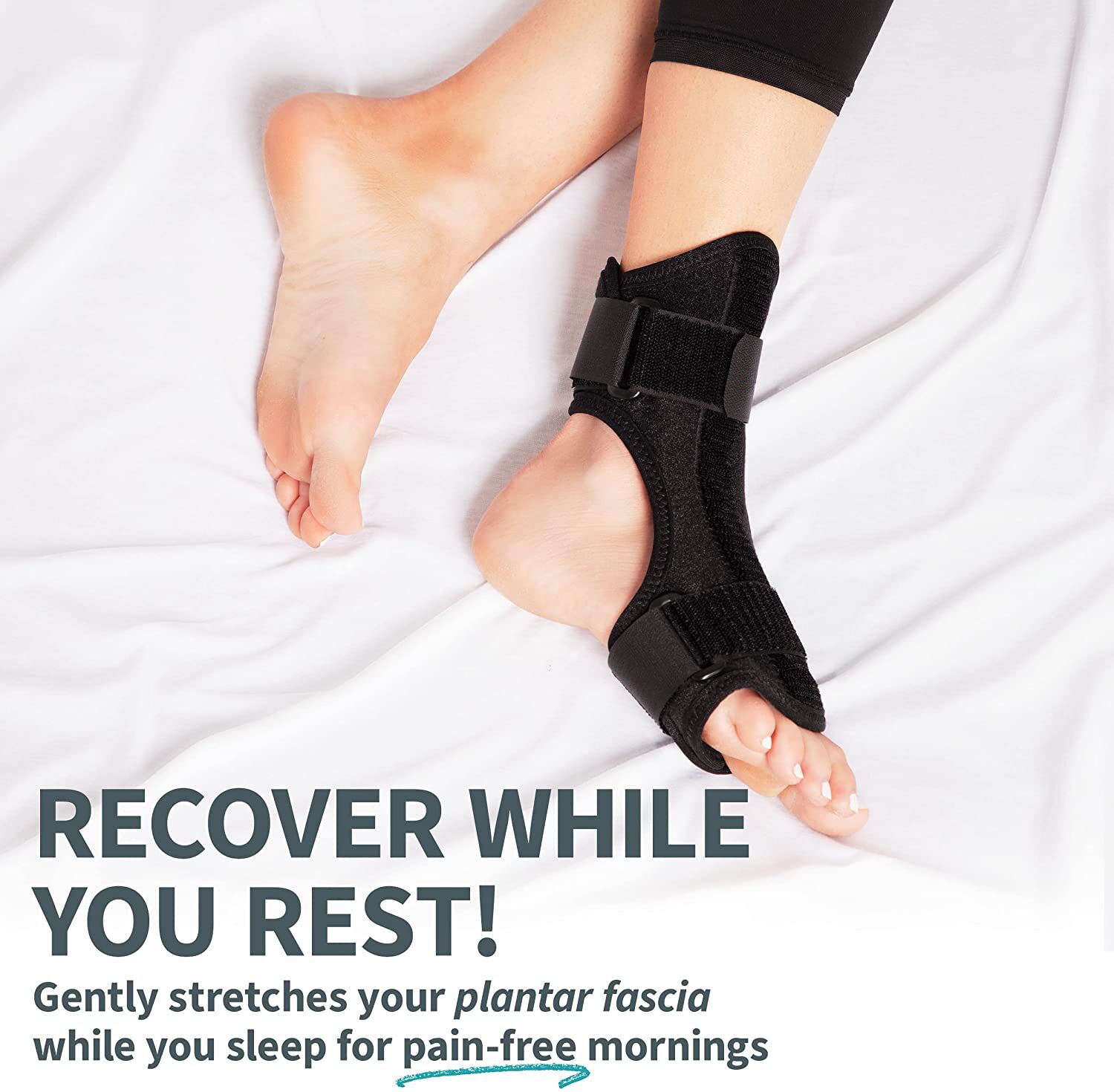
- Suitable for daytime use, periods of rest, and overnight wear.
- The fit should feel snug and supportive, not tight enough to cause pain, numbness, tingling, or pressure marks.
- If symptoms are sudden, worsening, unexplained, or linked with injury or wider weakness, speak to a GP, physiotherapist, podiatrist, or another appropriate clinician.
Drop Foot Brace
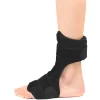
The Drop Foot Brace is designed to support the front of your foot in a more lifted, dorsiflexed position, so walking may feel steadier and toe drag may be easier to manage. It supports the foot and part of the ankle while staying lightweight, adjustable, and suitable for daytime wear, rest, recovery, and overnight use.
-
- Helps support the foot in dorsiflexion
-
- Adjustable aluminium support strip for a more personalised support angle
-
- Suitable for walking, resting, recovery, or sleep
-
- Open heel and open sole design to reduce bulk
-
- Soft padded neoprene with ventilation holes for comfort
-
- Can be worn on either foot and with shoes if there is enough room
How Drop Foot Affects Walking
When the front of the foot does not lift properly, walking often stops feeling automatic. You may notice your toes catching the floor, the front of the foot dragging as the leg moves forward, or the foot slapping down instead of landing in a more controlled way. Some people start lifting the knee higher than usual to clear the ground. Others swing the leg slightly out to the side to stop the toes catching. Even when the weakness seems mild, walking can start to need more attention than it should.
The extra effort soon becomes noticeable. A short walk on hard pavements, moving from room to room, or using stairs can start to feel awkward and tiring because each step needs more care. Uneven ground can feel less predictable too, because the front of the foot needs to lift at the exact point where the leg is moving forward. If it does not, the toes are more likely to catch the surface.
A brace can help by holding the foot in a more lifted position during walking, rest, or sleep. It does not explain why drop foot is happening, but it can stop the front of the foot from dropping so far downward. That may make it easier to clear the floor as you step and may reduce how much extra effort you use to compensate.
What Is Drop Foot?
Drop foot means difficulty lifting the front part of the foot upwards. When you walk, this matters most as the leg swings forward and the toes need to clear the floor before the next step lands. If the front of the foot points down too much at that moment, the toes are more likely to catch, drag, or scrape.
It is usually a symptom rather than a condition on its own. The cause may involve the nerves, the muscles, or the nervous system more broadly, which is why the reason behind it can vary from person to person. The mechanical problem is usually the same: the muscles that normally lift the foot are not doing enough by themselves, so the front of the foot sits lower than it should during movement.
It does not just affect the foot. Walking often changes as well. You may raise the knee higher, place the foot down more cautiously, or feel less steady when turning, climbing stairs, or walking on uneven ground. A drop foot brace is designed to support that part of walking by helping hold the foot in a more lifted position.
Common Signs of Drop Foot
-
- Difficulty lifting the front part of the foot
-
- Toes scraping or catching the ground while walking
-
- A dragging or slapping step
-
- Lifting the knee higher to compensate
-
- Walking that feels less steady or less natural
-
- More caution on stairs or uneven ground
-
- Tiredness from using extra effort to clear the foot
If you have noticed a sudden change in the way you walk, or weakness is getting worse, it is sensible to speak to a GP, physiotherapist, podiatrist, or another appropriate clinician.
Why a Lifted Foot Position Matters
For your toes to clear the floor during walking, the ankle and front of the foot need to lift enough at the right point in the step. When that does not happen, the front of the foot hangs lower and is more likely to catch the ground, especially on small changes in level such as thresholds, rugs, kerbs, or stairs. That is one of the main reasons drop foot can make walking feel less reliable, even over short distances.
Many people naturally start compensating. You might lift the knee higher, slow your pace, or change the way you place the foot down. Those changes can help in the moment, but they often make walking less efficient. Over time, the leg can feel more tired because it is doing extra work to make up for the lack of lift at the foot.
A brace helps by supporting the foot in a more dorsiflexed position. In plain language, that means helping hold the front of the foot more upright rather than letting it drop. During walking, that may improve the foot’s ability to clear the floor as the leg swings through. During rest or overnight wear, it can help keep the foot from dropping into a more downward position for long periods.
The brace works from the top of the foot, where lifting support is most useful. Adjustable straps then help keep that support in place while you move. It does not change the underlying cause, but it may help the foot stay in a better position so day-to-day movement feels safer and less effortful.
Introducing the Drop Foot Brace
The Drop Foot Brace is a foot brace and night splint designed to support the front of the foot and part of the ankle. Its job is simple: to help keep the foot lifted upwards during walking, rest, or sleep.
It is firm enough to support the foot, but still adjustable for comfort. The built-in aluminium strip along the top of the foot gives the brace its structure and helps lift the front of the foot. The fastening system keeps that support in place, so the brace is not relying on stretch alone.
You can wear it without shoes around the house, during rest, or in bed. It can also be worn with suitable footwear if there is enough room and the shoe does not feel tight. Because the heel and underside of the foot are left open, the brace avoids the heavier, more enclosed feel that some bulkier supports create. The support sits where drop foot needs it most, without covering parts of the foot that do not need the same level of structure.
How This Brace Works
This brace supports the front of the foot in a more lifted position. It sits over the top of the foot and secures around the front of the foot and ankle with hook-and-loop straps and a buckle anchor. Once fitted, it helps resist the foot dropping too far downward, which may make it easier to clear the floor during walking and may support a better foot position during rest.
The aluminium support strip along the top of the foot is the key part of the design. The strip is built in, not removable, but it can be bent to change the angle of support. That matters because support needs can vary. You may want a firmer lift for walking, when the foot has to clear the floor repeatedly, but a gentler angle for resting or overnight wear. Being able to alter the angle makes the brace more adaptable than a fixed support.
The open design has a practical purpose too. Leaving the heel and sole uncovered reduces bulk under the foot and around the back of the ankle, which can make the brace easier to wear around the house, in bed, or inside roomier shoes. It also means you are not standing on extra material under the sole. The support comes mainly from the top of the foot, where the brace is guiding the foot upwards.
Key Benefits at a Glance
-
- Designed to help hold the foot in dorsiflexion
-
- May help reduce toe drag and improve floor clearance during walking
-
- Adjustable support angle through the bendable aluminium strip
-
- Suitable for daytime use or overnight wear
-
- Open heel and sole design for reduced bulk
-
- Low-profile shape for easier day-to-day use
-
- Padded neoprene construction for comfort against the skin
-
- Breathable design with ventilation holes to help improve airflow
-
- Universal fit for left or right foot
-
- Can be worn with shoes if there is enough room
Detailed Feature Breakdown
Adjustable Dorsiflexion Support
The main function of the Drop Foot Brace is to support your foot in dorsiflexion, meaning a more upward position. When the front of the foot drops, the toes are more likely to catch as the leg moves forward. By helping hold the foot higher, the brace may make it easier to clear the floor during walking and reduce the dragging feeling that often makes steps feel uncertain.
This matters most in daily tasks that involve repeated stepping. Walking across a pavement, moving through indoor spaces, or using stairs all depend on the foot lifting at the right moment. A support that keeps the front of the foot from dropping so low may help make those movements easier and less tiring.
Bendable Aluminium Support Strip
The aluminium strip along the top of the foot gives the brace its structure. Because it can be bent, you can alter the angle of support instead of being limited to one fixed position. That gives you more control over how much lift the brace provides.
The amount of support that feels right can vary with activity. When you are walking, you may want the foot held more firmly to help it clear the floor with each step. During rest or overnight wear, a slightly gentler angle may feel more comfortable for longer periods. The strip lets the brace adapt to those different needs without changing its basic function.
Secure Hook-and-Loop Fastening With Buckle Anchor
The fastening system wraps around the front of the foot and ankle and secures with hook-and-loop closures and a buckle anchor. This helps keep the brace in place once it is fitted.
The brace only supports the foot properly if it stays in the right position. If it slips as you walk, use stairs, or turn on uneven ground, the lifting support becomes less reliable. Adjustable fastenings let you create a fit that feels secure without being too tight, which is especially important if you are wearing the brace for longer stretches during the day or overnight.
Soft Padded Neoprene
The brace is made from padded neoprene, which helps soften the contact between the support and your skin. A foot brace needs enough structure to hold position, but if the material feels harsh across the top of the foot or around the ankle, people are less likely to keep using it.
Padded neoprene helps balance those two needs. It softens the pressure where the brace sits against the foot, while still giving the brace enough body to support the built-in strip and straps. That can make regular use more realistic, whether you are wearing it while moving around during the day or keeping it on while resting.
Breathable Design With Ventilation Holes
The brace includes ventilation holes and moisture-wicking materials to improve airflow. It may seem like a small detail, but it matters when a brace is worn repeatedly or overnight.
If heat and moisture build up too much, the brace can quickly start to feel heavy and uncomfortable. Better airflow may make it easier to tolerate for longer periods, which matters if you want to use it consistently rather than only for short spells.
Smooth Seams and Rounded Edges
Smooth seams and rounded edges help reduce rubbing where the brace meets the skin. This is especially important during walking, because the foot and ankle move repeatedly inside the support.
Small comfort details often decide whether a brace feels wearable day after day. If an edge digs in while you walk or use stairs, the brace can become distracting even if the support itself is useful. A smoother finish helps the brace feel easier to wear in ordinary day-to-day use.
Open Heel and Open Sole Design
The heel and underside of the foot are left uncovered. Rather than wrapping the whole foot, the brace focuses support over the top of the foot and around the fastening points at the front of the foot and ankle.
This reduces bulk. Without extra material under the sole, the brace can feel lighter and less intrusive when standing or walking short distances. Leaving the heel open also helps avoid a closed-in feel around the back of the foot, which can make the brace more practical for resting, sleeping, or wearing inside roomier shoes.
Low-Profile, Lightweight Shape
If a brace feels bulky, people are less likely to keep using it. This design keeps the profile lower and the weight lighter so it fits more easily into everyday use.
That is especially useful when the brace is worn at different points in the day rather than only for a short period. A lighter design is often easier to tolerate during walking, periods of rest, and overnight use.
Universal One-Size Fit
The Drop Foot Brace is designed as a one-size support and can be worn on either the left or right foot. It is intended for both men and women, with adjustable straps to help accommodate different foot shapes and fit preferences.
A universal fit only works properly if it can be adjusted well, which is why the strap system matters. The aim is not a loose generic fit, but a set-up you can tighten or loosen so the brace sits securely and supports the foot without creating unnecessary pressure.
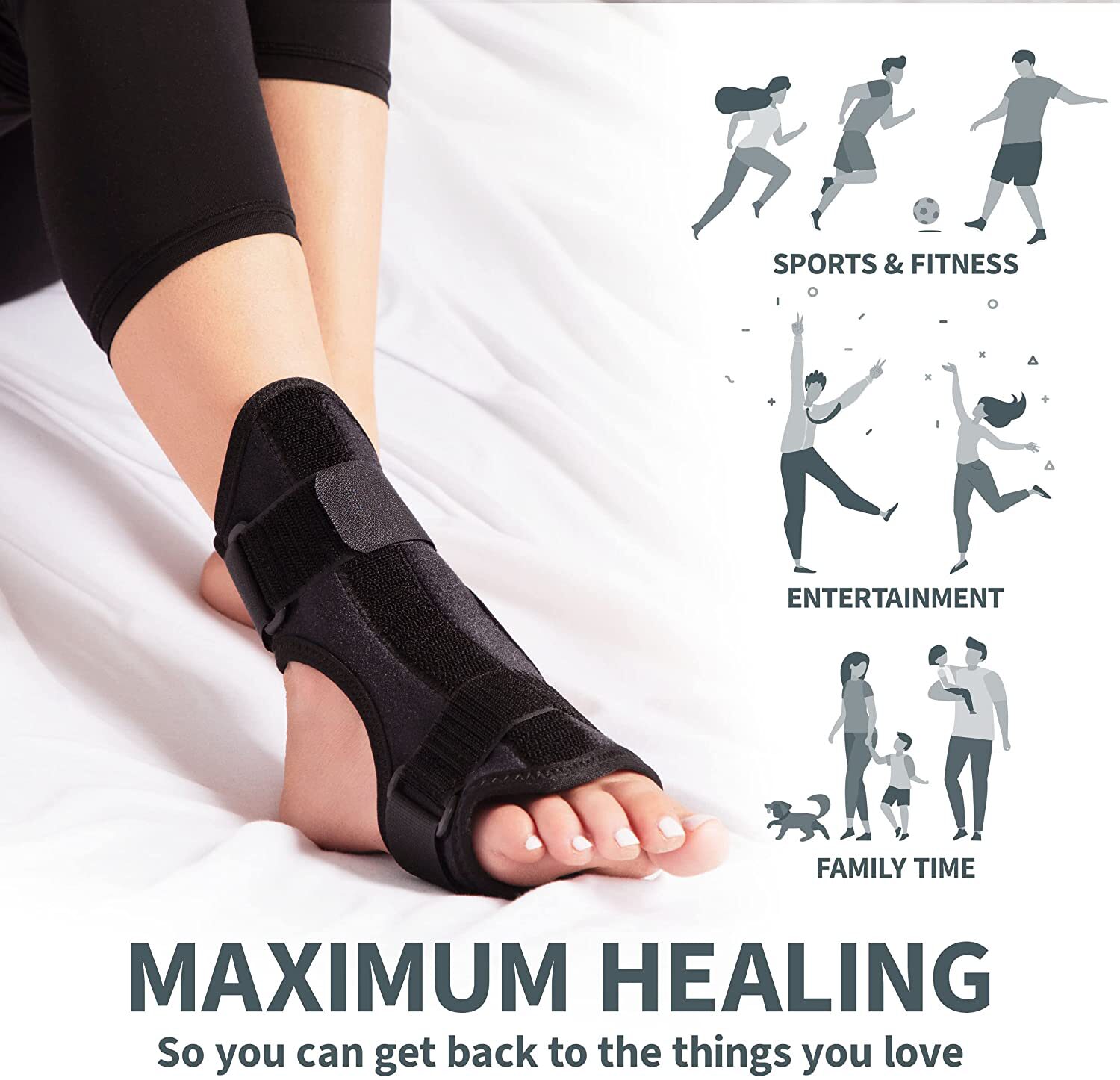
Support for Walking, Recovery, Rest, and Sleep
This brace is not limited to one part of the day. Some people will mainly use it while walking, when the front of the foot needs help to lift with each step. Others may rely on it more during rest or overnight wear, when the foot might otherwise drop downward for long periods.
During walking, the brace may help the front of the foot stay more lifted as the leg swings forward. That may reduce dragging on ordinary surfaces such as hard floors, pavements, or small changes in level around the home. During rest, the brace can also help keep the foot from dropping downward when the muscles at the front of the lower leg are not doing that work actively.
That flexibility makes the brace easier to use across the day. The bendable support strip is central to that, because it lets you alter how firm the set-up feels depending on whether you are walking, resting, or sleeping.
Wearing the Brace During the Day
Daytime use is often where the effect of a drop foot brace is most noticeable. If your foot tends to drag, slap down, or catch the ground, holding it in a more lifted position may make each step feel more controlled. That can help with everyday walking, using stairs, and moving across uneven ground.
These situations all depend on the front of the foot lifting at the right moment. Every time the leg swings forward, the toes need enough clearance to avoid clipping the floor. The support strip and straps work together to guide that position, so the toes are less likely to hang too low at the point where catching usually happens.
For some people, that may also reduce the need to overcompensate by lifting the leg higher than usual. If you no longer have to work as hard to clear the ground, walking may feel less effortful over time. The lighter build also makes regular daytime use more realistic than a heavier enclosed splint.
Night Wear and Resting Use
The Drop Foot Brace can also be worn while resting or sleeping, which means it can also work as a night splint. Overnight, the foot naturally tends to relax downward if it is not supported. For someone with drop foot, hours in that position may not feel ideal, especially if the aim is to keep the foot in a more neutral or lifted angle during rest.
Wearing the brace at night means the support is still there when you are not up and moving. It can help maintain the foot position over a longer period when the muscles at the front of the lower leg are not actively lifting the foot. The adjustable strip matters here because overnight comfort often depends on finding a position that feels supportive without feeling too forceful.
The padded neoprene, ventilation holes, and open heel and sole design also help make overnight wear more manageable. A brace worn during sleep needs to feel less bulky and less enclosed than a rigid daytime-only support. This design aims to give structure while still feeling practical over longer periods of rest.
Wearing the Brace With Shoes
The brace can be worn with shoes as long as there is enough room and the footwear does not feel tight once the brace is fitted. A shoe that compresses the brace too much can affect comfort and can also alter how the support sits on the foot.
Roomier shoes are usually easier to use with this type of brace than narrow or restrictive styles. Because the heel and underside of the foot are left open, there is less added bulk than with an enclosed foot splint. That may improve compatibility with suitable footwear, particularly for short walks or time spent outside the home.
Even so, it is worth checking the fit before walking any distance. The brace should feel secure, and the shoe should still feel comfortable. If the shoe feels too tight, the brace can still be worn without shoes during rest, around the house, or in bed.
Comfort and Fit
The brace only helps if it is comfortable enough to wear regularly. The fit should feel snug and secure, not painfully tight. If it is too loose, it may shift and give less reliable support. If it is too tight, it can create pressure, rubbing, numbness, or tingling, which quickly makes it less practical to wear.
The padded neoprene helps soften contact with the skin, while the smooth seams and rounded edges are designed to reduce rubbing in the areas where the brace moves slightly with the foot and ankle. The adjustable straps then let you fine-tune how firmly the brace sits around the front of the foot and ankle.
If you are new to a structured foot support, there may be a short settling-in period while you find the most comfortable fit. Taking the time to position the brace carefully and adjust the support angle sensibly usually makes a noticeable difference to comfort during the day and at night.
Who This Brace May Be Suitable For
This brace may be suitable if you have difficulty lifting the front of your foot and want support to help with foot position during walking, rest, or sleep. It may also suit you if you notice toe drag, a slapping step, or a style of walking that feels less controlled and more tiring than it used to.
It may be especially helpful if you want a brace that combines structure with adjustability. The bendable aluminium support strip allows a more tailored support angle than a fixed design, and the open, lower-bulk construction may appeal if you do not want a heavier enclosed splint.
If symptoms are sudden, severe, worsening, or linked with significant pain, swelling, injury, or wider neurological changes, it is sensible to speak to a GP, physiotherapist, podiatrist, or another appropriate clinician before relying on a brace alone.
Additional Support Uses
Although this page is focused on drop foot, some people may also choose this brace during rest, recovery, or overnight wear when adjustable foot support is wanted for plantar fasciitis, Achilles tendon discomfort, or general foot fatigue.
In those situations, the value is less about clearing the floor during walking and more about holding the foot in a supported angle for a period of time. The same adjustable strip that helps lift the front of the foot for drop foot can also provide a more structured resting position when the foot or ankle benefits from gentle support.
Its main use is still drop foot support.
What Makes This Brace Different
The adjustable aluminium support strip is what sets this brace apart. Many simpler braces hold the foot at one set angle, which can feel too rigid in some situations and not supportive enough in others. This brace can be bent to alter the level of upward support, so the position can be tailored more closely to comfort and use.
That matters because the demands are not always the same. Walking requires the front of the foot to clear the floor repeatedly, so you may want firmer lift. Overnight wear is different, because comfort over several hours becomes just as important as support. A brace that can adapt between those roles is often more practical than one fixed in a single position.
The open heel and open sole also help set it apart from heavier enclosed splints. By leaving those areas uncovered, the brace reduces bulk and keeps support placed where the foot needs it most. Padded neoprene, ventilation holes, smooth seams, and rounded edges then add the comfort details that make regular wear more realistic.
How to Put On and Adjust the Brace
-
- Lay the brace flat before use.
-
- Place the front of your foot onto the brace so the top support sits correctly along the foot.
-
- Fasten the forefoot strap securely.
-
- Wrap and secure the ankle strap using the hook-and-loop fastening and buckle anchor.
-
- Adjust the fit until it feels snug and supportive without being too tight.
-
- If needed, gently bend the aluminium strip to achieve the support angle you want.
-
- Check comfort before walking, resting, or sleeping in the brace.
The brace should feel secure, but it should not cause pain, numbness, tingling, or excessive pressure. If discomfort or irritation develops, loosen the fit or stop using it and reassess. When wearing the brace with shoes, make sure the shoe has enough room and does not feel overly tight.
Care and Maintenance
Regular care helps keep the brace comfortable and usable. Clean it according to the care instructions provided with the product. Allow it to dry naturally and avoid excessive heat. When not in use, storing it flat can help maintain its shape and make it easier to put on next time.
It is also worth checking the straps and fastening points from time to time to make sure they remain secure and in good condition. The aluminium support strip can be adjusted when needed, but it should not be bent back and forth excessively beyond normal fitting adjustments.
Important Guidance Before Use
Drop foot can have different underlying causes, and a brace does not replace diagnosis. This product is designed to support foot position and movement, not to identify or treat the reason the symptoms are happening. If you have sudden weakness, worsening symptoms, unusual swelling, recent injury, or wider neurological symptoms, seek professional advice.
If you have circulation issues or any condition that affects how well you tolerate pressure, take extra care when using support braces.
As with any support product, fit matters. It usually works best when the brace is adjusted carefully for comfort and support, and used in a way that matches your needs.
Frequently Asked Questions
What does a Drop Foot Brace do?
It is designed to help support your foot in a more lifted, dorsiflexed position. This may help improve floor clearance during walking and reduce dragging of the front of the foot.
How does this brace help with drop foot?
It supports the front of the foot and part of the ankle using adjustable straps and a bendable aluminium strip along the top of the foot. Together, these features help hold the foot in a more supported position.
Can the angle of support be adjusted?
Yes. The built-in aluminium strip can be bent to alter the support angle, allowing a firmer or more moderate set-up depending on preference.
Is the aluminium strip removable?
No. The support strip is built into the brace and is not removable, but it can be adjusted by bending it carefully.
Can I wear it while walking?
Yes. The brace is designed for walking as well as for rest, recovery, and overnight wear.
Can I wear it at night?
Yes. It can be worn during rest or sleep, which is why it also functions as a night splint.
Can I wear it with shoes?
Yes, as long as the shoes have enough room and do not feel tight once the brace is fitted.
What type of shoes are best?
Roomier shoes are usually the most suitable. Narrow or restrictive footwear may feel too tight over the brace.
Does it cover the heel?
No. The heel remains open.
Does it cover the sole of the foot?
No. The underside of the foot is left uncovered, which helps reduce bulk.
Is it bulky?
No. It is designed to be lightweight and low profile compared with heavier enclosed splints.
Is it one size?
Yes. It is a one-size brace with adjustable fastenings.
Can it be worn on either foot?
Yes. It is a universal design suitable for either the left or right foot.
Is it suitable for men and women?
Yes. It is designed for both men and women.
Can it also be used for plantar fasciitis or Achilles tendon discomfort?
Some people may also use it for other support needs during rest, recovery, or overnight wear, including plantar fasciitis or Achilles tendon discomfort. However, its main purpose is drop foot support.
How tight should it feel?
It should feel snug and supportive, not painfully tight. It should not cause numbness, tingling, or pressure problems.
Can I wear it for long periods?
Many people use support braces for extended periods, especially when they are designed for both daytime and overnight use. Comfort will depend on fit, activity, and your own tolerance, so it is sensible to check comfort regularly.
Does it cure drop foot?
No. The brace is designed to support foot position and movement. It does not cure the underlying cause of drop foot.
How do I clean it?
Follow the care guidance provided with the product. In general, it should be cleaned gently and allowed to dry naturally.
When should I seek medical advice?
You should seek medical advice if symptoms are new, sudden, worsening, unexplained, or linked with injury, swelling, severe pain, or wider neurological symptoms.
30-Day Money-Back Guarantee
The Drop Foot Brace comes with a 30-day money-back guarantee, so you can try it with more confidence.
If you want a brace that combines adjustable upward support, lower bulk, practical comfort, and day-to-night versatility, the Drop Foot Brace is a sensible option. It is designed to help support foot position during walking, rest, recovery, and sleep while keeping the fit adjustable and the design easy to wear.
If that matches the kind of support you need, the next step is to check the fit carefully, adjust the brace gradually, and use it in the situations where lifting the front of the foot is most difficult. If you are unsure whether it suits your symptoms, or if the weakness is new or changing, it is sensible to ask a GP, physiotherapist, podiatrist, or another appropriate clinician for individual advice.
Disclaimer
This information is general guidance only and is not a substitute for individual medical advice, diagnosis, or treatment. If you are unsure whether this brace is suitable for you, or you have new, worsening, or more complex symptoms, speak to a GP, physiotherapist, podiatrist, or another appropriate clinician. No brace can guarantee a particular outcome.
Fast & Secure Checkout Through Paypal
Pay with Paypal the secure payment gateway that accepts all credit and debit cards. Paypal is free and secure and no credit or bank information is ever stored or shared with us.
Fast Dispatch
Enjoy your items soon with quick dispatch via Royal Mail. Expect to have your items between 1-3 working days for domestic orders. 7-10 Working days for international orders.
Return Policy – 30 Day Money Back Guarantee
In the unlikely event, you are unhappy with your purchase you can return it within 30 days for a refund. Please contact us via the form on the contact us page to start your return.
To return an item please send it to: Nuova Health UK, 81 Highfield Lane, Waverley, Rotherham, S60 8AL. Please include a note with your order id so we know who to refund. Please retain your postage receipt as proof of postage. All that we ask is that the item is in the original packaging and unused.
Reviews
There are no reviews yet.