

Cubital Tunnel Syndrome Brace
£9.99inc VAT
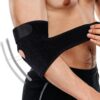
- Elbow brace developed with clinical input to help relieve pressure on the ulnar nerve and ease pain, tingling, and stiffness.
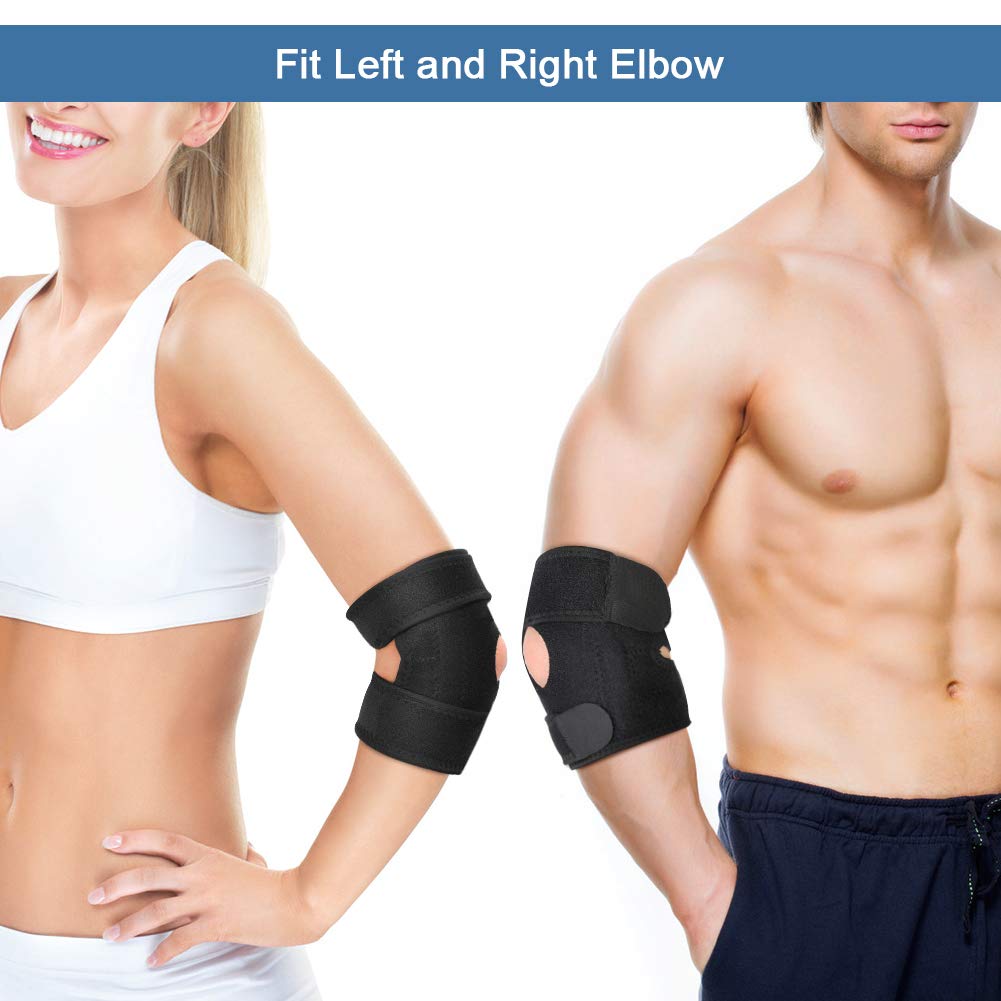
- Suitable for both men and women; fits either the left or right arm.
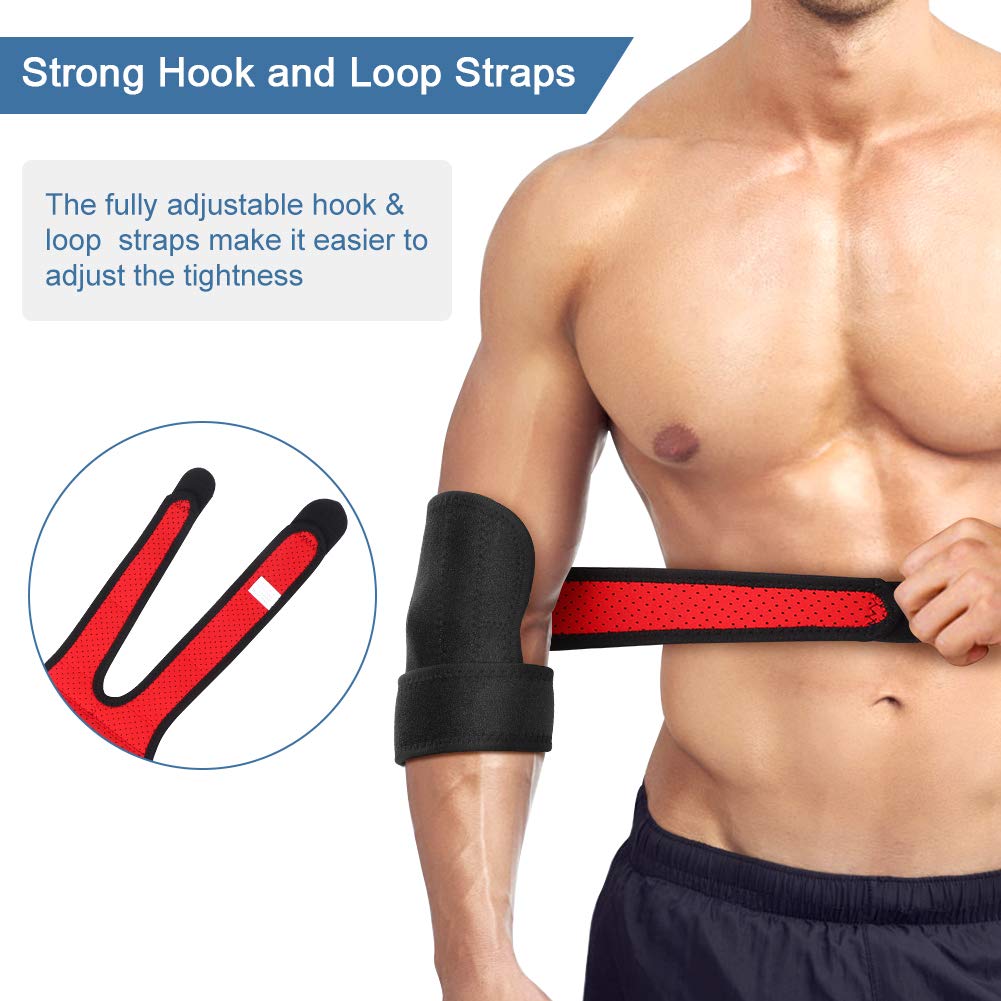
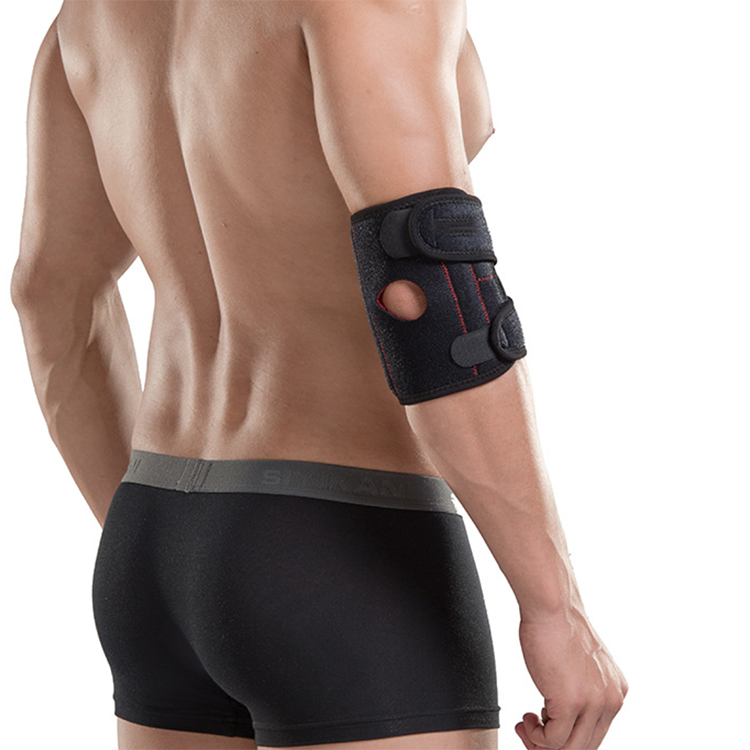
- Adjustable one‑size design with two hook‑and‑loop straps for a secure, personalised fit and balanced compression.
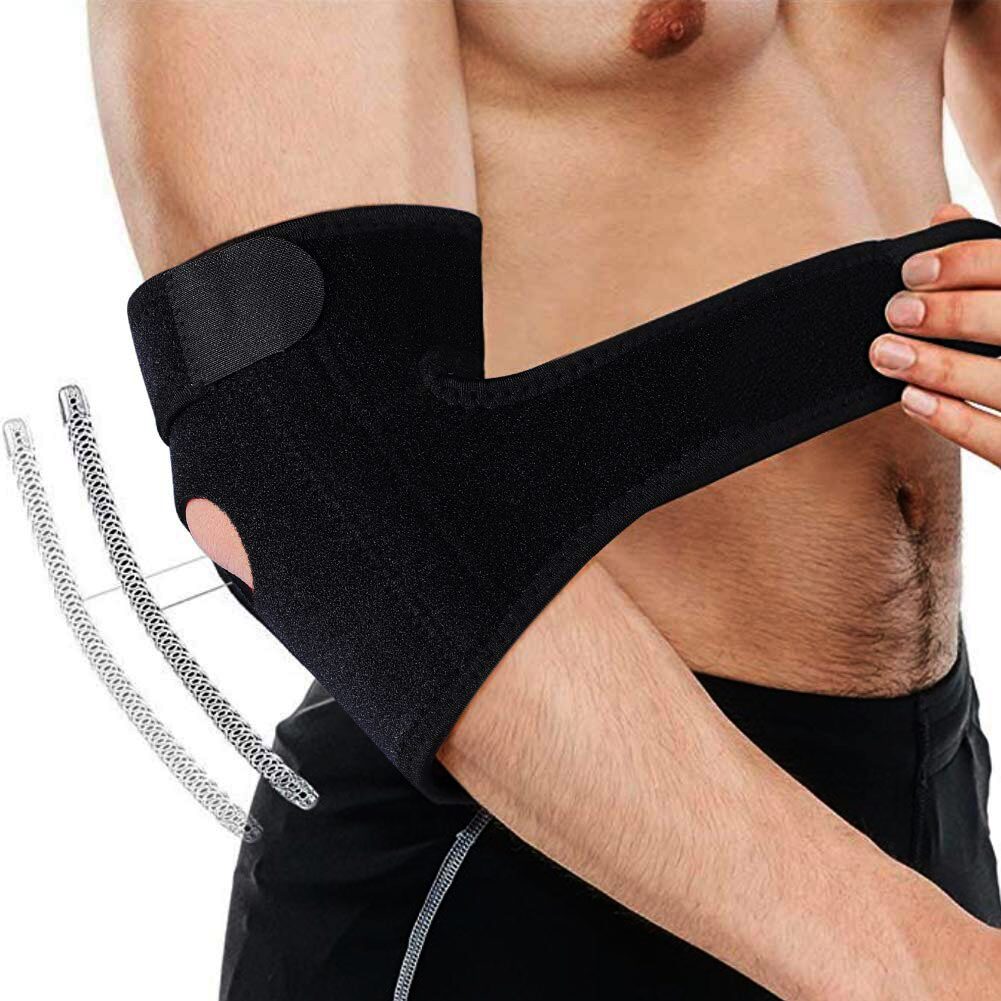
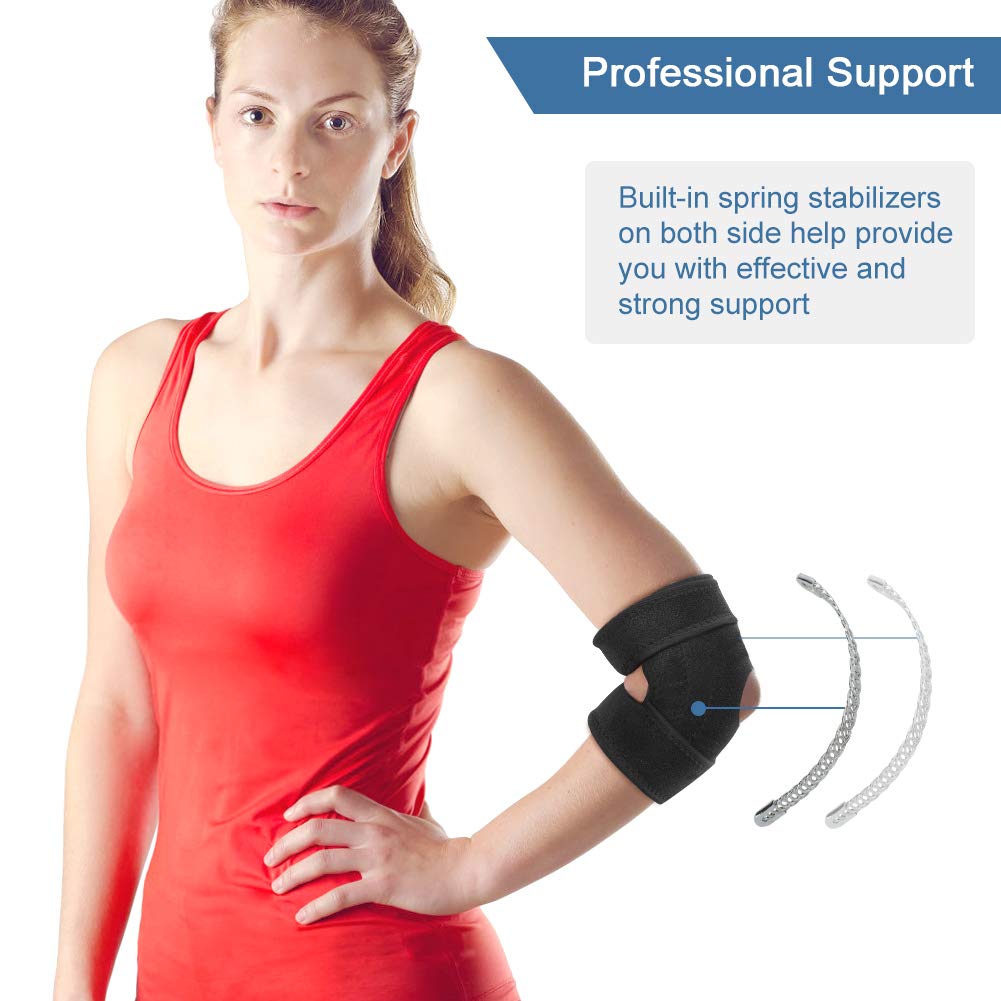
- Two lightweight metal stays limit excessive bending while allowing natural, comfortable movement and proper elbow alignment.
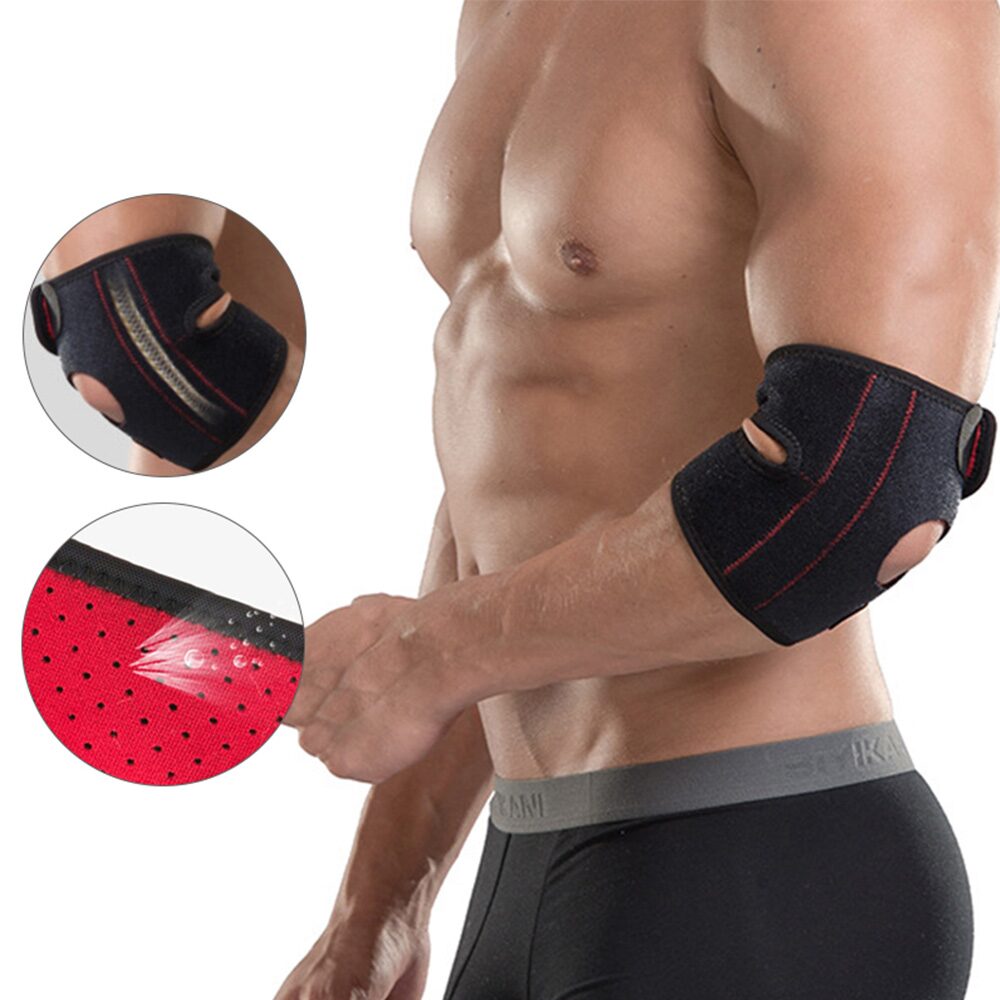
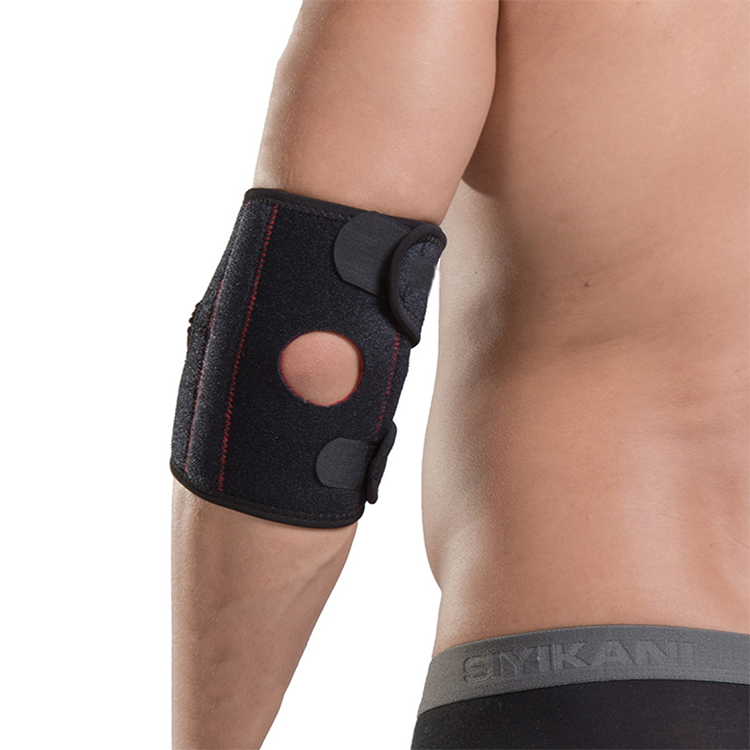
- Contoured inner padding and an open pressure‑relief area cushion the bony ridge of the elbow and improve airflow.
- Soft, breathable neoprene provides gentle, even compression to reduce swelling and support healthy circulation.
- Anti‑slip inner lining keeps the brace comfortably in place throughout daily activity.
- Anatomically shaped to follow the arm’s natural curve for even pressure and lasting comfort.
- Simple wrap‑around design makes it easy to put on and remove, even with reduced grip strength.
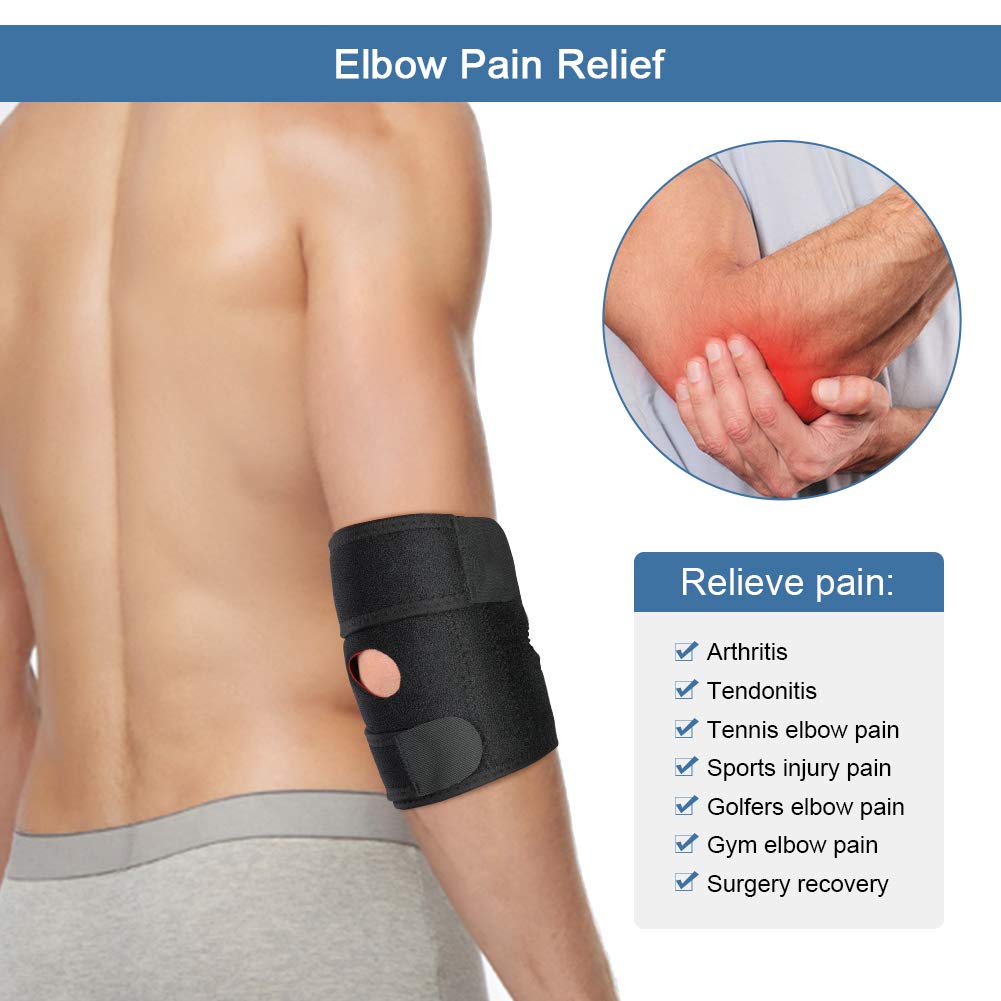
- Ideal for managing Cubital Tunnel Syndrome, Ulnar Nerve Entrapment, mild Tendonitis, and general elbow irritation or strain.
- Comfortable for daily wear at work, rest, or sleep; slim profile fits easily under clothing.
- Durable, lightweight, and breathable construction for consistent support and long‑term use.
- Developed with UK clinical input and backed by a 30‑day satisfaction guarantee.
Elbow pain and nerve irritation — how they’re connected
If pain or tingling on the inside of your elbow has started to interfere with daily tasks, it may be a sign of cubital tunnel syndrome. This condition develops when the ulnar nerve, which runs along the inner side of the elbow, becomes compressed or irritated. A dull ache on the inner side of the elbow, tingling in the ring and little fingers, or a weak grip that makes routine activities more difficult are often the first signs.
Pain from cubital tunnel syndrome is usually felt along the inner side of the elbow and can sometimes spread down the forearm toward the ring and little fingers. It may feel like a dull ache or a sharp twinge when the elbow stays bent for too long. Unlike tendon or joint pain, which is felt on the outer side of the elbow, this pain often comes with tingling or numbness in the fingers. It’s important to recognise these early signs because the longer the nerve stays irritated, the harder it becomes for it to recover fully.
What’s happening inside your elbow
The ulnar nerve runs from the neck down the arm, supplying feeling to the ring and little fingers and helping the small hand muscles control grip and fine movement. At the elbow, it passes through a narrow channel called the cubital tunnel, just behind the inner side of the joint. Each time you bend your elbow, this tunnel narrows slightly and the nerve stretches by a few millimetres. In a healthy arm, the nerve glides smoothly within its sheath to accommodate this movement. But when the elbow stays bent for long periods, or when tissues around it swell, the tunnel narrows and the nerve is pressed against the bone.
The pain is caused by pressure and irritation around the ulnar nerve as it passes behind the bony ridge of the elbow. When the nerve is compressed, nearby tissues can become inflamed and tender, causing a deep, aching pain that may worsen when the elbow is bent or leaned on. Because the nerve lies close to the surface with little soft‑tissue protection, even small increases in pressure can irritate it. The body reacts with inflammation and fluid build‑up, which further compress the nerve. That’s why tingling and numbness often appear first, followed by weakness or loss of coordination if the pressure continues. The protective sheath around the nerve can also become inflamed, making it more sensitive to stretch or touch.
Everyday habits can make this worse. Many people don’t realise how often they rest their elbows on hard surfaces until symptoms begin. Leaning on a desk or sleeping with the arm tightly bent traps the nerve in a narrow angle for hours. Repeated bending or pressure irritates the nerve sheath, and the body’s repair response brings fluid to the area, which increases pressure again — a cycle that explains why symptoms often build gradually rather than appearing suddenly.
Previous injuries, arthritis, or diabetes can make the cubital tunnel more vulnerable. Scar tissue or joint changes can reduce the space available for the nerve, while diabetes can make nerves more sensitive to pressure. Even how you hold your arm during daily tasks can change the angle of the elbow and increase tension along the nerve’s path. People whose work involves prolonged elbow bending or leaning on hard surfaces are more likely to develop symptoms.
If ignored, the problem can become long‑running. Repeated irritation may cause fibrous thickening around the nerve, making it less mobile and more easily trapped. Over time, this can lead to persistent numbness, weakness, or even visible muscle wasting in the hand. Addressing symptoms early can prevent these longer‑term changes and support a quicker recovery. Cubital tunnel syndrome is the second most common upper‑limb nerve entrapment after carpal tunnel syndrome, so early recognition and support are important.
Why early support prevents further irritation
Cubital tunnel syndrome develops through repeated bending and pressure, so the most effective way to relieve it is to limit those movements and reduce strain on the nerve. When the elbow is slightly extended, the cubital tunnel stays open and the nerve rests in a neutral position. That small change reduces tension — and it matters. It supports healthy blood flow around the joint and gives the nerve space to recover.
When the elbow bends past 90°, the ulnar nerve can stretch by several millimetres. Holding it slightly straighter reduces that tension and allows the nerve to glide freely. Gentle compression around the joint helps to reduce swelling in the soft tissue, easing the pressure that causes tingling and pain. Keeping the joint in mid‑range alignment also reduces friction between the nerve and the bony ridge, helping it move smoothly when you reach or lift.
Complete immobilisation isn’t necessary. Controlled movement within a safe range prevents stiffness and keeps the joint flexible. In clinical practice, physiotherapists often recommend supports that allow limited motion rather than rigid splints. By maintaining this balance, bracing helps reduce irritation and gives the nerve the space it needs to recover.
Support works by stabilising the elbow and redistributing the physical forces acting on the joint and nerve. By keeping the joint aligned, the brace prevents small, repeated movements that can stretch or pinch the nerve. This stability allows surrounding tissues to settle and recover while maintaining enough mobility for comfort. Essentially, the support allows the nerve to rest and recover, reducing the mechanical stress that drives pain.
Light, even pressure around the joint helps to reduce swelling and supports healthy blood flow, bringing oxygen and nutrients to the irritated area. By reducing fluid pressure and improving circulation, compression helps calm inflammation and ease the deep, aching pain that often accompanies this condition.
Bracing also encourages better arm positioning and awareness of how you hold and move your elbow. You may notice that avoiding tight bending or leaning on hard surfaces quickly reduces discomfort. For many patients, this is the turning point — a small change that brings early relief. Targeted support helps to reduce these stresses, and this brace is designed to control those exact forces.
How the brace relieves pressure and supports recovery
The NuovaHealth Cubital Tunnel Syndrome Elbow Brace is engineered to relieve pressure on the ulnar nerve while remaining comfortable for daily wear. Each feature targets a specific mechanical stress that contributes to irritation and pain.
Controlled movement
Two metal stays sit securely along the inner and outer sides of the elbow, following the joint’s natural hinge. They limit bending beyond a safe mid‑range angle while still allowing small, comfortable movements. This prevents the nerve from stretching during daily activity and stops the elbow bending too far during rest or sleep, when involuntary bending often worsens symptoms. The stays provide steady alignment without bulk, so you can move naturally while keeping the joint supported.
Pressure relief
A contoured ring of soft foam surrounds the inner elbow, cushioning the bony ridge and spreading pressure evenly across the joint. The open area at the point of the elbow relieves direct pressure from the ulnar nerve and allows air to circulate, reducing overheating. This design is especially beneficial if you spend long periods resting your elbows on a desk or armrest, as it prevents the sharp, nerve‑related pain that often follows. The smooth seams and soft lining reduce rubbing against the skin, keeping the area comfortable even during extended wear.
Consistent compression and secure fit
The support is made from soft, breathable neoprene that provides gentle, even compression around the elbow. This light pressure supports circulation and helps limit swelling without feeling restrictive. Two adjustable straps — one above and one below the joint — distribute tension evenly to keep the brace stable. Silicone anti‑slip strips inside the lining prevent it from sliding, so the support angle stays consistent throughout the day. The material’s flexibility allows natural movement while maintaining steady support, making it comfortable for long wear at work, rest, or sleep.
Anatomical shaping and contouring
The brace is anatomically contoured to follow the natural curve of the forearm and upper arm. This shaping ensures even pressure distribution and prevents localised pressure on the nerve. The design supports the elbow’s natural alignment, improving comfort and stability during movement.
Lightweight, breathable construction
Breathable materials help keep the skin cool and dry, even during extended wear. The lightweight structure allows air to circulate freely, helping maintain comfort throughout the day.
Easy application and removal
To put the brace on, lay it flat on a table, rest your arm over it with the open hole positioned at the point of your elbow, then fold the hook‑and‑loop straps around the arm and secure them. The wide straps and simple wrap‑around design make it easy to apply and remove, even if your grip strength is reduced.
Reinforced stitching and durability
Reinforced stitching and high‑grade materials ensure lasting support, even with regular use. The brace maintains its shape and stability over time, providing consistent performance.
Universal fit and sizing
The adjustable straps accommodate a wide range of arm sizes, providing a secure fit for a variety of users. The design fits either arm, allowing flexibility for different clinical needs.
Clinician‑recommended design and UK quality
Developed with input from UK physiotherapists and orthopaedic specialists, the design reflects clinical best practice for cubital tunnel support. Every NuovaHealth brace is manufactured to UK quality standards and inspected for consistent performance and comfort. Clinicians often recommend NuovaHealth supports for their precise joint alignment, durable materials, and patient comfort.
Designed for continuous wear
The slim design fits comfortably beneath clothing, so it can be worn discreetly throughout the day. The breathable materials reduce overheating, and the smooth seams minimise friction against the skin. Whether you’re working, driving, or resting, the support remains comfortable and secure, allowing natural movement throughout daily activity.
Together, these features reduce nerve tension, cushion pressure points, and maintain comfort so you can wear the brace consistently. They support recovery while lowering the risk of recurrence. NuovaHealth designs are developed in collaboration with UK clinicians to combine biomechanical precision with patient comfort. Each design is refined through clinical feedback to ensure consistent performance in real‑world use.
Who benefits most and what results to expect
Most people can manage cubital tunnel syndrome with consistent support and small changes to daily habits. This brace is recommended for adults with mild to moderate symptoms — where tingling, weakness, or inner‑elbow pain is intermittent but there is no constant numbness or muscle wasting — or for those recovering from elbow irritation once healing is complete and a clinician has approved brace use. It’s especially beneficial for those whose work involves sustained elbow flexion or leaning on hard surfaces, as these positions can aggravate symptoms.
The support can be worn during tasks that keep your elbow bent for long periods — such as typing, driving, reading, or using a phone — and at night if you tend to sleep with your arm tucked under you. Many patients find it most helpful during rest or light activity, when the goal is to stop the elbow bending too far and give the nerve a break. For manual or repetitive occupational tasks, check with a physiotherapist before wearing it continuously, as those tasks may require a full range of motion.
When worn consistently, patients often notice reduced tingling, discomfort, and inner‑elbow pain within a few days as pressure on the nerve eases and circulation improves. Over time, the brace can help restore sensation and strength as the nerve recovers. Tingling usually fades first, followed by gradual return of normal feeling and grip strength. Because nerve tissue recovers gradually, consistent support is essential. The brace doesn’t just relieve symptoms; it supports improved movement control that protects the ulnar nerve long‑term by keeping the elbow slightly open and discouraging leaning on hard surfaces.
Safe, effective use and care
Wear the support directly against the skin, under clothing, so it sits correctly and provides even compression. Adjust the straps for a snug but comfortable fit — firm enough to stabilise, never tight enough to restrict circulation. Start with short periods of wear and increase gradually as comfort allows. This gives your skin and tissues time to adapt. Remove it every few hours at first to gently straighten and move the elbow, and check the skin for redness, pressure marks, or numbness. Mild warmth or gentle pressure is expected; increasing discomfort or tingling should be checked by a clinician.
Hand‑wash in cool water with mild detergent and air‑dry. Avoid direct heat or tumble drying to protect the neoprene and stitching. Do not use the brace over open wounds or irritated skin. People with diabetes, nerve disorders, or recent fractures should check with a clinician before starting to wear it, since these conditions can affect sensation or healing. If you notice increased pain, numbness, or a change in skin colour in the hand, remove the brace and seek advice before resuming use.
The support complements physiotherapy and ergonomic changes but should not replace them. If symptoms persist, worsen, or include severe numbness or weakness, speak to a GP or physiotherapist before continuing use.
When to get professional advice
Most cases improve with consistent use and simple activity changes, such as avoiding prolonged elbow bending or resting on hard surfaces. However, seek professional advice if symptoms persist beyond a few weeks, if numbness or weakness increases, or if pain interferes with sleep or daily activity. Early assessment ensures that any underlying causes — such as bone spurs, thickened tissue, or joint changes — are properly managed. A GP or physiotherapist can advise on further treatment, exercises, or ergonomic adjustments to complement brace use.
Ignoring early tingling, weakness, or inner‑elbow pain may cause the problem to become chronic. Repeated compression can lead to fibrous thickening around the nerve, making it less mobile and slower to recover. Addressing it early can prevent long‑term changes and support a quicker return to normal function.
Who should not wear this brace
While most adults with mild to moderate cubital tunnel symptoms can safely use an elbow support, there are situations where wearing one may be unsuitable or should only be done under direct clinical supervision.
- Recent fractures or post‑surgical recovery: Only wear if your clinician has advised it, as it may interfere with healing or surgical dressings.
- Severe swelling or inflammation: If swelling or inflammation is present, wait until it settles before using the support.
- Open wounds, skin irritation, or infection: Covering damaged skin can trap moisture and bacteria, delaying healing.
- Circulatory or vascular conditions: Those with poor circulation or vascular disease should seek medical advice before use.
- Nerve disorders or reduced sensation: If you have reduced sensation, use only under clinical supervision to avoid pressure injury.
- Severe or constant numbness and muscle wasting: These signs require medical assessment; a brace alone cannot reverse nerve damage.
- Unexplained pain or symptoms spreading beyond the elbow: Stop using the support and speak to a clinician, as this may point to another cause.
- Allergy or material sensitivity: Anyone who knows they react to neoprene or synthetic fabrics should avoid wearing this support or check material suitability first.
- Incorrect fit or misuse: If the brace feels excessively tight, causes tingling, or leaves deep marks, loosen or remove it immediately.
An elbow support is a tool to aid recovery, not a substitute for diagnosis or treatment. It should always be used as part of a broader management plan that includes clinical assessment, ergonomic changes, and physiotherapy where appropriate.
Long‑term protection and recovery
Understanding how the nerve becomes compressed enables you to take the right steps early. The NuovaHealth Cubital Tunnel Syndrome Elbow Brace turns that understanding into action — easing pressure, restoring comfort, and helping you regain natural movement. Its design directly counters the bending and compression forces that irritate the ulnar nerve, combining stability, breathability, and comfort in one clinically engineered support.
Designed for continuous wear during work, rest, and rehabilitation, it provides steady support that maintains a neutral elbow position, reduces strain on the nerve, and supports gradual recovery. With consistent use and early intervention, most people regain comfortable, stable movement and prevent recurrence. The NuovaHealth Cubital Tunnel Syndrome Elbow Brace provides the clinical support to make that recovery possible.
Important information
The information provided on this page is for general educational purposes and is not a substitute for professional medical advice, diagnosis, or treatment. Always seek the advice of your GP, physiotherapist, or another qualified healthcare professional with any questions you may have regarding a medical condition or before starting to use any support or brace.
This product is intended for adult use and should only be worn as directed. Do not use the brace over open wounds, areas of infection, or where there is significant swelling, vascular disease, or loss of sensation. People with diabetes, nerve disorders, or recent fractures should obtain medical clearance before use. If pain, numbness, or discomfort increases, remove the brace and consult a clinician.
No claims are made regarding material composition, latex content, or allergy safety. Individuals with known skin sensitivities or material allergies should check compatibility before use and seek professional advice if unsure.
Fast & Secure Checkout Through Paypal
Pay with Paypal the secure payment gateway that accepts all credit and debit cards. Paypal is free and secure and no credit or bank information is ever stored or shared with us.
Fast Dispatch
Enjoy your items soon with quick dispatch via Royal Mail. Expect to have your items between 1-3 working days for domestic orders. 7-10 Working days for international orders.
Return Policy – 30 Day Money Back Guarantee
In the unlikely event, you are unhappy with your purchase you can return it within 30 days for a refund. Please contact us via the form on the contact us page to start your return.
To return an item please send it to: Nuova Health UK, 81 Highfield Lane, Waverley, Rotherham, S60 8AL. Please include a note with your order id so we know who to refund. Please retain your postage receipt as proof of postage. All that we ask is that the item is in the original packaging and unused.
Reviews
There are no reviews yet.