
2x Patella Tendon Knee Strap for Tendonitis, Running Hiking, Soccer, Basketball, Running, Jumpers Knee, Tennis, Volleyball & Squats
£12.50£19.00 (-34%)inc VAT
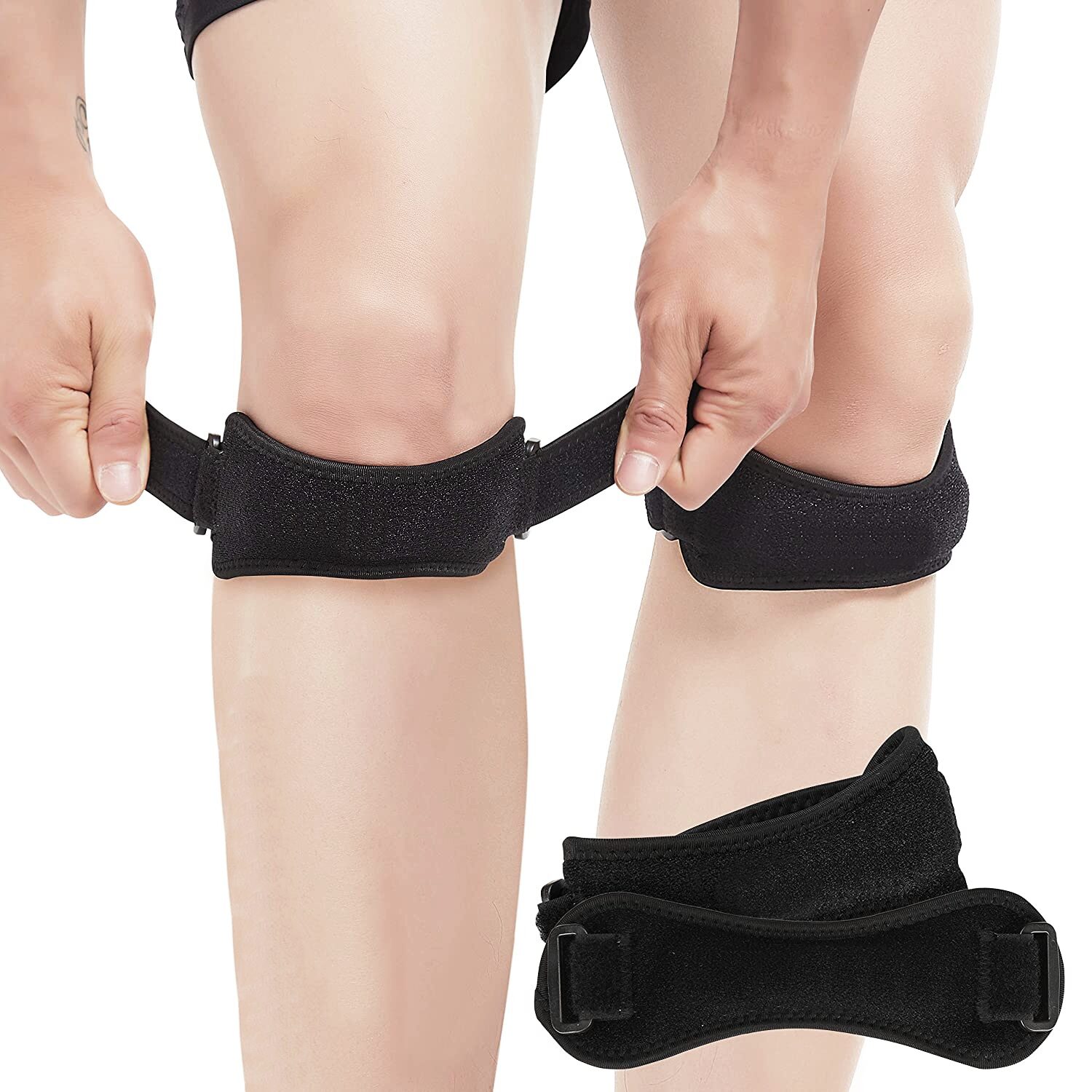
- 1 pair of patella tendon knee straps designed to sit just below the kneecap for focused support.
- Suitable for men and women.
- One-size-fits-most design with adjustable fastening for a secure, comfortable fit.
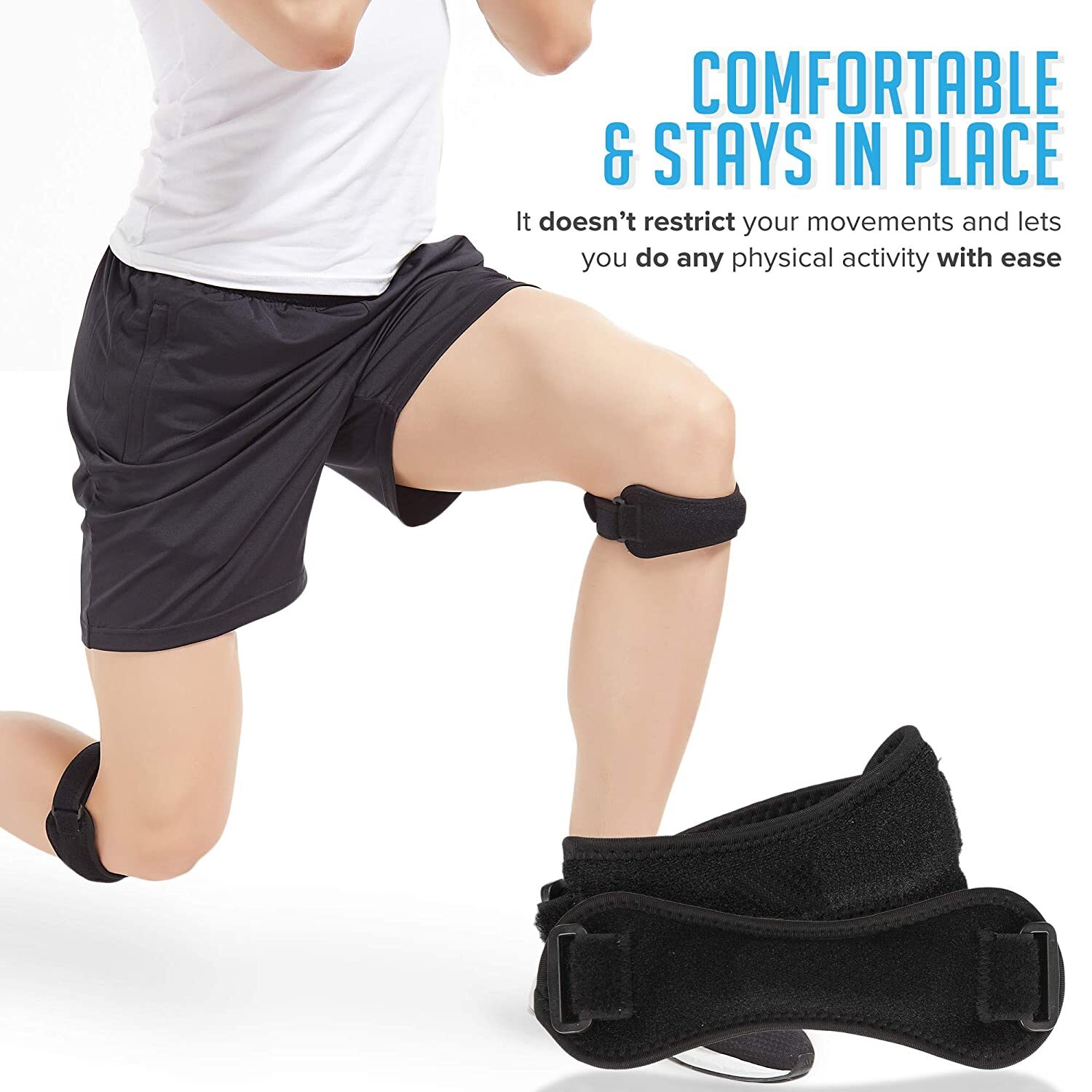
- Made to support the patellar tendon area during running, hiking, football, basketball, tennis, volleyball, gym training, and squats.
- Best suited to pain or tenderness around or just below the kneecap, especially during repeated bending and loading.
- Each strap includes an in-built gel pad for cushioned pressure over the tendon just below the kneecap.
- Helps the knee feel more supported during stairs, sport, training, and longer active days.
- Lightweight, lower-profile design that is easier to wear than many full knee braces or sleeves.
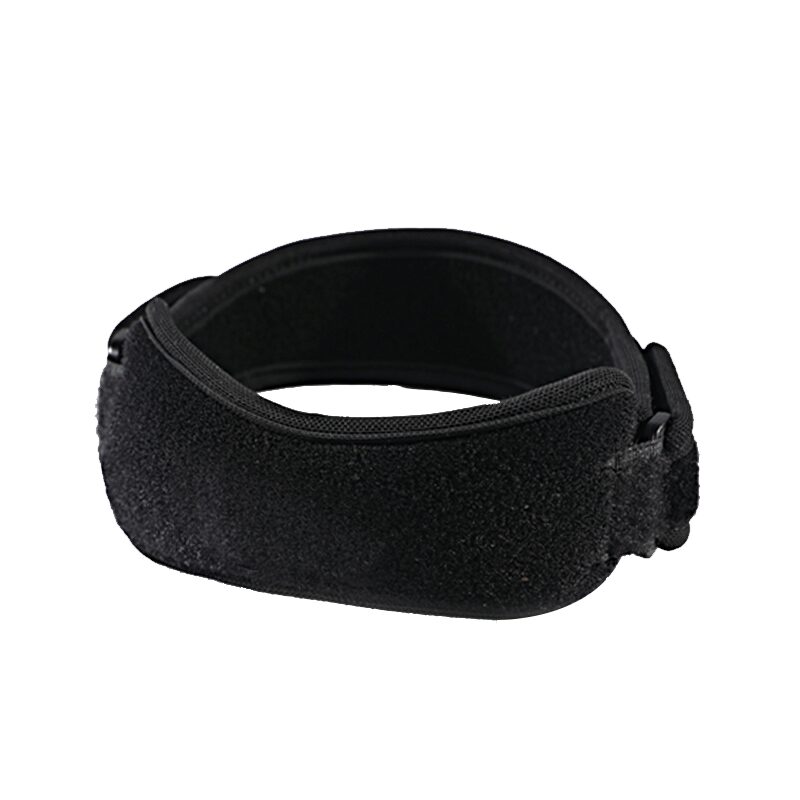
- Wraparound fit makes the straps quick to put on, remove, and adjust as needed.
- Fasten the strap so it feels snug and supportive, not tight, pinching, or restrictive.
- Check the fit while walking, bending the knee, or using a few stairs before longer wear.
- If the knee is very swollen, locking, giving way, or painful after a recent injury, get clinical advice rather than relying on a strap alone.
- Backed by a 30-day money-back guarantee if it is not the right fit for you.
Patella Knee Strap for Targeted Support, Comfort, and More Confident Movement
If pain around or just below your kneecap is starting to affect how you move, train, work, or recover, the right support can make a real difference. For many adults, this kind of knee pain does not only appear during high-impact sport. It often shows up during repeated everyday movement as well: walking upstairs, getting up from a chair, squatting to pick something up, kneeling on the floor, stepping downhill, or trying to get through a run without that familiar ache building at the front of the knee.
When the area below the kneecap becomes irritated, movement often stops feeling automatic. You may notice yourself changing how you walk, avoiding certain exercises, cutting runs short, or hesitating before movements that used to feel straightforward. Over time, that can affect more than performance. It can also reduce confidence, because the knee no longer feels easy to rely on.
This Patella Tendon Knee Strap is designed to give focused support to the area where many people feel the most irritation: the patellar tendon just below the kneecap. It wraps around the knee just under the kneecap, rather than covering the whole joint, so the support stays concentrated where it is often needed most. Each strap includes an in-built gel pad to provide cushioned, local pressure over the patellar tendon area. Supplied as a pair, these straps are suitable for both men and women and use a one-size-fits-most adjustable fastening so you can tailor the fit to your comfort and activity.
Whether you are dealing with recurring tendon-related knee discomfort, trying to stay active during a flare-up, or looking for a lower-profile support you can wear comfortably while moving, this strap is built to give focused help where it is most likely to be useful.
Why Pain Below the Kneecap Can Be So Disruptive
The knee is involved in almost everything you do on your feet. It helps absorb force, transfer effort from one part of the leg to another, control landing, and manage repeated bending and straightening throughout the day. Even moderate irritation at the front of the knee can become noticeable quickly for that reason.
The area just below the kneecap matters because this is where the patellar tendon carries force from the thigh muscles down towards the shin. Every time you climb stairs, slow yourself on the way down a slope, squat, jog, jump, or stand up from a chair, that tendon helps manage tension through the front of the knee. If the tissues in that area become sensitive or overloaded, discomfort often shows up during movements that seem routine but place repeated strain through the same point.
This is why pain below the kneecap can feel so disruptive. It is not only something that affects sport. It can interfere with ordinary daily movement as well. You might notice it during the first few steps after getting out of bed, when walking downstairs, while rising from a low seat, during gym exercises such as squats and lunges, after a run or long walk, when kneeling, during jumping or sprinting, or after spending a long time on your feet.
For many people, the pain is not constant. It is more often linked to what the knee has been doing. The knee may feel manageable when you are still, then become more noticeable once you start bending and loading it repeatedly. Sometimes the discomfort builds gradually during exercise. Sometimes it is more obvious afterwards, especially when the area has had to cope with the same force over and over again without much chance to settle.
That matters when you are choosing support. If your symptoms are mainly centred around the patellar tendon or the front of the knee during bending and loading, broad support is not always the best match. In that situation, focused support often makes more sense than a heavy or rigid brace, because the irritated area is quite specific.
Why a Patella Strap Can Be a Good Match
A patella knee strap is a small support worn just below the kneecap. It is not designed to lock the knee or significantly restrict movement. Its job is more specific than that. It applies targeted pressure to the patellar tendon area so movement can feel better supported and, for many people, more comfortable during activity.
That tends to suit adults who want a support they can actually wear while moving, do not want the bulk of a full brace, find sleeves too warm or too general, need help mainly during exercise or aggravating daily tasks, or want support focused on the area below the kneecap rather than the whole joint.
A good patella strap does not try to do everything. It is designed to do one job well. It supports the part of the knee that many active adults find most sensitive during repeated loading.
How a Patella Knee Strap Works
The value of a patella strap comes from where it sits and how specific it is. It sits just below the kneecap, which allows it to apply controlled pressure across the patellar tendon instead of compressing the whole joint.
That focused design can help in a few useful ways. First, it gives support where symptoms are often felt most clearly. When discomfort is concentrated below the kneecap, broad compression can feel unnecessary or too spread out to feel useful. A patella strap narrows the support down to the area that often becomes irritated during repeated bending, pushing off, landing, or slowing down. For many people, that local support feels more relevant than wrapping the whole knee. Instead of adding material around the whole joint, it places support where you are most likely to notice it.
The in-built gel pad adds to that targeted effect. Because it sits against the patellar tendon area, it helps deliver pressure in a more cushioned and concentrated way. Rather than the strap feeling flat or harsh against the front of the knee, the gel pad helps create a more comfortable contact point just below the kneecap, which many adults prefer during walking, running, training, or longer periods on their feet.
It may also help make tendon loading feel easier to tolerate during activity. The patellar tendon has a demanding job: it transfers force through the front of the knee whenever you run, jump, climb stairs, squat, or lunge. If it is already sensitive, those repeated movements can quickly stir symptoms up. Because the strap sits directly over the tendon area, it can change how pressure is felt during those tasks. When you go downstairs or lower into a squat, the tendon is asked to manage increasing tension as the knee bends under bodyweight. A firm but comfortable strap, with the gel pad sitting over that contact point, may help make that load feel less sharp and more manageable, especially during activities where discomfort usually builds with repetition.
Many people choose to wear a patella strap during sports with jumping and landing, while running, in gym sessions, on long walks or hikes, when using stairs repeatedly, or during a return to activity after a flare-up.
Another benefit is the feeling of support and control. Not all support is about limiting movement. Often, what you want most is for the knee to feel less vulnerable during activity. A patella strap can give that more supported sensation around the front of the knee, which many people find reassuring when they are returning to training or trying to stay active with recurring discomfort.
When movement feels uncertain, it is common to change how you move, hold back more than necessary, or lose trust in the knee. Even a relatively small support can help activity feel steadier and less distracting.
Why Focused Support Often Feels Better Than Broad Compression
One of the main strengths of a patella strap is precision. If your pain is mainly localised below the kneecap, broad compression around the whole knee may not feel like the most sensible answer. Some people do prefer all-over compression, especially when the knee feels generally achy. But others find it too warm, too bulky, or too diffuse.
A patella strap is often preferred because it focuses support on a small, hard-working area, leaves the rest of the knee free, feels lighter during sport and exercise, is easier to wear under many types of clothing, avoids the fully wrapped feeling some people dislike, and can be adjusted quickly depending on the task and your comfort.
That combination makes it especially useful if you want support during movement without wearing more than you need.
When This Type of Support May Be Right for You
A patella strap is not right for every kind of knee pain, but it can be a very good match when the way your symptoms behave fits the way the support works.
It may suit you if your discomfort is mainly at the front of the knee or just below the kneecap, the area feels tender after running, jumping, squatting, or training, going up or down stairs regularly aggravates symptoms, your knee feels worse with repeated bending or loading, you notice discomfort during lunges, step-ups, hill walking, or gym work, you want support you can wear during movement, you prefer something less bulky than a sleeve or brace, or your symptoms tend to be activity-related rather than constant when you are resting.
This type of support is often especially useful when the knee feels fairly manageable until you begin loading it repeatedly. If that sounds familiar, targeted support often makes more sense than a more general option.
Common Situations Where People Use a Patella Strap
Many people do not search by diagnosis. They search by what they feel and by which movements are becoming difficult. That is often the most useful way to think about whether a patella strap is relevant.
It may be particularly helpful if you notice pain or tenderness just below the kneecap after sport, discomfort during the first part of a run, worsening symptoms on stairs or hills, soreness at the front of the knee during squats or lunges, irritation when standing up from a chair after sitting, pain during jumping, landing, or sprint work, a need for support during a gradual return to training after doing too much, or below-kneecap sensitivity during long periods on your feet.
People often use this kind of strap during runs, gym sessions, football, tennis, circuit training, long walks, hiking, stair-heavy workdays, and active weekends when the knee tends to complain more. For some, it becomes part of a gradual return to training. For others, it is simply something they wear on the days they know the knee is likely to be under more repeated strain.
Looking at it through movement and symptoms is often more useful than trying to force every experience into a label. If the problem is centred around repeated force through the front of the knee, a targeted tendon strap is one of the more sensible support options to consider.
Common Reasons People Choose a Patella Knee Strap
Patellar tendon irritation and jumper’s knee
If your discomfort is focused just below the kneecap and gets worse with jumping, landing, sprinting, or repeated leg loading, the patellar tendon may be under more strain than it is currently coping with comfortably. This is common in sports that involve explosive movement, but it can also affect adults doing repeated gym work, hill training, or high-volume lower-body sessions.
This area often feels sore or tender across the front of the knee just under the kneecap. In some people, it is most noticeable at the start of activity, then settles once they warm up, only to become more irritated later that day or the next morning. In others, it builds steadily through a session, especially with repeated jumping, deep knee bends, or frequent stair use.
A patella strap may help by adding focused support to the tendon area during those higher-demand movements. When the tendon is being stressed over and over again, such as in jumping drills or repeated squats, the strap gives local pressure at the point where symptoms are often concentrated. Many people find that this makes activity feel more manageable, particularly when discomfort builds during repeated sessions rather than from one isolated movement.
This type of support is often used during volleyball, basketball, football, sprint training, plyometric exercise, and gym sessions involving repeated squats, lunges, or step work.
Runner-related front knee pain
Runners often notice pain at the front of the knee when mileage rises too quickly, hills are added, speed work increases, or recovery has not quite kept pace with training demand. The pain may show up early in the run, later in the run, or afterwards when using stairs or sitting for a while.
If that discomfort is mainly around or below the kneecap, a patella strap may give the kind of focused support that broad compression does not. Because it is lightweight and relatively minimal, many runners find it easier to wear than a full sleeve during training.
Running asks the knee to bend and straighten thousands of times in a single session. If the front of the knee is already sensitive, even a moderate run can become irritating simply through repetition. A lower-profile strap worn just below the kneecap gives support at the point where the tendon is working hardest, so the knee can feel less exposed during repeated stride cycles, particularly on hills, during speed work, or when running downhill.
It may be especially useful if downhill running aggravates your knee, stairs feel more uncomfortable after running, speed sessions trigger front-of-knee irritation, the pain clearly feels linked to repeated force rather than appearing at random, or you want support without changing the feel of your whole knee.
General pain below the kneecap during exercise
Not everyone has a named condition, but the experience is often clear. The knee may feel acceptable at rest, then become irritated during repeated loading. That might happen during squats, lunges, cycling, jogging, walking uphill or downhill, repeated stair climbing, circuit training, or simply on active days.
If the discomfort is consistently centred below the kneecap, a patella strap can be a better fit than a more general support. It gives help where the load is being felt most, without adding unnecessary coverage elsewhere.
This can be especially relevant when the knee is not badly painful all the time but reacts to volume. In practice, that often means it tolerates a few repetitions well enough, then becomes progressively more noticeable once you have been on your feet longer, gone up and down stairs repeatedly, or moved through a full gym session. In that sort of situation, a strap can often make the difference between movement feeling irritating from the start and movement feeling more manageable for longer.
Support during return to sport or training
Coming back from knee irritation is often not about waiting until the pain has completely gone. It is more about whether the knee can cope with force again with enough confidence and control. That is where a patella strap can be especially useful.
Many people wear this type of support during first sessions back after a flare-up, reduced-volume return weeks, lower-body gym reintroduction, short runs before returning to normal mileage, court sessions after a break, or physically demanding work shifts.
The strap does not replace a gradual return, but it can help that return feel more supported and less daunting. If the front of the knee has become sensitive to repeated force, going straight back to full activity can stir symptoms up quickly. Wearing a targeted strap during those early sessions may help you move with better confidence while you build tolerance back up more steadily.
Repeated stair use, walking, and busy days on your feet
Not every user is an athlete. Some people simply notice that their knee becomes uncomfortable during ordinary but repetitive daily tasks. Walking between floors, commuting, carrying items up stairs, standing for long periods, or covering lots of steps at work can all place repeated demand on the front of the knee.
If your symptoms tend to appear on more active days rather than only at rest, a patella strap may be a practical way to provide support when you are most likely to need it. That can matter when the problem is less about one dramatic movement and more about discomfort gradually building through the day.
What a Patella Strap Can and Cannot Do
It is worth being clear about what this type of support is for. A patella strap can provide targeted support below the kneecap, offer focused compression to the patellar tendon area, help some adults feel more comfortable during activity, make repeated movement feel easier to tolerate, provide a more secure feeling during training, walking, or sport, and offer a lower-profile alternative to sleeves and larger braces.
It cannot diagnose the exact cause of knee pain, repair significant structural problems on its own, replace sensible management of how much strain the knee is dealing with, replace strengthening or rehabilitation where these are needed, act as the right answer for every kind of knee problem, or provide the same level of support as a larger brace where the knee feels genuinely unstable.
If your symptoms involve major swelling, locking, giving way, severe pain, or a recent traumatic injury, it is sensible to speak to a GP, physiotherapist, or another appropriate clinician. A patella strap is best seen as a targeted support tool, not as a catch-all answer for every knee problem.
Patella Strap, Knee Sleeve, or Larger Brace?
Choosing the right support is easier when you know what each type is designed to do.
A patella strap is most useful when support is needed mainly below the kneecap. It is targeted, lightweight, and usually better suited to movement-heavy situations where you want mobility as well as support. It is often preferred for running, jumping, gym work, and active day-to-day use.
A knee sleeve gives compression across a wider area. That may suit some people who like the feeling of the whole joint being supported, but it is less specific. If your symptoms are very localised, a sleeve can sometimes feel broader than necessary. Sleeves are often chosen for general mild knee soreness, a preference for all-over compression, warmth around the whole knee, or by people who simply prefer a more enclosed feel.
A larger brace is usually more structured and may provide more substantial support. That can be useful in some situations, but it also comes with more bulk, less freedom, and a stronger braced feeling. Larger braces may be more relevant when clearly more support is needed, when some restriction of movement is part of the goal, or when there are more significant stability concerns.
For many adults with focused pain below the kneecap, a patella strap sits in a useful middle ground between very minimal support and something far more substantial than they actually need.
Features of This Patella Tendon Knee Strap
Supplied as a pair
These patella tendon straps are supplied as a pair. That is useful if you want the option of wearing support on both knees, whether because both sides are symptomatic or because you simply prefer to have a matching pair ready for training, sport, work, or more active days.
Even if only one knee is bothering you at the moment, having a pair can still be practical. Knee symptoms do not always stay neatly on one side, particularly during periods of heavier training, return to activity, or repeated stair use.
In-built gel pad in each strap
Each strap includes an in-built gel pad positioned to sit against the patellar tendon area just below the kneecap. This matters because the contact point is where the strap does its main job. The gel pad can make that pressure feel more comfortable and more precise, rather than flat, sharp, or overly rigid.
For some adults, that extra cushioning is what makes the strap easier to wear during running, gym work, walking, or longer stretches on their feet. It helps the support feel more localised to the tendon area without making the strap feel unnecessarily harsh.
Suitable for both men and women
This support is designed for adult men and women. Because the strap sits around a relatively small area just below the kneecap rather than covering the whole joint, it works well as a more adaptable style of support across different builds and activity types.
One size fits most with adjustable fastening
The adjustable fastening helps make this a one-size-fits-most design. Rather than relying on fixed sleeve sizing, the strap wraps around the knee just below the kneecap and can be tightened or loosened to suit your comfort and the level of support you want.
That adjustability is useful if you want a firmer fit for sport or training, or a slightly easier fit for walking and general wear. It also makes the strap easier to fit into different parts of your routine without the bulk of a larger brace.
Adjustable wraparound design
The wraparound design makes the strap straightforward to position exactly where support is needed. Because it fastens around the knee just below the kneecap, it is easier to place directly over the patellar tendon area than a broader pull-on support that covers the whole joint.
That practical design also makes it easier to put on, take off, and readjust if needed during the day. For many adults, that matters just as much as the support itself. A support is much more likely to be used consistently if it feels easy to work into everyday life.
Targeted support without full-knee bulk
This strap is built to support the patellar tendon area specifically. Instead of adding compression around the whole joint, it gives a more focused form of support that makes sense when symptoms are concentrated below the kneecap.
That means less unnecessary material, less heat build-up than with some larger supports, easier use during sport and exercise, and a more precise support feel.
For adults whose discomfort is linked to repeated bending and straightening, that precision is often the main advantage. When the irritated area sits at the front of the knee, right where the tendon is working hardest, targeted pressure from a smaller strap can feel more useful than surrounding the whole joint with compression that does not really address the main problem.
Soft, cushioned contact point for comfort
If a support feels harsh against the skin, people often stop wearing it consistently. That is why comfort matters just as much as function. The cushioned contact point, helped by the in-built gel pad, makes the strap easier to tolerate during active use and reduces the overly rigid feel some supports can create.
This can make a real difference during longer training sessions, repeated walking, work shifts, sports practice, or active days when the strap is worn for extended periods.
Comfort is not a minor detail here. A strap only helps if you are willing to keep it on while moving, and a softer contact point can make that much more realistic during longer periods on your feet.
Lightweight feel for sport and daily use
A support is much more useful when you are willing to wear it consistently. The lightweight build helps the strap feel easier to integrate into your routine. It does not feel like a large brace, and that matters if you want support that fits naturally around training, commuting, work, and day-to-day movement.
A lighter support can also mean more freedom of movement, less interference under many clothing types, and an easier fit in a gym bag or work bag. For many adults, that practical side is what determines whether a support gets used at all.
Secure hold during movement
Support is only useful if it stays where it is meant to stay. A secure hold helps the strap remain in position during activity so you spend less time adjusting it and more time getting on with what you need to do.
That matters whether you are running, climbing stairs, training your legs, on your feet all day, returning to sport, or moving through a physically active routine.
This is not just about convenience. If the strap shifts away from the tendon area, it no longer applies pressure where the knee is actually asking for support. A more secure hold helps keep that support effect consistent through repeated movement.
How to Wear a Patella Knee Strap Properly
Correct fit makes a real difference. Even a well-designed support will be less effective if it is positioned poorly or tightened the wrong way.
The strap should sit just below the kneecap, across the patellar tendon. This is the point the support is designed to target. If it sits too high or too low, it may not feel as effective or as comfortable. Because the strap wraps around the knee rather than pulling over the whole joint like a sleeve, it is usually quick to position and easy to adjust once it is in place.
Tighten it until it feels snug and supportive, but not restrictive. It should not feel painfully tight, dig into the skin, or cause tingling or numbness. The aim is controlled pressure, with the gel pad sitting comfortably against the tendon area, not aggressive compression.
Before heading into a run, gym session, match, or long day on your feet, test the fit while walking and bending the knee. Try a few stairs, a few squats, or a few gentle movement drills. This gives you a chance to check that the strap stays comfortable and in place.
Many people find the strap most useful when worn during the activities that normally bring symptoms on. That may include running, gym work, sport, stairs, longer walks, active work shifts, or return-to-training sessions. It is often most relevant during movement rather than while sitting still.
If the strap slips, pinches, or feels uncomfortably tight, stop and adjust it. Sometimes a small change in position or tension makes a noticeable difference.
Common fit mistakes to avoid
A few simple mistakes can make a good support feel disappointing. One of the most common is wearing it too loose, so it shifts during movement and no longer sits over the tendon area properly. Another is tightening it too much and turning support into discomfort.
Placement matters as well. If the strap sits too far below the kneecap, it may miss the point it is meant to support. It is also easy to assume that more pressure always means better support, but that is not usually the case. A secure, comfortable fit is more useful than simply making the strap as tight as possible.
Another common mistake is using this kind of support for the wrong type of symptoms. Patella straps are most helpful when discomfort is mainly focused around or just below the kneecap during repeated loading. If the knee feels swollen, very unstable, or painful in a different way altogether, another approach may be more appropriate.
What You May Notice When It Is Helping
Not every benefit shows up as dramatic pain relief. Often, the first signs are more practical than that.
You may notice that stairs feel easier to manage, the knee feels more supported during running or training, squats or lunges feel less aggravating, the front of the knee feels less vulnerable, you feel more confident during movement, or longer active days are easier to get through.
For many people, the real value is not that the strap makes the knee feel perfect. It is that movement feels more tolerable, more supported, and less distracting. Often, the first improvement is simply being able to do repeated tasks with less irritation building as quickly.
What Results to Expect
A patella strap is meant to support movement comfort, not to promise dramatic results. It may help reduce discomfort during activity, improve the sense of control around the front of the knee, and make repeated loading feel easier to tolerate. It is best viewed realistically.
The best results often come when the strap is part of a broader common-sense approach. That may include temporarily cutting back the activities that aggravate the knee most, returning to sport or exercise gradually, choosing support during higher-demand tasks, paying attention to what tends to trigger symptoms, and building your tolerance back up over time.
For many people, that combination works far better than simply pushing through discomfort without any support at all. If the knee has become irritable because it is being asked to do more than it currently tolerates, targeted support can often make that rebuilding phase feel steadier and more manageable.
Who This Patella Knee Strap Is For
This support is designed for adults who want focused help below the kneecap without the heaviness of a larger brace.
It may be especially useful for runners dealing with front-of-knee or below-kneecap discomfort, gym users who notice discomfort during lower-body training, football players and court-sport athletes, hikers and walkers covering longer distances, active workers on their feet for much of the day, adults managing sport-related tendon irritation, adults returning to training after a flare-up, and anyone who wants a simple, adjustable, movement-friendly support.
It is particularly well suited to people whose knee discomfort is linked to activity, repetition, and force through the front of the knee rather than a joint that feels generally unstable.
Built for Daily Life as Well as Exercise
A good support should not only work in theory. It should work in the situations where people actually need it.
That might mean putting it on before a morning jog, using it for squats, lunges, or step work at the gym, wearing it for football, tennis, or general training, relying on it during long days with repeated stair use, taking it on hikes or longer walks, using it on active weekends when the knee tends to feel more irritated, or wearing it during a phased return to sport after overload.
Because it is smaller, adjustable, and focused, this style of support tends to fit more naturally into real routines than larger, more restrictive alternatives.
When to Get Further Advice
While a patella strap can be very useful for the right type of symptoms, it is not suitable for every knee problem. If your symptoms are severe, if the knee is locking, giving way, very swollen, or if the pain followed a recent injury, it is sensible to speak to a GP, physiotherapist, or another appropriate clinician.
The same applies if symptoms are new, unexplained, or not improving as expected. Support can be helpful, but it works best when it matches the problem you are dealing with.
Frequently Asked Questions
Do these come as a pair?
Yes. These patella tendon straps are supplied as a pair.
Does each strap have a gel pad?
Yes. Each strap includes an in-built gel pad designed to sit against the patellar tendon area just below the kneecap for more cushioned, focused support.
Are they suitable for both men and women?
Yes. They are designed for adult men and women.
Is it one size fits most?
Yes. The adjustable fastening makes this a one-size-fits-most support.
Where does the strap sit?
It should sit just below the kneecap, across the patellar tendon area. That is the point it is designed to support.
Does the strap wrap around the knee?
Yes. It wraps around the knee just below the kneecap and can be adjusted for a snug, supportive fit.
How tight should it be?
It should feel snug, secure, and supportive, but not painfully tight. You should not feel numbness, tingling, or excessive pressure.
Can I wear it while running or training?
Yes. Many adults wear a patella strap during running, gym work, court sports, and other activities that repeatedly load the front of the knee.
Can I wear one on both knees?
Yes. If both knees need similar support and the fit is comfortable, many people choose to wear one on each side.
Targeted Support for the Part of the Knee That Often Needs It Most
If your discomfort is centred around the kneecap or patellar tendon area, a general support is not always the best fit. Often, what helps most is focused pressure in the right place, in a design that stays comfortable during movement and practical in everyday life.
This Patella Tendon Knee Strap provides that focused below-kneecap support in a lightweight, adjustable wraparound design, with an in-built gel pad in each strap for more cushioned pressure where many adults need it most. Supplied as a pair, suitable for both men and women, and made in a one-size-fits-most format, it is built for exercise, sport, walking, work, and active routines.
Whether you are trying to stay active, return to training, manage front-of-knee irritation with more confidence, or simply get through daily movement with less discomfort, this strap offers a simple, focused way to support your knee where it matters most. If this sounds like the sort of knee pain you are dealing with, it is worth considering whether this style of support fits your needs. Check the fit carefully, use it during the activities that usually bring symptoms on, and if you are unsure whether it suits your situation, speak to a GP or physiotherapist for individual advice.
Shop With Confidence
You should feel confident not only in the support itself, but also in the decision to try it. That is why this Patella Tendon Knee Strap is backed by a 30-day money-back guarantee. If it is not the right fit for you, you can return it for a full refund.
Choose focused support, adjustable comfort, and a lower-profile way to help your knee feel more supported during the movements that matter most.
Disclaimer
This information is general guidance only and is not a substitute for individual medical advice, diagnosis, or treatment. If you are unsure whether this support is appropriate for you, or if you have new, unexplained, or more complex symptoms, speak to a GP, physiotherapist, or another appropriate clinician for personalised advice. No support can guarantee outcomes, and results vary from person to person.
Fast & Secure Checkout Through Paypal
Pay with Paypal the secure payment gateway that accepts all credit and debit cards. Paypal is free and secure and no credit or bank information is ever stored or shared with us.
Fast Dispatch
Enjoy your items soon with quick dispatch via Royal Mail. Expect to have your items between 1-3 working days for domestic orders. 7-10 Working days for international orders.
Return Policy – 30 Day Money Back Guarantee
In the unlikely event, you are unhappy with your purchase you can return it within 30 days for a refund. Please contact us via the form on the contact us page to start your return.
To return an item please send it to: Nuova Health UK, 81 Highfield Lane, Waverley, Rotherham, S60 8AL. Please include a note with your order id so we know who to refund. Please retain your postage receipt as proof of postage. All that we ask is that the item is in the original packaging and unused.
Reviews
There are no reviews yet.