
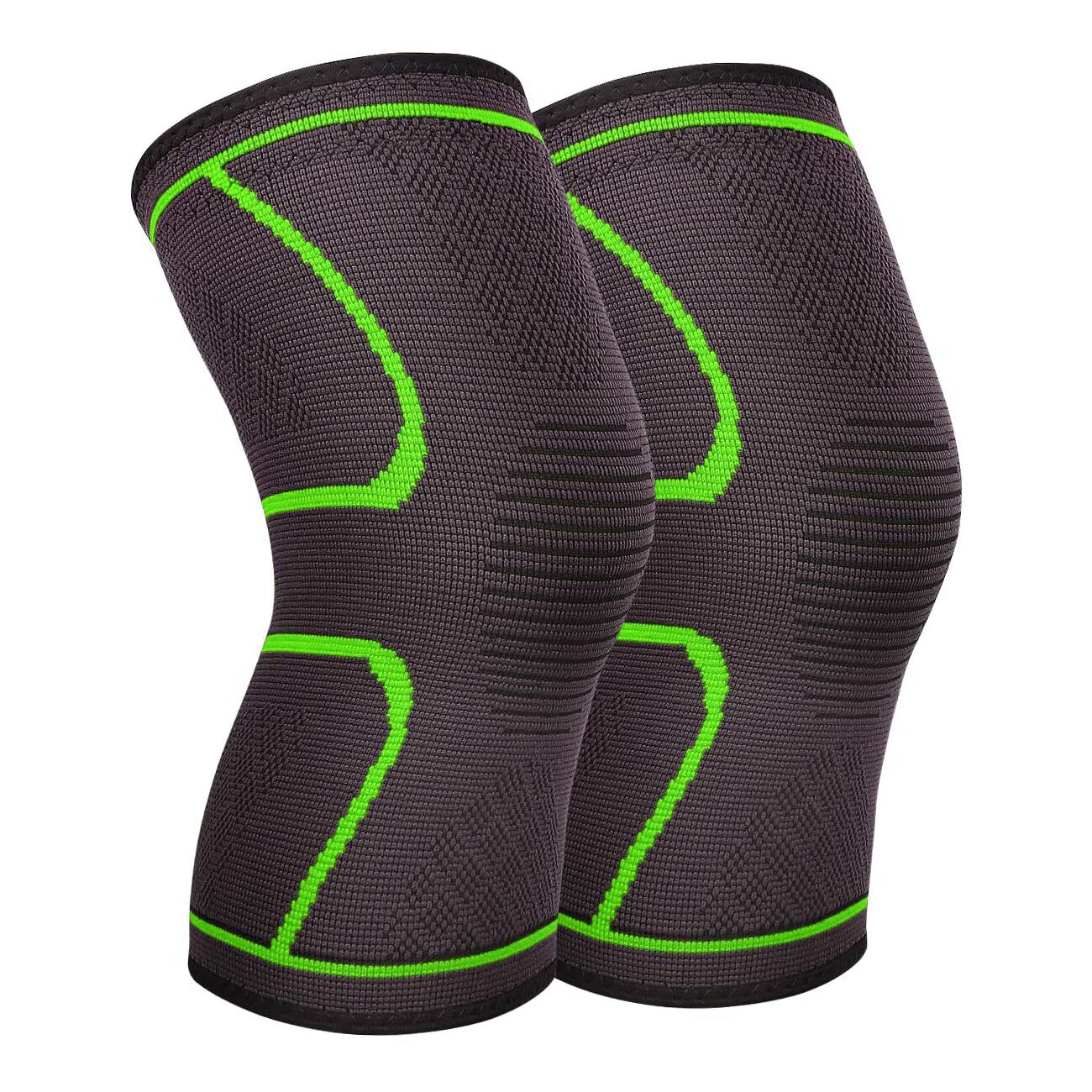
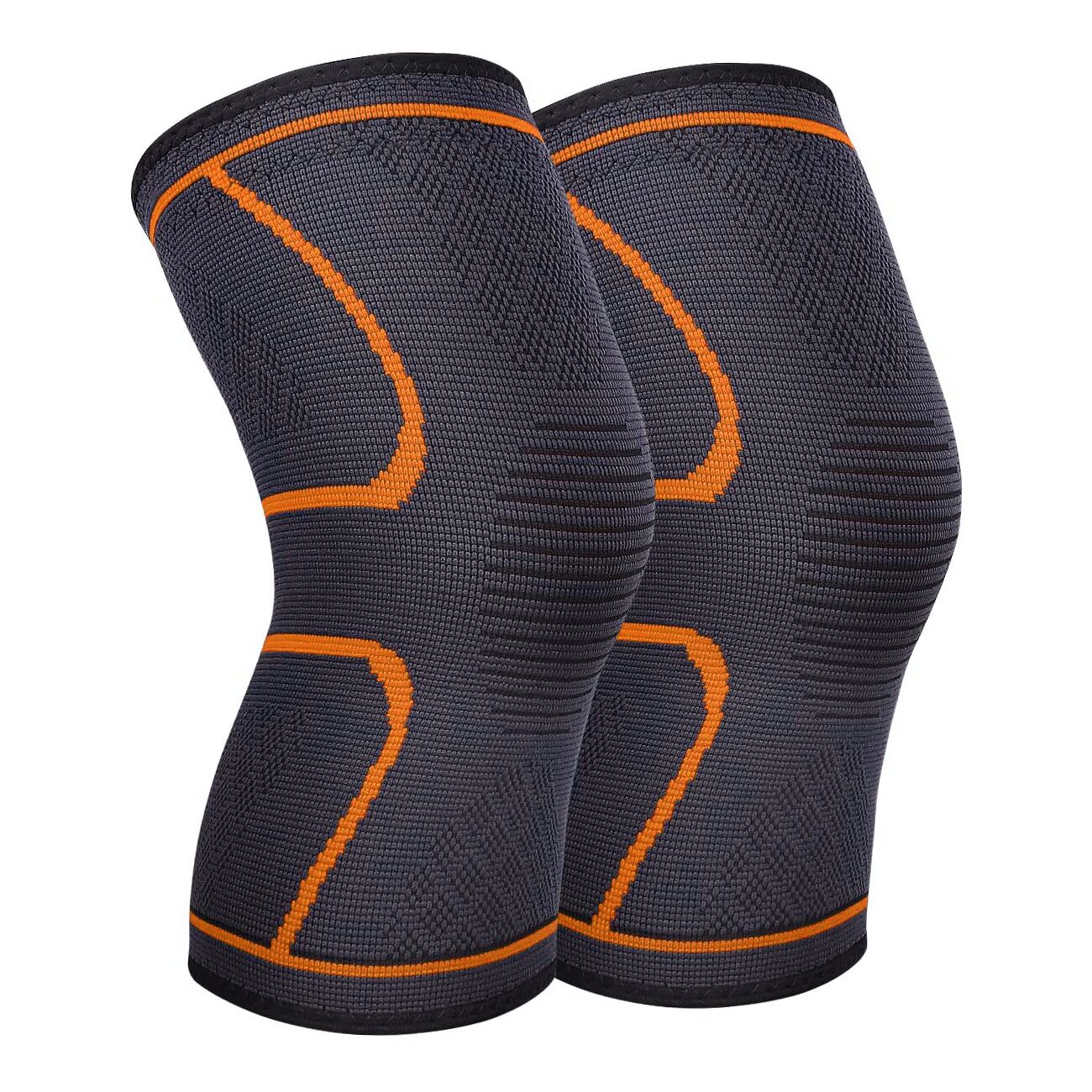
2X Arthritis Knee Support
£11.99inc VAT
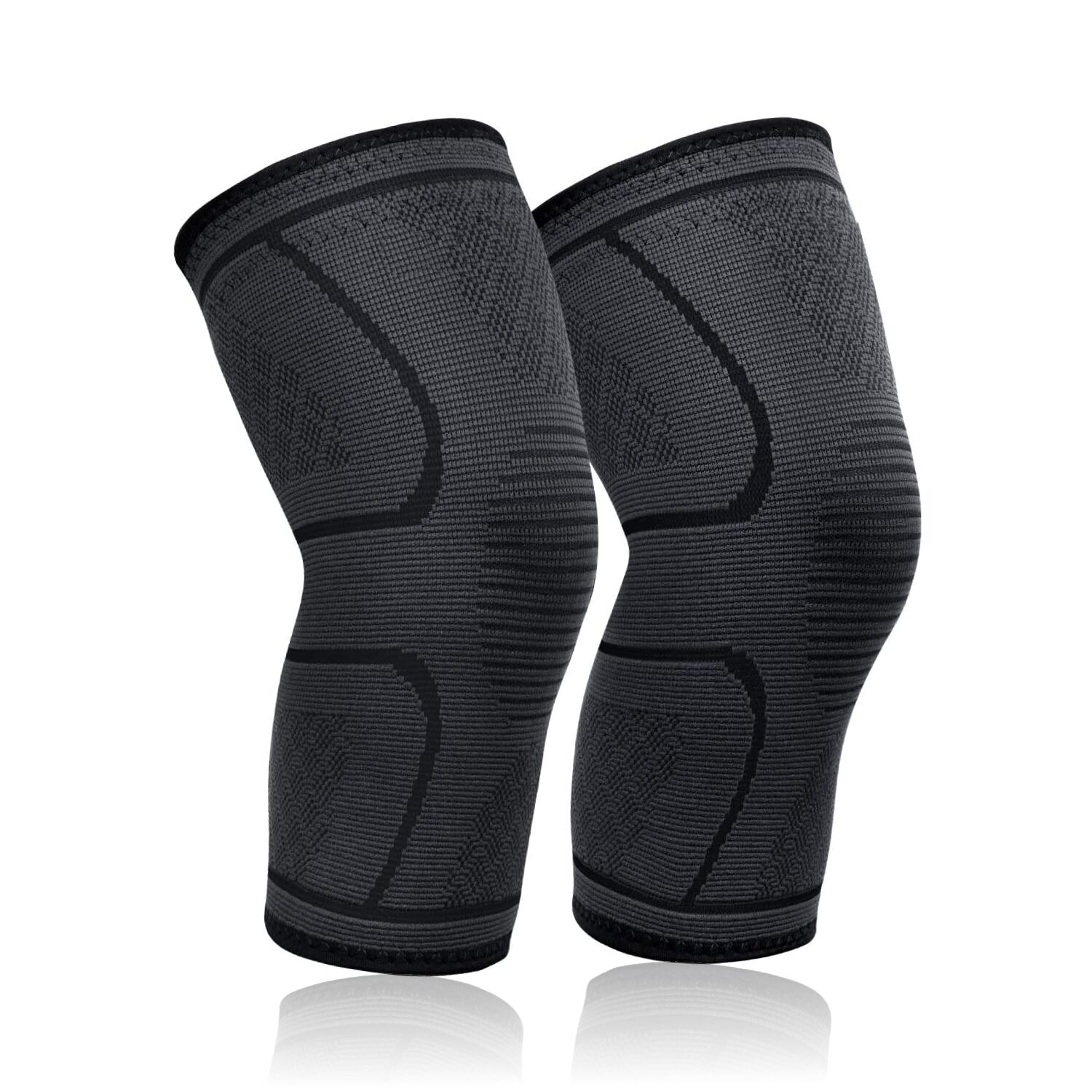
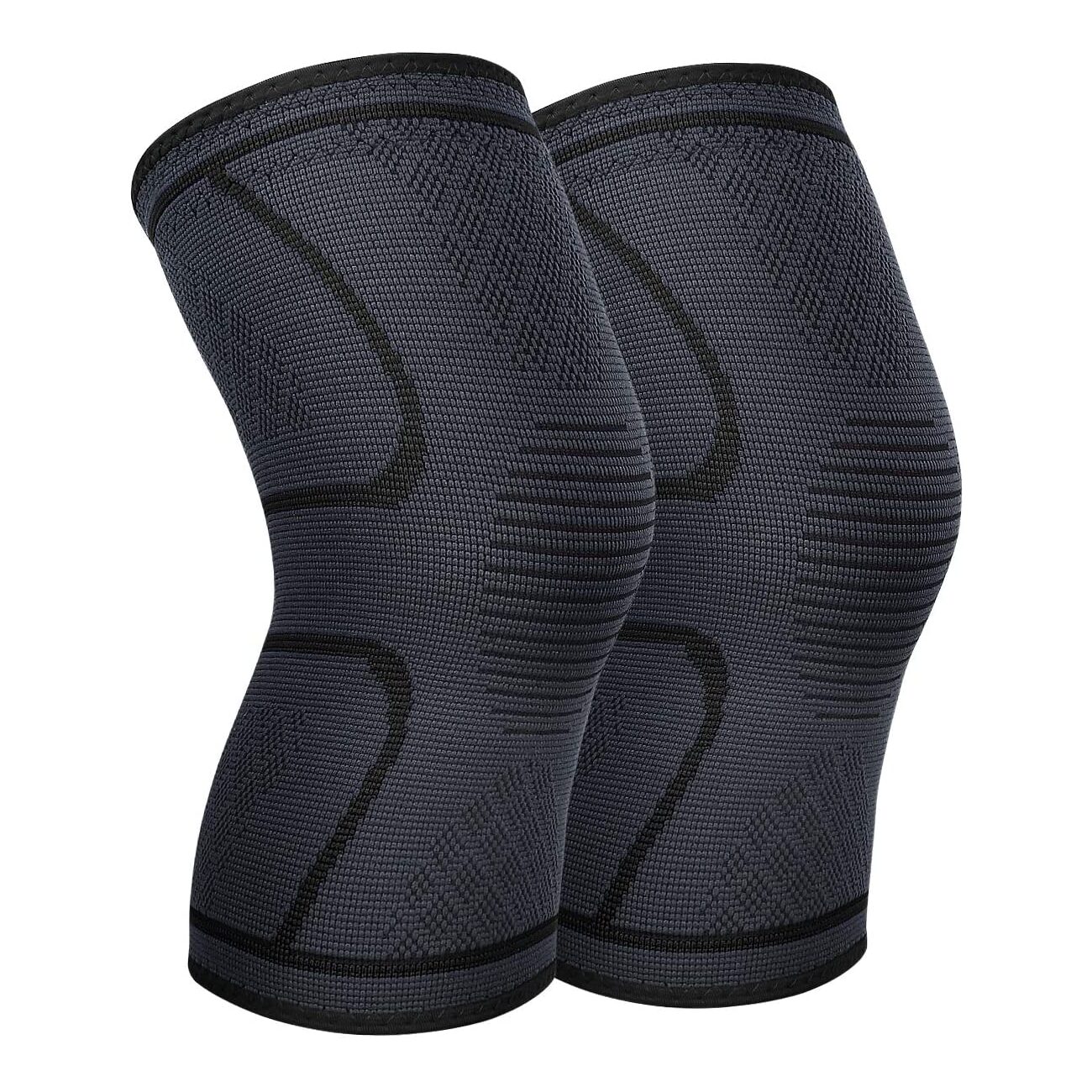
- 1x Pair of Arthritis Knee Support Sleeves (2 supports, 1 for EACH knee)
- Available in Small, Medium, Large & XL in a range of different colours
- For both Men & Women
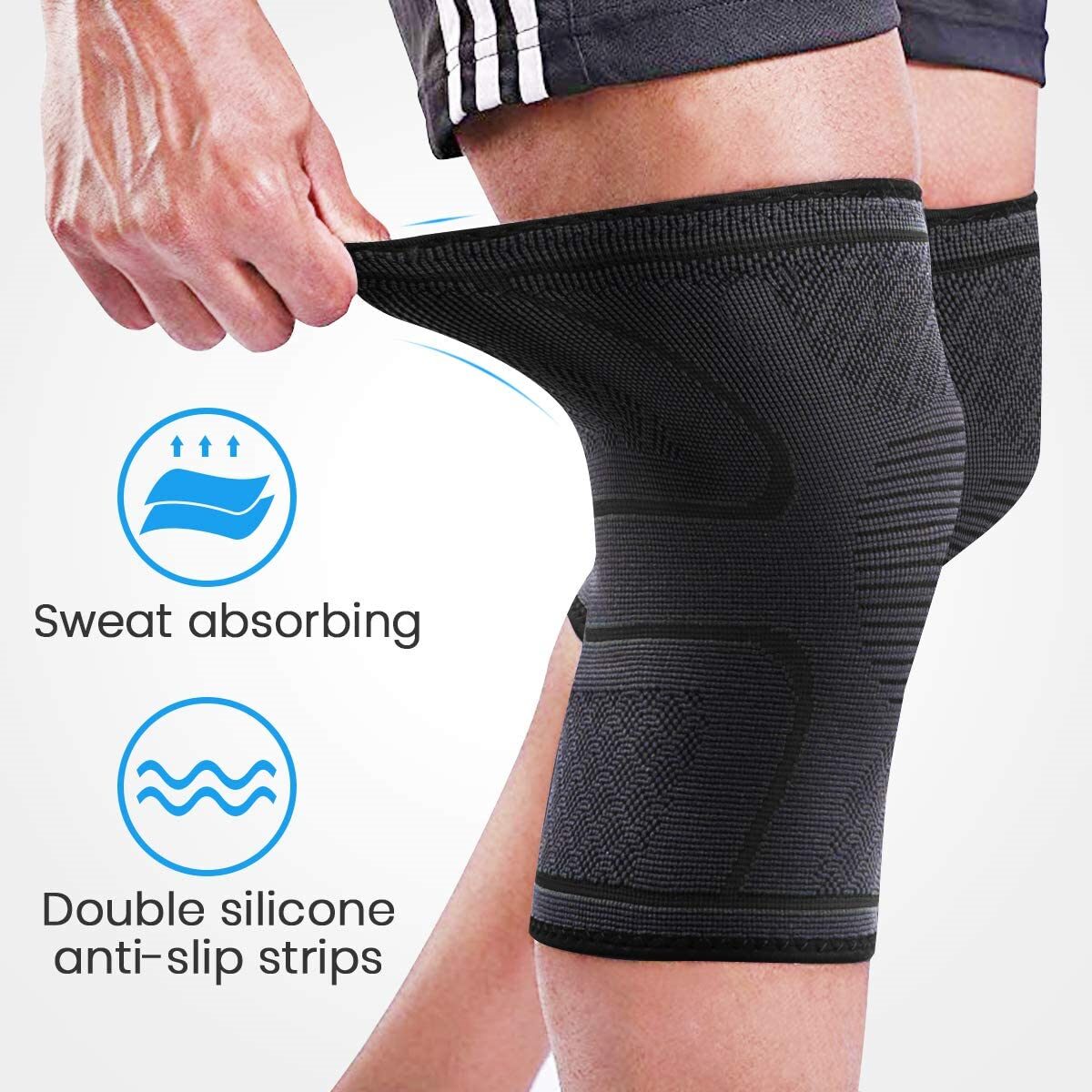
- Slips easily and comfortable around your knee and features anti-slip technology that helps to stop the knee support from slipping down
- Made from lightweight, breathable neoprene material
- Provides soothing compression to your knee joint which is ideal for easing knee pain, swelling and inflammation from arthritis and knee tendinitis
- A great choice for any runner or athlete wanting to keep running after sustaining a knee injury. Provides protection and support for a wide range of sports and activities such as football, rugby, golf, cycling, tennis, hiking, volleyball, skiing, weightlifting, power lifting, crossfit and much more.
- Designed to promote better knee function and biomechanics helping to prevent knee and lower limb injuries
- Ideal for preventing further wear and tear to your knee by reducing shock and jolts to your knee
- Improves knee stability, this knee support has been designed to realign & stabilize your knee in the correct position reducing the risk of knee strains & sprains
- Includes a full 30 day money back guarantee!
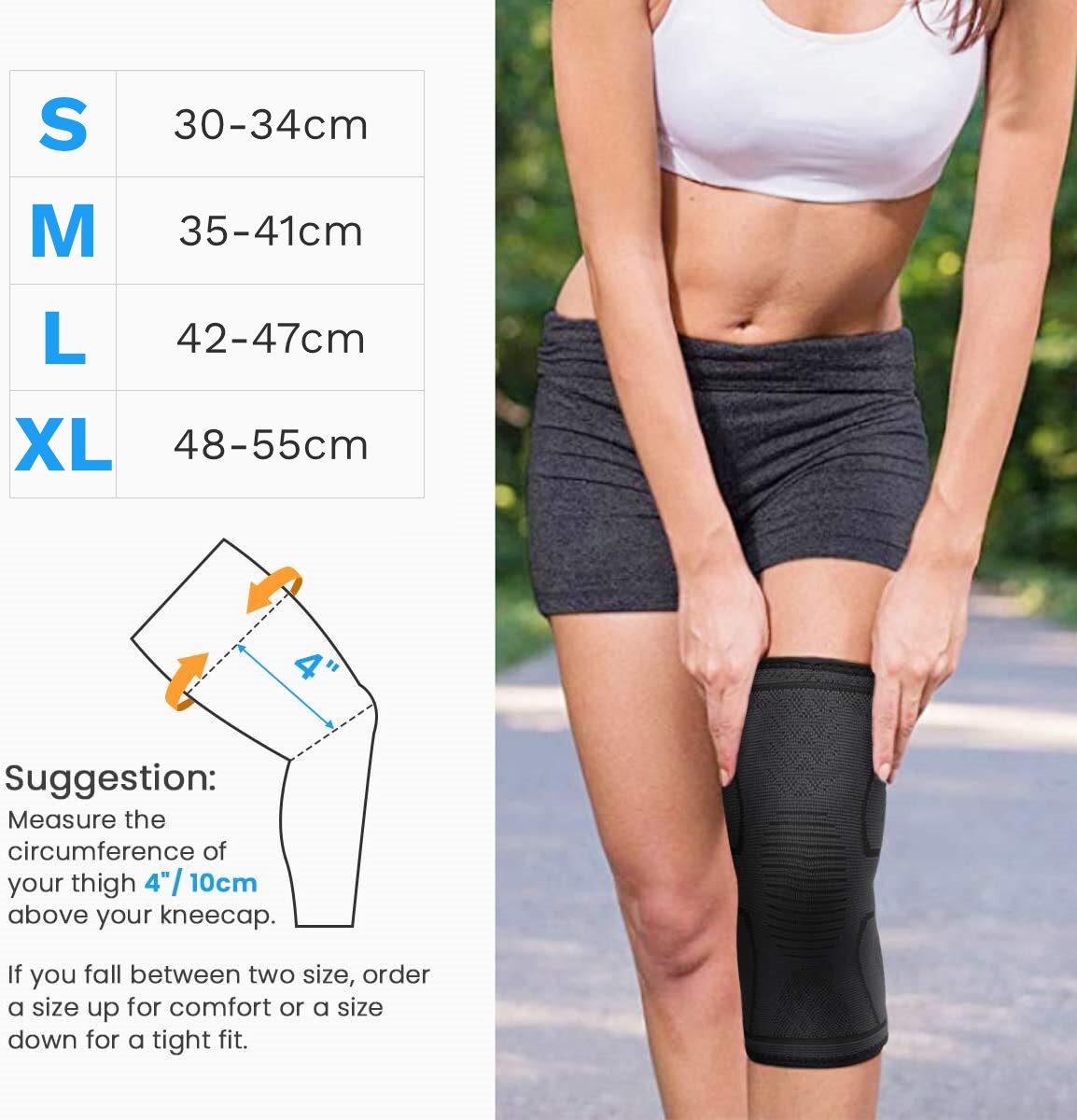
- Sizes are as follows:
- S: Length:27cm; Top circumference: 15cm; Bottom circumference: 13cm; Leg circumference: 30-34cm
- M: Length:27cm; Top circumference: 16cm; Bottom circumference: 14cm; Leg circumference: 35-41cm
- L: Length:27cm; Top circumference: 17cm; Bottom circumference: 15cm; Leg circumference: 42-47cm
- XL: Length:27cm; Top circumference: 18cm; Bottom circumference: 16cm; Leg circumference: 48-55cm
Knee Arthritis Support That Helps You Move More Comfortably
If knee pain, stiffness, swelling, or a sense that the knee feels weaker or less steady is making everyday movement harder, the right support can make a real difference to comfort, confidence, and how manageable the day feels. For many people, knee arthritis does not start with one obvious event. It tends to come on gradually. The knee starts to feel stiff when you first get up, slower to loosen after sitting, more sore after a longer walk, or less comfortable on stairs than it used to be.
At first, that can seem manageable. You adjust without paying much attention to it. You pause before stepping down. You put a little less bend through the knee because that feels easier. You may rely more on the other side when standing up. Over time, those small adjustments can become part of how you move from one part of the day to the next.
Often the problem shows up during ordinary changes of position before anything feels severe. The first few steps after sitting can feel awkward. Standing for a while may leave the knee feeling heavy or full. Getting in and out of the car, walking around shops, carrying bags, climbing stairs, or turning while the knee is bent can start to feel more effortful than they should. In many cases, it is not only pain that wears people down. It is the stiffness, puffiness, caution, and constant awareness of the knee that make movement feel tiring and distracting.
Many arthritic knees do not need a large, rigid brace. They need a practical, wearable level of support that makes everyday movement feel more comfortable and less effortful. A support sleeve will not change the arthritis itself, but it may change how the knee feels while you are using it. For many people, that is where the benefit is felt most clearly.
Meet the KneeReviver Arthritis Knee Support Sleeves
KneeReviver Arthritis Knee Support Sleeves are lightweight compression sleeves designed to support one or both knees during walking, work, travel, exercise, and day-to-day activity. They are supplied as a pair, can be worn on either knee, and come in sizes from Small to XL to help you get a close, supportive fit.
Suitable for both men and women, they are designed for people who want support they can actually wear in real life: enough to feel helpful, but light enough to stay practical through the stop-start demands of a normal day. That includes repeated sitting and standing, time on your feet, using stairs, running errands, commuting, and lower-impact activity.
For many people with knee arthritis, that balance is important. The knee may not need firm restraint. It may simply need to feel more supported and less irritated during movement. A lightweight sleeve is often a sensible option in that middle ground. It offers support without the bulk of a heavier brace and without making normal bending and straightening feel awkward.
Who These Sleeves Are Best Suited To — and When They May Not Be Enough
KneeReviver Arthritis Knee Support Sleeves are generally best suited to knees that feel stiff after rest, achy during walking or standing, mildly puffy later in the day, or a bit less steady on stairs, slopes, or uneven ground. They are often a good fit when the main goal is not rigid control, but a more supported and more comfortable feel during ordinary activity.
They may be especially useful if your knee tends to feel:
-
- slow or stiff when you first get moving
-
- achy during walks, errands, or longer periods of standing
-
- mildly swollen, full, or heavy later in the day
-
- more awkward on stairs than it used to be
-
- noticeable enough to change how you move, even if it is not severely painful
-
- less easy to trust, even without obvious giving way
They are less likely to be enough on their own if your knee is significantly unstable, repeatedly buckling, locking, acutely hot, very swollen, or too painful to take weight through properly. A sleeve can still feel comfortable in some of those situations, but it should not be treated as the main answer when the joint clearly needs firmer structural support or proper assessment.
That distinction matters. A compression sleeve is designed to support comfort, gentle compression, and confidence during movement. It is not a cure for arthritis. It does not rebuild cartilage, reverse wear inside the joint, or correct marked instability. The practical value is simpler than that, but still important: helping the knee feel better to use during the repeated, ordinary movements that arthritis tends to affect most.
Why a Knee Sleeve Can Feel Helpful for Arthritic Knees
The likely benefit of a knee sleeve comes less from forcing the joint into position and more from changing how the knee feels while you move. For many people with arthritis, that is exactly what matters. The knee may not be dramatically unstable, but it can feel mildly swollen, stiff, exposed, uncertain, or tiring to use. A sleeve may help by combining gentle compression, close contact around the knee, mild warmth, and a more secure feeling during movement.
Gentle Compression Around the Joint
A close-fitting sleeve applies light, even pressure around the knee and the surrounding soft tissues. Where the knee tends to feel mildly swollen, puffy, or heavy after standing, walking, or exercise, that compression may help the area feel more contained and less unsettled. This is not the same as rigid support. It does not hold the knee still or force it into a fixed position. Instead, it can make the area around the joint feel less loose and less reactive while the knee bends and straightens under load.
This can matter most when the knee does not feel sharply painful so much as constantly present. Some people describe the knee as feeling “full” rather than painful. Others say it feels thick, puffy, or tired by afternoon. In that kind of symptom experience, compression can be useful because it changes how the knee feels during movement rather than trying to stop movement altogether.
Improved Awareness of Knee Position and Movement
A sleeve also provides close contact around the skin and soft tissues around the knee. That contact may improve your awareness of how the knee is moving, which some people experience as the joint feeling more guided, more predictable, or easier to trust. This is not true structural correction. It is a change in how movement feels. But that can still matter in everyday life, especially when the knee feels vague or hesitant rather than clearly unstable.
This may be most noticeable on stairs, slopes, uneven ground, or when turning and changing direction. In those situations, many people become more aware of the knee not because it gives way, but because it feels uncertain. If a sleeve makes movement feel easier to judge and less exposed in those moments, the practical difference can be real.
Mild Warmth for Stiffness After Rest
Many arthritic knees are at their most awkward at the start of movement. The first few steps after sitting, getting out of bed, or standing up after a long drive can feel tight, slow, and effortful. A sleeve can help hold a mild degree of warmth around the joint, and that may make the shift into movement feel less abrupt.
This does not mean warmth changes the arthritis itself. It simply means some knees move more comfortably when they feel a little less cold and a little less stiff at the start. If your knee is more troubled by start-up stiffness than by obvious instability, that can be one of the most useful effects of wearing a sleeve.
Support Without Excess Restriction
Most knees with arthritis still benefit from movement. One of the frustrations of arthritis is that too little and too much can both make the knee feel worse. A support sleeve can be helpful in that middle ground because it does not lock the joint or force it into an unnatural pattern. It supports the knee while still allowing it to bend and straighten, which makes it more realistic for walking, work, travel, exercise, and the repeated changes of position that come up through the day.
That is one reason many people find a sleeve more practical than a bulkier brace. If the knee mainly needs comfort, compression, and a more secure feel, lighter support is often easier to wear consistently. And support that you can comfortably wear through normal life is usually more useful than a heavier product that feels too cumbersome to use regularly.
Helping Activity Feel More Manageable
The practical value of a knee sleeve often lies in making ordinary activity feel more manageable. Arthritis commonly creates a difficult balance: too little movement leaves the knee stiff and slow, but too much in one stretch can leave it more irritated later. A sleeve does not solve that problem on its own, but it may help some people stay more comfortably active by making walking, standing, or lower-impact exercise feel less aggravating.
That can be especially useful if your experience is not severe pain, but a gradual build-up of irritation across the day. If a sleeve helps reduce that build-up even slightly, it may make it easier to keep moving more consistently instead of alternating between overdoing it and avoiding activity altogether.
What Improvement Often Looks Like in Everyday Use
When a knee sleeve helps, the change is often noticeable in ordinary ways rather than dramatic ones. The first few steps after sitting may feel easier. The knee may feel less heavy by evening. Stairs may feel a little less awkward. A longer walk, trip to the shops, or period standing in the kitchen may be less irritating than usual. You may simply spend less of the day thinking about the knee.
That kind of change should not be underestimated. Many people with knee arthritis are not looking for a miracle. They want a practical way to make normal movement feel less awkward, less tiring, and less mentally demanding. If the knee becomes less intrusive in day-to-day life, that is already a worthwhile benefit.
It is also worth setting expectations properly. A sleeve is not likely to rebuild cartilage, settle marked inflammation, stop true mechanical locking, or provide enough support for significant instability. It may not change every activity in the same way either. Some people notice the benefit most on stairs. Others notice it most when walking for longer, getting moving after sitting, standing at work, or simply getting through the day with less awareness of the knee.
In many cases, confidence improves before pain changes very much. That matters more than it may sound. If the knee feels easier to trust, people often move more naturally, hesitate less, and stop bracing against the movement so much. Sometimes that shift in how the knee feels during use is the most useful change of all.
When Knee Support Sleeves May Be Most Useful
A sleeve does not always need to be worn all day to be worthwhile. Many people get the most benefit when they wear it during the times or activities that usually bring symptoms on.
During Walking and Time on Your Feet
If your knee tends to become more noticeable during walks, errands, shopping trips, days out, or longer periods of standing, a sleeve may help it feel more manageable through the activity. Some people feel fairly comfortable for the first few minutes and then gradually become more aware of the knee. Others mainly notice the problem afterwards, when the knee feels fuller or more irritated than it did at the start. Support during the activity may help in either situation.
On Stairs and Slopes
Stairs often bring knee arthritis to the surface because more force passes through the knee while it is bent and taking body weight. Going down can feel worse than going up. If your knee tends to feel uncertain, exposed, or awkward on stairs, a sleeve may help it feel more guided and less irritated during the repeated bend-and-load movement involved.
At Work or During Household Tasks
If you spend long periods on your feet, walk repeatedly through the day, or do household tasks that involve frequent standing, turning, carrying, and moving in small spaces, support may become more useful as the hours add up. This is where lightweight sleeves often make sense. They are easier to wear through a shift, around the house, or during stop-start daily activity than a larger brace would be.
After Sitting Still or During Travel
Some knees dislike being still almost as much as they dislike overuse. If your knee tends to stiffen after sitting at a desk, travelling, or staying in one position for too long, a sleeve may help when you first get moving again. This can be especially useful on long car journeys, during office days with repeated sitting and standing, or when the first few steps after rest are consistently the most awkward part.
During Exercise and Return to Activity
For people trying to stay active, a sleeve can provide a useful middle ground. It may help during walking programmes, cycling, gym sessions, golf, lower-impact classes, or general mobility work when the knee benefits from support but does not need rigid control. It can also be useful when returning to activity after a painful spell, when the knee no longer feels acutely bad but still feels cautious and not quite back to normal.
After a Flare-Up
After symptoms have been worse than usual, many people carry on moving more cautiously even once the sharpest discomfort has started to settle. The knee may no longer be acutely painful, but it can still feel vulnerable, irritated, or less trustworthy than before. A sleeve can sometimes provide enough reassurance to help normal walking, errands, and day-to-day movement feel easier again.
Knee Sleeve vs Knee Brace: Which Type of Support Is Right for You?
People often wonder whether they need a knee sleeve or a brace. The right choice depends on what kind of support the knee actually needs. These products do different jobs, and one is not automatically better than the other.
When a Sleeve May Be Enough
A sleeve is often the better choice when the main issue is stiffness, aching during walking or standing, mild swelling, or the feeling that the knee is less comfortable and less confident than it used to be. It is especially well suited to people who want support during ordinary life rather than firm restraint after a serious injury.
For many arthritic knees, the problem is not dramatic instability. It is that the joint feels more tiring, more reactive, or less trustworthy under repeated daily load. In that situation, a lightweight sleeve is often more practical than a brace. It fits more easily under clothing, is easier to wear for longer periods, and still allows normal bending and straightening during walking, sitting, using stairs, and routine movement.
When a Brace May Be More Appropriate
A brace may be more appropriate when the knee is significantly unstable, repeatedly buckling, recovering from a more serious injury, or has been assessed as needing firmer structural support. Braces are generally better when the aim is not just compression and comfort, but more external control around the joint.
If your knee gives way often, locks, cannot take weight properly, or has been specifically assessed as needing stronger support, a sleeve may simply be too light on its own.
When a Sleeve and Brace May Work Together
Some people choose to wear a sleeve with a brace because the two can offer different types of benefit. The sleeve may provide soft compression, close contact around the knee, and a more comfortable feel against the skin, while the brace provides firmer support. This can be useful when the brace alone feels harsh or lacks the close, compressive feel some people prefer.
The main requirement is that the combination remains comfortable and does not bunch, pinch, or interfere with the brace fit. If it creates pressure points or makes the brace sit badly, it is not the right combination.
Designed for Everyday Comfort, Fit, and Practical Use
A support sleeve only helps if it is comfortable enough to wear consistently and secure enough to stay in place while you move. KneeReviver Arthritis Knee Support Sleeves are designed around those practical demands.
Gentle, Even Compression
The sleeves provide light, steady compression around the knee. That may help the joint feel more supported during movement and may reduce the sense of mild puffiness or fullness that often builds with activity. Because the compression is even rather than rigid, the support remains more wearable through day-to-day use.
Lightweight, Breathable Material
A sleeve that feels heavy, bulky, or overly warm often gets left unused. Lightweight, breathable material makes support easier to wear during longer walks, work, travel, or repeated use through the day. That matters because support only helps if it is practical enough to become part of real life.
Moisture-Wicking Comfort
If you wear the sleeves while active or for longer periods, fabric comfort becomes important. Material that helps draw moisture away from the skin can reduce the damp, clammy feeling that makes some supports unpleasant to keep on, especially during exercise or in warmer conditions.
Anti-Slip Design
A sleeve that constantly slips or needs readjustment quickly becomes frustrating. Anti-slip detailing helps the sleeve stay where it is meant to sit so the compression remains in the right place during walking, stairs, work, and routine activity.
Flexible Support Without Excess Restriction
These sleeves are designed to feel snug and supportive without unnecessarily limiting bending and straightening. That balance is important. Most arthritic knees do not benefit from being held rigid through normal daily life. They benefit from support that still lets them move naturally.
Supplied as a Pair
Because the sleeves come as a pair, they are practical for people with symptoms in both knees and for those who want flexibility about which knee to support on a given day. Knee discomfort does not always stay perfectly on one side, and having a pair gives you options.
Sizes Small to XL
Fit matters with compression support. A sleeve that is too loose will slide and offer very little useful support. One that is too tight may become uncomfortable and difficult to wear consistently. Multiple size options make it easier to find a fit that feels secure, practical, and wearable.
Understanding Knee Arthritis and Why Symptoms Often Change Through the Day
Knee arthritis is one of the most common reasons people begin looking for day-to-day support, and one of the hardest parts is that it often affects far more than pain alone. The knee may feel stiff when you first get moving, achy with walking, puffy by afternoon, awkward on stairs, or simply more noticeable than it used to be during ordinary movement. For many people, the problem is not one dramatic symptom. It is the way the joint changes the feel of getting through the day.
Part of the difficulty is that symptoms often change with timing and load. Some knees are worst first thing in the morning or after sitting. Others feel fairly manageable at the start of the day but become more irritated as time on your feet builds up. Some are mainly stiff. Others feel more achy, more swollen, or less easy to trust. A knee can also be surprisingly limiting without being sharply painful. If it feels cumbersome, heavy, or unreliable often enough, it still changes how you move.
It can help to think in terms of the kinds of symptoms and experiences the knee gives you, rather than expecting arthritis to feel the same for everyone.
Stiffness-Dominant Knees
Some people mainly notice start-up stiffness. The knee feels slow when they first get up, awkward after sitting, or tight in cooler conditions. Once they are moving, it may ease somewhat, only to stiffen again after another period of rest. When that is your main experience, the benefit of a sleeve often comes from mild warmth and a more supported feel as the knee starts to bend and straighten again.
Ache-Dominant Knees
Other knees are less stiff and more sensitive to load. They ache more with walking, standing, carrying, or longer periods on hard surfaces. The discomfort may build gradually rather than arriving all at once. In that situation, the value of a sleeve often lies in making repeated weight-bearing movement feel less irritating and less tiring.
Fullness- or Puffiness-Dominant Knees
Some people mainly notice that the knee feels full, puffy, or heavy by the end of the day. The knee may not feel dramatically painful, but it feels thick, slightly swollen, and harder to ignore. This is often where gentle compression feels most useful. The sleeve does not remove the underlying cause, but it may make the joint feel more contained during activity.
Confidence-Dominant Knees
Another common experience is when the knee is not severely painful, but no longer feels fully trustworthy. You may hesitate on stairs, shorten your stride, avoid bending the knee deeply, or move more cautiously when the knee is taking weight. In that situation, the sleeve may help most by improving your sense of where the knee is as it bends and straightens, and by making the joint feel more secure during movement.
These experiences often overlap. A knee may be stiff in the morning, achy on a walk, and fuller by evening. That is one reason arthritis can be difficult to manage. A single movement may not feel too bad, but repeated small demands can build into a bigger problem. Several trips up and down stairs, a longer outing, standing in the kitchen, shopping, or simply moving more than usual can leave the knee feeling much more bothered by evening than it did at breakfast.
There is often a balance issue too. Too little movement can leave the joint slow and tight, while too much in one stretch can make it more irritated later. Many people recognise that cycle. The knee feels stiff when they first move, settles a little once it has loosened up, then complains again if the day becomes too demanding. That stop-start experience is one reason practical support can be helpful. It does not replace pacing, strengthening, or treatment where those are needed, but it may make the knee easier to use through the middle ground where most of daily life happens.
It is also worth remembering that arthritis often changes behaviour before it changes capacity in any dramatic way. People begin protecting the knee without always realising. You may rise more slowly, lead with the stronger side on stairs, keep weight off the affected knee, or move more cautiously on uneven ground. That is understandable, but it can make movement feel less natural and more tiring. Sometimes the biggest benefit of support is simply that the knee feels easier to trust while doing ordinary things.
This is one reason compression sleeves often suit knee arthritis particularly well. Many arthritic knees do not need to be held rigid. They need support that is comfortable enough to wear, practical enough for real life, and noticeable in the right way: not by locking the knee, but by helping it feel more settled during repeated everyday movement.
Other Knee Problems These Sleeves May Also Help Support More Comfortably
Although knee arthritis is the most common reason people look for this type of support, compression knee sleeves may also be useful for other recurring knee problems that cause stiffness, soreness, swelling, or a less secure feeling during movement. The role of the sleeve remains the same: to provide gentle compression and a more supported feel around the knee, not to diagnose or correct the underlying cause.
Different knee problems create different kinds of discomfort, so the way a sleeve helps can vary. Some problems are driven mainly by repeated irritation. Others are more linked to pain at the front of the knee, discomfort with twisting, swelling that builds with activity, or reduced confidence during movement. That is why it helps to look at where a sleeve fits, rather than assuming all knee pain responds in the same way.
How to Wear Knee Support Sleeves for Best Results
A knee sleeve usually works best when it is used thoughtfully rather than worn at random. Fit, timing, comfort, and the type of symptoms you are trying to manage all make a difference.
Choosing the Right Size
Choose the size that gives a snug, supportive feel without painful tightness. Compression support only works properly when the sleeve fits well. If it is too loose, it may slide, roll, or provide very little useful support. If it is too tight, it may become uncomfortable and difficult to wear for long enough to be helpful.
What a Good Fit Should Feel Like
A good fit should feel secure and gently compressive, not restrictive. The sleeve should stay in place without cutting into the skin or creating pinching behind the knee. It should not cause numbness, tingling, throbbing, deep pressure marks, or any sense that circulation is being compromised.
When to Wear Them
Many people get the best results by wearing the sleeve during the activities that usually trigger symptoms rather than all day by default. That may mean putting it on before a walk, before work, during travel, or for exercise. Some people prefer to wear it before the knee becomes irritated. Others find it most helpful once stiffness has already set in and they need support to get moving again.
Wearing Them During Activity
These sleeves are designed to support movement, so they can be worn during walking, lower-impact exercise, gym sessions, and ordinary day-to-day tasks if that is when your symptoms are most noticeable. If the sleeve makes the knee feel less distracting and easier to use, that is usually a good sign that it is doing the job you need it to do.
What if the Sleeve Slips?
If the sleeve repeatedly slides down, the fit may be too loose, the size may not be quite right, or the sleeve may not have been positioned properly to begin with. Slipping can also become more obvious during repeated bending, faster walking, or if clothing catches on the sleeve. A sleeve that will not stay in place is unlikely to give consistent support, so this is worth getting right.
Sometimes people assume slipping means this kind of support does not suit them, when the real problem is simply fit. A sleeve should feel stable enough that you are not constantly aware of it moving. If you spend the day tugging it back into place, the support is unlikely to feel genuinely helpful.
What if it Rolls or Bunches?
Rolling at the edges or bunching behind the knee usually means the fit is off, the sleeve is being pulled unevenly, or the shape is not sitting correctly on the leg. This can create pressure points and make the support feel more irritating than helpful. A good sleeve should sit smoothly enough that you do not spend the day adjusting it.
This matters particularly if you sit and stand repeatedly, drive, use stairs often, or spend time with the knee bent. If the sleeve becomes uncomfortable only once the knee is bending a lot, that can be a clue that the fit is not quite right even if it seemed acceptable at first.
What a Good First Week Often Looks Like
It is common for benefit to show up first in one or two specific situations rather than all at once. You might notice stairs feel easier before general walking improves. You might realise the sleeve helps most at the end of a busy day rather than first thing in the morning. You may also notice that the knee simply takes up less attention while you are moving. Those kinds of changes are often a better sign than waiting for dramatic pain relief.
Some people also find the sleeve feels more useful on days when the knee is puffy, stiff, or tired than on better days when the joint is relatively quiet. That does not mean it is inconsistent. It usually means the support is most noticeable when the symptoms it helps with are more active.
If, on the other hand, you constantly want to take the sleeve off, it digs in, slides down, or makes the knee feel more uncomfortable, the fit or support level may be wrong.
How to Tell Whether Compression Is Helping Your Type of Symptoms
Compression tends to feel most useful when your knee has a pattern of mild swelling, fullness, start-up stiffness, or gradual irritation with walking and standing. Signs it may be helping include easier transitions from sitting to standing, less end-of-day heaviness, less awareness of the knee on errands, or more confidence on stairs. The change is not always dramatic, but if the knee feels less demanding to manage, that still counts.
People sometimes expect support to work in one obvious way, but that is not how many sleeves are experienced in practice. You may not feel a dramatic drop in pain while sitting still, yet still find that the knee copes better with movement, draws less attention, or feels less irritated later in the day. That is still a useful response.
Wearing a Sleeve With a Brace
If you also use a brace, a sleeve may sometimes be worn underneath or alongside it to add soft compression and improve comfort against the skin. This depends on the design and fit of the brace. The combination should feel comfortable, should not create pressure points, and should not interfere with how the brace sits or works.
When to Stop Wearing It
Remove the sleeve if it causes numbness, tingling, increasing pain, uncomfortable pressure, or skin irritation. If the knee remains clearly unstable, repeatedly gives way, or feels as though it needs much firmer control, the issue may not be the sleeve itself but the level of support required.
Looking After the Knee More Broadly
A support sleeve is most useful when it sits alongside other sensible ways of looking after the knee. Depending on the cause of your symptoms, that may include strengthening the muscles around the knee and hip, pacing activity more sensibly through the day, choosing supportive footwear, and managing body weight where appropriate.
For many people, symptoms are worsened by a boom-and-bust cycle: doing too much on a better day, then paying for it with extra pain or swelling afterwards. A sleeve may help with comfort during activity, but the wider picture still matters.
How to Use Support Without Becoming Over-Reliant on It
A sleeve is best used as a tool, not as a replacement for movement or rehabilitation. Many people do well by using it strategically for known trigger periods such as longer walks, work, travel, or return to exercise, rather than feeling they must wear it every hour of every day. If the knee is having a relatively quiet day, you may not need it. If you know an activity usually brings symptoms on, that is often the time when support is most useful.
The aim is not to rely on the sleeve for everything. The aim is to make movement more manageable while you continue to deal with the bigger factors that influence how the knee behaves.
When Knee Pain Should Be Properly Assessed
A knee support sleeve may help with comfort, but it should not replace proper assessment when symptoms are severe, unusual, or changing quickly.
Seek medical advice if you have:
-
- persistent or worsening knee pain
-
- sudden major swelling
-
- a hot, red, or very inflamed knee
-
- fever together with joint pain
-
- inability to take weight through the knee properly
-
- significant locking or repeated giving way
-
- pain after a major injury
-
- unexplained symptoms that are not improving
-
- severe night pain or any symptom that concerns you
Frequently Asked Questions
Try Them With Confidence
Choosing a support product is easier when you can judge it in real life rather than guessing from appearance alone. KneeReviver Arthritis Knee Support Sleeves come with a 30-day money-back guarantee, giving you time to assess the fit, comfort, and level of support during the activities that matter most to you.
That means you can try them during walking, work, travel, time on your feet, or exercise and decide whether they genuinely make your knee feel more comfortable and more manageable.
A Simpler Way to Support Aching, Stiff, or Unreliable Knees
If knee arthritis or recurring knee discomfort is affecting the way you move, a well-made support sleeve can be a simple but worthwhile addition to your routine. KneeReviver Arthritis Knee Support Sleeves are designed to provide gentle compression, everyday comfort, and a more supported feel during walking, work, travel, exercise, and day-to-day life.
For people who want a practical alternative to a bulkier brace, they offer a sensible balance of support, flexibility, and wearability. If your knee tends to feel stiff, sore, mildly swollen, or less confident during everyday movement, they may be a useful way to make the day feel easier.
Important Information
KneeReviver Arthritis Knee Support Sleeves are designed to support comfort and movement, but they are not intended to diagnose or treat the underlying cause of knee pain. If you have persistent, severe, unexplained, or rapidly changing symptoms, it is important to seek advice from a qualified healthcare professional.
Prompt medical attention is especially important if your knee is suddenly very swollen, hot, red, severely painful, associated with fever, or if you are unable to take weight through it properly.
9 Reviews For This Product
Fast & Secure Checkout Through Paypal
Pay with Paypal the secure payment gateway that accepts all credit and debit cards. Paypal is free and secure and no credit or bank information is ever stored or shared with us.
Fast Dispatch
Enjoy your items soon with quick dispatch via Royal Mail. Expect to have your items between 1-3 working days for domestic orders. 7-10 Working days for international orders.
Return Policy – 30 Day Money Back Guarantee
In the unlikely event, you are unhappy with your purchase you can return it within 30 days for a refund. Please contact us via the form on the contact us page to start your return.
To return an item please send it to: Nuova Health UK, 81 Highfield Lane, Waverley, Rotherham, S60 8AL. Please include a note with your order id so we know who to refund. Please retain your postage receipt as proof of postage. All that we ask is that the item is in the original packaging and unused.
by Steven Hudson
An all round great product! Lightweight and really comfortable to wear but more importantly give my knees just the right amount of support that they need.
by Mark
Great value for money and would highly recommend!
by Gayle Jackson
Bought this for my mum, just received it and she wants another set. Very comfortable. Glad I did a bit of research and came across these. Thank you
by Malcolm Trowbridge
Bought one pair of knee supports and was delighted so buying two more pairs
by Martin Hyde
Absolutely fantastic!
Reduced the pain in both my knees by at least 50%.
I have just ordered another two.
One in Green One in Orange.
by Philip Parkes
Brought after having problems with my knees on and off for a while wouldn’t say these have totally prevented them but they do seem to be a lot less severe
by Chris hopper
Looks very nice
by Christine knight
Bought 2 pairs and am so pleased with
them.They do not slip ,feel they give firm support yet i forget I’m wearing them. The best knee support I’ve tried yet.
by Schuster
Used knee supports to no avail. But these really do work. After one day my knee plain was drastically reduced. Highly recommend.