Best Knee Supports & Braces for Knee Pain
Knee pain has a way of taking over ordinary movement. A short walk can become uncomfortable. Stairs can start to feel awkward. Bending the knee, kneeling, getting up from a chair, or trying to exercise can all become harder than they should be. Sometimes the pain starts suddenly after a twist, fall, or awkward landing. Sometimes it comes on more gradually and sits in the background until you realise your knee no longer feels comfortable, steady, or easy to rely on.
There is no single cause of knee pain, and there is no single type of support that suits every knee. Pain at the front of the joint can call for a different type of brace from pain below the kneecap, swelling inside the joint, or a knee that feels as though it may give way. The most useful support is the one that matches what your knee is struggling with and how you need to use it in day-to-day life.
There are many reasons why a knee becomes painful. The source may be a sudden injury such as a sprain, strain, or ligament tear. It may come from repeated strain through running, sport, work, or exercise. In other cases, the problem is linked to irritation around the kneecap, swelling inside the joint, wear in the cartilage, or stiffness from arthritis. That is why one person may mainly notice swelling and stiffness, while another notices sharp pain when going downstairs or a knee that feels unstable when turning.
A knee support or brace can help by giving the joint more external support, improving comfort during movement, and reducing strain on sore or irritated structures. Compression may help with mild swelling and can make the knee feel more secure. More supportive braces can limit unwanted movement that would otherwise aggravate an injured ligament, tendon, or kneecap. In straightforward terms, the right support can make day-to-day movement feel steadier, less painful, and easier to manage.
Braces can also be useful during recovery. If your knee feels weak after an injury or an operation, extra support can make walking and rehabilitation feel more manageable. If the joint is stiff or swollen, a sleeve or brace may make it more comfortable to move. A support does not replace proper assessment or rehabilitation, but it can be a practical part of managing symptoms and protecting the knee while it settles.
The sections below explain some of the most common causes of knee pain and how different forms of knee support may help. If you already know you want to compare products, you can also jump straight to the list of recommended knee supports and braces further down the page.
How knee supports help
Knee supports do not all work in the same way. Some mainly provide compression. That can help the knee feel more secure and may make mild swelling easier to manage. Some provide more structure through straps, side supports, or hinges. These designs are more useful where the knee feels unstable, vulnerable to twisting, or difficult to trust during walking, exercise, or recovery after injury.
Supports aimed at the kneecap work a little differently. They are designed to improve comfort around the front of the knee by reducing pressure on sensitive tissues or helping the kneecap move more comfortably as the knee bends and straightens. Patellar tendon straps are different again. These sit below the kneecap and apply pressure to the patellar tendon, which can help reduce discomfort in people with pain just below the kneecap during running, jumping, stairs, or squatting.
There is also a practical side that matters. A support can improve confidence. That may sound simple, but it is important. If a knee feels as though it may buckle, slip, or twist painfully, people naturally become cautious. They may avoid bending the joint fully or stop trusting the leg under load. The right brace can make movement feel more controlled, which often helps people walk more normally and tolerate activity better.
What a brace cannot do is repair a torn ligament, reverse arthritis, or replace proper rehabilitation. It can support the knee, reduce aggravating movement, make activity more comfortable, and help the joint feel steadier. It cannot diagnose the cause of pain, and it should not be used to ignore symptoms that are severe, worsening, or clearly not settling as expected.
Common causes of knee pain
ACL Knee Injury
The anterior cruciate ligament, usually shortened to ACL, is one of the main ligaments inside the knee joint. It helps control forward movement of the shin bone under the thigh bone and helps steady the knee when you twist, pivot, stop suddenly, or change direction. When this ligament is torn or badly stretched, the knee often becomes painful, swollen, and unstable.
ACL injuries are especially common in sports that involve sudden turns, awkward landings, direct contact, or quick changes of pace. Football, rugby, skiing, basketball, and gymnastics are common examples. Many people describe a pop at the time of injury, followed by rapid swelling and a strong sense that the knee no longer feels trustworthy when standing or walking.
This type of injury matters because the ACL does more than stop pain. It helps keep the knee stable when the leg is loaded and moving. If that control is lost, the shin bone can shift too far forwards or rotate in a way that makes the joint feel as though it may give way. That can make simple movements feel uncertain and can leave the knee vulnerable to further irritation if it is not properly supported or assessed.
A hinged knee brace may help by giving the knee more external support and by limiting the sort of side-to-side and twisting movement that often feels most aggravating after an ACL injury. The brace does not repair the ligament itself, but it can reduce the mechanical stress on the injured knee, improve confidence when putting weight through the leg, and make walking or rehabilitation exercises feel more controlled.
If you have swelling soon after a twist or impact, especially if the knee feels unstable, it is worth having the joint assessed properly rather than relying on support alone.
Knee Instabilities
Knee instability is the feeling that the knee is loose, wobbly, or likely to give way. Some people notice it when they turn, step down, or walk on uneven ground. Others feel it during sport, when the joint seems to shift or buckle under load. It may happen after a ligament injury, after repeated sprains, or alongside weakness around the knee that leaves the joint feeling poorly supported.
This kind of problem can affect confidence just as much as comfort. When the knee feels unreliable, people often start moving differently without realising it. They may stiffen the leg, avoid bending the joint fully, or cut back on walking, exercise, or sport because the knee no longer feels steady.
A knee support may help by giving the joint more external stability and by improving awareness of the knee during movement. That extra feedback around the joint can make it easier to judge where the knee is and how it is moving, which can be helpful when the knee feels uncertain rather than simply painful. More supportive braces are often useful where the main problem is giving way or poor confidence under load.
If the knee is repeatedly buckling, slipping, or giving way, it is sensible to find out why. A brace can help support the joint, but it should not be the only answer when instability keeps coming back.
Meniscus Tear
The meniscus is the crescent-shaped cartilage inside the knee that helps spread load across the joint and cushions the movement between the thigh bone and shin bone. There are two menisci in each knee. When one of them is torn, the knee may feel painful, stiff, swollen, or difficult to move comfortably.
A meniscus tear can happen after a twist on a bent knee, an awkward squat, a sudden turn with the foot planted, or sometimes gradually through wear over time. Pain is often felt along the joint line, which is the inner or outer edge of the knee where the bones meet. Some people also notice clicking, catching, or a blocked feeling when trying to bend or straighten the knee fully.
A knee brace does not mend the torn cartilage, but it may still help by making the joint feel more settled. Compression can help manage mild swelling, and a more supportive brace may reduce the twisting and sudden directional movement that often irritates the torn area. If walking, standing, or turning feels uncomfortable, that extra support can make the knee easier to trust while the irritation settles or while you wait for further assessment.
If the knee locks, cannot fully straighten, or becomes markedly swollen after a twist, it is important to get it checked.
Knee Tendonitis
Knee tendonitis, often called patellar tendonitis, affects the patellar tendon at the front of the knee. This is the strong band of tissue that runs from the kneecap down to the top of the shin bone. Each time you straighten your knee, climb stairs, jump, or push off to run, this tendon helps transfer force through the front of the joint.
When the patellar tendon becomes irritated, pain is usually felt just below the kneecap. At first, you may only notice it during sport or exercise. As the irritation builds, the area can become sore with squatting, stairs, kneeling, running, or even walking for longer distances. This is common in jumping sports, running, gym training, and any activity where the tendon is being loaded repeatedly.
A patellar tendon strap or a suitable knee support may help by applying pressure to the tendon just below the kneecap. This can change how force passes through the irritated part of the tendon when the knee bends and straightens under load. In practical terms, that may reduce pain during movement and make the knee easier to use while the tendon settles.
If the area below your kneecap has been painful for some time, especially with stairs, jumping, or squatting, support can be useful, but it is often most effective alongside a sensible reduction in aggravating activity and a gradual return to loading.
Iliotibial Band Syndrome (ITBS)
Iliotibial Band Syndrome, often shortened to ITBS, usually causes pain on the outer side of the knee. It is most often seen in runners, cyclists, and other active people who bend and straighten the knee repeatedly over long periods.
The iliotibial band is a thick band of connective tissue that runs down the outside of the thigh and crosses the outside of the knee. When the tissues around this outer part of the knee become irritated, repeated knee movement can make the area sore, especially during running, cycling, or walking downhill. The pain often builds during activity rather than appearing immediately at rest.
A knee support is not usually the main treatment for ITBS, but it can still be useful for some people. Compression can help the outer part of the knee feel more supported, and a brace may reduce the sense of strain during activity. For people trying to stay comfortable while temporarily easing back on training, that extra support can make movement more manageable.
If pain keeps returning on the outside of the knee with running or repeated knee bending, it is worth looking at the cause rather than only treating the symptoms.
Subluxating Kneecap
A subluxating kneecap means the kneecap partly slips out of its normal path and then moves back again. This usually happens at the front of the knee and can feel as though the kneecap shifts, jolts, or briefly slides out of place.
It is often painful and can make the knee feel very unreliable. Some people notice swelling afterwards, while others mainly notice a sudden feeling of movement at the front of the joint. It is more common in younger active people and in those who have already had kneecap problems, weakness around the knee, or a previous episode of instability.
A brace designed to support the kneecap may help by guiding the patella, which is the medical term for the kneecap, so that it tracks more securely when the knee bends and straightens. In simple terms, the support can make the front of the joint feel more controlled and less vulnerable to the sudden shift that triggers pain or apprehension.
If the kneecap fully dislocates, if the knee swells significantly, or if these episodes keep happening, it is important to get proper advice.
Knee Arthritis
Knee arthritis is a common reason for pain, stiffness, and swelling in the joint. It often develops gradually over time and may be linked to age, past injury, or wear in the cartilage that normally helps the joint surfaces move smoothly against one another.
People with knee arthritis often describe stiffness when first getting moving, discomfort after longer periods on their feet, and pain with stairs, walking, or standing from a chair. Some days the joint may feel only mildly sore. On other days it may feel puffy, heavy, or much less comfortable to use.
A knee support may help with arthritis in a few simple ways. Compression can help manage mild swelling. Warmth can make the joint feel less stiff. Added support can make walking and standing feel more comfortable by reducing the sense of strain through the knee. For some people, a sleeve is enough. Others prefer a more structured brace if the joint feels weak or less secure.
If the knee is becoming increasingly swollen, painful, or difficult to use, it is sensible to speak to a healthcare professional rather than assuming it is only wear and tear.
Osgood Schlatter Disease
Osgood Schlatter Disease is a common cause of pain just below the kneecap in children and teenagers, especially during growth spurts. It affects the bony point at the top of the shin bone where the patellar tendon attaches.
When a young person is growing quickly and is also active in sport, the repeated pull of the patellar tendon on this bony area can make it sore and swollen. Running, jumping, kneeling, and squatting often make it worse. The pain is usually felt below the kneecap rather than deep inside the joint.
A patellar strap or supportive brace may help by reducing some of the pull through the tendon attachment during activity. This can make sport or day-to-day movement more comfortable while the area settles. The support should feel secure but not tight, and it should never be painful to wear.
If pain below the kneecap is ongoing in a growing child or teenager, especially if it is affecting sport or ordinary activity, it is worth getting advice.
Patella Tracking Disorder
Patella Tracking Disorder means the kneecap is not moving as smoothly as it should in the groove at the front of the knee joint. This often causes pain around or behind the kneecap, especially when the knee bends repeatedly under load.
You may notice pain with stairs, squats, lunges, running, or sitting for a while with the knee bent. Some people also notice clicking, grinding, or a sense that the kneecap is not moving properly. The problem can be linked to overuse, weakness, poor control around the knee, or irritation after an injury.
A brace that supports the kneecap may help by guiding its movement and reducing the pressure on irritated tissues at the front of the knee. The aim is not simply to squeeze the whole joint, but to make the kneecap feel better supported as it moves when the knee bends and straightens.
If front-of-knee pain keeps returning, especially with stairs or sport, the right support can help, but it is still worth addressing the cause rather than only managing the discomfort.
Chondromalacia AKA Runner’s Knee
Chondromalacia, often referred to as runner’s knee, involves irritation and softening of the cartilage on the undersurface of the kneecap. It usually causes pain at the front of the knee, particularly when the kneecap is pressed firmly against the joint during bending and loading.
This pain often becomes noticeable with stairs, squatting, kneeling, running, or sitting for a long time with the knee bent. Some people feel an ache behind the kneecap. Others notice a rough, grinding, or irritated feeling at the front of the joint. It is often linked to repeated loading, kneecap tracking problems, or a return to activity that the knee is not yet tolerating well.
A knee support may help by giving light compression, improving comfort around the front of the joint, and reducing the sense of pressure through the kneecap during activity. If symptoms are focused around the patella, a brace with more kneecap support may be more helpful than a plain sleeve.
If front-of-knee pain is becoming more frequent or is starting to limit activity, it is worth addressing it early rather than waiting for it to settle on its own.
Dislocated Knee Joint
A dislocated knee joint is a serious injury in which the main joint surfaces are forced out of place. This is different from a kneecap moving out of line. A true knee joint dislocation usually follows major trauma and needs urgent medical care.
The knee is often very painful, swollen, and clearly not in its normal position. In some cases, there may also be damage to blood vessels, nerves, ligaments, and other soft tissues around the joint. This is not something to watch and wait.
After urgent treatment and once the knee is being rehabilitated, a more substantial brace may be used to support the joint, control movement, and protect healing tissues. In that setting, the brace is part of a supervised recovery plan rather than a simple over-the-counter support for mild pain.
If you suspect a true knee dislocation, seek urgent medical attention straight away.
Knee Sprains and Strains
Knee sprains and strains are common injuries. A sprain usually means a ligament has been stretched or torn. A strain usually affects muscle or tendon tissue around the knee. Both can happen after twisting, over-stretching, awkward landings, or direct impact.
The knee may become painful, swollen, tender, or difficult to move. Mild injuries may settle with time and support. More significant injuries can leave the knee feeling weak, unstable, or sore when putting weight through it.
A knee brace can be useful here because it supports the joint while the irritated tissues settle. Compression may help with swelling. More supportive designs can limit the sort of movement that keeps straining the injured area. If walking feels uncertain, a brace can also make the knee feel more secure during the early stage of recovery.
If the knee swells quickly, feels unstable, or remains difficult to use after the first few days, it is worth having it examined.
It is important not to ignore symptoms that are severe, worsening, or not settling as expected. A knee brace can help support the joint, but it should not replace a proper assessment when symptoms suggest something more significant.
Knee supports and braces can be very helpful for comfort and support, but they are not a substitute for professional diagnosis or treatment.
How to choose the right knee support
Different knee supports are designed for different jobs, so the best option depends on what your knee actually needs. If the joint mainly feels mildly swollen, stiff, or achy, a compression sleeve is often a good place to start. It gives light to moderate support, helps the knee feel more secure, and can be easier to wear during daily activity.
If the knee feels unstable, gives way, or is recovering from a more significant sprain or ligament injury, a more structured brace is usually a better choice. Braces with stabilising straps or hinges are designed to give the joint more control and may feel more reassuring during walking, exercise, or rehabilitation.
If the pain sits just below the kneecap, especially during stairs, squats, jumping, or running, a patellar tendon strap may be more helpful than a full sleeve. If the discomfort is more around the kneecap itself, or the kneecap feels as though it does not track smoothly, a brace with kneecap support may be the better fit.
Some people also benefit from hot or cold therapy wraps when stiffness, swelling, or post-activity irritation is the main issue. These can be useful alongside a brace rather than instead of one. The aim is to match the support to the type of pain, the level of stability you need, and the way you plan to use it day to day.
How a knee brace should fit
A knee brace should feel secure and supportive, but it should not feel so tight that it causes numbness, tingling, pinching, or discomfort around the knee or lower leg. A good fit usually feels snug rather than restrictive. The support should stay in place during walking or activity without sliding down or bunching painfully behind the knee.
If a brace leaves deep marks, makes the foot feel cold, or feels uncomfortable after a short period, it may be too tight or the wrong shape for your knee. If it slips repeatedly or feels as though it is doing very little, it may be too loose or not supportive enough for the problem you are trying to manage.
In general, the right brace is the one that gives enough support to make movement feel more comfortable and controlled without creating new discomfort of its own. If you plan to wear a support during sport, it should feel secure during movement. If you need it for everyday use, comfort over a longer period matters just as much as raw support.
If you have read through the conditions above, you will have noticed that different knee problems need different types of support. Some people need light compression for swelling or stiffness. Others need a more structured brace because the knee feels unstable, painful during sport, or difficult to trust after injury. The options below are arranged to help you compare those support levels more easily.
List of the best knee supports & braces
Now that you have a clearer idea of how knee supports work and the kinds of symptoms they may help with, the next step is choosing the type of support that best matches your needs. Some people need gentle compression for swelling, stiffness, or mild pain. Others need a more structured brace because the knee feels unstable, vulnerable during sport, or difficult to trust after an injury.
The products below cover a range of support levels, from simple compression sleeves and patellar tendon bands through to more substantial braces with hinges or stabilising features. The most suitable option will depend on where your pain is, how much support you need, and whether you plan to wear the brace during daily activity, exercise, sport, or rehabilitation.
Each support in this collection is designed to improve comfort, give the knee a more secure feel, and help reduce the strain that aggravates painful movement. The descriptions below focus on what each brace is best suited to, so it is easier to compare them and decide which design is likely to work best for you.
All of these knee supports and braces are made from durable materials chosen for comfort, support, and day-to-day wear. They are also backed by a straightforward 30-day money-back guarantee, so you can choose with more confidence.
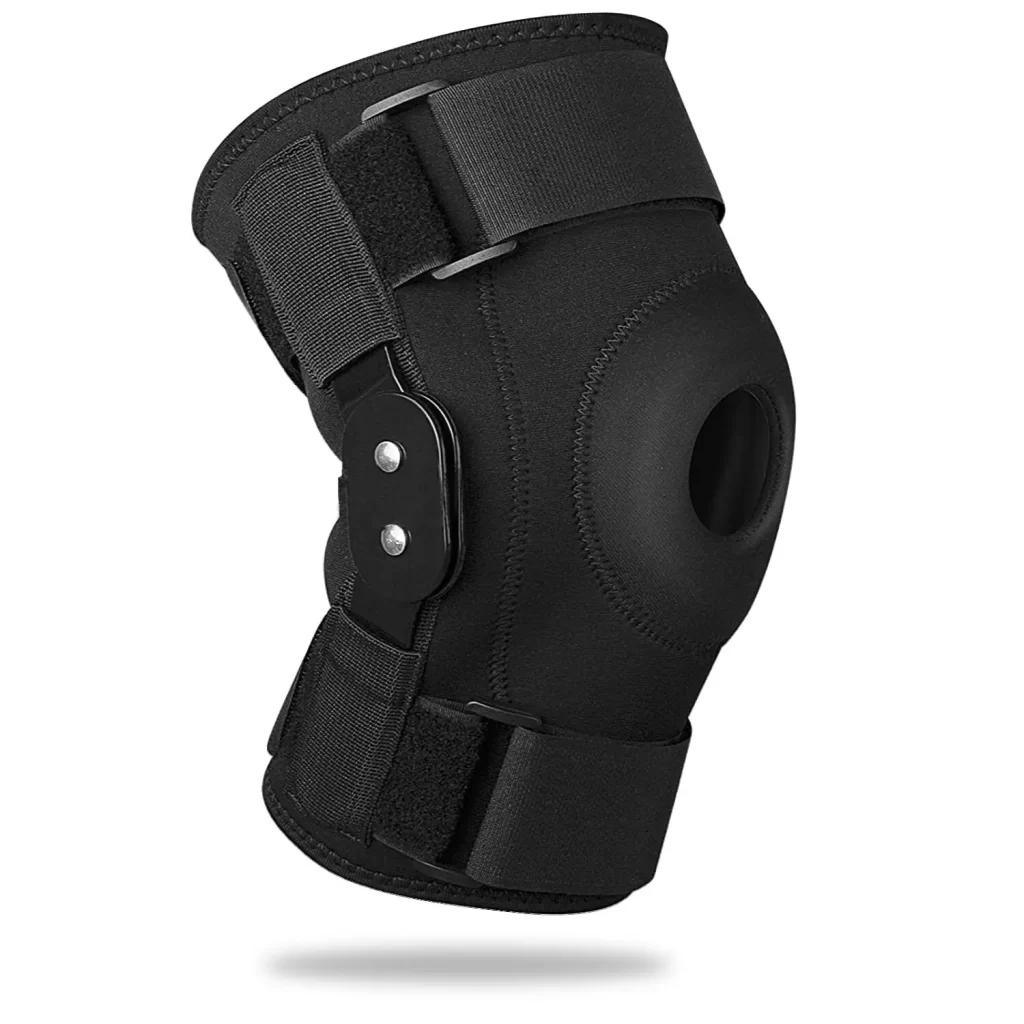
1. KneeReviver – ACL Knee Brace
If your knee needs a higher level of support, this hinged ACL knee brace is designed to provide more structure than a simple sleeve. It is best suited to people dealing with ligament injuries, knee instability, more significant sprains or strains, meniscus irritation, or a knee that feels unreliable during walking or exercise.
The side hinges help steady the joint and reduce the sort of twisting or side-to-side movement that can make an injured knee feel vulnerable. That extra support can be especially useful if you want the knee to feel more controlled during recovery, rehabilitation, or everyday activity.
Adjustable straps make it easier to tailor the fit, and the secure fastening helps keep the brace in place once it is on. The design is available in a range of sizes, including larger options, which is useful if you often struggle to find a supportive brace that fits comfortably around the leg.
There is also a padded knee section at the front to improve comfort and add gentle compression around the kneecap area. For anyone who feels a standard sleeve is not enough, this is a more substantial option with a clear focus on stability and support.
It is a particularly good choice if your priority is to make the knee feel steadier and better protected while you recover or return to activity.
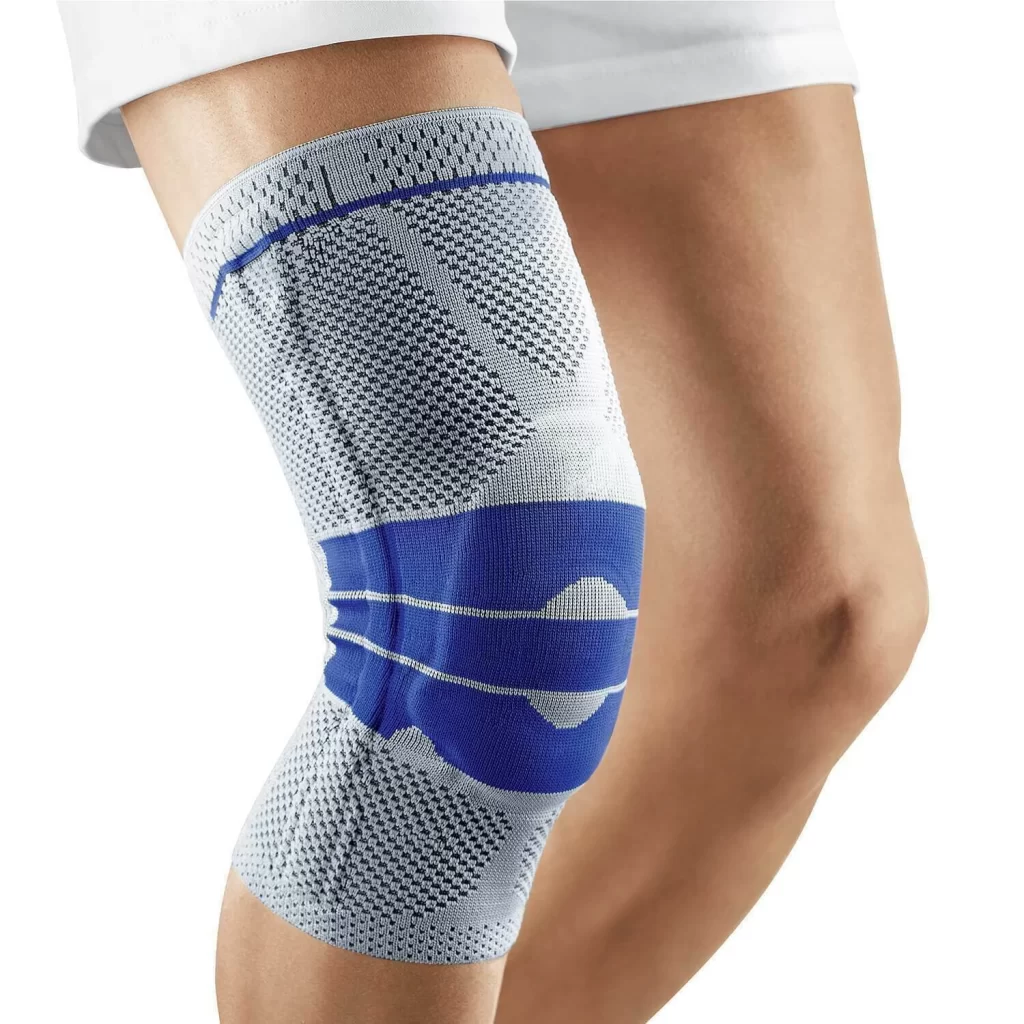
2. KneeReviver – Knee Support Compression Sleeve
If you want everyday support without the bulk of a larger brace, this compression sleeve is a practical option. It is best suited to knees that feel mildly swollen, stiff, tired, or sore with activity, and it works well for people who want light to moderate support during walking, exercise, training, or daily use.
The graduated compression is designed to give the joint a more supported feel and can help make movement more comfortable if your symptoms are linked to mild ligament irritation, runner’s knee, tendon soreness, meniscus-related discomfort, or early arthritic stiffness.
A padded area around the knee adds comfort at the front of the joint, while the breathable fabric helps keep the sleeve practical for regular wear. Because it is lightweight and flexible, it suits people who want support but do not want the feeling of a more structured brace.
If your knee mainly needs compression, warmth, and a more secure feel during activity, this sleeve is often a sensible place to start.
It is particularly useful if you want support that is easy to wear regularly and does not add much bulk under clothing.
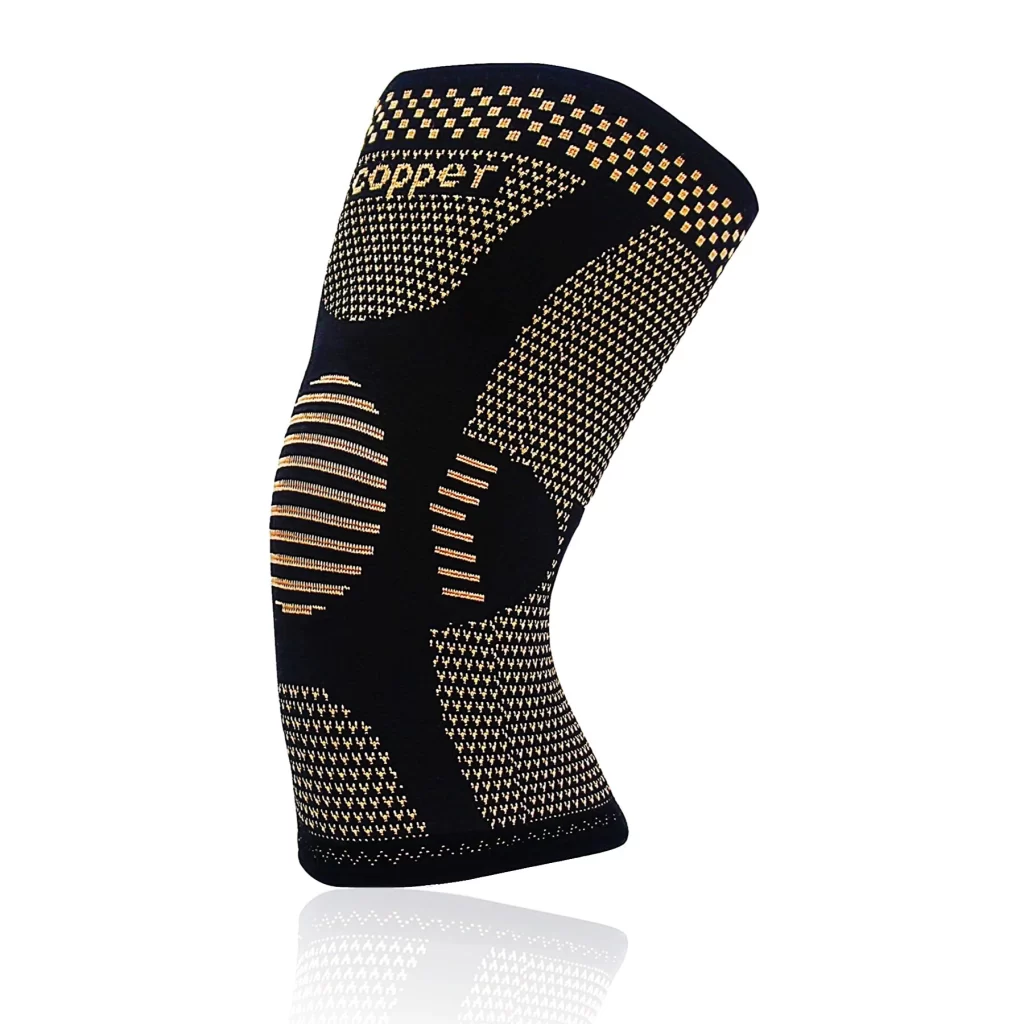
3. NuovaHealth – Copper Knee Support Sleeve
This copper knee support sleeve is designed for people who want simple, close-fitting compression for everyday knee discomfort. It is best suited to mild to moderate symptoms such as stiffness, swelling after activity, general aching, or a knee that feels tired and unsupported during exercise or day-to-day movement.
A sleeve like this can work well if your knee does not need heavy structural support but does feel better with compression around the joint. Many people prefer this style for walking, gym work, exercise, or sport because it offers support without adding much weight or restricting movement too much.
The supportive design is intended to make the knee feel less fatigued and more secure during use, while the slim and breathable fit keeps it practical for regular wear. It is a good choice if your main aim is to reduce discomfort and improve support rather than control a clearly unstable knee.
If you want something low-profile, comfortable, and easy to use as part of everyday knee management, this sleeve is worth considering.
It is especially useful where the knee feels sore or stiff rather than significantly unstable.
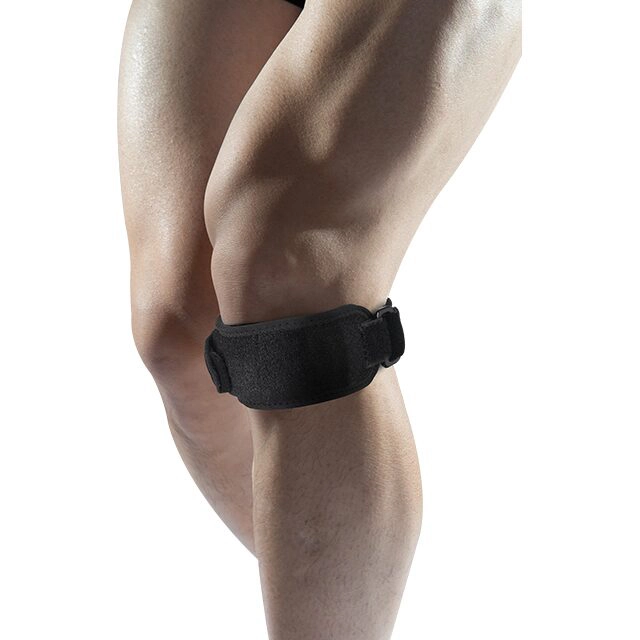
4. KneeReviver – Gel Knee Support Band
If your pain is focused just below the kneecap rather than across the whole joint, a support band may be a better match than a full sleeve. This gel knee support band is designed to sit below the kneecap and provide more targeted support to the patellar tendon area.
That makes it especially useful for patellar tendonitis, jumper’s knee, runner’s knee, Osgood Schlatter-related pain, or soreness that builds with running, stairs, squatting, and repeated knee bending. The aim is to reduce strain through the front of the tendon and make movement more comfortable.
The gel pad adds cushioning, while the adjustable strap lets you control the fit and level of pressure. Because the design is compact and lightweight, it is a good option for people who want support during sport or exercise without wearing a full brace over the whole knee.
If the sore spot is clearly at the front of the knee just below the kneecap, this kind of support often makes more sense than a general compression sleeve.
It is particularly useful if you want something simple, targeted, and easy to wear during activity.
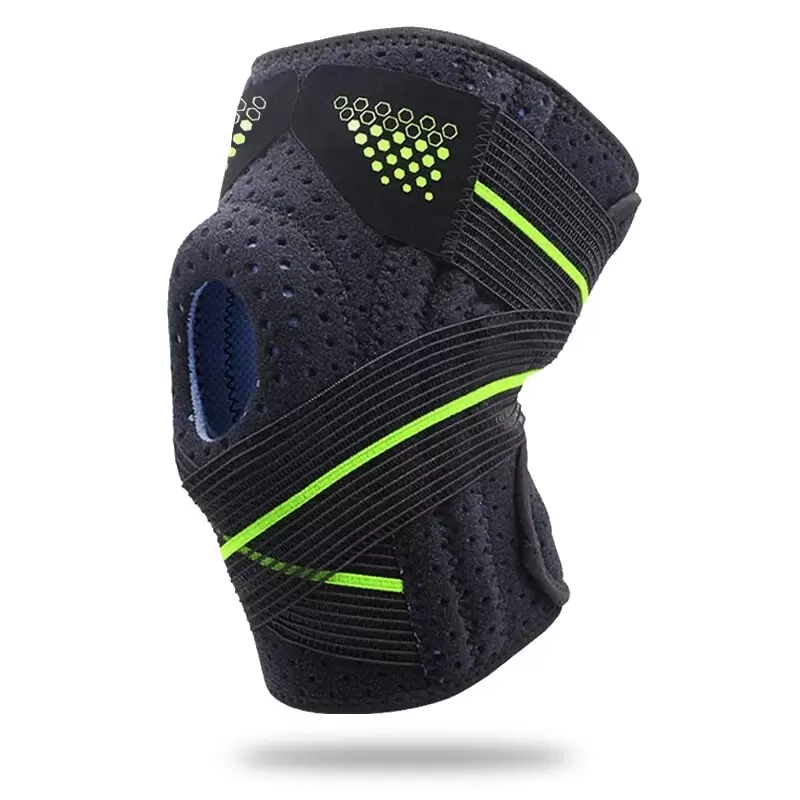
5. KneeReviver – Sports Knee Brace
This sports knee brace is aimed at people who want more support than a sleeve but still need something practical for exercise, training, or active daily use. It sits in the middle ground between light compression and a heavier hinged brace.
It can be useful for recurring sprains and strains, mild ligament support, meniscus irritation, kneecap problems, and tendon pain where the knee feels vulnerable during movement but does not necessarily need the heaviest level of bracing. The adjustable design helps you get a closer fit, which is important when you want support that stays secure during activity.
Because it is built for active use, it is well suited to running, gym training, field sports, and exercise-based recovery. The aim is to improve the feeling of stability and reduce strain without making the brace too bulky to move in.
If you want a brace that feels more supportive than a simple sleeve but still practical for sport, this is a strong all-round option.
It is particularly useful when the knee needs support during movement rather than only at rest.
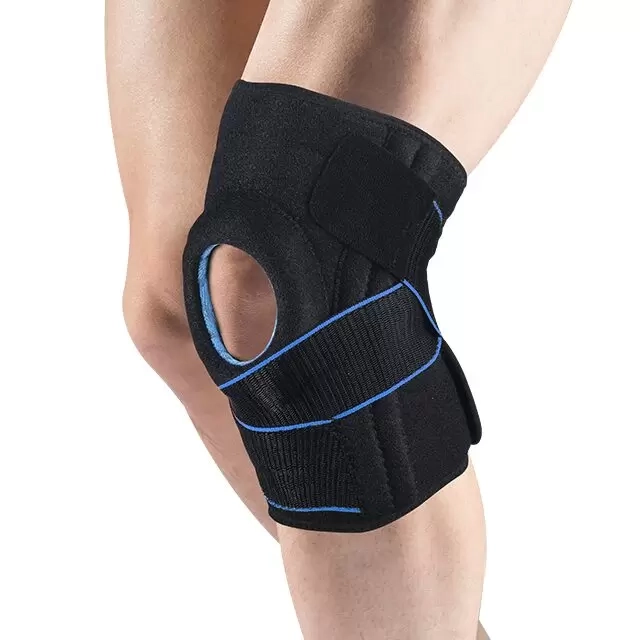
6. KneeReviver – Adjustable Patella Knee Support Brace
If your symptoms are mainly around the kneecap and the front of the knee, this adjustable patella support brace is designed with that in mind. It is especially useful where the kneecap feels poorly supported, sore during bending, or irritated by stairs, squats, running, or kneeling.
The brace combines kneecap support with side stabilising features, making it a good option for patella tracking problems, front-of-knee pain, patellar tendon discomfort, runner’s knee, and milder ligament support where more guidance around the kneecap is needed.
The adjustable straps help you fine-tune the fit so the support feels secure without being restrictive. That matters with kneecap-focused braces, because the aim is to guide and support the front of the joint rather than simply compress the whole knee as tightly as possible.
If your pain is clearly centred around the patella rather than deep inside the whole knee, this sort of design is often a better match than a standard sleeve.
It is especially useful for people who want more kneecap support during movement without moving up to a heavy hinged brace.
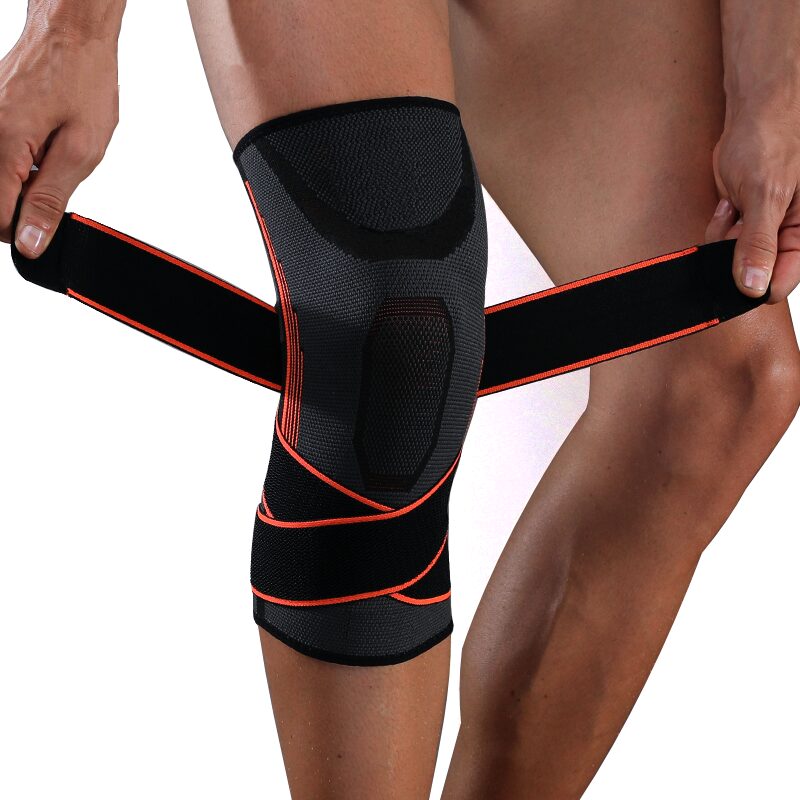
7. NuovaHealth – Knee Strap Stabilizer Brace
This stabilizer brace is designed for people who want a more adjustable and secure fit than a pull-on sleeve can provide. It is useful for sprains, strains, tendon irritation, mild instability, meniscus discomfort, and knees that need a more supportive feel during movement.
Because the straps can be adjusted, it is easier to tailor the amount of compression and support to suit the day’s activity. That can be helpful if your symptoms vary from one day to the next or if you want something you can tighten a little more for sport and loosen slightly for general use.
The brace is intended to make the knee feel more supported and protected during activity without being as substantial as a full hinged brace. Breathable materials also help keep it comfortable during exercise, work, or daily wear.
If you prefer a brace that you can adapt more easily than a fixed sleeve, this is a practical and versatile option.
It is especially useful where you want more control over fit and support level from one situation to the next.
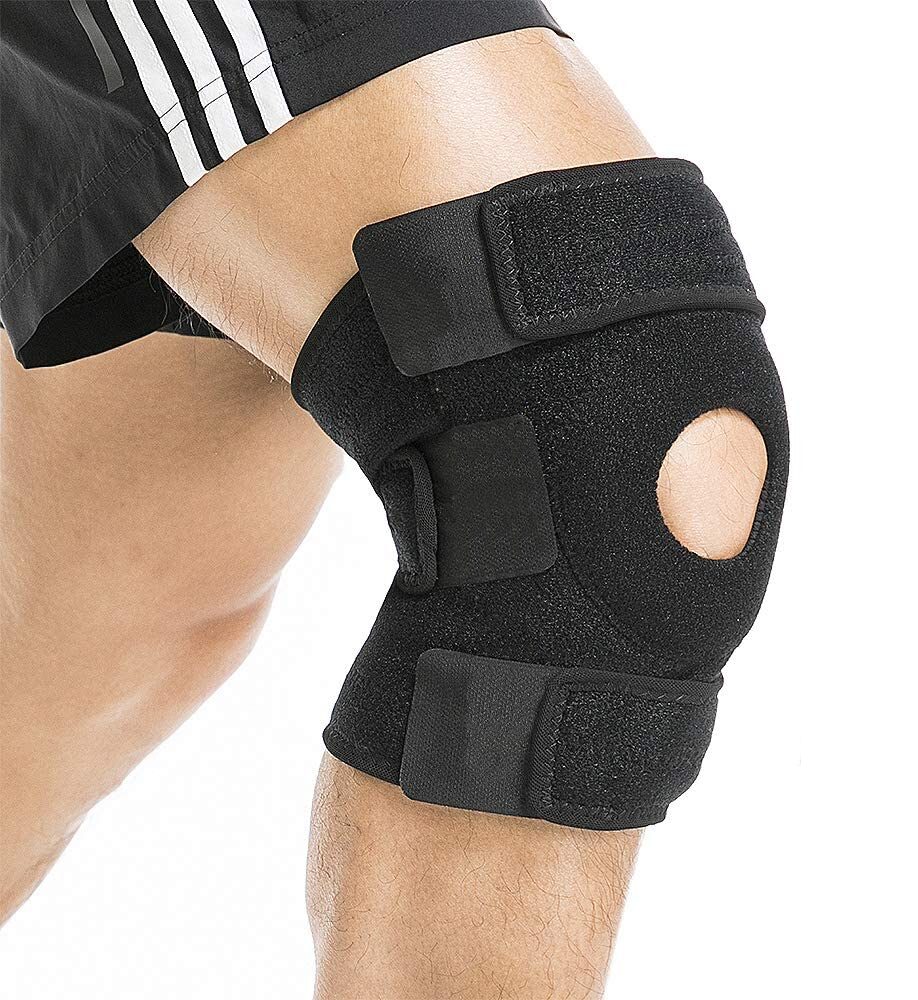
8. NuovaHealth – Open Patella Knee Support Brace
An open patella brace is often a good choice if you want support around the knee without direct pressure over the kneecap itself. That can make it especially comfortable for people with front-of-knee pain, kneecap irritation, tendon soreness, or activity-related symptoms around the patella.
The open section at the front helps reduce pressure over the kneecap, while the adjustable straps support the rest of the joint. This gives a useful balance between kneecap comfort and overall support, especially during sport, gym work, or active daily use.
Because it is adjustable rather than fixed like a sleeve, it can also be a sensible option if your knee size changes slightly with swelling or if you prefer to alter the fit depending on the activity. The design aims to support movement without making the knee feel unnecessarily restricted.
If the front of the knee feels sensitive and you want support without too much pressure directly over the kneecap, this brace is a strong option.
It is especially helpful if you want a more adjustable alternative to a pull-on compression sleeve.
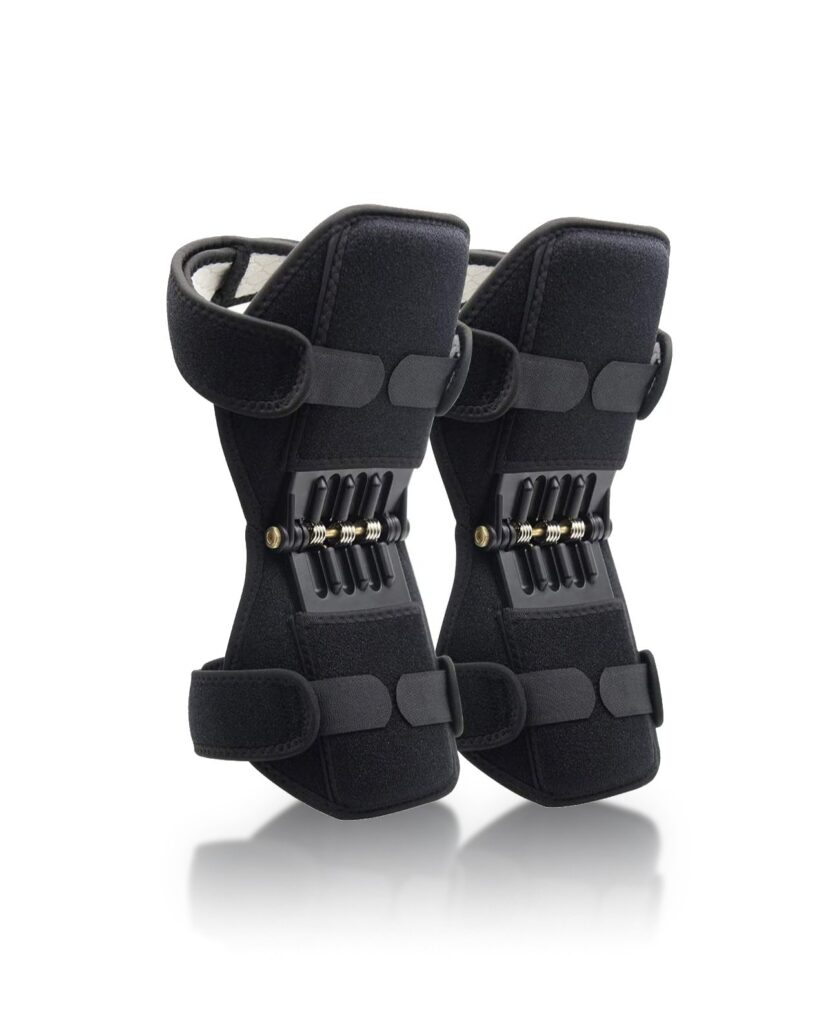
9. NuovaHealth – Hinged Knee Brace Stabilizers
These hinged knee brace stabilizers are designed for people who need a stronger sense of support and control, particularly when the knee feels unstable, vulnerable, or poorly supported during activity. They are especially relevant for ligament problems, repeated instability, meniscus-related symptoms, and knees that need more than light compression.
The hinged design helps steady movement at the sides of the joint and reduce the feeling that the knee is twisting too freely. That can be helpful during rehabilitation, physically demanding work, or sport where the knee is exposed to repeated loading and directional changes.
Adjustable straps allow you to secure the fit more firmly, while the padded and ventilated design aims to keep the brace comfortable enough for longer periods of wear. Although this is a more supportive design than a sleeve or simple wrap, it is still made to be practical for real use rather than feeling overly cumbersome.
If your knee needs more support than a standard brace can offer, this type of hinged stabilizer is a sensible step up.
It is especially useful where stability and confidence during movement are the main priority.
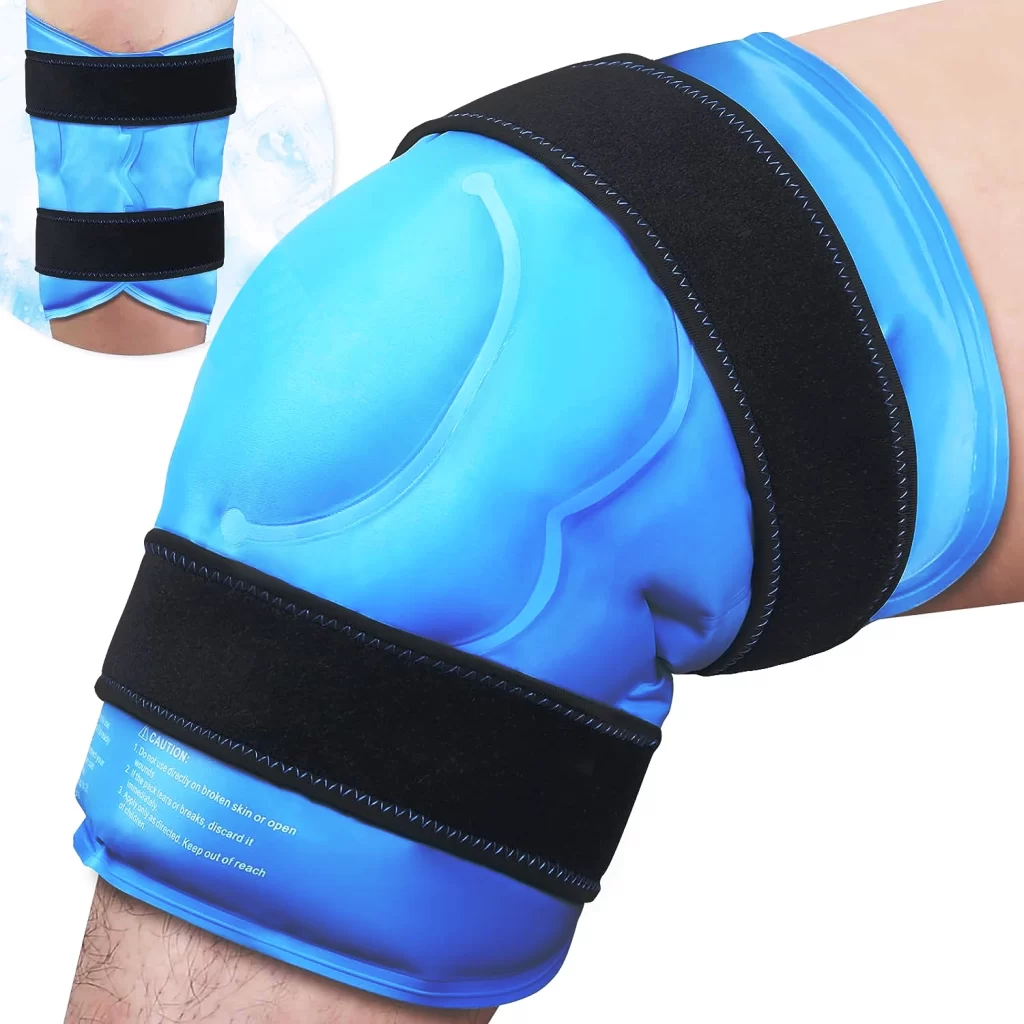
10. NuovaHealth – Gel Knee Ice Pack Wrap For Knee Pain Relief
Not every painful knee needs a traditional brace. Sometimes what helps most is a combination of temperature-based relief and light compression, especially when the joint feels swollen, irritated, stiff, or sore after activity. That is where a gel knee wrap can be particularly useful.
This wrap is designed to fit around the knee and provide cold therapy when the joint feels hot, swollen, or aggravated, and heat therapy when stiffness is the main problem. Cold is often useful after activity or when the knee feels puffy. Heat may feel better when the joint is stiff and aching, particularly before gentle movement.
Because the wrap is adjustable, it can be fitted easily and used by a wide range of people. It also works well alongside other forms of support. For example, some people use a brace during the day and then use hot or cold therapy later on when the knee feels more irritable or stiff.
If your symptoms tend to flare after activity or your knee responds well to heat or cold, this wrap is a practical addition rather than a replacement for structural support.
It is especially useful for swelling, post-activity discomfort, and stiffness that needs a more soothing form of symptom relief.
Disclaimer:
This article is intended as a general guide to knee pain and to the types of supports that may help. It is not a substitute for medical advice, diagnosis, or treatment from a qualified healthcare professional.
If you have severe pain, marked swelling, a visible deformity, a locked knee, repeated giving way, difficulty bearing weight, or symptoms after a significant injury, seek medical advice promptly. The same applies if your knee pain is getting worse, not improving, or you are unsure what is causing it.
The right brace depends on the source of the problem, the amount of support you need, and how you plan to use it. A poorly fitting or unsuitable support may feel uncomfortable or may not provide the level of help you need, so it is worth choosing carefully.