Best Back Supports & Braces for Back Pain
Back Pain Can Affect More of Your Day Than You Might Expect
Back pain does not always begin with one obvious injury. For many people, it builds gradually after long hours sitting, repeated lifting, awkward movement, poor posture, or simply asking more of the back than it is coping with comfortably. For others, it starts with a sudden twinge and then lingers much longer than expected. Once the back becomes painful, everyday movement can start to feel less easy, less reliable, and harder to ignore.
That is what makes back pain so frustrating. It is not only the pain itself, but the way it starts to affect ordinary movement. Getting dressed, carrying shopping, standing to cook, driving, working at a desk, exercising, or trying to sleep comfortably can all become more difficult when the back feels tight, sore, or poorly supported. For many people, the goal is not just to ease pain. It is to move more comfortably again and feel less held back by it.
This guide is designed to help with that. It explains why back pain can keep coming back, why the back may benefit from the right kind of support, the main types of back pain these supports are designed for, how to choose between different types of brace or support, and which options may suit different symptoms best.
What This Guide Covers
- Why back pain can keep coming back or take time to settle
- Why the back may benefit from the right kind of support
- The main types of back pain these supports are designed for
- Why different kinds of back pain often need different types of support
- A quick guide to the most suitable back supports and braces for different needs
- Full product details for each recommended support
- How to compare the options more confidently
- What a back support can realistically help with
- How to wear a back support comfortably and effectively
- When back pain needs medical advice
- Common questions about back supports and braces
Why Back Pain Can Keep Coming Back or Take Time to Settle
Your back is involved in most everyday movement. It helps you sit upright, bend, turn, lift, walk, and take the strain of daily activity. Because of that, once part of the back becomes irritated, it often continues to be used before it has fully settled. Even normal movement can keep putting strain through the same sensitive muscles, joints, ligaments, or other parts of the spine, especially if work, posture, or routine still place that area under pressure.
That helps explain why back pain often lasts longer than people expect. A strained area can cause the surrounding muscles to tighten protectively, which may leave the back feeling stiff or tight. That stiffness can change the way you move, and those changes can place more strain on nearby parts of the back. Over time, discomfort leads to guarded movement, guarded movement adds more strain, and the back never quite feels as calm or comfortable as it should.
When this cycle is being driven by repeated strain, poor support, prolonged sitting, or awkward positioning, extra support can sometimes help. The right back brace or support will not address every cause of back pain, but it can be a sensible way to reduce pressure on a sore area, improve how the back is supported, and make movement feel more controlled and comfortable.
Why the Back Often Benefits From the Right Kind of Support
Your back has to do two jobs at once. It needs to be stable enough to support you when you stand, walk, lift, or sit upright, but it also needs to stay mobile enough for you to bend, turn, and move naturally. That balance is one reason back pain can be so frustrating. Once part of the back becomes irritated, strained, or more sensitive than usual, it can become harder for the back to move comfortably while still giving the body enough support.
The spine is made up of several parts working together. It includes bones, small joints, discs, muscles, and ligaments. The discs are cushioning structures between the bones of the spine, and the surrounding muscles and ligaments help control movement and support the body’s weight. If one part is under too much strain, becomes tired, or is held in an awkward position for too long, other parts often have to work harder to compensate. That helps explain why back pain can move around, feel less predictable, or change from day to day.
Support can help when the back is being asked to cope with more strain than it can comfortably manage at that time. In simple terms, a brace or support can help by taking some pressure off a sensitive area, limiting movement that keeps setting the pain off, and helping you stay in a more comfortable position for longer. It does not fix every cause of back pain, but it can reduce some of the physical stress that keeps the area irritated.
Different types of support help in different ways. A lumbar brace supports the lumbar spine, which is the lower part of the back, and is usually most useful when pain gets worse with lifting, bending, standing, or walking. A posture brace works higher up and is designed to improve the position of the shoulders, neck, and upper back. A fuller back support spreads support across more of the back and upper body, while a chair backrest changes how the spine is supported when you are sitting. The right option depends on where the pain is and what tends to make it worse.
Support is not simply about holding the back still. Used properly, it is more about reducing unnecessary strain, improving control, and making everyday movement feel less uncomfortable. The right support can help the back feel better supported during the activities that usually bring symptoms on, whether that is desk work, standing, walking, exercise, or a long day on your feet.
A Quick Way to Match Your Symptoms to the Right Type of Support
- Lower back pain that gets worse with lifting, bending, or time on your feet: a lower back brace or lumbar support belt usually makes the most sense.
- Upper back, shoulder, or neck tension linked to slouching: a posture brace is often the better fit.
- Broader support needs across the back and upper body: a fuller back stabiliser may be more suitable.
- Pain that builds mainly while sitting: a chair backrest is often the clearest option.
The Main Types of Back Pain These Supports Are Designed For
Back pain is not all the same, and neither are back supports. Some people mainly need help around the lower back when lifting, walking, or spending a long time on their feet. Others feel the problem higher up, with slouching, rounded shoulders, or tension building through the upper back during desk work. Some need broader support because their symptoms are linked to stiffness, disc irritation, or longer-term changes in the back itself. Once you are clearer on what your symptoms are doing, it becomes much easier to work out which type of support is more likely to help.
Lower Back Pain Linked to Strain, Overuse, or Lifting
This is one of the most common types of back pain. You may notice it after lifting something awkwardly, bending repeatedly, standing for too long, doing heavy physical work, or pushing too hard during exercise. The pain is usually felt in the lower back and may come across as tightness, soreness, stiffness, or discomfort when you change position.
When this happens, the muscles and ligaments around the lower back are often taking more strain than they can cope with comfortably. A ligament is a strong band of tissue that helps support and stabilise a joint. If the lower back is tired, poorly supported, or repeatedly placed under strain, these tissues can become irritated. Once that happens, the area can start to feel less supported and more easily irritated by ordinary movement, even if the original strain did not seem severe at the time.
Repeated bending and lifting often make this worse because the lower back is having to move and take force at the same time. If the muscles around the spine tighten up to protect the area, movement can become stiffer and less comfortable. That often leaves the same sore part of the lower back being stressed again and again, which is why a simple strain can take longer to settle than expected.
In this situation, lower back braces and lumbar support belts often make the most sense. They support the lower back more directly, help reduce strain during movement, and can make the area feel steadier when you are walking, working, lifting, or getting over a painful flare-up. The aim is not to stop the back moving altogether, but to make ordinary movement less demanding on a sore area.
Pain Linked to Disc Irritation or Sciatica
Some back pain stays in one spot, but some travels. If the pain moves into the buttock, hip, or leg, or comes with tingling, burning, numbness, or a sharper pulling pain, the problem may involve a disc or a nearby nerve in the lower back. These symptoms often become more obvious when you sit for too long, bend forward, twist, or change position in a way that increases pressure through the lower back.
The discs are the cushioning structures between the bones of the spine. They help absorb force and allow the back to move with some flexibility. If a disc becomes irritated, is placed under too much pressure, or bulges enough to affect a nearby nerve, the pain or altered feeling can spread beyond the lower back. That is why disc and nerve-related pain often feels quite different from pain that stays in one area and feels more like a muscle strain.
Pain linked to a nerve can feel sharper, less predictable, or more easily provoked by sitting and bending because those positions can increase pressure through the lower back. The muscles around the area may also tighten in response, which can add stiffness and make movement feel more cautious and restricted. You can end up dealing with both the travelling pain and the tension that comes from trying not to provoke it.
In that situation, some people find a firmer lower back brace more useful because it gives more structured support around the lower spine. The point is to reduce movement that keeps setting the pain off and help daily activity feel more manageable while symptoms settle, not to make the back rigid. This type of support tends to make most sense when sitting, bending, or repeated movement regularly makes the pain worse.
Upper Back, Neck, and Shoulder Pain Linked to Poor Posture
Not all back pain starts in the lower back. Many people feel it across the upper back, around the shoulder blades, or at the base of the neck. It often comes on gradually during the day, especially if you spend long periods sitting, leaning forward, working at a desk, or allowing the shoulders to round forwards.
When the head and shoulders drift too far forward, the muscles through the upper back and neck have to work harder to hold you upright. Even a small change in position, if you stay there for hours, can place more strain on the muscles around the shoulder blades, the top of the spine, and the back of the neck. Over time, that extra effort can lead to fatigue, tightness, and an aching discomfort that becomes more noticeable the longer you stay in the same position.
This sort of problem is easy to miss at first because it tends to build slowly rather than starting with one clear injury. But prolonged slouching can gradually change how the shoulders sit, how easy it feels to hold the head upright, and how much tension builds through the upper back by the end of the day. In some people, sitting upright can start to feel unusually tiring simply because those muscles have been under strain for too long.
For this sort of problem, posture braces and upper back supports are often a better fit. Rather than targeting the lower back, they are designed to encourage a better position through the shoulders and upper back, reduce slouching, and ease the strain that builds up when the upper body is held poorly for long periods. They are most useful when the problem is mainly in the upper back, neck, or shoulders rather than the lower back.
Back Pain Linked to Arthritis, Wear in the Spine, or Structural Changes
Some back problems are less about one recent strain and more about ongoing stiffness, repeated flare-ups, or a gradual change in how comfortably the back copes with movement and strain. This can happen with issues such as arthritis in the spine, changes in the discs as they wear over time, pain from the small joints in the back, scoliosis, spondylolisthesis, ankylosing spondylitis, or other longer-term changes that affect how the back feels day to day.
When this is the case, the back may become more sensitive to standing, walking, bending, or staying in one position for too long. Some people feel stiffer in the morning. Others feel worse as the day goes on. Often the issue is not that the back is simply weak, but that certain joints, discs, or supporting structures are less able to cope with pressure, repeated movement, or sustained positions comfortably than they once were.
That can make everyday activity feel unpredictable. A level of movement that feels manageable one day may be enough to aggravate symptoms the next, especially once stiffness or irritation has built up. This is one reason people with longer-term back problems often look for support at the times they know their back is under the most strain, rather than expecting it to cope equally well all day without help.
In these situations, a more supportive brace can be useful, particularly if the aim is to improve day-to-day comfort, reduce what keeps making symptoms worse, and feel steadier during ordinary activity. The amount and type of support needed can vary quite a bit here, which is why choosing carefully matters. Some people need more local help around the lower back, while others prefer support across more of the back and upper body.
Why the Right Type of Back Support Matters
Back supports are often grouped together, but they do not all do the same job. A lumbar support belt is designed for a different sort of pain than a posture brace, and a chair backrest serves a different purpose again. If the support does not match where your pain is or what keeps making it worse, it may feel less helpful or focus on the wrong area.
Lower back braces are usually the best fit when pain is centred around the lumbar area, meaning the lower back, and is made worse by lifting, walking, standing, or repeated bending. Posture supports are more suited to slouching, rounded shoulders, and pain or tension in the upper back or neck. Full-back supports give support across more of the back and upper body, while chair backrests are aimed at people whose discomfort builds mainly when sitting for long periods.
Choosing the right support starts with three simple questions: where do you feel the problem most, what tends to make it worse, and when do you need support the most? Once those points are clear, it becomes much easier to narrow down the most suitable option. That is often the point where the right choice becomes much clearer.
Our Top Back Support Picks for Different Needs
If you already have a good idea where your pain is and what tends to set it off, this shortlist should help you narrow the options down quickly. Each recommendation below is matched to a common type of back pain or support need, so you can focus first on the options that are most relevant to you before looking through the full product details.
Best for Lower Back Pain and Lumbar Strain
The Lower Back Pain Brace From BackReviver is the clearest starting point if your pain is mainly focused around the lower back and tends to worsen with lifting, walking, bending, exercise, or physically demanding work. It gives more direct support around the lumbar area, adjustable compression, and a firmer feel than lighter posture-focused options.
This type of brace is best suited to people who want targeted help around the lower back rather than support across the shoulders or upper back. It is especially relevant if your symptoms clearly change with movement, lifting, or time on your feet, and you want a brace that feels more supportive during daily activity.
Best for Posture Correction and Upper Back Support
The Upper Back Posture Brace is the better choice if your main issue is slouching, rounded shoulders, upper back fatigue, or tension that builds around the neck and shoulders during desk work or prolonged sitting. It is designed to support the upper body rather than the lower back, which makes it more relevant when posture is the main issue.
This kind of support is usually best for people who notice their posture worsening as the day goes on, or whose discomfort is tied more to how they sit and hold themselves than to lifting or lower back strain. It is a more targeted option when the problem sits higher up through the back and shoulders.
Best for Broader Full-Back Support
The Back Stabilizer Support Brace For Back Pain stands out if you want a more supportive brace that covers more than one problem area at once. It is a stronger fit for people dealing with a mixture of posture problems, back fatigue, and the need for support across the shoulders, spine, and lower back rather than one specific sore area.
This is often the better option if a simple posture brace feels too light, but a narrow lumbar belt feels too local. It suits people who want support across more of the back and upper body during ordinary daily activity.
Best for Desk Work and Seated Support
The Ergonomic Backrest for Office Chairs is the most suitable option if your discomfort builds mainly while sitting. Unlike a wearable brace, it is designed to improve how your back is supported against the chair during long periods at a desk or in other seated settings.
It makes the most sense for people whose symptoms are triggered less by lifting or activity and more by prolonged sitting, slumping, or poor support from their current chair. If the pain tends to build the longer you stay seated, this is the clearest option to look at first.
Best for Adjustable Everyday Back Support
The Lumbar Support Belt is a strong all-round option if you want adjustable, lower-back-focused support for general daily use. It sits between lighter and firmer options, making it a sensible choice for people who want help managing recurring lower back discomfort without moving straight to the most supportive brace available.
This is a good match for people with more than one common trigger, especially if they want something they can tighten or loosen depending on the activity, support level, or comfort they need on a given day.
Our Selection of the Best Back Supports & Braces
If you want to look more closely at the options, the product cards below explain what each support is designed to help with, how it differs from the others, and who is most likely to find it useful.
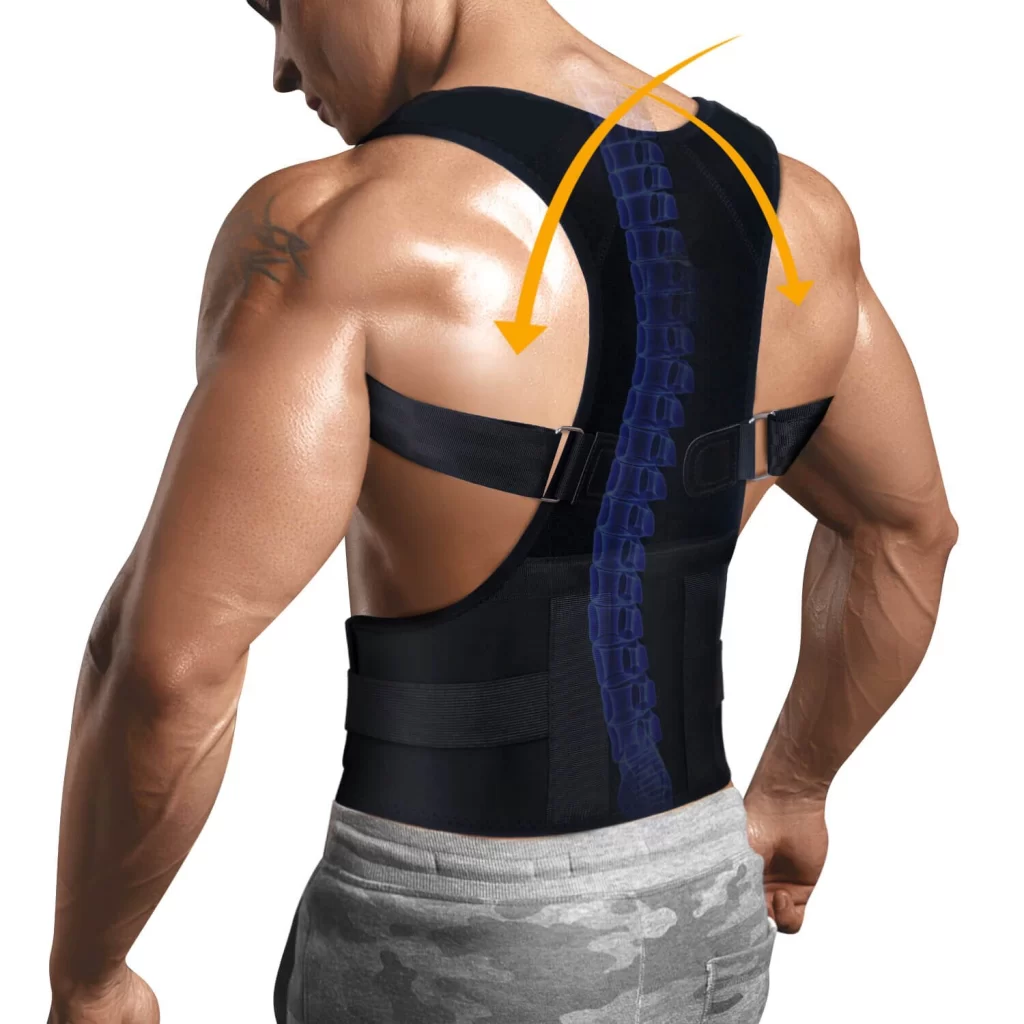
Magnetic Back Brace For Posture From BackReviver
If poor posture is leaving your upper back feeling tired, your shoulders rounding forward, or your neck feeling more strained as the day goes on, this brace is designed to give more support to that area. It is best suited to people who want help resisting slouching and holding a more upright position through daily activity.
Rather than focusing only on the lower back, this design supports posture through the shoulders, upper back, and spine. That can be especially helpful when discomfort is being driven by the way you sit, stand, or carry yourself for long periods rather than by one specific lifting injury.
The adjustable waist belt, buckled straps, and built-in support rods work together to create a firmer, more guided fit. They are intended to help keep the back better aligned, reduce the tendency to hunch forward, and take some pressure off areas that are becoming overworked through poor posture habits.
It also provides support through the back while the lightweight, breathable materials are designed to make day-to-day wear more manageable. The added magnetic element may appeal to people specifically looking for that feature, although this type of product is not suitable for anyone using a pacemaker.
Overall, this is a strong option if your main goal is posture correction with more support than a light posture strap, especially if upper back tension and rounded shoulders are regular problems for you.
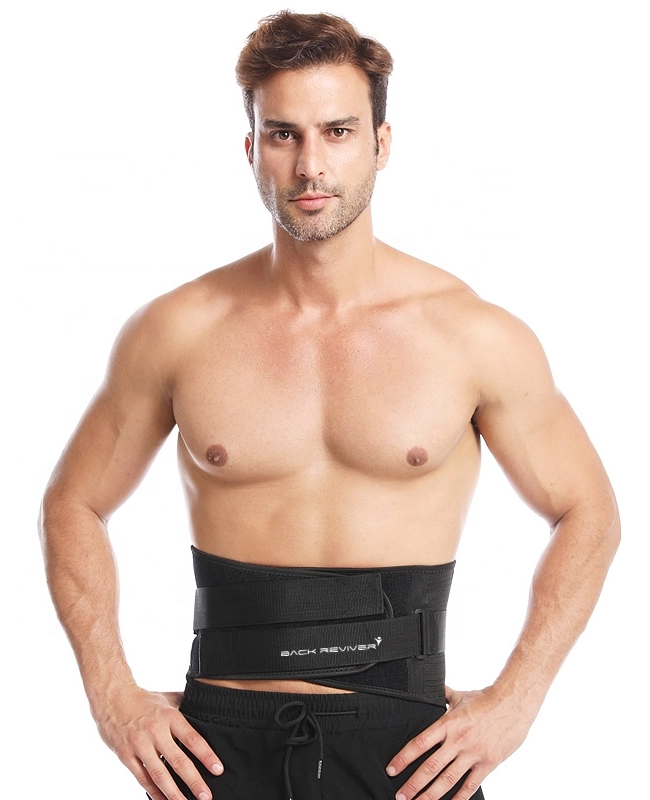
Lower Back Pain Brace From BackReviver
This brace is designed for people whose pain is mainly centred around the lower back and tends to worsen with lifting, bending, walking, standing for long periods, or physically demanding activity. It is one of the firmer options here for targeted lumbar support, particularly when a lighter posture brace would not address the right area.
When the lower back is feeling strained, less supported, or easily irritated, extra support around the lumbar area can help movement feel more controlled. That is why this type of brace is often chosen by people dealing with recurring lower back pain, lumbar strain, sciatica-type discomfort, or flare-ups linked to lifting, standing, and repeated movement.
Its more supportive design includes adjustable dual straps for changing the fit and the level of compression, along with built-in metal support rods that help reinforce the lower back. Together, these features are aimed at giving firmer support, reducing unwanted movement, and easing pressure through the lumbar region during everyday activity.
Despite that added support, the brace is still made with lightweight, breathable materials to make longer wear more practical. It is a sensible choice if you want a support that feels secure enough for work, walking, general activity, or extra confidence when your lower back is more vulnerable than usual.
Overall, this is best suited to people who want stronger, lower-back-specific support and a firmer, more stabilising feel through the lumbar area.
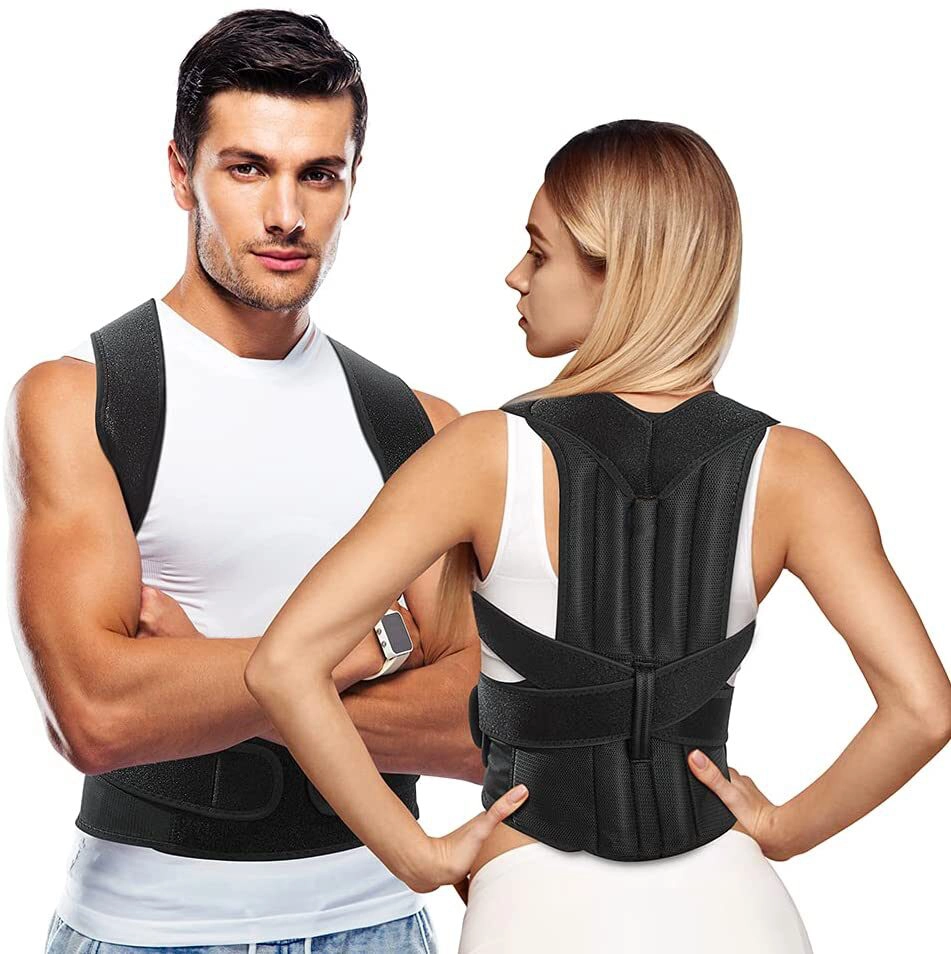
Back Stabilizer Support Brace For Back Pain
If you want support that covers more than one problem area at once, this full-back stabiliser is the most supportive all-round option in the range. It is designed for people who need help across the shoulders, upper back, spine, and lower back rather than something focused only on one small area.
This broader design makes sense when posture, upper-body position, and lower back strain are all contributing to the same problem. Instead of targeting only the lumbar area or only the shoulders, it aims to support alignment and reduce strain through a wider part of the torso.
The brace is designed to draw the shoulders back while also supporting the neck, ribcage, and both the upper and lower back. Built-in support rods add extra structure through the spine, helping the brace feel more stabilising than simpler posture supports or softer belts.
Even with that more supportive build, it is still made from lightweight, breathable fabric intended to stay more comfortable through daily use. That makes it a practical option for people who want broader support for posture, daily movement, or exercise without moving into something overly bulky.
Overall, this is best suited to people who want fuller back support and a more stabilising feel than a local lumbar brace or lighter posture corrector can offer on its own.
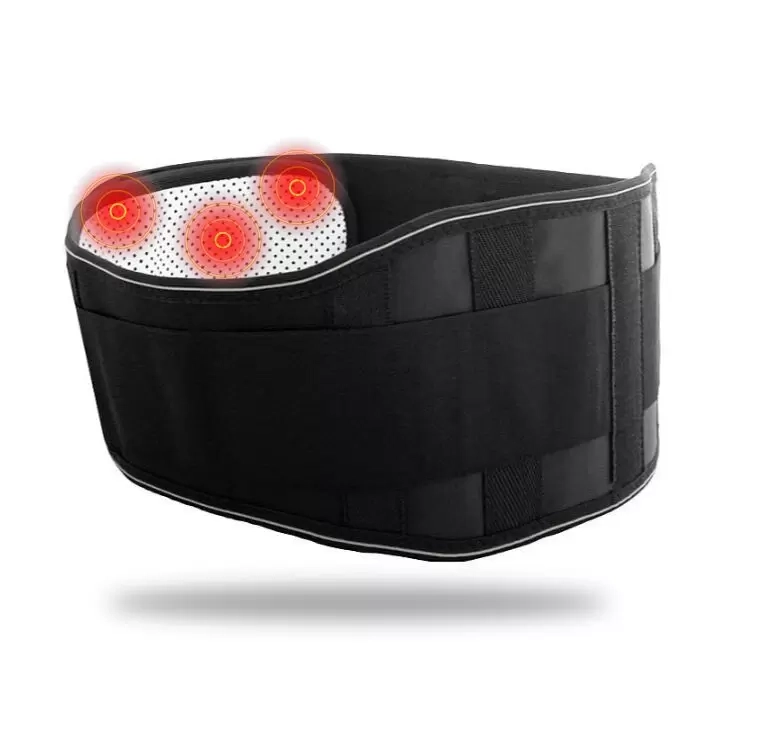
Infrared Magnetic Lower Back Brace
This lower back brace is aimed at people who want targeted lumbar support with a warmer feel against the lower back. If your discomfort is mainly across the lower back and you prefer a belt-style support that feels close-fitting and easy to adjust, this is one of the more distinctive options in the range.
When the lower back feels irritated, overloaded, or vulnerable during movement, extra lumbar support can help reduce strain and make activity feel more manageable. This type of support is especially relevant for recurring lower back discomfort, stiffness, and symptoms made worse by standing, walking, exercise, or daily movement.
What makes this brace different is its combination of adjustable support with a self-heating inner layer and built-in magnets. Alongside lower back support, it is designed to provide a warmer, more compressive feel through the lower back, which some people specifically look for when trying to manage persistent aches and stiffness.
It is also lightweight enough to wear under regular clothing, with adjustable straps that make it easier to tailor the fit to your comfort level. As with other magnetic products, it is not suitable for anyone using a pacemaker.
Overall, this is a good option if you want lower-back-focused support with adjustability and a close-fitting support with a warmer feel rather than a broader full-back design.
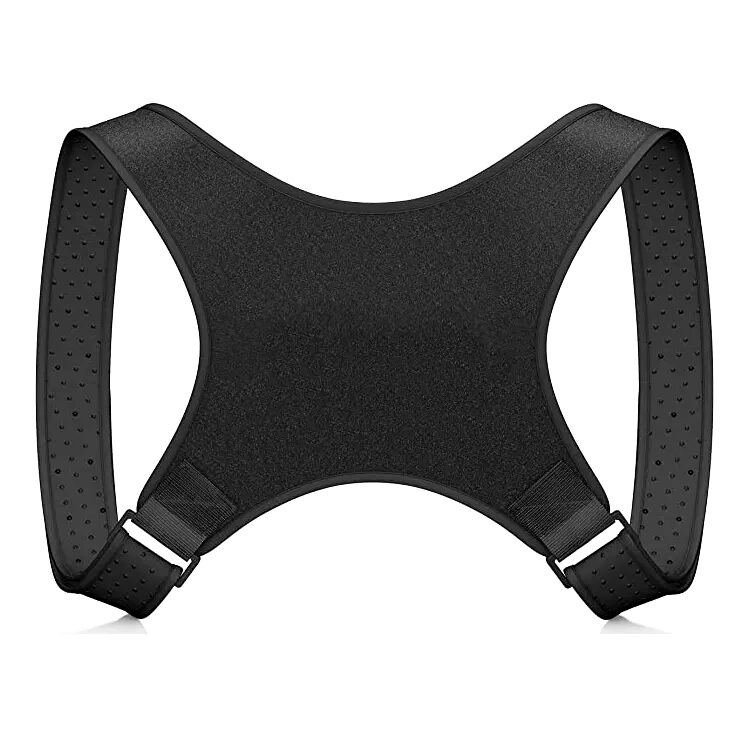
Upper Back Posture Brace
This brace is designed for people whose pain is mainly higher up through the shoulders, upper back, and neck, especially when posture tends to worsen during sitting, desk work, or long hours on the move. It is a more targeted option for upper-body alignment than a lower back belt or broader full-back stabiliser.
When rounded shoulders and a forward upper-body position become habitual, the muscles across the upper back and neck can end up doing more work than they should. That is where this kind of support can help. It is designed to encourage a better position through the upper body and reduce the strain that builds gradually through the day.
The design is simple to fit and easy to adjust, with buckled straps that allow you to tailor the fit without making the brace complicated to wear. It is intended to support the neck, shoulders, and upper back while helping resist the pull into a slouched position.
Because it is lightweight and made from breathable material, it is a sensible choice for people who want a posture-focused support they can wear more discreetly through ordinary daily activity. It is especially useful if you want a lighter, less bulky option than a larger full-back brace.
Overall, this is best suited to people looking for targeted upper-back and posture support rather than firmer lumbar stabilisation.
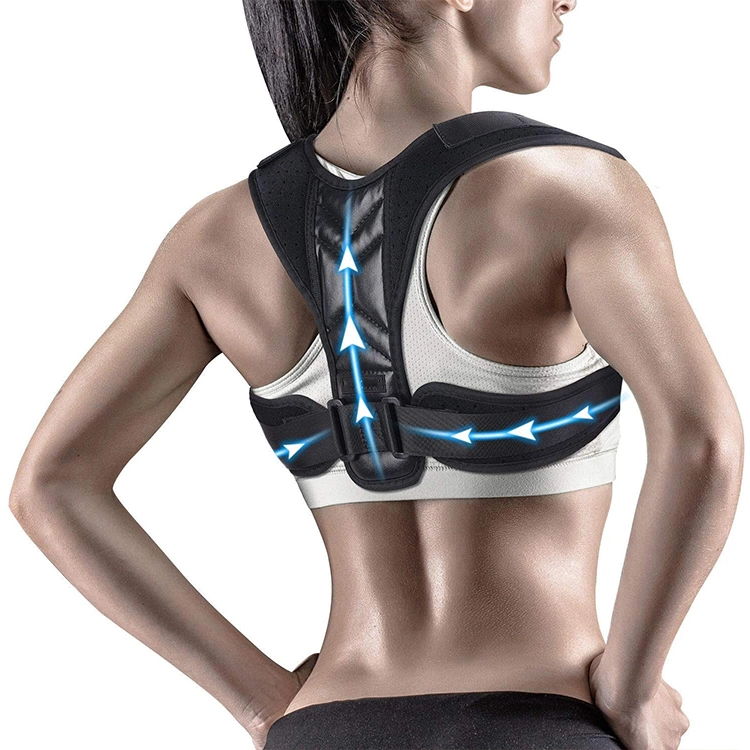
Back Support Posture Corrector Brace
If your main goal is to improve posture in a lighter and more straightforward way, this brace is designed to give upper-body support without the heavier feel of a full-back stabiliser. It is most relevant for people dealing with slouching, rounded shoulders, forward head position, or general upper-back and shoulder tension linked to posture habits.
This type of brace makes sense when the problem is less about strong lower-back reinforcement and more about how the upper body is being held through the day. By helping bring the shoulders and upper spine into a better position, it can reduce some of the repeated strain that poor posture places on the neck, shoulders, and upper back.
It uses adjustable straps and a design that fits on in a similar way to a backpack, which helps keep it easy to put on and adapt to different body shapes. The brace is intended to feel supportive without becoming unnecessarily bulky, making it a practical choice for people who want posture help that fits more easily into everyday use.
Its lightweight construction and softer padded feel also make it easier to wear for longer periods, especially for people who are new to posture supports and want something discreet enough to wear under normal clothing. That lighter feel is part of its appeal if you do not need the extra support of a firmer brace.
Overall, this is best for people who want a simpler posture-correction option focused on upper-body alignment and everyday comfort.
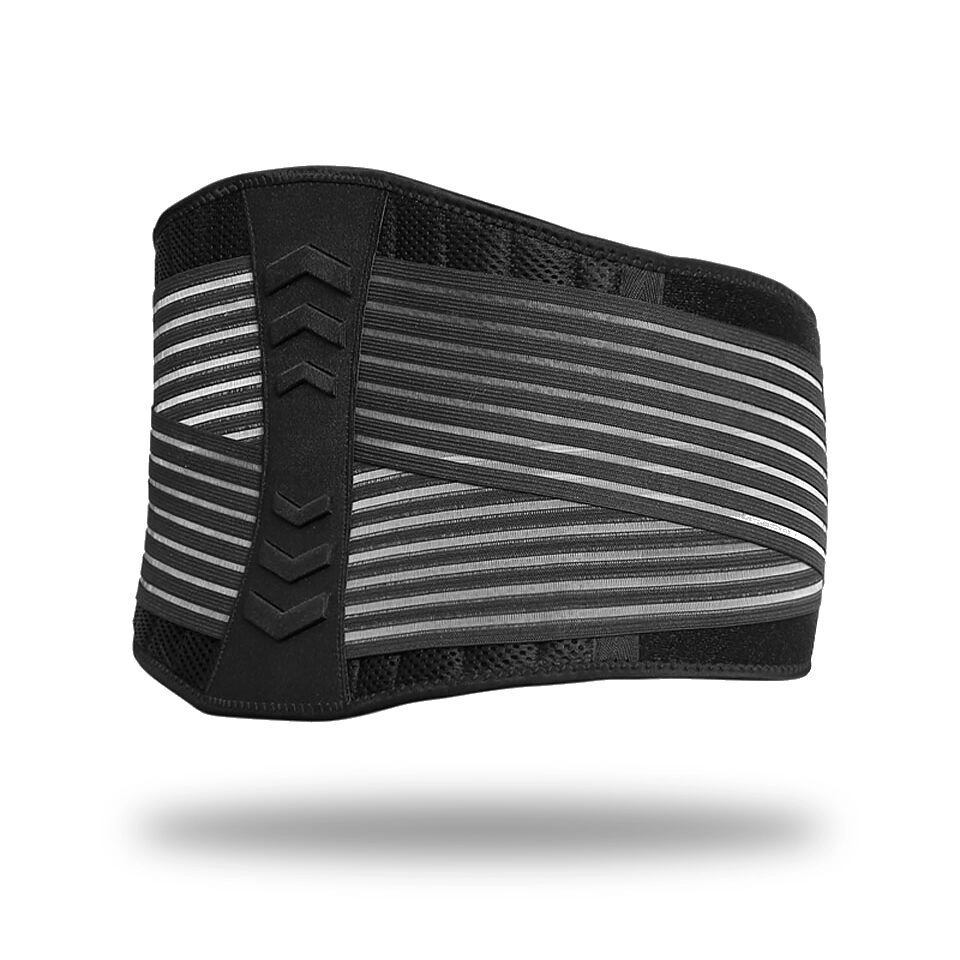
Lumbar Support Belt
This belt is a good fit for people who want simple lower back support for everyday use without stepping up to the firmest brace in the range. It is most useful when the lower back feels tired, strained, or more vulnerable during work, walking, exercise, or general daily movement.
When the issue is recurring lower back discomfort rather than upper-body posture, a belt-style support often makes more sense because it focuses help where it is actually needed. The aim is to reduce strain through the lower back, improve how supported the area feels, and make activity more manageable when the back is easily irritated.
This design combines adjustable compression with built-in stabilising springs to give the lower back a more secure and supported feel. That adjustability is one of its main strengths because it lets you vary how much support you want depending on the task, your comfort level, or the intensity of the activity.
It is also lightweight and less bulky than a larger brace, which makes it a practical option for people who want something simple enough for daily wear. For those who need lower back support during sport, gym sessions, walking, or routine activity, that balance between support and wearability is a real advantage.
Overall, this is best suited to people who want adjustable lower-back support in a simpler, more flexible belt format.
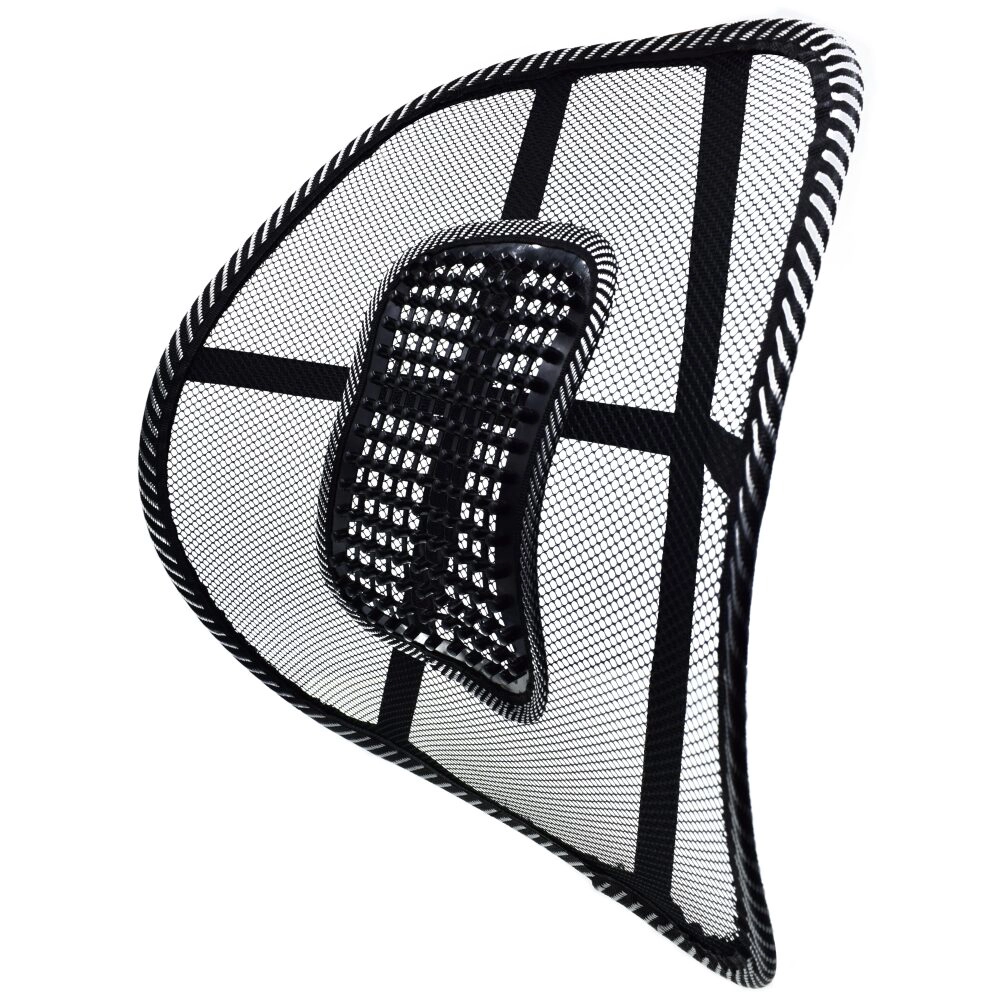
Ergonomic Backrest for Office Chairs
If your back tends to feel worse the longer you sit, this backrest is the most relevant option in the range. It is designed for desk work and other seated settings where poor chair support, slumping, or staying in the same position for too long gradually increase pressure through the back.
This kind of support makes sense when the problem is mainly positional rather than movement-based. Instead of being worn on the body, it changes how your back meets the chair, helping you sit with better support through the spine and reducing the tendency to collapse into a less comfortable posture over time.
The design straps onto your chair and can be adjusted to better match your seating position and height. That makes it more targeted than relying on a flat chair back alone, especially if you spend long stretches sitting and repeatedly notice tension, stiffness, or numbness building as the day goes on.
Because it is lightweight and breathable, it is a practical option for people who want support while sitting each day without wearing a brace. It is especially useful if your main aim is to improve comfort at a workstation rather than support the back during walking, lifting, or general movement.
Overall, this is best suited to people whose discomfort is strongly linked to desk work, driving, or other prolonged seated routines.
How to Choose the Right Back Support for Your Symptoms
The best support is not always the one with the most features or the firmest construction. It is the one that matches where your pain is and what tends to make it worse. Where you feel the discomfort most, what usually triggers it, and whether you need support when you are moving or when you are sitting will usually tell you more than a product label on its own.
Choose a Lower Back Brace if…
- Your pain is mainly in the lower back
- It tends to worsen with lifting, walking, standing, or bending
- You want firmer support during movement
If your main issue is upper-back posture, rounded shoulders, or discomfort that builds mainly while seated at a desk, a lower back brace may not address the real source of the problem as well as a posture support or chair backrest would.
Choose a Posture Brace if…
- Your discomfort sits higher up through the upper back, shoulders, or neck
- You notice slouching, rounded shoulders, or a forward head position
- You want support for alignment rather than strong lower-back reinforcement
If your symptoms are mostly in the lower back or regularly worsen when lifting and carrying, a posture brace may feel too light or too high to give the kind of support you actually need around the lumbar area.
Choose a Full Back Support if…
- You want help across the shoulders, spine, and lower back together
- Posture problems and lower back strain seem to be feeding into each other
- Lighter supports feel too limited in the areas they cover
The trade-off is that a larger brace with broader support will usually feel more structured than a simple posture corrector or lumbar belt, so it is best for people who want that added stabilising feel rather than the lightest possible option.
Choose a Chair Backrest if…
- Your discomfort builds mainly during sitting
- You feel better once you stand up and move around
- You want support at a desk, in the car, or in other seated settings
It is not a wearable brace, so if you need support while walking, lifting, exercising, or moving through the day, you will usually be better served by a lower back brace, posture support, or fuller back stabiliser instead.
What a Back Support Can and Cannot Do
A good back support can help by making the back feel better supported, reducing the strain placed on irritated areas, and encouraging a more comfortable position during the activities that usually trigger discomfort. For some people, that means better support while walking, standing, lifting, or exercising. For others, it means a better sitting or standing position, less upper-back fatigue, or greater comfort while sitting at a desk.
Some people notice the benefit straight away because the support changes how supported or steady the area feels. Others notice it more gradually, mainly because the back feels less irritated after certain tasks or less fatigued by the end of the day. What you notice can also vary depending on whether the main issue is muscular strain, posture, disc irritation, or longer-term stiffness.
What a back support should not be expected to do is replace proper assessment when symptoms are severe, unusual, or persistent. It can be a useful part of managing discomfort, but the best results usually come when the support matches the right problem and is used alongside sensible movement and, where needed, proper medical advice.
How to Wear a Back Support Comfortably and Effectively
A back support should feel firm and supportive, not painfully tight. In most cases, you want a fit that gives noticeable support without pinching, restricting normal breathing, or digging into the body. If a brace is adjustable, it is usually best to start with a moderate level of support and then adjust it based on comfort and activity.
When to wear it depends on the type of support and what usually triggers your symptoms. A lower back brace may be most useful during walking, lifting, chores, work, or exercise. A posture brace may be more relevant during sitting, desk work, or times when you know your posture tends to worsen. A chair backrest, on the other hand, is there specifically for seated support rather than general movement.
It is also normal for a support to feel a little unfamiliar at first, especially if you are not used to wearing one. The aim is a more supported and comfortable feeling, not a harsh or forced one. If you have persistent pain, a diagnosed back condition, or any uncertainty about what type of support is appropriate, it is sensible to seek individual advice before relying on a brace alone.
When Back Pain Needs Medical Advice
Back pain that keeps getting worse, keeps coming back without an obvious trigger, or does not improve with basic self-care should be properly assessed. Many cases of back pain are mechanical, meaning the pain changes with movement, posture, or load, and often settle with time. Some symptoms, however, need more than a brace or support alone.
- Pain after a fall, impact, or other injury
- Numbness, weakness, or symptoms spreading down the leg or into the arms
- Changes in bladder or bowel control
- Unexplained weight loss, fever, or feeling generally unwell
- Severe night pain or pain that does not ease with rest
- Rapidly worsening symptoms or increasing difficulty walking or moving normally
If any of these apply, or if you are unsure what is driving the pain, it is important to get medical advice. A back support may still help with comfort, but severe, unusual, or ongoing symptoms should not be self-managed without proper assessment.
Common Questions About Back Supports and Braces
Do back braces really help with back pain?
They can, provided the type of support matches the type of pain you are dealing with. A brace does not remove every cause of back pain, and it is not a substitute for proper assessment where needed, but it can help by reducing strain on a sore area, improving how supported the back feels, and making certain movements or positions more comfortable. In practice, the biggest difference usually comes when the support is used for the right problem rather than chosen at random.
What is the difference between a posture brace and a lower back brace?
A posture brace works higher up the body. It is mainly used to support the shoulders, upper back, and the position of the neck and upper spine, so it is more relevant when slouching, rounded shoulders, or upper-back tension are the main issue. A lower back brace, by contrast, is designed to support the lumbar area, which is the lower part of the back. That makes it the better fit when pain is centred lower down and gets worse with lifting, bending, standing, or walking.
How do I know if I need a brace for movement or support for sitting?
The answer usually lies in what tends to trigger your symptoms. If the pain is worse when you walk, lift, bend, exercise, or spend time on your feet, a wearable brace is usually more relevant because it supports the back during movement. If the pain mainly builds while you are seated and improves once you stand up, a chair backrest may make more sense because it changes how your back is supported against the chair. In other words, the activity that brings the pain on often points you towards the type of support that is more likely to help.
Can I wear a back brace every day?
Many people do wear a back brace regularly, but how often depends on the type of support, the reason for using it, and how it feels on your body. Some people wear a brace during the activities that usually trigger pain, such as lifting, walking, work, or desk time, rather than continuously all day. The brace should feel supportive, not restrictive. If it feels too tight, causes discomfort, or you are unsure how often to use it, it is sensible to seek individual advice, especially if you have an ongoing back condition.
When is a back support not enough on its own?
A back support is there to help manage strain and improve comfort. It is not there to replace proper medical assessment where symptoms are severe, unusual, or persistent. If the pain keeps getting worse, keeps coming back without a clear reason, follows an injury, or comes with numbness, weakness, bladder or bowel changes, unexplained weight loss, fever, or severe night pain, support alone is not enough. Those symptoms need proper assessment so the cause can be checked and the right treatment plan put in place.
Find the Support That Best Matches Your Back Pain
Different back problems need different kinds of support. Some people need firmer help around the lower back, some need better upper-body alignment, and others need improved support while sitting for long hours. The key is not choosing the most complicated option, but the one that best matches where your discomfort sits, what tends to trigger it, and how much support feels right for your usual routine.
If you are still deciding, use the roundup and product sections above to narrow the options down based on where you need support most. That will usually give you a much clearer starting point than trying to compare every option as though they all do the same job.
Disclaimer: This guide is for general information only and is not a substitute for professional medical advice, diagnosis, or treatment. If your symptoms are severe, persistent, unusual, or worsening, seek advice from a qualified healthcare professional.